




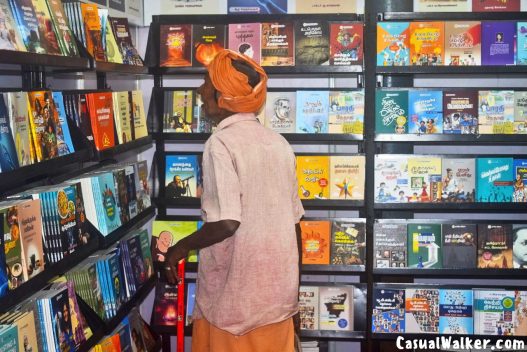
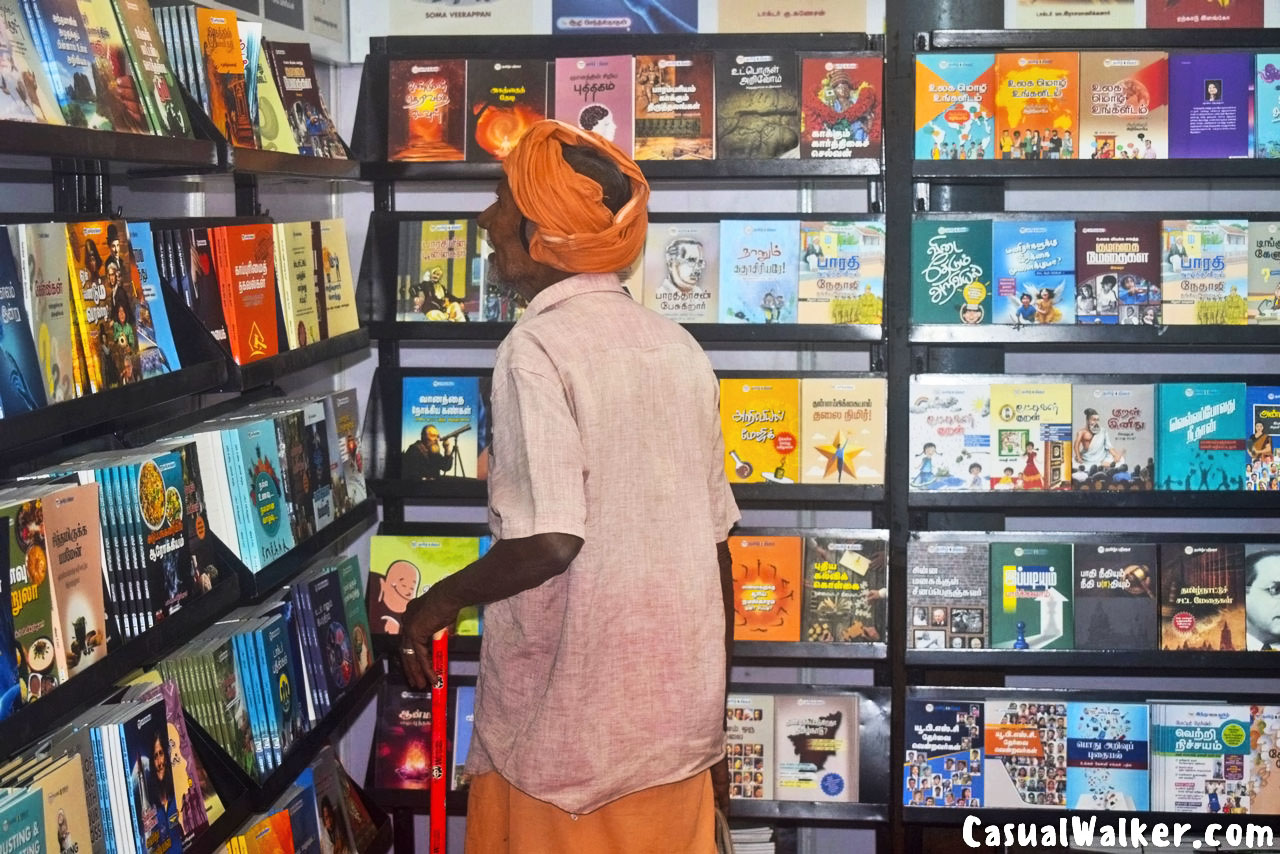



49th Chennai Book Fair 2026 BAPASI Nandanam: South India’s Biggest Literary Festival & Book Exhibition – Complete Visitor Guide | Explore Over 1,000+ Stalls Featuring 10,000+ Books, Novels & Titles in Tamil, English & Regional Languages – Dates, Timings, Entry Fee, Ticket Price, Location & Complete Stall List (Updated)
– south india’s largest book fair by booksellers & publishers association

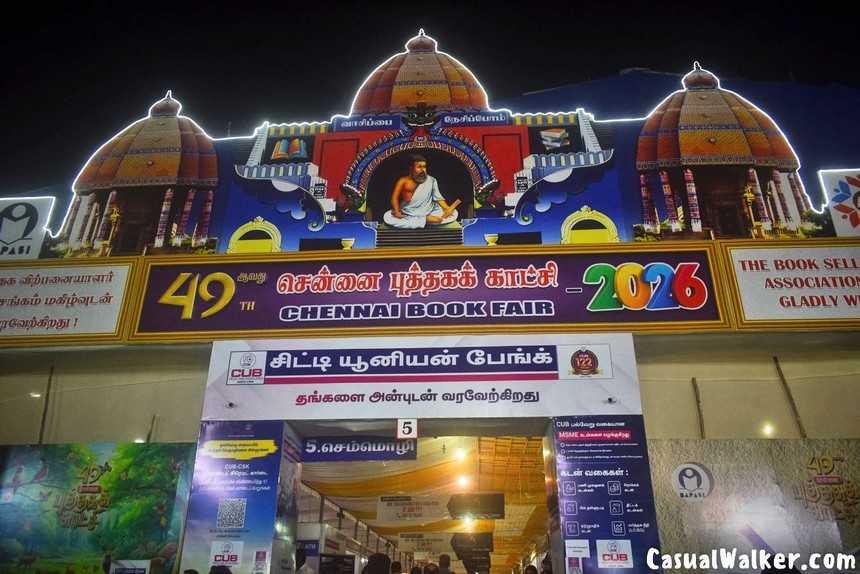
The BAPASI Chennai Book Fair 2026, organized by the Booksellers and Publishers Association of South India (BAPASI), has been a cultural landmark in Chennai and one of the largest book fairs in South Asia since 1977. The 49th edition of this iconic Chennai book exhibition opened at the sprawling YMCA Grounds in Nandanam. With over 1,000 stalls with 428 Tamil, 256 English, and 24 general stalls featuring more than 10,000 titles, the Chennai book fair has never been more vibrant. In a groundbreaking move, BAPASI made entry completely free book fair Chennai this year, removing even the nominal ₹10 fee that existed for decades. The gates open daily from 11 AM to 8:30 PM, welcoming everyone into this literary wonderland. 
The scent of book paper hits me first fresh ink on paper mixed with the earthy aroma of the YMCA grounds. For thirty-seven years, since that first wide-eyed visit in 1989, this has been my annual pilgrimage, my literary homecoming.
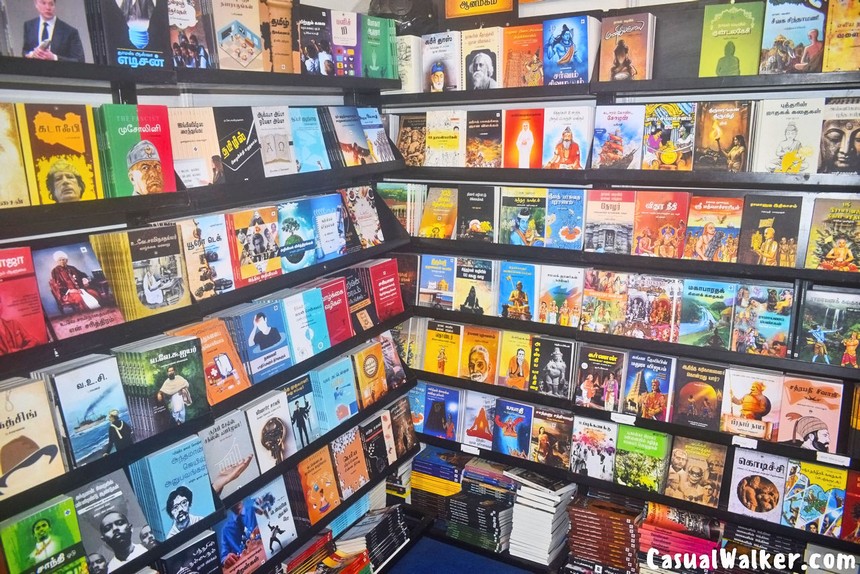
Explore the Chennai Book Fair 2026
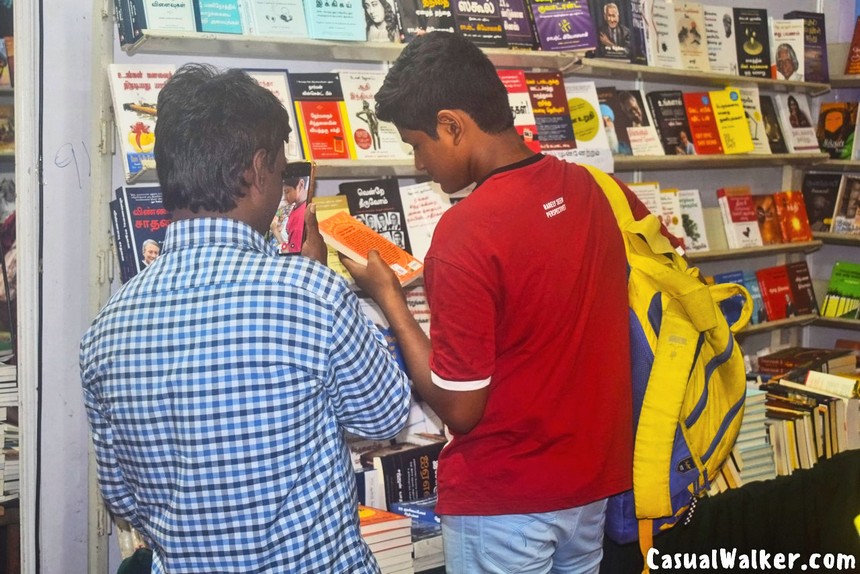
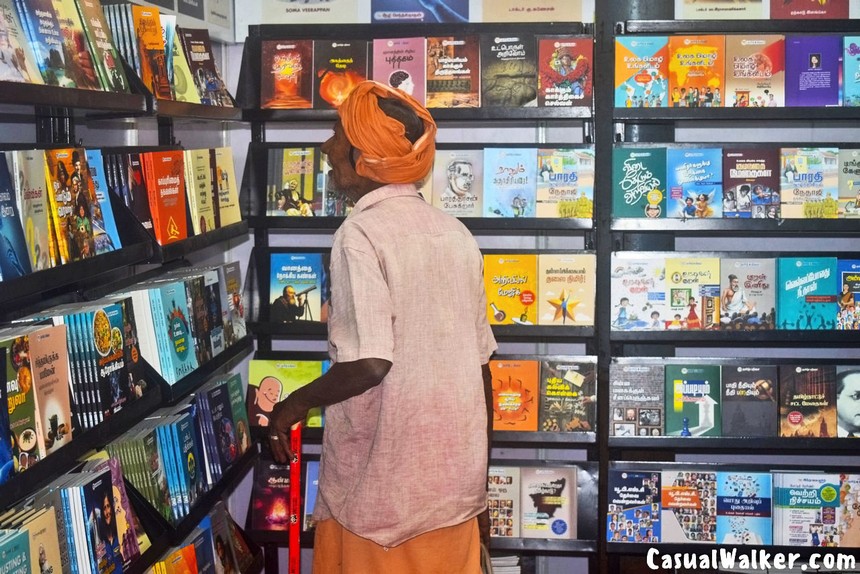
Walking through the maze of stalls, visitors encounter an astonishing diversity of literature from ancient Tamil classics and contemporary fiction to self-help guides and children’s books Chennai. Each section of the fair tells its own story, reflecting the reading tastes and intellectual curiosities of Chennai’s book lovers.
Among these varied offerings, certain categories and publishers stood out, creating unique experiences that captured the essence of this year’s fair. Let’s explore each of the main book categories that defined the Chennai Book Fair 2026.
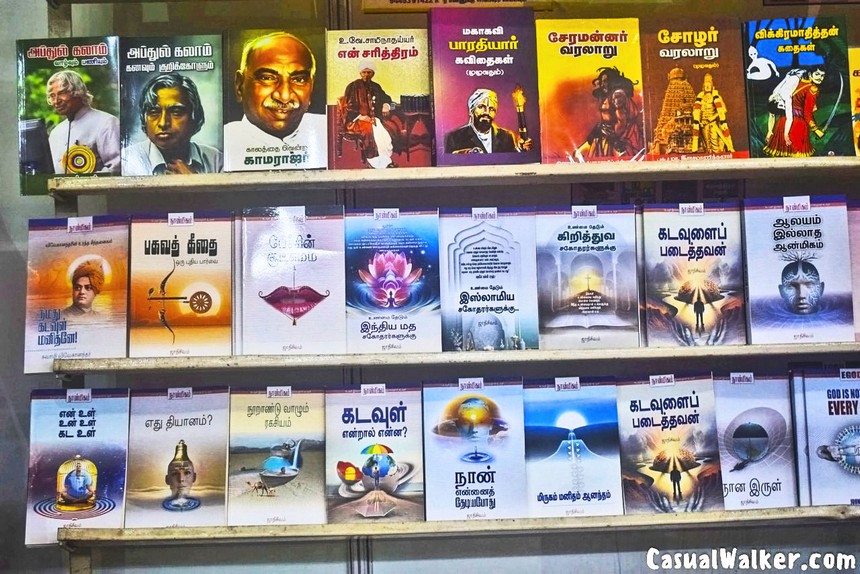
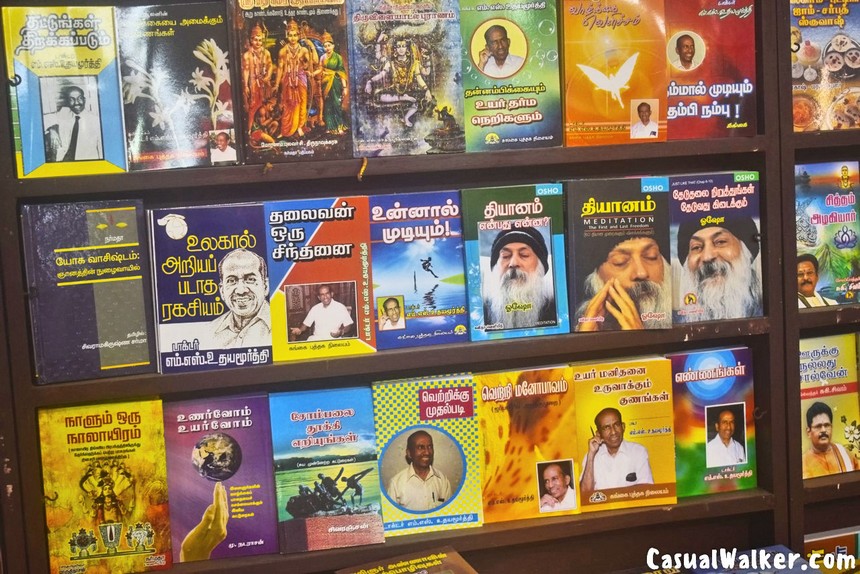
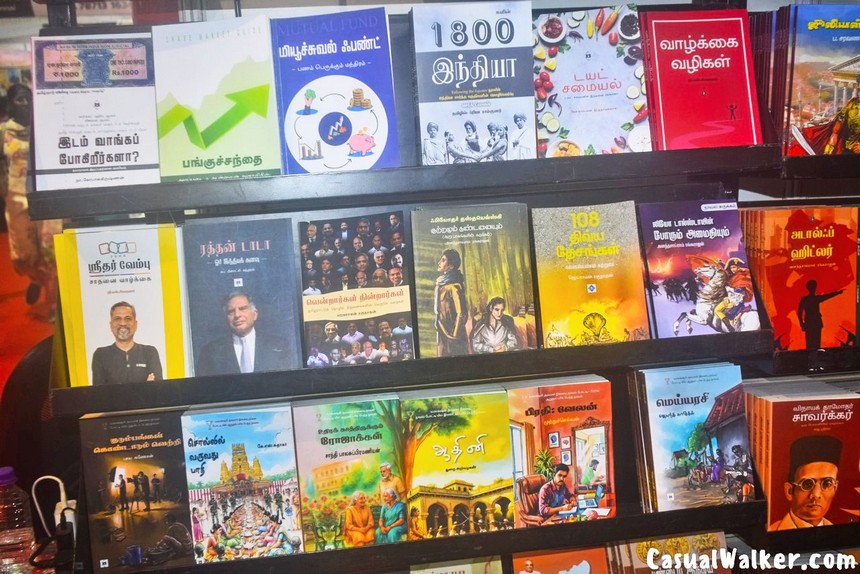
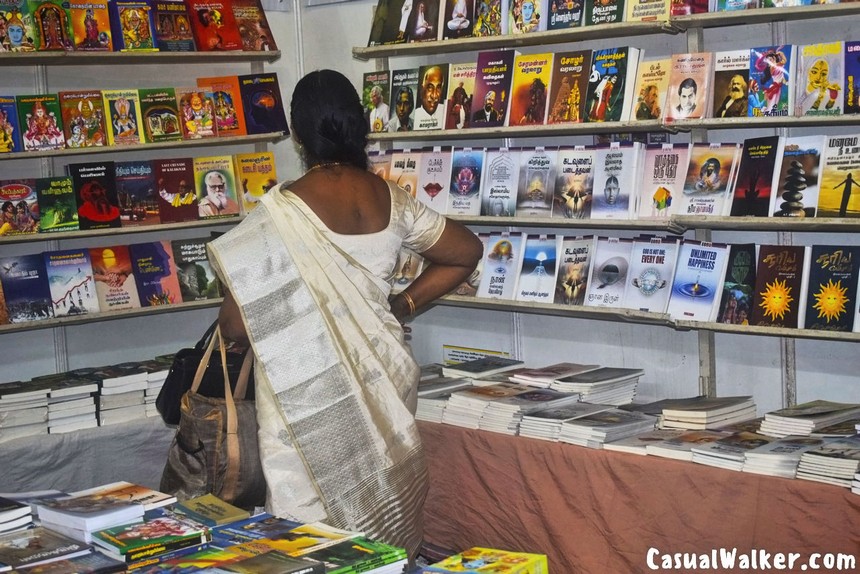

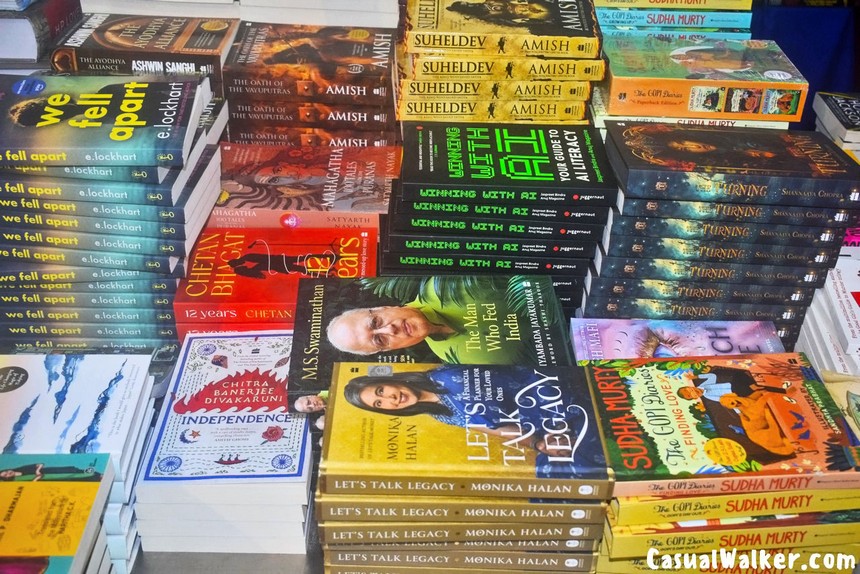
Historical Literature: Understanding Our Roots
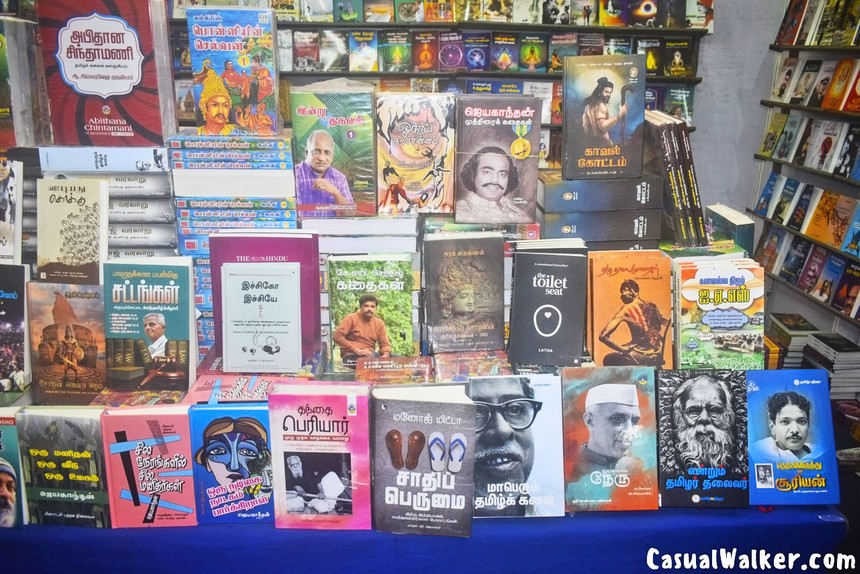
Indian history books and constitutional history, independence movement biographies, contemporary political analyses readers want to understand the forces shaping India. Books examining partition narratives, the freedom struggle, and political figures from various eras are disappearing fast from shelves.
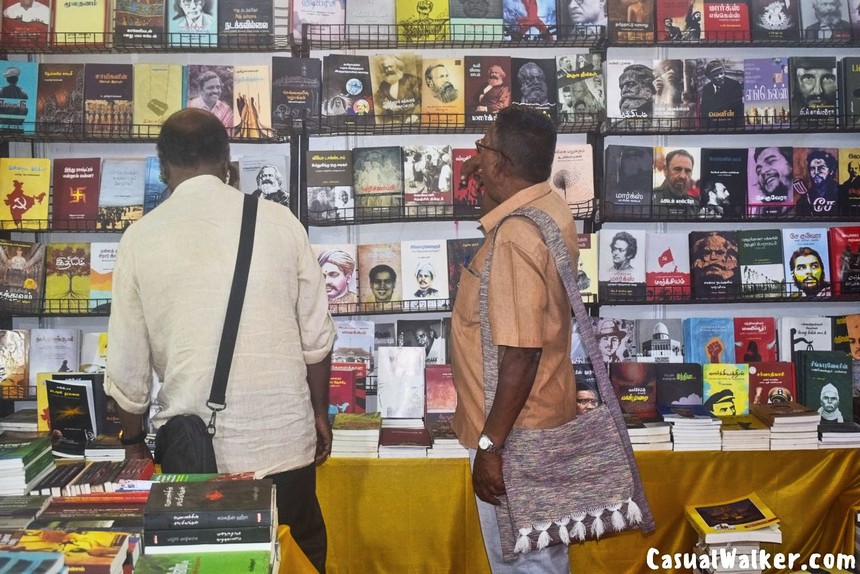
Chera, Chola, and Pandya Legacy – Tamil Dynasty Books
Historical fiction Tamil and non-fiction about Tamil dynasties has become remarkably popular. The ancient Chera, Chola, and Pandya kingdoms the three crowned rulers of ancient Tamil Nadu captivate modern readers.
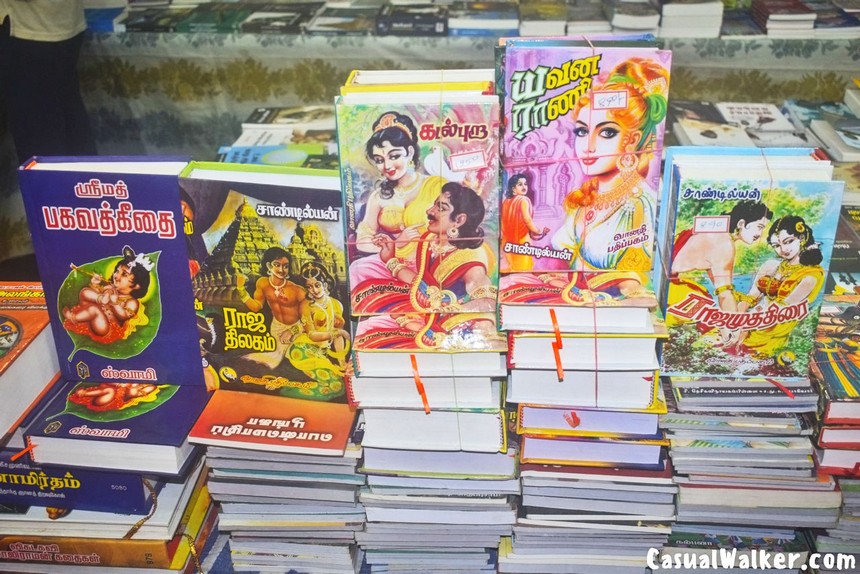
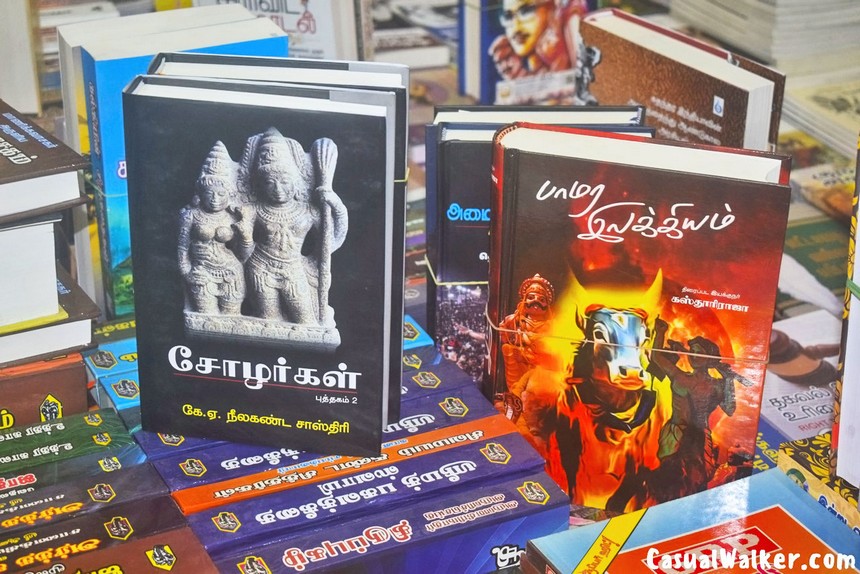
Chola Dynasty Books: From Raja Raja Chola I’s architectural marvels to the extensive maritime empire under Rajendra Chola I, books on Chola history fly off shelves. Detailed accounts of the Thanjavur Brihadeeswara Temple construction, the Chola administrative system, and their Southeast Asian expeditions fascinate history enthusiasts. Historical fiction bringing this era alive palace intrigues, maritime trade, temple construction transports readers to an age of Tamil glory.
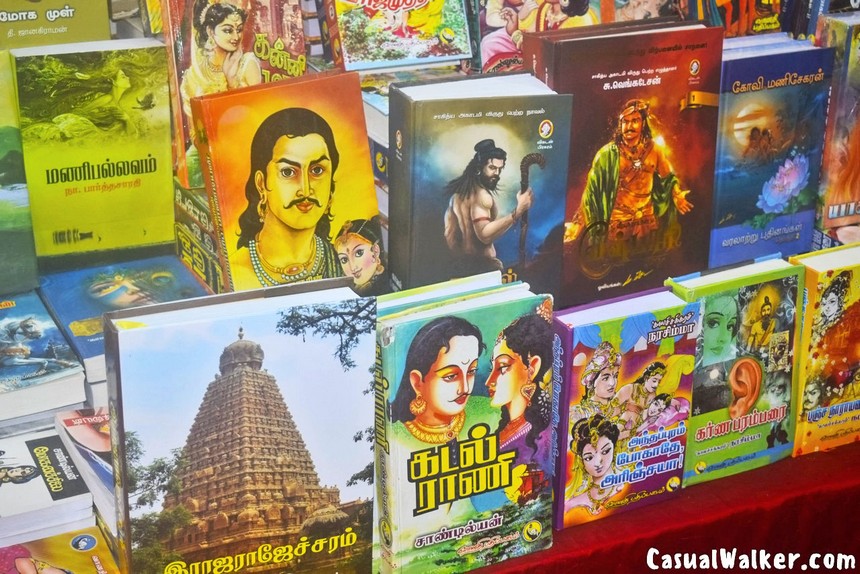
Books on the Pandya dynasty, with their capital at Madurai, explore their role in Tamil literature patronage, their conflict and cooperation with Cholas and Cheras, and their contribution to temple architecture.
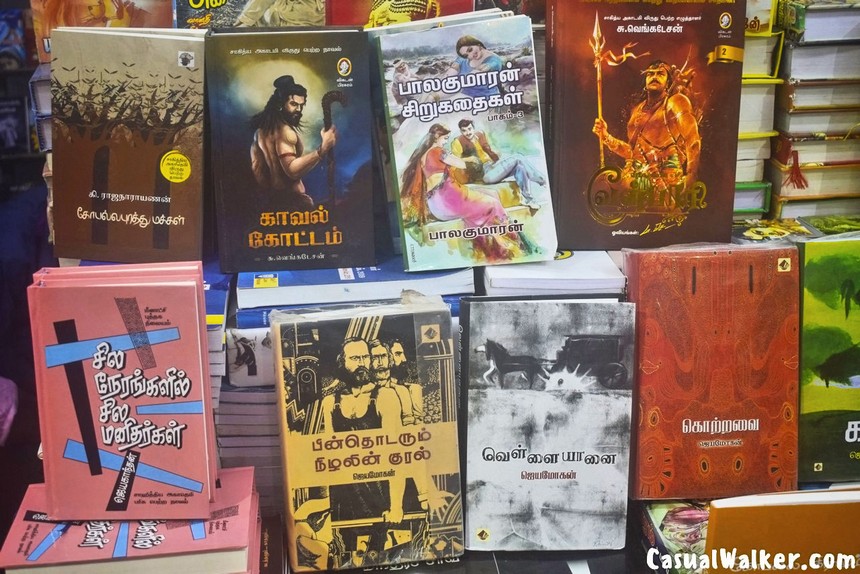
Equally fascinating Chera kingdom of Kerala and western Tamil Nadu finds new audiences their control of spice trade routes, connections with ancient Rome, and the unique culture of the Western Ghats region offer fresh historical perspectives.
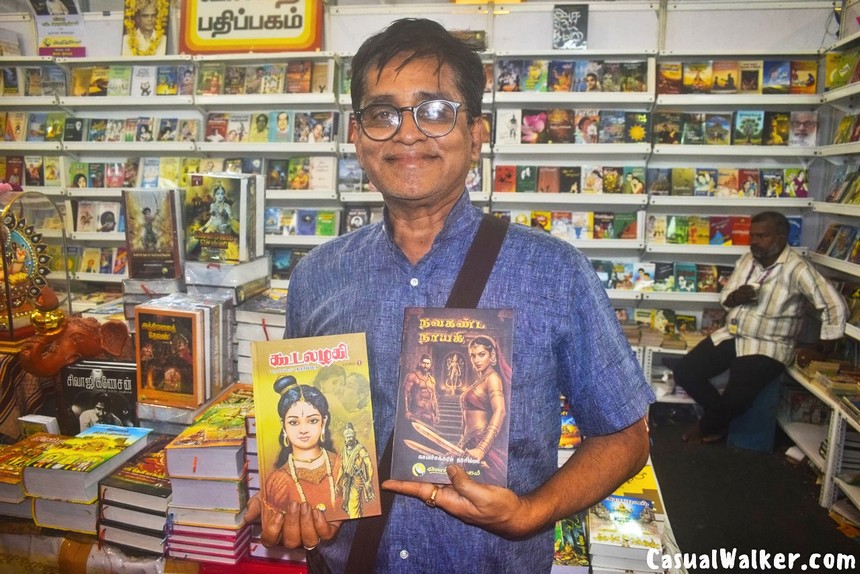
Meticulously researched novels set during these periods complete with authentic details about daily life, political intrigue, warfare, and culture bridge education and entertainment beautifully. Maps, genealogies, and historical timelines help readers navigate these complex dynasties.
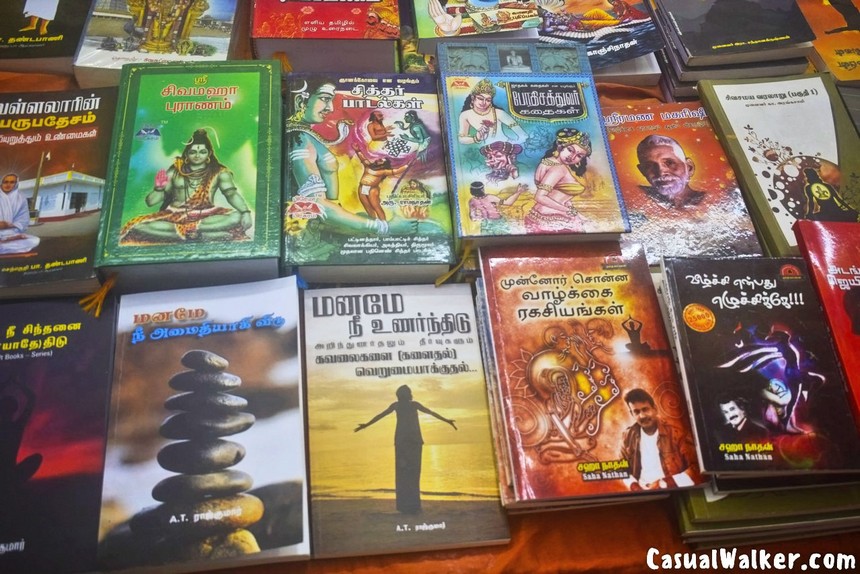
Heart and Soul: Tamil Literature – Buy Tamil Books
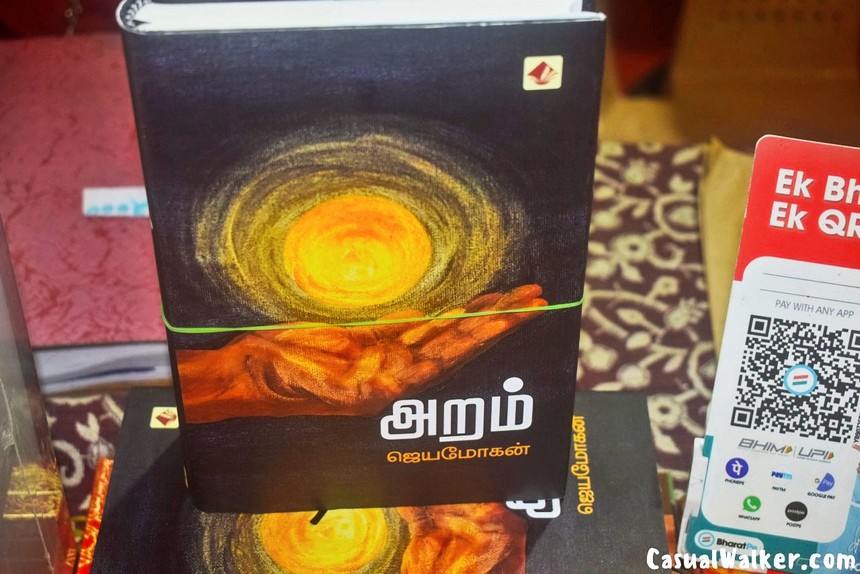
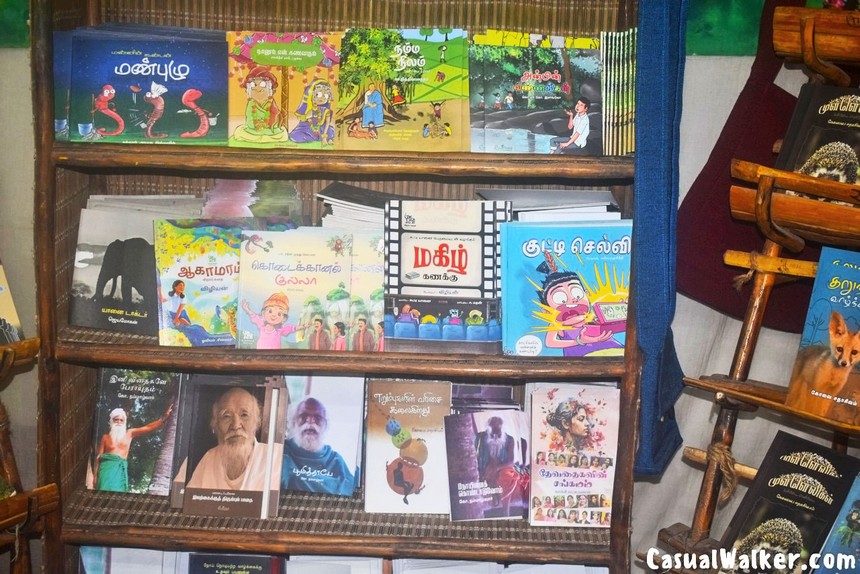
The 428 Tamil book stalls represent the fair’s beating heart. Classical Sangam poetry books sit next to cutting-edge contemporary fiction. Young readers are rediscovering ancient texts while devouring modern Tamil novels exploring urban life, relationships, and social issues.
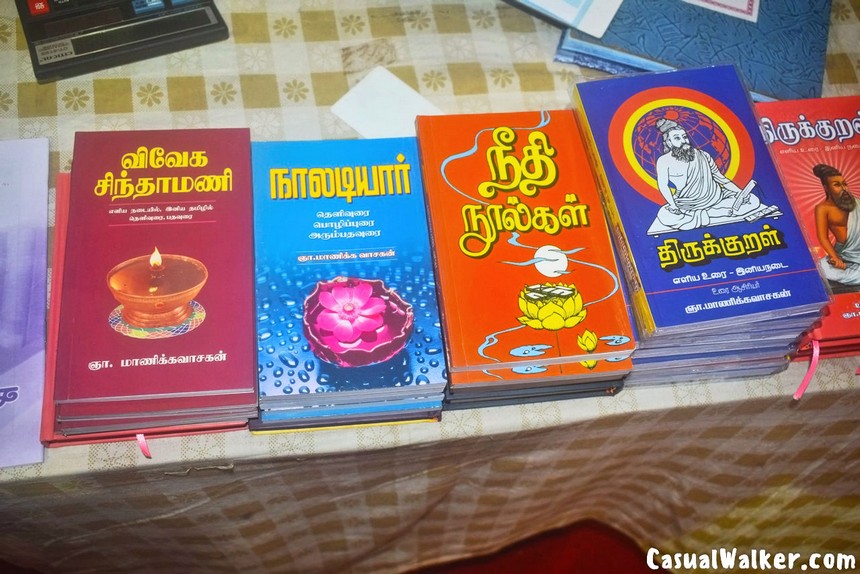
What strikes me most is watching younger, English-educated professionals deliberately choosing Tamil books online and offline. There’s a conscious effort to reconnect with linguistic and cultural roots. Reading Tamil literature books in its original script offers nuances and rhythms that translation inevitably loses.
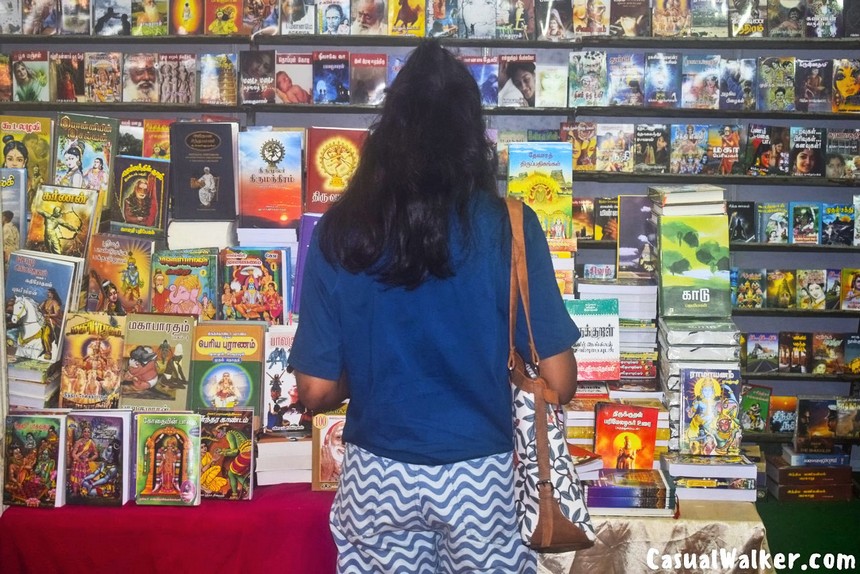
Contemporary Tamil poetry is also finding new audiences. Modern poets exploring current themes in traditional forms create a living bridge between classical Tamil literary heritage and present-day concerns.
Tamil Shaivite Literature: The Sacred Quartet
A dedicated section for Tamil Shaivite texts reveals the deep spiritual heritage of Tamil Nadu. These aren’t peripheral texts they’re foundational to Tamil religious and literary tradition.
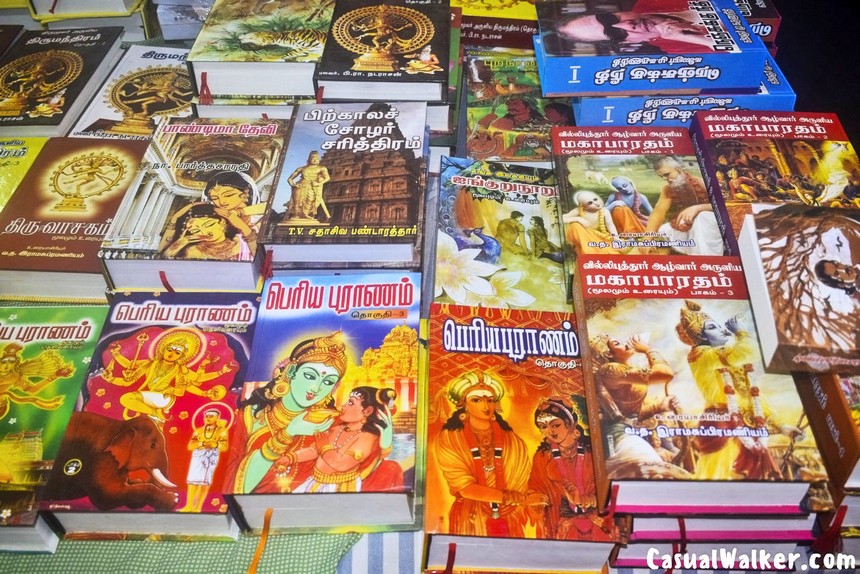
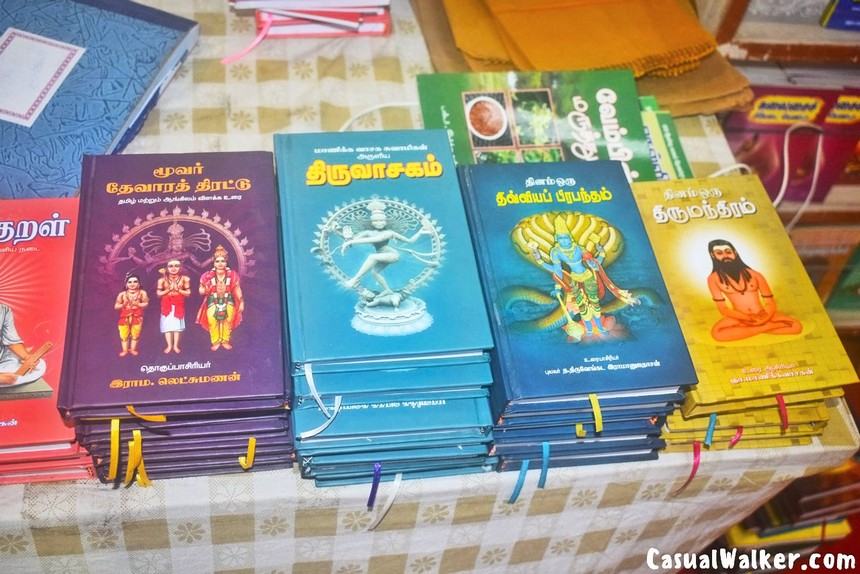
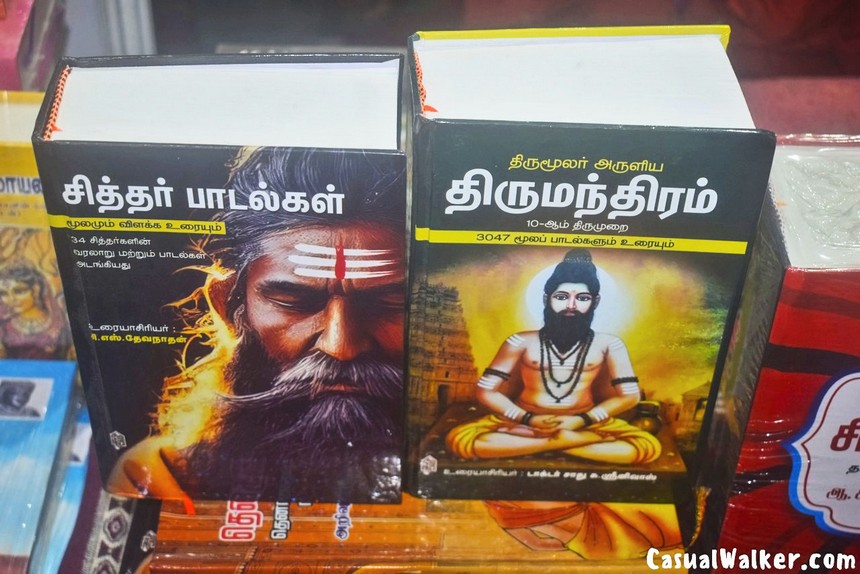
Thirumandiram book by Thirumoolar stands as a monumental work 3,000 verses covering everything from yoga and tantra to philosophy and ethics. Seeing younger readers engage with this 2,000-year-old text, seeking guidance on kundalini yoga books and spiritual practices, demonstrates the timelessness of genuine wisdom. Multiple publishers offer editions with Tamil text, transliteration, and English/Tamil translations to make this profound work accessible.
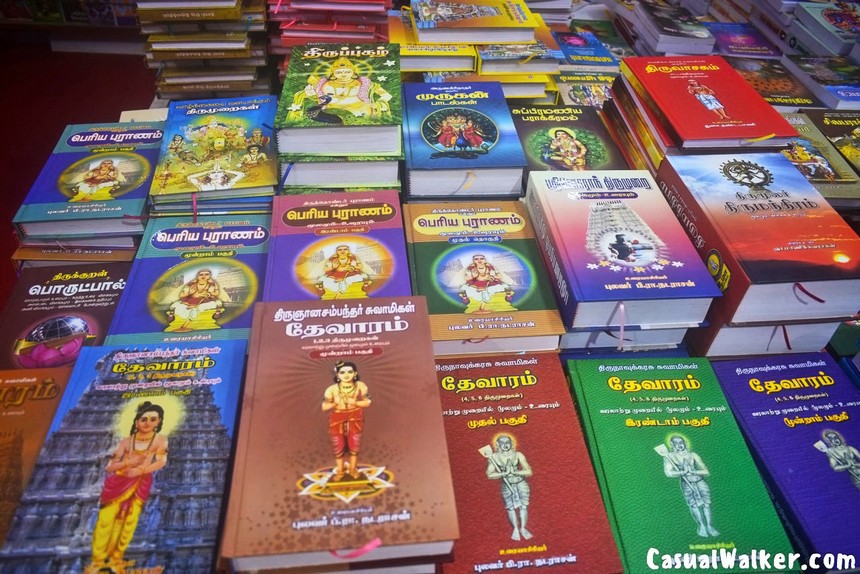
Periyapuranam (also known as Thiruthondar Puranam), written by Sekkizhar, narrates the lives of the 63 Nayanmars the Shaivite saints of Tamil Nadu. These hagiographies aren’t dry historical accounts but passionate stories of devotion, sacrifice, and divine grace. The poetic beauty of the original Tamil combined with the inspiring life stories makes this work appeal to both literary and spiritual readers.
Devaram, the collective hymns of the three great Shaivite saints Thirugnanasambandhar, Thirunavukkarasar (Appar), and Sundarar fills multiple volumes. These passionate devotional poems sung in praise of Lord Shiva and various temple deities across Tamil Nadu created the Bhakti movement in the South. Publishers offer thematic collections, temple-wise compilations, and complete works, catering to different reader needs.
Thiruvasagam book by Manikkavasagar represents the pinnacle of Tamil devotional poetry. The intense personal devotion, the soul’s yearning for the Divine, and the exquisite Tamil poetry make this work treasured by scholars and devotees alike. The famous Thiruvasagam hymn sung during aartis in Shaivite temples connects readers to living tradition.
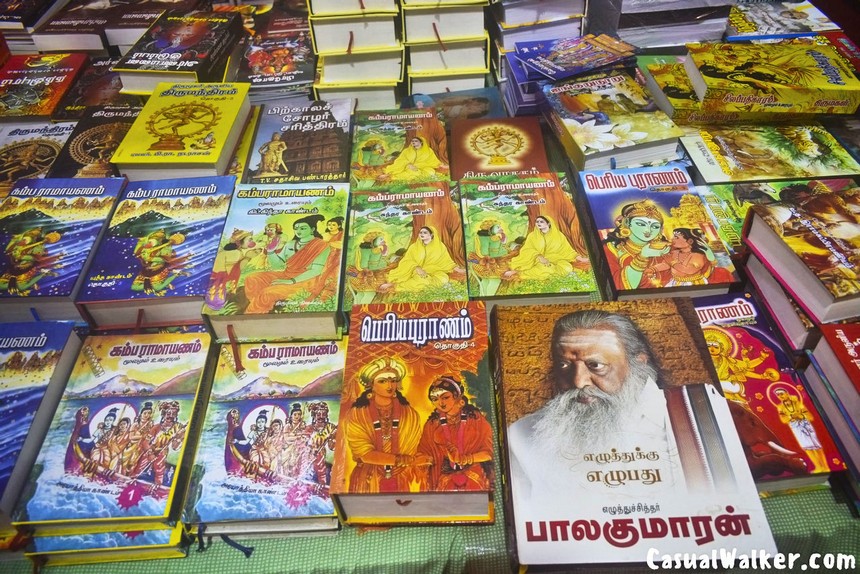
What’s remarkable is seeing these texts studied not just as religious literature but as literary masterpieces. Tamil literature students, researchers, and general readers appreciate the linguistic beauty, the sophisticated poetic devices, and the cultural insights these works offer.
Vedanta and Philosophy – Spiritual Books India
From Thirukkural to Vedanta philosophy, from contemporary spiritual leaders to ancient wisdom texts, this section draws everyone from college students to seniors. The post-pandemic world has driven a hunger for inner peace, mindfulness books, and purpose that these books address.
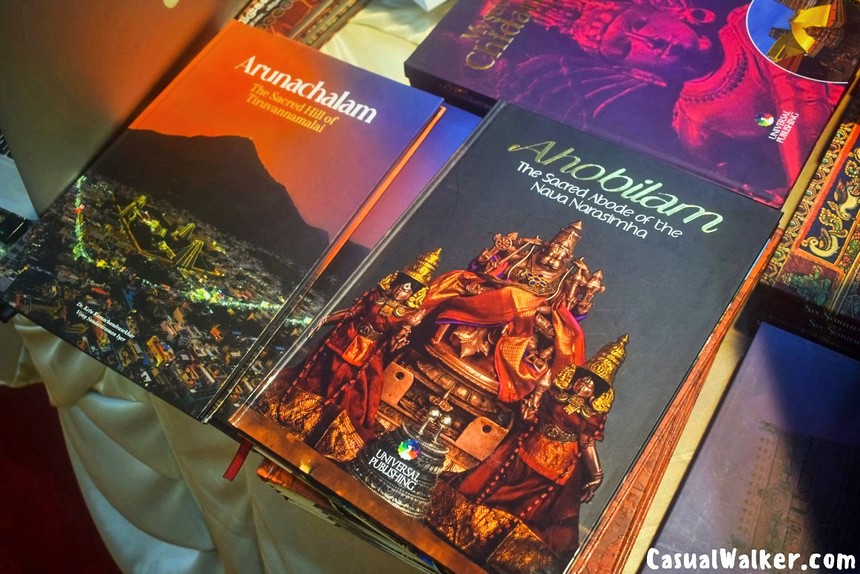
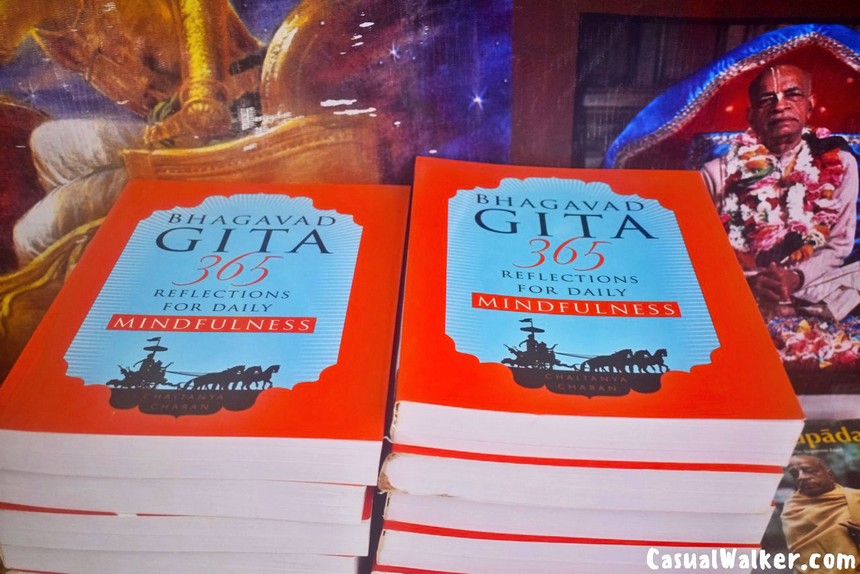
The Vedanta philosophy books section deserves special attention. Works by Adi Shankaracharya, Ramana Maharshi books, Swami Vivekananda, and contemporary teachers like Swami Chinmayananda find eager readers. The Upanishads, Brahma Sutras, and Bhagavad Gita both in original Sanskrit with translations and in accessible modern interpretations occupy prominent shelf space.
Social Justice Literature: Voices of Change
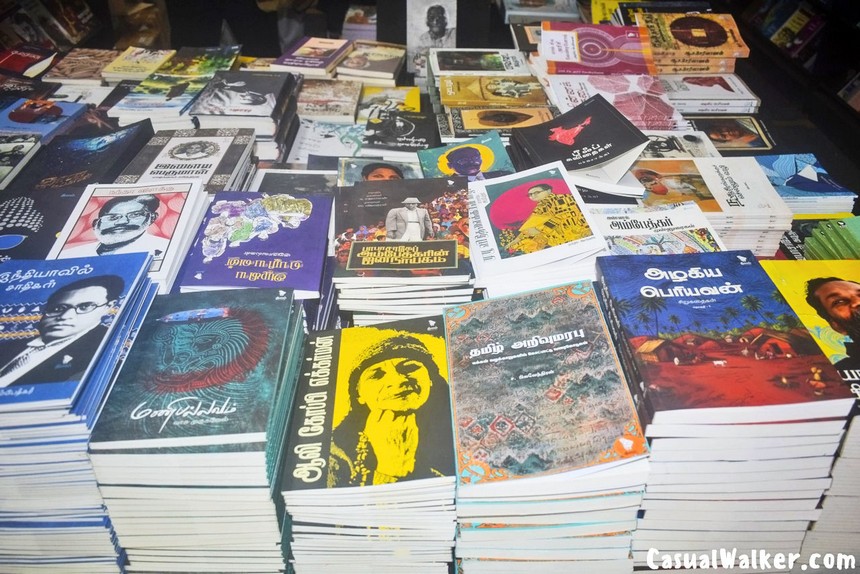
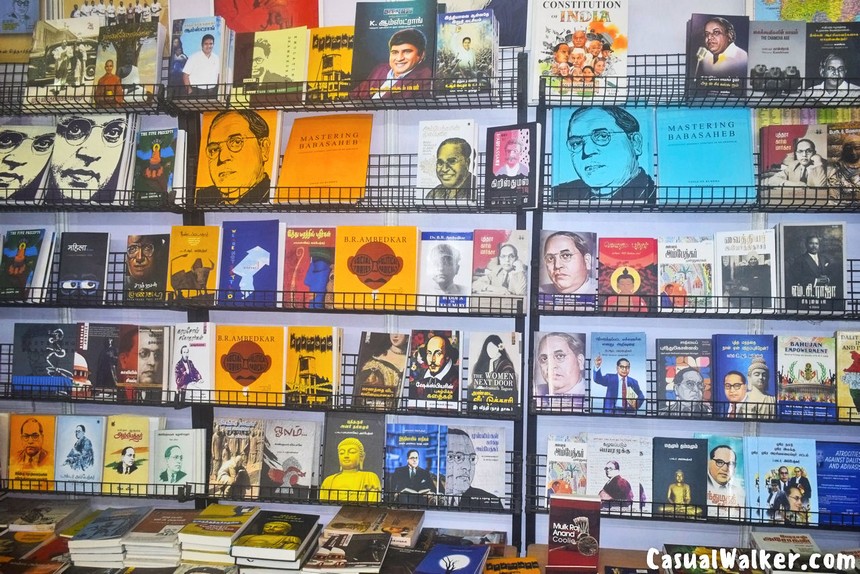
A growing section on social justice books, equality, and reform movements occupy increasing shelf space. Various highly notable works examining Dr. Bhimrao Ramji Ambedkar’s books, and social reform find engaged readers, particularly among college students and young activists. Tamil writers are producing powerful works examining social hierarchies, demanding accountability, and imagining more equitable futures.

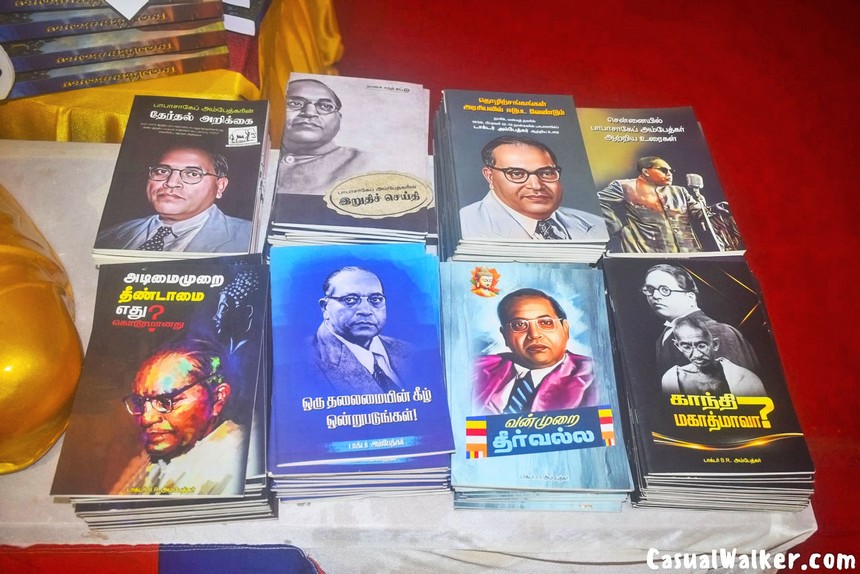
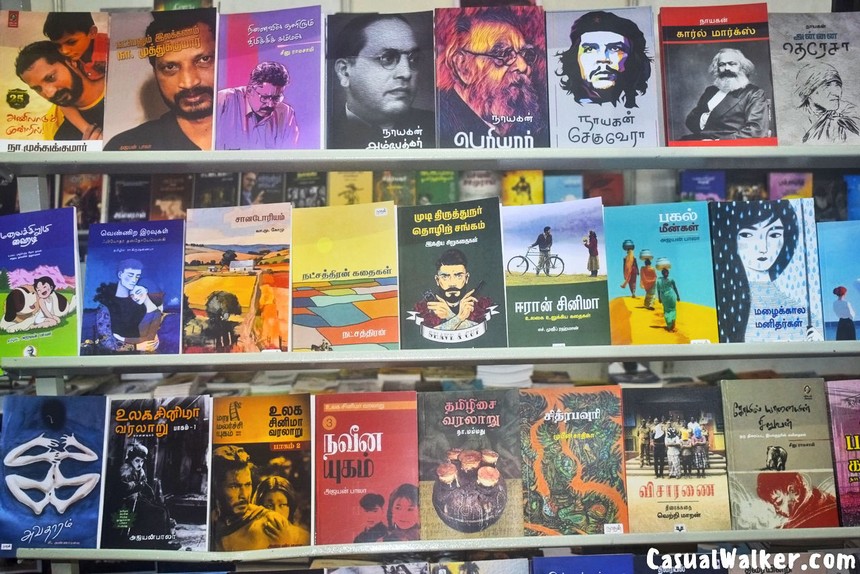

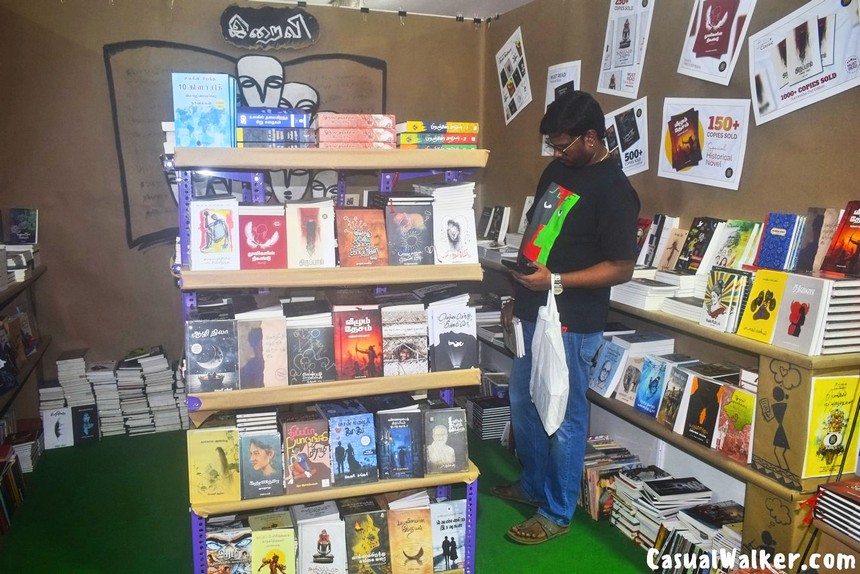
Environmental justice literature examining occupational exposure to pollution, displacement of tribal communities for development projects, and unequal climate change impacts connects social and environmental concerns.
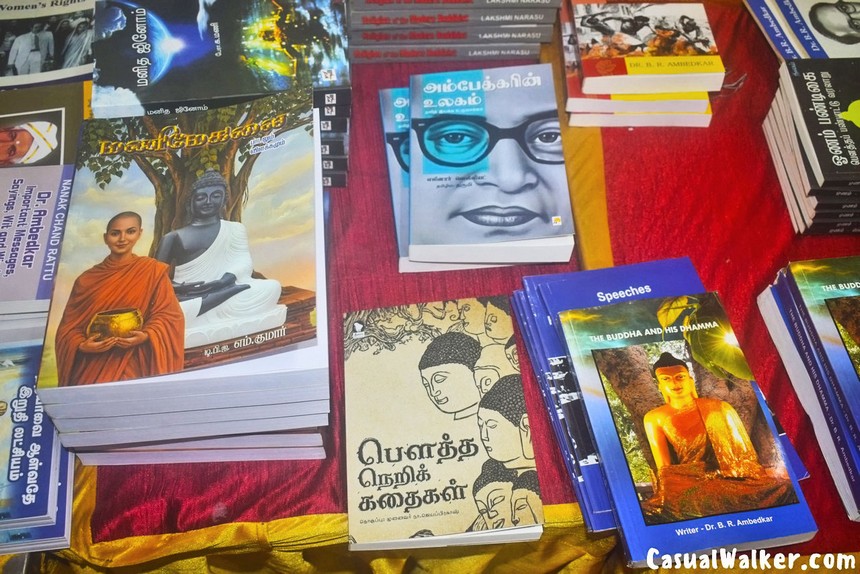

Children’s Books: Nurturing Young Minds – Best Kids Books Chennai
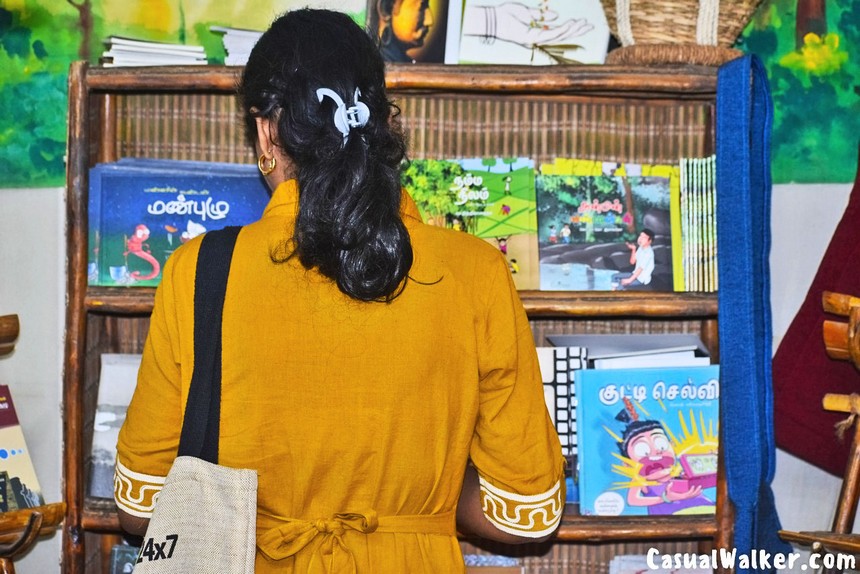
Walking through the children’s section feels like entering a world painted in primary colors and imagination. This year, the fair has dedicated even more space to children’s literature, recognizing that today’s young readers are tomorrow’s bibliophiles.
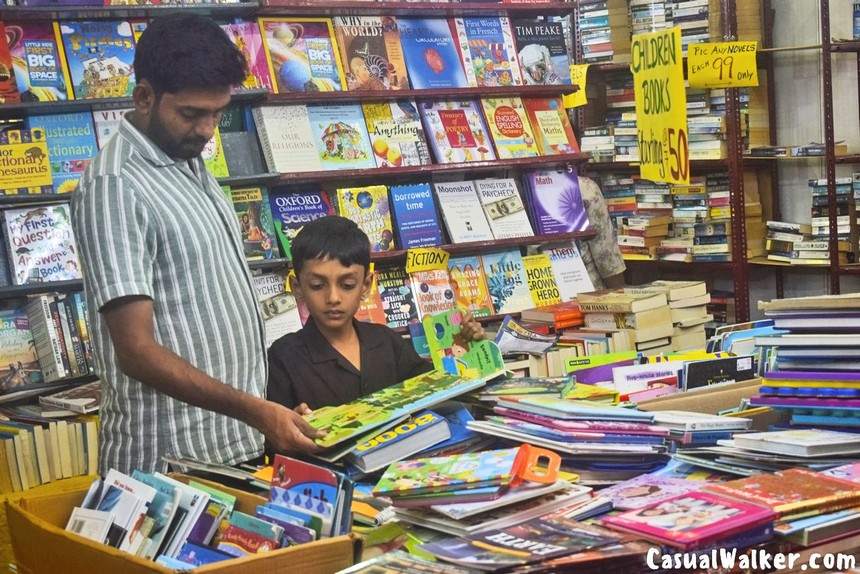
Picture books with vibrant Tamil illustrations sit alongside English classics for kids from Eric Carle’s beloved caterpillar to contemporary Indian authors creating stories rooted in our culture.
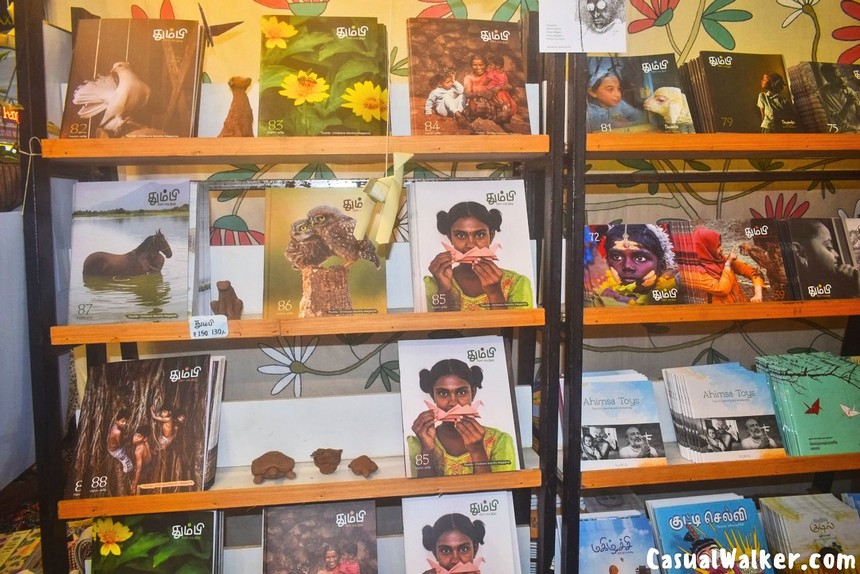
What’s particularly heartening is watching parents take time to select books thoughtfully. They’re not just grabbing whatever’s popular they’re considering age-appropriateness, educational value, and representation. Many parents specifically seek bilingual books for children, wanting their children to be comfortable in both Tamil and English.
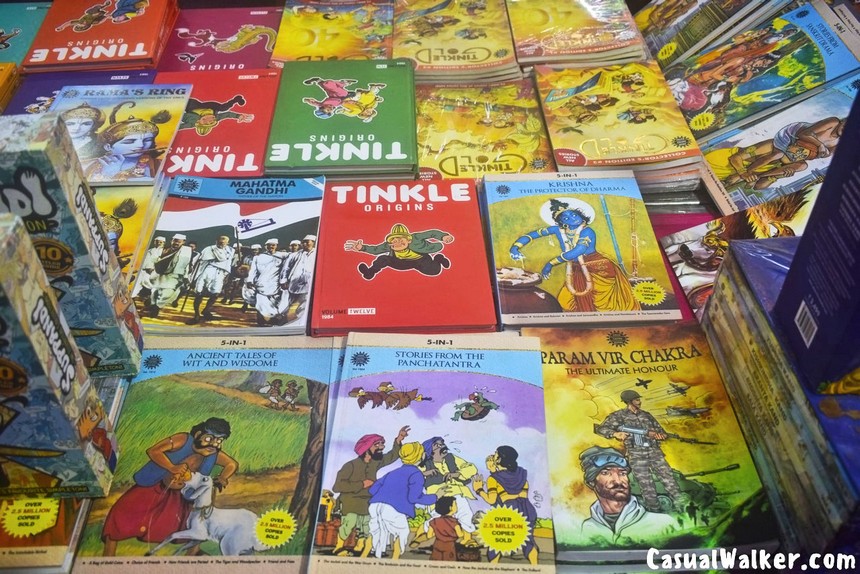
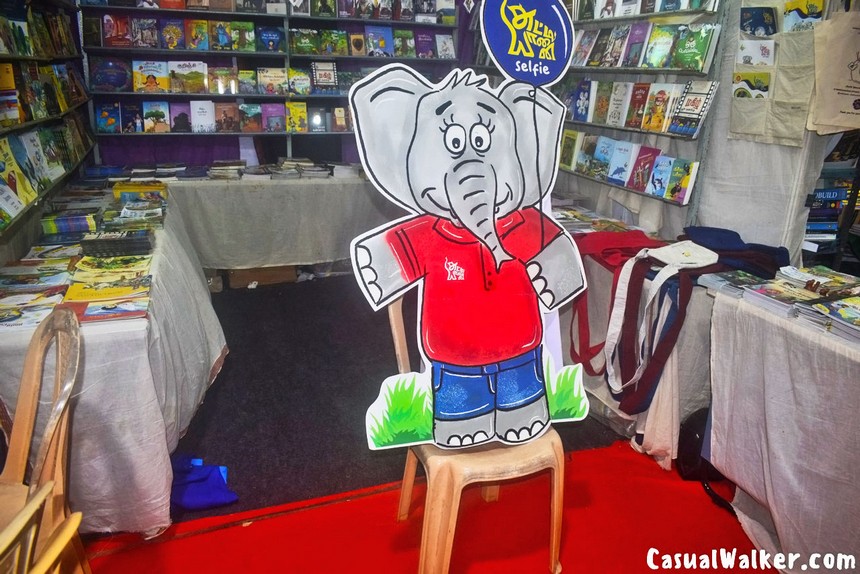
The manga and graphic novels section for children has exploded. Publishers have realized that visual storytelling isn’t lesser literature it’s a different gateway to reading. Comics about Indian mythology for kids, science concepts explained through illustrations, and adventure stories in graphic format are flying off the shelves.
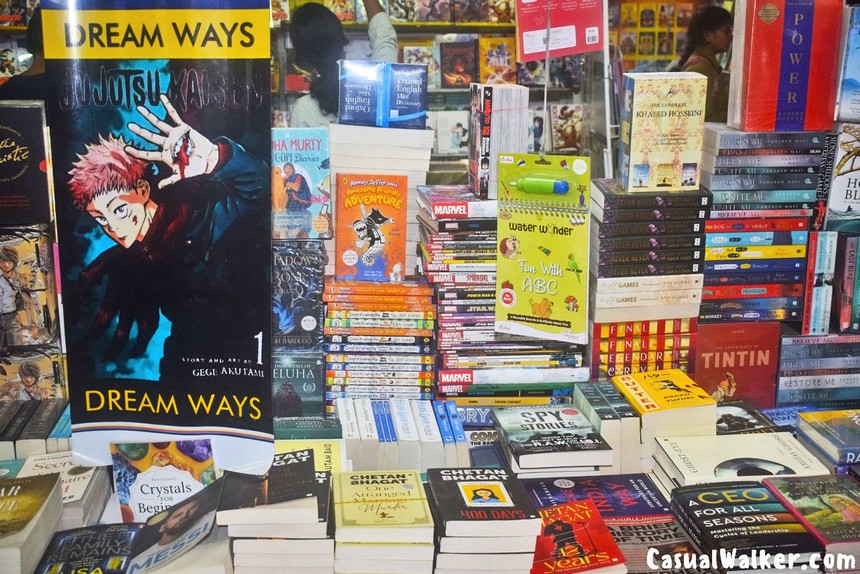
Educational activity books combining fun with learning puzzle books, science experiment guides, art and craft books appeal to parents who want to limit screen time while keeping children engaged. The post-pandemic generation of parents seems more intentional about creating reading habits early.
Yoga: Beyond the Asanas – Yoga Books Chennai
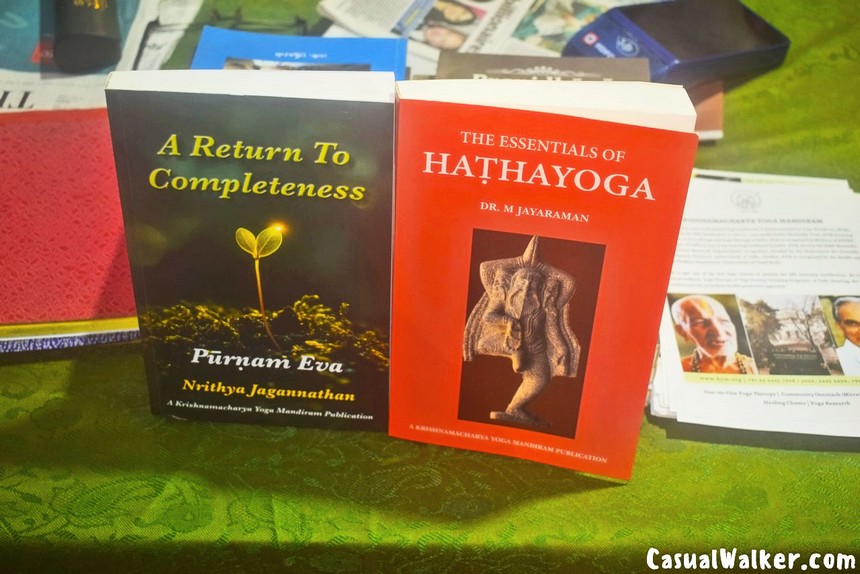
The yoga books section has evolved dramatically. It’s no longer just about physical postures. Books on Patanjali’s Yoga Sutras, detailed commentaries on the eight limbs of yoga, pranayama techniques, and meditation books reflect a maturing understanding of yoga as a complete spiritual system.
Japanese Wisdom Meets Chennai: The Happy Science Experience
The Happy Science booth at the Chennai Book Fair offered visitors a fascinating glimpse into Japanese spiritual philosophy, presenting a collection of texts that bridge Eastern wisdom with universal spiritual questions.
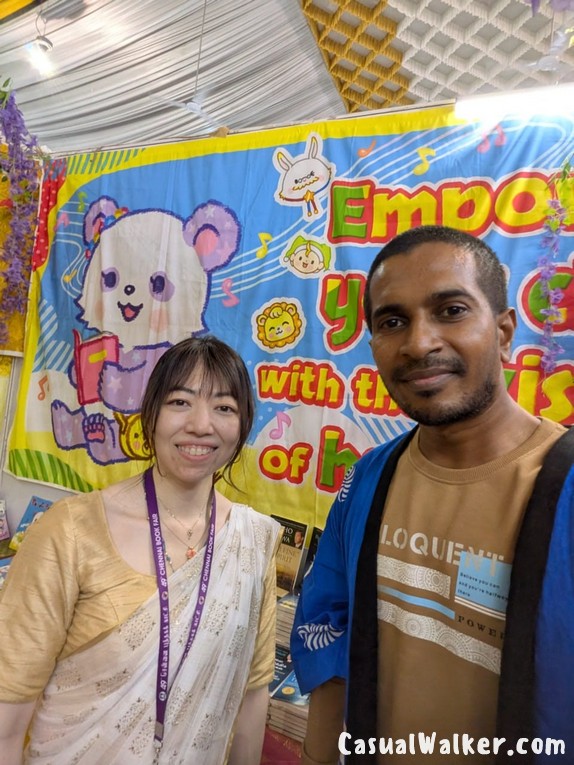
Joshua Fujyoshi san, Reena Osaki san, Sathoshi san all wearing beautiful traditional Indian dresses warmly shared the teachings of Happy Science, a spiritual movement founded by Ryuho Okawa san. They are also joined with their Indian members Narayanan san and Aravind san.
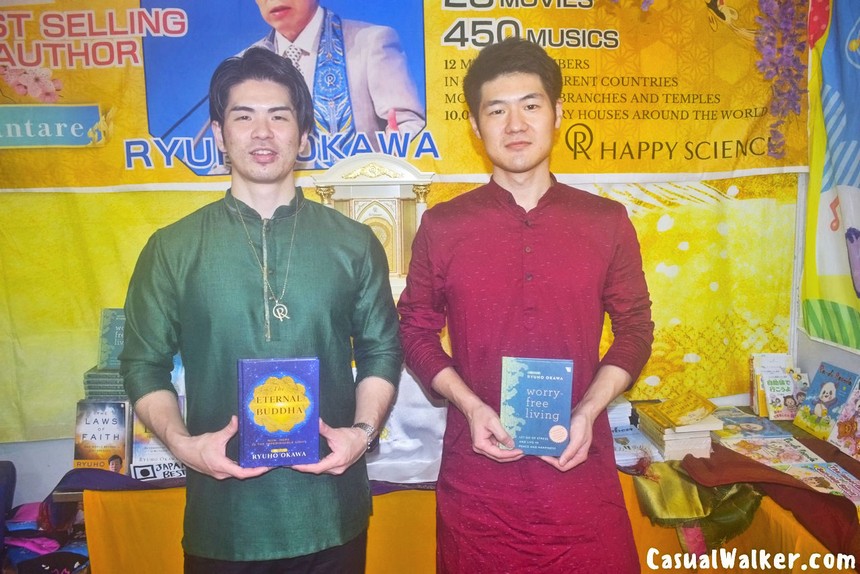
Joshua Fujyoshi san, serving as the organization’s lecturer at the stall, super enthusitically showed me The Laws of the Sun as Happy Science’s foundational scripture. The book tackles humanity’s most enduring questions: Where did we come from? Why are we here? What is our purpose in this existence? These aren’t merely academic inquiries but practical guides for daily living. The text weaves together cosmology, spiritual psychology, and moral philosophy, offering readers a comprehensive worldview rooted in what Happy Science describes as Japanese spiritual culture, though its themes resonate universally.
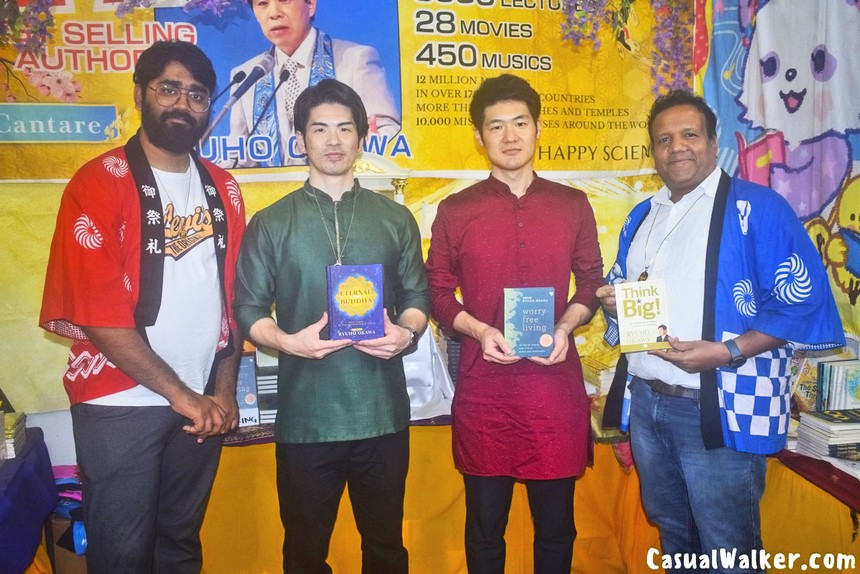
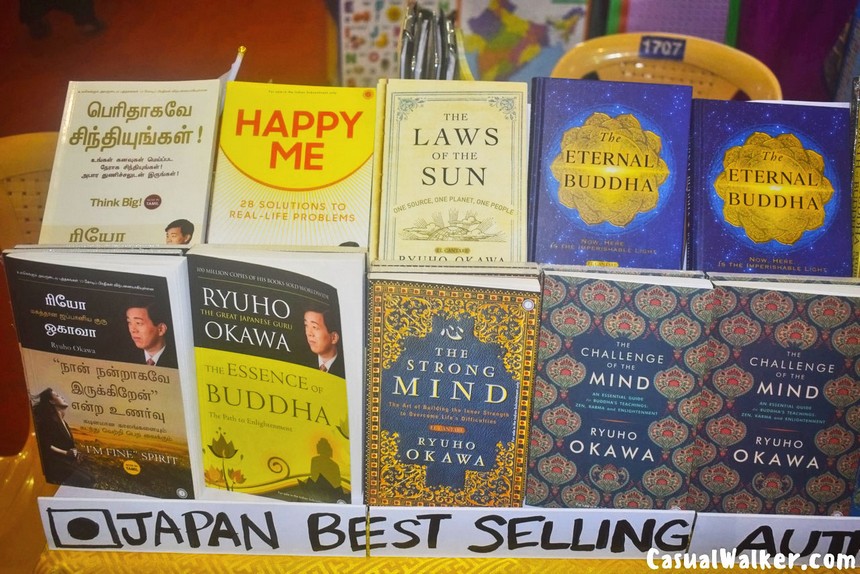
Their collection also spans philosophical foundations. Books like The Eternal Buddha and The Laws of Eternity form the philosophical foundation of Happy Science’s offerings. The Eternal Buddha, this year’s pre-sale centerpiece, examines Buddha not as the historical Siddhartha Gautama alone, but as an eternal spiritual principle and consciousness that transcends time.
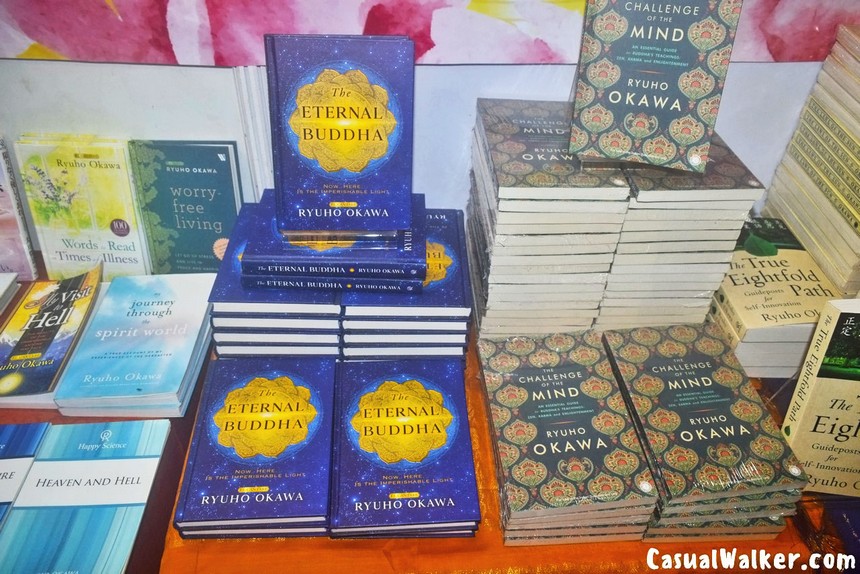
The book weaves Buddhist cosmology with Happy Science’s distinctive teachings on enlightenment books and how ancient wisdom addresses modern spiritual seeking. Complementing this, The Laws of Eternity ventures into detailed explorations of the afterlife systematically mapping the structure of the spirit world and the journey of consciousness beyond physical death, offering extensive insights that few spiritual traditions articulate with such specificity.
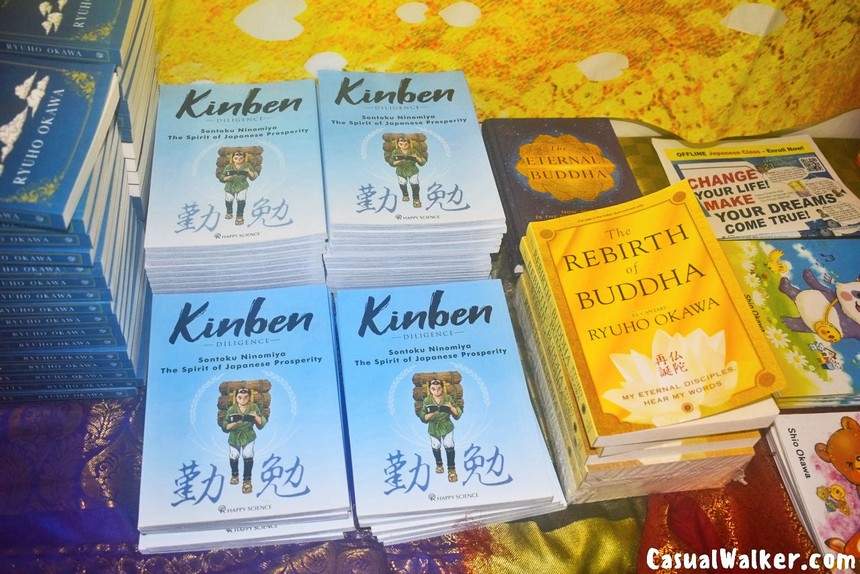
Kinben, Think Big, and Worry-Free Living provide practical applications of spiritual wisdom. Kinben (“Diligence”) innovatively uses manga illustrations to tell the true story of Sontoku Ninomiya, a 19th-century Japanese philosopher who rose from poverty to develop revolutionary agricultural reforms that rebuilt 600 villages during the Edo period, embodying principles of hard work, gratitude, and social responsibility through accessible visual storytelling.
Think Big challenges readers to expand their aspirations by aligning ambitious goals with spiritual purpose, demonstrating that material success and spiritual growth can complement rather than contradict each other. Meanwhile, Worry-Free Living offers practical techniques for cultivating inner peace and mental resilience, applying Happy Science’s teachings to everyday anxiety relief and stress management.
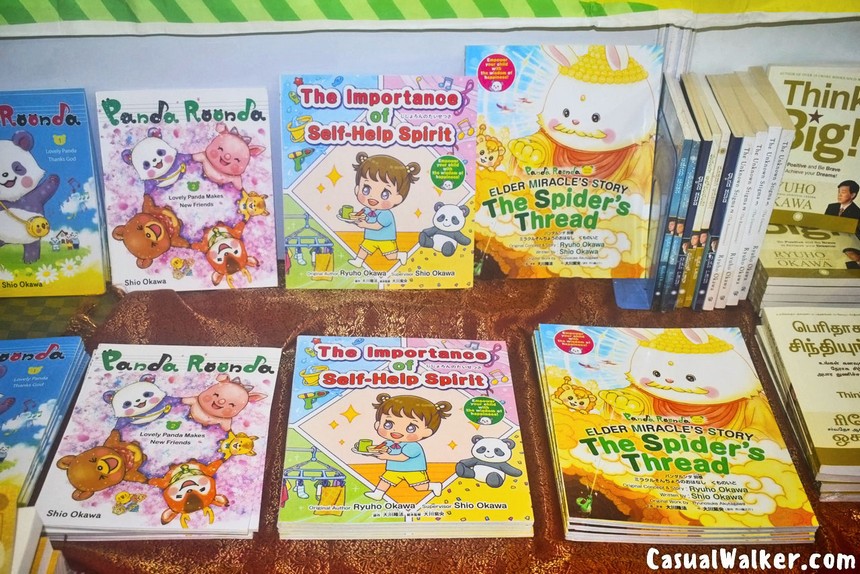
The children’s book collection represents perhaps the most charming aspect of Happy Science’s offerings, featuring adorable Kawaii-style illustrations that make spiritual concepts accessible to young readers. These thoughtfully crafted books use the quintessentially Japanese Kawaii aesthetic cute, gentle, and endearing to introduce children to values like kindness, courage, and gratitude without condescension.
A Living Testament to Thirukkural: An Unexpected Encounter
Walking through the Tamil literature section, I stumbled upon something extraordinary that stopped me in my tracks a display of Thirukkural inscribed on palm leaves. Not printed, not typed, but painstakingly hand-engraved using traditional methods.
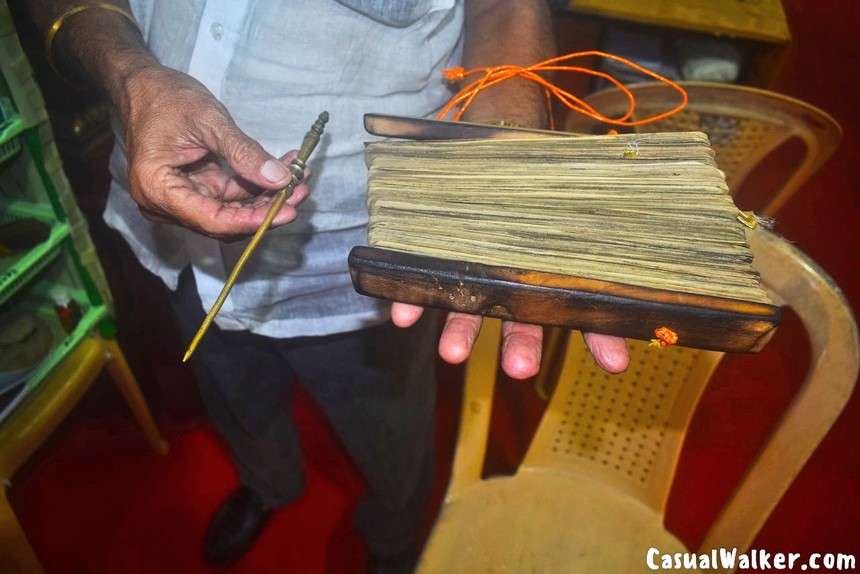
The man behind this remarkable work is Jaswant Singh, a 58-year-old civil engineer from Mogappair. Originally from Hoshiarpur in Punjab, he grew up in Chennai attending a Hindi-medium school. He discovered Tamil literature later in life, and ten years ago, a particular couplet changed everything for him: “Kedayil vizhuchelvam kalvi oruvaruku, madalla matrai yavai” which means: Learning is the only imperishable wealth, the others are not true riches.
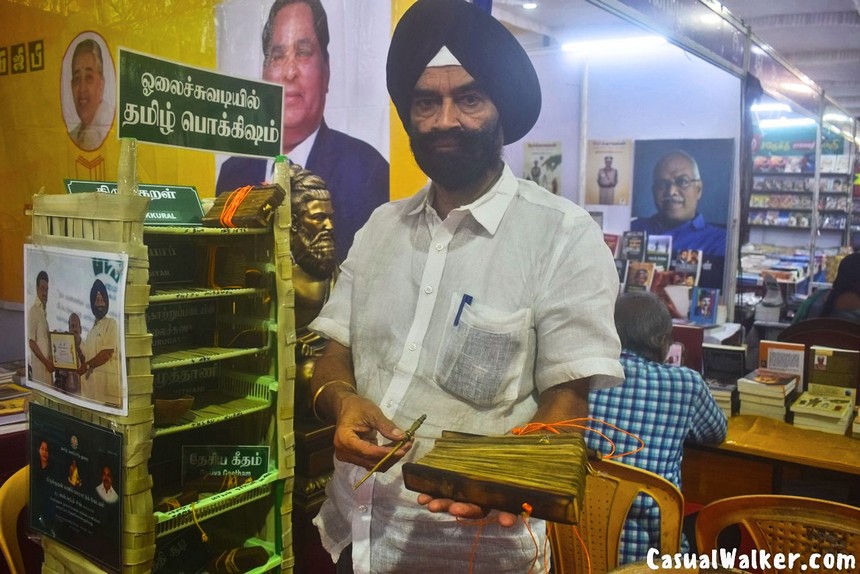
Mr. Singh explained his journey he started learning Thirukkural couplets a decade ago, drawn to its universal wisdom that transcends religion, race, and time. “It is the only text applicable to all religions and races. It is applicable to mankind, always, and is not restricted to a particular time period,” he told me, his eyes lighting up with passion.
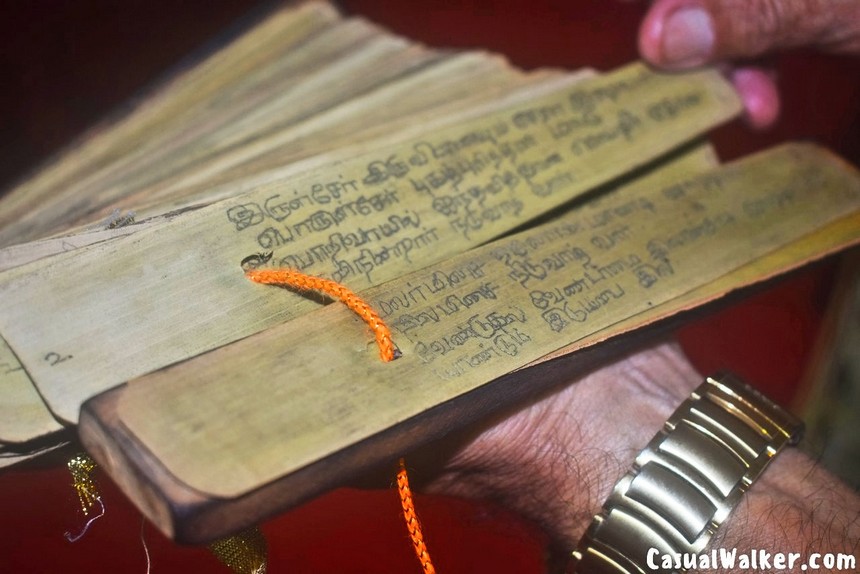
In 2019, he embarked on an ambitious mission to preserve all 1,330 couplets on palm leaf manuscripts using traditional methods. He sourced palm leaves from trees without ice-apple fruit, boiled them in hot water with spices and papaya leaves for softening, then dried them in the shade and engraved each word with meticulous care using ezhuthani metal stylus.
Standing before his display, running my fingers gently over the ancient-style palm leaves, I felt connected to something profound the continuity of Tamil literary tradition, the marriage of ancient wisdom and modern dedication, the proof that some knowledge deserves preservation in its most authentic form. Mr. Singh’s work isn’t just about writing; it’s about honoring heritage and ensuring that future generations can experience Thirukkural as their ancestors did.
Motivational Literature Treasures – Self-Help Books India
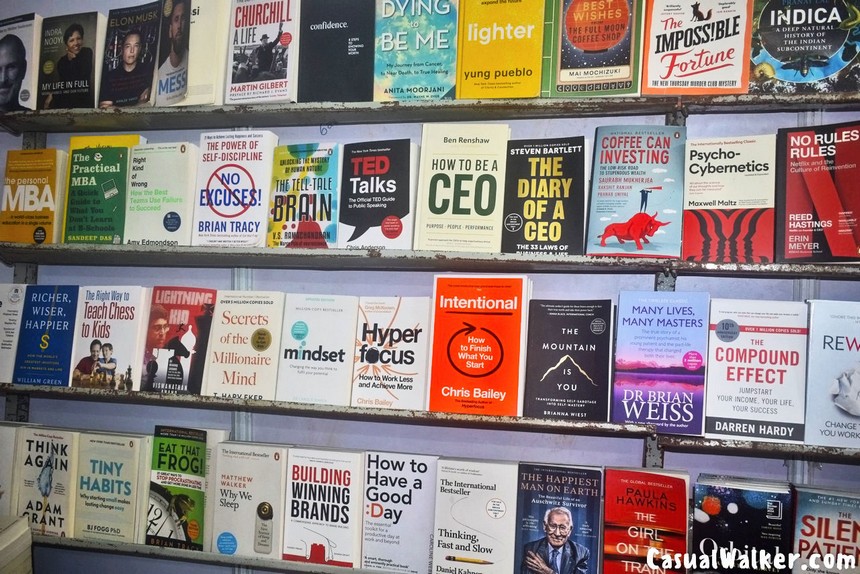
Goal-setting books, success stories, productivity guides, and personal transformation literature appeal particularly to students and young professionals. Indian authors offering culturally rooted approaches to motivation books and success increasingly share space with international voices.
Health and Wellness – Health Books Chennai
Post-pandemic awareness sustains interest in health, nutrition books, yoga, Ayurveda books, and holistic wellness. Both traditional Indian health systems and modern medical insights find eager readers.
Organic Farming and Sustainable Agriculture – Best Farming Books
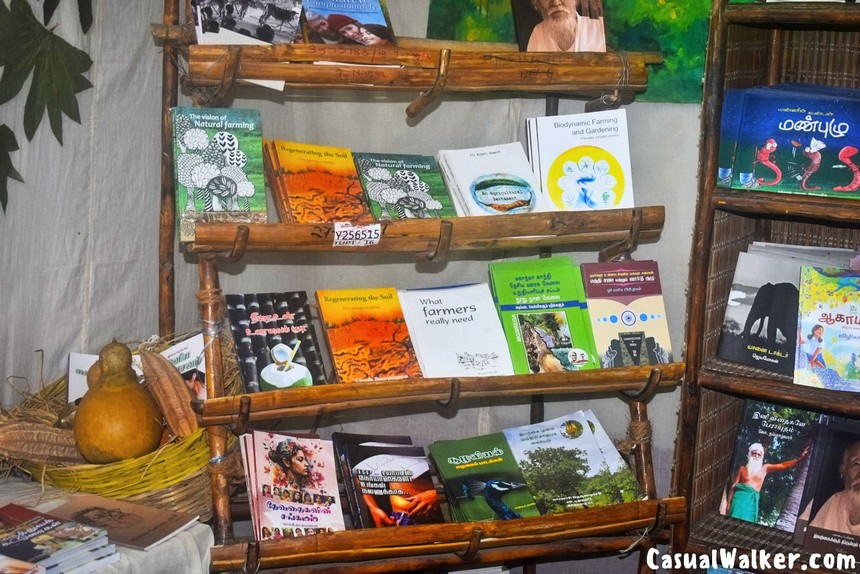
The organic farming books section reflects growing environmental consciousness and concern about food security. Books on this topic attract diverse readers from urban gardening enthusiasts growing vegetables on balconies to farmers transitioning from chemical to organic methods.
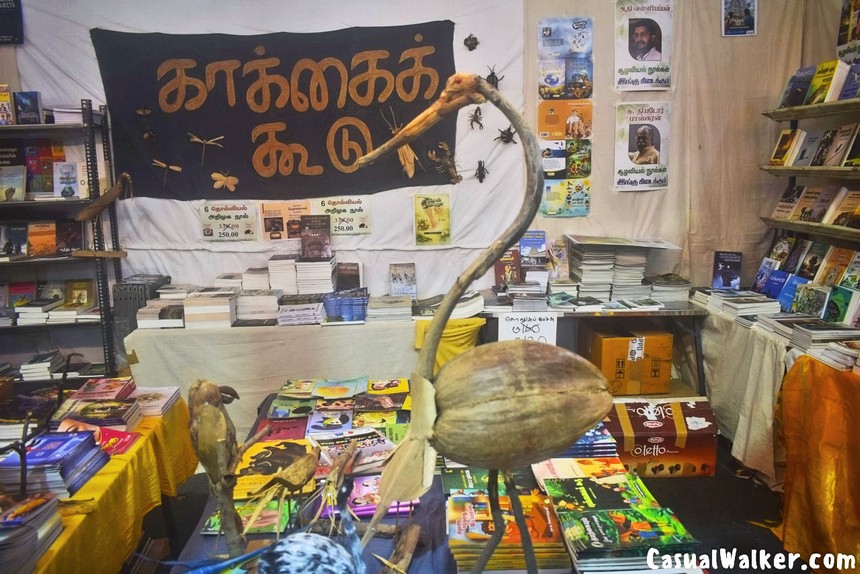
Practical guides on composting, vermicomposting, natural pest control, and soil health management sell briskly. Detailed manuals on specific organic farming techniques permaculture, biodynamic farming, natural farming methods like Subhash Palekar’s Zero Budget Natural Farming provide actionable knowledge.
Books connecting traditional Tamil agricultural wisdom with modern organic practices bridge generational knowledge. Ancient Tamil texts on agriculture, water management, and sustainable farming find new relevance as people rediscover indigenous knowledge systems.
The intersection of organic farming with economic viability attracts entrepreneurial readers. Books on organic certification, marketing organic produce, and successful organic farming case studies help those considering farming as livelihood or business.
BAPASI Chennai Book Fair has survived every dire prediction. Television was supposed to kill reading. The internet would make bookstores obsolete. Ebooks would end printed books. Yet here we are in 2026 with record attendance and expanded stalls. This resilience isn’t nostalgia or technophobia. It’s wisdom the recognition that physical books serve needs that digital formats cannot address.
As I left YMCA grounds on my latest visit, bags heavy with new treasures, arms aching but heart full, I understood precisely why I keep returning.
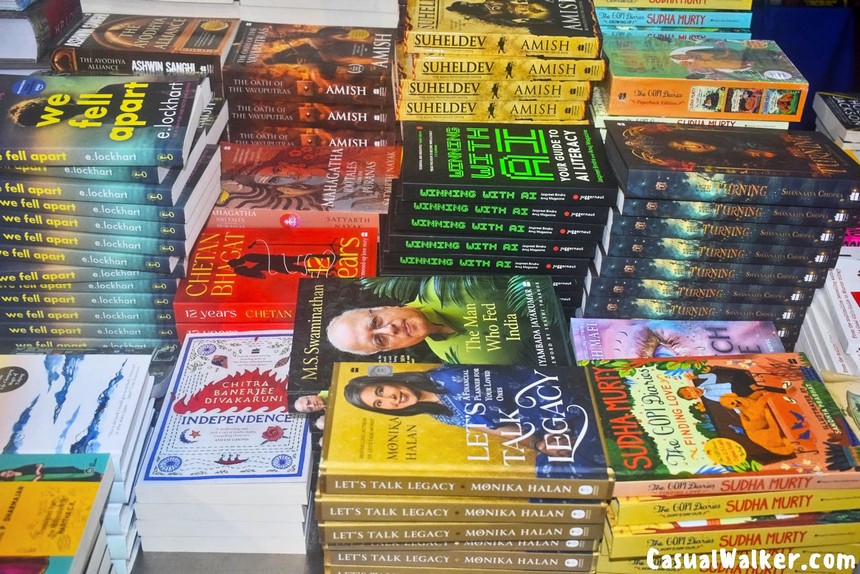
Already I’m anticipating the 50th anniversary edition in 2027. The Chennai Book Fair is a cultural institution, annual ritual, community gathering, and celebration of the written word in tangible form. It connects us to our past the tradition spanning nearly five decades enriches our present the immediate joy of discovery and invests in our future the books we’ll read, the knowledge we’ll gain, the conversations we’ll have.
Some loves deepen with time. After thirty-seven years, my love affair with the Chennai Book Fair and the printed books it celebrates grows stronger annually. The ritual has become part of my identity, the books on my shelves a visible record of my intellectual journey.

Travel Tips for Chennai Book Fair
Tips for Visiting BAPASI Chennai Book Fair
- Don’t obsess over online price comparisons you’re paying for discovery, experience, immediacy.
- Bring multiple sturdy cloth bags your shoulders will curse you otherwise.
- Wear comfortable walking shoes you’ll be on your feet for hours
- Plan multiple visits across different days if possible one visit never suffices.
- Come hydrated and perhaps bring water and also carry some energy bars or groundnut bars.
- Carry a notebook to note down your key learnings.
- Arrive at 11 AM opening for best browsing before afternoon crowds.
- Start with your priority sections but allow wandering time.
- Pick up books physically flip through them, read random passages, engage tactilely.
- Don’t just buy bestsellers take chances on unknown authors.
- Ask stall owners for recommendations many are passionate readers.
- Take sitting breaks; pace yourself to avoid overwhelming exhaustion.
BAPASI Chennai Book Fair Venue:
YMCA Grounds, 497, Anna Salai, Nandanam, Chennai – 600035
Chennai Book Fair 2026 Stall List
BAPASI Address:
No:8, 2nd Floor, Sun Plaza, G.N. Chetty Road, Chennai- 600 006
Phone: 044-28155238
Email: bapasimail@gmail.com
Timings Hours: 11:00 AM – 8:30 PM daily
Website: https://bapasi.com/