


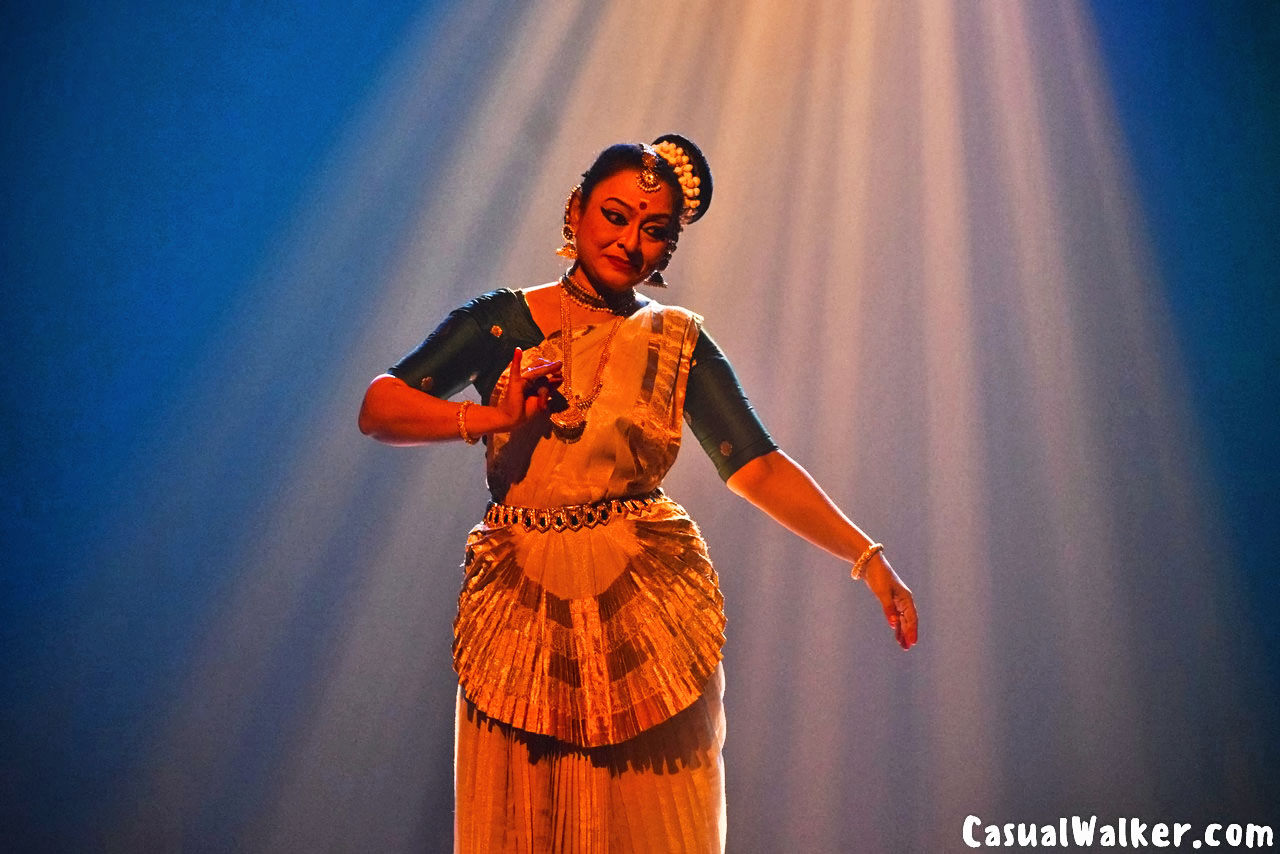


Mohiniyattam : Kerala’s Classical Dance of the Enchantress | Famous Mohiniyattam Dancer from Kerala – Pallavi Krishnan & Lasya Akademi Group’s Mesmerizing Famous Mohiniyattam Compositions: Cholkettu, Jatiswaram, Maya Mohana Krishna, Dyuta Parva and Vastraharan, Gajendra Moksham, Kurukshetra, Pingala, Tillana – Complete Guide to Mohiniyattam Origin, History, Compositions, Costume & Makeup, Mudras & Adavus, Lasya Style (Updated)
– the grace, mythology, & artistry of kerala’s enchanting classical dance tradition
| CasualWalker’s Rating for Pallavi Krishnan & Group’s Mesmerizing Famous Mohiniyattam Compositions : | |

9.9 – Gracefully Mesmerizing |
|

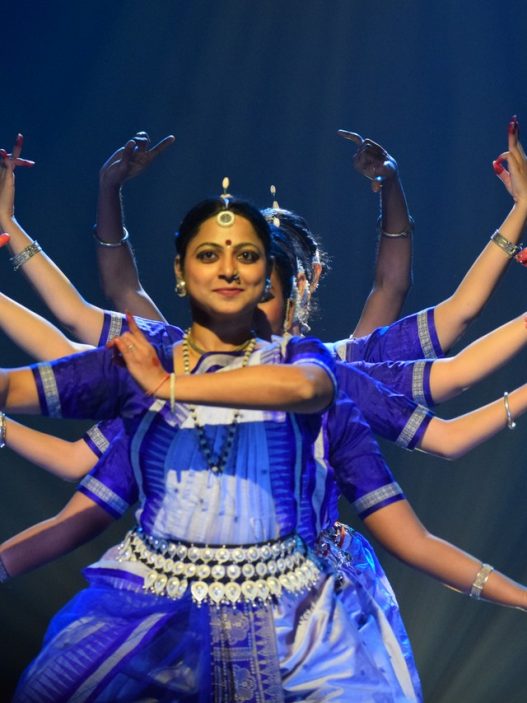
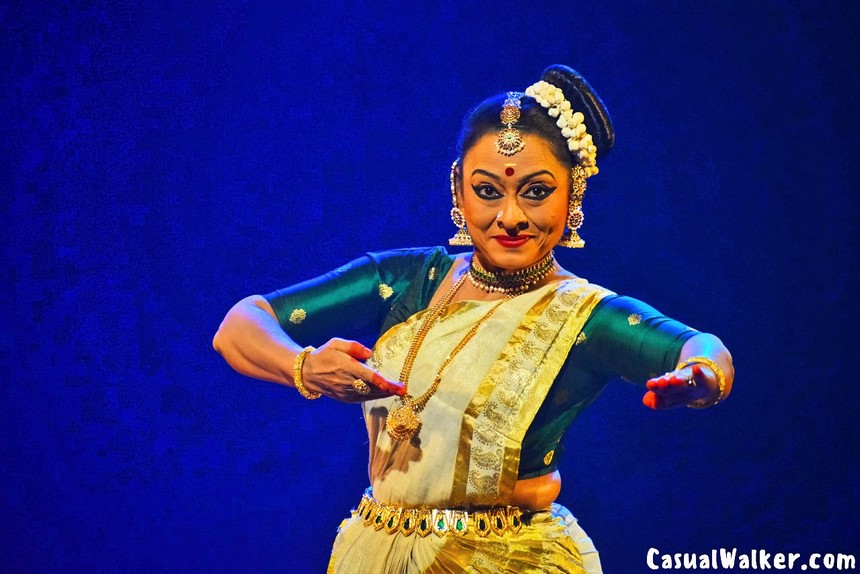
Mohiniyattam, Kerala’s classical dance form and one of India’s eight classical dance traditions, continues to captivate audiences worldwide through the artistry of Pallavi Krishnan. Her recent ensemble presentation at Bharatiya Vidya Bhavan during the prestigious Chennai Margazhi season in January 2026 demonstrated why this master exponent of Mohiniyattam remains one of the most sought-after performers of this feminine, lyrical dance form.
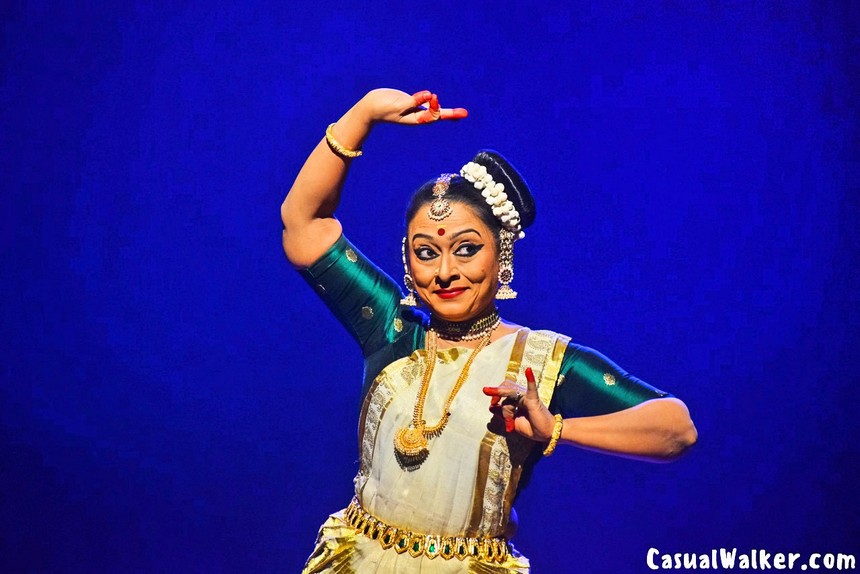
Chennai Margazhi festival, celebrated annually from mid-December through mid-January, represents the pinnacle of South Indian classical arts. Pallavi Krishnan’s performance showcased her signature fluid and graceful interpretation of Kerala’s classical dance heritage, bringing the enchanting movements of Mohiniyattam to Chennai’s discerning Margazhi audience. This performance established her as a leading force in preserving and promoting traditional Indian classical dance forms.
Mohiniyattam: Kerala’s Classical Dance of the Enchantress
Mohiniyattam literally the dance of the enchantress stands as one of India’s eight major classical dance forms, alongside Bharatanatyam, Kathak, Kathakali, Kuchipudi, Odissi, Manipuri, and Sattriya. Born from Kerala, God’s Own Country with its verdant landscapes of swaying coconut palms, serene backwaters, and rich cultural heritage including Kathakali and Koodiyattam, Mohiniyattam embodies the essence of lasya the graceful, feminine aspect of Indian classical dance. It is one of the performing arts noted in Natya Shastra.
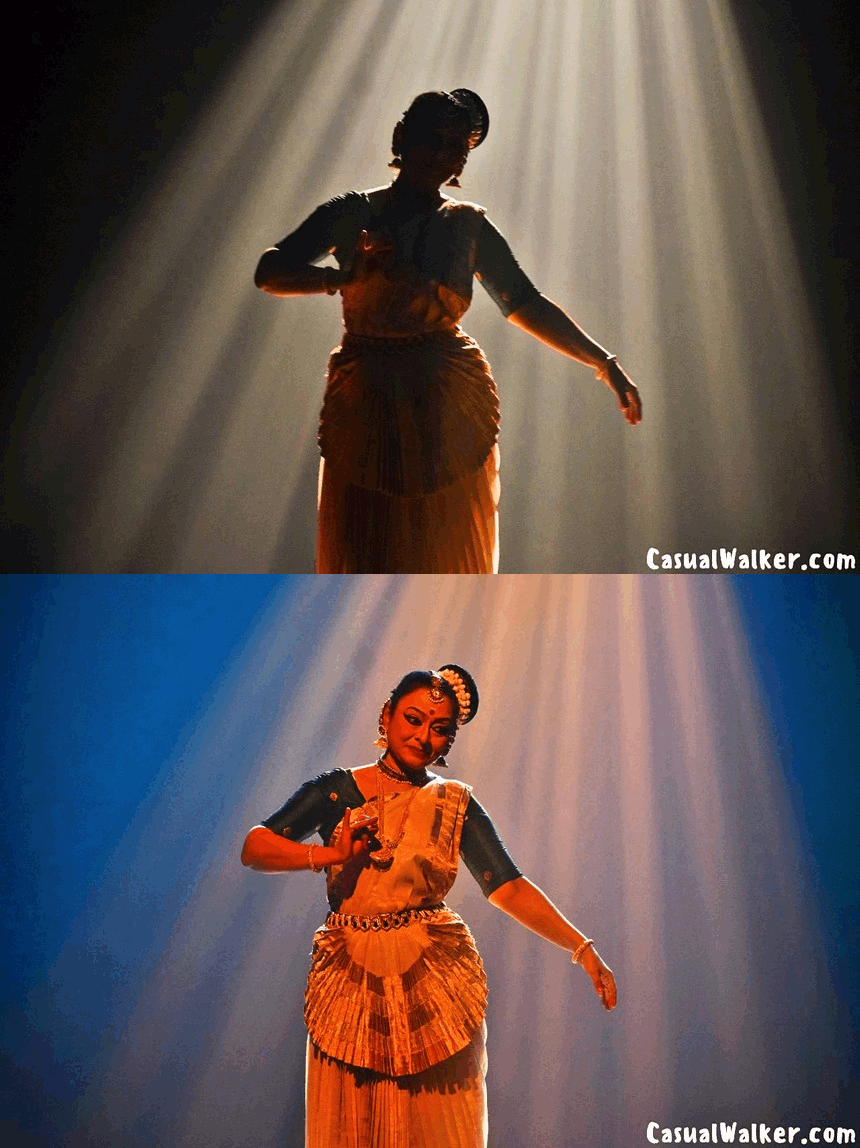
This Kerala dance tradition is characterized by soft, undulating movements that mirror the gentle sway of palm fronds in tropical breezes. The dance form’s name derives from Mohini (the enchantress Vishnu’s female avatar) and Attam (dance), reflecting its captivating, bewitching nature. Unlike the more vigorous tandava styles, Mohiniyattam’s lasya-oriented approach emphasizes grace, fluidity, and emotional expressiveness.
History and Evolution of Mohiniyattam Dance Form
Classical dance tradition of Mohiniyattam traces its documented history to the 16th and 17th centuries, during Kerala’s golden era of arts and literature under royal patronage. Scholars recognize Balaramabharatam, authored by Karthika Tirunal Balarama Varma of Travancore an elaboration of chapters 6-10 of Bharata Muni’s ancient Natyashastra as an authentic treatise on this dance style.
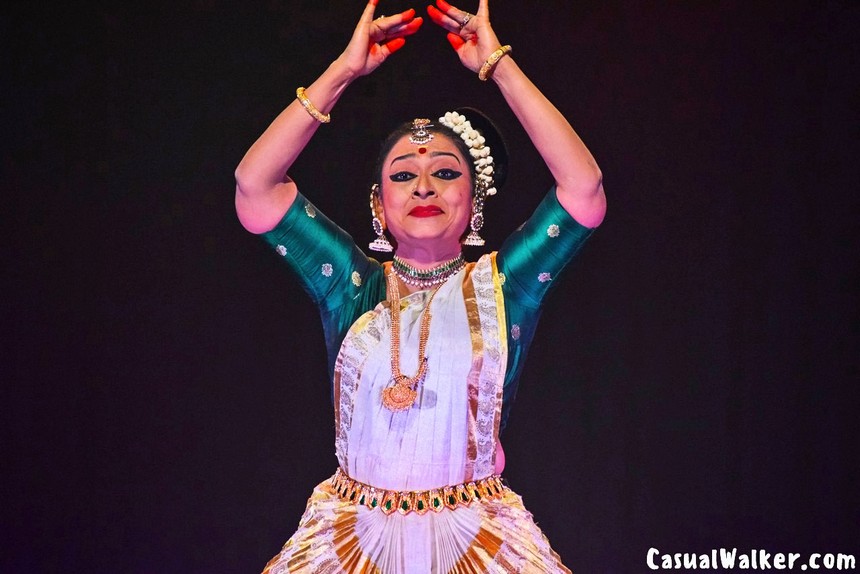
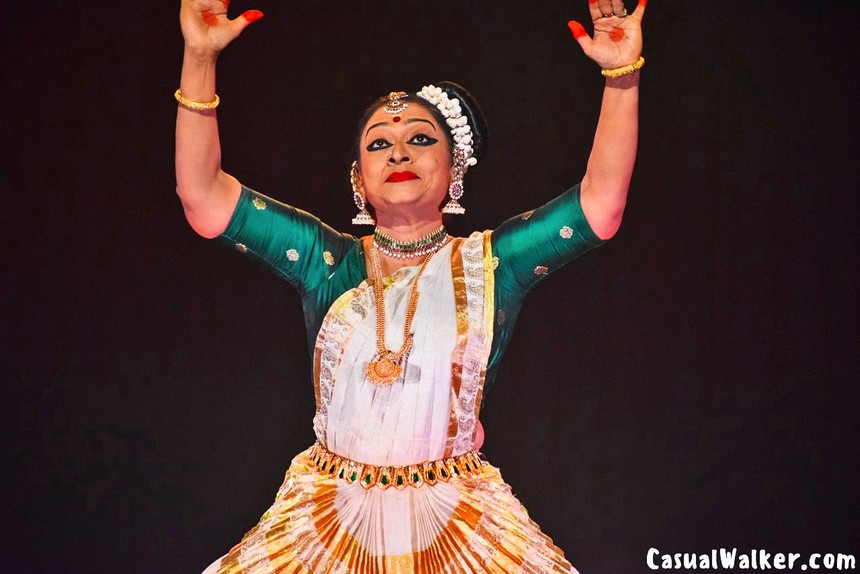
Ancient temple murals and sculptures dating to the 18th century in Kerala’s historic temples and palaces further document the Mohini tradition, depicting celestial dancers whose movements transcend earthly limitations.
The dance form experienced revival and systematization in the 20th century through the efforts of Kalamandalam Kalyanikutty Amma, poet Vallathol Narayana Menon, and Kerala Kalamandalam, transforming Mohiniyattam into the refined classical art form celebrated today.
Distinctive Features of Mohiniyattam Classical Dance Style
What distinguishes Mohiniyattam from other Indian classical dance forms is its unique synthesis of grace, rhythm, and soulful abhinaya (facial expression and storytelling through gesture). The technical vocabulary of Mohiniyattam includes:
Movement Characteristics: Deliberately unhurried, circular movements; swaying torso creating figure-eight patterns (atavus); gentle, gliding footwork; minimal stamping compared to Bharatanatyam or Kathak; fluid transitions between poses creating the appearance of continuous motion.
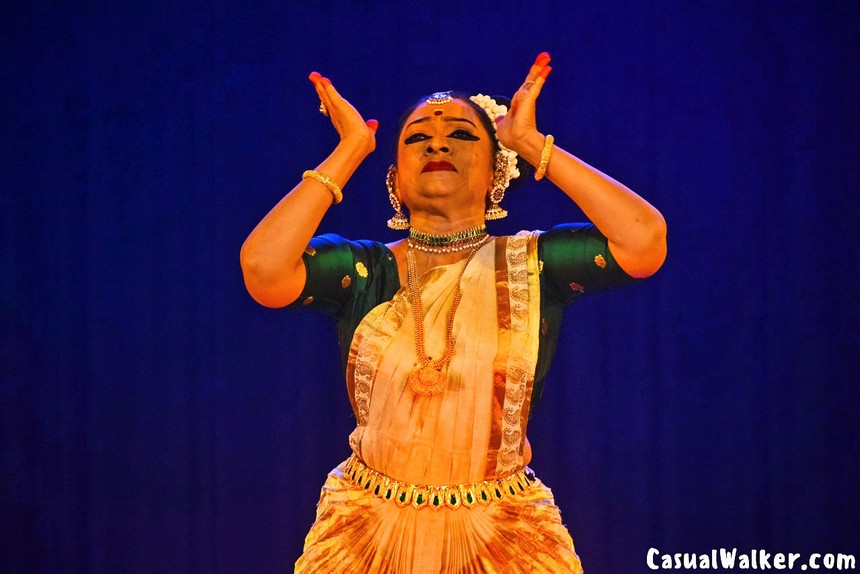
Technical Elements (Adavu): The basic units of Mohiniyattam include adavus (fundamental dance steps), mudras (hand gestures derived from Hastalakshana Deepika), and bhramaris (graceful turns). The dancer’s body becomes an instrument for storytelling where technical precision merges seamlessly with emotional depth.
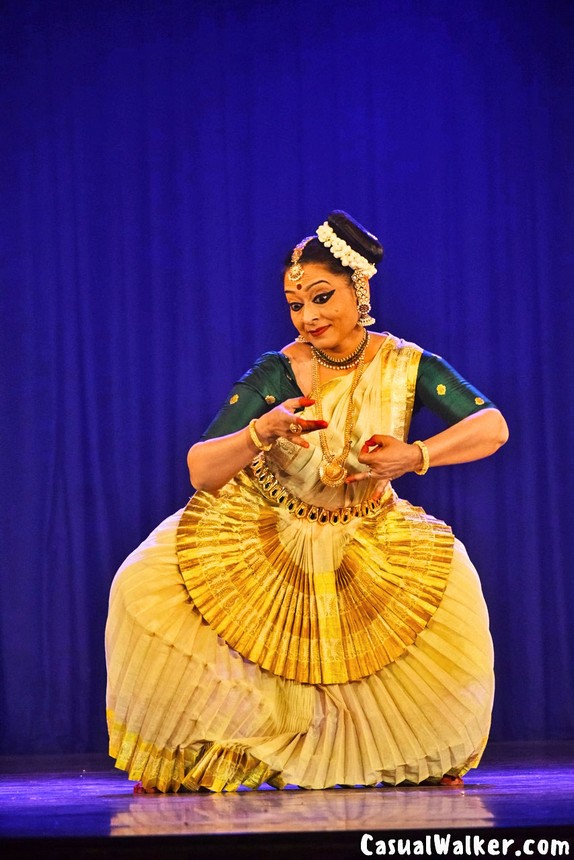
Expressive Components (Abhinaya): Mohiniyattam’s abhinaya encompasses angika (body movements), vachika (song and vocal expression), aharya (costume and decoration), and sattvika (emotional expression). The expressive eyes and subtle facial expressions work in harmony with delicate hand gestures to create visual poetry.
Traditional Mohiniyattam Costume and Musical Accompaniment
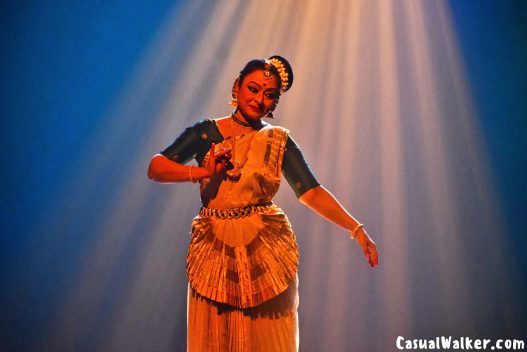
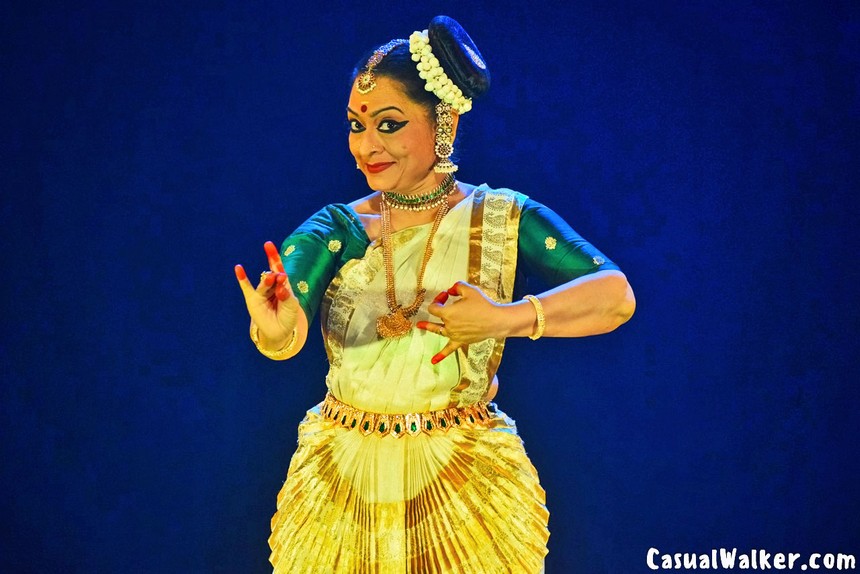
Costume: The traditional Mohiniyattam dress consists of a pristine white or cream-colored kasavu sari (Kerala’s traditional handloom fabric) with golden borders (kasavu border). The sari is draped to allow maximum freedom of movement while maintaining elegant, flowing lines. The dancer’s hair, typically styled in a bun (kondai), is adorned with fresh jasmine flowers (mulla). Traditional temple jewelry including palakka mala (emerald necklace), long earrings, and waist belt complete the classical aesthetic.
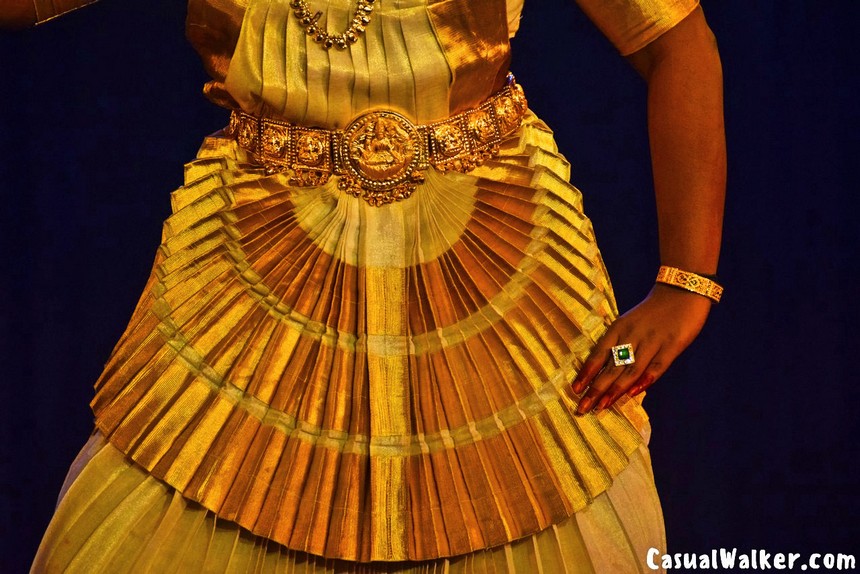
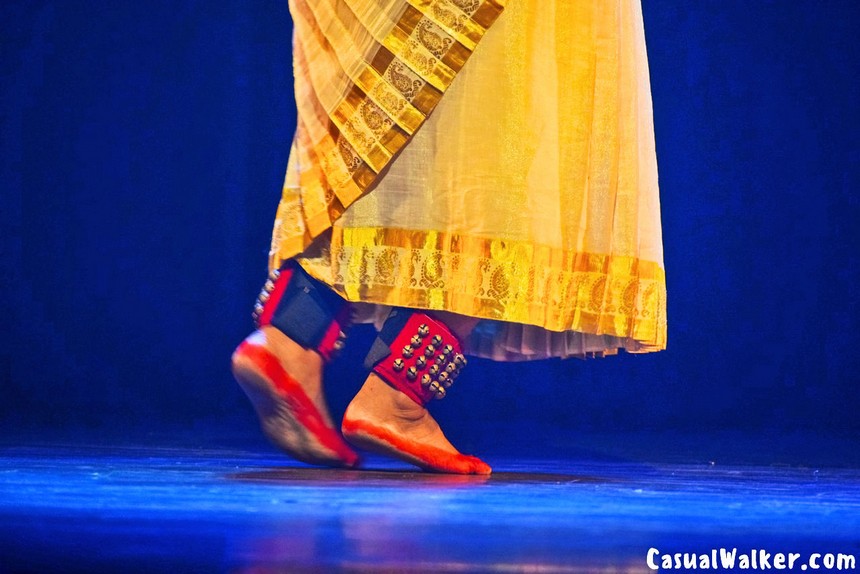
Musical Accompaniment: Mohiniyattam performances are accompanied by Carnatic classical music, featuring ragas like Mohanam, Saveri, Kedaragoula, and Kanada. The musical ensemble typically includes veena, violin, mridangam, edakka (a unique Kerala drum), and cymbals. Vocal accompaniment features compositions in Malayalam and Sanskrit, often set to Sopana Sangeetam Kerala’s traditional temple music style.
Pallavi Krishnan: Master Exponent of Mohiniyattam
Pallavi Krishnan ranks among the foremost contemporary exponents of Mohiniyattam classical dance, acclaimed internationally as a performer, choreographer, and guru. A recipient of the Sangeet Natak Akademi Award, she represents the gold standard in this dance tradition.
Training and Lineage: Born in Bengal, Pallavi Krishnan’s dance journey began under the legendary Guru Kalamandalam Sankaranarayanan at Viswa Bharathi University (Santiniketan), where she completed her graduation in Kathakali. Her deep passion for Mohiniyattam led her to Kerala Kalamandalam one of India’s premier institutions for classical arts where she pursued her Master’s degree (M.A.) in Mohiniyattam. She holds the unique distinction of being the only Indian classical dancer to be an alumnus of both Viswa Bharathi University and Kerala Kalamandalam.
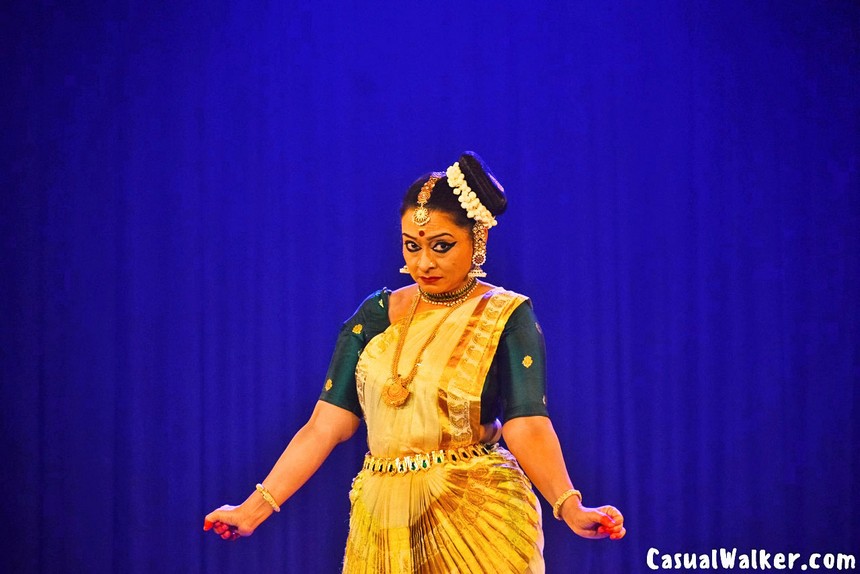
She further refined her artistry through intensive training under two master gurus: Bharati Shivaji and Kalamandalam Sugandhi. This rigorous, multi-guru tradition (guru-shishya parampara) has given her performances exceptional depth, combining technical excellence (adavu) with profound emotional expression (abhinaya). Through her Lasya Akademi, Pallavi Krishnan has trained numerous students from India and abroad, establishing branches in Kerala and Bengal.
Mohiniyattam Performance at Chennai Margazhi Festival
At the Chennai Margazhi festival, Pallavi Krishnan presented a magnificent Mohiniyattam performance with her ensemble. Pallavi Krishnan’s presentation showcased her signature fluid and graceful interpretation of Kerala’s classical dance tradition.
Performing with her skilled ensemble from Lasya Akademi, she demonstrated why Mohiniyattam deserves equal prominence alongside Bharatanatyam in South India’s classical dance landscape.
Traditional Mohiniyattam Repertoire and Performance Structure
The performance followed the traditional Mohiniyattam margam (performance structure), showcasing the full range of this classical dance form’s technical and expressive capabilities.
Cholkettu – The Opening Invocation
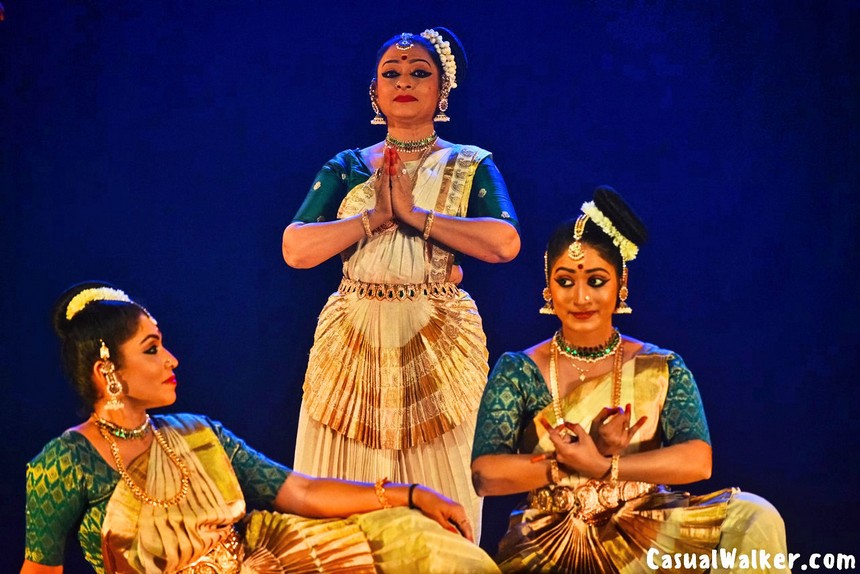
The performance began with Cholkettu, performed by Pallavi’s disciples. This opening piece derives its name from chollu (rhythmic syllables) and kettu (threading) a metaphor for weaving rhythmic patterns with ragas and talas into a garland of pure movement.
Jatiswaram – Pure Dance Exploration
Jatiswaram, the second item in the traditional margam, showcased pure nritta where intricate rhythmic patterns (jatis) interwove with melodious musical notes. Performed in the enchanting Chenchurutti raga a pentatonic scale beloved in Kerala music the piece demonstrated the mathematical precision and aesthetic beauty inherent in Mohiniyattam’s technical framework. The rhythmic complexity, executed with Mohiniyattam’s characteristic grace and fluidity, created an almost meditative atmosphere.
Maya Mohana Krishna – Divine Intervention in Three Episodes
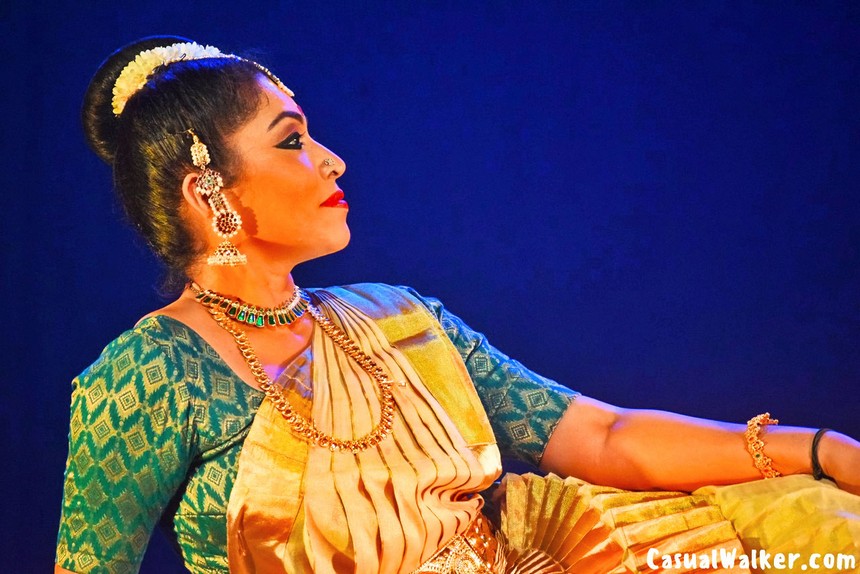
Maya Mohana Krishna ‘The Enchanting Lord Krishna’ wove together three celebrated episodes from Hindu scriptures that illustrate Krishna’s divine compassion, power, and role as protector of devotees. These stories, drawn from the Bhagavata Purana and the Mahabharata, showcase different aspects of Krishna’s divine nature (leela).
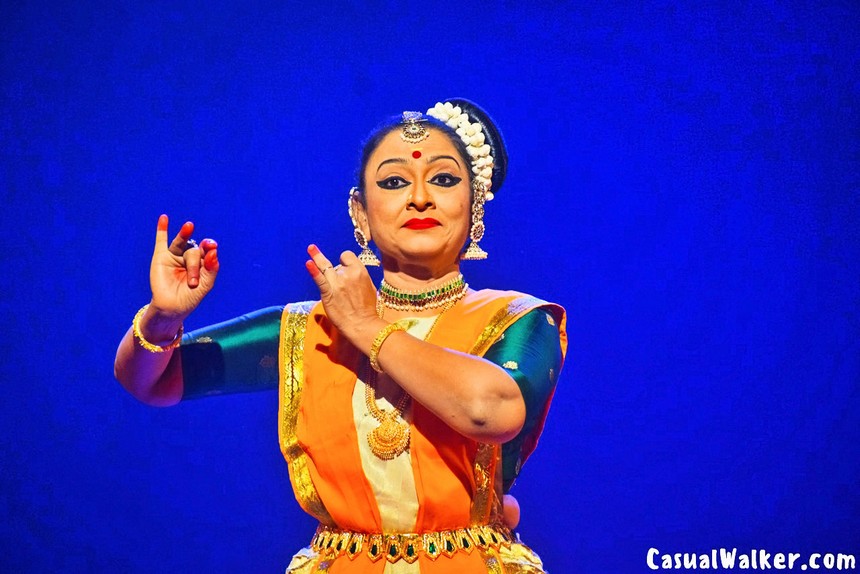
Dyuta Parva and Vastraharan – Protection of Draupadi’s Honor
The first narrative sequence depicted two interconnected episodes from the Mahabharata: the Dyuta Parva (the dice game episode) and Vastraharan (the disrobing of Draupadi).
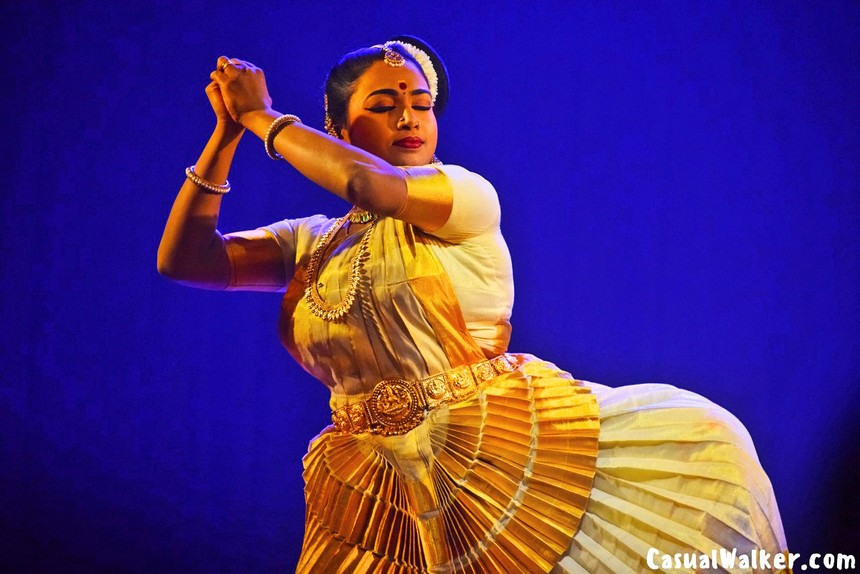
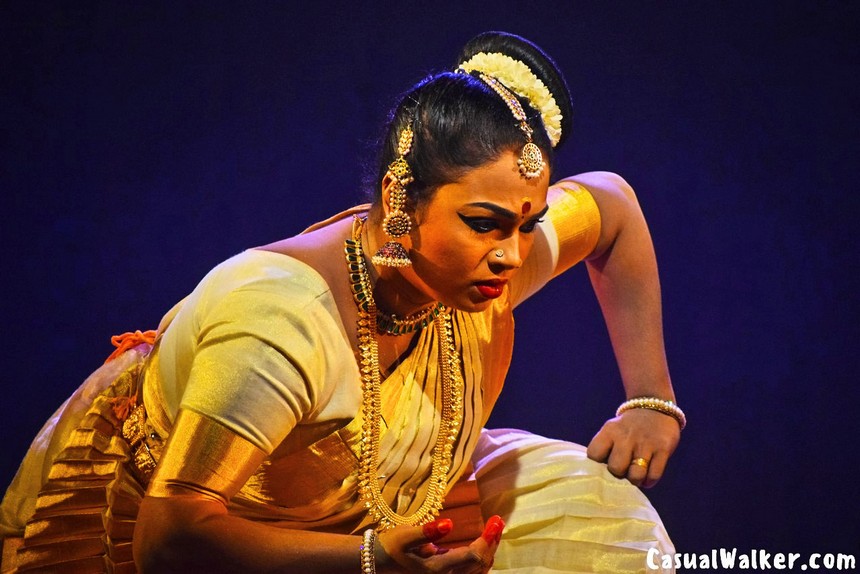
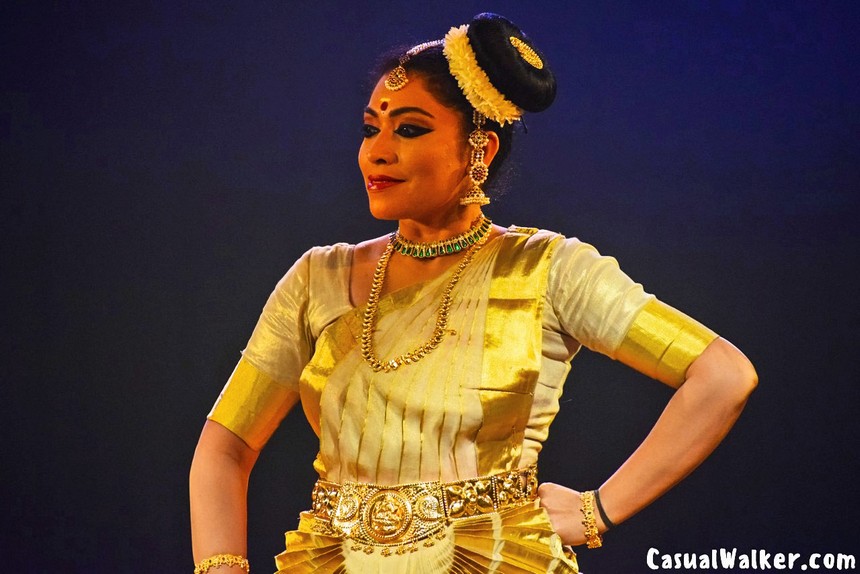
Through expressive dance, the performers portrayed the fateful dice game (dyuta) in which Yudhishthira, eldest of the Pandavas and a righteous king, became ensnared by his uncle Shakuni’s loaded dice.
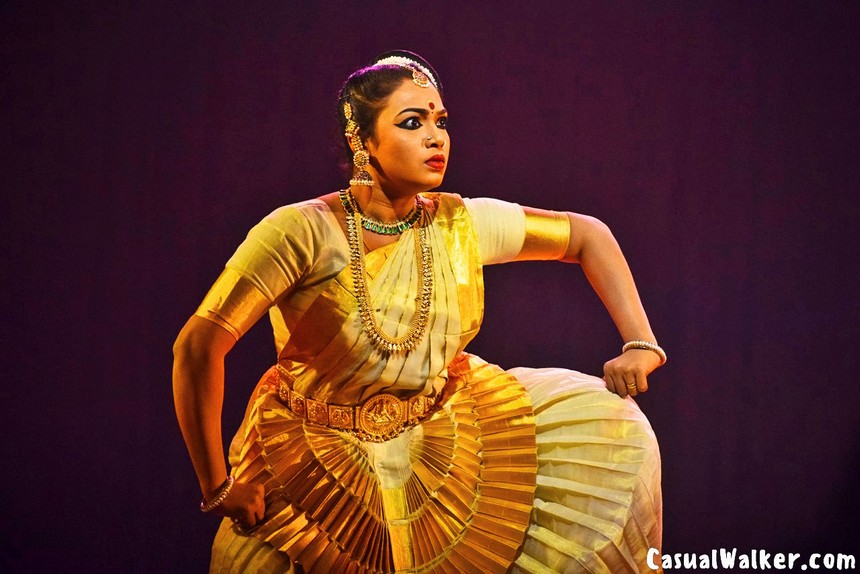
Driven by fate (daiva), pride, and adherence to warrior codes (kshatriya dharma), Yudhishthira wagered and lost his kingdom, his brothers, himself, and finally in the most controversial stake their common wife, Draupadi (Panchali, wife of all five Pandavas).
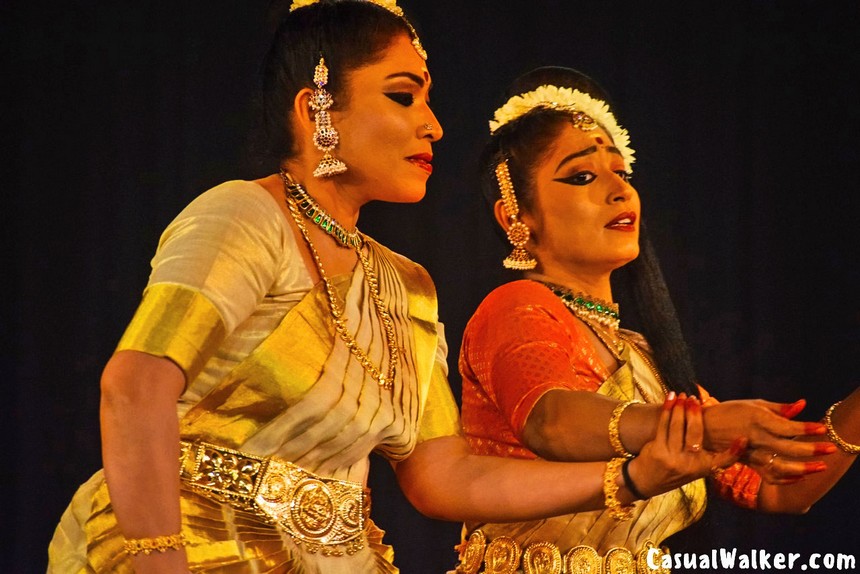
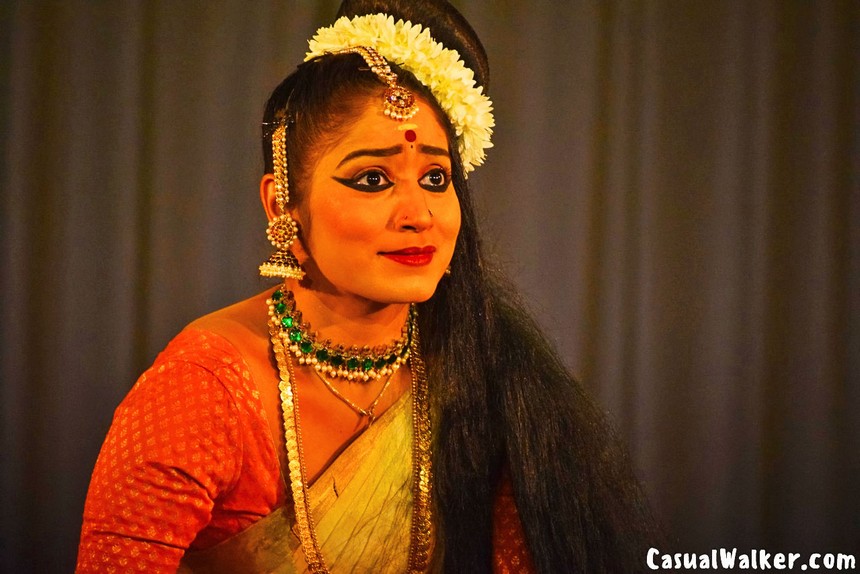
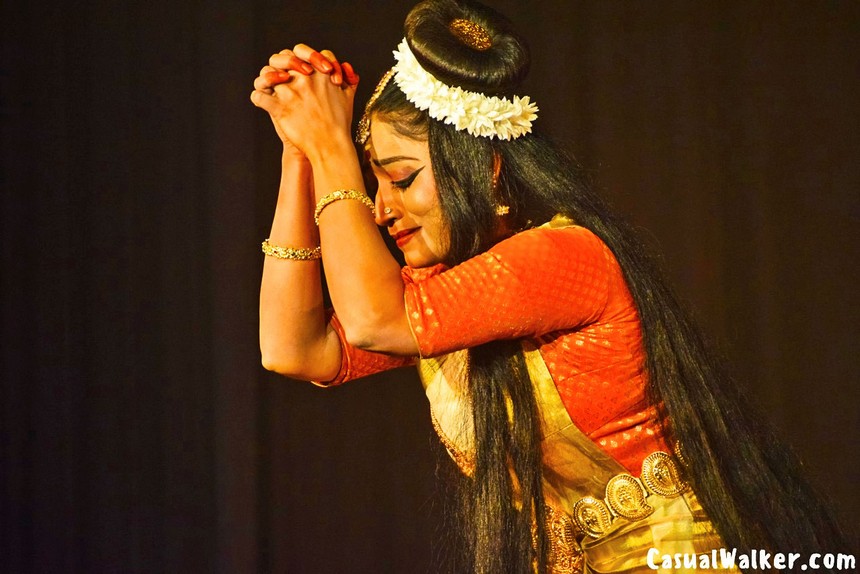
The subsequent Vastraharan literally ‘removal of garments’ represents one of the most harrowing and morally complex moments in Indian epic literature. Draupadi, summoned to the Kaurava court while menstruating (a period of ritual impurity), questioned the legitimacy of being staked: could Yudhishthira wager her after already losing himself? When her questions were dismissed, Dushasana, ordered by his brother Duryodhana, attempted to disrobe her publicly in the assembly of kings, elders, and warriors.
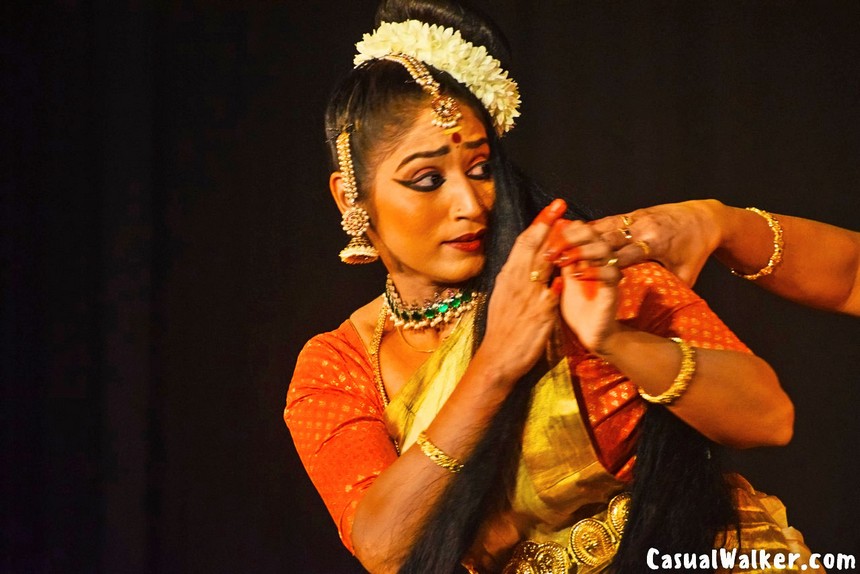
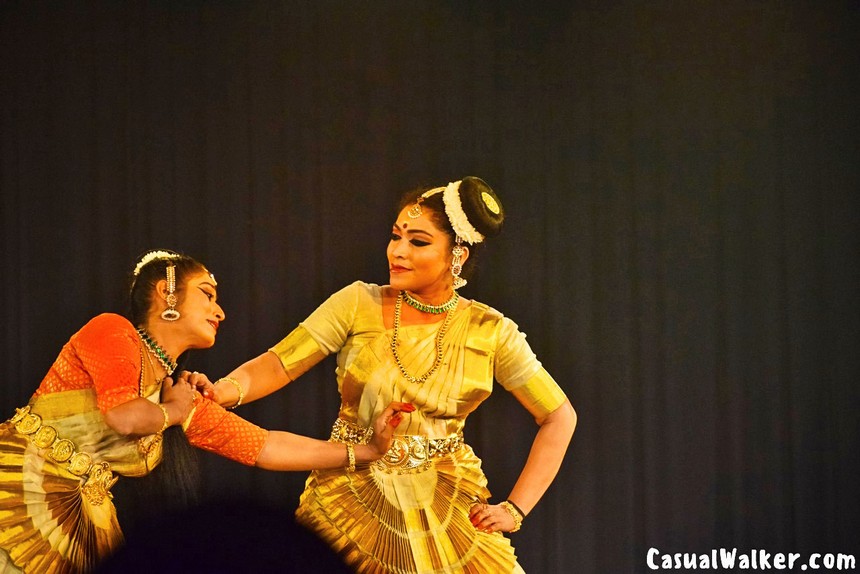
The choreography captured both the horror of the assault and Draupadi’s anguished prayer to Krishna. As she raised her hands in supplication, chanting ‘Govinda! Madhava! Krishna!’, the divine protector manifested his miraculous intervention.
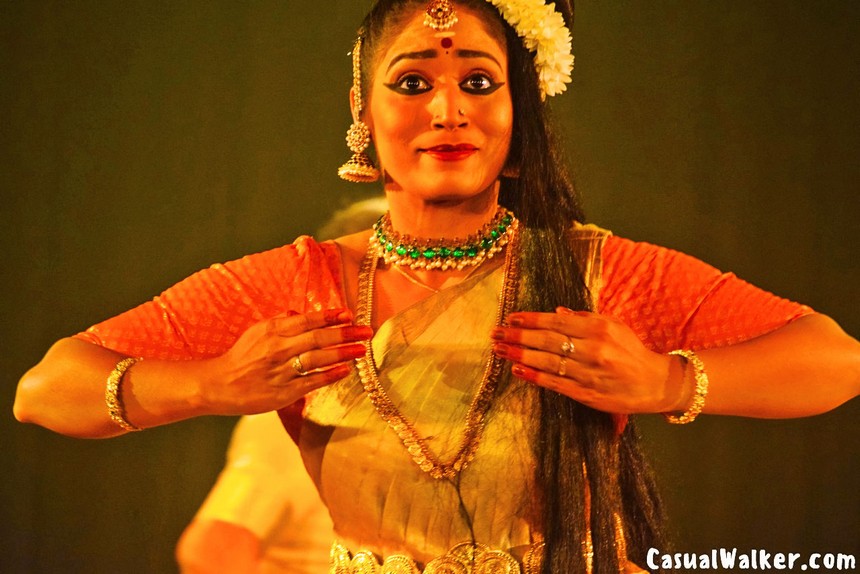
Krishna provided an endless stream of fabric, making it impossible for Dushasana to complete the disrobing. This miracle preserved Draupadi’s dignity (maryada) and demonstrated that those who surrender completely to the divine receive infinite protection.
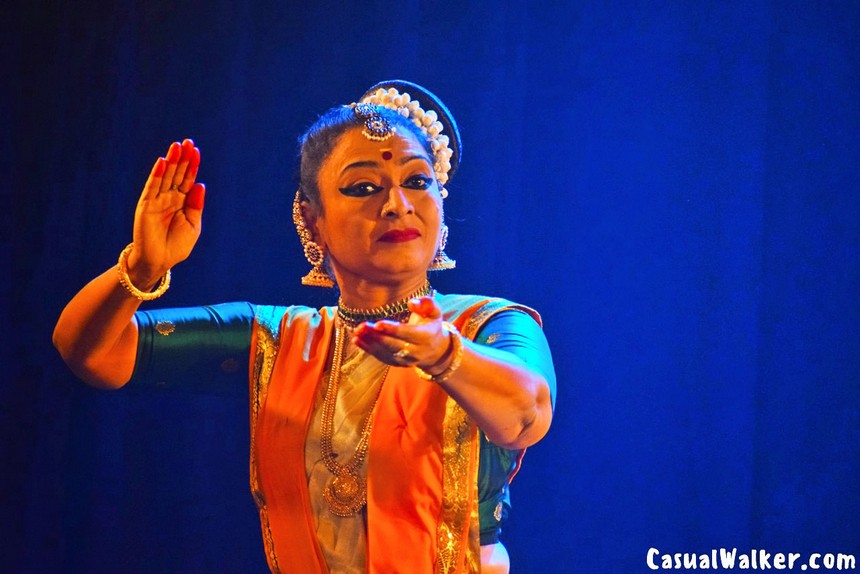
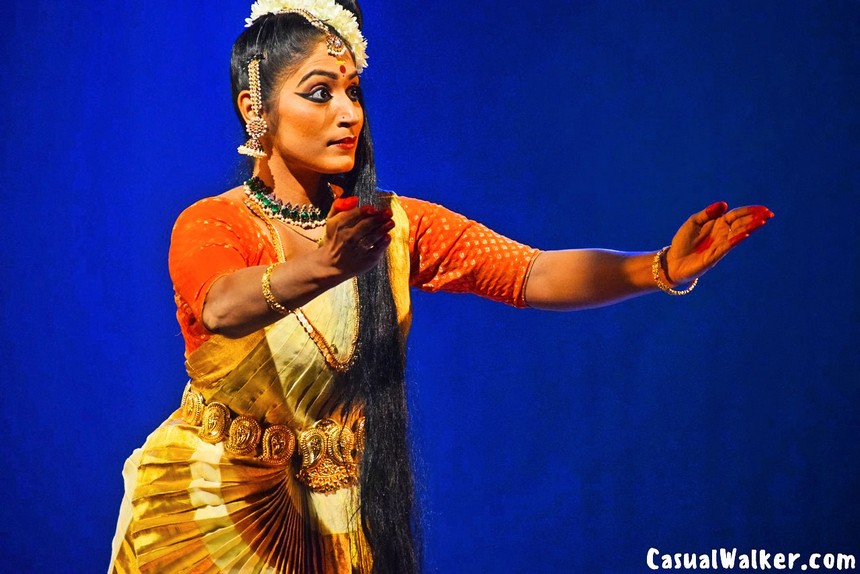
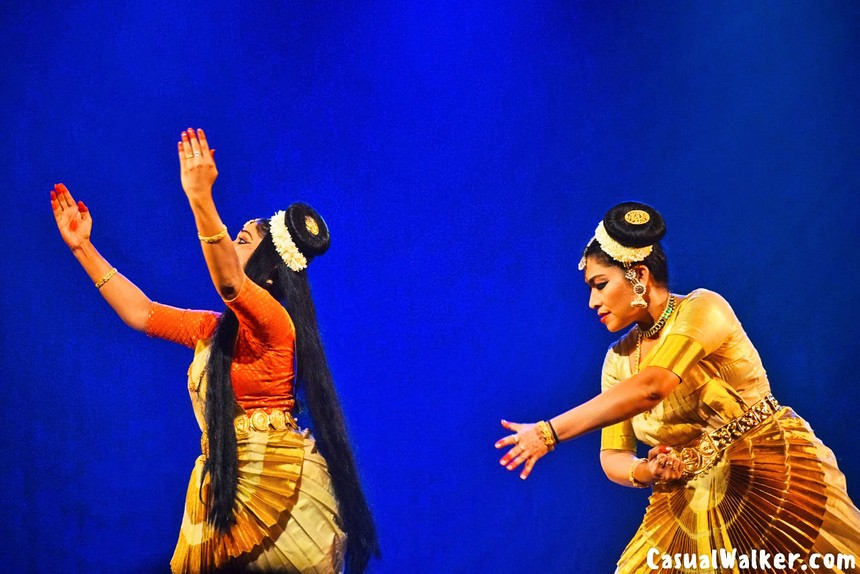
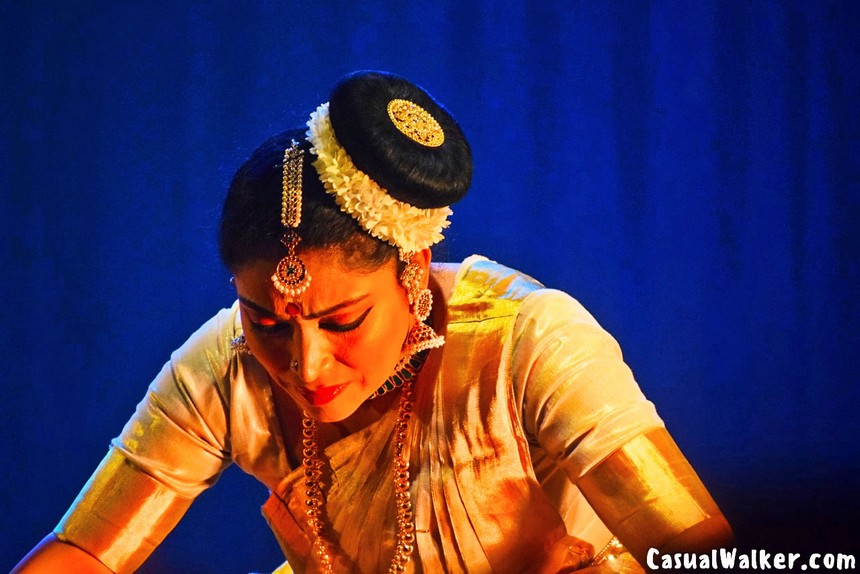
The dancers portrayed this episode with remarkable sensitivity, balancing the depiction of violence and violation with the triumph of divine intervention and devotion. Pallavi’s choreography emphasized Draupadi’s agency her questioning of injustice, her ultimate surrender to Krishna rather than her victimhood.
Gajendra Moksham – Liberation of the Elephant King
The second episode shifted to the Bhagavata Purana’s beloved tale of Gajendra Moksham the liberation (moksha) of Gajendra, the elephant-king.
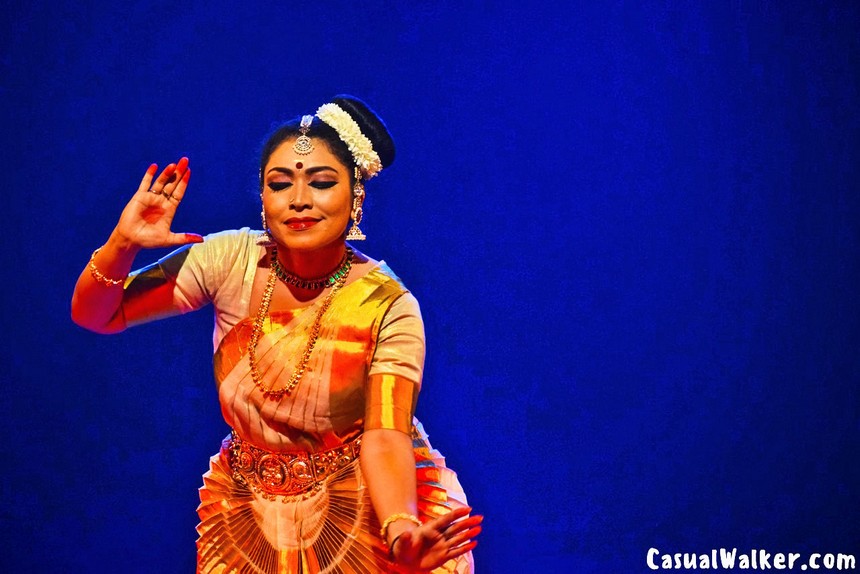
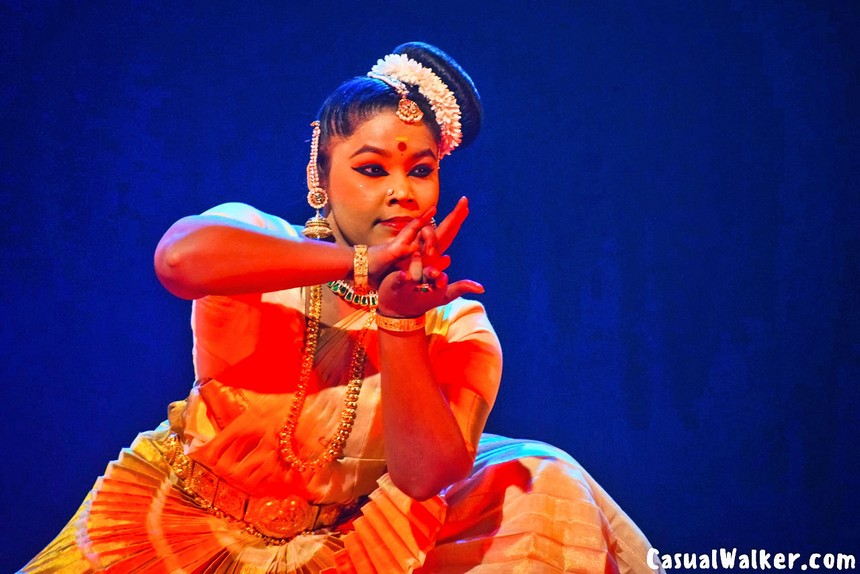
Gajendra, leader of his herd and symbol of strength and majesty, was bathing in a sacred lake on a mountain plateau while engaged in penance (tapas). Suddenly, a powerful crocodile (makara) seized his leg and began dragging him underwater.
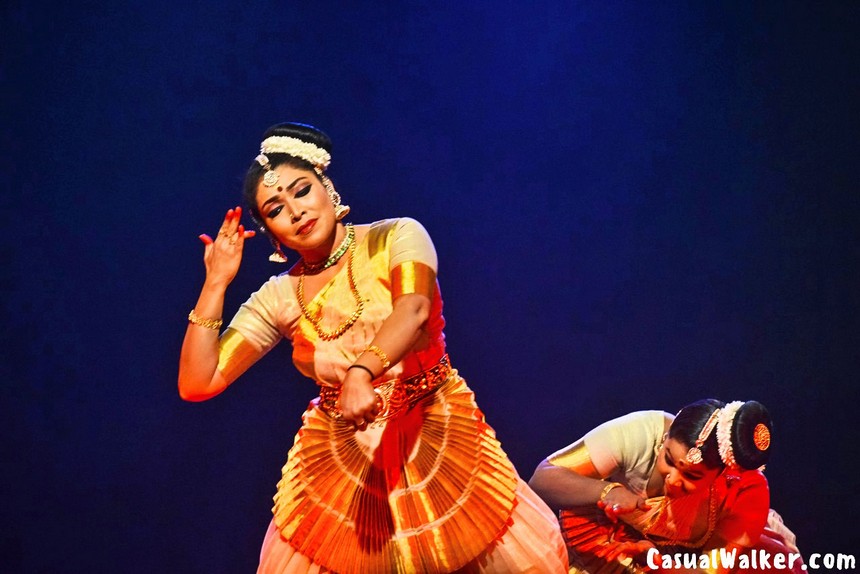
The choreography vividly depicted the epic struggle: Gajendra’s initial confidence in his physical strength, the prolonged battle that exhausted him, the realization that brute force was futile against the crocodile’s relentless grip.
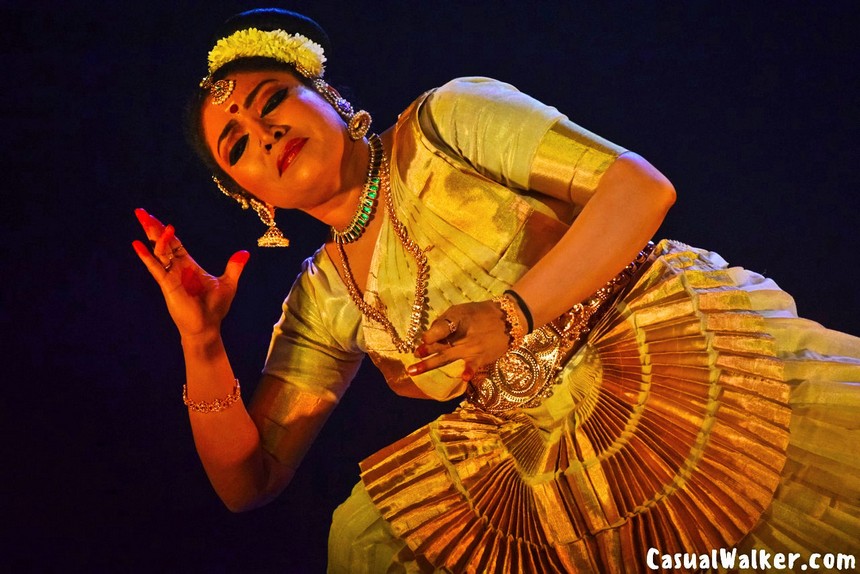
After struggling for thousands of years (in mythological time), Gajendra reached a profound spiritual realization: material strength and pride are meaningless before death.
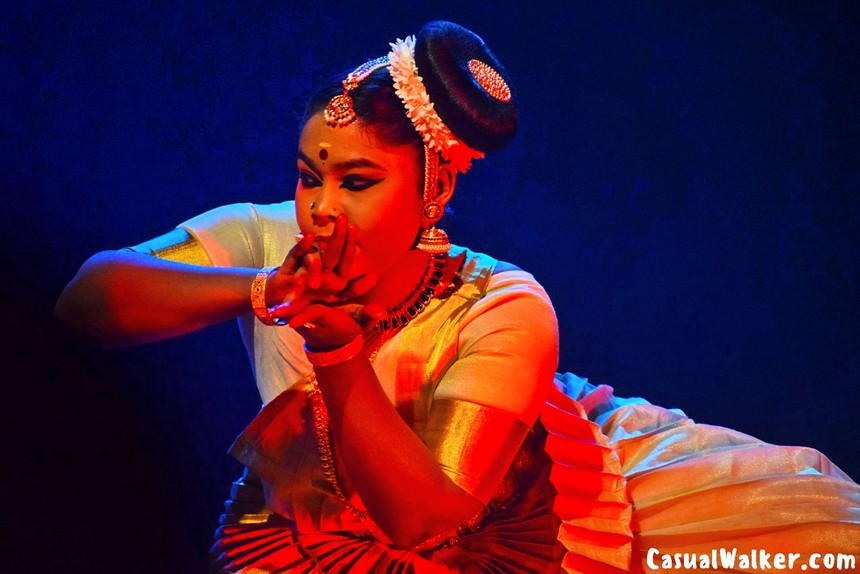
In his moment of complete helplessness and humility, he plucked a lotus with his trunk and offered it to Lord Vishnu, surrendering completely with the famous Gajendra Stuti (Gajendra’s hymn): acknowledging the Supreme Being beyond all names and forms.
The dance beautifully portrayed Vishnu’s immediate response to his devotee’s sincere surrender. The Lord descended on his celestial mount Garuda, wielding his sacred discus (Sudarshana Chakra), severed the crocodile, and liberated Gajendra from both physical bondage and the cycle of birth and death. This story emphasizes that complete surrender (prapatti) to the divine brings immediate salvation, regardless of one’s past or present circumstances.
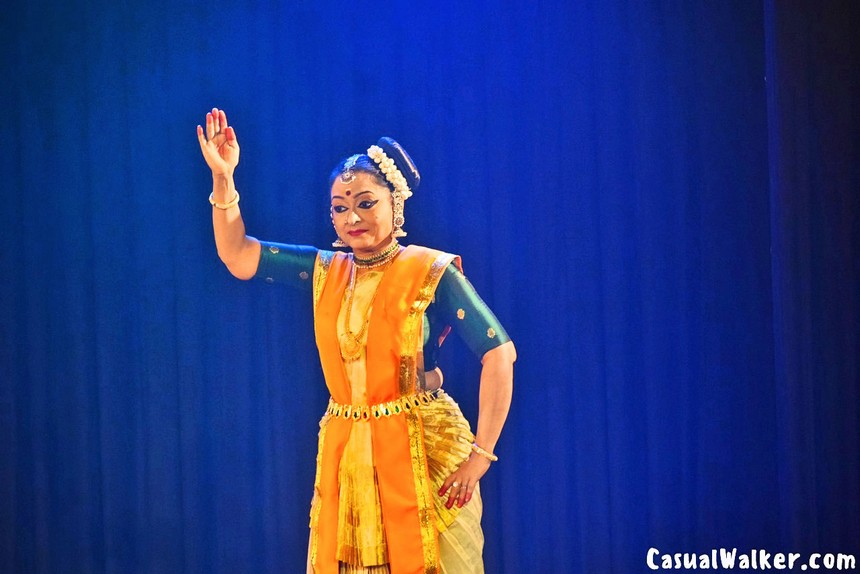
The allegorical depth of this episode resonated powerfully: Gajendra represents the individual soul (jivatma); the crocodile symbolizes worldly attachments, desires, and karma; the struggle represents human life’s futile attempts to overcome suffering through ego and strength; and surrender to Vishnu represents the only true path to liberation.
Kurukshetra – The Bhagavad Gita’s Divine Counsel
The final tableau brought audiences to the most sacred moment in Hindu philosophy: the battlefield of Kurukshetra where Lord Krishna delivered the Bhagavad Gita to his devotee and friend Arjuna.
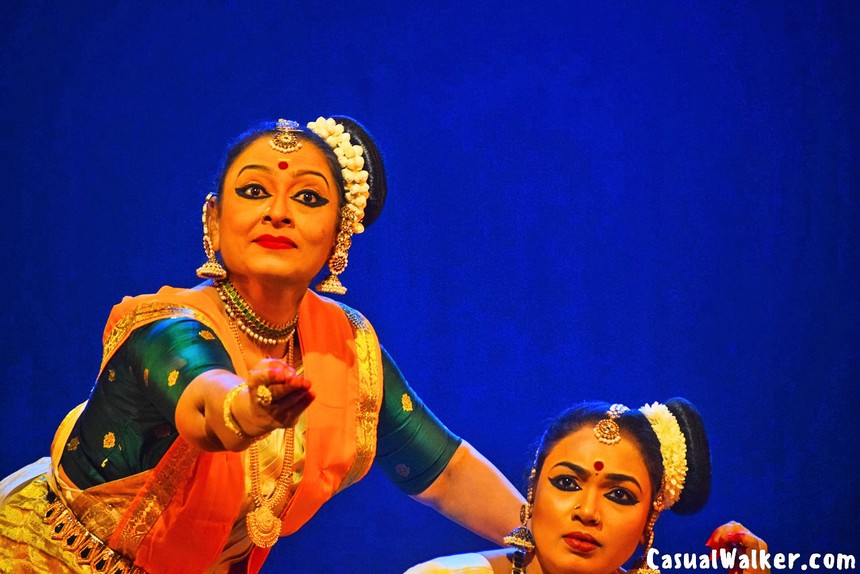
The choreography opened with the vast Kurukshetra battlefield the field of dharma (Dharmakshetra) where two armies faced each other: the Pandavas and their allies versus the Kauravas. Arjuna, the greatest archer (Dhanurdhar) of his age and a warrior of unmatched skill, stood in his chariot driven by Krishna.
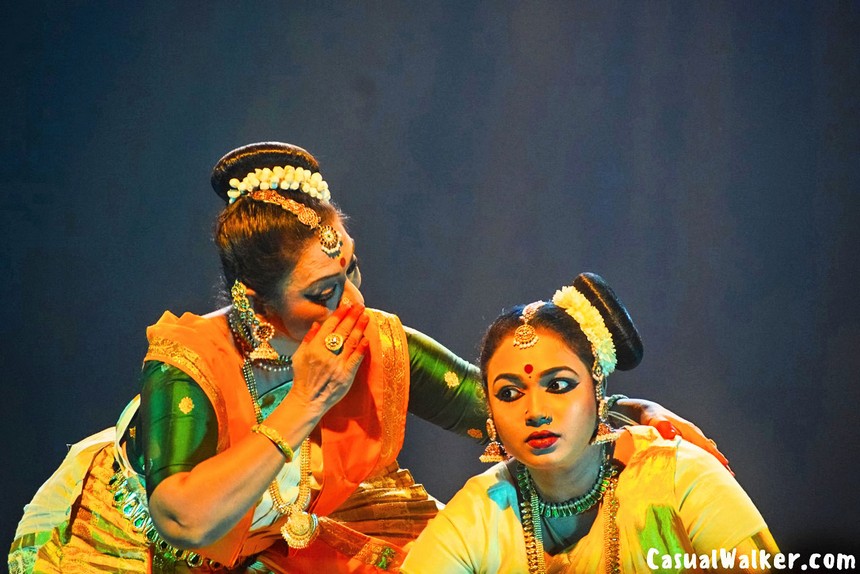
As Krishna maneuvered the chariot between the two armies to allow Arjuna to survey the opposition, Arjuna’s courage failed. Through powerful abhinaya, the dancers portrayed Arjuna’s emotional paralysis (vishada): he saw his beloved grandfather Bhishma, his teacher Drona, his cousins, uncles, and friends arrayed against him. His bow Gandiva slipped from his hands; his limbs trembled; his mind reeled with questions about duty, family bonds, and the morality of war.
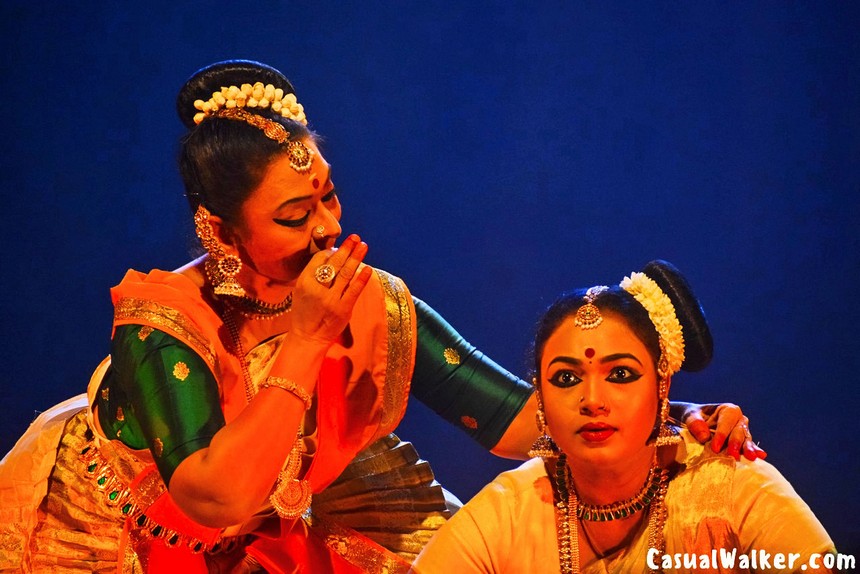
‘How can I kill my own kin and gurus for the sake of a kingdom?’ Arjuna’s crisis represented the universal human dilemma: when different forms of dharma (duty as warrior, duty to family, duty to teachers) come into conflict, which path is righteous?
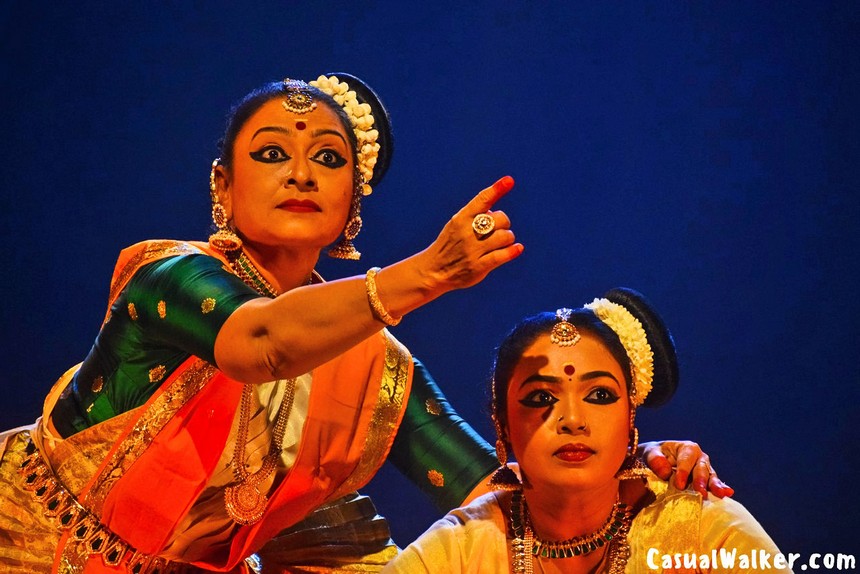
The performance beautifully depicted Krishna’s transformation from friend and charioteer to divine teacher (Jagadguru). Krishna revealed his cosmic form (Vishvarupa) and imparted the immortal wisdom of the Bhagavad Gita teachings on duty without attachment to results (nishkama karma), the eternal nature of the soul (atman), paths to liberation through knowledge (jnana yoga), devotion (bhakti yoga), and action (karma yoga).
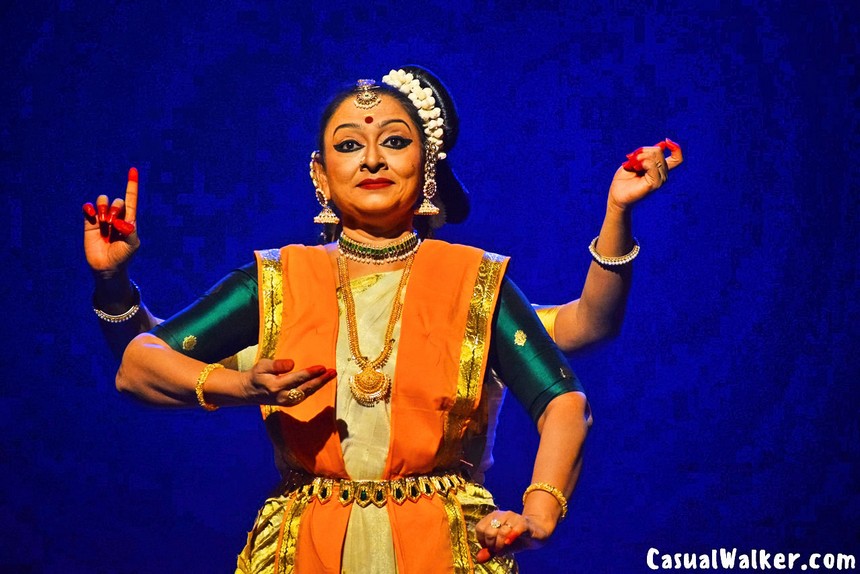
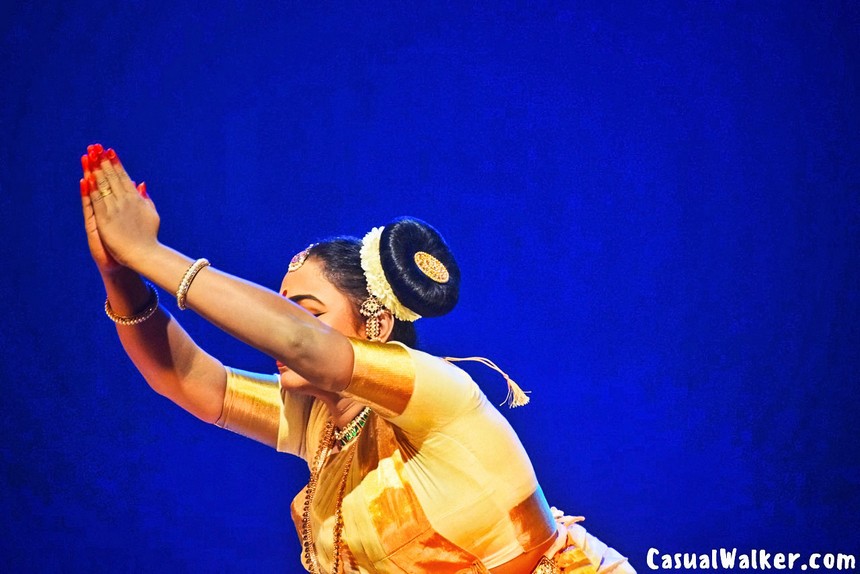
The dancers portrayed Arjuna’s gradual transformation: from despair to clarity, from confusion to determination. Having received divine knowledge and emotional solace, Arjuna picked up his bow, ready to fulfill his kshatriya dharma (warrior duty) with detachment and devotion.
Pingala – Journey from Vanity to Moksha
The performance’s most profound and emotionally charged segment featured Pingala, performed solo by Pallavi Krishnan. This narrative masterpiece (padam) exemplifies Mohiniyattam’s capacity to convey complex psychological and spiritual transformations through pure dance and expression.
Story: Pingala was a renowned courtesan (ganika) in ancient Mithila (modern-day Bihar/Nepal region), celebrated for her extraordinary physical beauty. Kings, nobles, and wealthy merchants sought her favor, and she commanded immense power through her allure. Her pride in her external grace became both her identity and her prison.
Pallavi’s masterful abhinaya traced Pingala’s emotional journey through distinct phases: youthful confidence and vanity, the gradual awareness of aging, the shocking recognition in her mirror of fading beauty, the desertion by admirers who had once prostrated before her, devastating loneliness, and finally, spiritual awakening.
Through subtle facial expressions (mukhabhinaya), body language (angika abhinaya), and hand gestures, Pallavi conveyed Pingala’s realization: external beauty is transient, ‘only skin deep,’ while inner beauty and spiritual truth are eternal. In her darkest moment of isolation and despair, divine grace intervened the sacred name of Lord Rama reached her ears like a whispered promise of redemption.
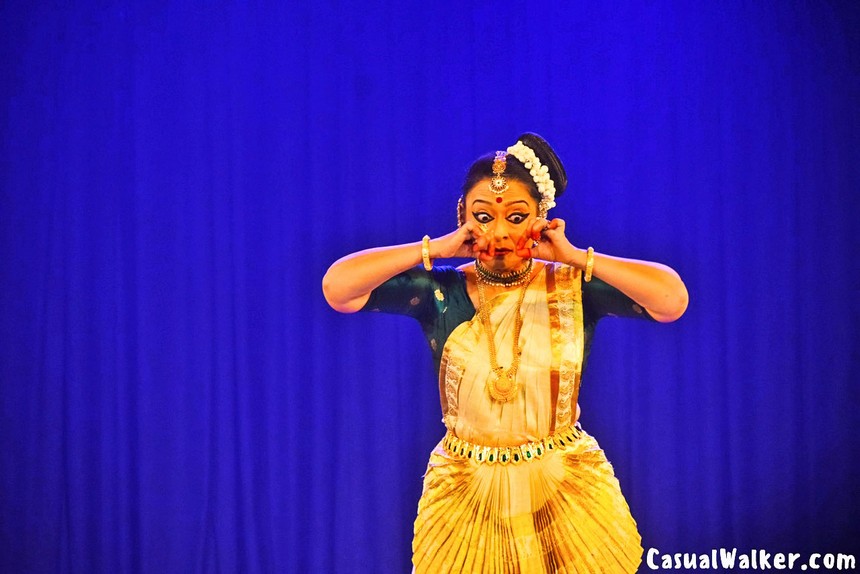
Transformation: As Pingala began chanting Rama’s name (nama japa), she experienced peace and joy entirely foreign to her previous existence of superficial admiration. Her dormant inner beauty compassion, devotion, spiritual yearning began to radiate with serene luminosity. The courtesan who had closed her heart to genuine love now opened it completely to divine love.
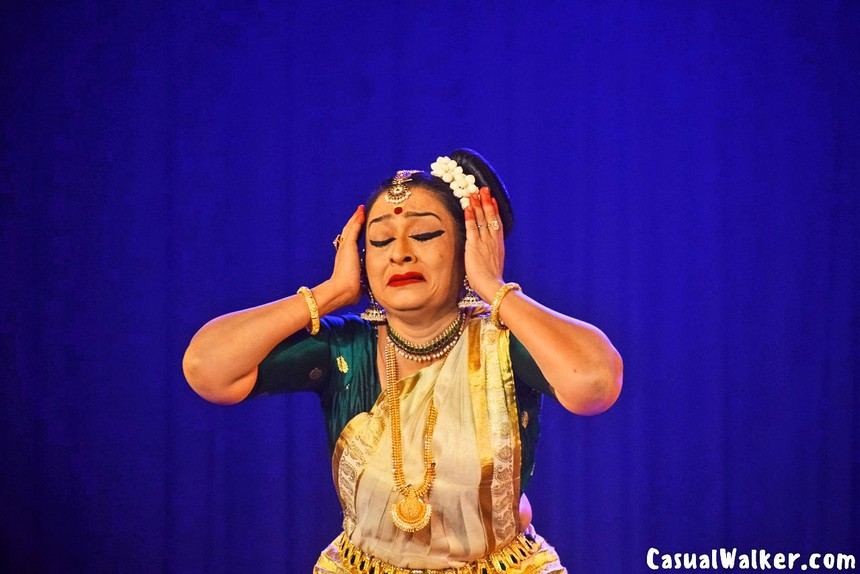
Pallavi’s portrayal of Pingala’s final surrender (sharanagati) at Rama’s feet was transcendent. The boundaries between performer and character dissolved; the dancer became the devotee experiencing divine union. The audience witnessed a soul achieving the fulfillment and moksha (liberation) she had unknowingly sought throughout her life.
Tillana – Joyous Culmination
The performance reached its joyous conclusion with a Tillana, the traditional closing piece in South Indian classical dance performances. This Tillana was composed by Maharaja Swathi Tirunal Rama Varma (1813-1846), the legendary ruler of Travancore who was himself an accomplished musician, composer, and patron of the arts.
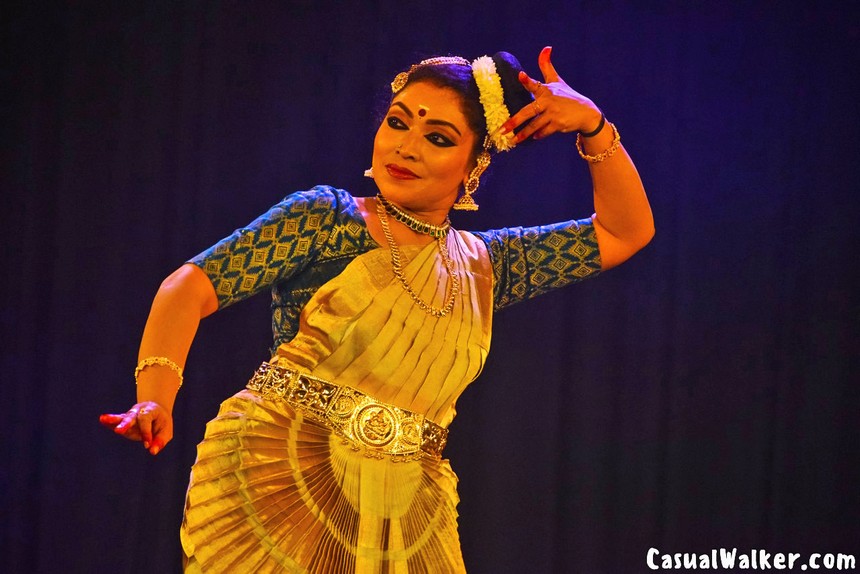
Set in raga Dhanasree (also spelled Dhanashri) a raga associated with joy, celebration, and auspiciousness and adi talam, this pure dance piece showcased Mohiniyattam at its most vibrant and celebratory. The Tillana format features rhythmic syllables (jatis and sollukattus) that allow dancers to display technical virtuosity, complex footwork patterns, and dynamic energy.
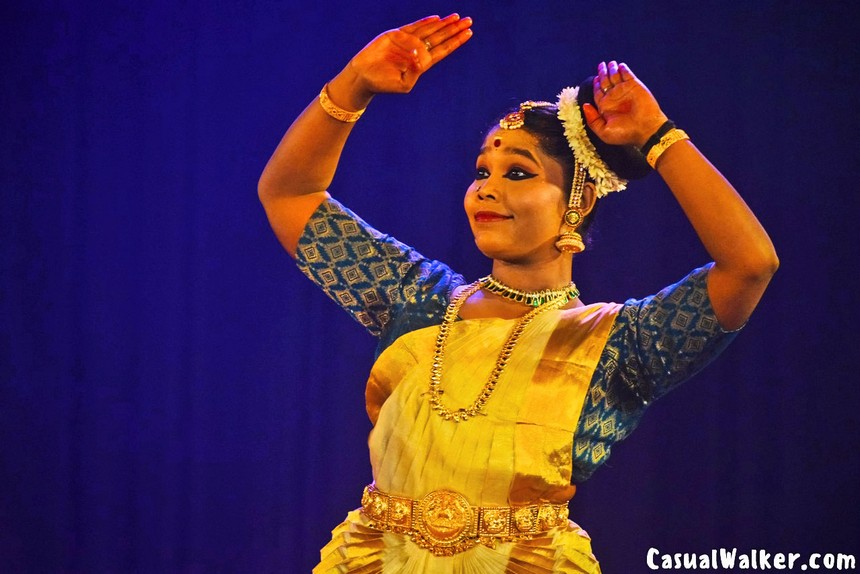
Unlike the earlier pieces focusing on devotion and narrative, the Tillana celebrated pure movement nritta in its most exhilarating form. The rhythmic syllables tadheem tadheem, dhina dhina were rendered through synchronized movements, the dancers’ bodies becoming musical instruments themselves.
The audience, having journeyed through devotion, mythology, and spiritual transformation, now experienced the sheer joy of dance as celebration. The Mohinis those enchantresses of Kerala’s classical tradition had indeed woven their spell, leaving the audience enchanted and uplifted.
Mohiniyattam: A Living Classical Dance Tradition for the 21st Century
Pallavi Krishnan’s presentation during Chennai’s Margazhi season demonstrates that Mohiniyattam is not merely a preserved museum piece but a vibrant, evolving classical art form capable of speaking to contemporary audiences.
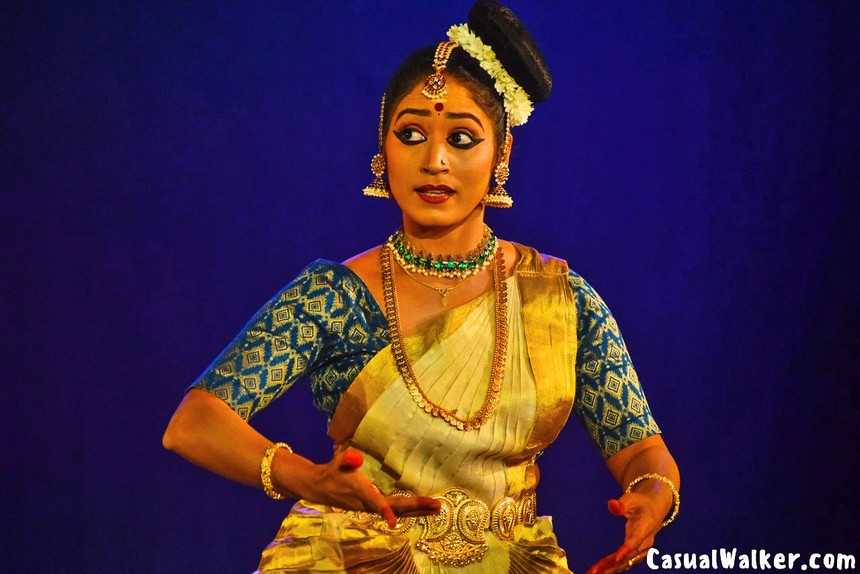
Cultural Bridges: Her work builds bridges between regions and between classical traditions, bringing Mohiniyattam to Bharatanatyam’s heartland during Margazhi. By choreographing pieces herself, Pallavi demonstrates that Mohiniyattam’s repertoire continues to evolve while remaining rooted in its classical margam (performance structure) and technical foundations.
Beyond technical excellence, Pallavi’s performances remind us that Indian classical dance is fundamentally a spiritual practice a form of moving meditation, a pathway to the divine. Whether portraying Pingala’s transformation, Draupadi’s surrender, Gajendra’s liberation, or Radha’s longing, the dancer becomes a conduit for profound spiritual truths expressed through the language of the body.
As a devoted admirer of Indian classical dance and a grateful witness to this performance, I left with renewed wonder at Mohiniyattam’s capacity to enchant, to educate, and to elevate. This dance form with its gentle swaying movements reminiscent of palm trees in breeze, its soulful abhinaya conveying complex emotions, and its spiritual depth rooted in Kerala’s devotional traditions offers contemporary audiences a respite from life’s frenetic pace and a connection to timeless truths.
In artists like Pallavi Krishnan who embody both technical mastery earned through years of rigorous training at India’s finest institutions and emotional authenticity rooted in genuine devotion classical Mohiniyattam finds its most eloquent contemporary voice. She represents the guru-shishya parampara (master-disciple tradition) at its finest: preserving tradition while innovating, maintaining classical rigor while remaining accessible, honoring Kerala’s heritage while building pan-Indian bridges.
More Related Photo Stories & Guides
- Mohiniyattam : An Enchanting Traditional Classical Dance Form of Kerala / Mohiniyattam Origin, History, Compositions & Costume / Kalaimamani Gopika Varma’s Kandien Swapnam (I Saw a Dream) – An Mesmerizing Mohiniyattam Dance Performance
- Exploring Kathakali : Origin, History, Elements, and Costumes of India’s Major Traditional Classical Dance Form / Unveiling Kalyana Sougandhikam : A Mesmerizing Kathakali Play by Kalakshetra Foundation Depicting Bhima’s Quest for the Rare Fragrance Flower for His Wife Draupadi
- Nangiarkoothu / Nangiar Koothu : A 1500-Year Old Traditional Solo Sanskrit Dance & Theatre Art Form from Kerala – History, Types, and the Epic Tale of Poothana Moksham from Life of Lord Krishna, A Spectacular Nangiar Koothu Performance
- Kathak Dance : A Major Traditional Classical Dance Form in India – Exploring Kathak’s Origin, History, Elements, Costumes, and its Connection to the Bhakti Movement / Cosmic Resonance: A Mesmerizing Kathak Dance Performance by Devaniya – Dakshin Gharana, Kathak Dance School
- Odissi Dance — Complete Guide to Odisha’s Ancient Classical Dance Form: Origin, History, Tribhangi, Abhinaya, Lasya & Tandava Style, Mudras, Adavus, Compositions & Gotipua Traditions, Traditional Costume & Makeup, the Divine Grace of Indian Classical Dance | Draupadi’s Mahabharata : An Iconic Odissi Dance Drama Performance by the Nrityantar Dance Ensemble