




Nallur Theradi Chellappa Swami Temple | Chellappa Swami of Nallur Jaffna, Sri Lanka | Revered Tamil Siddhar Saint & Spiritual Guru of Satguru Siva Yogaswami — Complete Visitor Guide, Sacred History, Divine Teachings & Four Eternal Great Sayings, Memorial, Temple Timings, Location & Contact Details
– discover the life & legacy of nallur chellappa swami

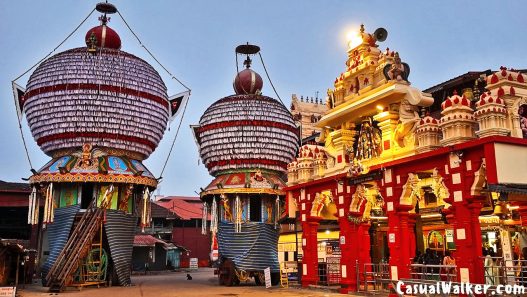
The moment I stepped into the famous Nallur, the ancient spiritual heartland of Jaffna peninsula in northern Sri Lanka, I knew I had entered sacred ground. This historic city, once the royal capital of the mighty Ariya Chakravarti dynasty, pulses with devotional energy that has drawn pilgrims for centuries. At its center stands the magnificent Nallur Lord Kandaswami Temple, one of the most revered Lord Murugan shrines in all of Sri Lanka, its towering gopuram visible from miles away. 
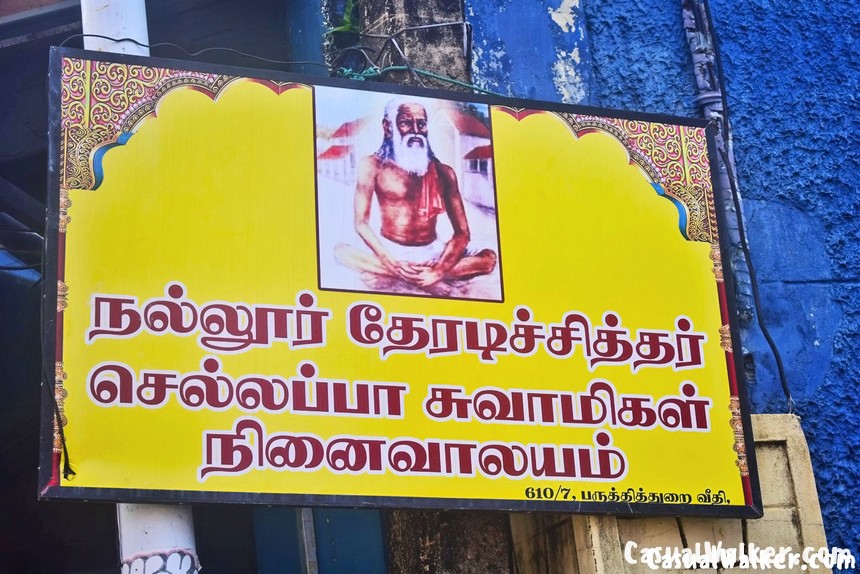
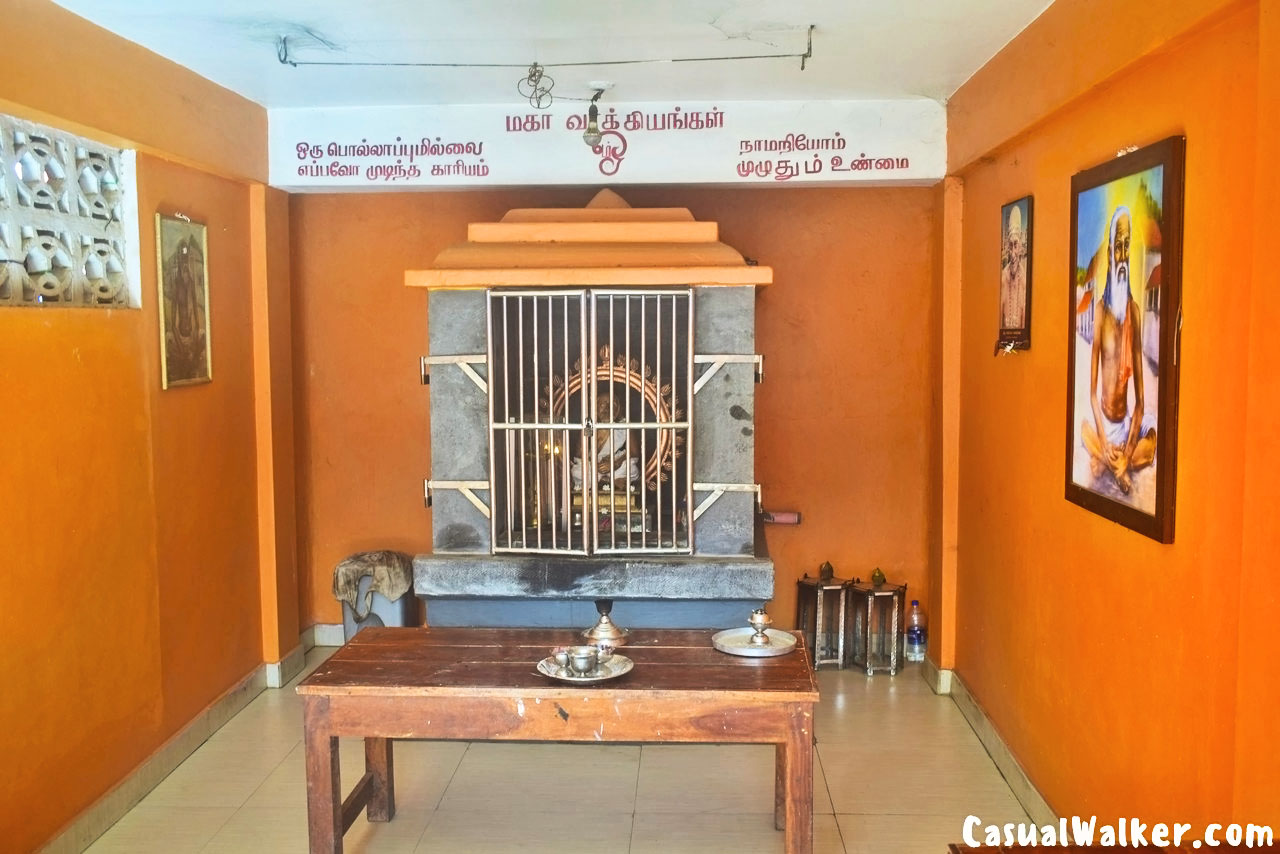
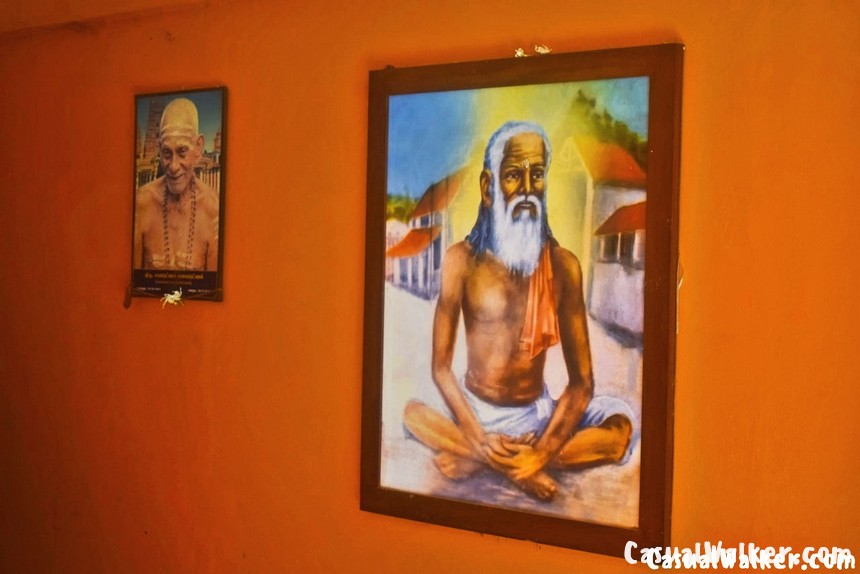
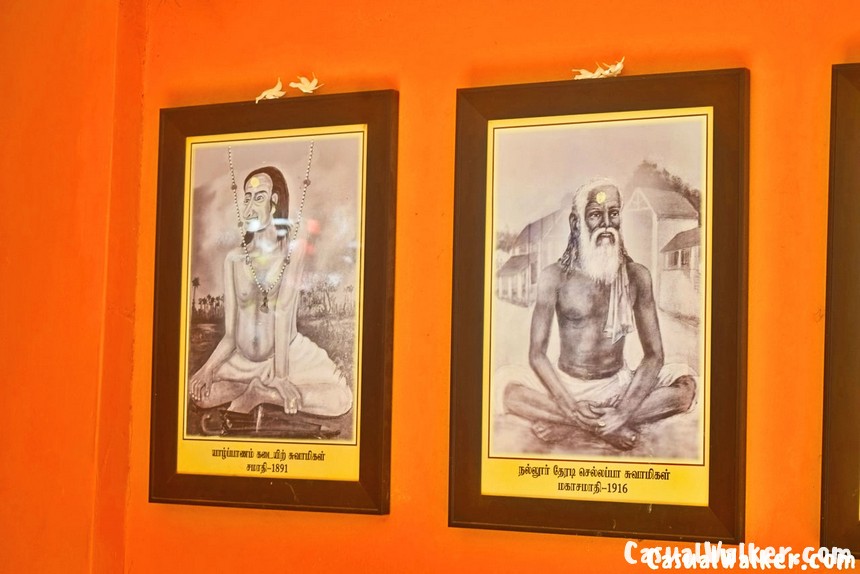
But it was the humble teradi—the sacred chariot house adjacent to the temple—that called to my soul most powerfully. Here, in this unassuming space where the ornate festival chariot rests between processions, one of Hinduism’s most enigmatic spiritual masters spent decades absorbed in divine contemplation. This was the abode of Nallur Theradi Chellappa Swamy Temple (1840-1915), the 160th Satguru of the Nandinatha Sampradaya, who transformed countless souls through his unconventional wisdom while appearing to the world as a madman.
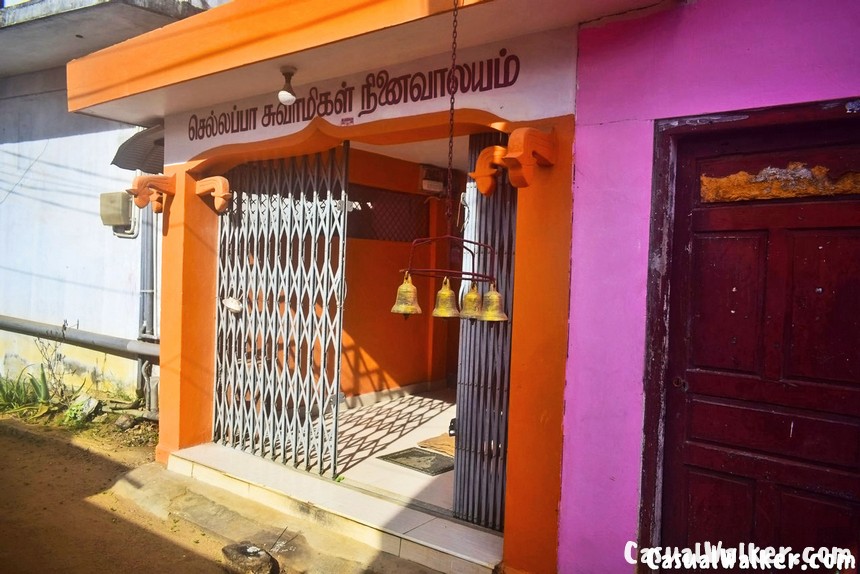
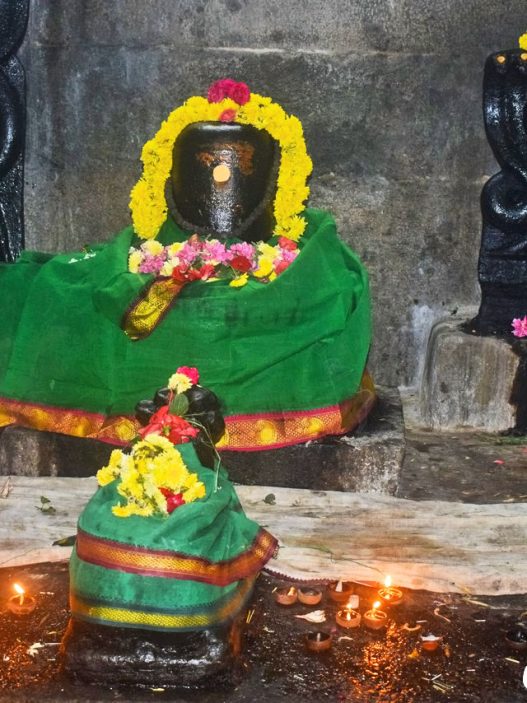
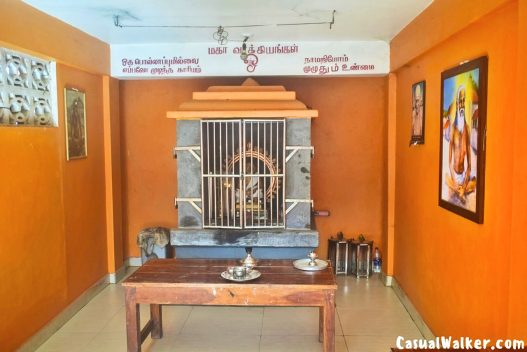
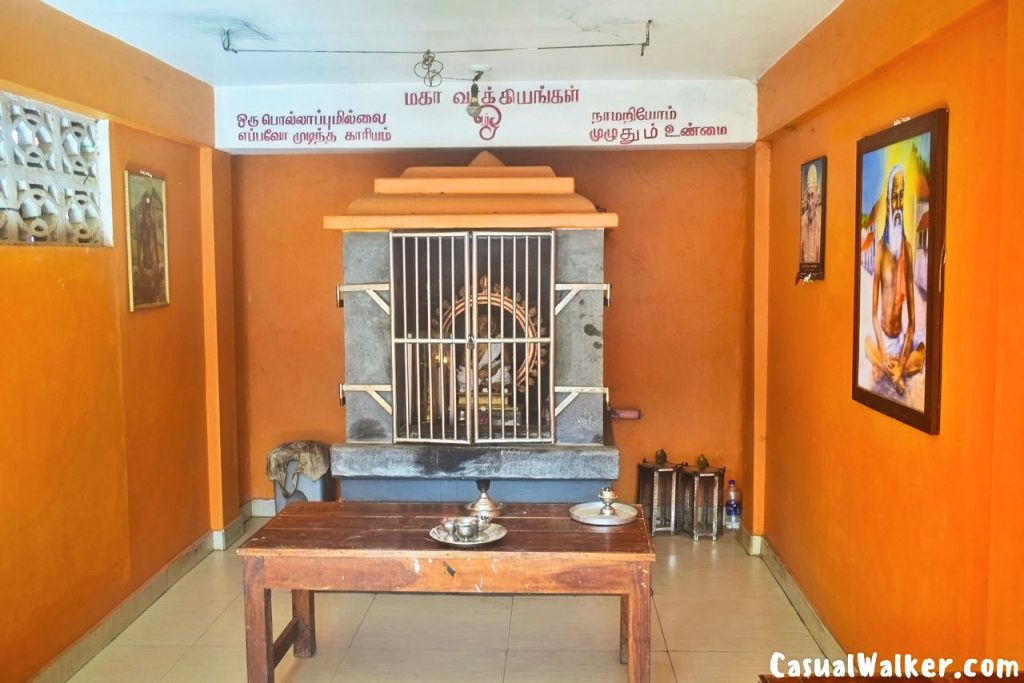
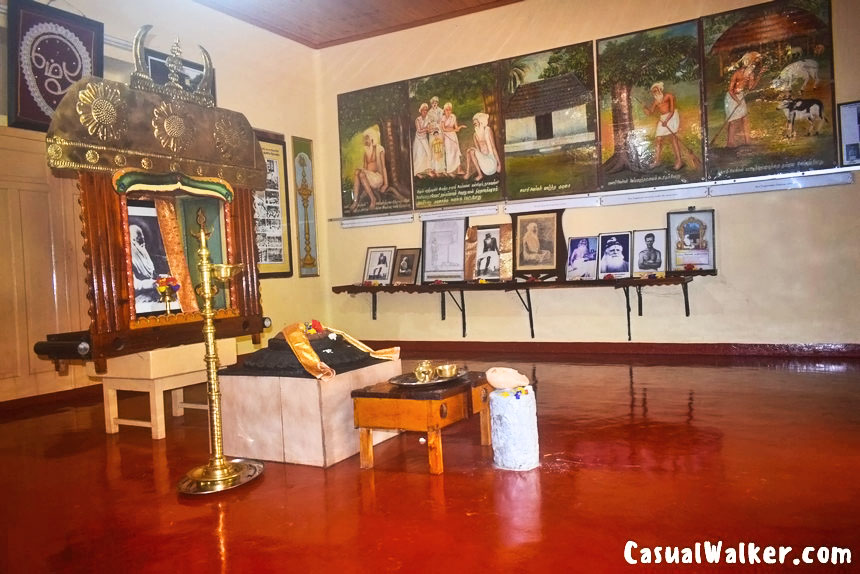
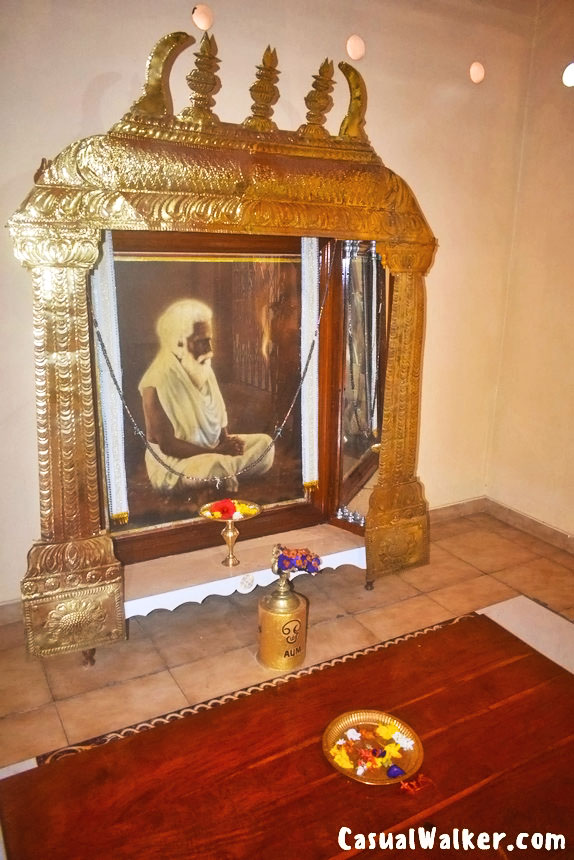
Today, devotees can pay homage at the Nallur Theradi Chella Siddhar Swamigal Memorial Temple, located just steps from the famous Nallur Murugan Temple. This dedicated shrine preserves the saint’s sacred energy, offering seekers a tangible connection to his extraordinary legacy of spiritual transformation and divine grace.
Avadhuta Saint of Nallur Temple
My pilgrimage to this sacred site revealed a profound truth: enlightenment often wears unexpected garments. Chellappa Swami, known as Theradi Chellappah for his constant presence at the temple chariot shed, embodied the ancient tradition of the avadhuta the divine madman who transcends social conventions to guide seekers toward self-realization.
A Life Devoted to Spiritual Awakening
Born to farmer Vallipuram and Ponnamma near Nallur Temple, young Chellappa displayed extraordinary spiritual inclination from childhood. Chellappah’s parents from Vattukodai settled in Nallur to cultivate their lush fertile fields. While attending Saiva Prakasa Vidyasalai and later Jaffna Central College, he remained absorbed in inner contemplation, bewildering teachers and family alike with his profound detachment from worldly affairs.
What struck me most during my research was how this Tamil Siddha worked as a night watchman at a cremation ground during his teens meditating beside funeral pyres while others slept. This practice, common among Hindu yogis seeking to transcend death consciousness, demonstrates the depth of his spiritual sadhana even before meeting his guru.
Sacred Lineage: Guru-Disciple Transmission
Walking through Nallur’s ancient streets, I understood why this location became a Hindu sacred site of immense power. Here, Kadaitswami, the wandering sage, initiated Chellappa into the Kailasa Parampara the unbroken guru parampara stretching back to Lord Shiva himself.
The transformation was absolute. After spiritual initiation, Chellappa withdrew completely from government service, establishing his humble dwelling across from the teradi. His sister Chellachi brought meals, which he often refused, shouting about “poisoned food” a teaching method to cultivate detachment in those who served him.
Divine Teachings Through Righteous Fury
The spiritual practices of Chellappa Swami defied conventional religious instruction. Beneath the Bilva tree near the temple entrance, he demonstrated what Tamil tradition calls the righteous fury that burns away karmic impurities. Unlike destructive anger, this was divine grace manifesting as fierce compassion.
Traditional Tamil Arts and Simple Living
Chellappa Swami embodied Tamil culture through his mastery of palmyrah handicrafts. He wove exquisite fans, baskets, and garlands skills deeply rooted in Jaffna’s heritage. The palmyrah tree sustained Tamil civilization, providing materials for the sacred tali (marriage symbol), olai (palm-leaf manuscripts), and countless daily necessities.
His culinary skill with odiyal kool (palmyrah root porridge) became legendary among disciples. Yet he used even these simple pleasures as teaching moments once smashing a perfectly prepared meal to destroy his students’ greed and attachment.
Mahavakyas: Eternal Truths
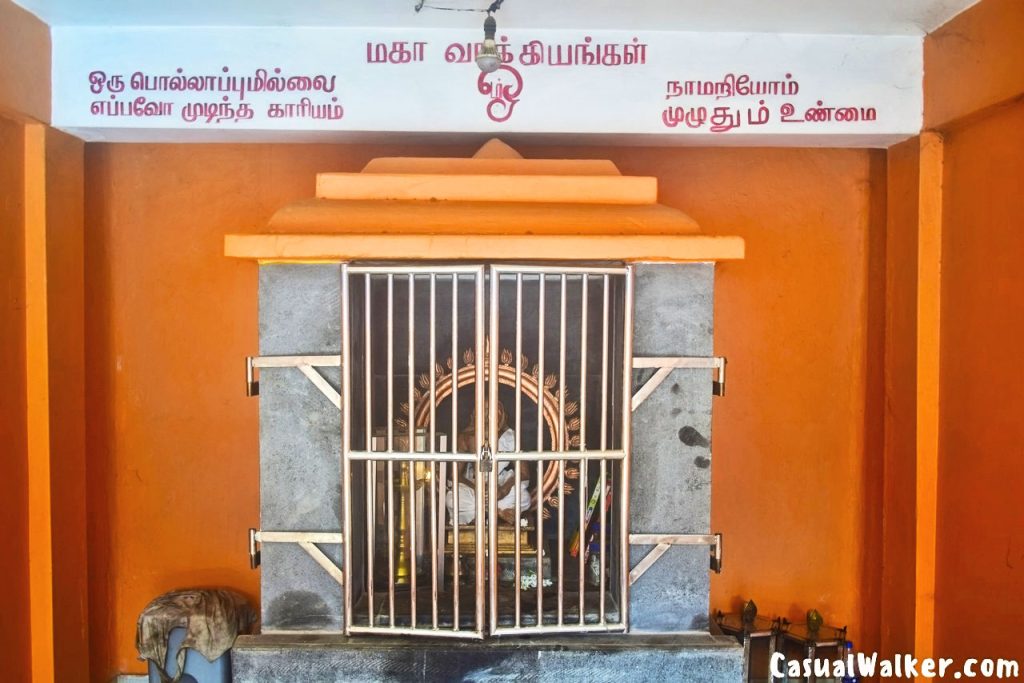
Sitting in the teradi’s shade, I reflected on Chellappa Swami’s cryptic utterances, now recognized as mahavakyas great spiritual axioms:
“Oru pollappum illai” – There is not even one wrong thing
“Epapvo mudintha kariyam” – It has been accomplished long ago
“Nām ariyom” – We know nothing
“Muzhuthum unmai” – All is Truth
These profound Advaita Vedanta teachings echo the wisdom of Tirumoolar and Tayumanavar, revealing the non-dual nature of reality.
Yogaswami: The Perfected Disciple
The most powerful aspect of my spiritual journey to Nallur was discovering how Chellappa Swami prepared his successor, Yogaswami (born Sadāsivam in 1871). Their relationship exemplifies the ancient guru-shishya parampara that preserves Shaivite philosophy across generations.
When young Yoganathan first approached the teradi, Chellappa gazed at him with immense joy, declaring: “I had been waiting for you for so long! You alone will be crowned by me.” Then immediately transmitted the core teaching: “Yāradā Nee? Tedadā Ull! Teerada Pattru” (Who are you? Dive deep within! Give up attachment!)
Five Years of Intense Training
The stories of Yogaswami’s training moved me deeply. Chellappa would announce plans to visit Keerimalai temple for ritual bathing, walk the entire distance with his disciple, then turn back at the shore saying, “We have bathed; let’s return” teaching that pilgrimage happens within consciousness, not through physical location.
He would order Yogaswami to accompany him begging at the Nattukkottai Chettiyar’s shop, standing patiently in scorching sun. When given a single copper coin worth one cent, Chellappa would accept it with great reverence, saying “We have earned a lot today!” and touching it to his eyes demonstrating that true wealth is humility and contentment.
During one remarkable test, Chellappa ordered both Yogaswami and Katiravelu Swami into deep meditation for forty days a spiritual tapas that transformed their consciousness permanently. Tirujnanasambandar of Columbuthurai attended to their needs as they sat motionless, transcending time itself.
Swami Vivekananda’s Prophetic Visit
A remarkable historical connection emerged during my research: Swami Vivekananda, returning from the World Parliament of Religions in America, addressed crowds across Ceylon in 1897. After speaking at Hindu College Hall in Jaffna, he was paraded in a horse carriage. Near Columbuthurai junction, he suddenly disembarked and exclaimed: “Oh! This is an oasis!”
At that time, only ilupai trees stood there nothing sacred or special. Yet Vivekananda had foreseen this exact location where Chellappa Swami would later send Yogaswami to establish his ashram. The prophecy manifested when Chellappa told his perfected disciple: “Two elephants can’t be fastened to a single stake. Look there at the foot of the ilupai tree at Columbuthurai Junction.”
Before Yogaswami departed, he gazed longingly at his guru’s earthen begging bowl. Recognizing this final attachment, Chellappa declared “Oh! This is a great bond!” and smashed the bowl on Yogaswami’s head the ultimate shaktipat transmission breaking the last subtle desire.
Miracles and Siddhi Powers
Though Chellappa Swami declared, “Chellappah will not exhibit any such powers; he will be known as a madman to the world,” witnesses recorded numerous spiritual miracles:
- Mystical Sheltering: Holding an umbrella to shade his approaching guru Kadaitswami from the sun despite sitting in shade himself
- Instant Anger Dissolution: Touching his enraged nephew on the chest, instantly dissolving all fury when the youth leaped across a two-meter well to attack him
- Divine Healing: Curing sick children through touch and simple remedies like fresh orange juice
- Clairvoyance: Detecting tampered prasadam (sacred food) before tasting it, later confirmed when children admitted interference
- Prophetic Vision: Warning a youth about an aggressive bull that attacked moments later
- Miraculous Abundance: Feeding five people with rice prepared for one, all eating to satisfaction
- Mind Reading: Knowing disciples’ thoughts and secret desires before they spoke
- Animal Compassion: Understanding the karma of creatures, once feeding a puppy that died in a car accident minutes later
Teaching of Detachment Through Destruction
One story particularly moved me: when a devoted disciple brought new clothes (verti and calvai), Chellappa accepted them graciously then tore them to pieces, soiled them, and wore the rags. This radical act taught that attachment to material offerings corrupts even sincere devotion.
Similarly, he once walked to Madduvil to purchase a single brinjal, bought rice at Muthirai market (deliberately underpaying to receive scolding), prepared an elaborate meal with great care then smashed all the pots and fed everything to birds and dogs, laughing at the absurdity of attachment.
These yogic siddhis weren’t displays of ego but spontaneous expressions of his realized state what Hindu philosophy calls jivanmukti (liberation while living).
Sacred Geography of Nallur
My temple pilgrimage revealed why Nallur holds such spiritual potency. This ancient capital of Emperor Ariya Chakravarti once rivaled the great Tamil Nadu pilgrimage sites. The emperor’s sovereignty extended even to Rameswaram, earning him the title Setukavalar (Protector of Sethu). In Nallur, pure Tamil language and Saivaneri (the Saiva path) flourished under royal patronage.
Golden Island of Siddhars
Sri Lanka, known as Eelam (meaning “gold” in Tamil), has been celebrated by Saint Tirumoolar in his Tirumantiram as an abode of Shiva. Walking through Jaffna’s northern province, I discovered numerous samadhi temples of great siddhars Kadai Swami, Yoga Swami, and countless enlightened beings who left their sacred footprints across this blessed land.
The Nallur Kandaswami Temple stands protected by four sentinel shrines in the cardinal directions: Veyilukanda Pillaiyar Kovil (east), Kailāsa Nātha Sivan Kovil (west), Veerakali Amman Kovil (north), and Sattanātha Kovil. This sacred mandala creates a powerful spiritual fortress.
Surviving Portuguese Destruction
Despite Portuguese forces razing temples to the ground in the mid-17th century, the Saiva revival under Dutch rule restored Nallur’s glory. Around 1734, Srimat Ragunatha Mappana Mudaliyar secured permission to establish a Vel Kottam where Lord Murugan’s sacred spear could be worshipped. The revered Siva Tiru Suppiah Kurukkal resumed daily pujas, and Siva Tiru Gangadhara Kurukkal expounded the Kanta Puranam, transforming Nallur into a devaloka (heavenly realm) once more.
Living Heritage: Nandinatha Sampradaya Today
Chellappa Swami’s lineage continues through an unbroken chain:
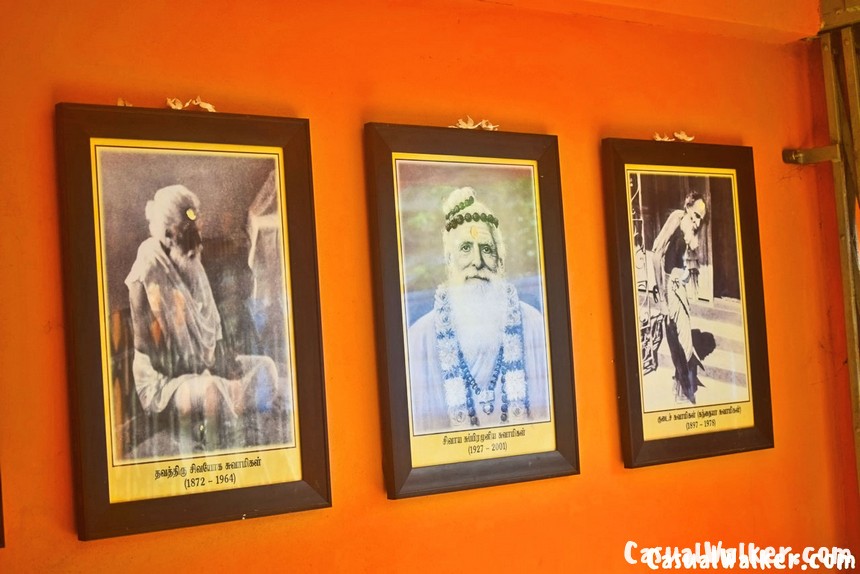
Kadaitswami → Chellappa Swami → Yogaswami → Satguru Sivaya Subramuniyaswami → Satguru Bodhinatha Veylanswami
This Saiva Siddhanta tradition, preserved through the Himalayan Academy on Kauai, ensures these teachings reach seekers worldwide. The profound meditation techniques, karma yoga practices, and non-dual philosophy continue transforming lives globally.
Chellappa Swami Key Spiritual Teachings
- Self-Inquiry: “Who are you?” remains the fundamental question Yāradā Nee?
- Inner Pilgrimage: Sacred sites exist within consciousness Tedadā Ull! (Dive deep within!)
- Detachment: Release attachment to outcomes and possessions Teerada Pattru! (Give up attachment!)
- Guru’s Grace: Transformation requires surrendering to divine guidance
- Compassionate Severity: Sometimes fierce love serves better than gentle encouragement
- Ego Death: True liberation means dying while living becoming jivan mukta
A Legacy Honored by Luminaries
The profound impact of Chellappa Swami extended beyond spiritual circles. Sir Ponnambalam Ramanathan, appointed sole representative of Ceylon’s people in 1910, held deep reverence for the swami. When Sir Ramanathan founded Ramanathan College in 1913, Chellappa walked all the way to the foundation ceremony, presented an exquisitely woven ola leaf fan he’d crafted himself, blessed the institution, and departed immediately demonstrating that true blessing requires no fanfare or recognition.
Final Departure: Mahasamadhi
Chellappa Swami knew the exact moment of his departure from the physical plane. He instructed his disciple Sabharatnam, a violin master, to prepare for the final rites. When Ramalingam arrived with three days leave, Chellappa remarked prophetically: “If you had obtained another three days, you would have partaken in the festival to the full.”
To Arumugam Swami, he cryptically announced: “Tonight I am going to enact a play.”
On Friday midnight in the Tamil month of Panguni, 1915, under the ascending nakshatra Aswani, Chellappa Swami lay down, folded one leg over the other’s thigh, closed his eyes, placed his right thumb in his mouth, and departed with the sacred sound “Om” reverberating entering mahasamadhi with perfect yogic mastery.
When Yogaswami, now a spiritual master himself, rushed to serve his ailing guru, Chellappa commanded from within: “Stay out and watch!” Yogaswami obeyed perfectly, standing outside in mental worship the final lesson in detachment even from the guru’s physical presence.
Four Eternal Mahavakyas
These profound utterances, born from Chellappa Swami’s realization and established by Yogaswami, continue guiding seekers worldwide:
“Oru pollappum illai” – There is not even one wrong thing (Everything is alright)
“Epapvo mudintha kariyam” – It has been accomplished long ago (The task is already complete)
“Nām ariyom” – We know nothing (Surrender of intellectual pride)
“Muzhuthum unmai” – All is Truth (Non-dual reality pervades everything)
These Advaitic truths echo the wisdom of Tirumoolar, Tayumanavar, and the eternal Upanishads reminding us that liberation is not achieved but recognized, not earned but revealed.
Yogaswami’s Eternal Tribute
For five years, Yogaswami absorbed every teaching, every compassionate blow from his guru. By Chellappa’s grace, he blossomed into a poorna jnani (complete knower). The mahavakyas he gathered spread from Jaffna to every corner of the world. Like Appar Adigal, Yogaswami lived long, composing the Natchintanai hymns so all humanity might benefit from Chellappa Swami’s realization.
In our age of spiritual materialism, where teachers market themselves aggressively, this avadhuta saint reminds us that authentic God-realization manifests as simplicity, service, and selfless transmission of truth.
The sacred energy of Nallur, preserved through Chellappa Swami’s tapas and continued through his lineage, remains accessible to sincere seekers. Whether you visit physically or connect through meditation, this Tamil Shaivite master’s blessings continue flowing to those who approach with genuine devotion.
Many pilgrims report profound spiritual experiences while praying at this site, feeling the continued presence of the master’s divine grace. The memorial temple has become an important pilgrimage destination for followers of the Nandinatha Sampradaya and those seeking connection with authentic Siddha tradition.

Travel Tips for Visiting Nallur Theradi Chellappa Swami / Chellappa Swami of Nallur, Jaffna :
Address of Theradi Chellappah Swami / Nallur Theradi Siddhar:
No. 610 / 7, Pointpedro Road, Nallur Jaffna.
Best Time: During temple festivals, particularly in the Tamil month of Panguni.
Visiting the Nallur Theradi Chellappa Swami / Chellappa Swami of Nallur, Jaffna
Located just steps away from the famous Nallur Murugan Temple, the Nallur Theradi Chella Chittar Swamigal Memorial Temple serves as a focal point for devotees seeking the saint’s blessings. This sacred memorial shrine preserves the spiritual vibrations of Chellappa Swami’s intense tapas and provides a dedicated space for meditation and darshan.
The proximity to the Nallur Kandaswami Temple is no coincidence Chellappa Swami spent decades in meditation at the teradi (chariot house) adjacent to this ancient Murugan shrine. Pilgrims can easily visit both temples in a single journey, experiencing the divine energy of Lord Murugan alongside the transformative grace of the Siddha master who sat in constant communion with Him.
How to Reach Nallur Theradi Chellappa Swami / Chellappa Swami of Nallur, Jaffna
By Bus: CTB (Ceylon Transport Board) and private buses operate from Colombo to Jaffna. Long-distance buses depart from Colombo Central Bus Stand (Pettah). Journey time: 10-12 hours depending on stops
Once in Jaffna town, local buses frequently run to Nallur. Bus routes 750, 752, and others stop near the temple. Ask locals for “Nallur Kovil” – everyone knows this famous landmark. Most affordable option for budget temple pilgrims.
Local Transportation in Jaffna: Tuk-tuks are readily available and affordable. Bicycle rentals offer a pleasant way to explore Nallur’s sacred sites. Walking distance between Nallur Kandaswami Temple and the memorial temple.
By Train: Sri Lanka Railways operates daily train services from Colombo Fort to Jaffna. The scenic journey takes approximately 8-10 hours through beautiful countryside. Popular trains include the Yal Devi (intercity express) and Rajarata Rajina. From Jaffna Railway Station, the temple is about 3 km away. Take a local tuk-tuk (auto-rickshaw), taxi, or bus to Nallur (10-15 minutes). Train travel offers an authentic Sri Lankan pilgrimage experience.
By Air: SriLankan Airlines operates domestic flights from Colombo to Jaffna (JAF). Flight duration: approximately 45-60 minutes. From Jaffna airport (Palaly), hire a taxi or take a bus to Nallur (about 16 km). Fastest option for international Hindu pilgrims with limited time.
Also check our Similar Interesting Photo Stories & Guides