



Exploring Ahobilam Narasimha Swamy Temple: Complete Guide to Nava Narasimha Temples – Sacred Avatara Sthala of Lord Narasimha | History, Planetary Associations & Significance | How to Reach from Chennai, Best Time to Visit | Upper & Lower Ahobilam Temples & Trekking Guide | Temple Timings, Darshan Schedule & Contact Details | Ahobilam 2-Day Itinerary & Trip Planning 2026 (Updated)
– explore the mystical nava narasimha kshetram in the nallamala hills
Ahobilam, located in the mystical Nallamalai Hills in the Nandyal Taluka of Kurnool district in Andhra Pradesh, stands as one of the most powerful spiritual destinations in India. This is the sacred Avatara Sthala where Lord Narasimha, the fierce lion-headed incarnation of Lord Vishnu, manifested to protect his devotee Prahlada and vanquished the demon king Hiranyakashipu. 
For devotees of Lord Narasimha, Ahobilam Narasimha Swamy Temple represents the ultimate pilgrimage. The divine energy here is palpable, with nine magnificent manifestations of Lord Narasimha (Nava Narasimhas) spread across the Eastern Ghats, each possessing unique spiritual significance and planetary connections.
Sacred History of Ahobilam – Ancient Origins and Scriptural Significance
According to the Brahmanda Purana, Ahobilam is recognized as a Kruthayuga Kshetra—a sacred site from the first of the four cosmic ages. This holy destination finds mention in ancient Hindu scriptures including the Koorma Purana, Padma Purana, and Vishnu Purana, establishing its importance for millennia.
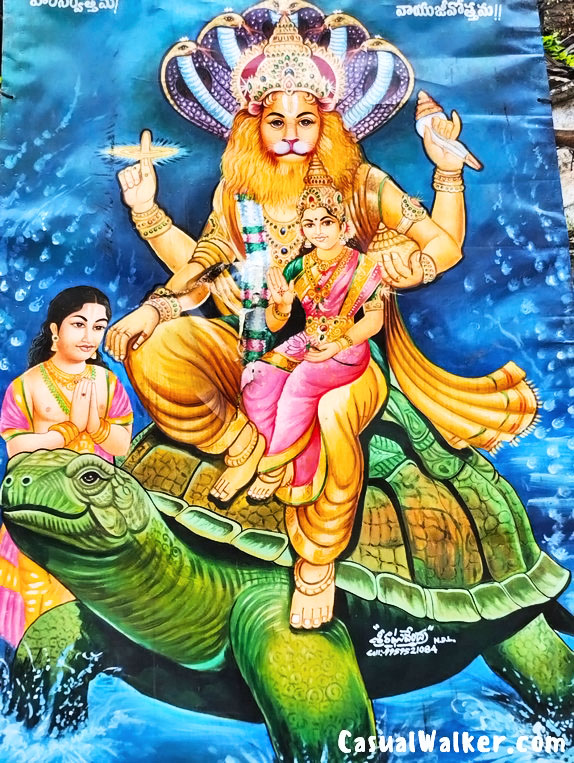
The name “Ahobilam” itself carries divine meaning. When the Devas (celestial beings) witnessed Lord Narasimha’s terrifying yet protective form as he destroyed Hiranyakashipu, they praised him with the words:
Aho Veeryam Aho Shouryam Aho Baahu Parakramam Narasimham Param Daivam Ahobilam Ahobalam
Oh, what valor! Oh, what courage! Oh, what mighty strength!
Thus, this sacred place became known as Ahobilam—the abode of magnificent strength.
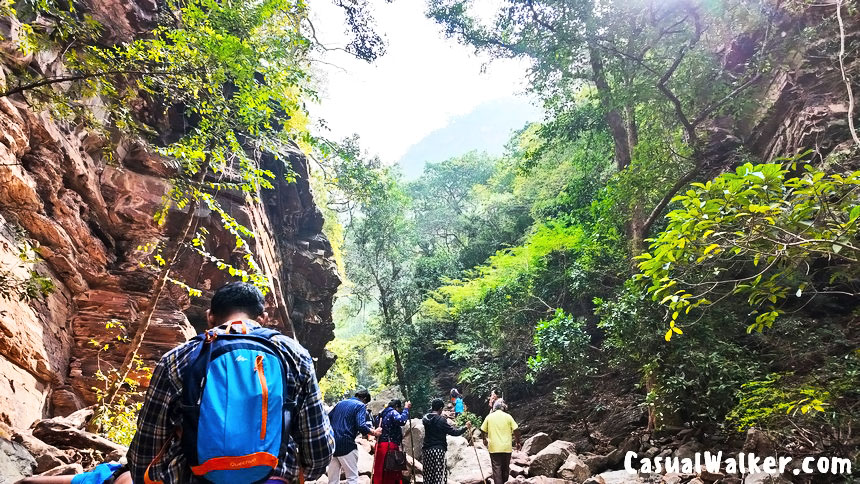
Ahobilam is also one of the 108 Sri Vaishnava Divya Desams, making it an essential pilgrimage site for followers of the Sri Vaishnava tradition. The great Tamil saint Thirumangai Alwar composed ten sacred Pasurams (hymns) about Ahobilam in the 8th century AD, praising the divine glory of Lord Narasimha.
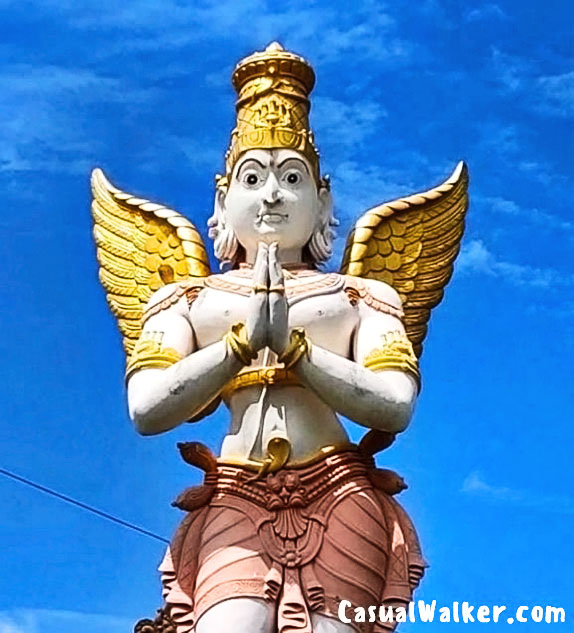
Garuda and Divine Manifestation
Garuda is described as Pakshiraja, the king of Birds, the celestial eagle and vehicle of Lord Vishnu, performed intense penance (tapas) on these hills, seeking a vision of Lord Narasimha in his avatara form. Pleased with Garuda’s devotion, Lord Narasimha manifested in nine different forms across these sacred hills. As a blessing, the mountain where Garuda meditated became known as Garudadri (Garuda’s Mountain), also called Garudachalam or Garudasailam.
Ahobilam – The Sacred Abode of the Nava Narasimha
Nava Narasimhas: Nine Forms, Nine Planets
What makes Ahobilam truly unique is the presence of nine distinct manifestations of Lord Narasimha, each connected to a specific planet (graha) in Vedic astrology. These Nava Narasimhas offer devotees the opportunity to worship the Lord in His diverse manifestations and receive blessings for planetary influences.
My 2-day Ahobilam pilgrimage, organized by Kānchi Gauravāni Yatra, was exceptional in every aspect food, stay, and travel. Special thanks to Sri Ramprakash ji for making this sacred journey truly memorable.
During my two day pilgrimage, we followed a traditional sequence, experiencing divine darshan in this sacred order:
- Sri Pavana Narasimha – Associated with Budha (Mercury) – The most important Prarthana Daivam (prayer deity), removes all sins
- Sri Bhargava Narasimha – Associated with Surya (Sun) – Purifies sins and grants vitality
- Sri Yogananda Narasimha – Associated with Shani (Saturn) – Relieves suffering and teaches discipline
- Sri Chatravata Narasimha – Associated with Ketu – Grants spiritual liberation
- Sri Ahobila Narasimha – Associated with Rahu – The main deity, destroyer of negativity
- Sri Varaha (Kroda) Narasimha – Associated with Guru (Jupiter) – Bestows wisdom and prosperity
- Sri Jwala Narasimha – Associated with Mangala (Mars) – Removes anger and obstacles
- Sri Malola Narasimha – Associated with Chandra (Moon) – Grants emotional balance and peace
- Sri Karanja Narasimha – Associated with Shukra (Venus) – Grants knowledge and divine vision
Pilgrimage Circuit
The temples are divided into two main areas:
- Upper Ahobilam (Eguva Ahobilam): Located in the hills, housing most of the Nava Narasimhas
- Lower Ahobilam (Diguva Ahobilam): At the foothills, featuring Prahlada Varada Temple
The distance between Upper and Lower Ahobilam is approximately 8-12 kilometers.

Day 1: My Divine Ahobilam Journey Begins
The anticipation began before dawn. As an ardent devotee of Lord Narasimha, I had dreamed of this pilgrimage for years.
Surrender to Lord Narasimha
Maata Nrusimhascha Pitaa Nrusimha
Bhrataa Nrusimhascha Sakha Nrusimha
Vidyaa Nrusimho Dravinam Nrusimha
Swami Nrusimha Sakalam Nrusimha
Itho Nrusimha Paratho Nrusimha
Yatho Yatho Yaamithatho Nrusimha
Nrusimhadevaadaparam Na Kinchittasmat
Nrusimham Saranam Prapadye
The journey to Ahobilam Narasimha Swamy Temple is not for the faint-hearted—it demands physical stamina, mental determination, and above all, unwavering devotion. But every challenge becomes a blessing when undertaken in service of the Divine.
After checking into the accommodations near Lower Ahobilam, I prepared mentally and spiritually for the adventure ahead.
1. Sri Pavana Narasimha Swamy Temple (Budha Sthala)
Location: 6 km from Upper Ahobilam, on the banks of Pavana River
Planet: Budha (Mercury)
Access: Jeep required (45-minute thrilling ride through red sand terrain)
My first destination was Sri Pavana Narasimha Swamy Temple, located approximately 6 kilometers from Upper Ahobilam, on the banks of the sacred Pavana River. This temple is associated with Budha (Mercury) and is considered the most important Prarthana Daivam (prayer deity) among all Nava Narasimhas.
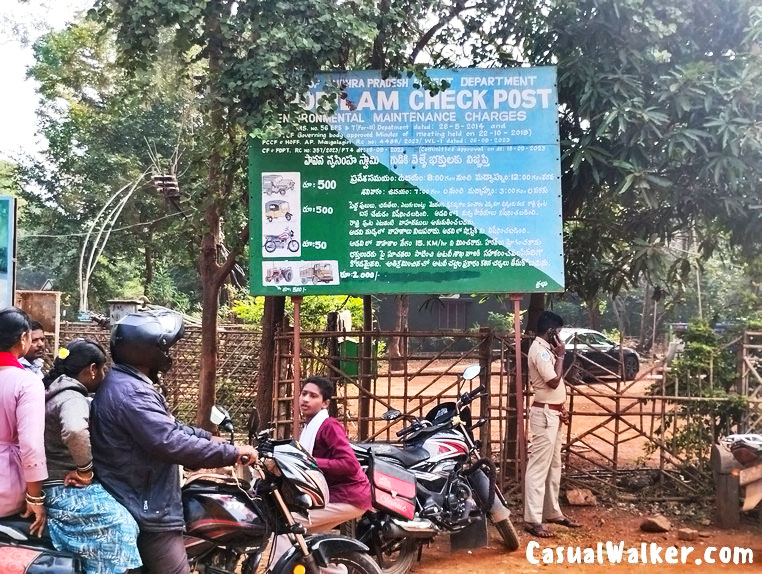
Here’s where the real adventure began. The road to Pavana Narasimha is unlike anything you’ve experienced. Regular cars cannot access this temple—only sturdy jeeps can navigate the treacherous terrain. As our jeep driver expertly maneuvered the vehicle, I understood why.
Thrilling Jeep Ride
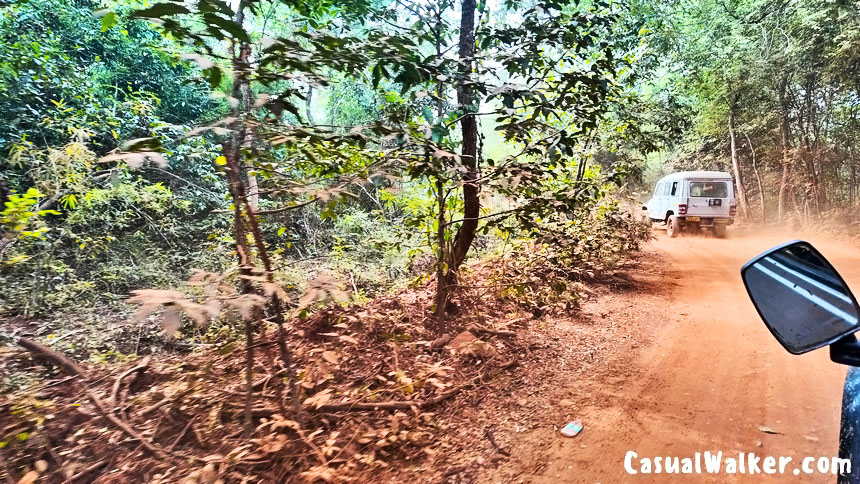
The path to Pavana Narasimha is a test of endurance and faith. Picture this: deep red sand stretching endlessly, creating dust clouds that engulf everything in their path. The road—if you can call it that—is one of the most bumpy routes I’ve ever encountered. Every few meters, the jeep lurched over rocks and dipped into sandy craters, making the journey feel like a wild roller coaster ride through the wilderness.
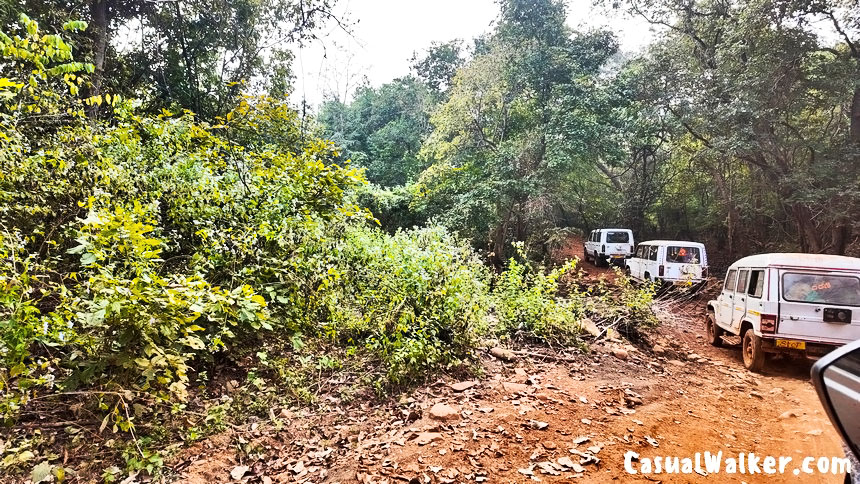
Essential Tips for Jeep Travel
My advice to fellow pilgrims: Wear a good quality mask to protect yourself from the pervasive red dust, and don’t forget sunglasses to shield your eyes from both the dust and the intense sunlight. If your jeep doesn’t have properly sealed windows (and many don’t), cover your head with a cap or scarf. The dust is relentless, but here’s the beautiful truth—every bump, every dust cloud, every moment of discomfort is worth it. This is the path that tests your devotion, and Lord Narasimha rewards those who persevere.
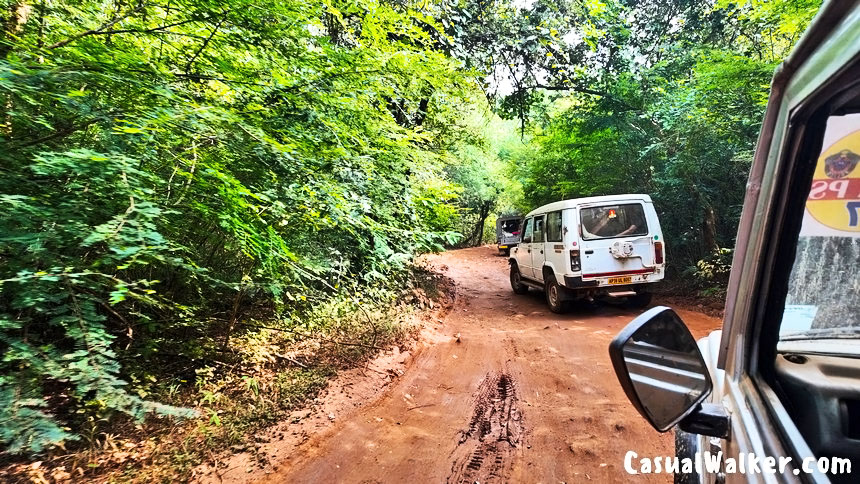
The 45-minute jeep ride felt both eternal and too short. As the red landscape rolled past, I meditated on the significance of this journey. Just as Sage Bharadwaja performed intense penance here to rid himself of sins, I too was undergoing my own purification through this challenging pilgrimage.
First Darshan: Sri Pavana Narasimha
Emerging from the jeep, covered in red dust but filled with spiritual excitement, I approached the Sri Pavana Narasimha Swamy Temple. The temple sits serenely on the banks of the Pavana River, and the atmosphere immediately shifts from physical challenge to spiritual serenity.
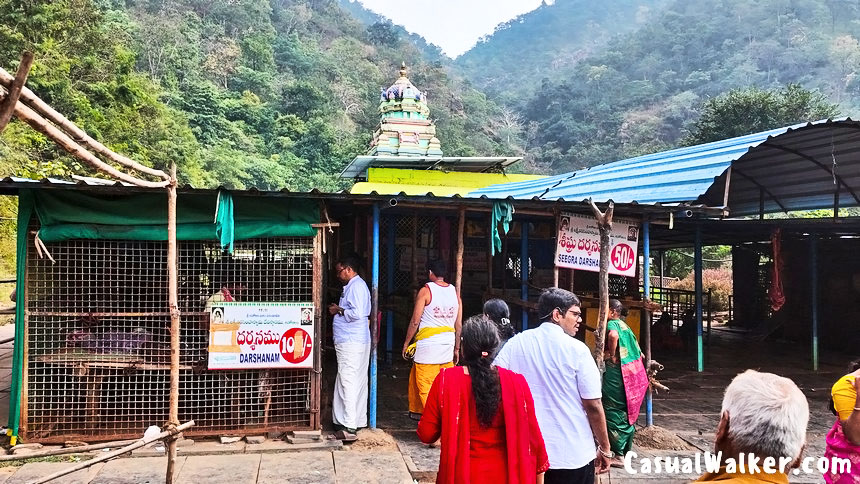
Sacred History
According to ancient texts, Sage Bharadwaja came to this very spot burdened by Mahapathakam (great sins) and sought the Lord’s grace. Through sincere devotion and worship of Sri Pavana Narasimha, he attained complete purification. This temple carries the divine promise that any devotee who has darshan here will be freed from their karmic burdens.
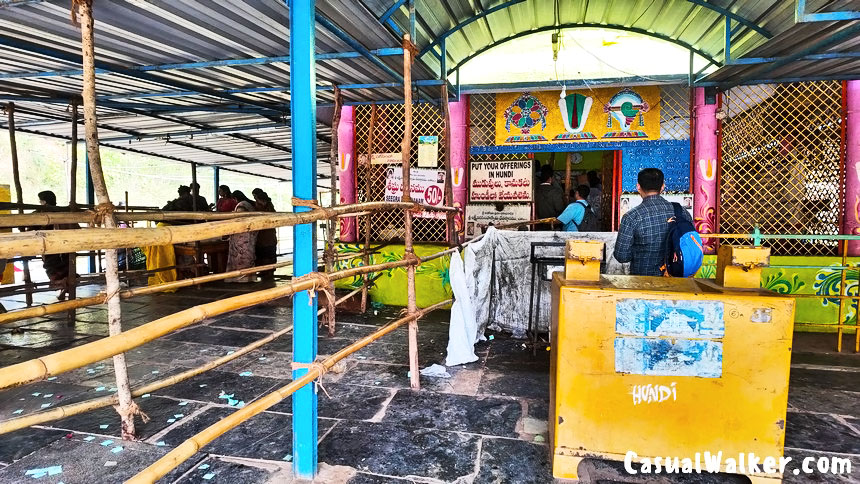
The name “Pavana” means “purifier,” and this form of Lord Narasimha is specifically invoked for cleansing the soul of all accumulated sins and negative karma. For those suffering from the malefic effects of Budha (Mercury), worship here brings relief and clarity of mind.
Divine Vision
As I entered the temple premises, my heart swelled with devotion. The sanctum, though simple in structure, radiates immense spiritual power.
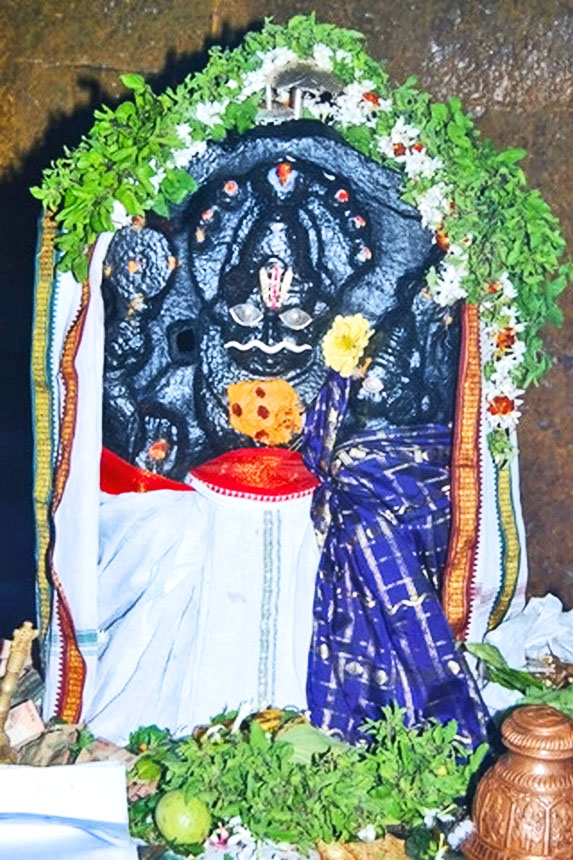
Sri Pavana Narasimha Swamy is seated in a divine posture, accompanied by Goddess Chenchu Lakshmi—the tribal form of Goddess Mahalakshmi who married Lord Narasimha in these very forests. What makes this manifestation truly unique is the posture of Chenchu Lakshmi. She is positioned in an extraordinary way: on one side, she faces the devotees; on the other side, she faces Lord Narasimha.
This divine arrangement holds profound spiritual meaning. Goddess Chenchu Lakshmi serves as the divine intermediary—she receives our prayers, our sorrows, our hopes, and conveys them directly to the Lord. When we pour our hearts out before her, she ensures that Bhagavan hears every word, every silent plea.
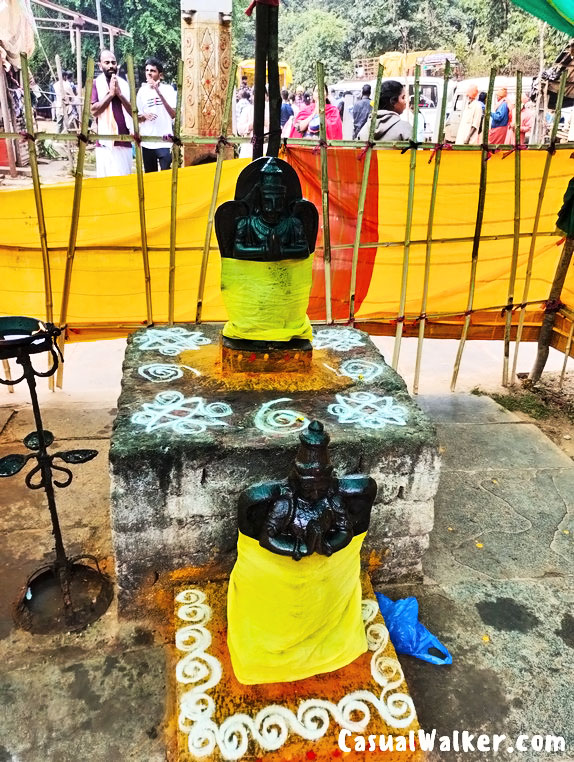
The local Chenchu tribal community holds a special connection with this temple. They regard Pavana Narasimha as their brother-in-law (since Chenchu Lakshmi is their kinswoman) and perform special poojas here annually, maintaining a tradition that spans countless generations.
Spiritual Significance and Planetary Connection
Budha (Mercury) in Vedic astrology governs intelligence, communication, business acumen, education, and analytical thinking. Those facing challenges in these areas, students struggling with studies, professionals facing communication barriers, or anyone experiencing Mercury-related doshas in their horoscope will find immense relief through worship at this temple.
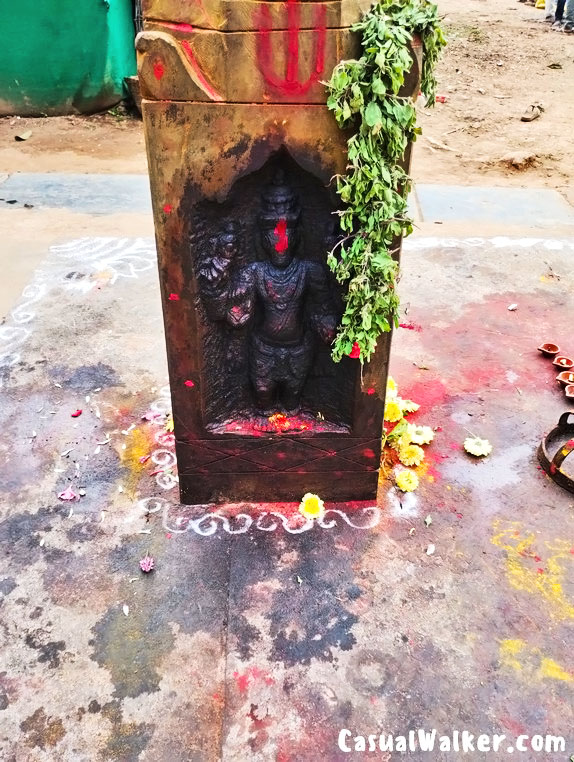
Standing before Sri Pavana Narasimha, I felt layers of worldly concerns simply melt away. The fierce yet compassionate gaze of Lord Narasimha seemed to penetrate my very soul, burning away impurities I didn’t even know I carried. Goddess Chenchu Lakshmi’s presence offered comfort—a mother’s love combined with a queen’s grace.
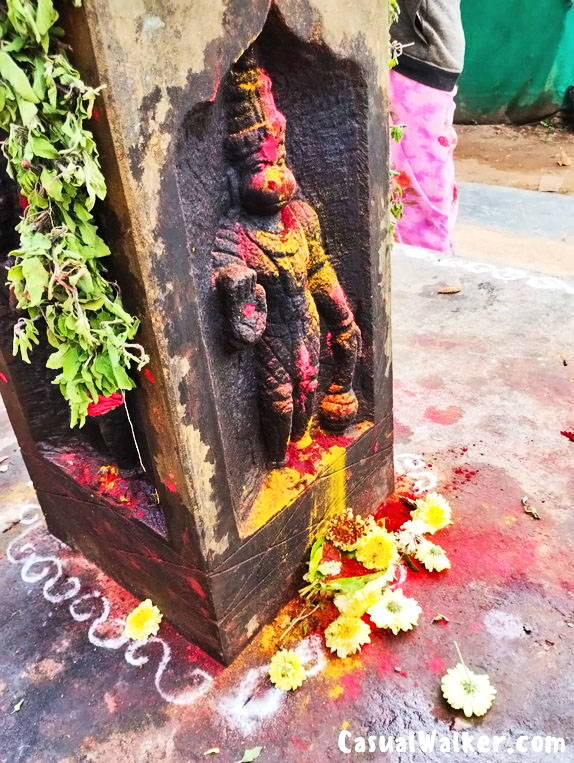
I spent considerable time in meditation here, offering my prayers not just for myself but for all beings suffering from the weight of past mistakes. The atmosphere is so charged with divine energy that you lose track of time. Minutes feel like seconds; silence speaks louder than mantras.
2. Sri Bhargava Narasimha Swamy Temple (Surya Sthala)
Location: 2 km from Lower Ahobilam
Planet: Surya (Sun)
Access: Jeep required
From Pavana Narasimha, we continued our jeep journey to Sri Bhargava Narasimha Swamy Temple, located approximately 2 kilometers from Lower Ahobilam. Once again, the same challenging terrain awaited us. But by now, I had embraced the adventure. Each jolt reminded me of the determination required to reach the divine.
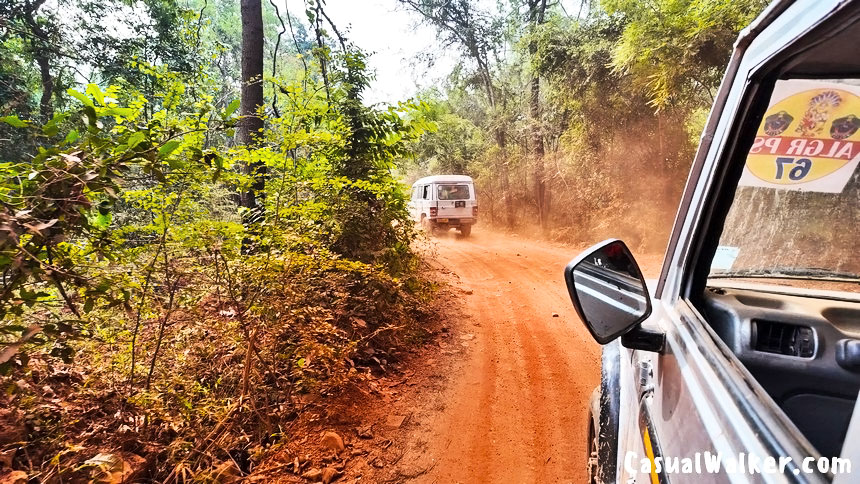
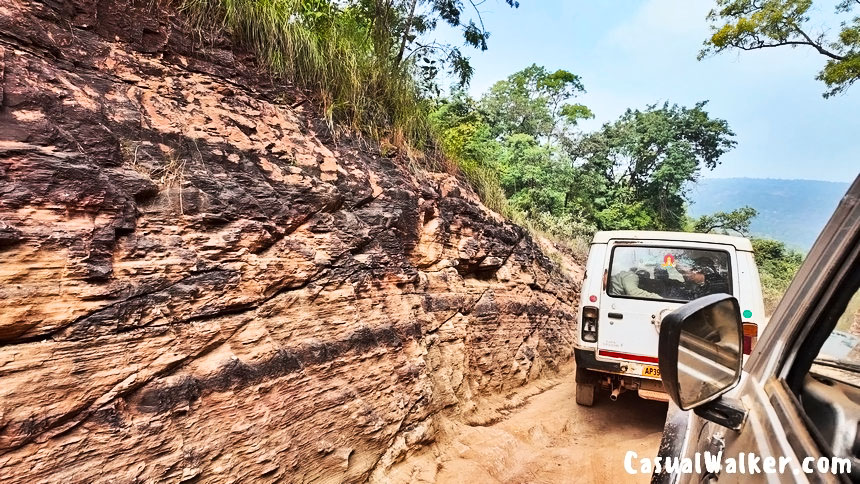
The temple is situated on a hill near the sacred Bhargava Theertham (also called Akshaya Theertham), where the great warrior-sage Parashurama (Bhargava Rama) performed intense penance.
Lord Parashurama
Sri Bhargava Narasimha Swamy Temple holds special significance for devotees seeking purification from grave sins. The temple’s history is intimately connected with Lord Parashurama, the sixth avatar of Lord Vishnu.
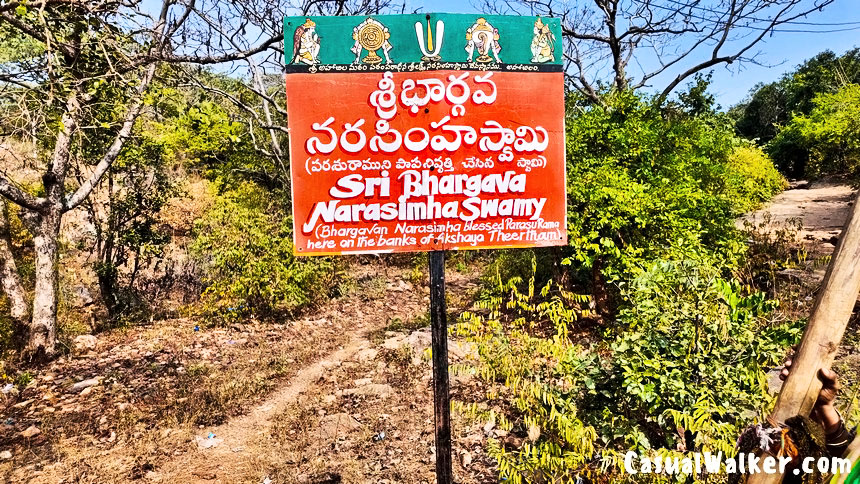
Parashurama, born as a Brahmin but trained in warfare, fulfilled his duty of eliminating corrupt Kshatriya rulers who had become tyrannical. However, the act of Kshatriya Samhara (warrior-caste annihilation) created a karmic burden that even an avatar felt compelled to address. Carrying the weight of these necessary but violent actions, Parashurama came to Ahobilam seeking spiritual redemption.
Akshaya Theertham
On the banks of what is now known as Akshaya Theertham (the eternal sacred pond), Parashurama performed rigorous tapas, invoking Lord Narasimha—the form of Vishnu that perfectly balances fierce protection with compassionate justice. Pleased with his devotion and recognizing the righteousness of his actions, Lord Narasimha manifested before Parashurama and purified him of all accumulated sins.
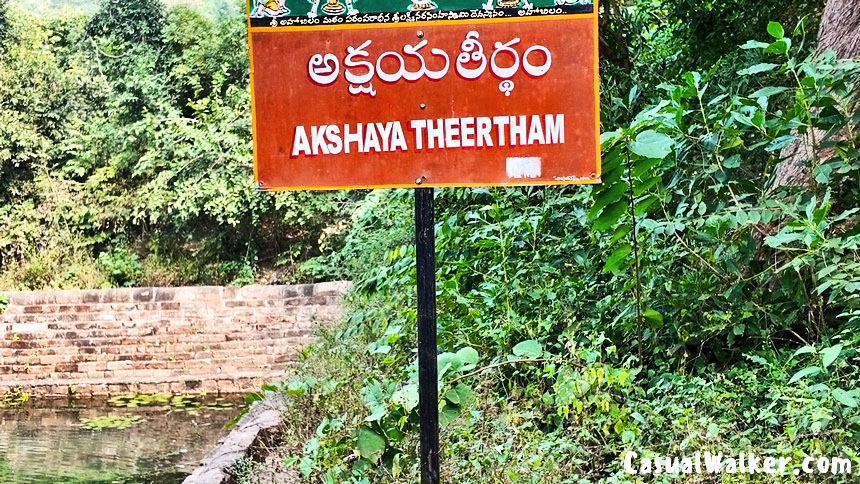
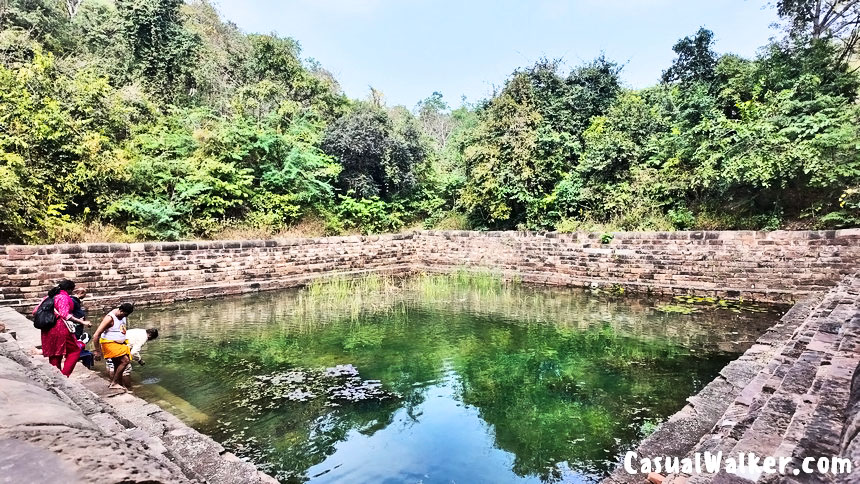
The sacred pond where Parashurama bathed after receiving the Lord’s blessings came to be known as Bhargava Theertham, named after Parashurama (who was also called Bhargava Rama, being a descendant of Sage Bhrigu).
Arrival at the Temple
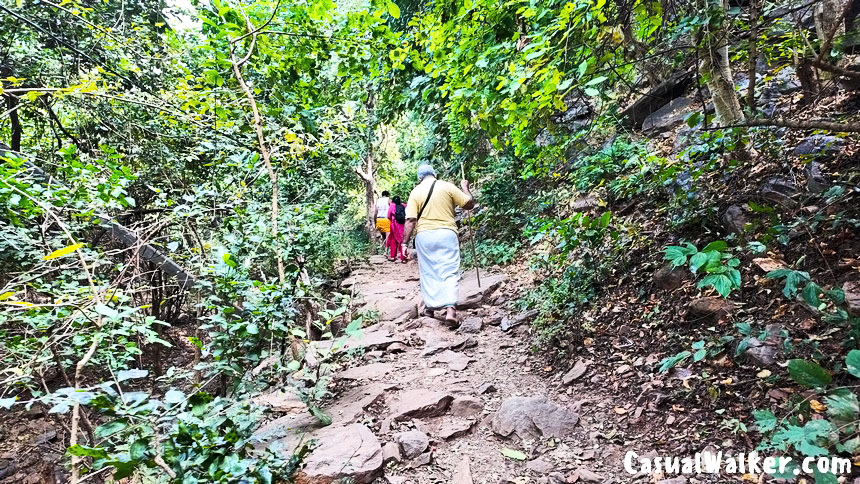
The approach to Sri Bhargava Narasimha Temple is dramatic. The temple is perched on elevated terrain, requiring a short climb after the jeep drops you off. As you ascend, the sacred waters of Akshaya Theertham come into view—a serene pond reflecting the sky, surrounded by ancient trees and rocky outcrops.
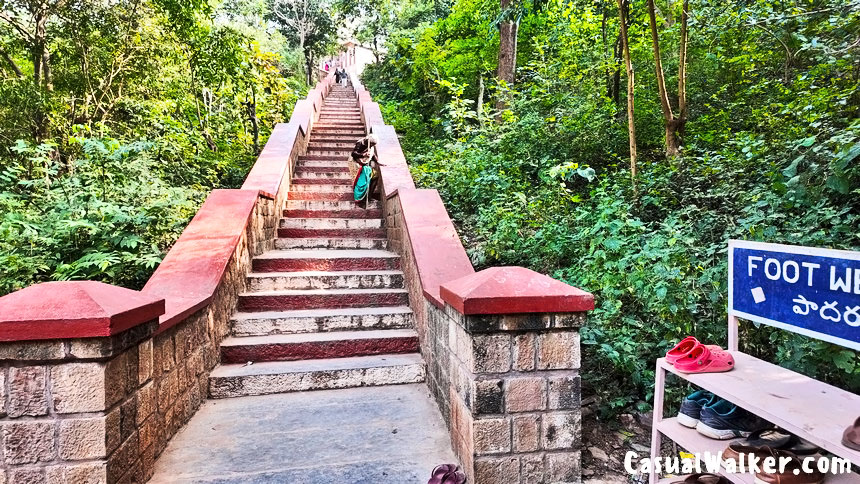
The water of Akshaya Theertham is considered highly sacred. Taking a ritual dip here before entering the temple is believed to wash away sins and purify the devotee for darshan. I performed my ablutions in the cool, crystal-clear waters, gently sprinkling the sacred tīrtham upon my head and washing my feet, feeling deeply cleansed—both physically refreshed and spiritually uplifted.
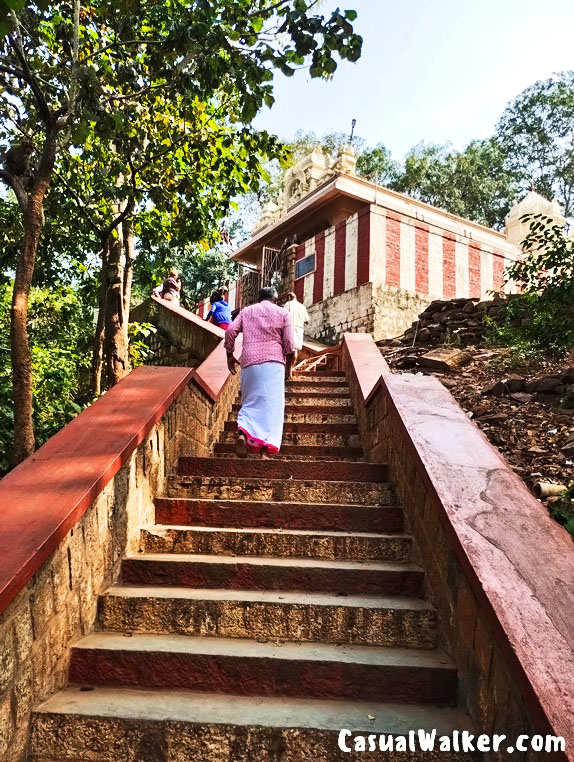
Divine Form of Sri Bhargava Narasimha
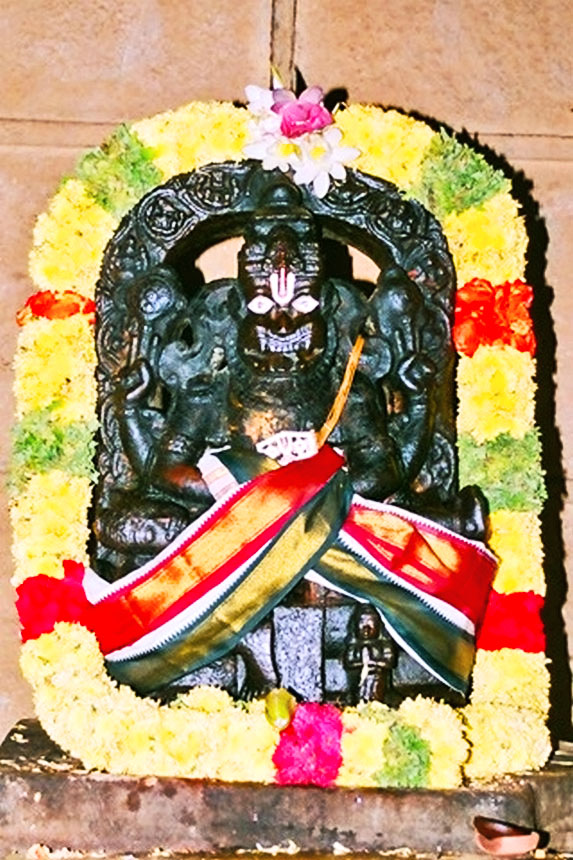
Entering the sanctum of Sri Bhargava Narasimha Swamy is an overwhelming experience. The deity here is magnificent and fierce. Sri Bhargava Narasimha Swamy is seated majestically with six powerful arms (Shadabhuja), each holding different divine weapons and symbols. The demon Hiranyakashipu lies helplessly on his lap, representing the destruction of evil and ego. This form of Narasimha depicts the moment of divine justice—when arrogance meets its inevitable end.
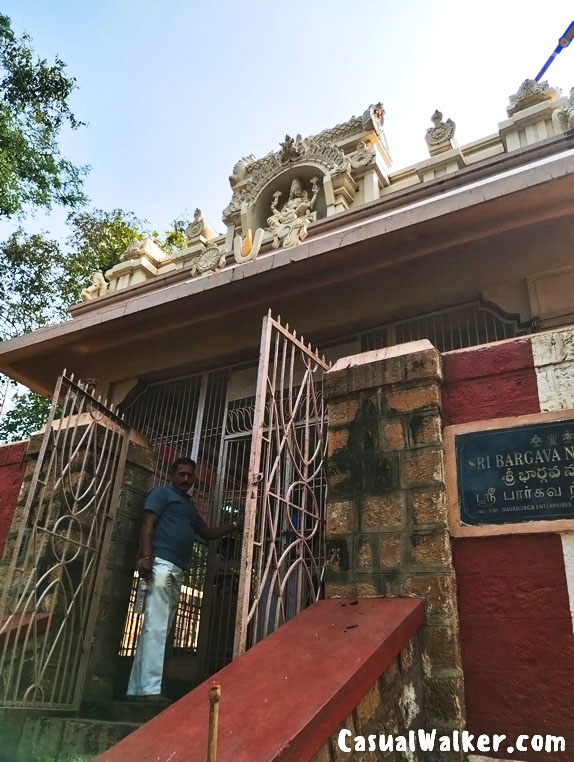
What particularly captivated me was the Makara Thorana (ornate arch) adorning the deity. Carved upon this arch are beautiful sculptures representing the Dasavathara—the ten primary incarnations of Lord Vishnu (Matsya, Kurma, Varaha, Narasimha, Vamana, Parashurama, Rama, Balarama/Krishna, Buddha, and Kalki). This artistic element reminds devotees that Narasimha is not an isolated manifestation but part of the divine cosmic plan to protect dharma across all ages.
Surya Sthala: Temple of the Sun
Sri Bhargava Narasimha Temple is designated as Surya Sthala—the temple associated with Surya (the Sun) among the Nava Narasimhas. In Vedic astrology, the Sun represents the soul (Atma), vitality, authority, father figures, government positions, leadership qualities, and overall life force.
Worship at this temple is particularly beneficial for:
- Those suffering from weak Sun placement in their horoscope
- Individuals facing challenges with father relationships
- People seeking career advancement and recognition
- Those dealing with low self-esteem or lack of confidence
- Anyone experiencing health issues related to vitality and immunity
- Government employees seeking promotions and stability
The connection between Surya and this form of Narasimha is profound. Just as the Sun illuminates and purifies, burning away darkness, Lord Narasimha at this temple burns away the darkness of sin and ignorance. Parashurama’s story illustrates this perfectly—even actions performed in the service of dharma can create karmic impressions, but the Lord’s grace, like the Sun’s rays, can purify everything.
Spiritual Atmosphere
The temple, though not as large as some others in the complex, possesses an intense spiritual atmosphere. The combination of the sacred Akshaya Theertham, the legend of Parashurama, and the fierce-yet-compassionate form of the deity creates a unique energy.
Standing before Sri Bhargava Narasimha, I contemplated the nature of karma and redemption. If even Parashurama, an avatar of Vishnu, sought purification through devotion, how much more do we ordinary beings need divine grace? The Lord’s message here is clear: no sin is too great for sincere repentance, no soul too fallen for divine compassion.
The six arms of the deity reminded me of the multifaceted nature of divine protection. Whatever form our troubles take—spiritual, material, emotional, or karmic—the Lord has the capacity to address them all simultaneously.
3. Sri Yogananda Narasimha Swamy Temple (Shani Sthala)
Location: 2 km southeast of Lower Ahobilam
Planet: Shani (Saturn)
Access: Regular vehicle accessible via paved road
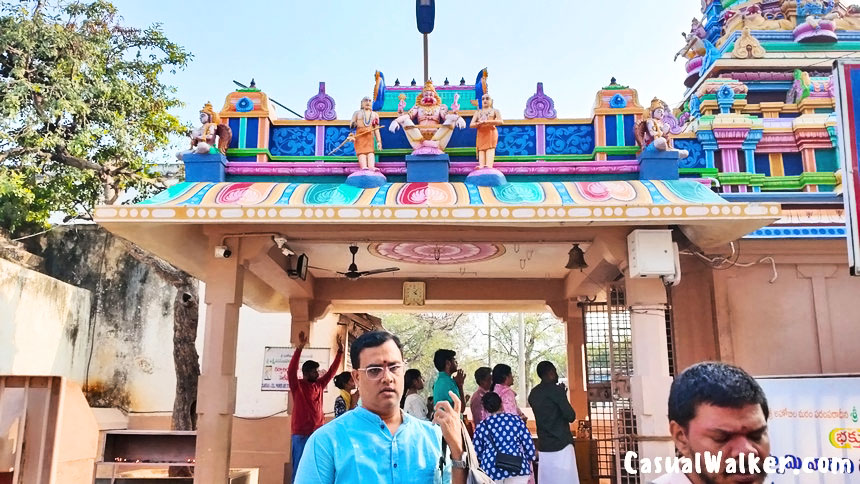
After completing darshan at Bhargava Narasimha and recovering from the adventurous jeep rides, our group proceeded to Sri Yogananda Narasimha Swamy Temple, accessible by regular vehicle. Located about 2 kilometers southeast of Lower Ahobilam, this temple can be reached via a paved road—a welcome change after the morning’s off-road adventures.
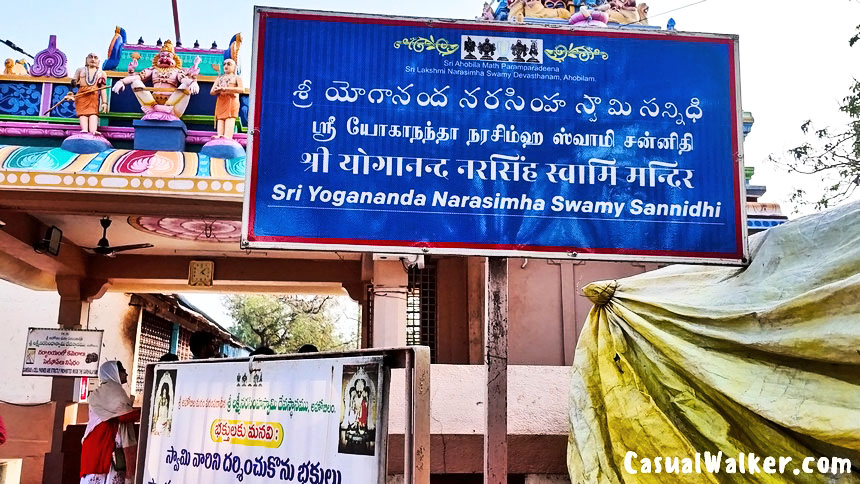
Sri Yogananda Narasimha represents Shani Sthala, the temple associated with Saturn (Shani) in the Navagraha system. Saturn is often misunderstood as purely malefic, but in reality, Shani is the great teacher, the planet of discipline, karmic justice, and spiritual maturity.
Sacred History of Sri Yogananda Narasimha
After vanquishing Hiranyakashipu, Lord Narasimha took it upon himself to educate young Prahlada—not just in spiritual matters, but in the complete science of righteous living. Here at this spot, Lord Narasimha taught Prahlada both Rajaneethi Sastram (the science of governance and politics) and Yoga Sastram (the science of yoga and spiritual practice).
This dual education reflects the complete philosophy of dharmic living: one must be effective in the material world while remaining rooted in spiritual truth. Prahlada, though young, had already demonstrated unwavering devotion. Now the Lord personally equipped him with the practical wisdom needed to rule righteously.
Additionally, Lord Brahma, the creator deity himself, worshipped Yogananda Narasimha at this temple to relieve himself from mental stress and anxiety. This story offers hope to all devotees—if even Brahma, the first created being entrusted with cosmic creation, experienced mental burden and found relief here, surely all of us can too.
Divine Form
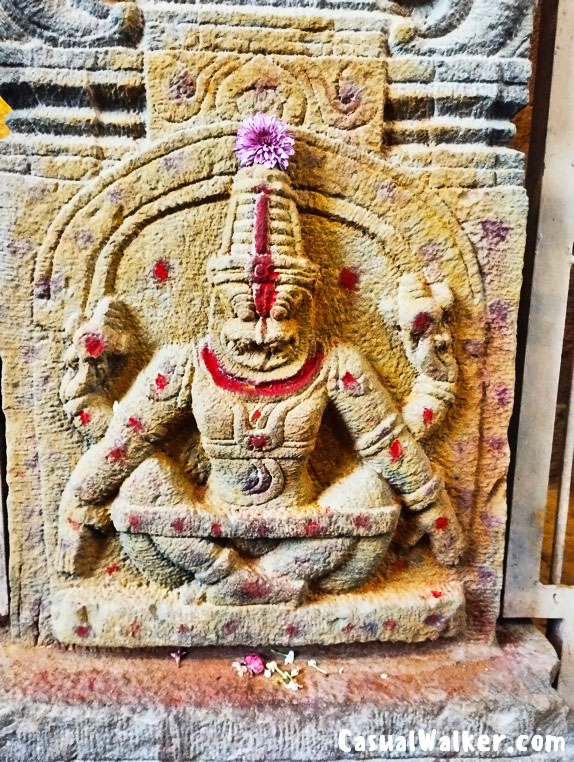
Sri Yogananda Narasimha Swamy is seated in a perfect Yogasana (yogic posture), representing meditative stability and inner peace. The deity has four arms holding divine attributes. The Lord’s expression is peaceful yet powerful—depicting the perfect balance between inner tranquility and outer strength.
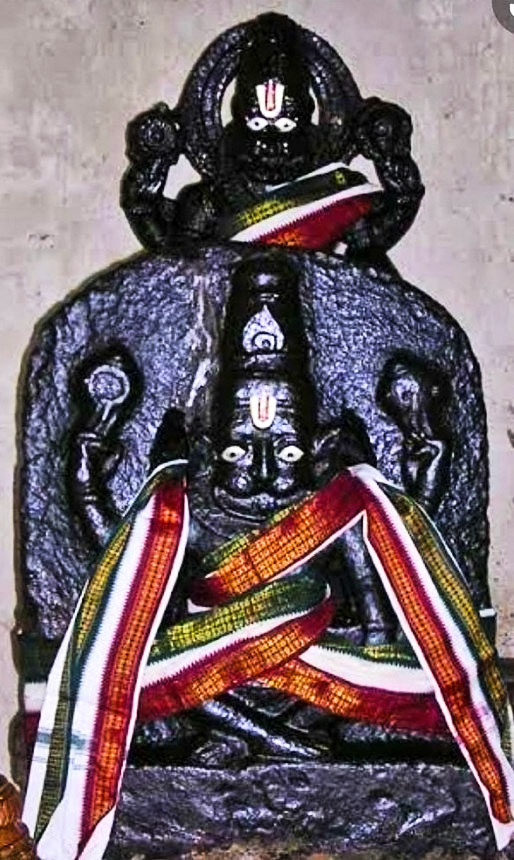
The name “Yogananda” beautifully combines two Sanskrit words: “Yoga” (union, discipline, spiritual practice) and “Ananda” (bliss, joy). Thus, this form represents the bliss that comes from yogic discipline and spiritual practice.
Shani Sthala: Lessons of Saturn
Saturn’s influence in one’s life often manifests as delays, obstacles, hard work, loneliness, and discipline. While these seem challenging, they are actually opportunities for spiritual growth. Shani teaches patience, resilience, and detachment from temporary pleasures.
Worship at Yogananda Narasimha Temple helps devotees:
- Navigate difficult Saturn transits (Sade Sati, Dhaiya, etc.)
- Develop patience and perseverance
- Find peace amid life’s struggles
- Learn from hardships rather than being crushed by them
- Transform suffering into wisdom
Unlike the fierce energy of some other Narasimha temples, Yogananda radiates calm strength. It’s the strength of the yogi who has mastered the mind, the strength of the teacher who guides with patience, the strength of Saturn who teaches through experience.
I offered my prayers for mental clarity, for the wisdom to accept life’s challenges as lessons, and for the discipline to maintain spiritual practice regardless of external circumstances. The prasadam distributed here seemed to carry a special blessing—a sweetness that lingered not just on the tongue but in the heart.
4. Sri Chatravata Narasimha Swamy Temple (Ketu Sthala)
Location: 3 km from Lower Ahobilam on relatively plain ground
Planet: Ketu
Access: Regular vehicle accessible
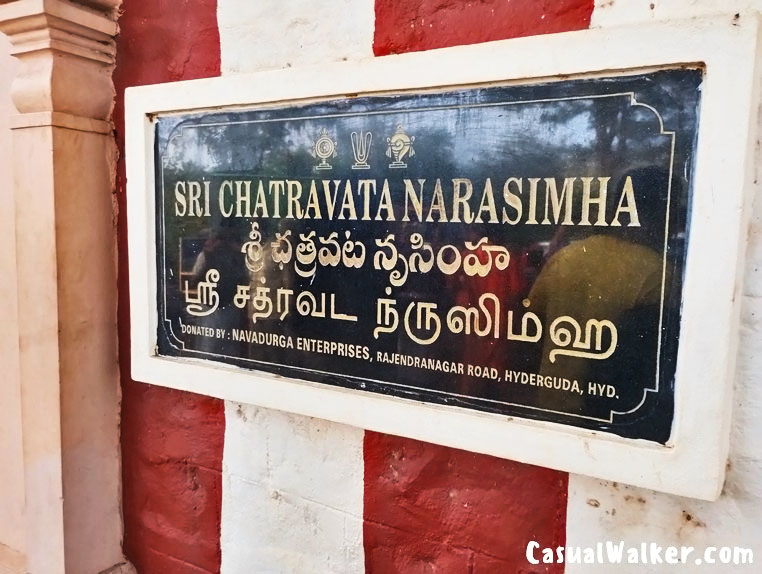
A short journey from Yogananda temple brought us to Sri Chatravata Narasimha Swamy Temple, also located about 3 kilometers from Lower Ahobilam on relatively plain ground. This temple is designated as Ketu Sthala, representing the shadow planet Ketu in Vedic astrology.
The deity is installed under a magnificent Vata Vruksham (banyan tree), surrounded by dense thorny bushes. The name “Chatravata” comes from this very setting—”Chatra” refers to the umbrella-like canopy formed by the tree’s branches, and “Vata” refers to the banyan tree itself.
This natural temple setting creates a primal, earthy atmosphere. Unlike enclosed sanctums, here you feel the presence of nature as part of the divine experience—the rustling leaves, the birds calling, the dappled sunlight through the tree canopy. It reminds us that God is not confined to human-made structures; the divine pervades all creation.
HaHa and HuHu – Two celestial Gandharvas
The origin story of this temple is delightful and musically significant. Two celestial beings called Gandharvas—named HaHa and HuHu—traveled from the sacred Meru Mountain to Ahobilam. Discovering this beautiful spot under the Vata tree, they were so moved by the sacred atmosphere that they began singing devotional songs in praise of Lord Narasimha.
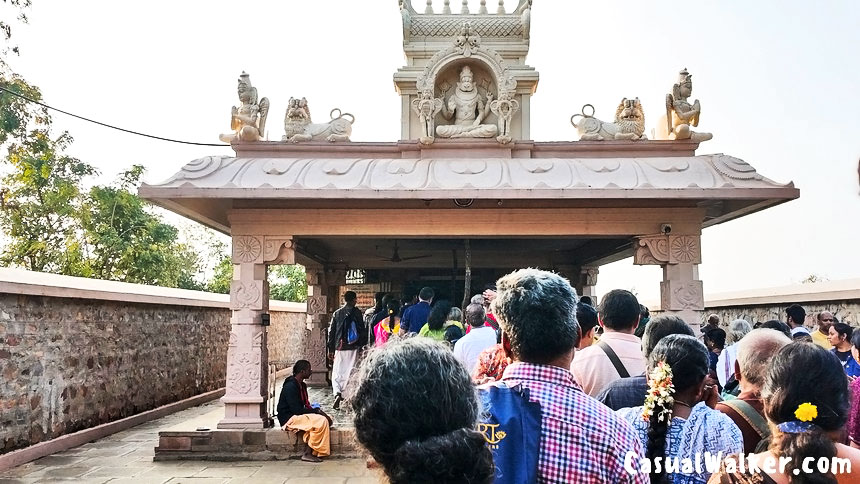
Their music was so pure, so filled with devotion, that Lord Narasimha manifested before them and blessed them with the boon that they would be recognized as the finest singers in all the worlds. This story emphasizes the power of devotional music (bhakti sangeet) and the Lord’s appreciation for artistic expression offered with sincere devotion.
Sri Chatravata Narasimha Swamy Divine Form
Sri Chatravata Narasimha Swamy is seated facing east in a divine posture with four arms:
- The upper two hands hold Chakra (discus) and Shankha (conch)
- The lower right hand displays Abhaya Hasta (gesture of fearlessness and protection)
- The lower left hand plays Thala (rhythm/beat)—a unique feature that connects to the temple’s musical legend
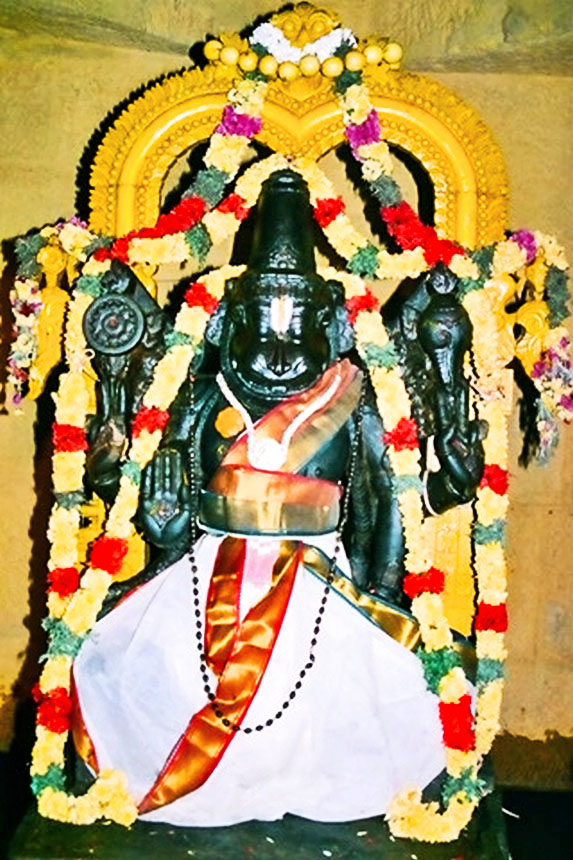
This gesture of playing Thala is rarely seen in Narasimha iconography and directly relates to the Gandharvas’ musical offering. The Lord, eternally pleased by their devotion, continues to “keep the beat” for all devotional music offered in his name.
Ketu Sthala: The Path to Liberation
Ketu, the descending lunar node in Vedic astrology, represents spiritual liberation (moksha), detachment, mysticism, and the letting go of material attachments. Unlike Rahu (which creates worldly desires), Ketu generates the opposite energy—a pulling away from material concerns toward spiritual enlightenment.
Ketu also governs:
- Past life karma and spiritual evolution
- Sudden enlightenment and insights
- Renunciation and asceticism
- Psychic abilities and intuition
- The final stages of spiritual realization
Worship at Chatravata Narasimha Temple benefits those:
- Experiencing Ketu-related difficulties in their horoscope
- Seeking spiritual growth and detachment
- Desiring moksha (liberation)
- Dealing with confusing or isolating life phases
- Looking to understand their spiritual purpose
The atmosphere under the Vata tree is cool and peaceful, a natural sanctuary carved out by divine will.
The deity’s gesture of playing Thala touched something deep within me. Here was the Supreme Lord, destroyer of demons, protector of devotees—and he plays rhythm for devotional songs. This image beautifully captures the accessibility of the divine. God is not distant, not merely fearsome—he is intimately involved in the devotional expressions of his children.
I sat under the tree for a while, listening to the sounds of nature, feeling the presence of countless devotees who had visited this spot over centuries. The surrounding area serve as a metaphor—the path to God may have obstacles, but those obstacles themselves protect the sacred from the casual and uncommitted.
Main Narasimha Kshetrams – Lakshmi Narasimha Temple : The Sacred Heart of Lower Ahobilam
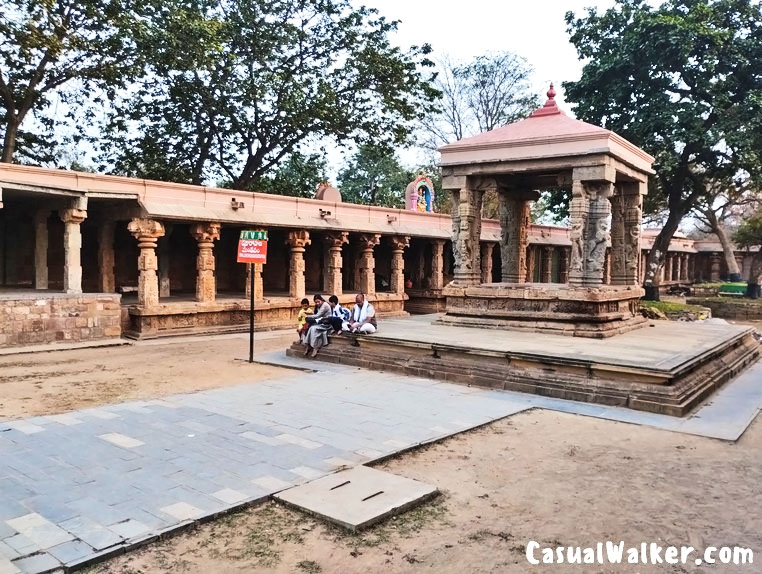
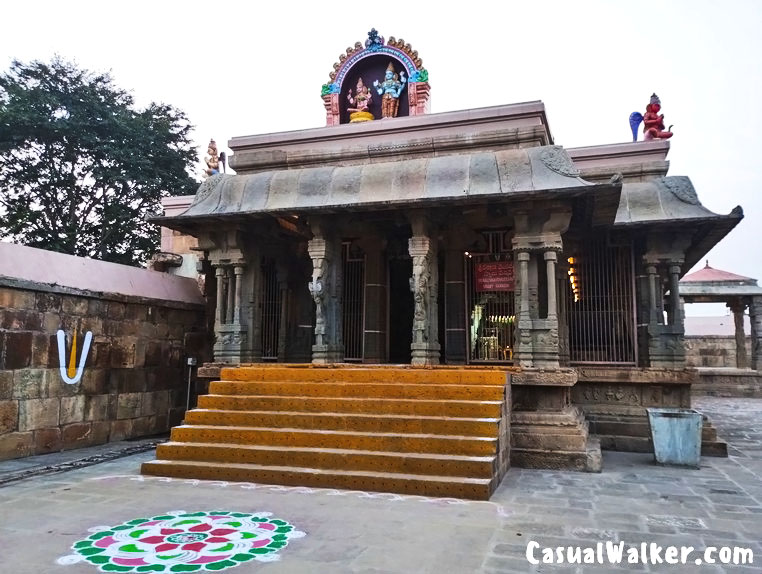
After conquering the challenging mountain trails to fierce Narasimha shrines in Upper Ahobilam, the sight of Sri Prahlada Varada Lakshmi Narasimha Temple felt like a divine embrace. This magnificent temple, with its towering gopuram and sprawling courtyards, serves as the spiritual anchor of the entire Ahobilam pilgrimage—where Lord Narasimha reveals his most benevolent and gracious form.
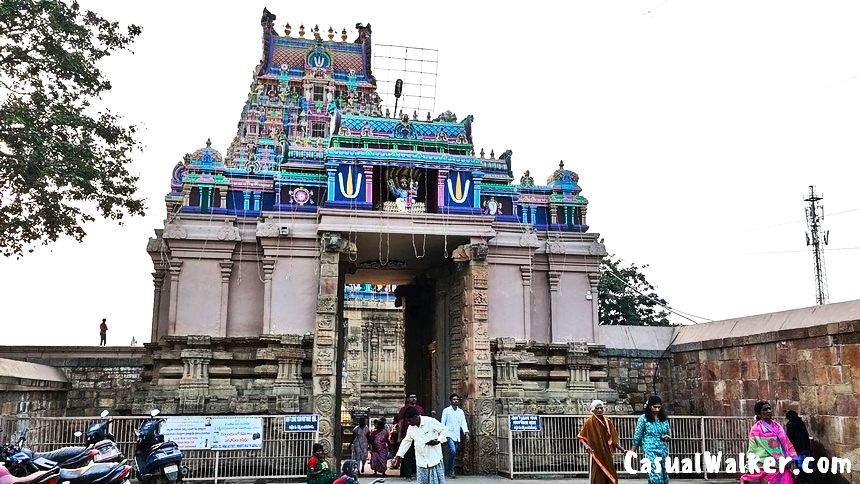
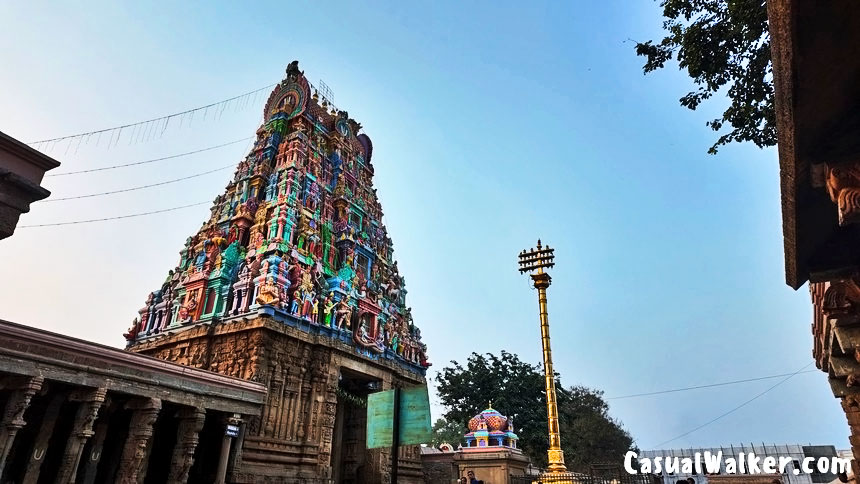
The sweet fragrance of incense, rhythmic Vedic chanting, and hundreds of devotees moving in peaceful devotion created an atmosphere both majestic and deeply comforting. This isn’t just another temple in the Nava Narasimha circuit—it’s the beating heart of Lower Ahobilam, preserving centuries of devotion and architectural brilliance.
Sacred History: Blessed by Lord Venkateswara Himself
Divine Connection to Tirupati
The temple’s origin story carries extraordinary significance. According to sacred tradition, when Lord Venkateswara of Tirumala celebrated his divine wedding with Goddess Padmavathi, he offered all the wedding prasadam to Ahobila Narasimha Swamy. Following this sacred offering, Lord Venkateswara himself installed Sri Prahlada Varada Lakshmi Narasimha Swamy in this temple.
This connection explains the spiritual completeness devotees feel when visiting both Tirumala and Ahobilam—honoring two manifestations of the Supreme Lord, united through this ancient, sacred bond.
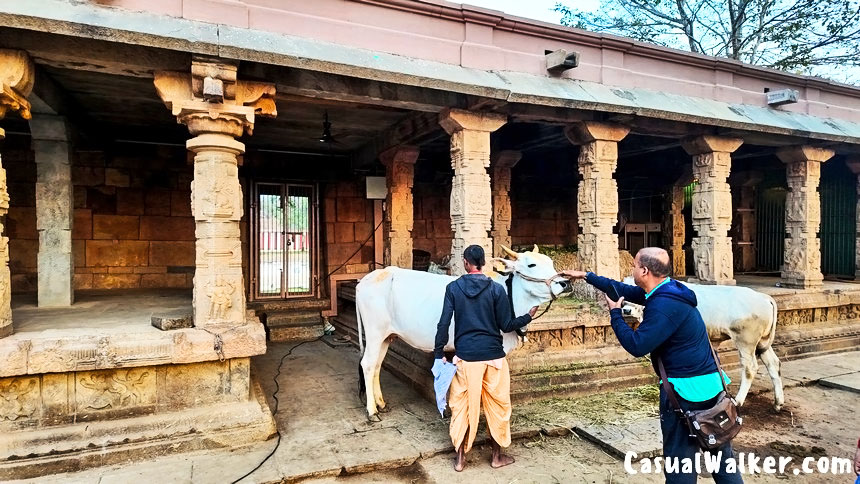
Prahlada Varada—Bestower of Boons
“Prahlada Varada” means “the one who grants boons to Prahlada.” After destroying Hiranyakashipu, Lord Narasimha gradually transformed from his terrifying Ugra form into this gentle, seated Shanta Swarupa (peaceful form), blessing Prahlada with spiritual wisdom, dharmic rulership, and eternal devotion.
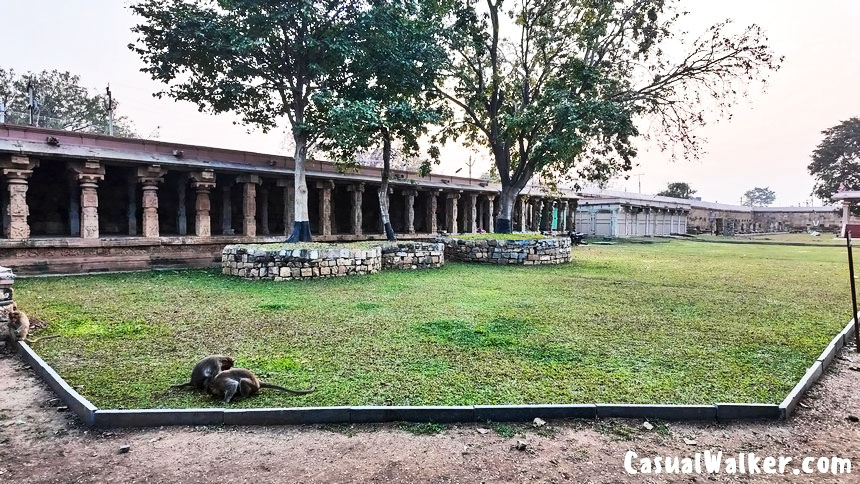
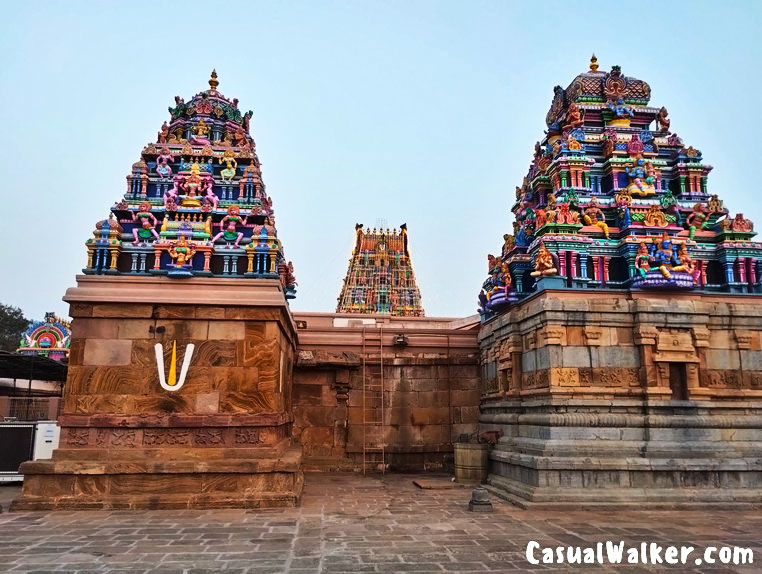
Goddess Amruthavalli: The Divine Consort
The Lord’s consort is worshipped as Goddess Amruthavalli (meaning “nectar-like divine creeper”). Her name symbolizes spiritual immortality—liberation from cycles of birth and death. Devotees believe praying to her first ensures prayers reach the Lord with extra compassion, as she intercedes on behalf of all devotees.
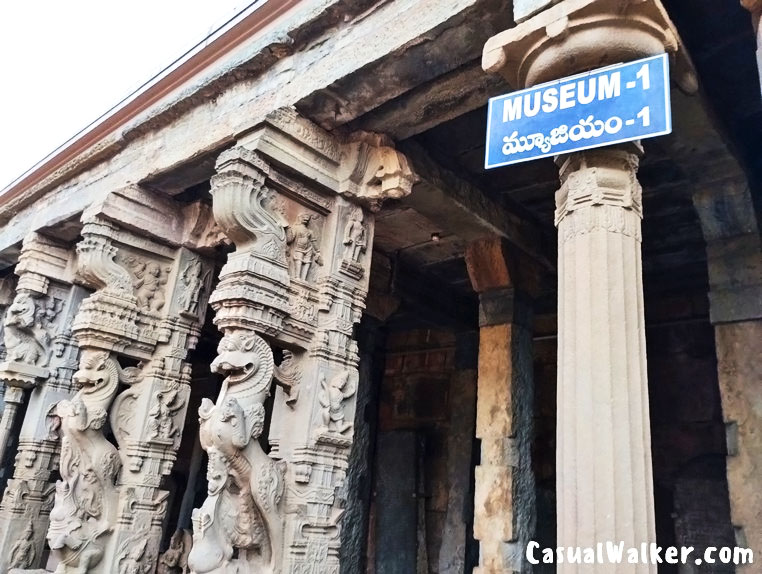
Divine Vision: An Extraordinary Deity
Sri Prahlada Varada Lakshmi Narasimha Swamy is seated majestically facing east, exuding both regal authority and gentle compassion. Unlike the fierce eight-armed forms in mountain caves, here the Lord appears in Shanta Swarupa (peaceful form)—the ultimate refuge ready to bless and protect.
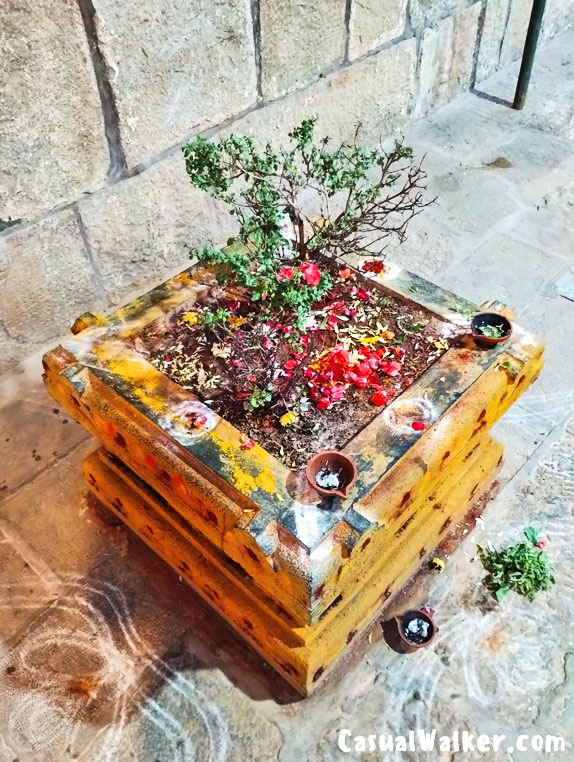
Triple Sacred Foundation: Cosmic Symbolism
What makes this deity architecturally unique is the extraordinary three-tiered pedestal:
- Koorma Peetham (Tortoise Pedestal) – Foundation Represents Kurma Avatar, who supported Mount Mandara during cosmic ocean churning
Symbolizes stability, patience, and unshakeable dharma
The solid foundation supporting all divine action - Sudarshana Peetham (Discus Pedestal) – Protection Named after Lord Vishnu’s divine discus, Sudarshana Chakra
Represents destruction of evil and protection of devotees
The active force maintaining cosmic order - Garuda Peetham (Eagle Pedestal) – Devotion Represents Garuda, the celestial eagle and Vishnu’s vahana
Symbolizes fearlessness, swift divine action, and perfect devotion
Connection to Garudadri (Garuda’s Mountain) where he performed tapas
Cosmic Message
These three peetams create vertical cosmology:
Koorma (Bottom): Earth consciousness, material foundation
Sudarshana (Middle): Divine protection, interface between earthly and celestial
Garuda (Top): Spiritual elevation, devotion reaching skyward
Seated above all three, Lord Narasimha represents Supreme Consciousness encompassing all levels of reality—from material to spiritual.
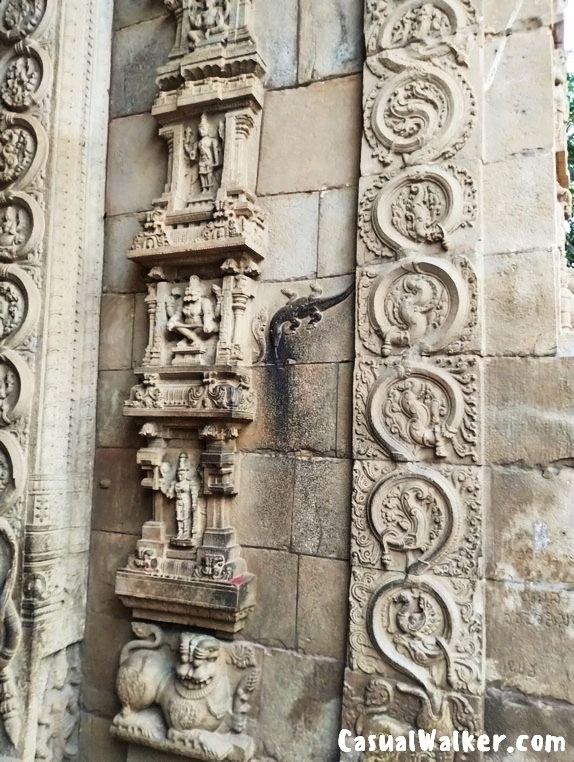
A Transformative Moment Entering the Temple
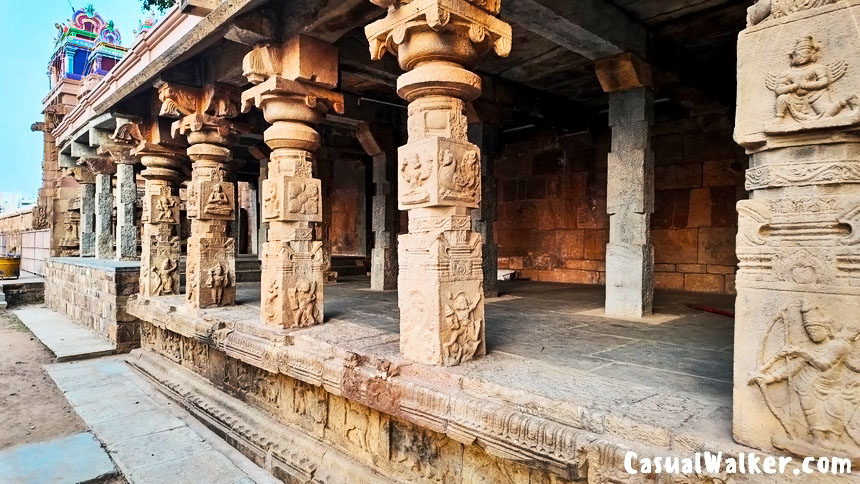
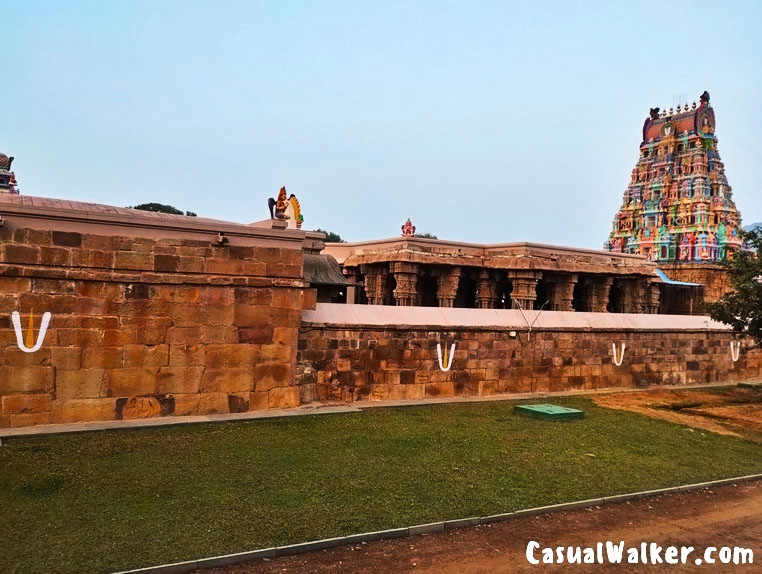
I arrived in late afternoon, golden sunlight illuminating the Vijayanagara-style gopuram. The prakara (outer courtyard) featured intricate pillar carvings of Vishnu avatars and Narasimha Purana episodes.
Standing Before the Lord
The sanctum was cool, illuminated by oil lamps creating dancing shadows. Priests conducted abhishekam, chanting powerful mantras in rhythmic cadence.
Sri Prahlada Varada Lakshmi Narasimha Swamy sat majestically on the triple peetham—both awe-inspiring and deeply comforting. After encountering fierce mountain forms, this was the Lord as ultimate refuge, the divine parent ready to bless.
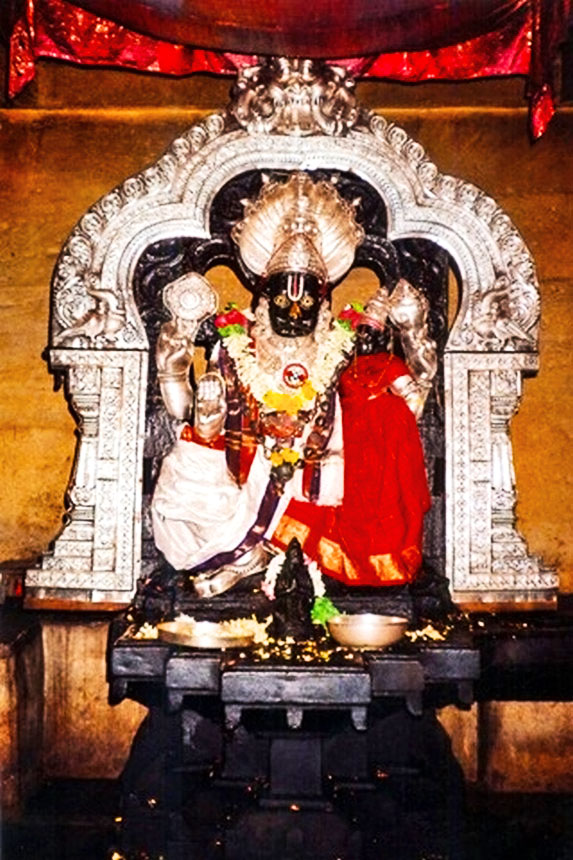
I folded my hands and poured out my heart. All struggles, doubts, and prayers flowed effortlessly. The priest placed sacred tulasi leaves and prasadam in my hands, applied vibhuti and kumkum on my forehead—a blessing beyond words.
At Goddess Amruthavalli’s shrine, her presence felt like a cooling balm. Elderly women poured out their hearts with such innocent faith that my own devotion deepened.
Architectural Splendor: Vijayanagara Legacy
The temple showcases magnificent Vijayanagara architectural style:
Three Prakaras: Concentric enclosures creating gradual intensification of spiritual energy
Intricate Pillars: Dasavathara depictions, Yali sculptures, floral motifs, narrative panels
Majestic Gopuram: Multi-tiered tower with stucco sculptures and colorful paintings
Sacred Water Bodies: Temple tanks for ritual ablutions
Walking through these pillared halls feels like moving through three-dimensional scripture.
Divine Prasadam Ladoo at Sri Prahlada Varada Lakshmi Narasimha Temple
The prasadam ladoo at Sri Prahlada Varada Lakshmi Narasimha Temple (Lower Ahobilam) tastes remarkably similar to the famous Tirupati laddu—rich, perfectly balanced, and made with traditional ghee. Many devotees purchase these blessed laddoos to take home and share with family.
As I returned to my accommodation that evening, I realized that while I’d completed day 1 darshans, the pilgrimage was far from over. More temples awaited—including the challenging trek to Jwala Narasimha and the serene Malola Narasimha. But more importantly, the spiritual journey had just begun.
The nine forms of Narasimha aren’t just external deities to worship—they represent aspects of divine energy we must cultivate within ourselves. The purifying grace of Pavana, the solar vitality of Bhargava, the disciplined strength of Yogananda, the liberating detachment of Chatravata, the fierce protection of Ahobila—all these qualities need to be internalized, embodied, lived.
Ahobilam is manifested here in specific physical forms, at specific locations, for specific purposes. The same divine energy that tore apart Hiranyakashipu can tear apart our inner demons. The same compassion that protected Prahlada can protect us. The same love that drew Lakshmi to take human birth in tribal form can draw us back to the divine.
My next day at Ahobilam is awaiting for more darshans, more blessings. But tonight, covered in holy dust, exhausted but exhilarated, I offered a prayer of gratitude. Gratitude for being able to undertake this pilgrimage, for having darshan of these sacred forms, for every bump in the jeep ride, for every step climbed, for every moment of divine grace.
Day 2 at Ahobilam: Conquering the Sacred Heights – Jwala Narasimha & Beyond
Continuing the Divine Journey Through the Nava Narasimha Temples
The second day at Ahobilam Narasimha Swamy Temple began even earlier than the first. After the previous day’s incredible experiences at five Narasimha Swamy temples, anticipation coursed through my veins. Today would bring the most super exciting darshans—including the formidable trek to Sri Jwala Narasimha, the fiercest manifestation of Lord Narasimha. I woke at 4:30 AM, performed my morning ablutions, and prepared mentally and physically for what lay ahead.
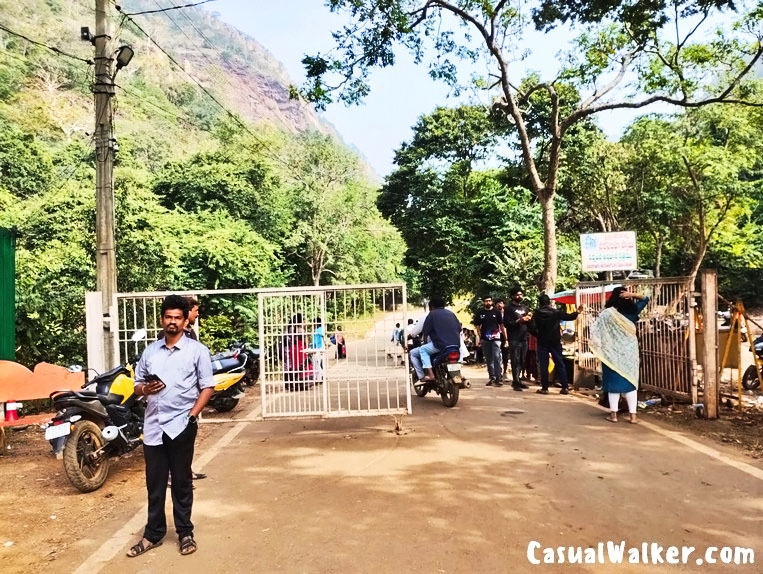
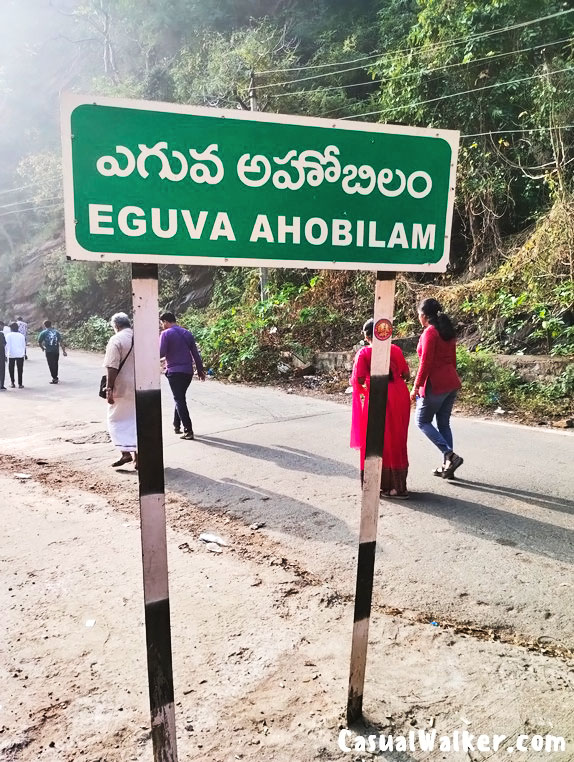
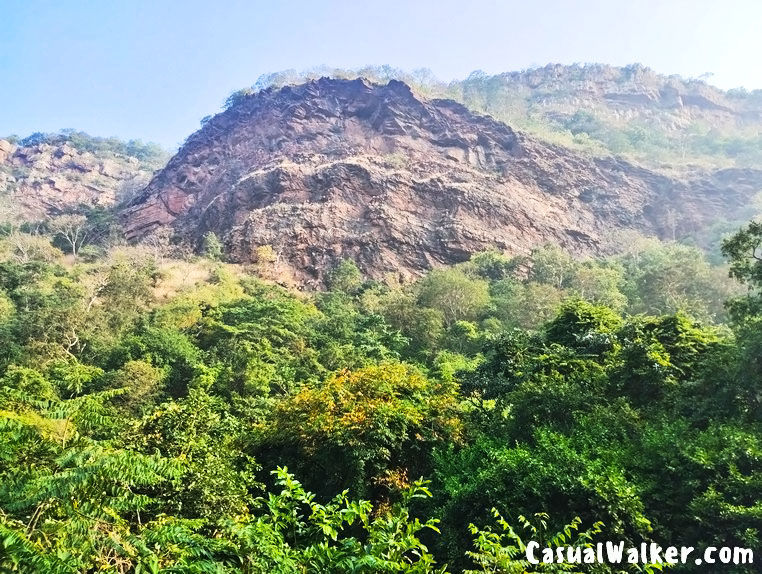
Free Bus Service to Temple Entrance
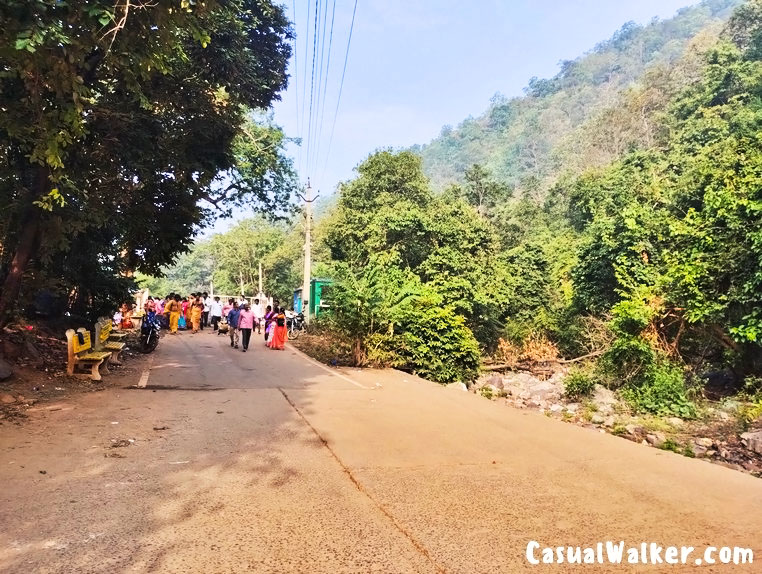
A thoughtful facility for pilgrims visiting Ahobilam is the free bus service provided by Sri Ahobila Math from the bus stand to the temple entrance. This complimentary transportation eliminates the initial walking distance, making the pilgrimage accessible to elderly devotees, families with children, and those who may find long distances challenging. The service operates regularly throughout the day, allowing pilgrims to conserve their energy for the more demanding treks to the upper temples.

Shared Autos
For those seeking quicker transportation, shared autos are also available to reach the temple entrance, offering another convenient option for pilgrims.
Steps of Devotion
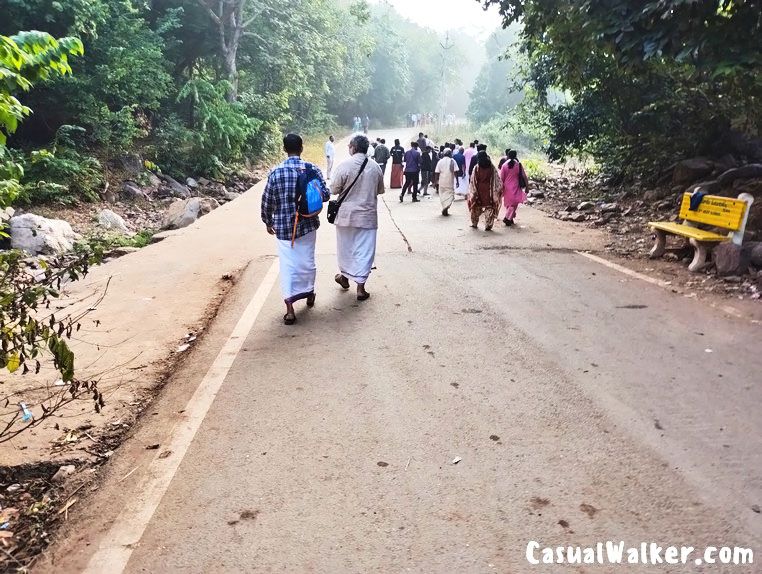
However, I chose to walk to the temple entrance instead—a decision that blessed me with profound spiritual joy. Each step became a sacred rhythm, a gentle preparation of body and soul for the divine presence awaiting ahead. The path itself seemed to whisper the glory of Lord Narasimha, and with every stride, my mind shed its worldly concerns, gradually immersing itself in devotion. The morning air carried a sanctity that no vehicle could capture, and the simple act of walking transformed into a moving prayer.
5. Sri Ahobila Narasimha Swamy Temple – Main Cave Temple
Location: Upper Ahobilam, approximately 8 km from Lower Ahobilam
Planet: Guru (Jupiter)
Access: Scenic mountain drive + 50 steps climb
Morning Darshan at the Sacred Cave
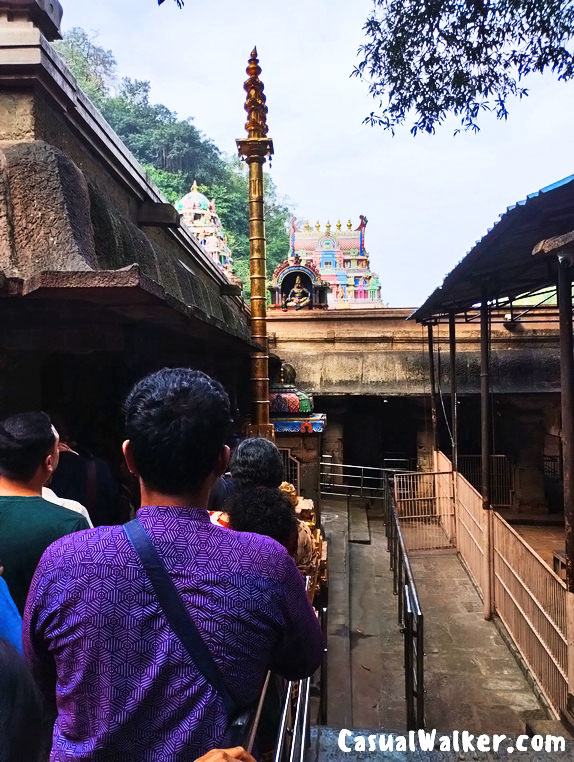
The journey to Upper Ahobilam involves a scenic drive through winding mountain roads, followed by a climb of approximately 50 steps to reach the temple. As you ascend, you feel you’re literally climbing toward the divine. The air grows cooler, the atmosphere more charged with spiritual energy.
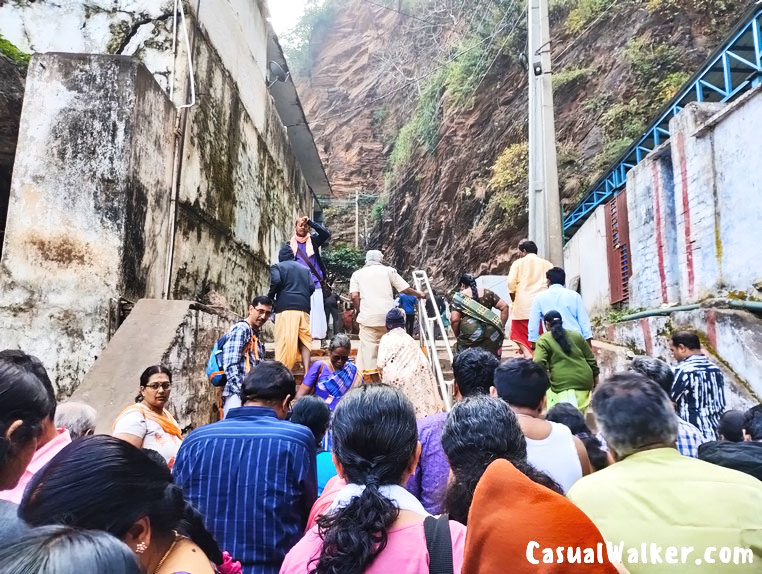
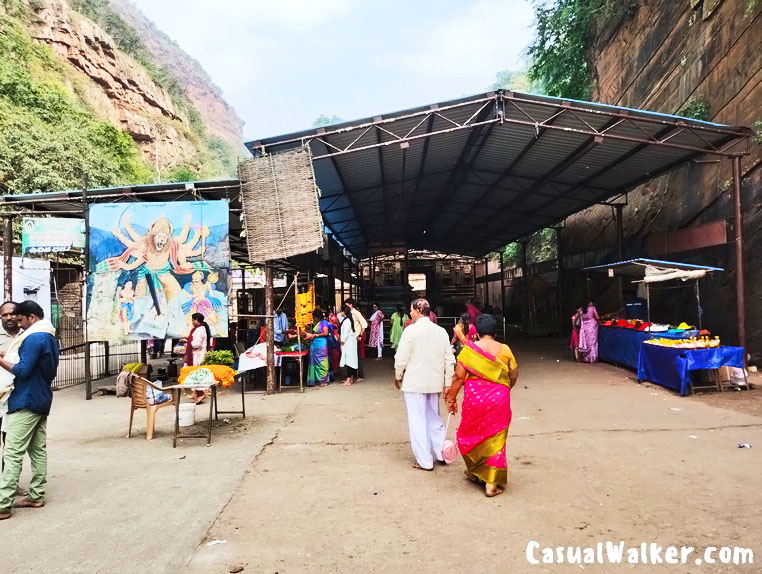
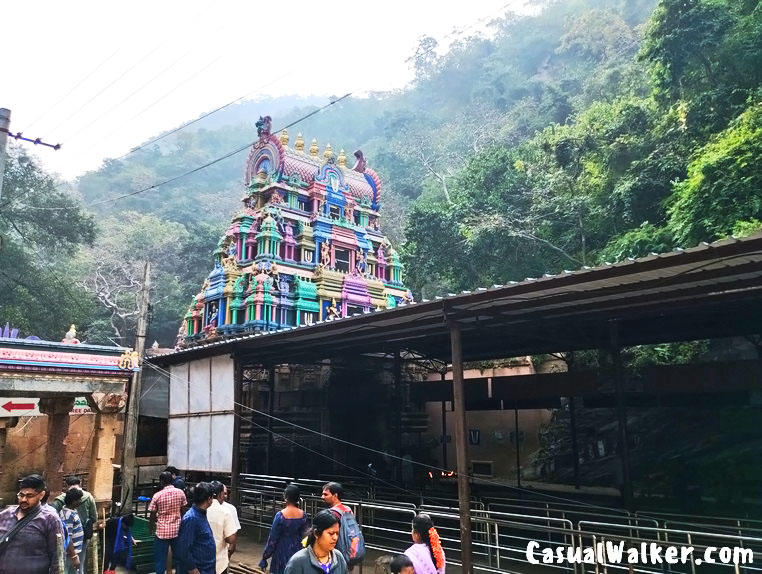
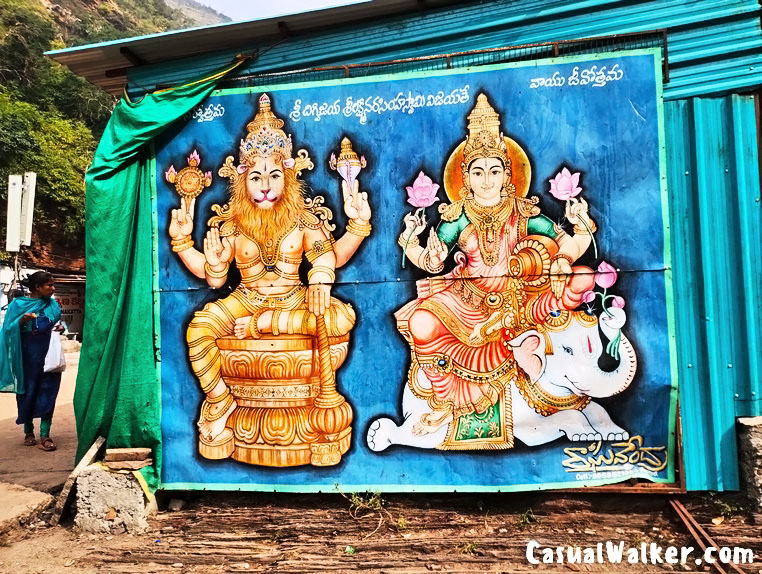
We made our way to the crown jewel of the Sri Ahobila Narasimha Swamy Temple at Upper Ahobilam, approximately 8 km from Lower Ahobilam.
This is the main temple, the earliest and most sacred of all nine shrines. This is the actual spot where Lord Narasimha manifested (Svayambhu—self-manifest) and destroyed Hiranyakashipu. Every stone here resonates with that ancient, divine event.
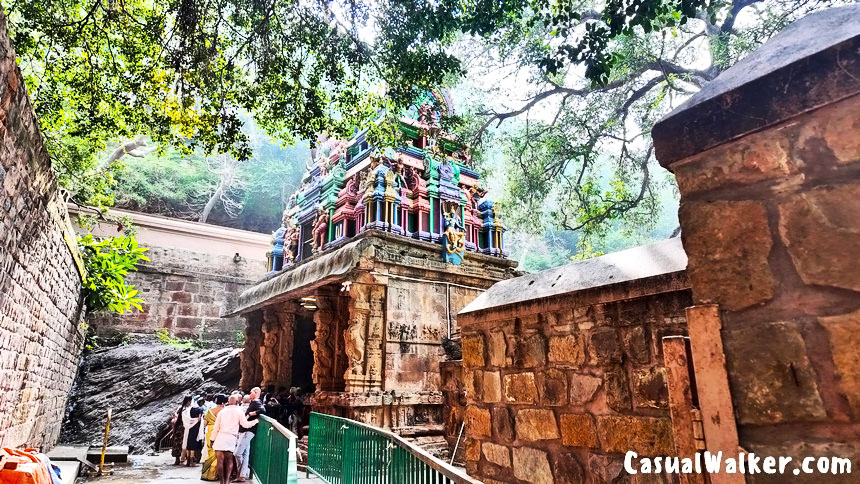
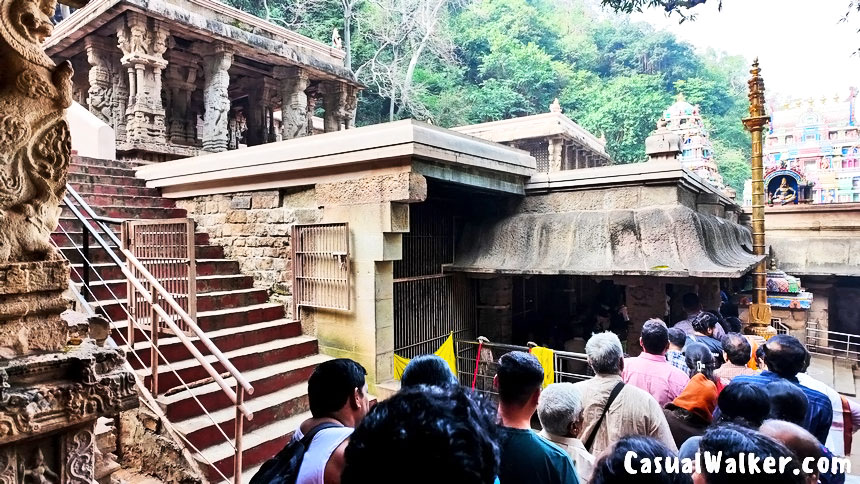
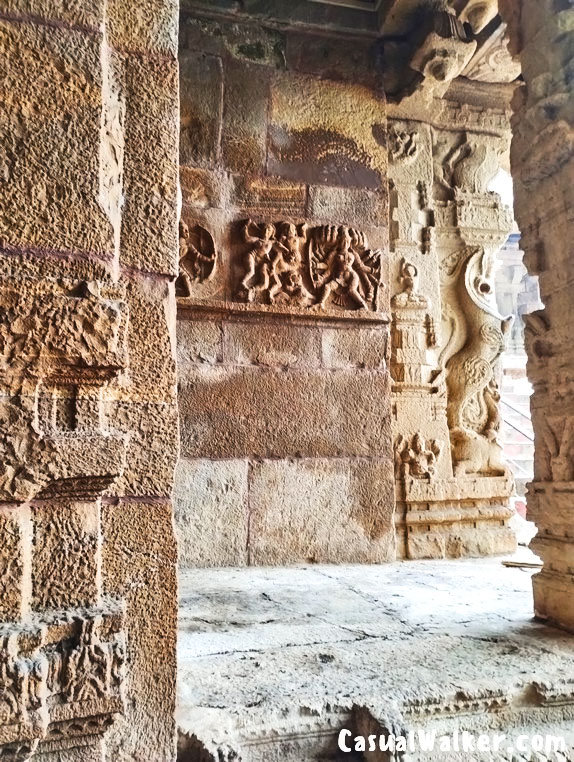
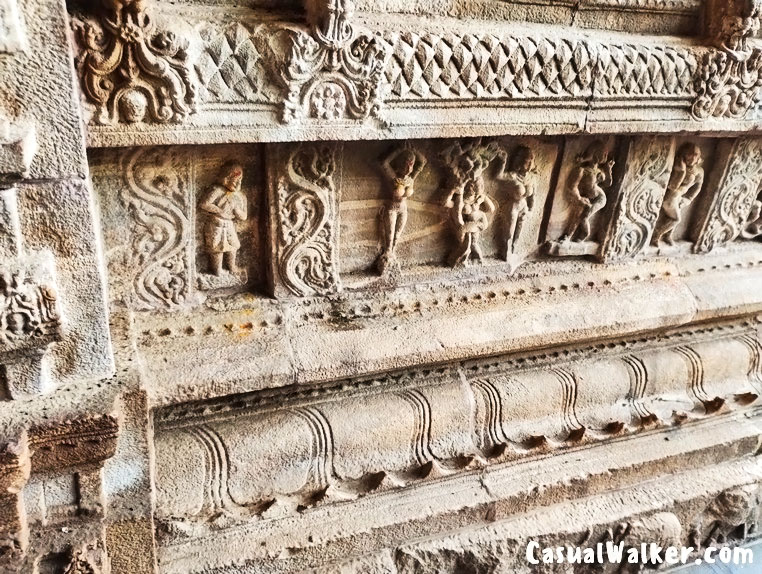
Sacred Cave Temple
Sri Ahobila Narasimha Swamy is present in a natural cave on the hillside—not a constructed temple, but a space created by nature (or divine will, as devotees believe). The deity is seated on a raised platform within this cave in Veerasana posture (the posture of a warrior).
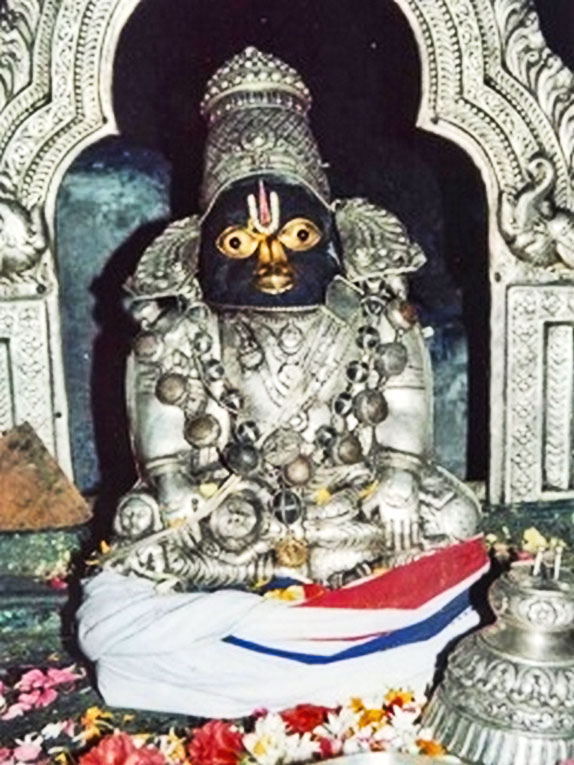
This is Ugra Narasimha—the fierce form of the Lord. With two powerful arms, he is depicted in the act of destroying Hiranyakashipu. The ferocity is palpable; this is divine wrath against evil, protection manifested as terrifying power. Yet, seated in front of the Lord is Bhakta Prahlada, serene and protected, reminding us that the same fierce form that destroys evil also shelters the devotee with infinite tenderness.
Just beside the cave sits Goddess Chenchu Lakshmi, the tribal form of Mahalakshmi. Her presence here tells the beautiful story of divine love transcending all boundaries. Goddess Lakshmi, moved by her Lord’s fierce avatar, took birth among the Chenchu tribe and married Lord Narasimha in these very hills. Their union represents the meeting of the cosmic and the earthly, the divine and the human.
As mentioned earlier, the name comes from the spontaneous exclamation of the Devas who witnessed this incredible scene. After Narasimha destroyed Hiranyakashipu, they praised him:
“Aho Veeryam Aho Shouryam Aho Baahu Parakramam”
Oh, what valor! Oh, what courage! Oh, what mighty strength!
The place became known as Ahobala/Ahobilam—the abode of wondrous strength.
Guru Sthala: Temple of Wisdom and Divine Guidance
This main temple is associated with Guru (Jupiter), the great teacher in Vedic astrology. Jupiter represents wisdom, knowledge, righteousness, prosperity, spiritual growth, and divine grace. It governs our higher understanding, moral compass, and connection to divine truth.
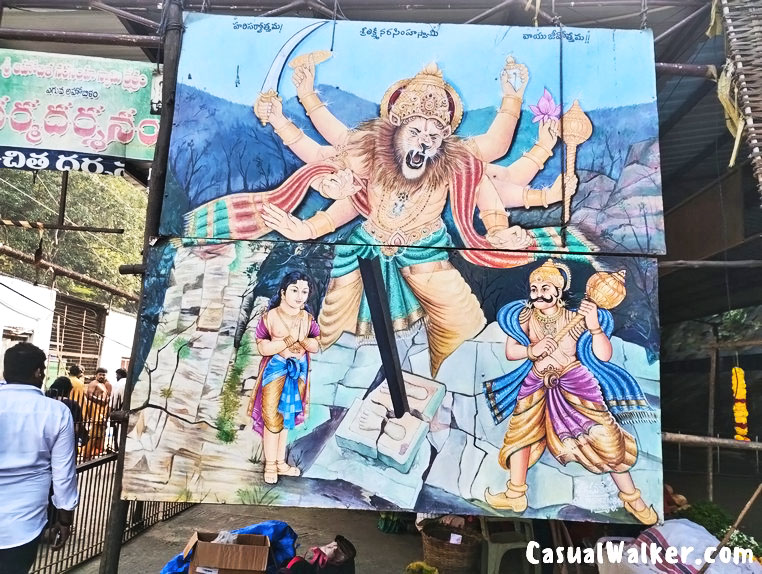
Worship at Ahobila Narasimha Temple helps those:
- Seeking spiritual wisdom and higher knowledge
- Students and scholars pursuing education
- Those experiencing Jupiter mahadasha or transits
- Couples seeking children or blessings for their children
- People pursuing teaching or spiritual professions
- Anyone seeking wise guidance in life decisions
- Those wanting expansion in business or career
- Individuals seeking deeper spiritual understanding
Entering the cave temple was overwhelming. The atmosphere inside is unlike anything I’ve experienced. It’s cool, dark except for oil lamps, and the energy is so intense it’s almost tangible. You can feel the weight of history, the power of countless prayers offered over millennia.
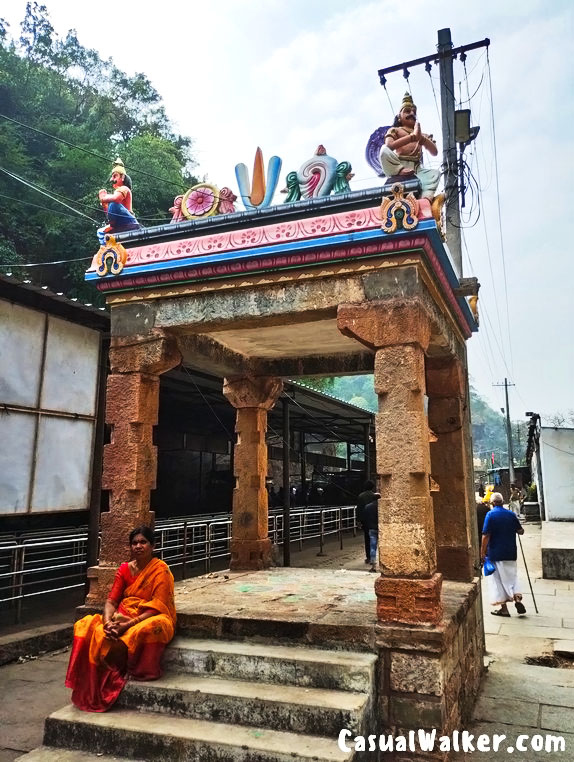
Ugra Narasimha’s fierce form initially appears terrifying—those blazing eyes, that ferocious expression, the act of tearing apart the demon. But as I stood there, something shifted in my perception. I began to see the fierce love behind that fury. This is the form Narasimha took to protect Prahlada. The ferocity is not against devotees but against anything that threatens devotees.
I thought about my own life—the inner demons I battle, the fears that hold me back, the negative patterns I can’t seem to break. Standing before Ugra Narasimha, I felt those demons being confronted by a power far greater than myself. The Lord who tore apart Hiranyakashipu can certainly tear apart my accumulated karma, my ego, my delusions.
Prahlada seated before the Lord Narasimha Swamy showed me what complete surrender looks like. Despite the terrifying scene around him, Prahlada is serene because he has absolute faith. That’s what we must cultivate—faith so complete that even when we don’t understand what’s happening, we remain centered in divine trust.
Goddess Chenchu Lakshmi
Beside the cave, Chenchu Lakshmi’s shrine radiates a different energy—softer, more approachable. She represents the divine feminine accepting and loving the fierce masculine. Her story reminds us that God comes to those who truly love him, crossing all boundaries of caste, class, and convention.
The Chenchu tribe still considers this marriage their greatest honor. They maintain special rights and privileges at the temple, performing certain rituals that have been their family tradition for generations. This continuity is beautiful—ancient tribal traditions integrated seamlessly with Vedic worship.
6. Sri Varaha (Kroda) Narasimha Swamy Temple (Rahu Sthala)
Location: 1 km from Ahobila Narasimha Temple
Planet: Rahu
Trek Difficulty: Moderate (rocky terrain through forested areas)
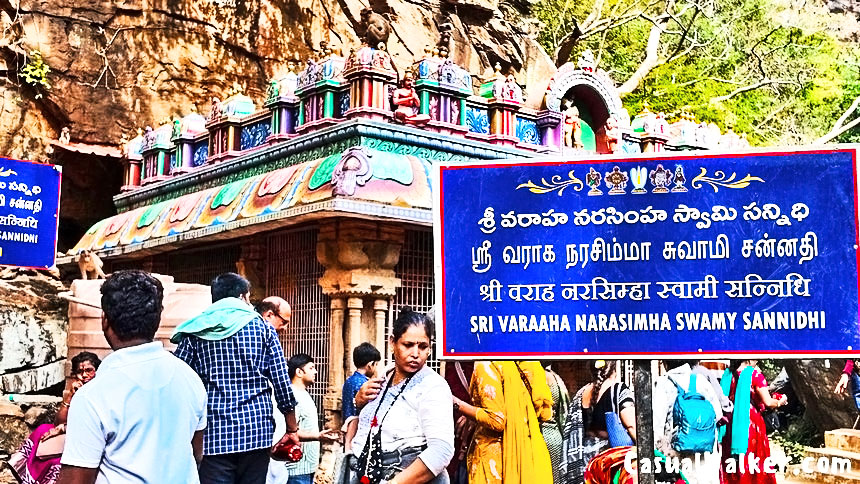
From the main Ahobila temple, Sri Varaha Narasimha Swamy Temple is just one kilometer away, making it the perfect next destination. However, “just one kilometer” in mountain terrain means something entirely different than flat ground. The path involves navigating rocky outcrops and ascending through forested areas.
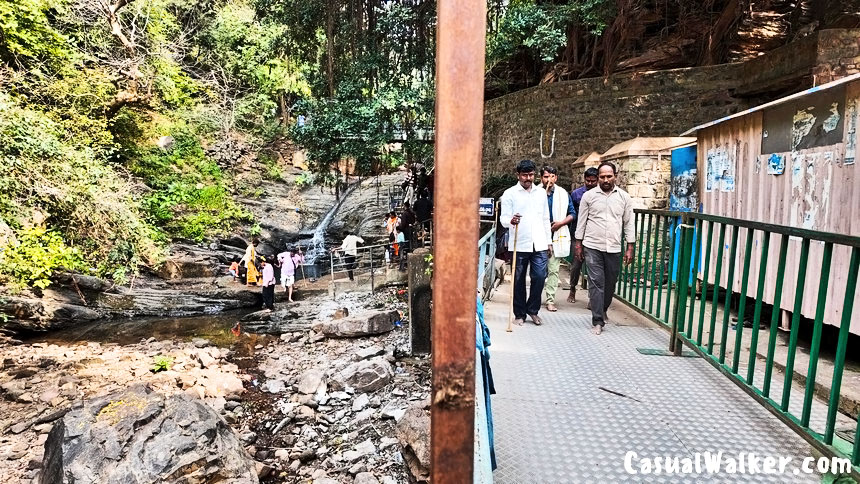
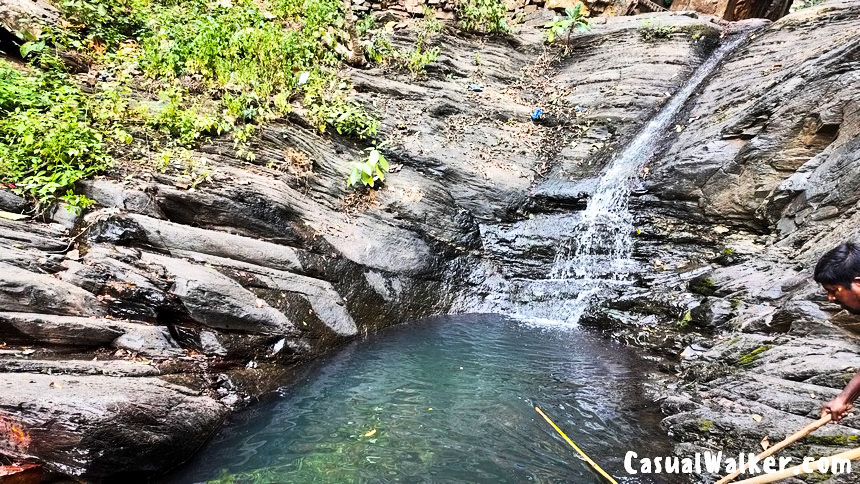
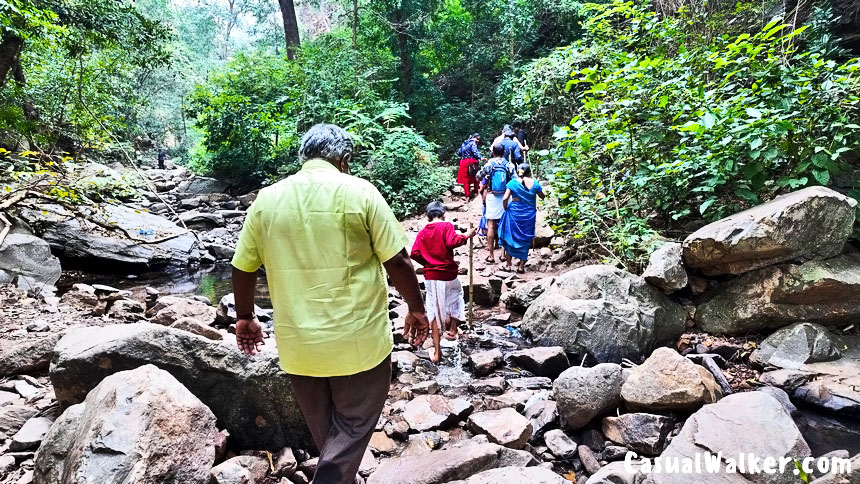
But here’s the beauty—this short trek serves as a warm-up for the more challenging journey to Jwala Narasimha ahead. Every step I took, I chanted “Om Namo Narayanaya,” using the mantra to maintain steady breathing and focused intention.
Unique Boar-Faced Form
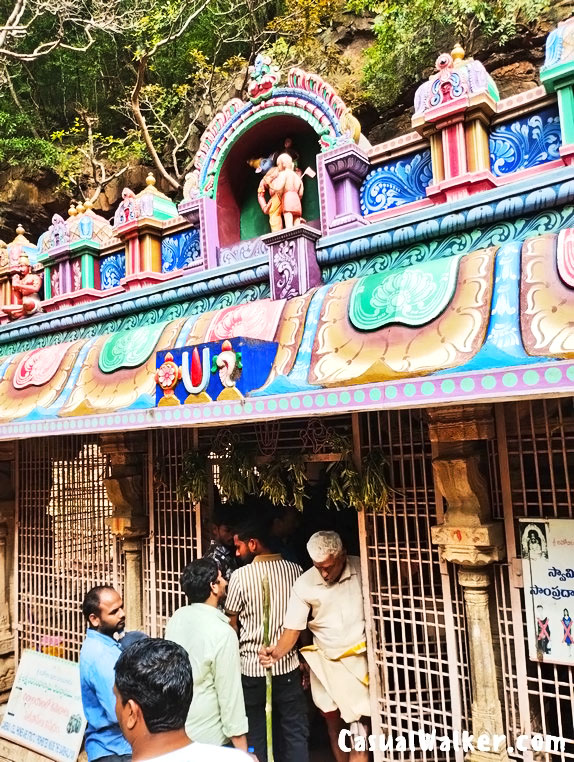
Sri Varaha Narasimha Swamy is one of the most unique manifestations among the Nava Narasimhas. The deity features the face of a Varaha (boar)—representing Lord Vishnu’s third incarnation—combined with Narasimha’s form. This is why the temple is also known as Krodakara Narasimha (Kroda meaning boar).
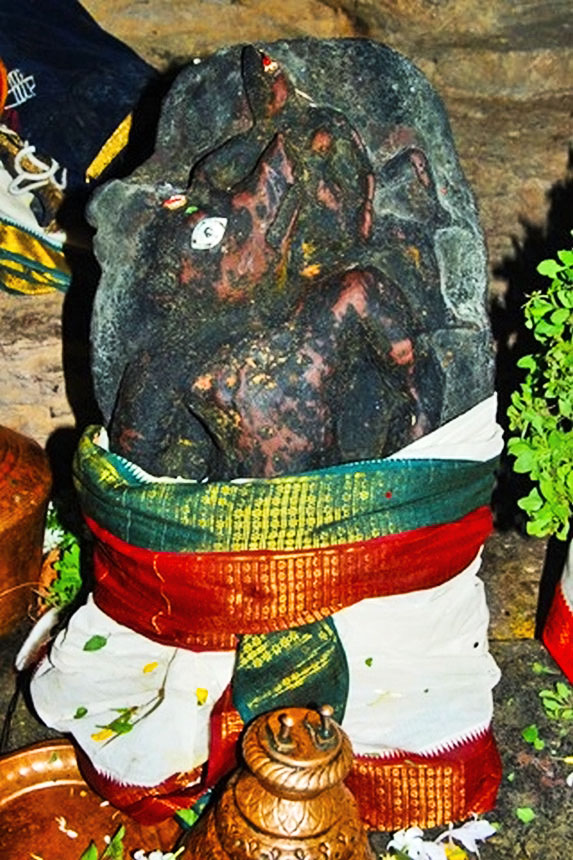
Entering the temple, I was immediately struck by the powerful iconography. Sri Varaha Narasimha Swamy is depicted holding Bhoomi Devi (Mother Earth) on his teeth with two hands placed firmly on his hips—a posture of supreme strength and protection. The imagery connects two of Vishnu’s most protective avatars: Varaha who rescued Earth from the demon Hiranyaksha, and Narasimha who destroyed Hiranyakashipu.
Within the same sanctum sits a beautiful Lakshmi Narasimha moorthy, showing the Lord with his consort in a more graceful aspect. This dual presence—fierce protector and loving consort—demonstrates the complete nature of divinity.
Legend of Hiranyaksha and Earth’s Rescue
The temple’s history connects to one of Hindu mythology’s most dramatic rescues. When the demon Hiranyaksha dragged Bhoomi Devi (Earth personified) to Pathala Loka (the netherworld), threatening cosmic balance itself, Lord Vishnu assumed the Varaha avatar—a mighty cosmic boar—and descended to the depths.
After fierce battle, Varaha killed Hiranyaksha and rescued Bhoomi Devi, carrying her on his tusks back to her rightful position in the cosmos. This act of salvation is eternally commemorated in this unique form at Ahobilam.
The presence of this form among the Nava Narasimhas teaches us that divine protection transcends individual avatars. The same Lord who appeared as Varaha to save Earth appeared as Narasimha to save Prahlada. The circumstances differ; the divine love remains constant.
Rahu Sthala: Confronting Illusions and Hidden Fears
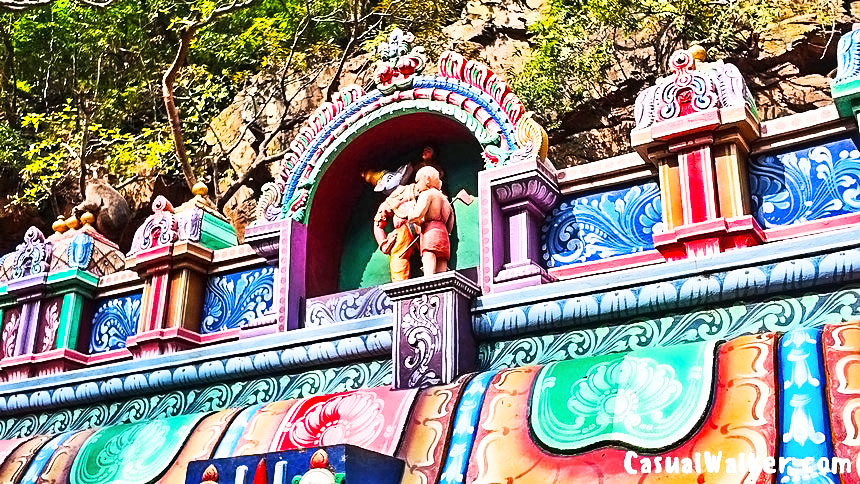
Sri Varaha Narasimha Temple represents Rahu Sthala—the temple associated with Rahu, the ascending lunar node in Vedic astrology. Rahu represents worldly desires, ambitions, illusions, obsessions, and the hidden aspects of our personality. It creates confusion, unexpected events, and compulsive behaviors.
Worship at Varaha Narasimha Temple particularly benefits:
- Those experiencing Rahu mahadasha or difficult transits
- Facing sudden upheavals or unexpected changes
- Struggling with addictions or obsessive behaviors
- Dealing with deception or hidden enemies
- Seeking protection from evil eye and negative energies
- Wanting to overcome fears and phobias
- Those seeking clarity amid confusion and illusion
- Individuals dealing with foreign matters or unconventional paths
Standing before Varaha Narasimha, I felt the protective energy radiating from the deity. The boar-faced form, which might initially seem unusual, actually conveys profound symbolism—the willingness of the Divine to take any form necessary to protect devotees and uphold cosmic order.
The positioning of Bhoomi Devi on the Lord’s teeth represents how God supports the entire world effortlessly. We struggle with our small burdens while the Divine carries the weight of creation itself with ease. This realization brings humility and also comfort—if the Lord can rescue the entire Earth, surely our individual problems are within his capacity to resolve.
I offered prayers for protection from hidden obstacles and clarity to see through illusions (key Rahu blessings). The temple atmosphere, though powerful, feels protective rather than overwhelming. This is the energy of the cosmic guardian—fierce but benevolent. The blessing of Varaha Narasimha felt like receiving divine armor before the challenging trek ahead.
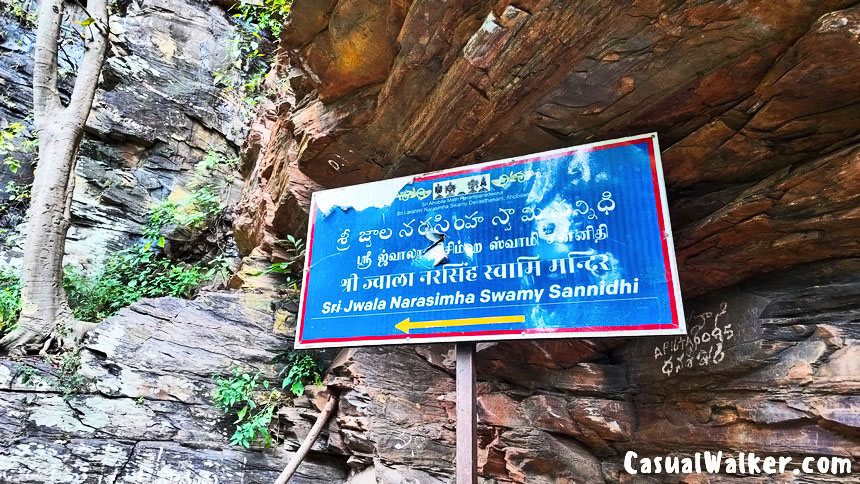
7. Sri Jwala Narasimha Swamy Temple (Mangala/Mars Sthala)
Location: On Achalachaya Meru hill, 4 km from Upper Ahobilam
Planet: Mangala (Mars)
Trek Difficulty: Very Challenging (1 hour steep climb, guide essential)
Ultimate Trek
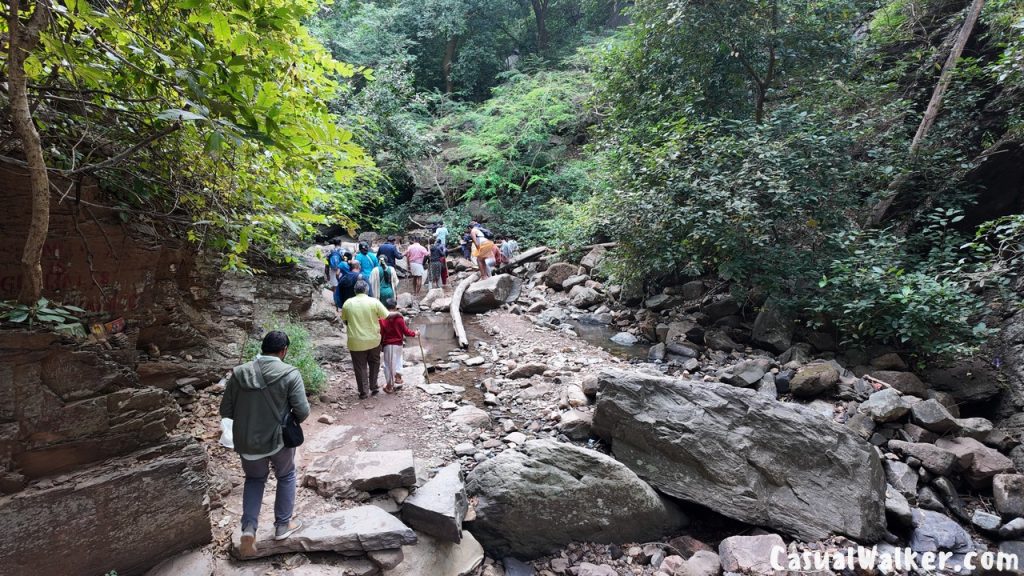
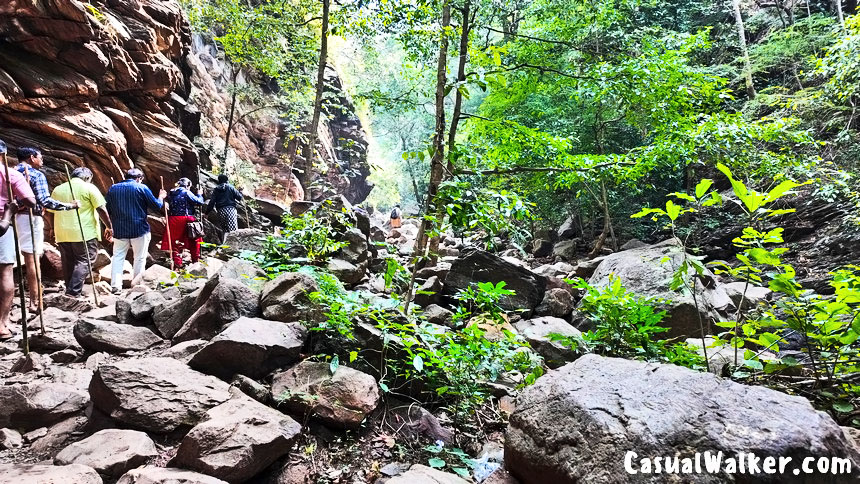
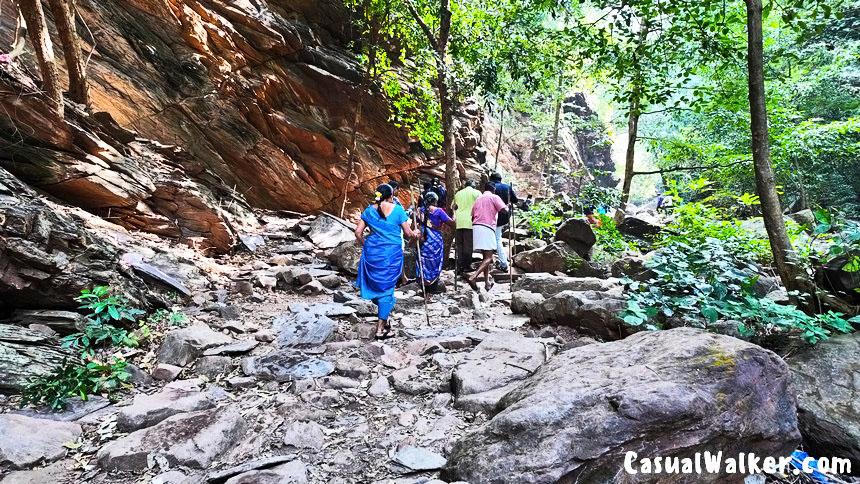
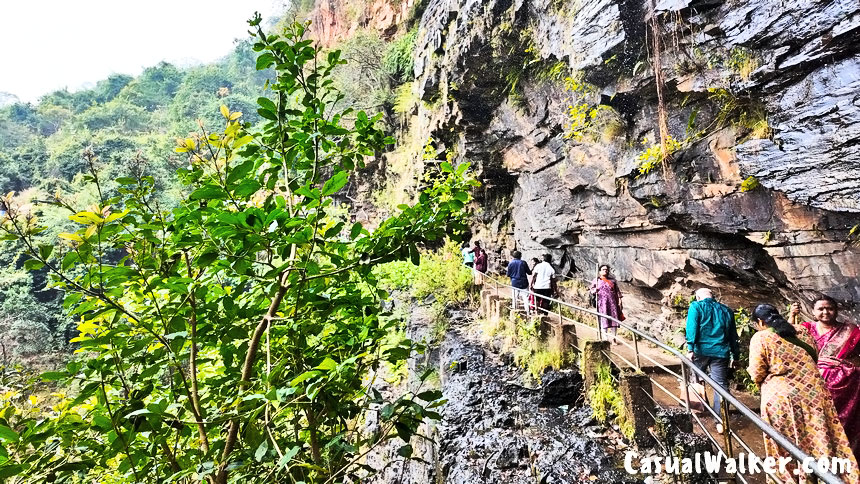
From Varaha Narasimha, the real test began. Sri Jwala Narasimha Swamy Temple is located on a hill called Achalachaya Meru, approximately 4 kilometers from the Upper Ahobilam temple. But this isn’t a casual 4-kilometer walk—it’s a grueling trek involving:
- Climbing through rocky riverbed
- Navigating narrow mountain pathways
- Ascending steep inclines
- Maintaining balance on uneven surfaces
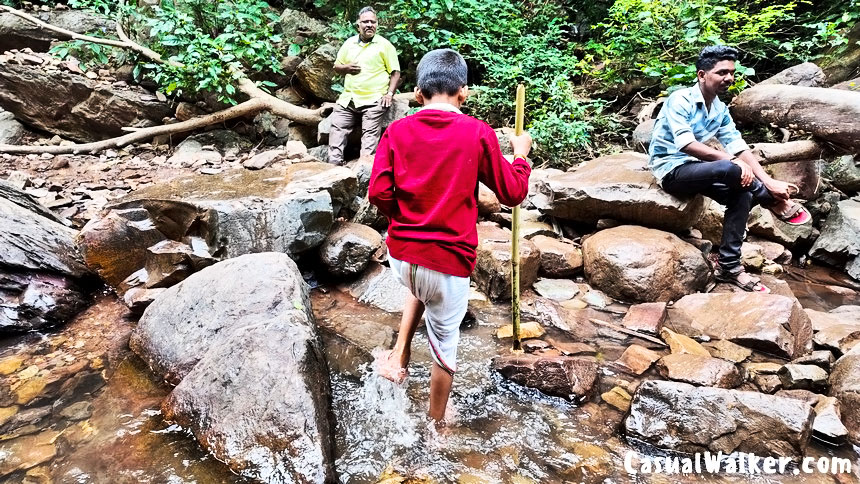
“Jwala Narasimha is the spot where the Lord’s anger reached its peak,” he explained as we began. “This is where Hiranyakashipu was actually torn apart. The spiritual power there is so intense that some people feel overwhelmed. But those who reach with sincere devotion receive blessings beyond imagination.”
Challenging Ascent
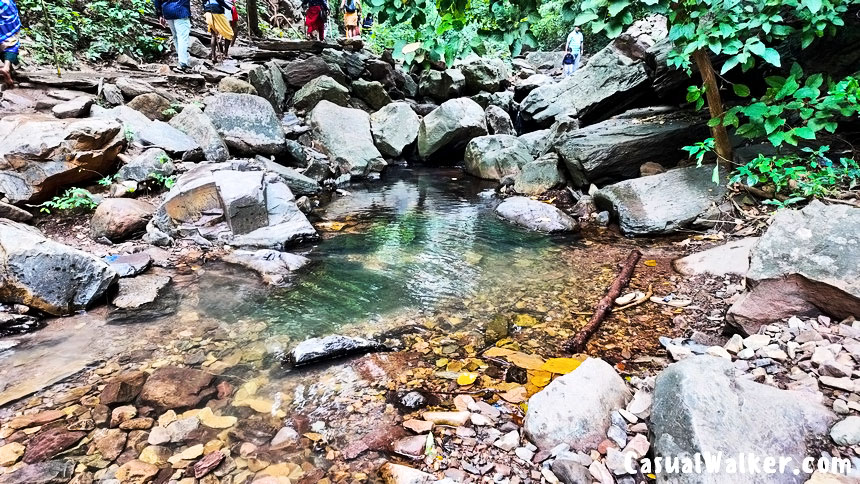
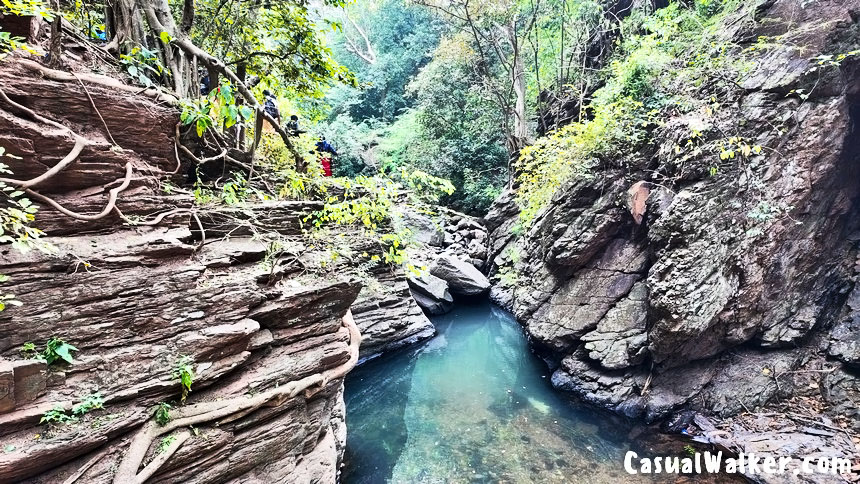
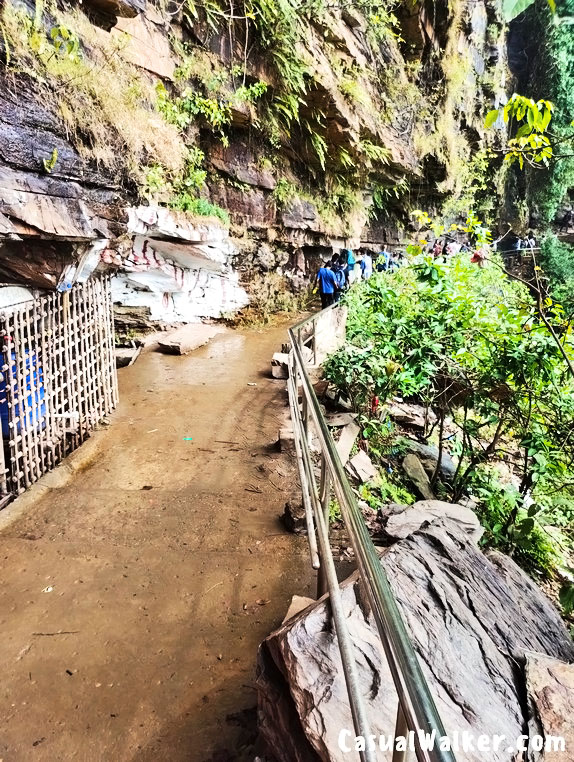
The trek began relatively gently, walking alongside a dried riverbed. But soon, the path transformed. We were climbing over large boulders, gripping rocks for support, pulling ourselves up steep sections. My legs burned, sweat poured despite the relatively cool morning air, and several times I questioned my ability to continue.
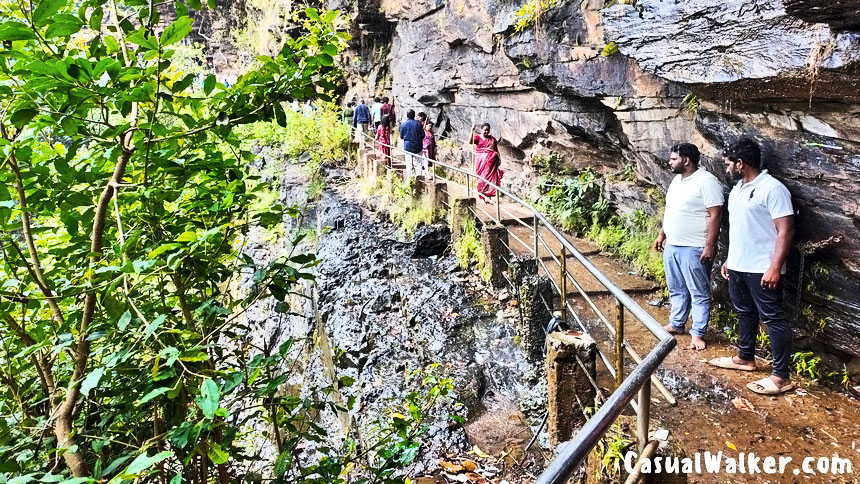
But here’s what kept me going: Every few minutes, my guide would stop, point to a particular rock or tree, and share stories. “See that stone? A great saint meditated there for three days before continuing to Jwala. See that tree? Birds nest there and their songs are considered auspicious by pilgrims.”
The path itself became a meditation. Each difficult step was an offering, each moment of struggle a purification. I understood why this trek is considered spiritually transformative—it strips away pretense, forces you to confront your limitations, and demands complete presence. You can’t think about worldly problems when navigating a treacherous mountain path; you can only focus on the present moment and the divine destination ahead.
First Sight of Jwala Narasimha
After nearly an hour of intense climbing, the temple suddenly came into view. Sri Jwala Narasimha Temple sits atop Achalachaya Meru, commanding a breathtaking view of the surrounding valleys and peaks. The location itself communicates the temple’s significance—this is the pinnacle, the highest point of divine fury and divine protection.
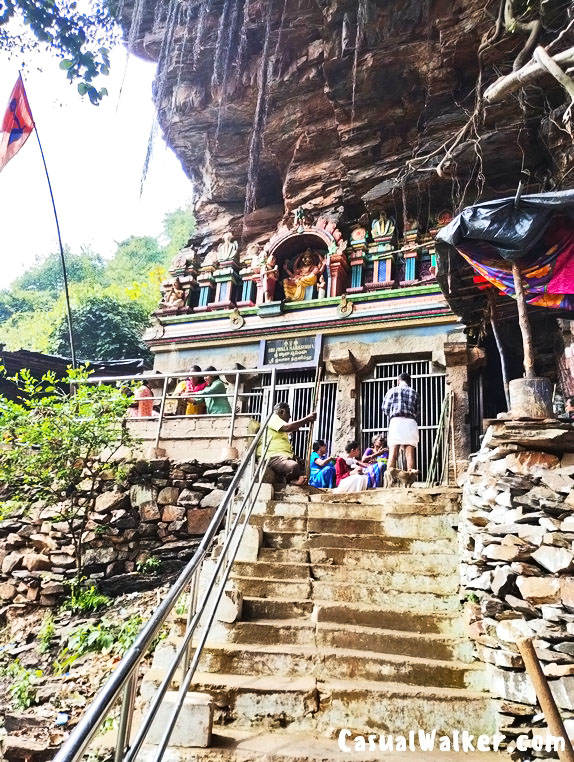
Exhausted but exhilarated, I approached the sanctum with trembling legs and overwhelming emotion. The difficulty of reaching this place makes the darshan infinitely more meaningful. When something requires genuine sacrifice, the blessing feels earned—not through entitlement but through demonstrated devotion.
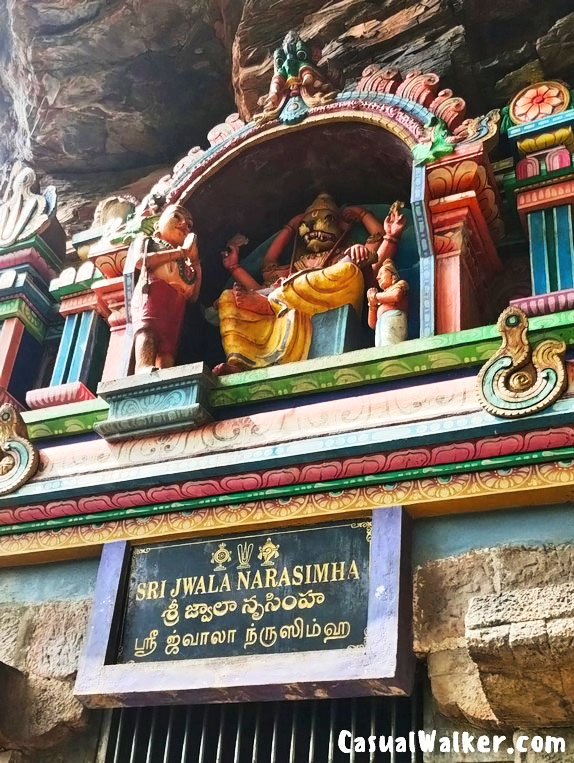
Most Fierce Form: Jwala Narasimha
Sri Jwala Narasimha Swamy represents the absolute zenith of Narasimha’s fierce aspect. “Jwala” means flame or blaze, and this form depicts the Lord at the moment his anger reached its culmination—when he tore apart the demon Hiranyakashipu.
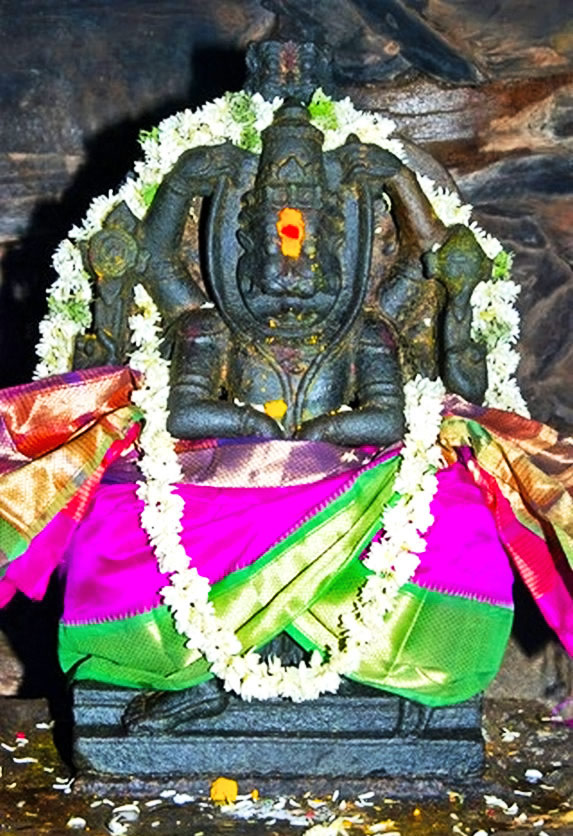
The deity is seated on a Garuda Peetham (pedestal) with eight powerful arms:
- Upper two hands hold Shankha (conch) and Chakra (discus)
- Two hands grasp Hiranyakashipu firmly on his lap
- Two hands are shown tearing the demon’s stomach
- Two more hands wear Hiranyakashipu’s intestines as a garland
It carries profound spiritual symbolism – Hiranyakashipu represents ego, arrogance, and all qualities that oppose dharma. His destruction shows what happens when evil pushes divine patience to its limit. The intestines worn as garland demonstrate complete victory—even the demon’s inner organs become ornaments for the Lord.
Within the same shrine are four additional morthis (forms):
- Stambhodhbhava Narasimha – The Lord emerging from the pillar
- Narasimha fighting with Hiranyakashipu – The battle scene
- Sri Maha Vishnu – The transcendent form
- Shukracharya – The demon guru who witnessed this event
Sacred History of Garuda’s Tapas
This location holds special significance in Ahobilam’s history. According to tradition, Garuda performed intense tapas (penance) on this very hill, seeking to understand Para Tattwam (Supreme Philosophy) as instructed by his father Kashyapa Prajapathi.
Pleased with Garuda’s devotion, Bhagavan appeared as Jwala Narasimha and granted two significant boons:
- The hill where Garuda performed tapas would eternally be known as “Garudadri” (Garuda’s Mountain)
- Garuda would become the Mukhya Vahana (primary vehicle) of Lord Vishnu for all time
This legend explains why Jwala Narasimha sits on a Garuda Peetham and why these hills are called Garudachalam or Garudasailam.
Mangala Sthala: Temple of Mars
Sri Jwala Narasimha Temple is designated as Mangala Sthala—the temple associated with Mars (Mangala/Kuja) in the Navagraha system. Mars represents energy, courage, action, aggression, warfare, and protection.
Worship at Jwala Narasimha Temple particularly benefits:
- Those with Mangal Dosha (Mars afflictions) in horoscopes
- People lacking courage or facing fear
- Individuals in military, police, or protective services
- Those with property disputes or land issues
- Athletes and competitors
- Anyone needing to overcome anger management issues
- People preparing for battles (legal, professional, or personal)
- Those seeking to channel aggression positively
The connection between fierce Jwala Narasimha and Mars is perfect. Both represent righteous anger, protective fury, and the courage to face enemies. Just as Mars gives warriors strength, Jwala Narasimha gives devotees courage to face life’s battles.
This fierce form exists to protect devotees. The same hands that tear demons apart would never harm those who take refuge. In fact, seeing evil destroyed so completely brings its own comfort. We live in a world where evil often seems to triumph, where injustice appears to prevail. Jwala Narasimha reminds us that ultimately, dharma wins. Evil may flourish temporarily, but its destruction, when it comes, is absolute.
Raktha Kundam -The Sacred Blood Pond
Location: Between Jwala Narasimha and main Ahobila temple
Discovering the Mystical Pond
On the path between Jwala Narasimha and the main Ahobila temple lies one of Ahobilam’s most mysterious sacred spots—Raktha Kundam (Blood Pond), also known as Rakta Kunda.
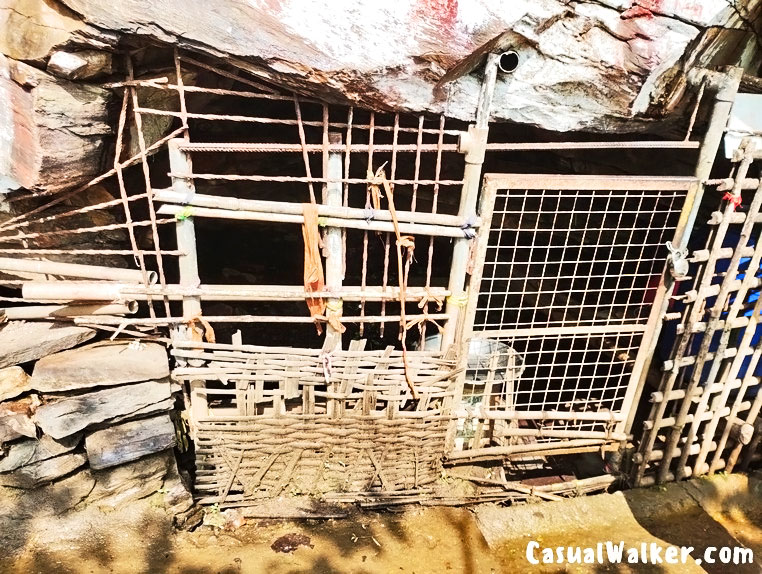
This pond holds great significance, Not many pilgrims know about it or take time to visit. After Lord Narasimha killed Hiranyakashipu, he washed his bloodied hands and claws in this pond. The water, touched by divine blood mixed with demon blood, turned permanently reddish. Even today, thousands of years later, the water maintains its distinctive color.
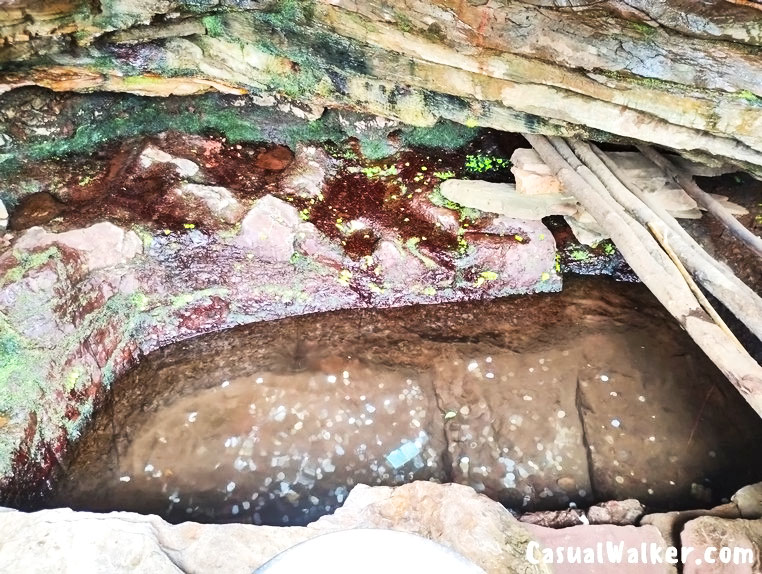
Raktha Kundam represents:
The pond serves as a powerful reminder that even in the act of destruction, the Lord maintains cosmic order. He doesn’t remain in his fierce form indefinitely; he cleanses himself, demonstrating the importance of letting go even after righteous anger. Raktha Kundam is a relatively small natural pond, the water indeed has a reddish tinge. The atmosphere around Raktha Kundam is contemplative.
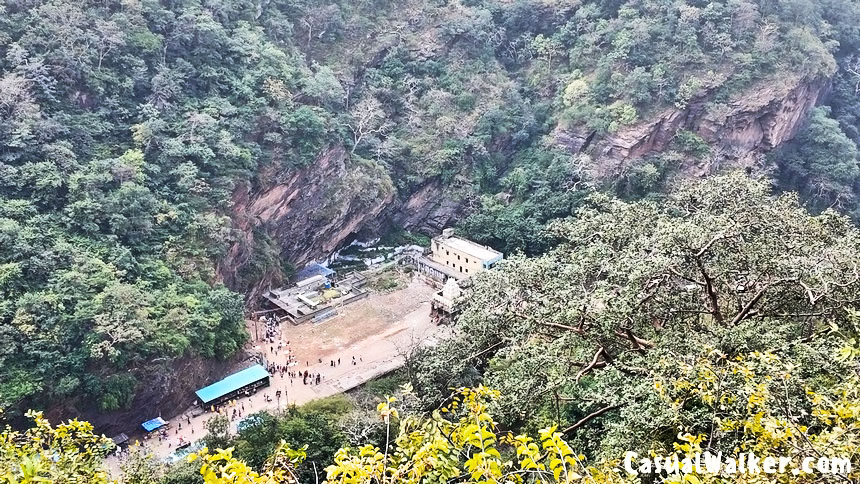
View from Achalachaya Meru
After completing darshan, I spent time outside the temple, absorbing the spectacular view. From this height, you can see much of the Ahobilam complex spread below—the winding paths, the green valleys, the distant glimpses of other temples. The physical effort to reach here makes the view infinitely more precious.
This insight transformed my understanding. Jwala Narasimha doesn’t just protect us from external threats; he helps us overcome our own negative tendencies. The fierce form that seems directed outward is actually available to burn away our inner obstacles.
Natural Spring Water at Jwala Narasimha Temple
The Jwala Narasimha Temple offers a natural blessing—crystal-clear spring water that flows near the sacred idol. Naturally filtered through mountain rock, this water is remarkably pure, cool, and sweet-tasting. After the exhausting climb, it feels like divine nectar. Many pilgrims fill their bottles to carry this blessed water home as prasadam.
Ugra Stambham – The Divine Pillar
Location: 8 km from Upper Ahobilam (1 hour additional climb beyond Jwala Narasimha)
Trek Difficulty: Extremely Challenging (guide absolutely essential)
After completing my visit to Jwala Narasimha and paying respects at Raktha Kundam, I stood at a crossroads—both literally and metaphorically. Personally, I had mentally prepared myself for this final ascent, the most challenging trek in the entire Ahobilam complex. My spirit was willing, my determination fierce, but the practical constraints of my time schedule made the decision for me. With a heavy heart, I had to decline.
Even now, writing about Ugra Stambham fills me with a mixture of longing and resolve. This is the one sacred spot I didn’t reach, the unfinished pilgrimage within my pilgrimage. Yet perhaps there’s a lesson in that incompleteness—a reason to return, a promise yet to be fulfilled.
Ugra Stambham
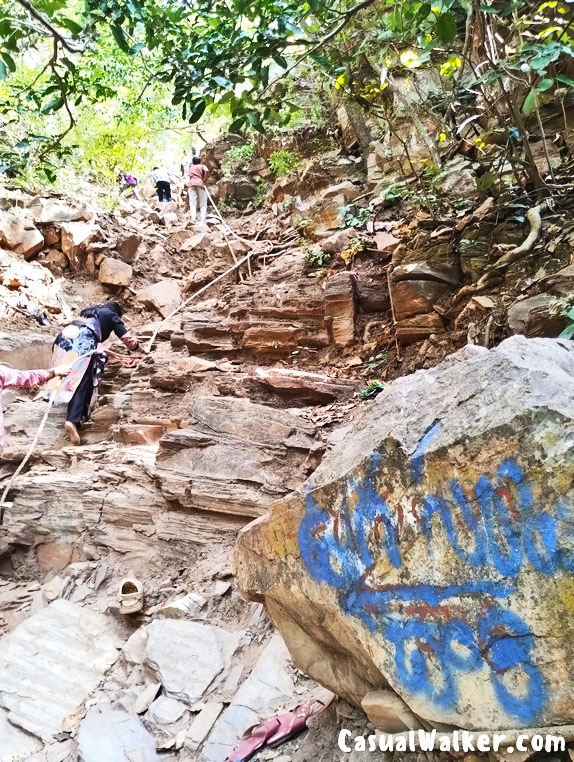
Ugra Stambham is the legendary pillar—or more accurately, the dramatic cleft in the mountain—from which Lord Narasimha is believed to have emerged to destroy the demon Hiranyakashipu. Located another hour’s grueling climb beyond Jwala Narasimha, it stands as the most remote and challenging destination in the entire Ahobilam kshetram.
When the demon king Hiranyakashipu demanded of his son Prahlada, “Where is your Vishnu? Is he in this pillar too?” and struck a pillar in his palace in rage, Lord Vishnu manifested as Narasimha—the fierce man-lion form—bursting forth from the pillar itself.
Ugra Stambham is believed to be the actual spot where this dramatic divine emergence occurred. The cleft rises vertically for several meters, a split dividing the rock face into two visible parts, as if the mountain itself bore witness to that explosive moment of manifestation and has preserved the evidence ever since.
Ultimate Avatara Sthala
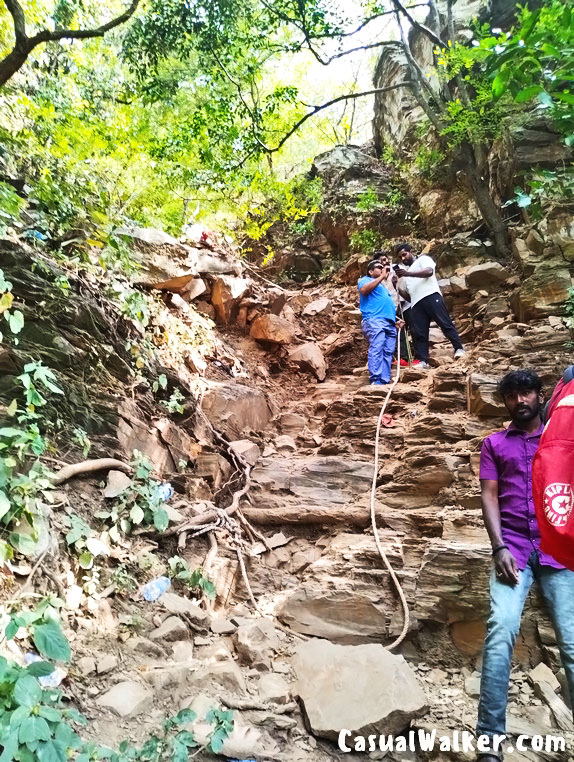
The trek to Ugra Stambham is exceptionally demanding. After already climbing to Upper Ahobilam and then to Jwala Narasimha—both challenging treks in themselves—pilgrims must undertake an additional hour’s ascent over poorly marked, treacherous terrain. The path requires pulling yourself over rocks, gripping tree roots for support, and navigating steep sections that are more climbing than walking.
A Place of Raw, Primal Worship
Those who do reach Ugra Stambham describe a profoundly different spiritual atmosphere from the temples. Here, worship is spontaneous, direct, and primal. Devotees offer flowers, apply kumkum to the rocks, and perform pradakshina (circumambulation) around the cleft. There are no elaborate rituals, no intermediaries—just the devotee and the sacred geological formation.
If you’re planning the Ahobilam pilgrimage and are physically capable, I urge you to attempt and allocate extra time, carry sufficient water, hire an experienced guide, and make the journey to Ugra Stambham. Stand before the cleft where the invisible became visible, where faith conquered doubt, where the avatar burst forth to protect his devotee.
8. Sri Malola Narasimha Swamy Temple (Shukra/Venus Sthala)
Location: 2 km from main cave temple
Planet: Shukra (Venus)
Access: Moderate trek
Transitioning from Fierce to Graceful
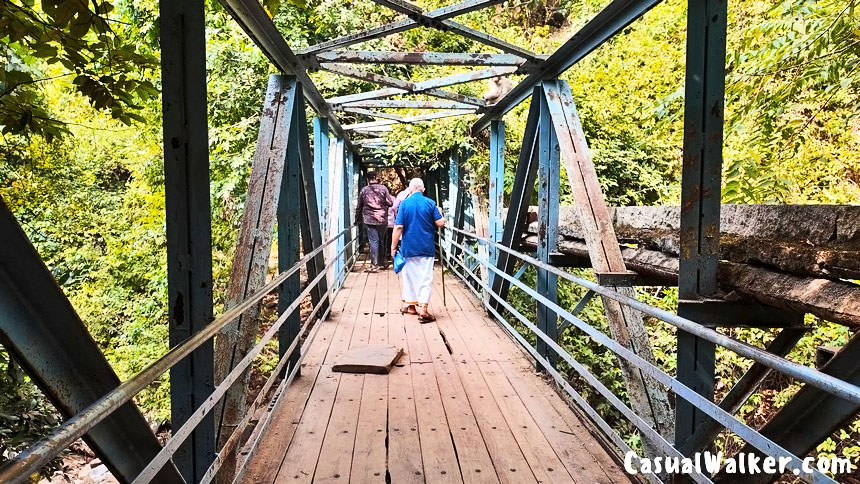
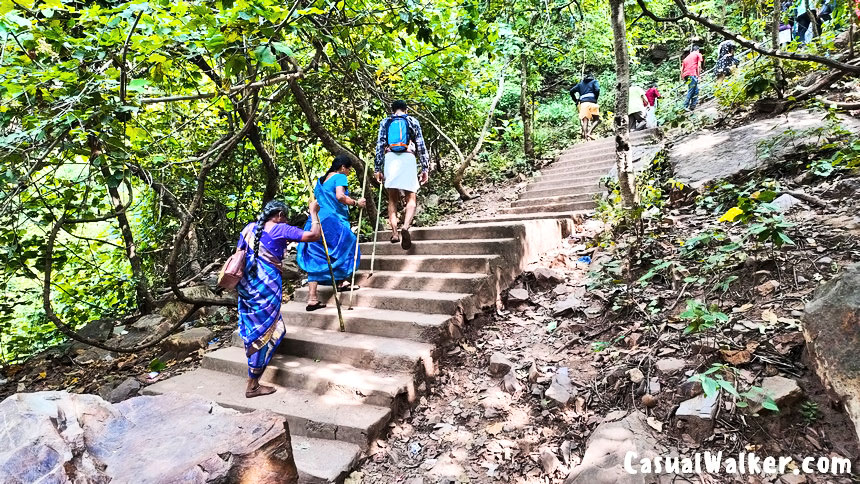
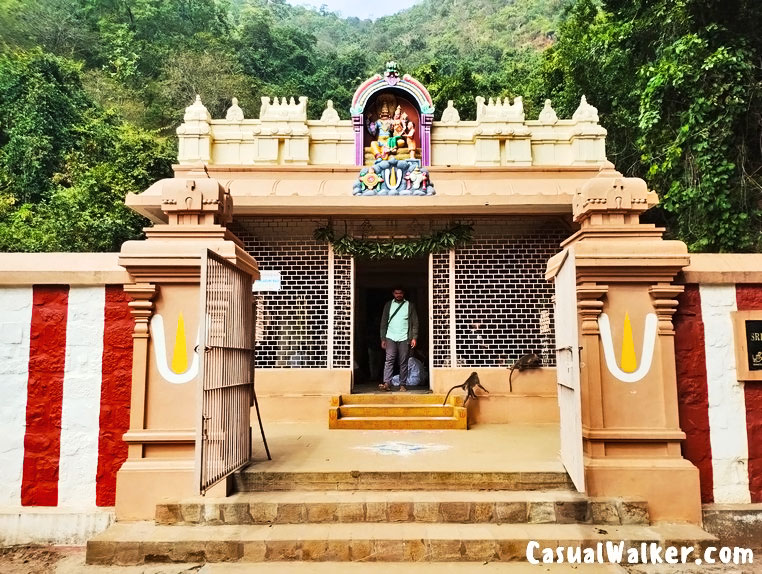
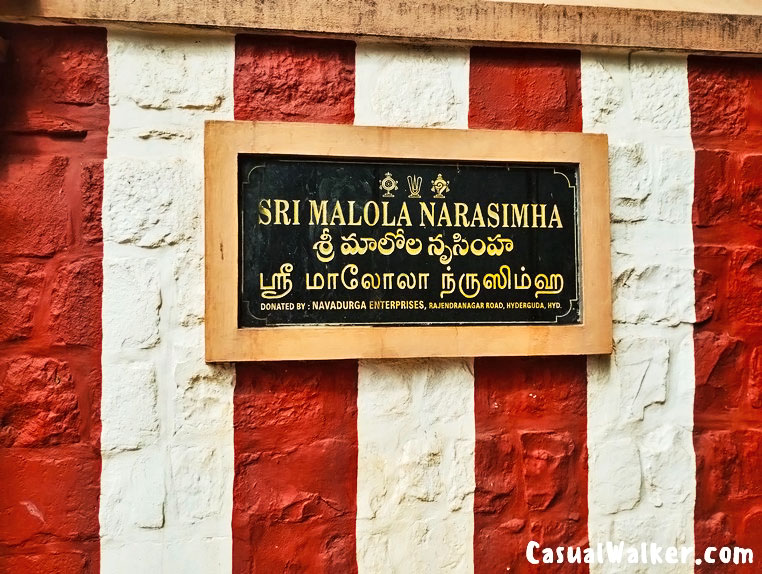
After the intense experiences at Jwala Narasimha and Prahlada Mettu, I returned to the Upper Ahobilam area for darshan at Sri Malola Narasimha Swamy Temple. Located about 2 kilometers from the main cave temple, this shrine represents a completely different energy—gentle, graceful, peaceful.
The timing felt perfect. After encountering Narasimha’s fiercest manifestations, I needed to experience his most loving form. This is the beauty of the Nava Narasimha circuit—it shows the complete spectrum of divine expression, from terrifying protector to tender lover.
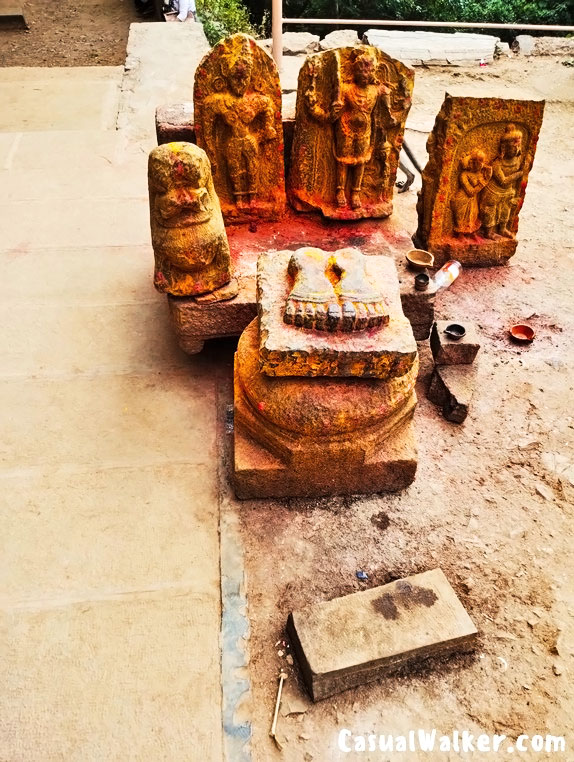
Graceful Form: Malola Narasimha
“Malola” is a beautiful Sanskrit word meaning “beloved to Ma (Lakshmi).” Where other forms show Narasimha alone or destroying demons, Sri Malola Narasimha appears in Shantha Moorthy—the peaceful form—with Goddess Mahalakshmi sitting directly on his lap.
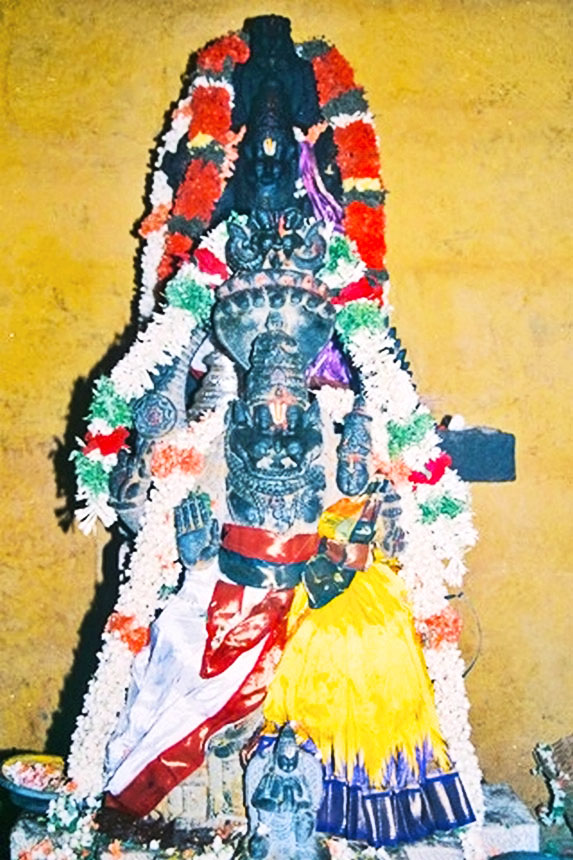
The deity has four arms:
- Upper two hands hold Shankha (conch) and Chakra (discus)
- Lower two hands display Abhaya Mudra (gesture of fearlessness) and Varada Mudra (gesture of blessing/boon-giving)
This form represents divine love, marital harmony, and the balance of masculine and feminine energies. After his fierce avatar destroyed Hiranyakashipu, the Lord needed to be pacified by his consort’s love. Goddess Mahalakshmi’s presence calms the terrifying anger, transforming Ugra Narasimha into Malola Narasimha.
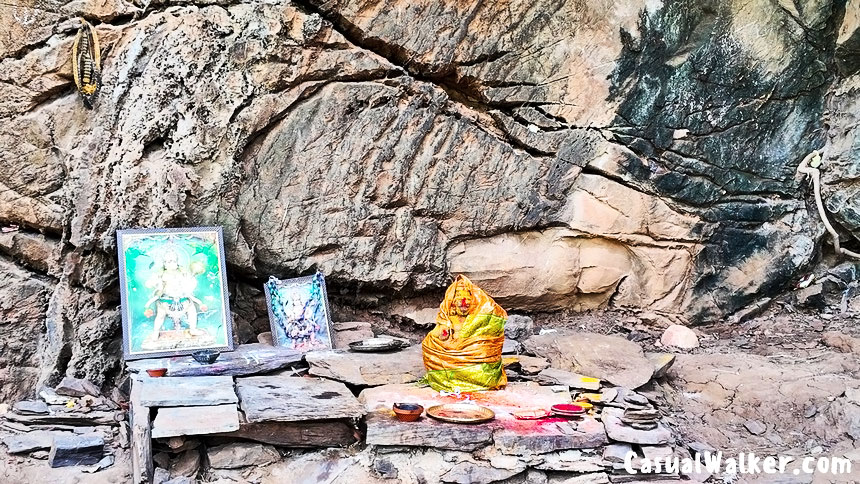
Story of Chenchu Lakshmi’s Jealousy
The legend behind this temple adds delightful complexity to the Ahobilam narrative. After Narasimha’s avatar, Goddess Mahalakshmi was initially angry with the Lord because he had married Chenchu Lakshmi (the tribal form) in these hills.
Think about it—from Vaikuntha’s celestial splendor, the Goddess finds her Lord has married a tribal woman in the forests! Her divine jealousy is actually quite endearing, showing that even goddess relationships have complexities.
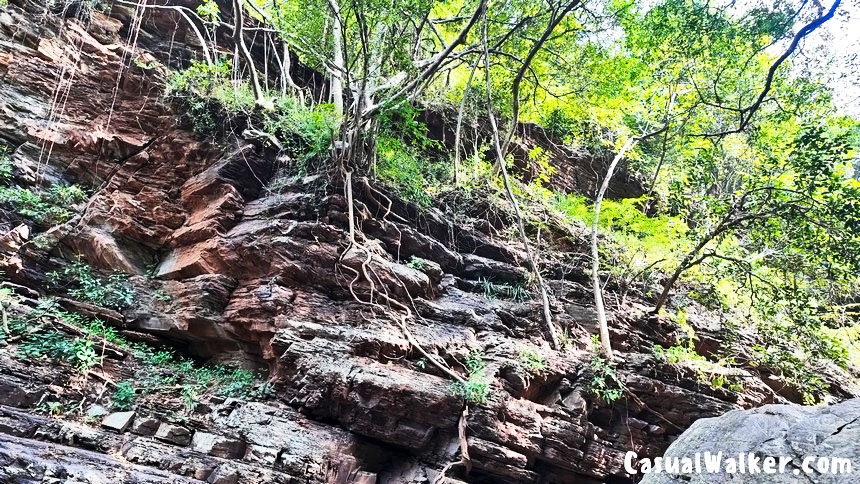
To appease his consort, Lord Narasimha pleased Mahalakshmi on the hills of Vedadri (another name for this location). Satisfied with his devotion and attention, the Goddess assumed her rightful place on his lap, and they manifested together as Malola Narasimha.
This story teaches beautiful lessons about relationships—communication, reconciliation, honoring all aspects of love, and the importance of balance.
Aradhya Daiva of Ahobila Math
Sri Malola Narasimha holds supreme importance as the Aradhya Daivam (presiding deity) of the entire Sri Ahobila math. The Utsava Moorthy (processional deity) of Malola Narasimha mysteriously appeared in the hands of Sri Adivan Satagopa Yatheendra Mahadesikan, the first Jeeyar of Ahobila math.
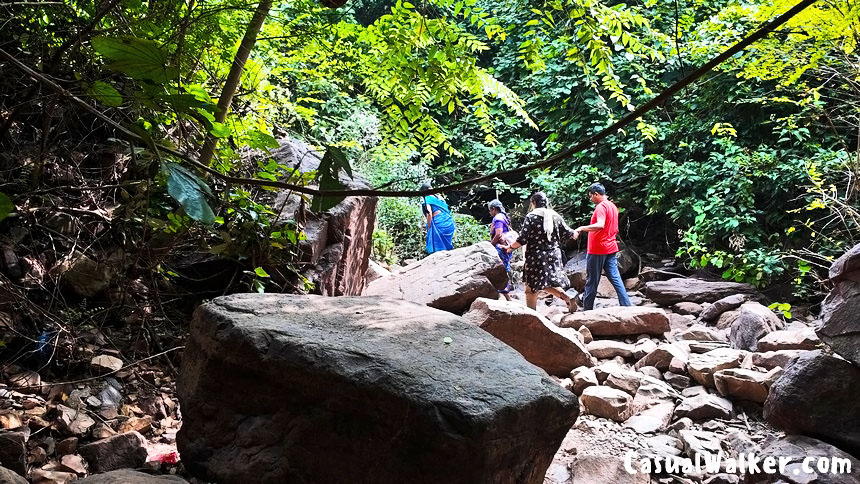
The Lord himself commanded the first Jeeyar: “Take my Malola Narasimha form to every village and instill Sri Vaishnavism among the people.” Thus began the beautiful tradition where the Jeeyar travels throughout India, carrying Malola Narasimha, bringing the Lord’s darshan to devotees who cannot make the pilgrimage to Ahobilam.
From the first Jeeyar to the current 45th Jeeyar, Srivan Satakopa Sri Narayana Yatheendra Mahadesikan, this Utsava Moorthy has been worshipped and carried on religious tours. The tradition continues unbroken for centuries—a moving temple that brings God to devotees rather than requiring devotees to always come to God.
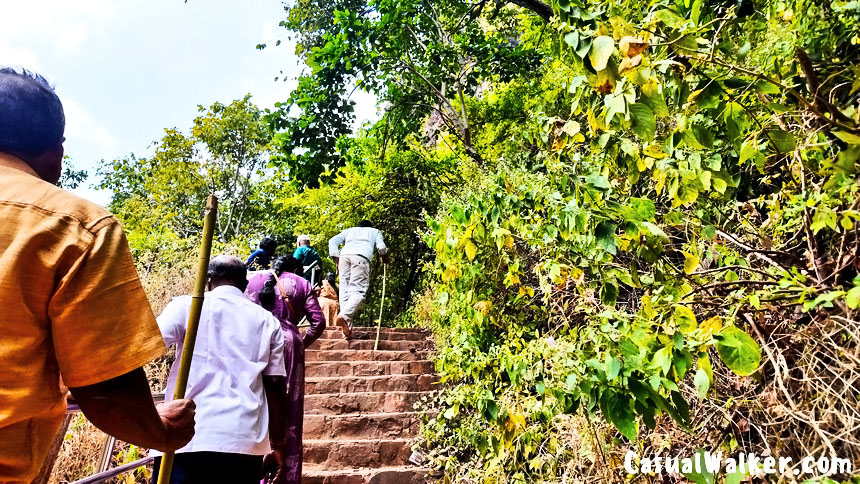
Shukra Sthala: Temple of Love and Harmony
Sri Malola Narasimha Temple is designated Shukra Sthala—the temple associated with Venus (Shukra) in the Navagraha system. Venus represents love, beauty, harmony, relationships, artistic expression, material comforts, and refined sensibilities.
Venus governs
- Marital harmony and romantic relationships
- Beauty, aesthetics, and artistic talents
- Material prosperity and luxuries
- Emotional fulfillment and pleasure
- Balance in relationships
- Creativity and refined sensibilities
- Attraction and social grace
- Comforts and enjoyment of life
Worshipping at Malola Narasimha Temple particularly benefits
- Those seeking marital harmony and love
- Couples wanting to strengthen their relationship
- People experiencing Venus mahadasha or transits
- Those in creative or artistic professions
- Individuals seeking material comforts and prosperity
- Anyone wanting to enhance beauty and attraction
- Those desiring emotional fulfillment
- People seeking balance between spiritual and material life
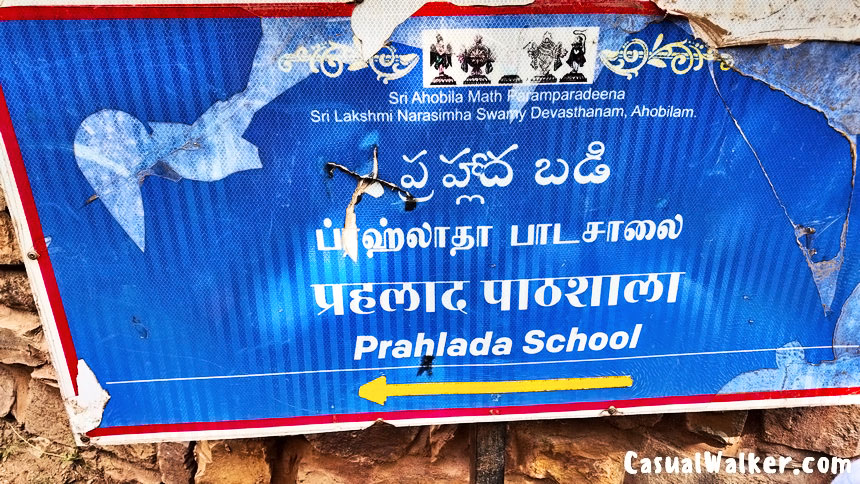
Prahlada Mettu (Prahlada Badi) – The Devotee’s Cave
Location: Between Ugra Stambham and Upper Ahobilam temple
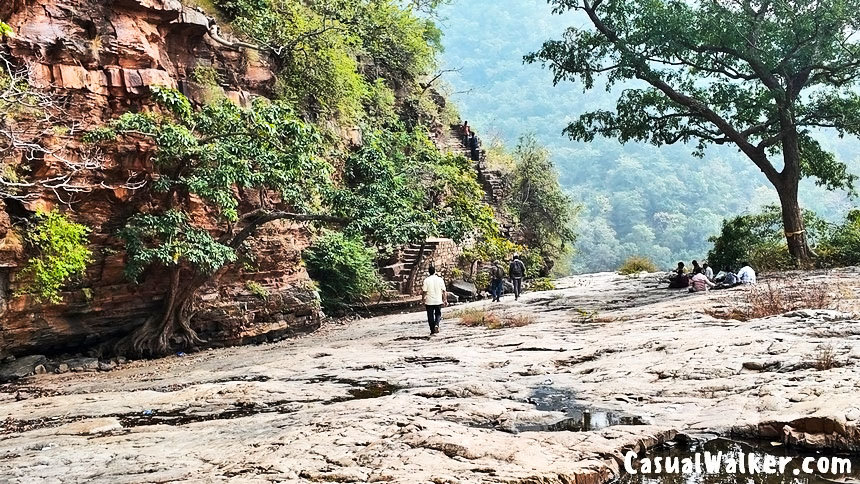
Discovering the Hidden Shrine
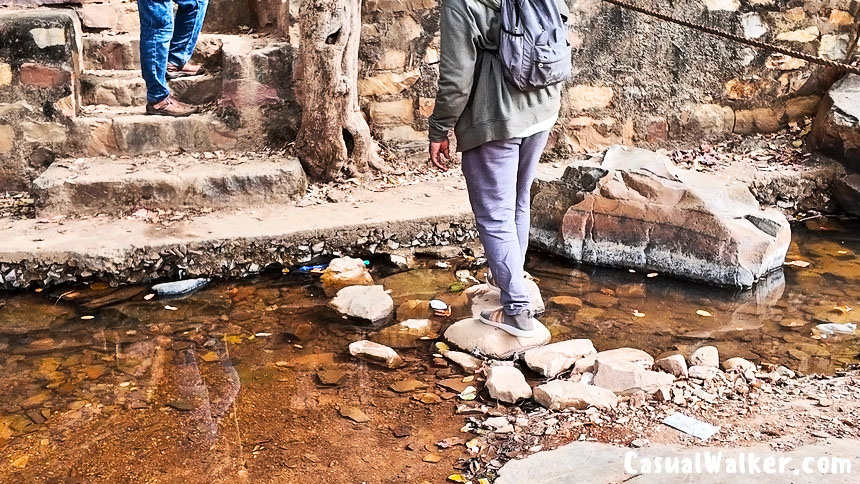
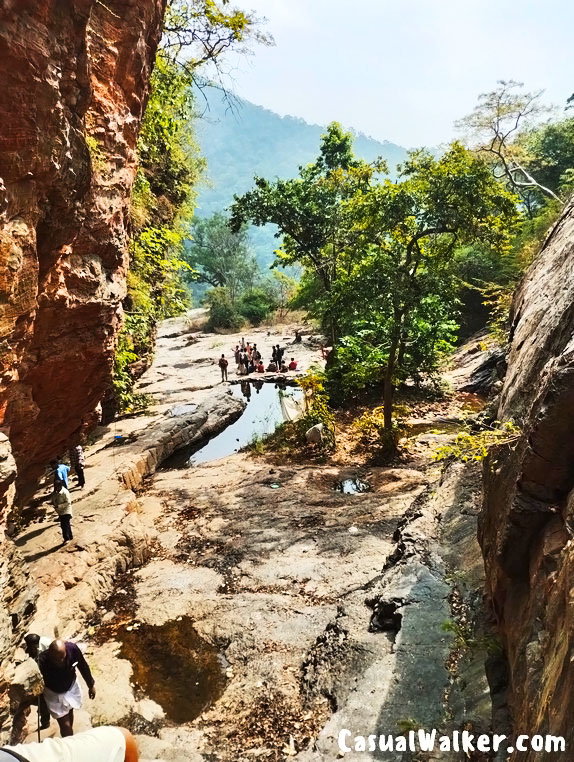
Located between the sacred cleft and Upper Ahobilam temple, we encountered Prahlada Mettu (also called Prahlada Badi). This small shrine, situated in a cave on the hillside, is dedicated to Bhakta Prahlada himself.
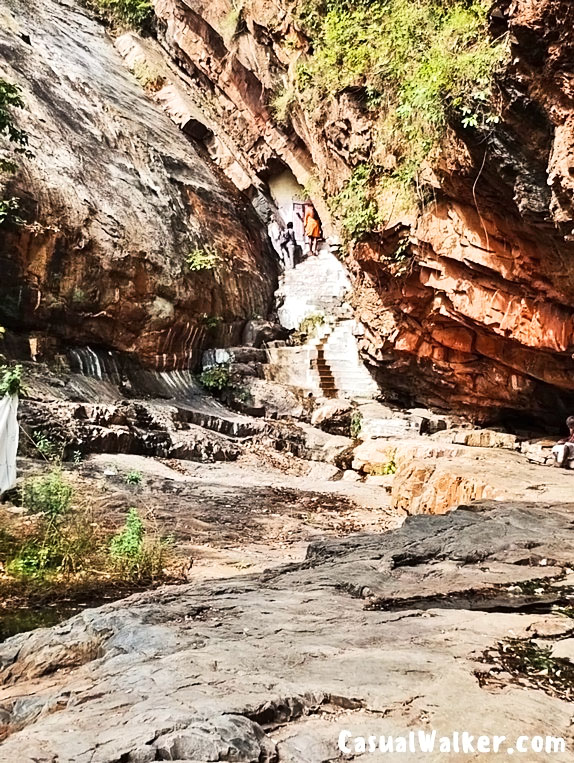
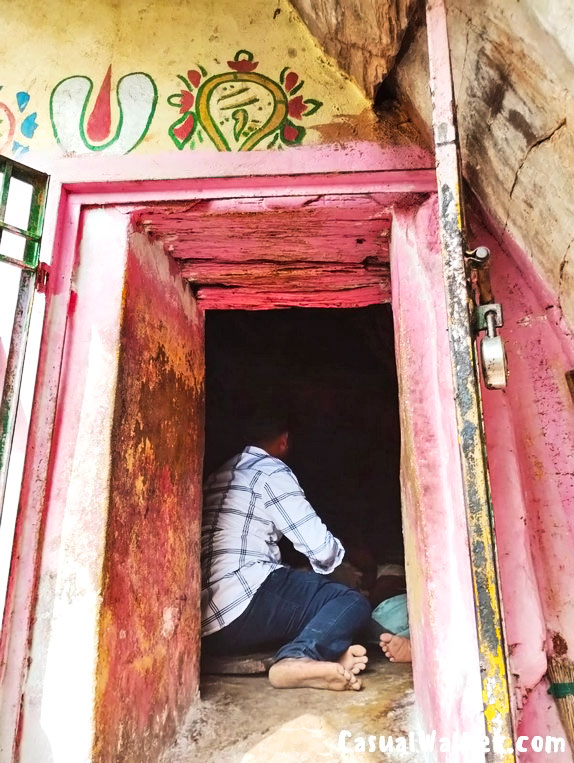
Unlike the grand temples dedicated to the Lord, Prahlada Mettu is humble, small, almost easy to miss. But this humility perfectly reflects Prahlada’s character—never seeking glory for himself, always directing attention to the Divine.
Sacred History
This cave is believed to be where young Prahlada took refuge during Hiranyakashipu’s persecution. As the demon king subjected his own son to various tortures for refusing to worship anyone except Vishnu, Prahlada would retreat to this cave for meditation and prayer.
The image of Prahlada installed in the small cave depicts him in a meditative posture, hands folded, face serene despite the trials he endured. The iconography reminds us that true devotion remains peaceful even amid persecution.
Many pilgrims skip Prahlada Mettu, focused on the main Narasimha temples. But visiting this shrine adds crucial context to the entire Ahobilam narrative. The Narasimha avatar occurred because of Prahlada. Without this child devotee’s unwavering faith, there would be no manifestation of the fierce form, no sacred geography of nine temples.
Prahlada represents:
- Unwavering devotion regardless of circumstances
- The power of faith to invoke divine intervention
- Courage in the face of persecution
- The victory of spirit over material power
- Pure bhakti untainted by desire for reward
Entering the small cave where Prahlada once sought shelter, I felt profound emotion. This child—facing a powerful demon king who happened to be his own father—never wavered. When thrown from cliffs, he prayed. When poisoned, he meditated. When trampled by elephants, he chanted.
What excuses do I make for my own spiritual practice? “I’m too busy, too tired, facing too many problems.” Prahlada faced literally fatal persecution yet never missed his devotions.
I offered prayers at Prahlada Mettu asking not for Narasimha’s fierce protection but for Prahlada’s unshakeable faith. The Lord’s manifestation was spectacular, but the devotion that invoked it was perhaps even more remarkable.
The humble cave, the small shrine, the simplicity of it all drove home a crucial truth: God doesn’t need grand temples or elaborate rituals. What God desires is Prahlada’s kind of love—pure, constant, unconditional.
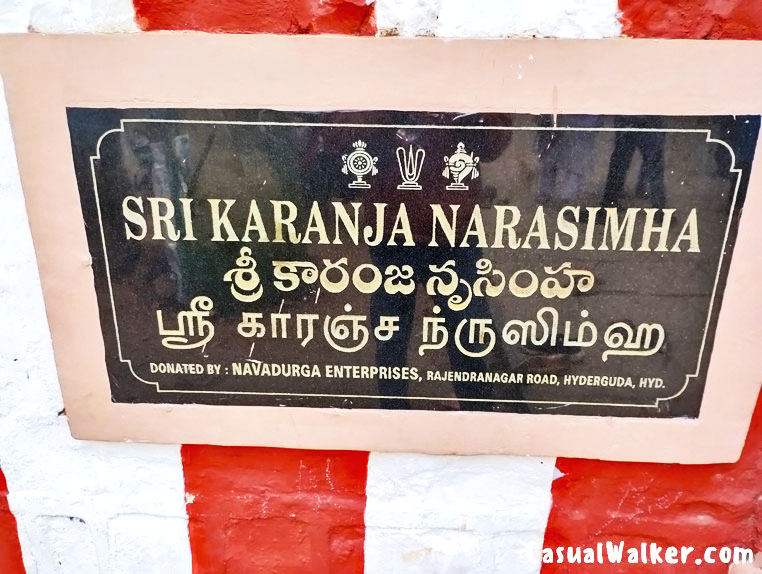
9. Sri Karanja Narasimha Temple – The Lord Under the Sacred Tree
Location: 1 kilometer from Upper Ahobilam, one furlong from the road to Lower Ahobilam
Planet: Chandra (Moon)
Trek Difficulty: Easy – roadside location
Temple Timings: 6:00 AM – 12:00 PM and 4:00 PM – 8:00 PM
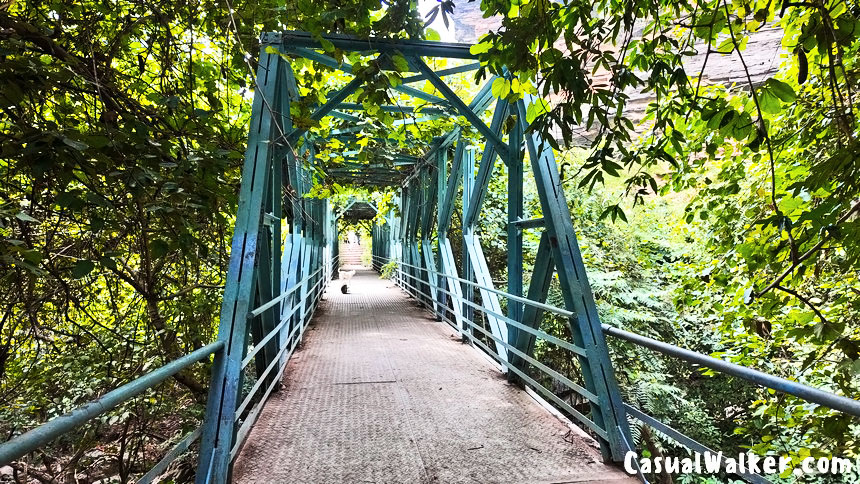
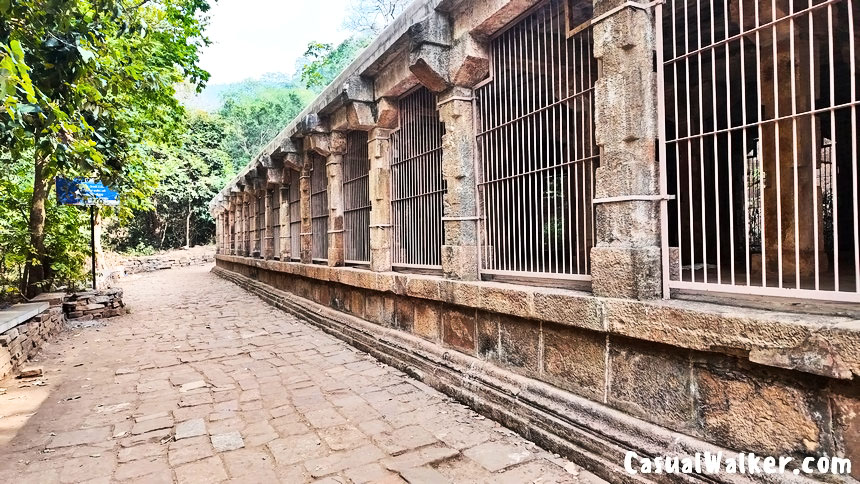
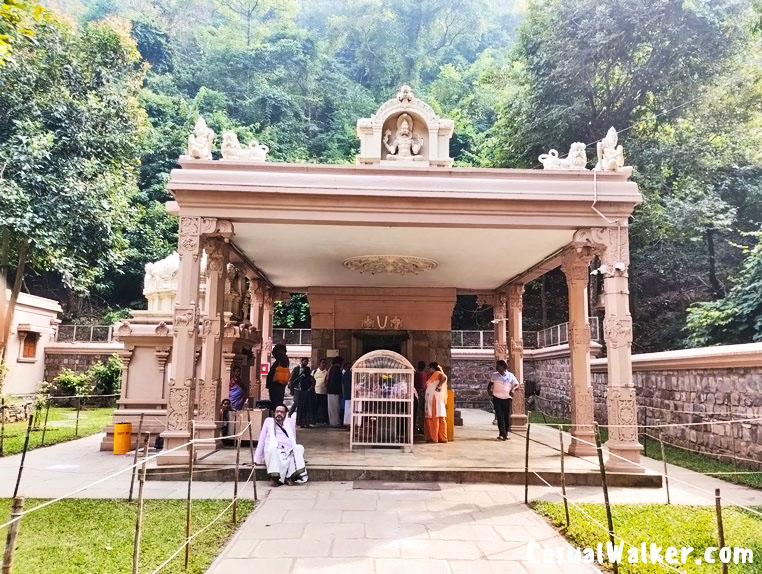
As I made my way back toward Lower Ahobilam, I stopped at the beautiful Karanja Narasimha Temple, conveniently located near the road connecting Upper and Lower Ahobilam. This made it one of the easiest shrines to access, yet its spiritual power is no less profound.
Sacred Yantram at Karanja Narasimha Temple
At Karanja Narasimha Temple, devotees can purchase the sacred Narasimha Yantram—a consecrated neck dhayam (amulet) believed to embody Lord Narasimha’s protective energies. This yantram is designed as a dhayam (amulet) to be worn around the neck for continuous divine protection against negative energies and obstacles.
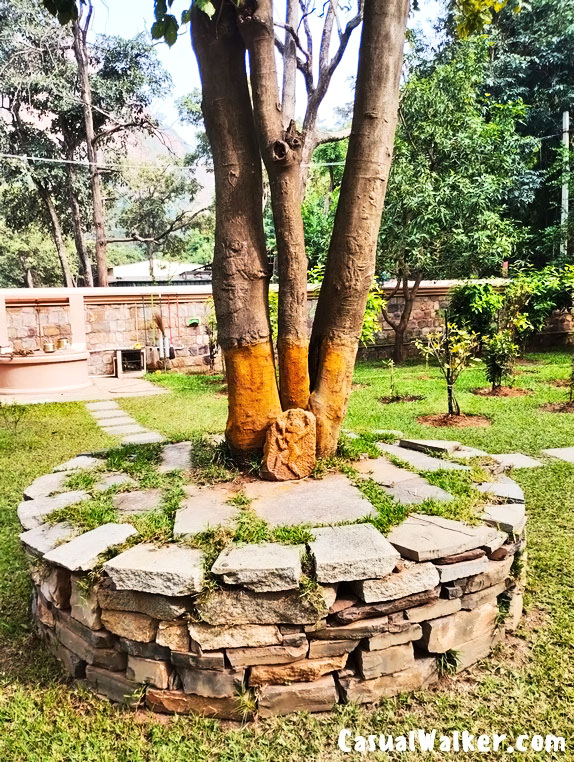
Sacred Karanja Tree
The temple takes its name from the Karanja Vruksham (tree) under which the deity was originally installed. Even today, the natural setting maintains this connection to the sacred tree, creating an organic temple environment where divinity and nature merge seamlessly.
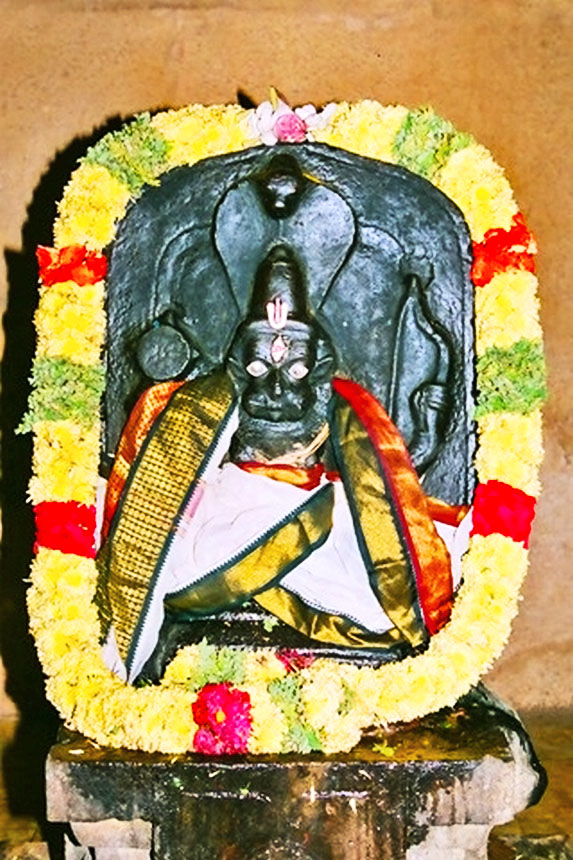
The Karanja Narasimha deity is absolutely magnificent and perfectly matches the ancient dhyana sloka (meditation verse) describing this form:
- Seated in Yogasana (meditative posture) with four hands
- Right upper hand holds the Chakra (discus)
- Left upper hand holds the Sarangam (divine bow)
- Most uniquely – possesses a third eye on his forehead (Phalanetra)
This three-eyed form is extremely rare among Narasimha manifestations and represents omniscience – the ability to see past, present, and future simultaneously.
Historical Significance and Divine Blessings
According to temple tradition, Gobila Maharshi received supreme knowledge directly from Karanja Narasimha through his worship here. Additionally, Hanuman – the greatest devotee of Lord Rama – worshipped at this very spot, recognizing that Rama and Narasimha are one divine consciousness.
Phalanetra – Third Eye of Wisdom
Third eye (Phalanetra) represents several profound concepts:
- Divine wisdom and knowledge beyond ordinary perception
- The ability to destroy ignorance instantly
- Omniscience – seeing all three periods of time
- The power to protect devotees from unseen dangers
Annamacharya’s Sacred Composition
The legendary devotee-composer Thallapaka Annamacharya was so moved by Karanja Narasimha that he composed the famous sankeerthana:
“Phalanetranala Prabala vidyulatha keli vihara Lakshmi Narasimha”
This composition celebrates the Lord with the forehead eye, whose consort Lakshmi plays like brilliant lightning. Even today, this song is sung during special occasions at the temple.
After the challenging treks earlier in the day, finding Karanja Narasimha so easily accessible felt like the Lord’s grace ensuring all devotees could receive his darshan regardless of physical capability. The three-eyed form is mesmerizing, and sitting before this deity, I felt a deep sense of inner wisdom awakening.
The roadside location means you’ll often encounter other pilgrims here, creating a community atmosphere of shared devotion. The priests are welcoming and happy to explain the significance of the third eye and share stories of miracles associated with this form.
Chandra Sthala: Temple of the Moon
Karanja Narasimha with his third eye is the presiding deity for Chandra (Moon). The Moon represents the mind, emotions, intuition, mental peace, motherhood, nurturing, and the gentle, receptive aspects of consciousness.
Moon governs
- Mental peace and emotional stability
- Mother relationships and maternal instincts
- Intuition and psychic sensitivity
- Nourishment and nurturing
- Adaptability and responsiveness
- Memory and subconscious patterns
- Emotional well-being and inner calm
Worshipping at Karanja Narasimha Temple particularly benefits
- Anyone seeking inner peace and emotional healing
- Those seeking mental clarity and emotional balance
- People experiencing Moon mahadasha or difficult transits
- Individuals dealing with anxiety or emotional disturbances
- Those wanting to strengthen mother-child relationships
- Students and anyone seeking enhanced memory
- People developing intuitive abilities
Completing the Sacred Circuit: Essential Temples at Lower Ahobilam
Trek Difficulty Assessment
Easy: Karanja Narasimha (roadside), Yogananda, Chatravata, Bhargava (all at Lower Ahobilam)
Moderate: Ahobila Narasimha (50 steps), Lakshmi Narasimha, Malola (100 steps), Kroda/Varaha (1 km trek)
Challenging: Jwala Narasimha (1 hour steep climb through rocky terrain)
Very Challenging: Pavana Narasimha (4 km walk OR rough jeep ride), Ugra Stambham (additional 1 hour beyond Jwala)
My Transformative Experience
As the sun began its descent over the Nallamalai Hills, I completed my circuit of the Ahobilam shrines, my heart overflowing with gratitude and divine bliss. Each temple had offered a unique facet of Lord Narasimha’s infinite personality – from the fierce protection of Jwala to the tender love of Malola, from the cosmic wisdom of Karanja to the purifying grace of Pavana.
The physical challenges of trekking through rocky paths, climbing steep inclines, and navigating difficult terrain transformed from obstacles into spiritual opportunities. Every drop of sweat became an offering, every challenging step a prayer, every moment of exhaustion a reminder of ego’s limitations.
Every Devotee Must Visit Ahobilam
This pilgrimage is not just about ticking off nine temples from a list. It’s about:
- Confronting your limits and discovering inner strength you didn’t know existed
- Experiencing divinity in both fierce and gentle manifestations
- Connecting with ancient traditions preserved for millennia
- Purifying karma through the combined blessings of nine powerful forms
Planetary Perfection
Completing the full Nava Narasimha circuit ensures you’ve propitiated all nine planets (Navagrahas), receiving comprehensive astrological and karmic relief:
- Sun (Surya) – Bhargava Narasimha
- Moon (Chandra) – Karanja Narasimha
- Mars (Kuja/Angaraka) – Jwala Narasimha
- Mercury (Budha) – Paavana Narasimha
- Jupiter (Guru) – Ahobila (Ugra) Narasimha Swamy
- Venus (Shukra) – Malola Narasimha Swamy
- Saturn (Shani) – Yogananda Narasimha
- Rahu – Krodha (Varaha) Narasimha
- Ketu – Chatravata Narasimha
It’s important to acknowledge that this pilgrimage, once described by Thirumangai Azhwar as extremely difficult:
“sendru kandarkku ariya kovil”has been transformed into
“sendru kaandarku eliya (easy) kovil”
but today through the dedicated efforts by the Ahobila Math, improved paths, and well maintained temples make this sacred circuit accessible to devotees of all ages and capabilities.
Ahobilam’s physical demands—trekking, climbing, bumpy jeep rides—and remote location with basic facilities test your devotion. The remoteness preserves sanctity, forcing disconnection from worldly concerns for deeper spiritual connection.
Each Ahobilam temple offers unique energy and blessings. The planetary connections feel genuine after experiencing each Narasimha form. The challenges make this pilgrimage unforgettable—easy journeys fade from memory, but this one stays forever. Every challenge becomes a blessing from Lord Narasimha.

Travel Tips for Ahobilam Narasimha Swamy Temple
Address of Ahobilam Narasimha Swamy Temple:
Sri Ahobila Math Paramparadheena
Sri Lakshmi Narasimha Swamy Devasthanam
Ahobilam, Allagadda, Nandyal,
Andhra Pradesh – 518543
Contact / Phone Number: +91 9440120878
Office working hours: Monday to Saturday 10:00 – 17:00 hrs
Practical Information for Pilgrims
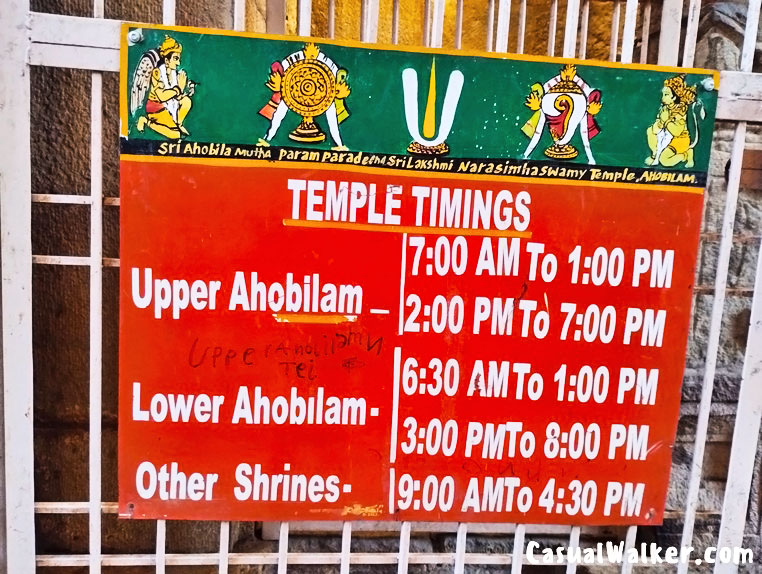
Temple Timings
Upper Ahobilam
Morning: 7:00 AM – 1:00 PM
Evening: 2:00 PM – 7:00 PM
Upper Ahobilam
Morning: 6:30 AM – 1:00 PM
Evening: 3:00 PM – 8:00 PM
Other Shrines
Morning: 9:00 AM – 4:30 PM
Best Time to Visit
Winter (October-February): Most comfortable weather
Monsoon (July-September): Lush greenery but slippery paths
Summer (March-June): Hot but manageable with early starts; fewer crowds
Optimal Pilgrimage Planning
One Day (Physically Fit): Possible to cover all nine temples with very early start and focused approach – expect 12+ hours of continuous movement
Two Days (Ideal): Complete experience with time for rest, reflection, and absorbing the spiritual energy
Special Visiting Days
Swathi Nakshatra: Monthly thirumanjanam (abhishekam) for all nine Narasimhas
Brahmothsavam: 10-day festival in Masi (February-March) – grand celebrations with huge crowds
Regular Fridays and Sundays: Higher devotee footfall but vibrant atmosphere
Essential Trek Tips
Comfortable trekking shoes, traditional clothes for temples, cap, sunglasses, sunscreen, face mask (for jeep rides), water bottles, and a small backpack.
Start by 7:00 AM to avoid heat. Hire guides for Jwala, Ugra Stambham, and Pavana. Wear sturdy footwear, carry 2 liters of water per person, and pack light snacks.
Transportation & Doli Services
Hiring Guides and Vehicles at Ahobilam
For Pavana and Bhargava temples: Jeep hire is essential. For complete circuit: Local guides available, highly recommended for first-time visitors For trekking temples: Guides essential for Jwala Narasimha and Ugra Stambham.
Doli Service at Ahobilam
Doli service is available to reach the upper Ahobilam instead of trekking, which costs Rs. 4,000 per person and made the journey much easier since the route involves significant climbing—this is an excellent option for elderly visitors, those with physical challenges, or anyone who finds trekking difficult.

How to Visit Ahobilam Narasimha Swamy Temple
By Road: By Bus: Direct buses operate from Chennai to Ahobilam, though they are not very frequent. A more reliable option is taking a bus to Allagadda (approximately 25 km from Ahobilam), with services operated by APSRTC throughout the day and evening. The total journey time is approximately 10-12 hours.
From Allagadda, local buses and autos are readily available to cover the final 20-25 km to Ahobilam. The distance from Chennai to Ahobilam by road is approximately 365-400 km, taking around 7-9 hours depending on traffic and road conditions.
Self-Drive/Taxi: The distance from Chennai to Ahobilam by road is approximately 365-370 km via the route: Chennai → Kanchipuram → Chittoor → Kadapa → Allagadda → Ahobilam. The journey takes approximately 7-8 hours depending on traffic and road conditions. The roads are generally well-maintained, with a mix of national and state highways providing smooth connectivity. Road travel is particularly advantageous for families and groups.
By Train: The nearest railway station to Ahobilam is Nandyal Railway Station, located approximately 60-70 km away. From Chennai, several train options are available on this route, departing from Chennai Egmore. The journey typically takes approximately 10-12 hours, with services offering comfortable overnight travel, allowing passengers to rest during transit and arrive fresh for their temple visit.
Upon reaching Nandyal Railway Station, pilgrims can hire a taxi for the remaining 60-70 km journey to Ahobilam, which takes approximately 1.5-2 hours through picturesque rural landscapes. Alternatively, travelers can take a train from Chennai to Guntakal (which is 190 km from Ahobilam) and then continue by bus or taxi.
By Air: The nearest airport to Ahobilam is Kadapa Airport, which has direct flights from Chennai and Bangalore. Chennai Airport (Chennai International Airport) offers excellent connectivity, and from there travelers can book a direct flight to Kadapa, which takes approximately 1 hour. From Kadapa Airport, Ahobilam is about 100 km away, requiring a 2-hour taxi or cab ride through scenic countryside. This option significantly reduces travel time and is ideal for travelers seeking convenience and comfort.
Alternative options include flying to Tirupati Airport (approximately 220-280 km away) or Rajiv Gandhi International Airport in Hyderabad (around 350-360 km from Ahobilam). Both airports offer multiple daily flights from Chennai with excellent connectivity. From these airports, travelers need to continue their journey by hiring a taxi or taking a combination of train and road transport to reach Ahobilam. Flight travel is perfect for those with limited time, elderly pilgrims, or international travelers wanting to minimize journey fatigue while embarking on this spiritual pilgrimage.

Our Similar Famous Temple Photo Stories: