





Sivapoomi Palace of Thiruvasagam Temple in Navatkuli, Jaffna, Sri Lanka: A Unique Temple with 658 Sacred Thiruvasagam Verses Carved on Walls & 108 Shivalingams | Life & History of Manikkavasagar – One of the Nalvar, Most Prominent Shaivite Saints | Complete Visitor Guide, Timings, Contact Details & Festivals (Updated)
– a palace devoted to thiruvasagam’s sacred tamil poetry

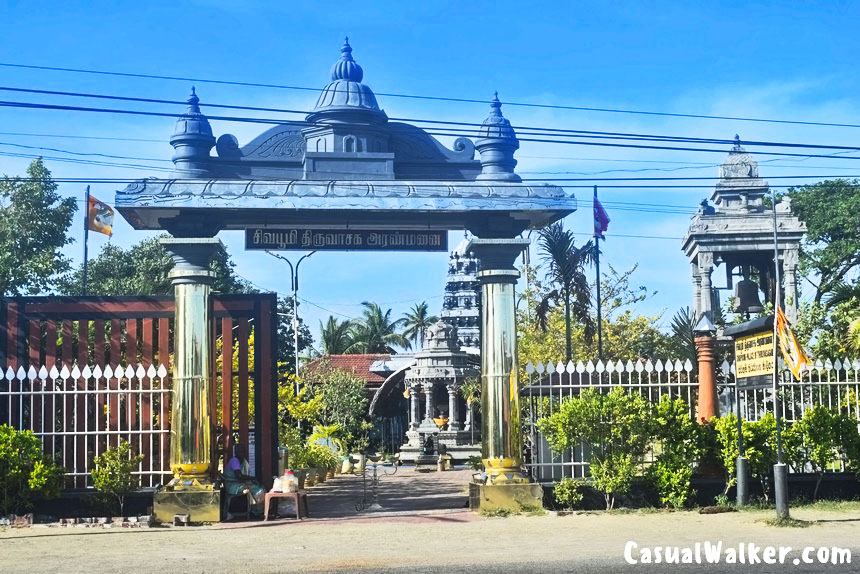
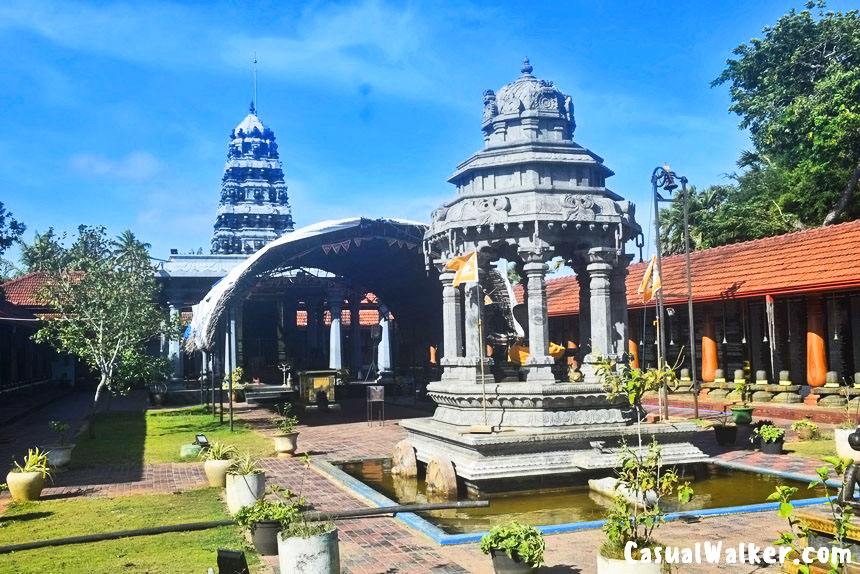
Sivapoomi Palace of Thiruvasagam Temple, also known as Thiruvasaga Aranmanai in Navatkuli, Jaffna / Yalpanam, Sri Lanka, where all 658 verses of the sacred Thiruvasagam were carved into black granite walls, was beyond anything I could have imagined – a living testament to Tamil devotional poetry and an architectural marvel that pulls you into the depths of Shaivite bhakti tradition. 
Sivapoomi Palace of Thiruvasagam Temple – Born from a Mystic Vision
In 2017, Shri Aru Thirumurugan, an educator, founder of Shivapoomi Trust and social worker from Jaffna, was delivering a lecture on Thiruvasagam at a conference in Thiruvannamalai. After his talk, a mysterious siddhar approached him with words that would change everything: “Sri Lankans live and breathe Thiruvasagam. You must do something to safeguard this heritage.”
The siddhar invoked the example of Raja Raja Chola, who built the magnificent Thanjavur temple despite limited stone resources, emphasizing that where there’s will, means will follow. Shri Thirumurugan never saw this enigmatic figure again, but the encounter planted a seed that would blossom into the Sivapoomi Palace.
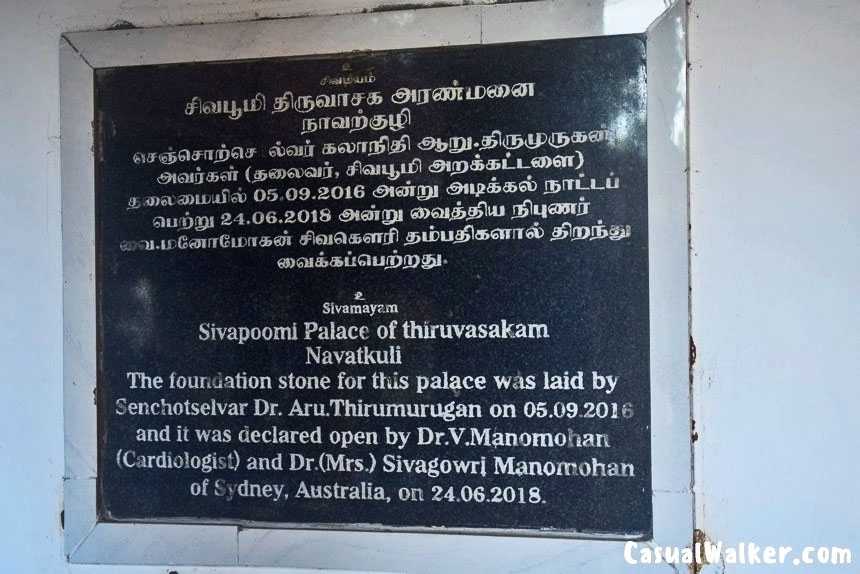
Later that year, while in Australia with cardiologist Shri V. Manomohan and his wife Shri Siva Gowri Manomohan, Shri Thirumurugan shared his vision. Without hesitation, Shri Manomohan offered a prime 10-acre plot on Kandy Road in Navatkuli for the project. This spontaneous act of devotion set the miraculous tone for everything that followed.
Sacred Architecture – The Stone Chariot and Main Deities
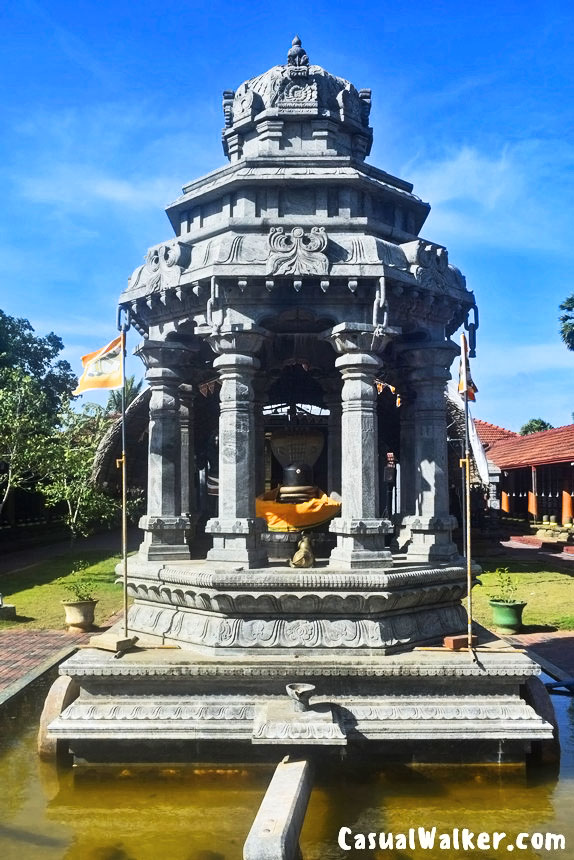
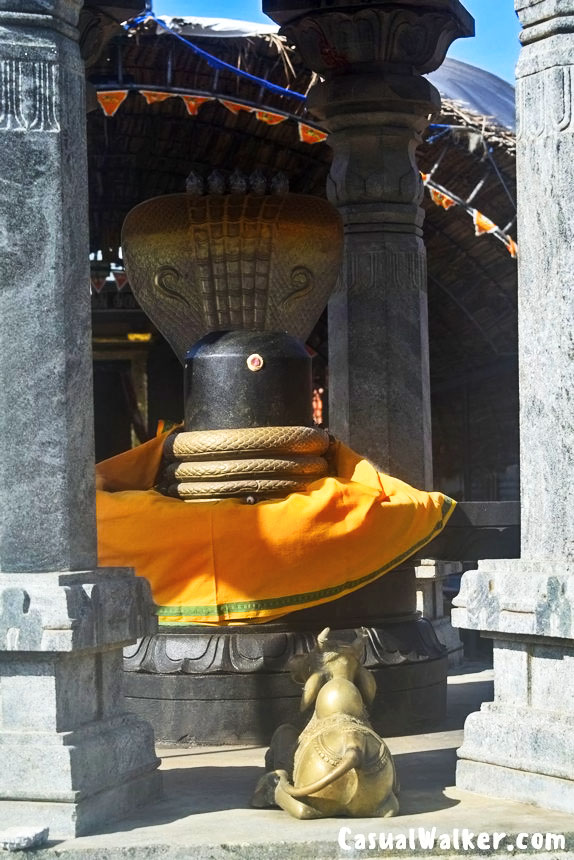
The stunning 21-foot-high granite chariot, an architectural masterpiece, inspired by the ancient stone chariots of Mamallapuram, houses a massive Shivalingam alongside the sacred murti of Saint Manikkavasagar. Created by renowned sculptor K. Purushothaman Stapathi from Chidambaram.
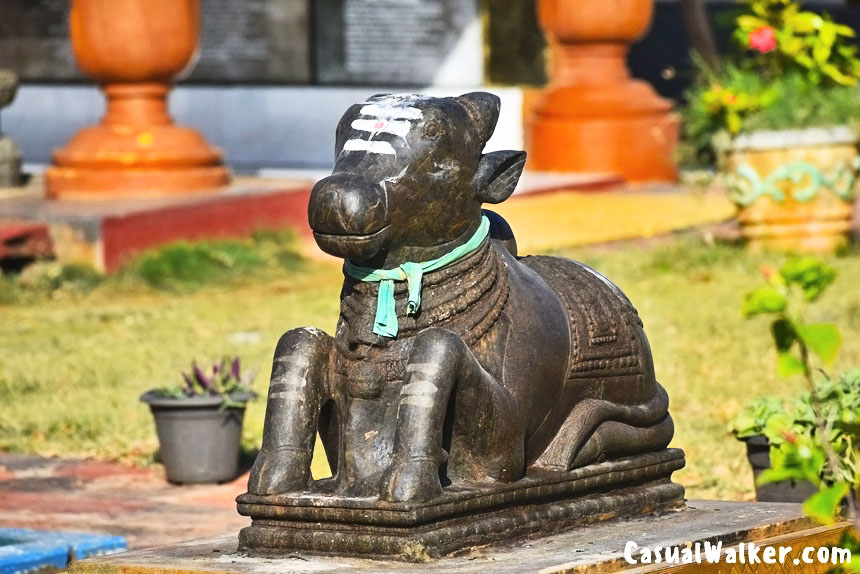
Standing guard before the chariot is a magnificent Nandi carved from black granite, while nearby you’ll find shrines to Lord Ganesha and Sage Agasthiyar.
Dakshinamurti’s Timeless Wisdom
The main deity of the temple is Lord Shiva as Dakshinamurti – the silent teacher who sits beneath the Kuruntha tree, hand raised in the gesture of abhaya, imparting wisdom through profound silence. This form was specifically chosen because this is how Shiva appeared to Manikkavasagar, transforming a royal minister into one of history’s greatest devotional poets.
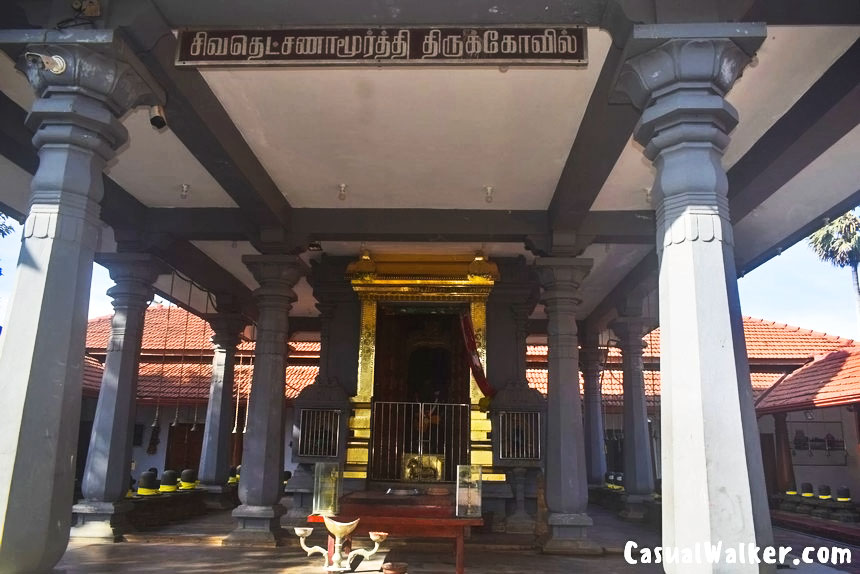
The four-and-a-half-foot murti faces south, embodying the guru who teaches without words, offering grace and spiritual initiation to all who approach with sincere hearts.
108 Shivalingams: A Vision Made Real
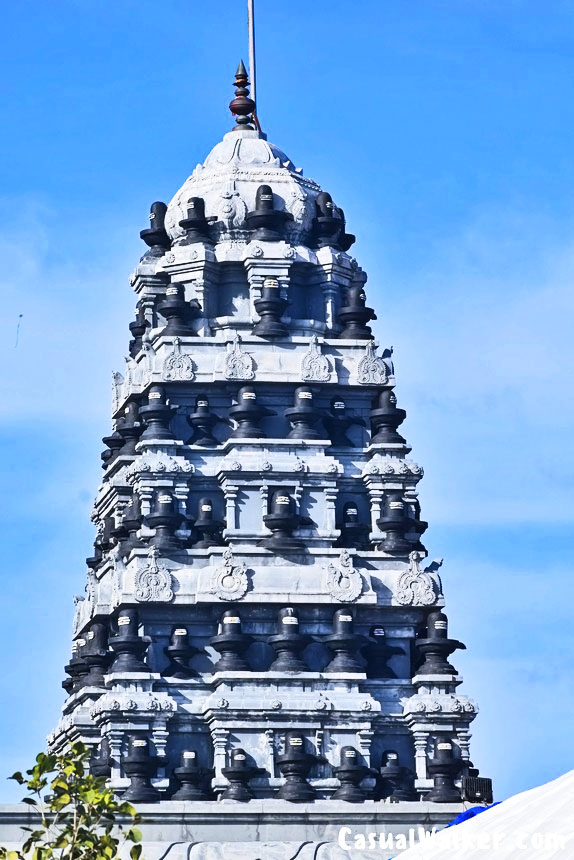
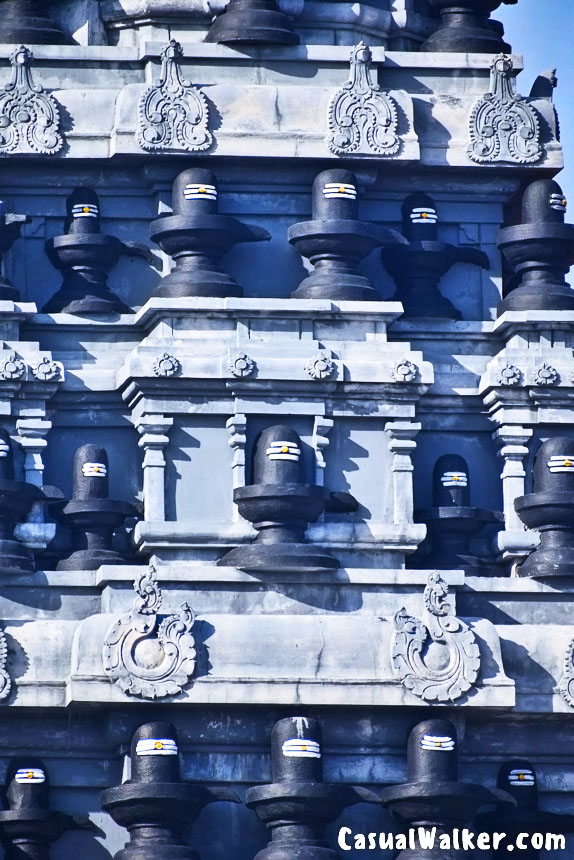
One of the most striking features emerged from Shri Thirumurugan’s dreams during construction. While building the vimana – the temple tower, he dreamed of it filled with Shivalingams. The next morning, he shared this vision with his team, and the plan changed – instead of traditional statuettes, the five-tiered tower would be adorned with black stone Shivalingams.
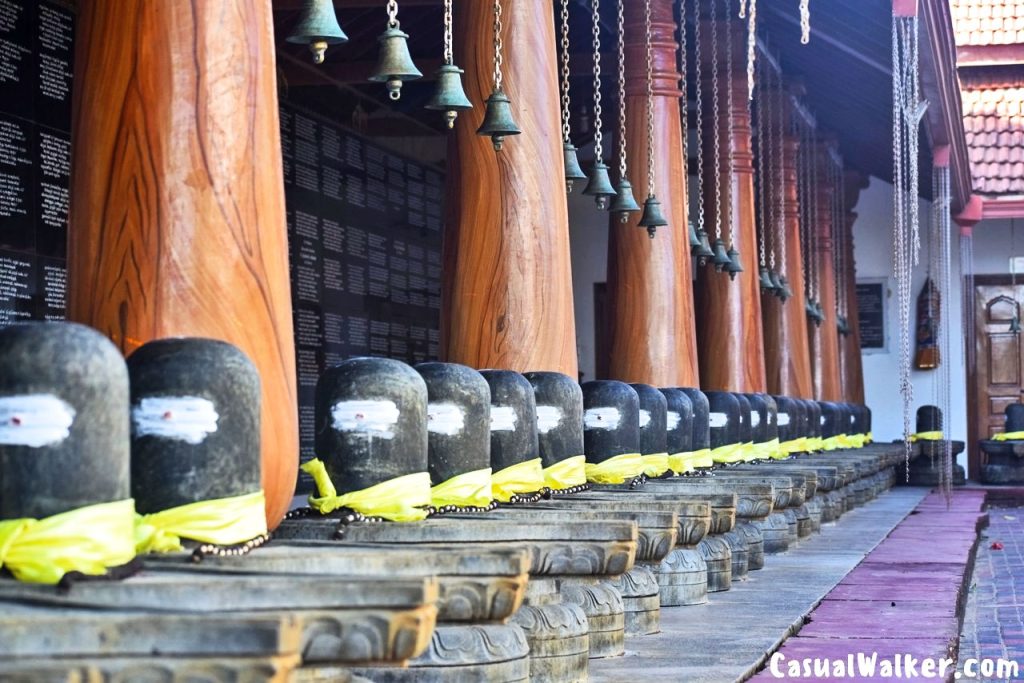
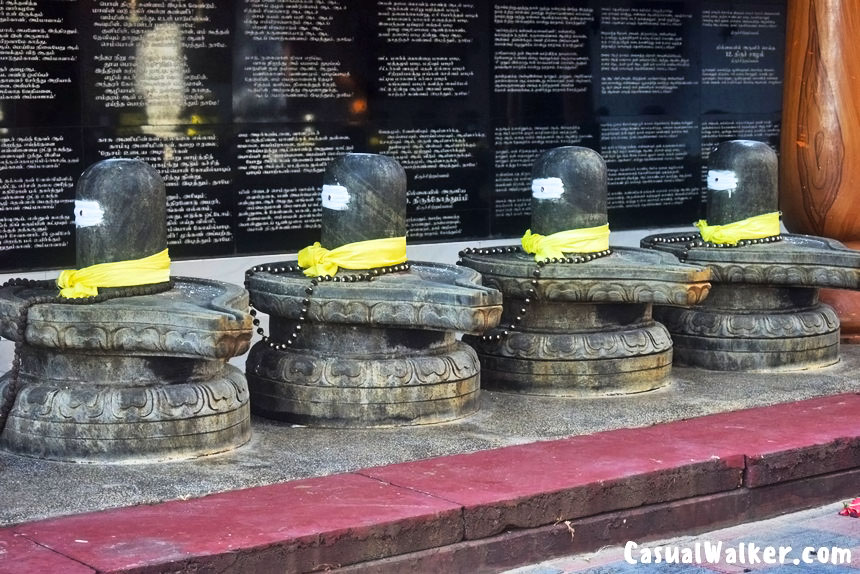
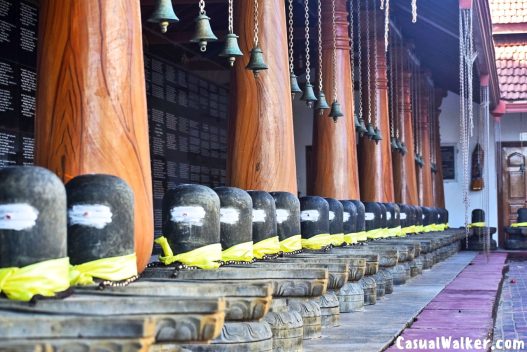
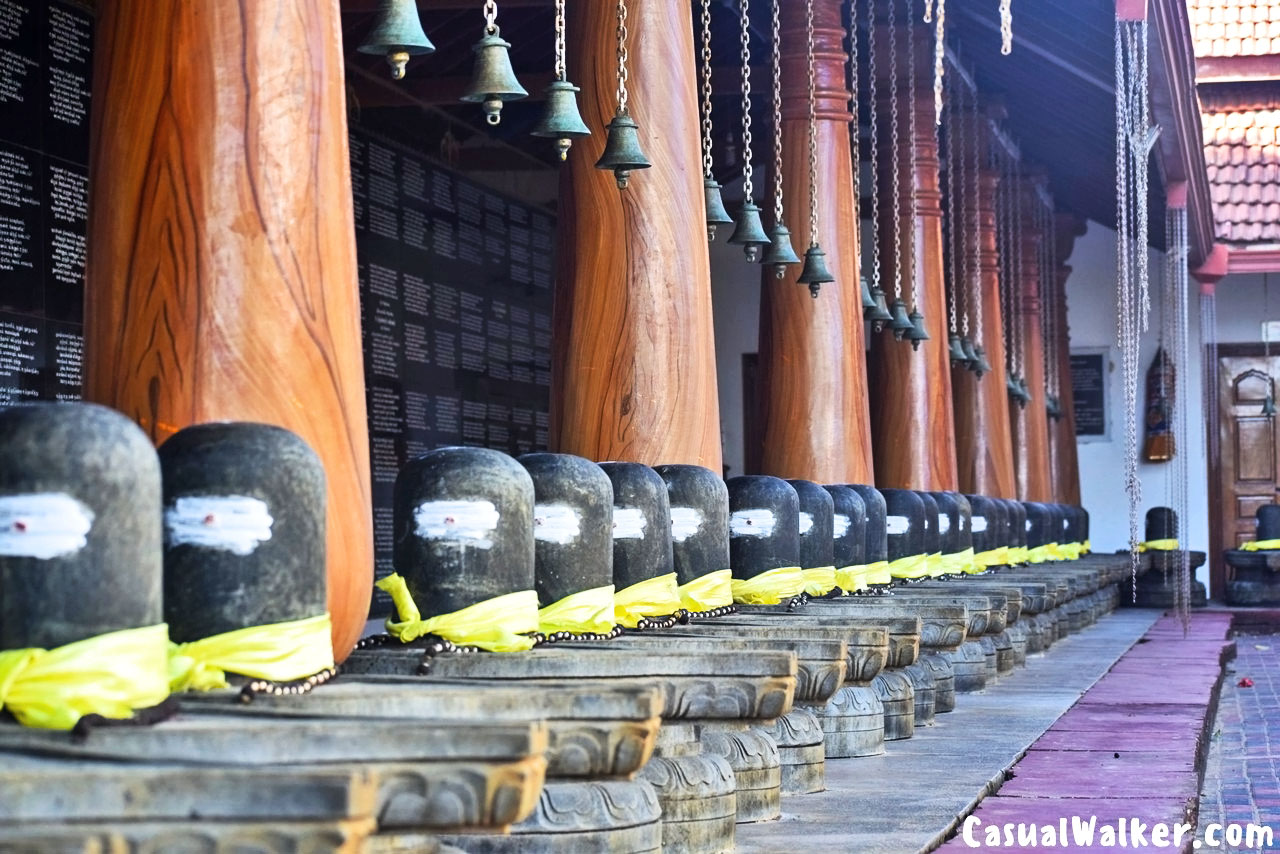
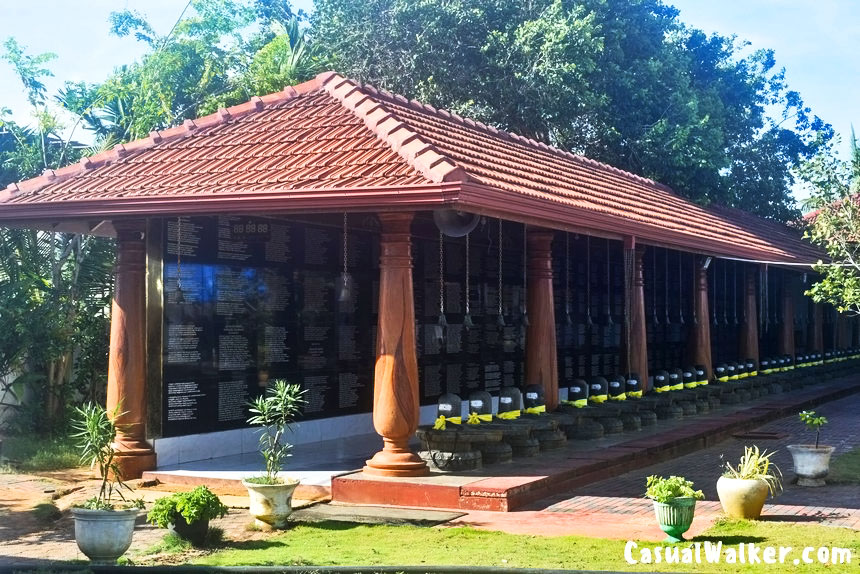
Today, 108 perfectly carved Shivalingams, each three feet tall with a diameter of two-and-a-half feet, stand in the temple’s prakaram – the outer corridor. Each one is draped in silk veshti cloth and adorned with 108-bead rudraksha malas. Above each lingam hangs a bell, and the constant ringing as devotees pour water and circumambulate creates a symphony of devotion that fills the air from dawn to dusk. These Shivalingams were crafted by local Jaffna sculptors from the traditional sipli tradition.
Thiruvasagam Carved in Granite Stone
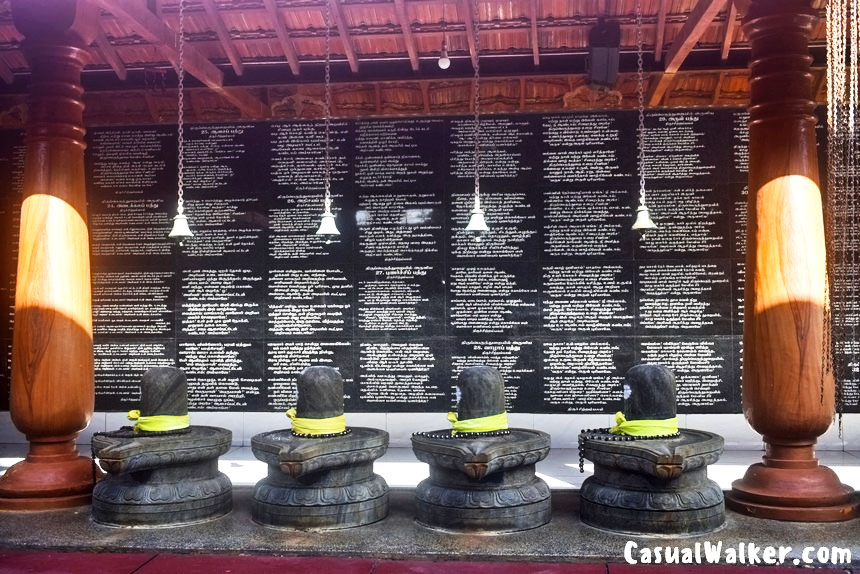
What truly sets this temple apart is the complete inscription of the Thiruvasagam on polished black granite wall panels lining the corridors. All 658 verses of the 51 compositions are hand-carved in Tamil script – a feat that took 18 months to complete. The artisan behind this monumental work using only traditional hand tools and chisel, meticulously carved every verse, creating what many call an unprecedented achievement in temple architecture.
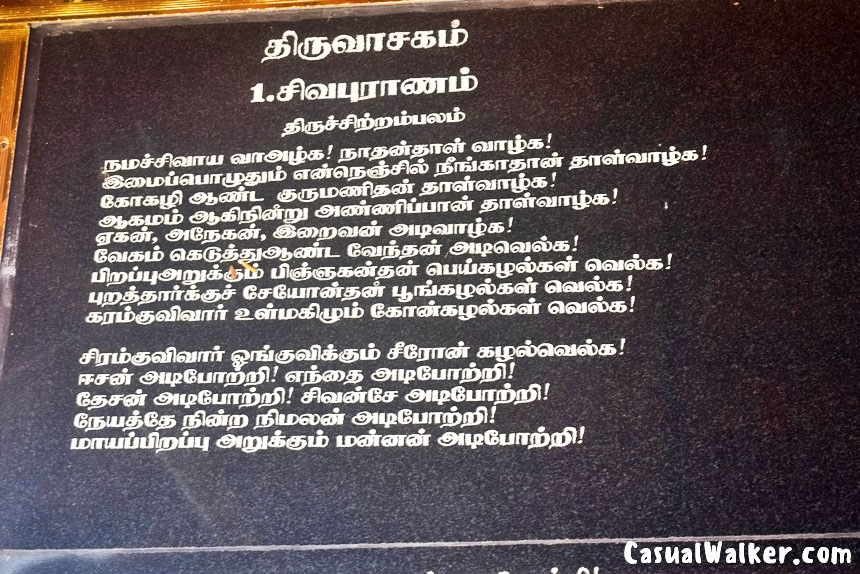
At the end of one corridor, visitors discover the first poem, Siva Puranam, engraved in twelve different language scripts including Tamil, Sinhala, Malayalam, Kannada, Telugu, and even Arabic. This multilingual presentation honors the universal appeal of Manikkavasagar’s devotional poetry.
Manikkavasagar’s Timeless Legacy, An Poet-Saint – From Minister to Mystic
Manikkavasagar was born in the 9th century CE in Thiruvathavur, a town on the River Vaigai south of Madurai. His brilliance was recognized early, and he became prime minister to Pandya King Varagunavarman II (862-885 CE) while still quite young.
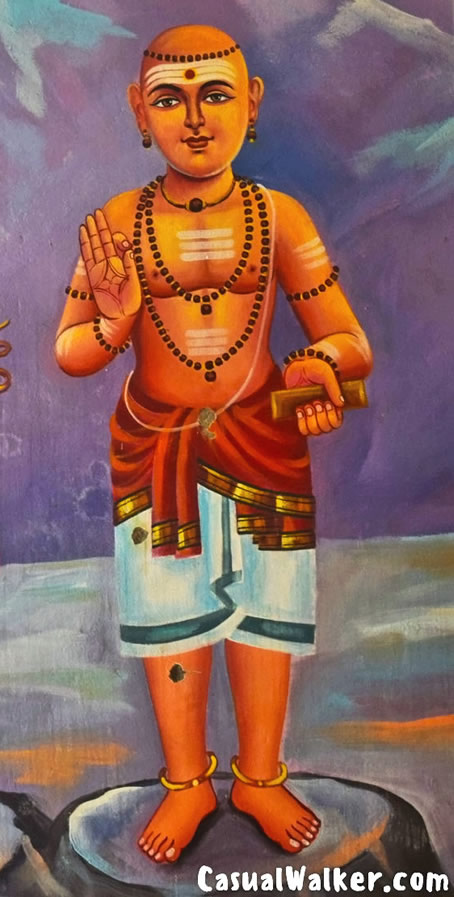
The turning point in his life came when the king sent him to purchase special horses from a foreign trader in the distant city of Perunturai. On the journey, Manikkavasagar encountered a group of devotees seated around a sage beneath a Kuruntha tree. The spiritual serenity radiating from this guru overwhelmed him, and he immediately knew his worldly life was over.
In his religious fervor, he gave away all the funds meant for purchasing horses to the guru. When the guru and disciples mysteriously disappeared, leaving him alone, the weight of his earthly duties crashed back upon him. In desperation, he prayed to Shiva, and a miracle occurred – nearby jackals transformed into beautiful horses.
Manikkavasagar returned to a pleased king, but at midnight the horses reverted to jackals, their howling waking everyone. Enraged, the king ordered Manikkavasagar tied to stones in a dry riverbed to die of heat exposure. Through the saint’s prayers, Shiva filled the river with water, flooding Madurai itself until the king withdrew his punishment. Soon after, Shiva appeared in human form, and the king realized Manikkavasagar was no ordinary man, releasing him from state duties to pursue his spiritual calling.
Journey to Oneness
Manikkavasagar wandered from Shiva temple to Shiva temple throughout South India, performing sadhana and tapas. His hymns from this period express very human emotions – lamenting to Shiva not to forsake him, praying to keep his mind from worldly distractions, yearning desperately to merge in divine love.
His spiritual journey culminated at the Chidambaram Nataraja Temple, where his devotion reached its ultimate expression. According to tradition, one morning mystic hymns appeared before the Nataraja deity, seemingly written by the deity himself. When devotees sought out Manikkavasagar to explain their meaning, he simply said, “What it means is this…” and walked to the Nataraja murti, dissolving his essence into it and disappearing before their awestruck eyes.
Thiruvasagam – The Sacred Utterances
The Thiruvasagam – which means the Sacred Utterances and its companion work Thirukovayar constitute the eighth volume of the Tirumurai, the sacred anthology of Tamil Shaiva Siddhanta. These 51 compositions express aspirations, trials, and realizations, celebrating the Namasivaya mantra and nurturing profound love for Shiva.
A traditional Tamil saying captures its essence: “Those who do not melt at Thiruvasagam will not melt at any utterance:
திருவாசகத்திற்கு உருகாதார், ஒரு வாசகத்திற்கும் உருகா
Thiruvasagathukku Urugaar, Oru Vasagathukkum Urugaar
Which means the one who does not melt for Thiruvasagam will not melt for any literary work. The poetry is filled with bhakti rasa – the devotional essence, describing the yearning for Shiva’s grace to lift the soul from mundane existence to spiritual heights.
Festivals at Sivapoomi Palace of Thiruvasagam Temple
Full Moon Gatherings
Every Purnima (full moon day), devotees travel from across Sri Lanka and even India to gather at the Palace, spending the morning hours singing the complete Thiruvasagam together. The collective recitation of these sacred verses creates an atmosphere of profound devotion.
Maha Shivaratri: The Grand Celebration
The biggest festival is Maha Shivaratri, when an astounding 100,000 people visit over a 24-hour period. The entire complex transforms into a sea of devotion, with continuous prayers, abhishekams, and bhajans throughout the night as devotees observe the traditional vigil.
Sivapoomi Trust’s Mission
The Sivapoomi Palace is more than a temple – it’s the heart of Shri Thirumurugan’s broader vision for spiritual and social welfare through the Sivapoomi Trust, founded in 2002.
Thiruvasagam Research Library
Inside the complex is an extensive library housing hundreds of books, translations, and articles on Thiruvasagam, mostly in Tamil. University students, scholars, and the general public can access this collection. A dedicated research laboratory has been established for in-depth study, with residential quarters allowing researchers to stay and immerse themselves in their work.
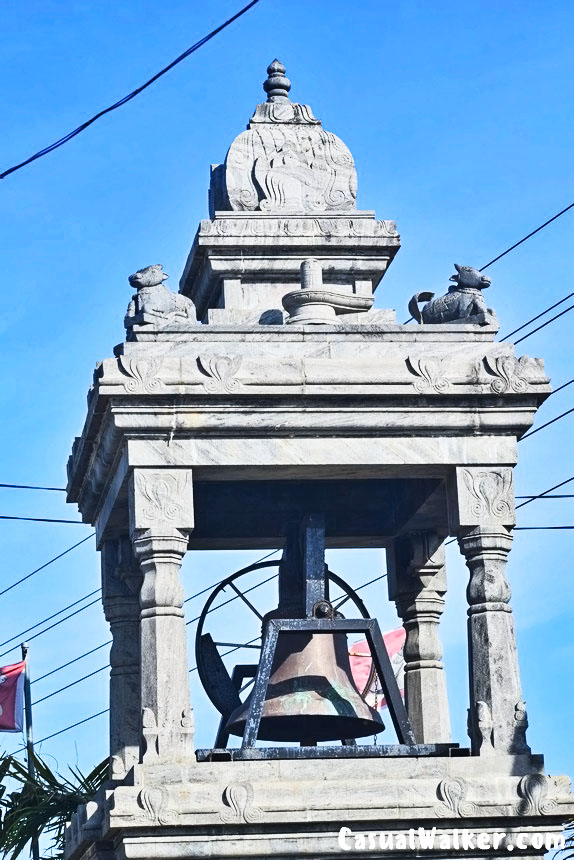
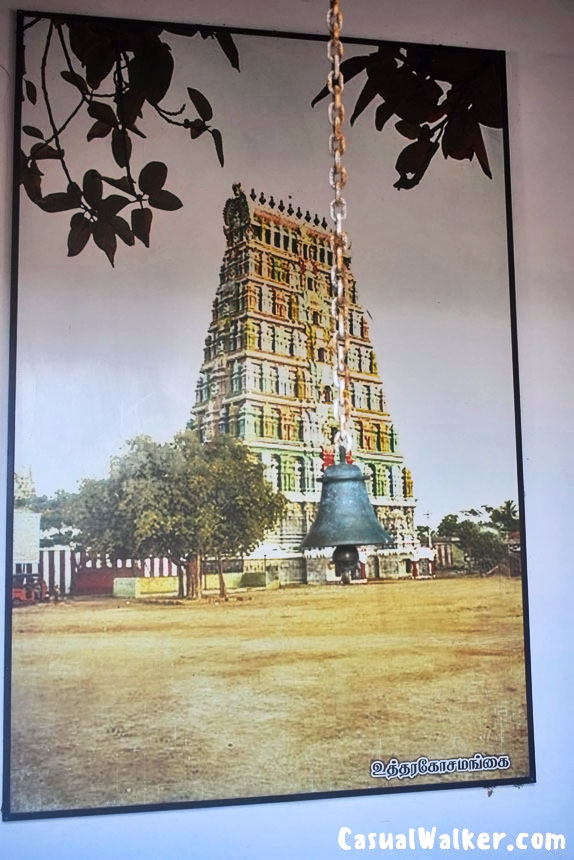
Plans include expanded meditation facilities and a massive bell tower. The bell, made in London, is designed to reverberate 100 times from a single strike, with a sound audible up to two miles away – a call to devotion that will echo across Jaffna.
Sivapoomi’s Broader Social Work
The Sivapoomi Trust also operates an orphanage supporting and educating girls under the Thurkkai Amman Kovil trust, special-needs schools, elderly homes for the poor, spiritual retreats, pilgrimage guest houses, art galleries and ashrams, vocational training programs, a monthly publication, and manuscript digitization projects, all of which grew from Shri Thirumurugan’s initial work with his guru, Thangamma Appakutti, demonstrating how spiritual devotion naturally flows into compassionate service.
Community Behind the Creation – The Donors and Builders of the Sivapoomi Palace of Thiruvasagam Temple
Sivapoomi Palace of Thiruvasagam monumental project was made possible through the generosity of diaspora Tamils and local supporters, with Shri V. Manomohan and Shri Siva Gowri Manomohan from Australia providing the land and significant funding for carving the Thiruvasagam in granite, Aravindan Kailasapillai, an engineer from Araly in the USA, funding the 21-foot granite chariot, additional support coming from devotees in London, Canada, and Australia along with donations from Shri Thirumurugan’s international lecture tours, Sanmuganathan’s team from Urelu, Jaffna handling the construction work, sculptor Purushothaman and his team from India creating the chariot, Dakshinamurti murti, and other sculptural elements, and Anandan Vinoth from Kilinochchi completing the extraordinary task of hand-carving all 658 verses.
The Sivapoomi Palace stands as a powerful statement about preserving spiritual heritage. It’s a living, breathing space where devotion continues to flourish. Most importantly, the Palace proves what that mysterious siddha told Shri Thirumurugan: when you protect and nurture sacred traditions, they in turn protect and nurture you. Thiruvasagam is being preserved, and it’s preserving the spiritual identity of Tamil Shaivites in Sri Lanka.

Travel Tips for Sivapoomi Palace of Thiruvasagam Temple Navatkuli, Jaffna
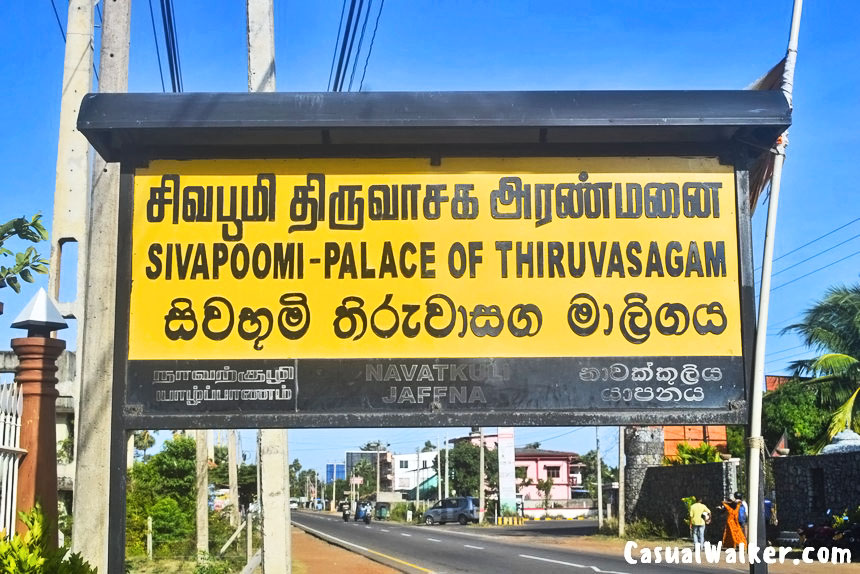
The Sivapoomi Palace is located at A9 Road, Navatkuli, Jaffna, Sri Lanka, near Navatkuli Railway Station, and the 10-acre complex is easily accessible and well-signposted.
Address: Sivapoomi Thiruvasagam Temple, A9, Kandy – Jaffna Highway, Navatkuli, Sri Lanka.
Temple Hours: 6:00 AM – 7:00 PM daily
Contact: +94 212214330 / +94 212052585
Email: sivapoomi@gmail.com
Website: https://sivapoomi.com
Temple Timings and Daily Rituals: The temple opens at 6:00 AM when the priest performs abhishekam and remains open until 7:00 PM daily without breaks. Daily poojas are conducted at 7:45 AM (Morning Pooja), 12:00 PM (Noon Pooja), and 5:30 PM (Evening Pooja).
Best Time to Visit: Thursday mornings for special poojas, or full moon days for group recitations. Visit during Maha Shivaratri if you want to experience the temple at its most vibrant.
How to Visit Sivapoomi Palace of Thiruvasagam Temple Navatkuli, Jaffna
By Road: Visitors can take the A9 highway from Colombo, which is approximately 400 km away and takes about 7-8 hours by car or bus. The A9 is the main arterial road connecting Colombo to Jaffna and is well-maintained with clear signage throughout the journey. From Jaffna city center, the palace is just 15 km away, approximately a 20-minute drive along the same A9 road heading south. Local buses and three-wheelers are readily available from Jaffna town, making it convenient for travelers without private transportation.
By Train: Those traveling by train can take the scenic Colombo-Jaffna line, which offers a comfortable journey through Sri Lanka’s northern landscape. The train journey takes approximately 8-10 hours depending on the service, with several daily departures from Colombo Fort Railway Station. Alight at Navatkuli Railway Station, which is conveniently located within walking distance of the Sivapoomi Palace. The station is well-connected, and the palace’s prominent location makes it easy to spot from the railway platform.
By Air: Fly to Jaffna International Airport (Palaly Airport), located approximately 20 km from the palace, which offers domestic flights from Colombo with a flight time of just 45 minutes. This is the fastest way to reach Jaffna, especially for travelers with limited time. From the airport, visitors can hire a taxi or arrange pre-booked transport to reach Navatkuli, which takes about 30 minutes.

Similar Famous places You May Like to Visit: