




MAYAN – In the Quiet of Form at Art Kin Centre Chennai: A Journey Through Stone and Spirit | A Sculptural Exhibition Celebrating South India’s Ancient Heritage Through Contemporary Granite Masterpieces by Mahabalipuram Artisans
– enduring spirit & magnificence of india’s sculptural heritage
| CasualWalker’s Rating for MAYAN – In the Quiet of Form at Art Kin Centre Chennai : | |

9.9 – Masterfully Sculpted / Curated |
|
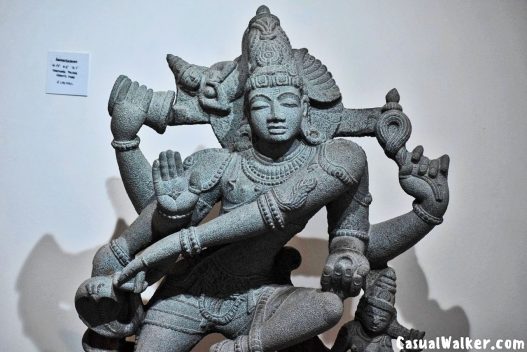
Visiting MAYAN – In the Quiet of Form at Chennai’s Art Kin Centre left me profoundly moved. Walking through the exhibition, I found myself surrounded by approximately 56 sculptures that tell the story of South India’s sculptural evolution—from the glorious Pallava heritage of Mahabalipuram to contemporary interpretations that speak to our modern lives. 
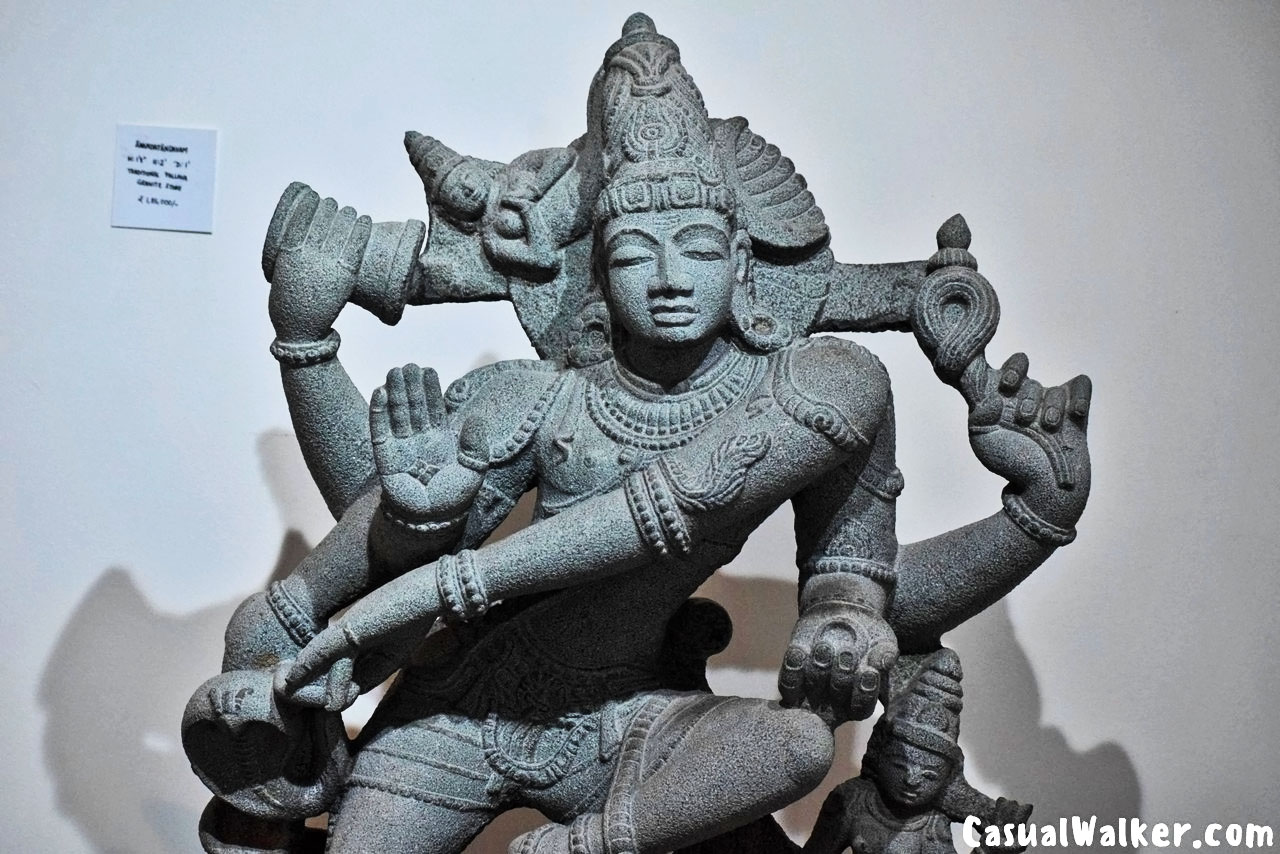
Standing before these towering granite forms, I found myself unexpectedly moved—not just by their beauty, but by the weight of history they carry in their silent grace. MAYAN – In the Quiet of Form isn’t simply an exhibition; it’s a living conversation between centuries, between the master sculptors of the Pallava dynasty and the skilled hands that shape stone in Mamallapuram today.
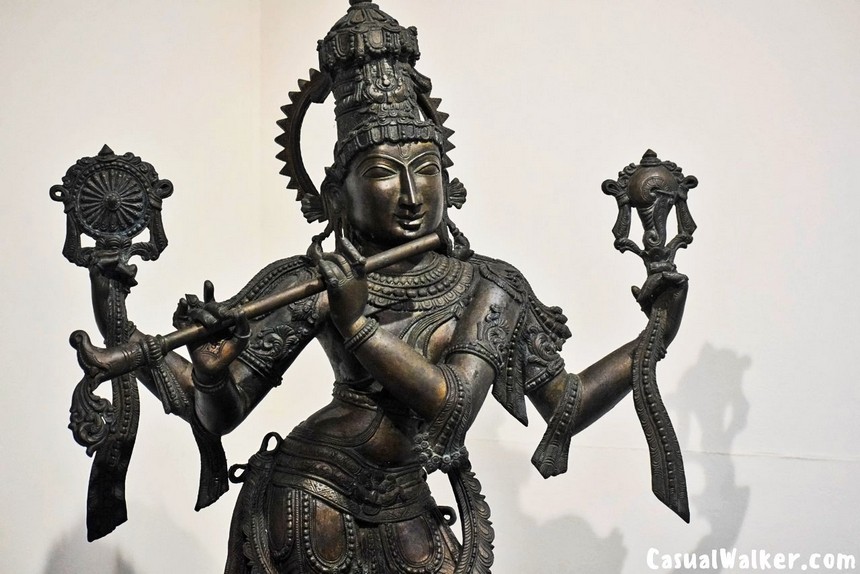
When Stone Becomes Story
There’s something profound about tracing a lineage through form—watching how stone becomes story, how carving transforms into a language of devotion, memory, and endless transformation. This exhibition explores how the enduring legacy of the Pallava dynasty finds new life in the hands of contemporary sculptors who breathe, work, and create in the same coastal town where their ancestors once chiseled miracles from rock.
Traditional temple art was never merely a depiction of the sacred—it served as a didactic medium, a teaching tool, and a picturesque embodiment of cultural expression. During the 7th and 8th centuries, the sculptural art of Mamallapuram reflected a masterful application of the Shilpashastra, those ancient Indian treatises on art and architecture that codified beauty, proportion, and spiritual meaning into stone.
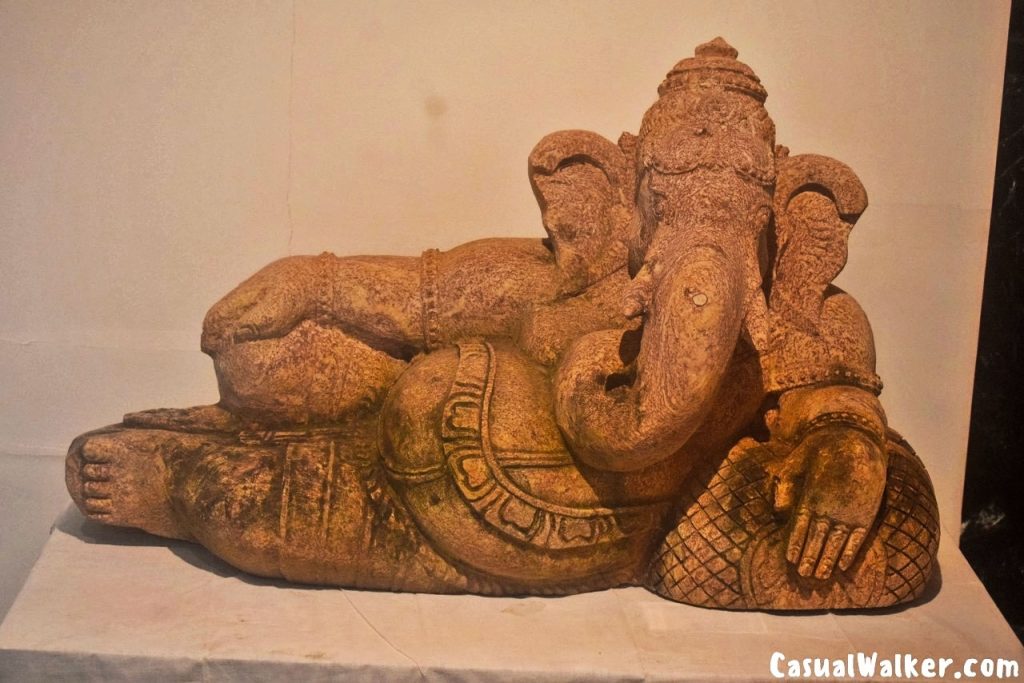
The Pallava artisans, through their monolithic carvings, open-air reliefs, and rock-cut sanctuaries, articulated an extraordinary sense of realism, grace, and movement. That sensibility, that understanding of form and spirit, continues to inspire contemporary practice even today.
A Lineage That Lives and Breathes
What many don’t realize is that this isn’t just history preserved in textbooks—it’s a living tradition that pulses through Mamallapuram today. The town remains home to generations of sthapathis – the traditional artisans who continue to interpret the principles of the Shilpashastra in new and dynamic ways.
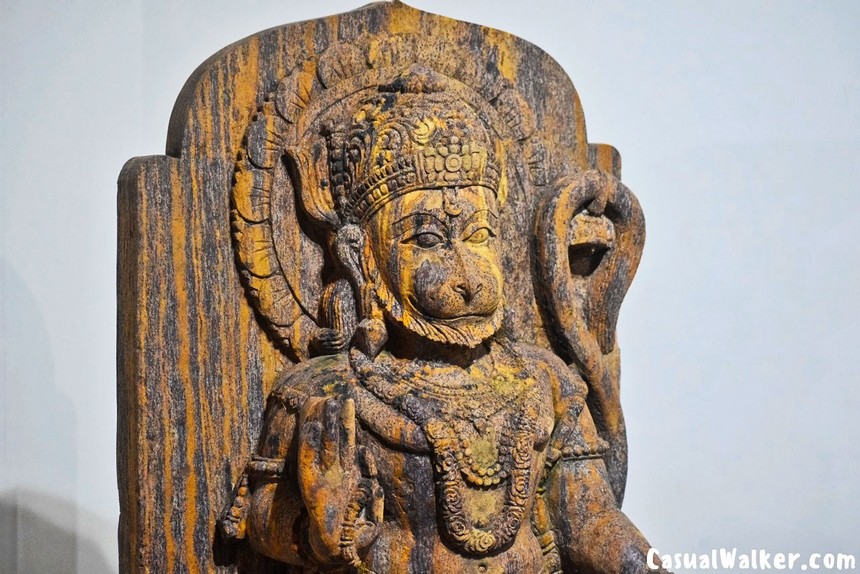
Among these master craftsmen stands Mayan Handicrafts, founded by Kalaichemmal M. Durairaj and now led by his son Rajesh. Their atelier carries this lineage forward with remarkable dedication, bridging ancient representation and modern craftsmanship in ways that feel both reverent and refreshingly contemporary.
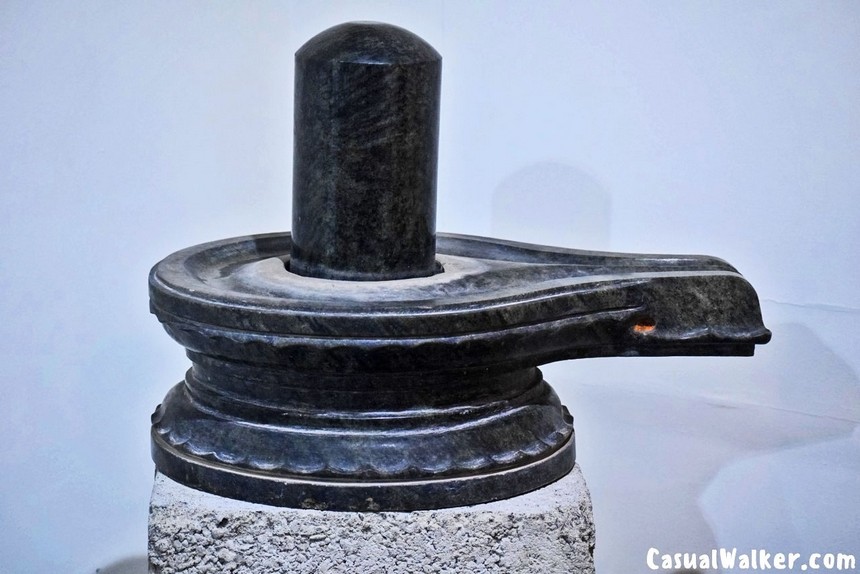
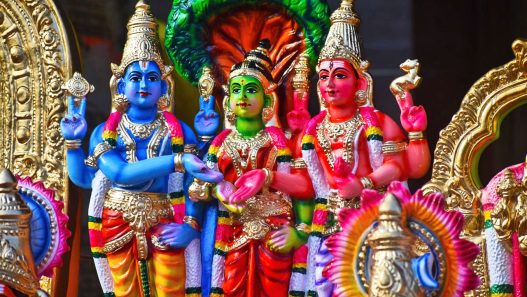
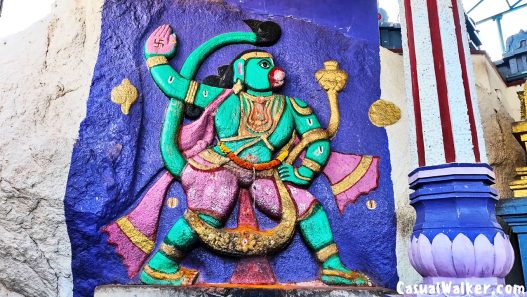
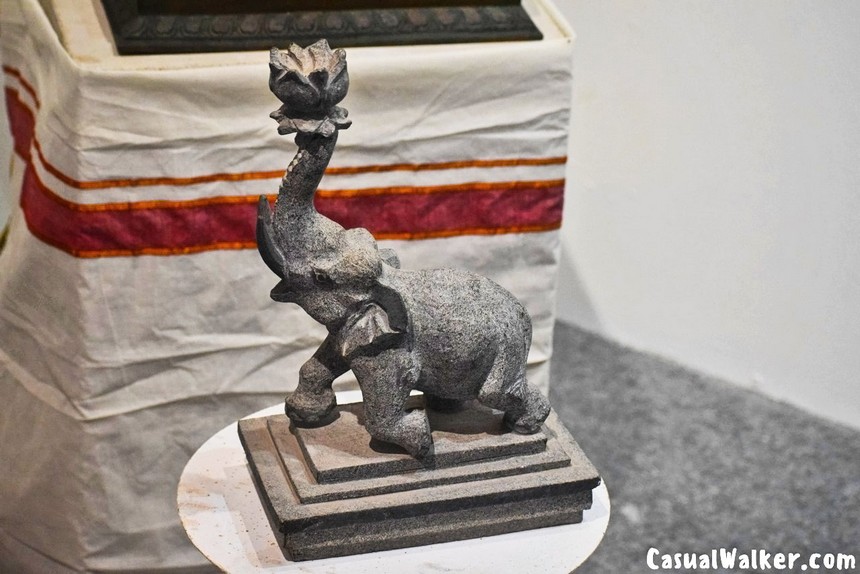
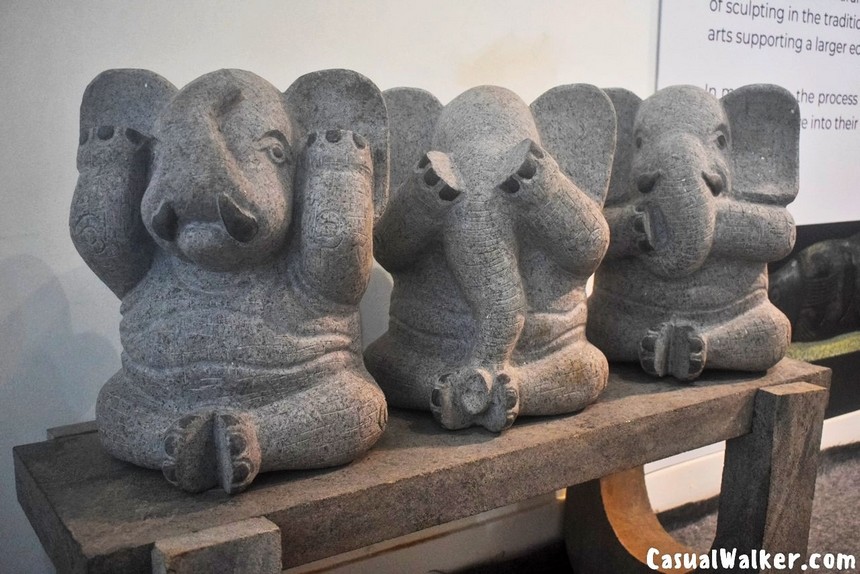
Their practice is beautifully diverse. They create temple architecture and independent sculpture—mandapams with their intricate pillars, carved stone columns, Navagraha figures representing the nine celestial bodies, graceful Radha-Krishna forms, serene Buddha sculptures, playful elephants, fish, frogs, and even garden baths designed for birds and animals. Working primarily in granite, the atelier produces both indoor and outdoor works that embody eco-friendly elegance—sustainability in art, timelessness in design, and that unmistakable quality of the handcrafted finish.
A Curatorial Vision That Shifts Context
The curator of this MAYAN exhibit, Anahata Sundarmurthy, has achieved something remarkable. She describes MAYAN as following “the tradition of sculpture from Mahabalipuram—the Pallava heritage, its evolution through time, and what it means in today’s world.”
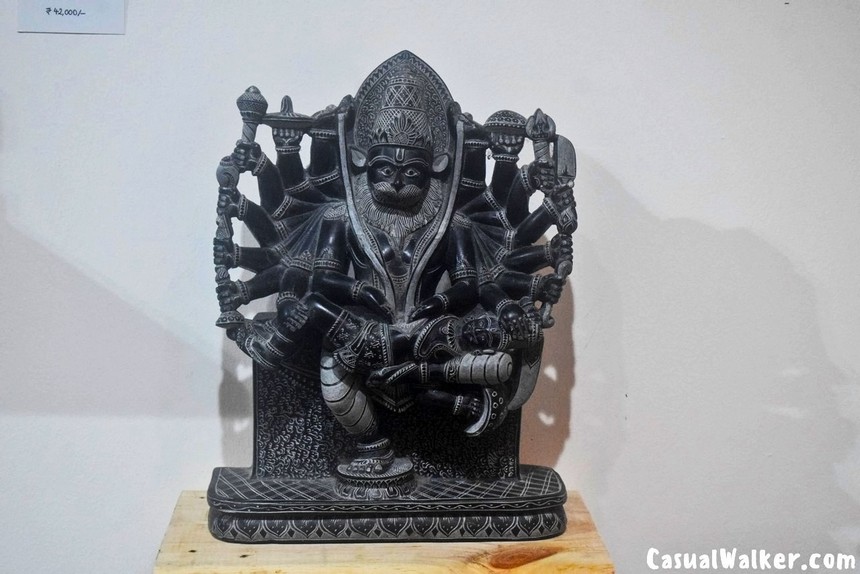
In a world where tradition often becomes entangled with sociopolitical ideologies and dogma, Anahata’s curatorial approach does something radical yet elegant—she shifts the context. By placing these sculptures in a gallery setting rather than a temple, she invites us to appreciate the innate imaginativeness of the art form itself. After all, what is now traditional was once contemporary.
This exhibition also thoughtfully addresses the historical anonymity of temple artisans. Unlike painters who signed their works, sculptors’ names were often lost to time. Here, MAYAN consciously honors both the master and his students, crediting all the artisans involved—a beautiful nod to history while correcting it.
Discovering Art Kin Centre: Chennai’s Creative Sanctuary
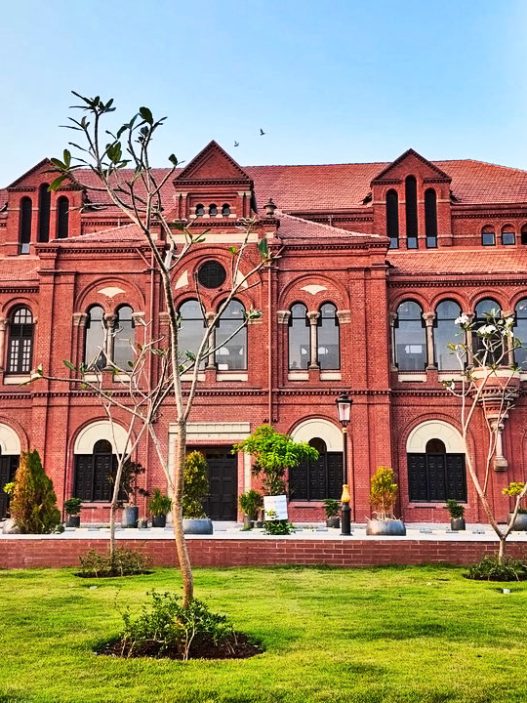
MAYAN found its home at Art Kin Centre in Alwarpet, which represents everything we need in Chennai’s cultural landscape—a dedicated hub for art, craft, dance, music, and theatre where creative souls can commune, explore, collaborate, and celebrate.
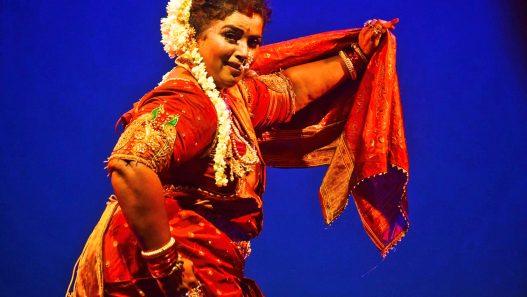
Art Kin Centre is the brainchild of Anahata Sundarmurthy, who has worked with some of the city’s leading art galleries and traveled extensively across India, studying traditional and ethnic art forms. Joining her as co-founder is Shruthe Raammohan, an accomplished Bharatanatyam exponent who received the “Yuva Kala Bharathi” award from the esteemed Bharat Kalachar.
Their collaboration beautifully illustrates what Anahata articulates so well: “No one art form in India exists without the other. For dance to thrive, there had to be temples. For temples to exist, there had to be sculpture. It’s all part of one ecosystem.”
A Space for Every Creative Soul
What makes Art Kin Centre truly special is its inclusive, community-focused approach. This isn’t just a gallery where you come, look, and leave. It’s a living, breathing space where artists can exhibit their work, craftspeople can showcase their creations, dancers can perform, musicians can share their art, and theatre practitioners can stage productions.
Back to MAYAN: An Experience Not to Be Missed
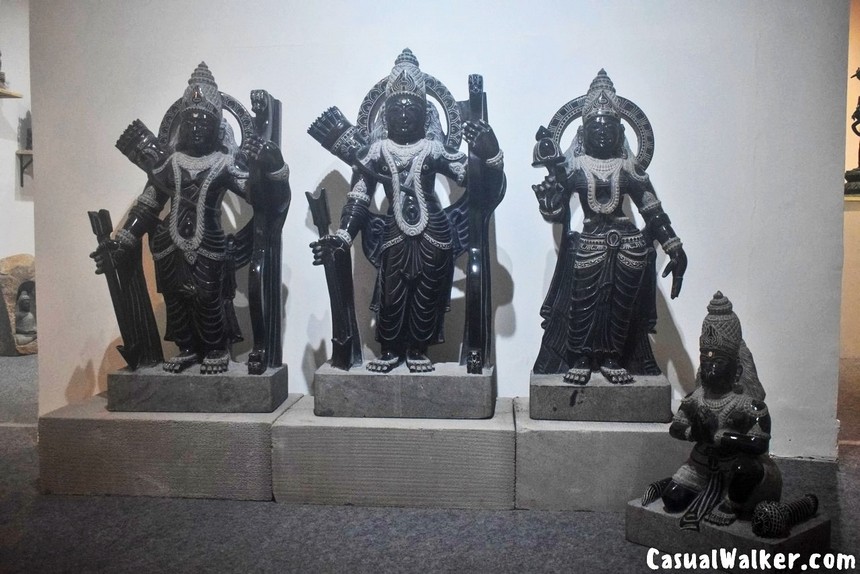
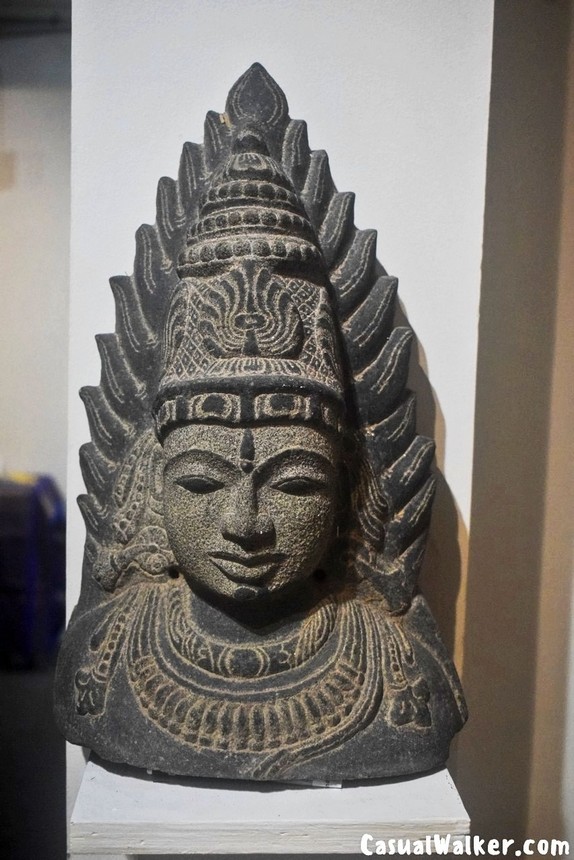
The collection ranges from traditional granite deities to contemporary stone works that reinterpret ancient forms. Each piece tells a story of dedication, skill, and spiritual depth.
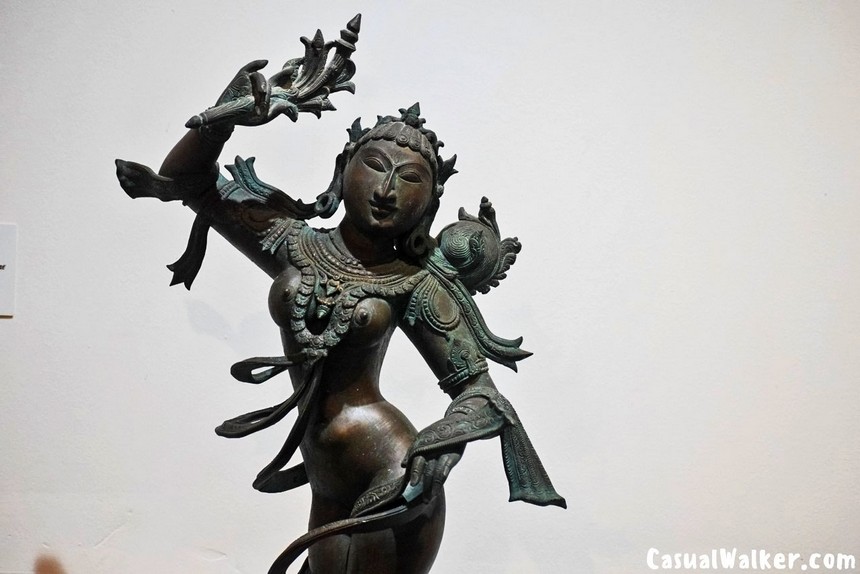
What moved me most was understanding the years of training behind each sculpture. To achieve the detail and scale that we might casually dismiss as “conventional beauty,” these artisans train their entire lives. Every curve, every expression, every intricate detail represents hours of patient work and generations of inherited knowledge.
As someone deeply passionate about India’s artistic heritage, I can confidently say that both MAYAN and Art Kin Centre represent the best of what our cultural landscape has to offer. This is the kind of experience that reminds us why Indian art and culture continue to inspire the world.