




Mylapore Kapaleeswarar Temple Theppam Float Festival 2026 – One of Mylai Kapali Lord Shiva Temple’s Grand Spiritual Celebrations in Temple Tank | Teppam Festival History, Significance, Timings, Dates & Complete Guide (Updated)
– sacred float festival at historic mylapore temple

Every year at the Theppam Float Festival at the historic Mylapore thousands of people devotees, families, and visitors gather along the banks of the ancient Mylapore Kapaleeswarar temple tank to witness a celebration that has been carried out for generations. 
Mylapore Kapaleeswarar – Teppam Float Festival
The Teppam Festival, also known as the Float Festival or Theppam Thiruvizha, is one of the most visually stunning and spiritually significant annual celebrations held at the Arulmigu Kapaleeswarar Temple in Mylapore, Chennai. It is a three-day event that takes place every year during the Tamil month of Thai (January–February), often coinciding with the sacred occasion of Thaipoosam.
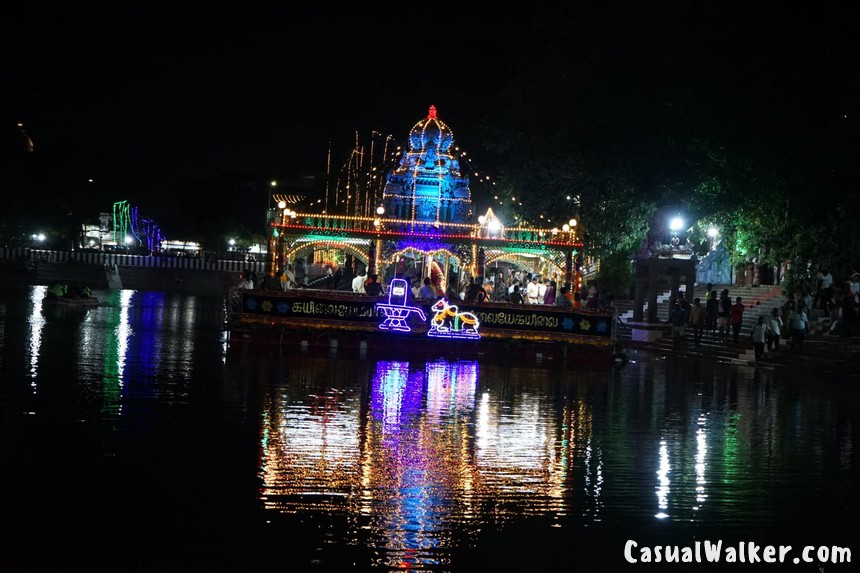
During this festival, the presiding deities of the temple are adorned in elaborate alankarams (divine decorations) and placed aboard a beautifully decorated float the theppam which is then carried around the glowing temple tank in a grand evening procession. The atmosphere is nothing short of magical.
History and Significance of Kapaleeswarar Temple
Before we dive deeper into the festival itself, it is important to understand the sacred ground on which it takes place. The Kapaleeswarar Temple is not just any temple it is one of the most historically and spiritually important Lord Shiva temples in all of South India.
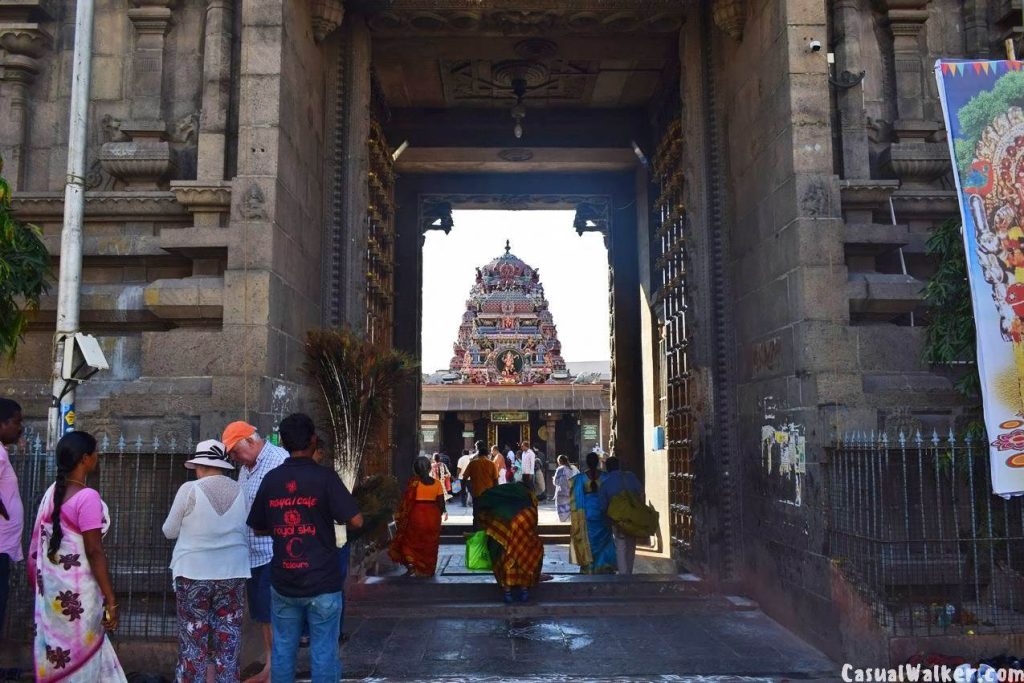
The temple is believed to have been originally constructed around the 7th century by the ruling Pallava Dynasty, and it finds mention in the ancient Thevaram hymns the canonical Shaivite devotional compositions of the Tamil saint-poets known as the Nayanars. This alone places the temple among the most revered sacred sites in Tamil Nadu.
The name Mylapore itself is rooted in divine legend. According to the Sthala Puranam (the sacred local legend of the temple), Goddess Parvati once wished to learn the true meaning of the five-lettered mantra “Na Ma Shi Va Ya” from Lord Shiva. While he was teaching her, a dancing peacock caught her eye and she lost her concentration. Displeased, Lord Shiva cursed her, and she was sent to perform penance on Earth. She took the form of a peahen Mayil in Tamil and worshipped the Shiva Lingam under the ancient Punnai tree. Moved by her unwavering devotion, Lord Shiva released her from the curse and lovingly called her Karpagambal, meaning the Goddess of the Wish-Yielding Tree. The place where this divine event occurred became known as Mylai and eventually, Mylapore.
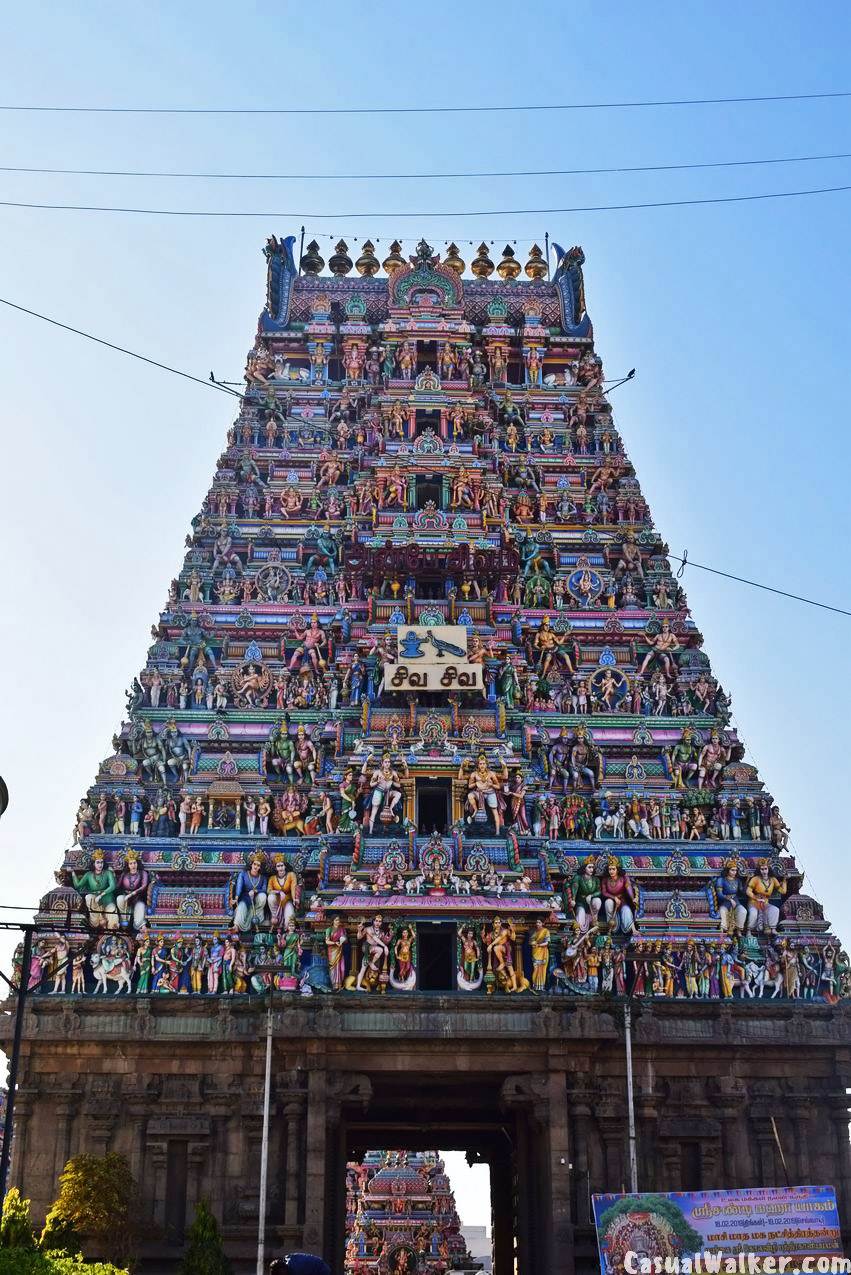
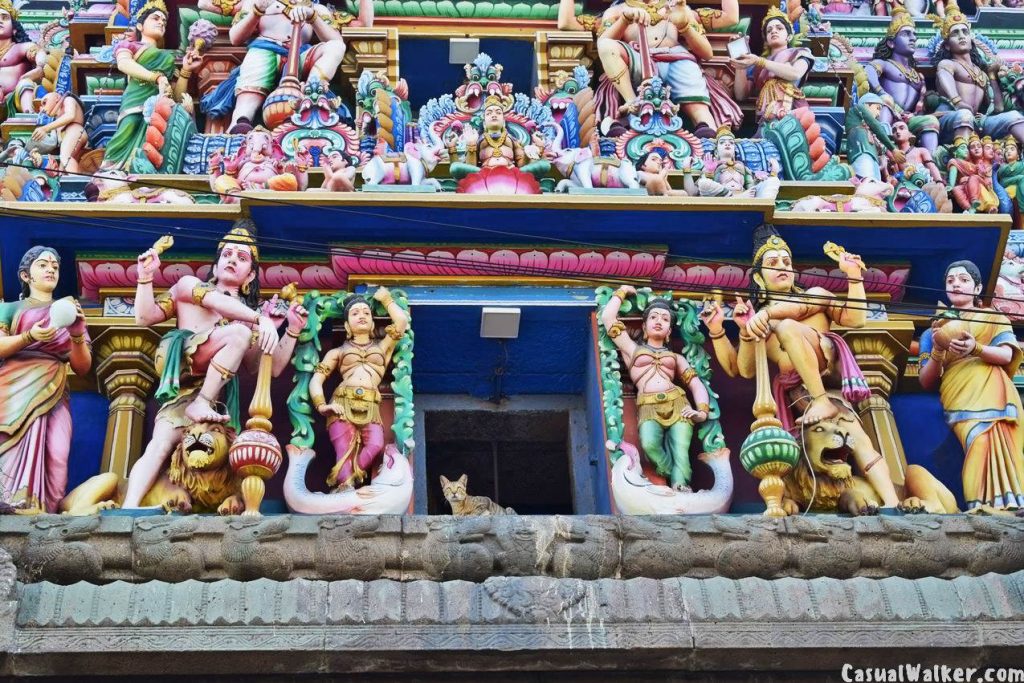
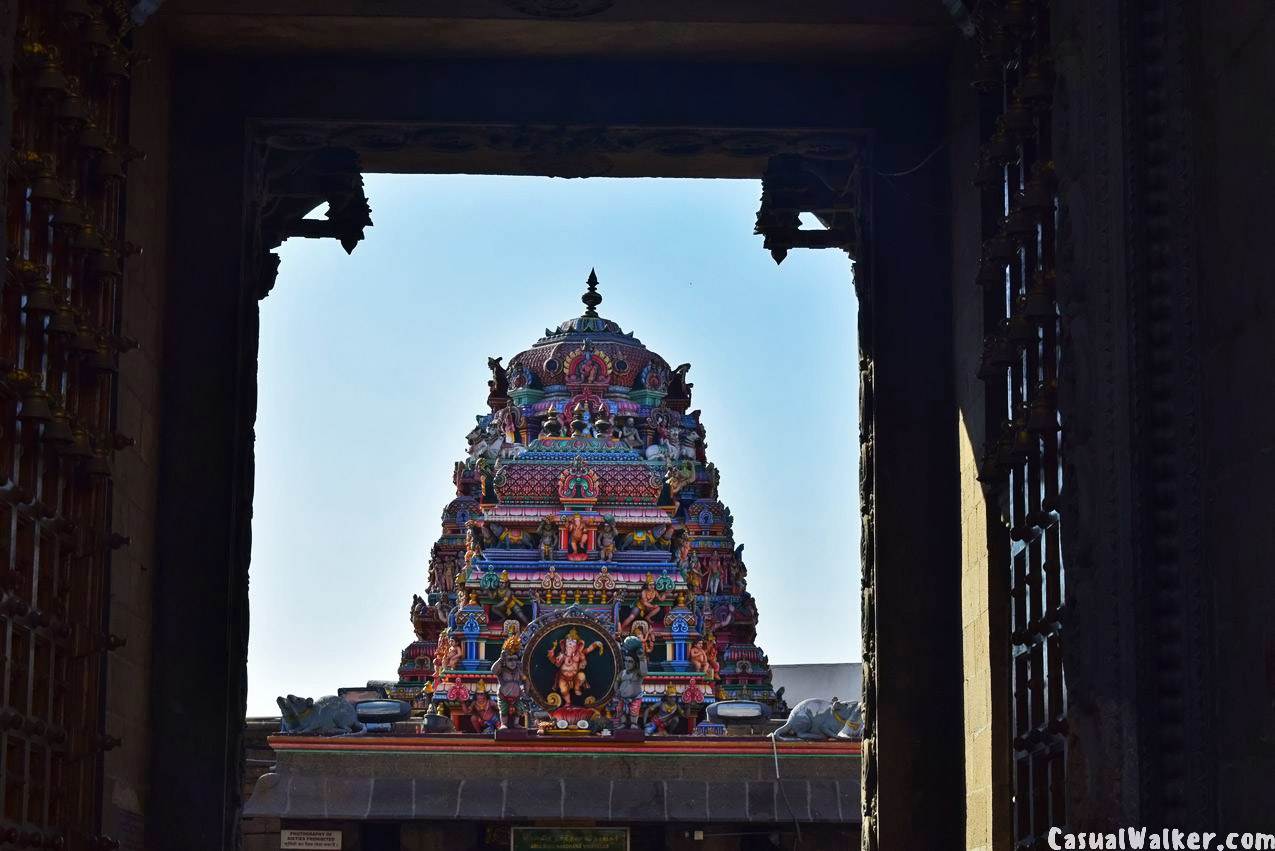
However, the temple’s journey through history has not been without hardship. The Portuguese arrived in the region around 1566 CE and destroyed the original structure. Centuries later, the Vijayanagara Kings rebuilt the temple in its present form, blending traditional Dravidian architectural elements with their own distinctive style. Today, the temple’s towering 120-foot eastern Gopuram, adorned with intricate stucco figures, stands as a testament to that rich and layered history.
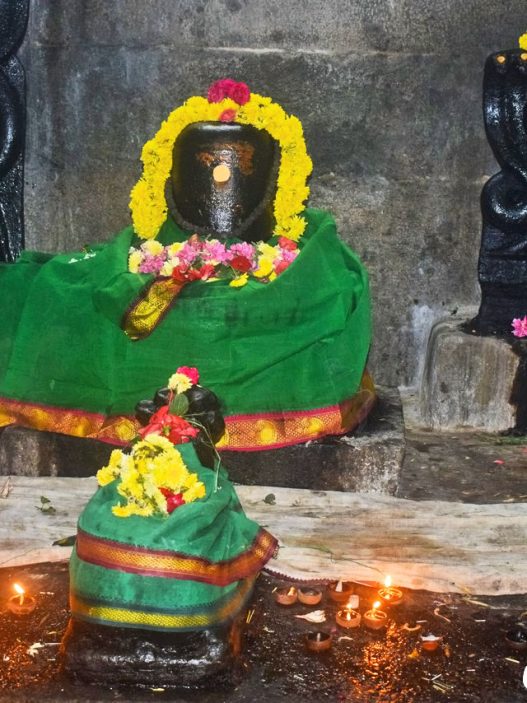
What makes this temple even more spiritually significant is the fact that the Shiva Lingam enshrined here is a Swayambhu Lingam a self-manifested Lingam and is counted among the 64 Swayambhu Lingams in the world. The temple is also one of the Sapta Sthana Shiva Temples of Mylapore, the seven sacred Shiva shrines that hold deep devotional importance in the region.
Temple Tank: Where the Magic Happens
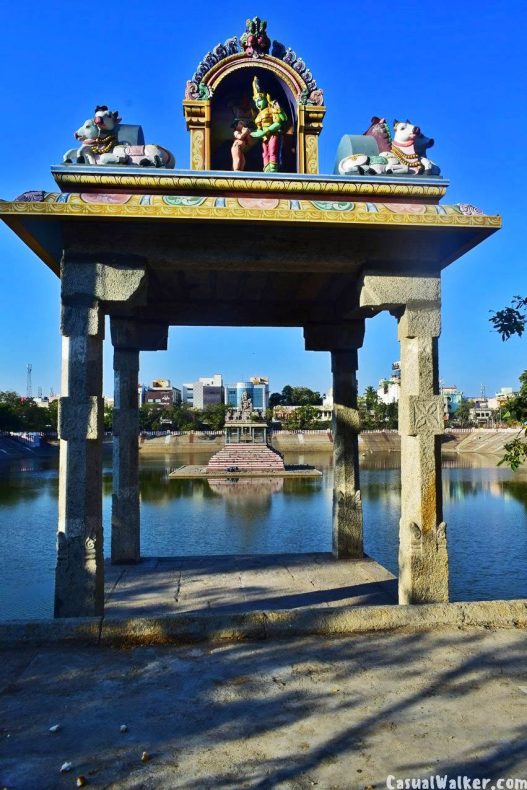
Lying to the west of the main temple complex is the magnificent Kapaleeswarar Tank, also referred to as the Mylapore Tank or Theppakulam. This is the heart and soul of the Theppam Festival.
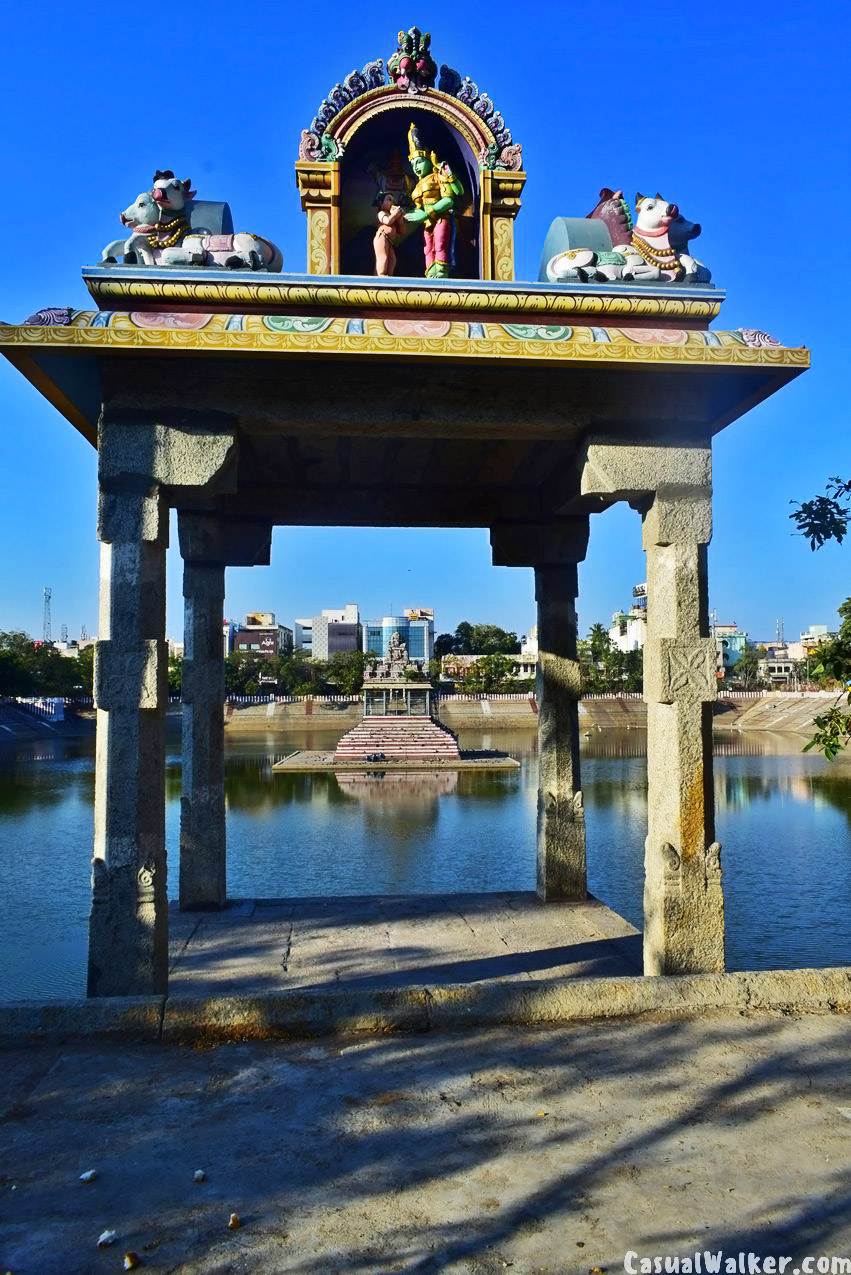
Measuring approximately 190 metres in length and 143 metres in breadth, with a water storage capacity of around 119,000 cubic metres, this is one of the oldest and best-maintained temple tanks in Chennai. At its centre sits a stunning 16-pillared, granite-roofed mandapam a raised platform structure which holds special ritual significance during the float festival.
What is truly remarkable is that the tank remains filled with water throughout the year, making it an exceptional sight even on ordinary days. But during the Theppam Festival, the tank transforms into something otherworldly.
Three-Day Festival
The Teppam Festival spans three magnificent evenings, and each night carries its own spiritual weight and beauty.
Day 1 – Lord Shiva as Chandrashekara
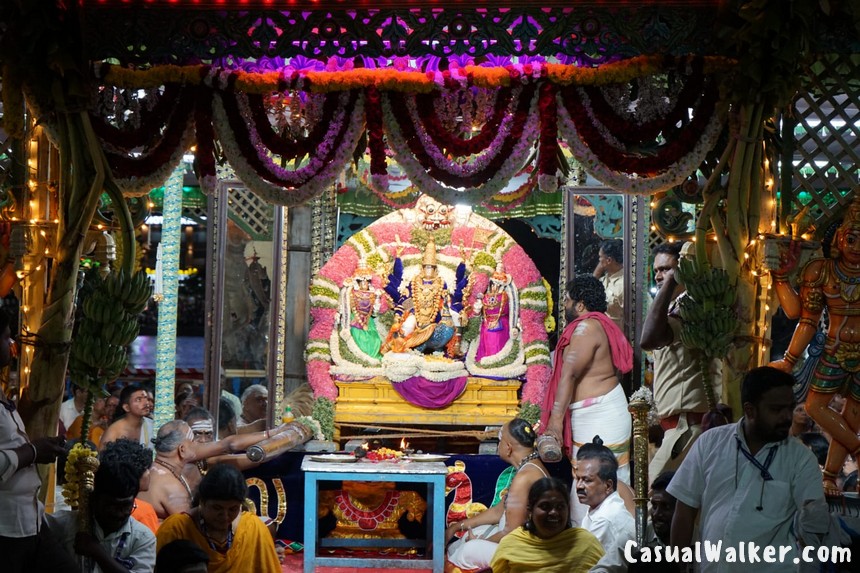
The first evening is dedicated entirely to Lord Shiva, worshipped in the form of Chandrashekara. The main deity, adorned in resplendent divine decorations, is placed on the specially constructed float and carried around the temple tank. On this night, the float completes five rounds of the tank. The ceremony is sponsored by the descendants of the very family that originally built the temple at its current site a tradition that adds an incredible layer of emotional and historical depth to the proceedings.
Day 2 & Day 3 – Lord Singaravelar and His Consorts
On the second and third evenings, the focus beautifully shifts to Lord Singaravelar the form of Lord Muruga accompanied by his divine consorts, Valli and Devasena. The float completes seven rounds on the second night and nine rounds on the final night, each circuit symbolising a deepening of devotion and spiritual blessing. The events on these two evenings are traditionally sponsored by an industrialist and a long-time resident of Mylapore, continuing a generous tradition of community patronage.
Each evening, the procession begins around 7:00 PM and continues until approximately 10:00 PM. The gods and goddesses, dressed in their finest ceremonial attire, are first taken in a street procession through East Mada Street, South Mada Street, and R. K. Mutt Road before being seated on the illuminated float inside the tank.
Atmosphere: A Night That Touches the Soul
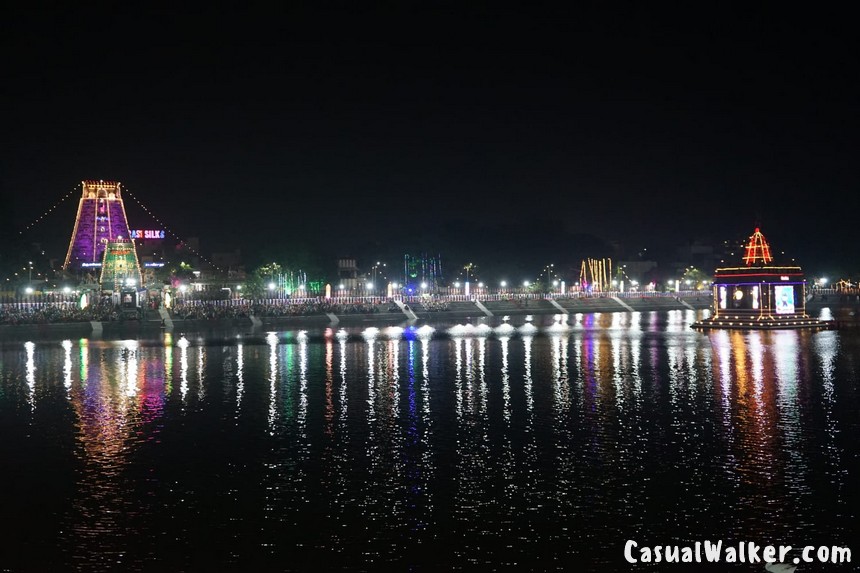
The 7-storey tower of the temple was bathed in colourful lights, and the surface of the tank shimmered with hundreds of floating oil lamps each one a small, quiet prayer offered to the divine. The chanting of Vedic hymns filled the air as the float moved gracefully across the water, and for a few precious hours, the entire neighbourhood of Mylapore seemed to breathe together as one.
There is something profoundly humbling about witnessing a ritual that has been performed for centuries a living thread connecting the present to the ancient past. Whether you come as a devout Hindu seeking blessings, a spiritual seeker in search of meaning, or simply a traveller drawn to the beauty of Indian culture, this festival will leave an imprint on your heart.
The Kapaleeswarar Temple Theppam Float Festival is not just a religious event it is a celebration of Tamil culture, ancient tradition, and the deep, quiet spirituality that lives in the heart of South India. It is the kind of experience that reminds you that faith, in its purest form, is not something distant or abstract. It is alive. It is luminous. It is here, reflected in the still waters of a temple tank on a warm January night in Mylapore.

Travel Tips for Visiting Mylapore Kapaleeswarar – Theppam Float Festival / Theppam Thiruvizha :
Address: Kapaleesvarar Sannadhi Street, Vinayaka Nagar Colony, Mylapore, Chennai, Tamil Nadu 600004
Phone: 044 2464 1670
The Theppam Festival is held annually during the Tamil month of Thai, which falls in January or February. For 2026, the festival was celebrated from February 1 to February 3.
Theppam Float Festival / Theppam Thiruvizha – Timings
The festival spans three days, with the main float procession taking place each evening between 7:00 PM and 10:00 PM.
Thanks for exploring this photo guide! We’d love to hear your feedback, stories, corrections, or any updates. Email us.
Follow our photo walks on Instagram: @hicasualwalker
Keep exploring: Browse 650+ Travel & Culture Photo Guides

More Related Photo Stories & Guides
- Mylapore Kolam Festival
- Mylai Kapaleeswarar Temple Panguni Uthiram Peruvizha Arupathu Moovar Festival in Mylapore
- Shaivite Saints Thirugnana Sambandar