

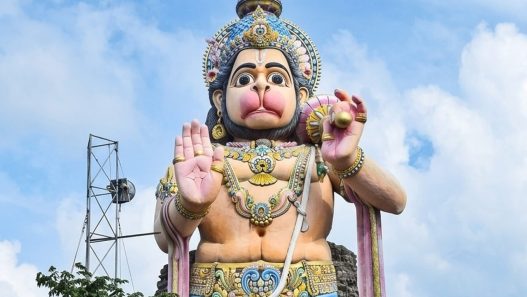



Sirkazhi Sattainathar Temple | Sri Brahmapureeswarar Arulmigu Sattainathar Temple & Thoniappar Temple, Sirkazhi, Mayiladuthurai (Mayavaram), Tamil Nadu: A Lord Shiva Temple & Paadal Petra Sthalam | Birthplace Of Saint Thirugnana Sambandar & Sang First Verse Of Tevaram | Three Tiered Shiva Temple, Ashta Bhairava Temple & Sattainathar Bhairava Pooja | Lord Sattainathar: The Fierce Protector Of Sirkazhi | Temple History, Temple Architecture, Timings, Temple Benefits / Pariharas, Festivals, Contact Details & Complete Travel Guide (Updated)
– where goddess parvati fed the milk of wisdom (gnanapal) & lord thoniappar sailed over the great deluge

Sirkazhi is a devotional town in the newly formed Mayiladuthurai district (Mayavaram). The Sirkazhi Sattainathar Temple is dedicated to Lord Shiva is incarnated by the hymns of Thevaram and is classified as Paadal Petra Sthalam. This temple was once called Venupuram, Thonipuram, Brahmapuram, Pukali, Venkadu, Poonthurai, Sirapuram, Kazhumalam, Kanipuram, Puravam, Sanbai and Kochaivayam, and later Shiyali. One tradition says Goddess Kali worshipped Lord Brahmapureeswarar here, and the place became Srikalipuram, which gradually turned into Sirkazhi.
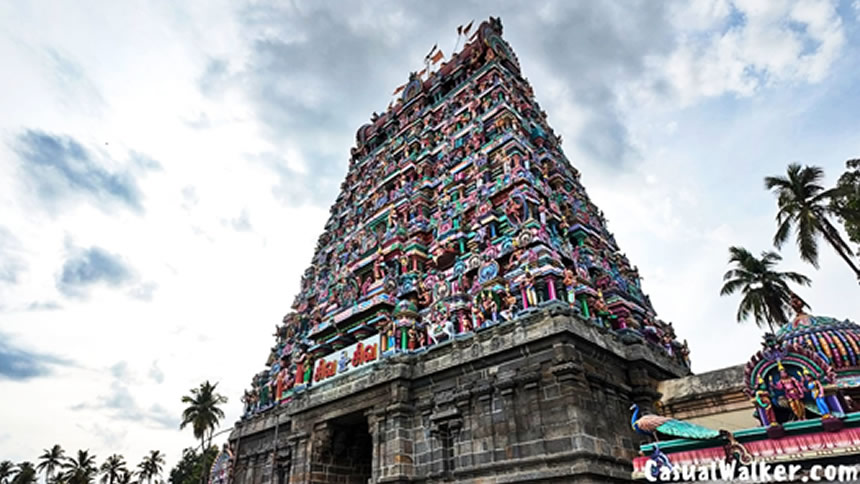
This temple located on the fertile Chola Nadu on the northern bank of the holy River Cauvery. The name Sattainathapuram lives on as a suburb of Sirkazhi. Each name holds a legend, and together they show how deeply this land has been loved by sages, poets and devotees. An old Tamil proverb “காசியில் பாதி – காழி” which means half of Kashi is Kazhi (Sirkazhi), placing this town beside the holiest city of Lord Shiva. 
At the centre of it all is the Sirkazhi Sattainathar Temple, also known as the Brahmapureeswarar Temple and the Thoniappar Temple. It is a Paadal Petra Sthalam (a temple glorified in the sacred Tevaram hymns), one of the 276 such shrines, and the fourteenth on the northern bank of the Cauvery. It is also revered as the birthplace of the child saint Thirugnana Sambandar. This temple is currently administered by the Dharmapuram Adheenam, a Saivite mutt based in Mayiladuthurai.
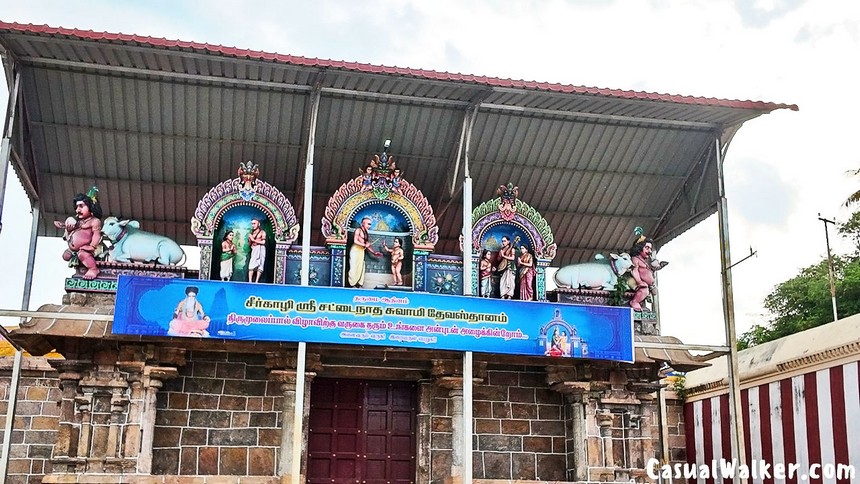
The Moolavar (main deity) is Lord Sattainathar, who is also worshipped as Lord Thoniappar and Lord Brahmapureeswarar. The Ambal (Goddess) is Goddess Periyanayaki and Goddess Thirunilai Nayaki, also known as Sthira Sundari or Thiripurasundari. The Utsavar (festival deity) is Lord Somaskandar. The Sthala Vriksham (sacred tree) is the Parijatham, also called Pavalamalli, along with the bamboo (Moongil).
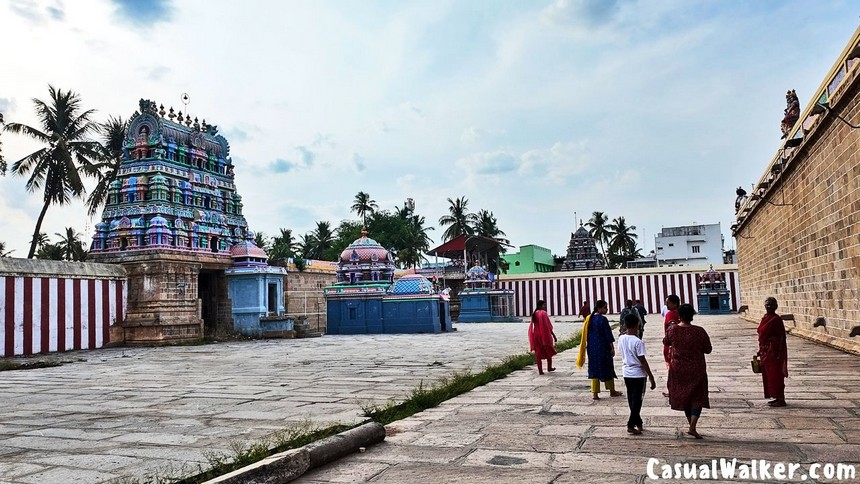
The temple follows the Pancharatra Agama (the ritual tradition of worship) with six daily poojas, and it is believed to be between one thousand and two thousand years old. It is also counted as the eleventh Sakthi Peedam (a sacred seat of the Goddess) and as an important Maada Kovil (a temple raised on an elevated base). The Lord here is a Swayambhu murti (a self manifested form).
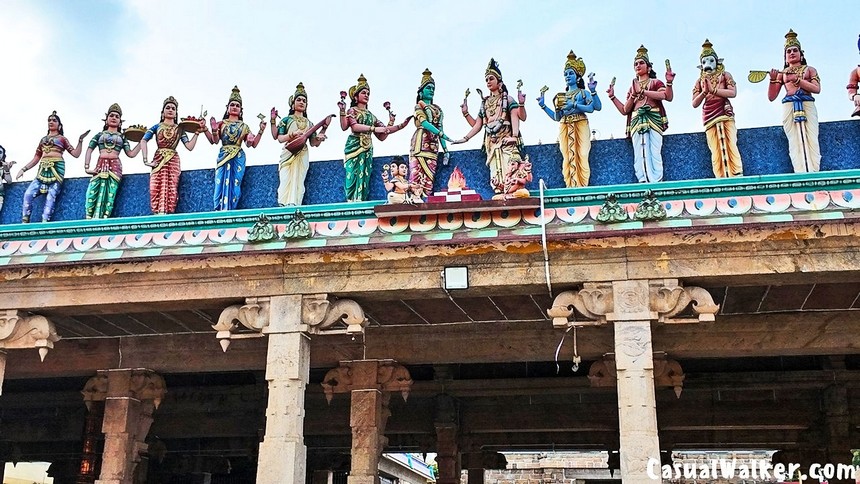
History Of Lord Thoniappar & The Great Deluge
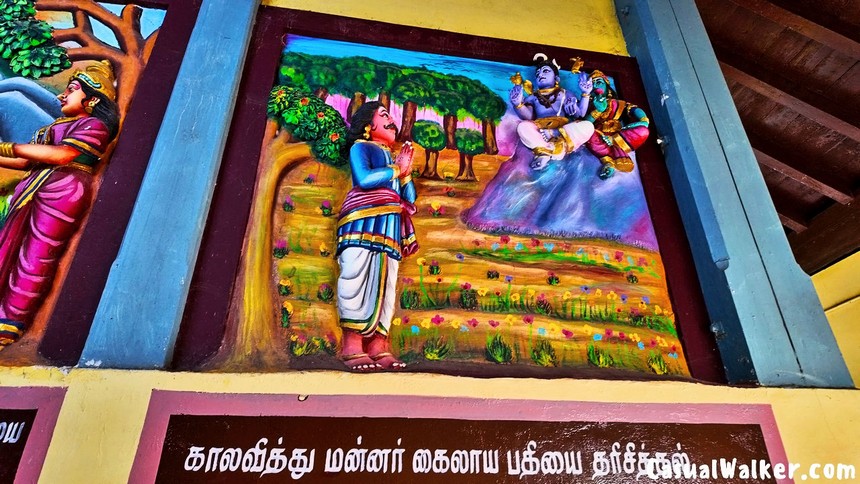
According to Tamil tradition, when a great deluge (pralaya, the dissolution of the world) swallowed the earth, Sirkazhi alone stayed above the waters. Lord Shiva floated over the flood in a boat (thoni in Tamil), carrying the sixty four arts and the seeds of creation, and from this sacred land He began creation anew with the Pranava (the sacred syllable Om). This is why He is called Lord Thoniappar and the town Thonipuram. Many devotees believe Sirkazhi was never truly lost to the waters and rests in the grace of the Lord Himself.
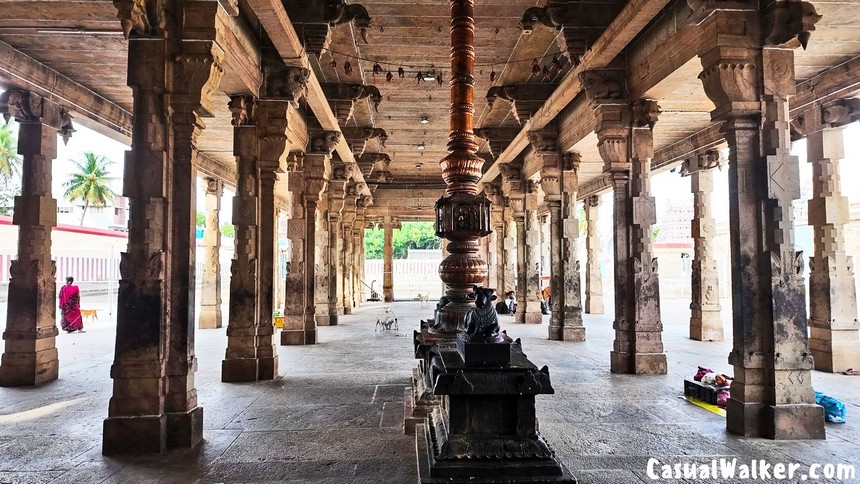
Why The Lord Is Called Brahmapureeswarar
Lord Brahma, the creator, once grew proud of his power. His ahamkara (ego) clouded his wisdom, and Lord Shiva made him forget the Pranava. Humbled and sorrowful, Lord Brahma came to Sirkazhi, installed a Shivalinga (the formless symbol of Lord Shiva) and worshipped until his knowledge returned.
The Lord is therefore called Lord Brahmapureeswarar – the One worshipped by Brahma, and the town became Brahmapuram. Devotees come here to seek relief from Brahmahatti dosha (a heavy karmic burden) and to pray for jnana (spiritual wisdom) and creative power.
Mountain Of Sirkazhi And Lord Vayu
Another beloved legend explains the hill like form of the temple. Sage Uromasa prayed to Lord Shiva, asking Him to rise in the south with the Goddess for the sake of devotees.
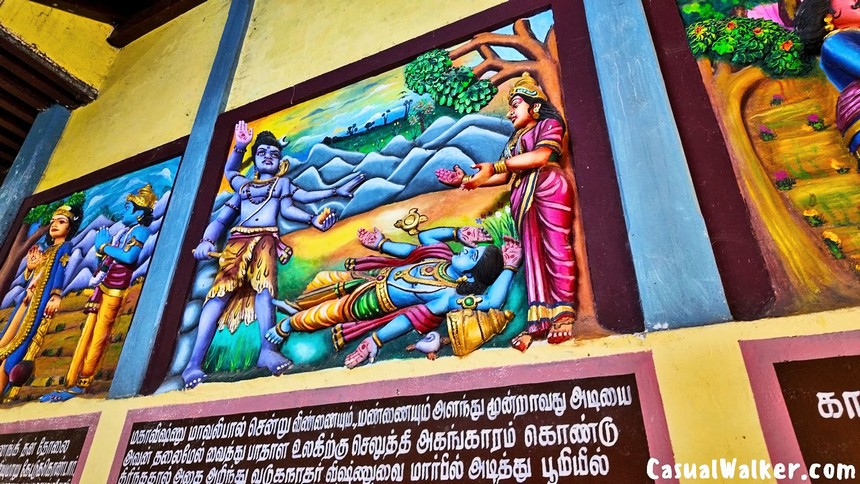
Meanwhile, Lord Adisesha and Lord Vayu competed to see who was greater. Adisesha covered a great mountain with his thousand heads, and Lord Vayu could not move it. At the request of the gods, Adisesha lifted just one head, and the wind carried a small part of the mountain away. By the grace of the Lord, twenty birds brought that small mountain to Sirkazhi, and the temple stands upon it.
Three Tiered Temple Of Lord Shiva
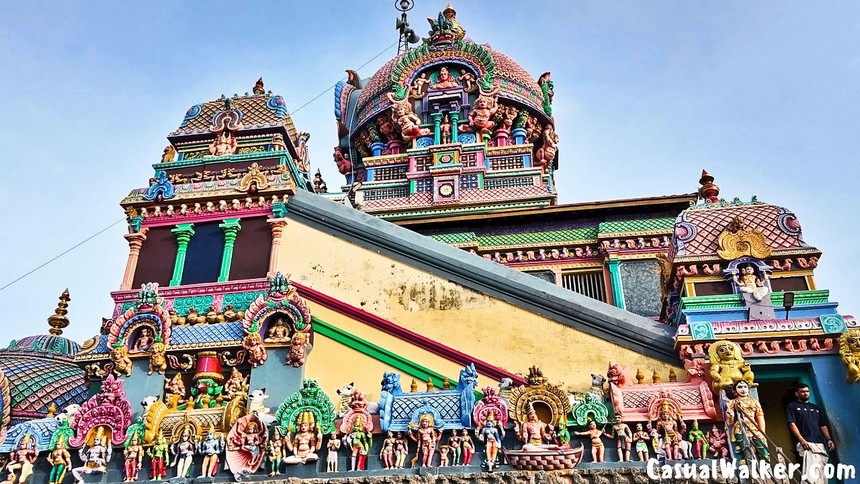
This temple is truly rare. Lord Shiva is worshipped in three forms across three levels, almost like three temples in one, symbolising protection, preservation and enlightenment.
On the ground floor is Lord Brahmapureeswarar as a Shivalinga, with Goddess Thirunilai Nayaki. Darshan here is free. The image of Goddess Sthira Sundari is housed in a separate shrine in the lower level.
On the first level is Lord Thoniappar, shown as Lord Uma Maheswarar, a large and graceful form beside Goddess Periyanayaki on the divine boat.
On the topmost level is Lord Sattainathar, whom you will meet in the next section. Some sources describe the floors in a slightly different order, and the priests will gladly guide you on the day.
Lord Sattainathar: The Fierce Protector Of Sirkazhi
Lord Sattainathar, also known as Lord Vatukanathar, is the form of Lord Shiva worshipped as Lord Bhairava – the fierce guardian form of Lord Shiva on the topmost level of the temple.
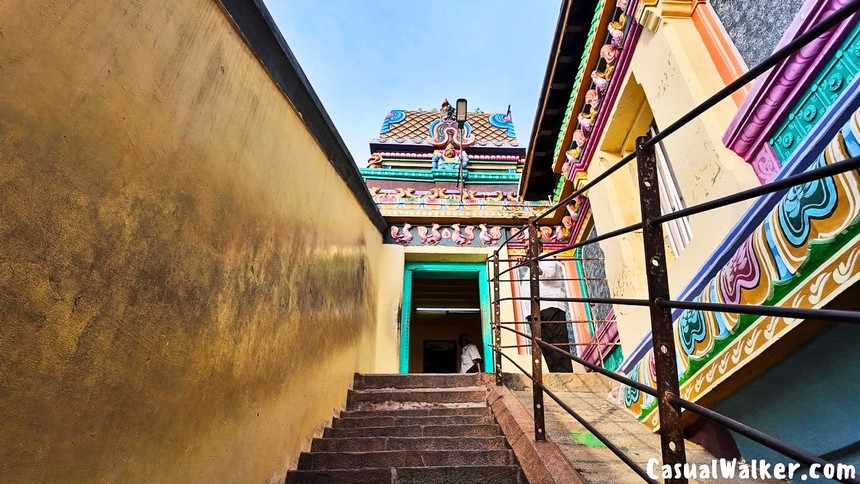
He is a Swayambhu murti, and many devotees consider Him the heart of this shrine. Lord Muthu Sattainathar has a shrine of His own nearby, and the jeeva samadhi – the resting place of a living saint of Sattaimuni Siddhar adds to the power of this sacred spot. To reach Him, devotees climb about twenty steps and see Him through a small opening, as only the priests enter the inner chamber. The climb itself feels like a pilgrimage, leaving behind the noise of the world with each step. Men are asked to remove their shirts before appearing before the Lord, as a sign of humility (vinaya) and surrender (sharanagati).
Why Devotees Come To Pray To Lord Sattainathar
Devotees come seeking freedom from fear (bhaya nivarana). Those who feel anxious, unsafe or weighed down by dread pray here for courage (dhairya) and inner strength. Many also pray to be protected from sorcery, witchcraft and negative energy, since Lord Sattainathar is seen as the guardian who keeps such forces away from His devotees.
Debts and financial trouble bring many families here. It is believed that taking part in the Bhairava puja held at midnight every Friday brings prosperity (aishwarya) and helps resolve debts, which is why crowds gather on Friday nights. Since Lord Brahma worshipped Lord Shiva at this very place, severe doshas (karmic afflictions) such as Brahmahatti dosha are said to be removed by prayer here. Devotees also pray for a steady and fearless mind, in the spirit of the Upanishadic wish to move from fear to fearlessness (abhayam).
Auspicious Days For Worship
Fridays are especially sacred to Lord Sattainathar, with special pujas continuing till midnight. The shrine of the Ashta Bhairavas opens mainly on Fridays and Ashtami days (the eighth lunar day, dear to Lord Bhairava). Pradosham, Amavasya (new moon) and Pournami (full moon) are also powerful times to pray here.
A Place Of Balance
Lord Sattainathar is not alone in this temple. Below Him, Lord Thoniappar gives the compassion of a saviour, and Lord Brahmapureeswarar grants wisdom. Together the three forms offer protection (rakshana), preservation (paripalana) and enlightenment (jnana). A devotee who visits all three levels is often said to move from fear to faith to wisdom, which is why the journey up the temple is as meaningful as the darshan itself.
Saint Thirugnana Sambandar & Milk Of Wisdom
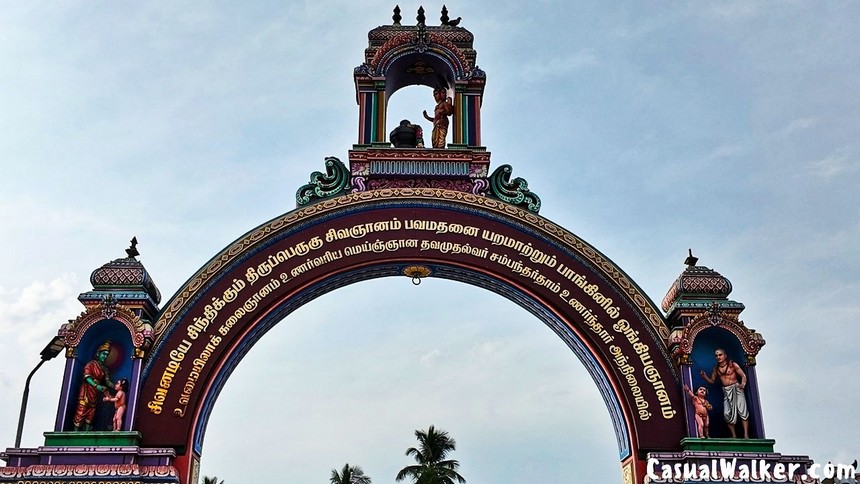
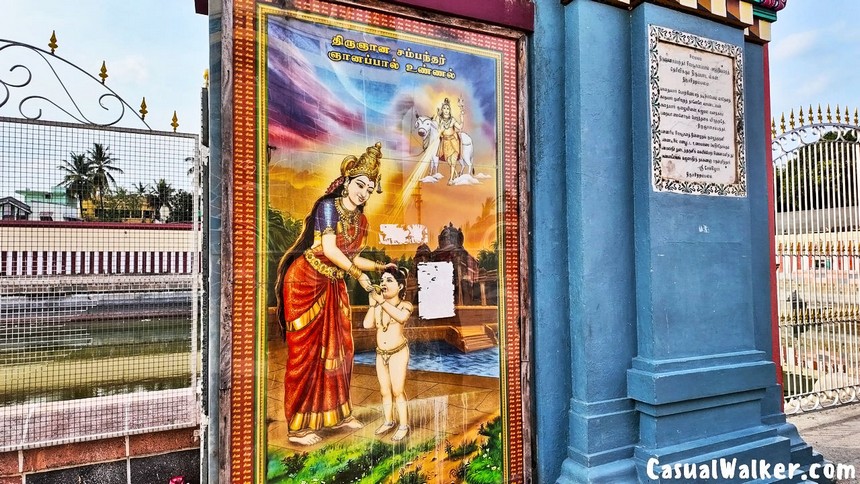
Saint Sambandar was born to Sivapada Hridayar and Bhagavathi Ammaiyar, and he is regarded as an incarnation of Lord Muruga, born for the prosperity of Saivism and Tamil. His father took him to the temple and went to bathe in the Brahma Theertham (the sacred tank).
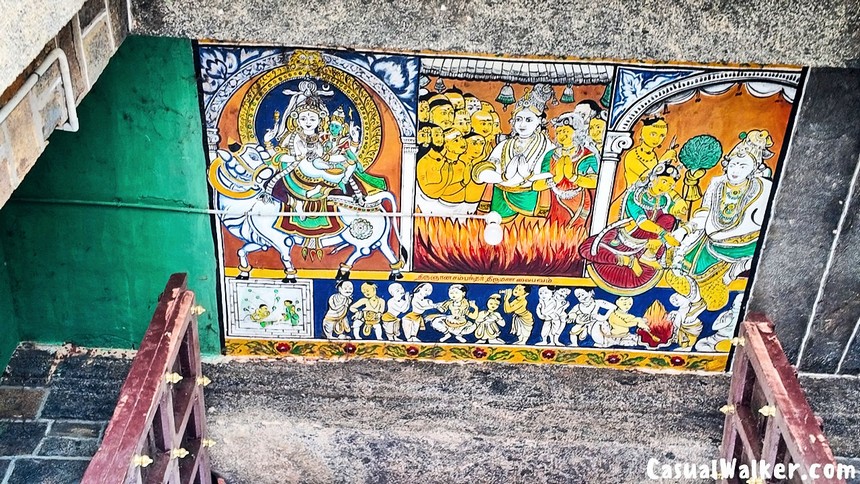
The hungry child, left on the bank, cried for his parents. Hearing him, Lord Shiva asked Goddess Parvati to feed him, and the Goddess gave him Gnanapal (the milk of wisdom) in a golden cup. After that the Lord and the Goddess appeared before him in divine darshan and vanished.
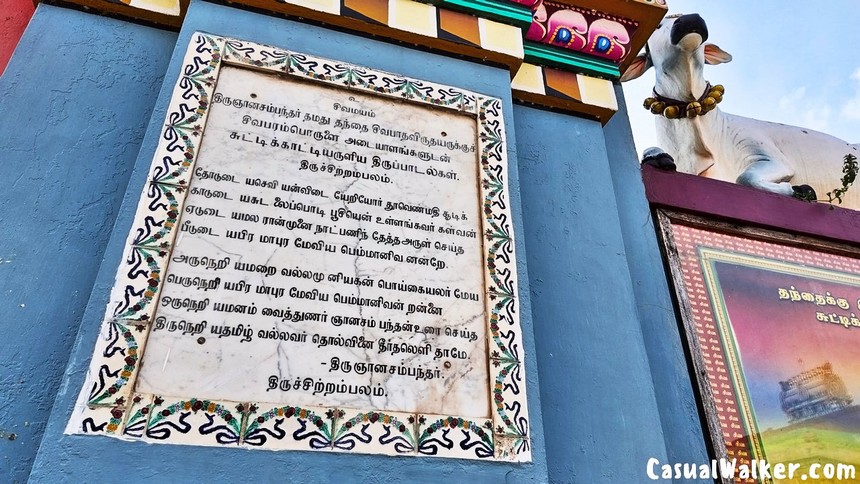
When his father returned and saw milk on the child’s lips, he asked who had fed him and raised his hand to scold him. The boy pointed to the sky and sang Todudaiya Seviyan (the One with a ring in His ear), the first verse of the Tevaram. The crowd stood stunned to hear such a song from a three year old.
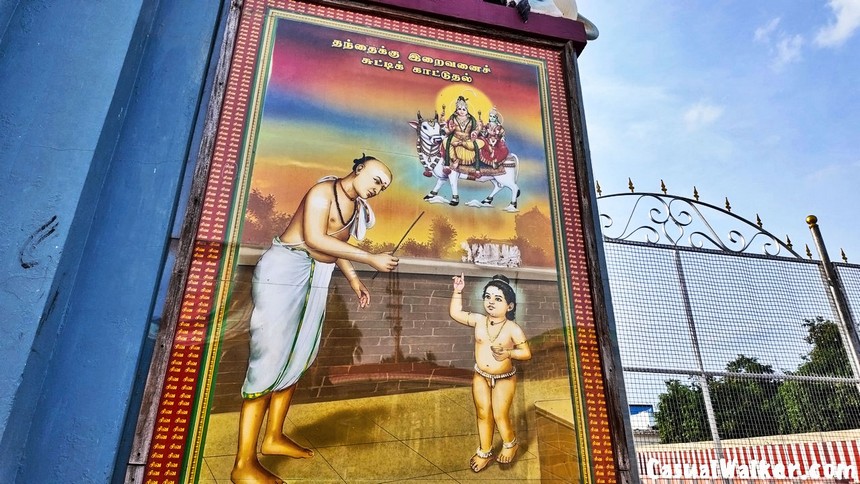
In his verses he calls the town Kazhi. The event is also mentioned in the seventy fifth verse of the Soundarya Lahari of Adi Shankaracharya, which calls the child Dravida Shishu (the child of the Tamil land). A separate shrine for Sambandar stands inside the temple. Children are offered Gnanapal prasad here for success in education, and pregnant mothers pray for intelligent and virtuous children.
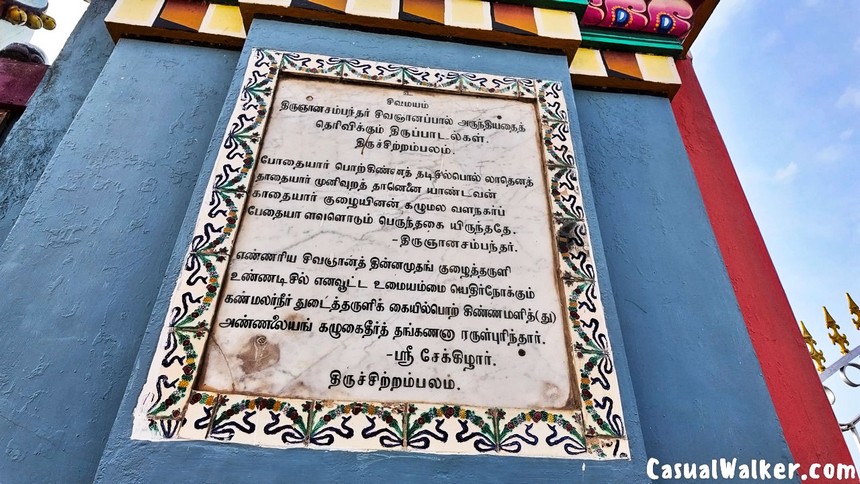
The Tevaram, sung by Sambandar, Appar (Thirunavukkarasar) and Sundarar, is one of the great works of Tamil bhakti (loving devotion) literature. Tradition says Sundarar chose not to step into Sirkazhi and bowed from the outskirts in Gopura Dharisanam (the sacred sight of the temple tower). Saint Manickavasagar, Arunagirinathar, Nambiandar Nambi, Pattinathar, Sekkizhar, Arunachala Kavi Rayar, Marimutha Pillai, Muthu Thandavar and Vallalar also praised the Lord of this shrine.
Temple Architecture & Sacred Features
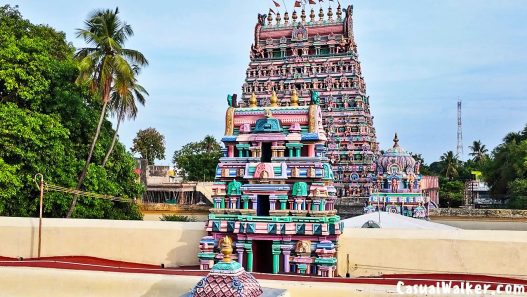
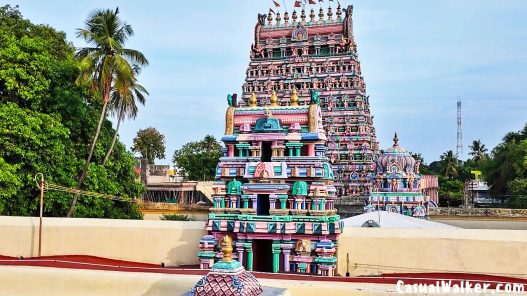
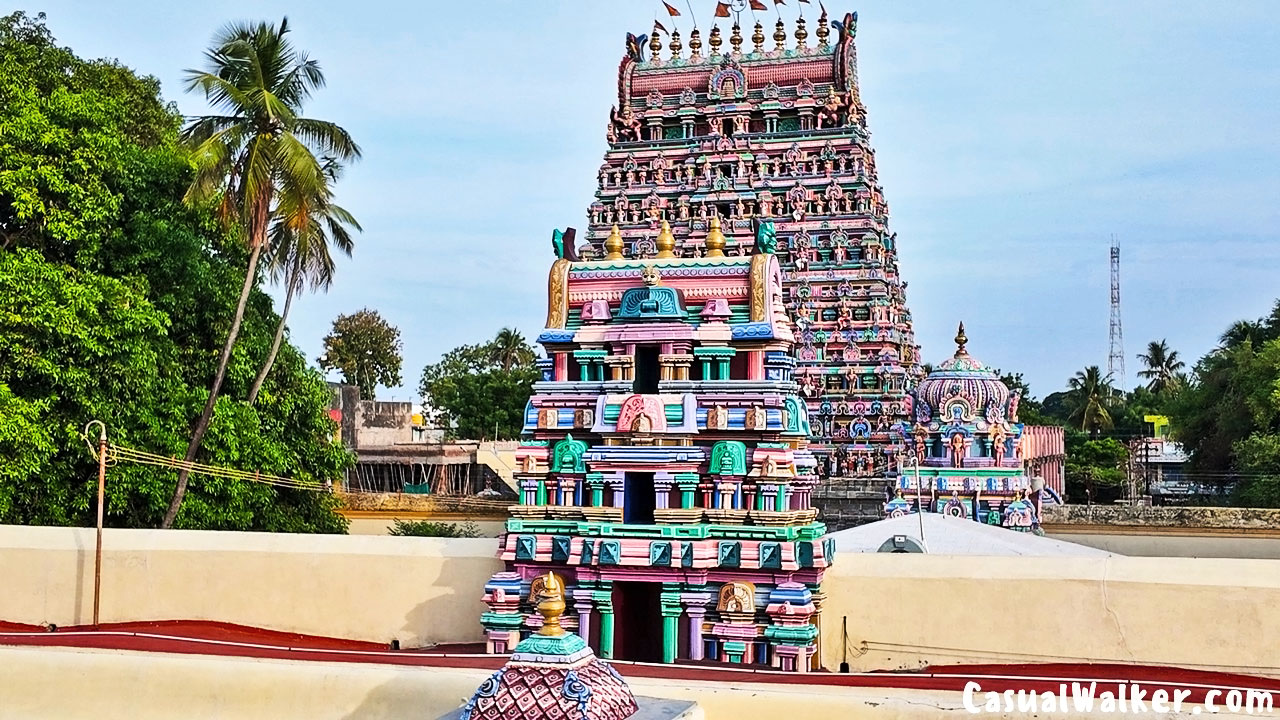
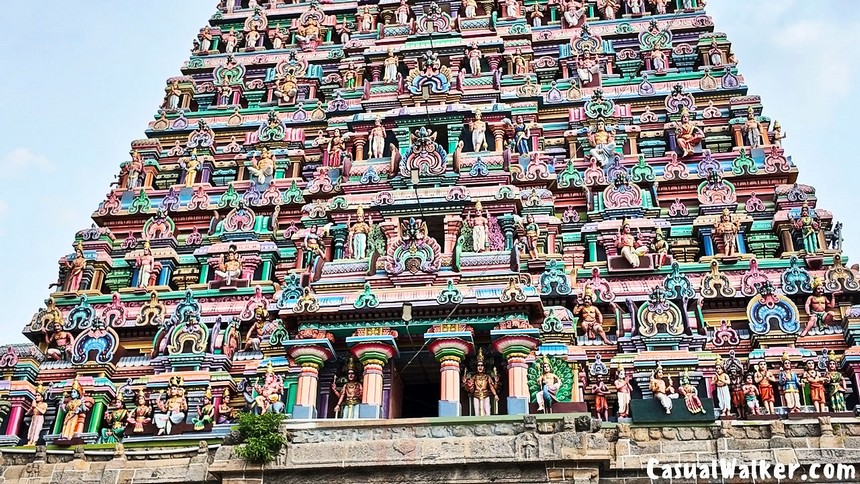
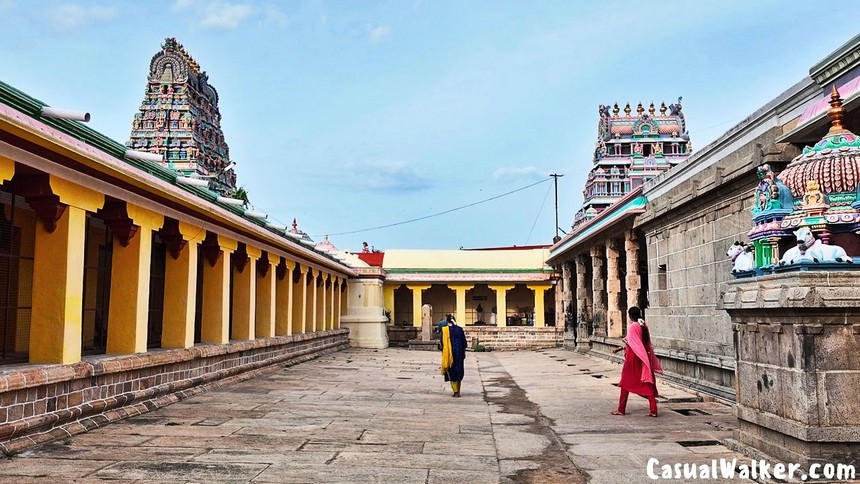
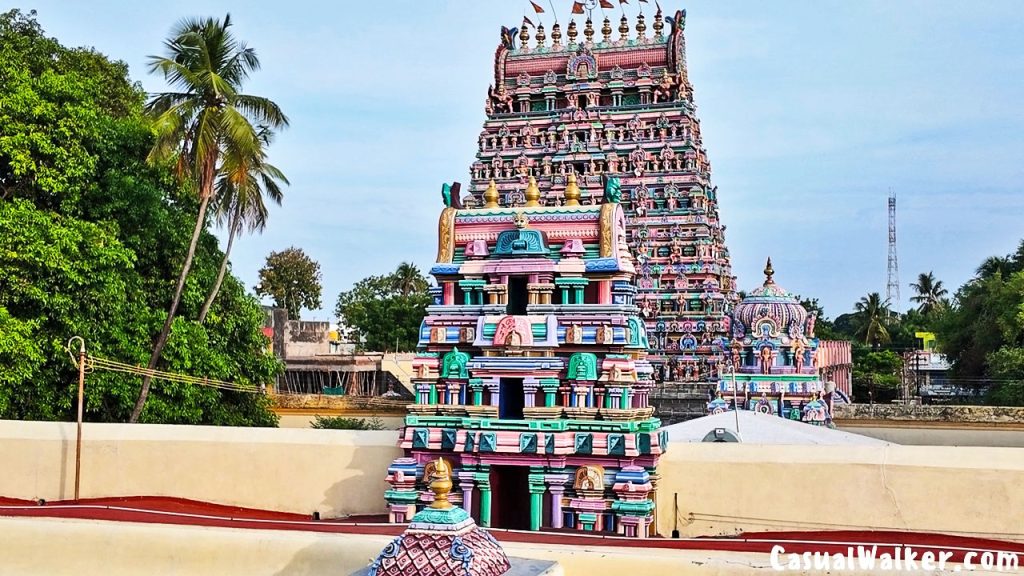
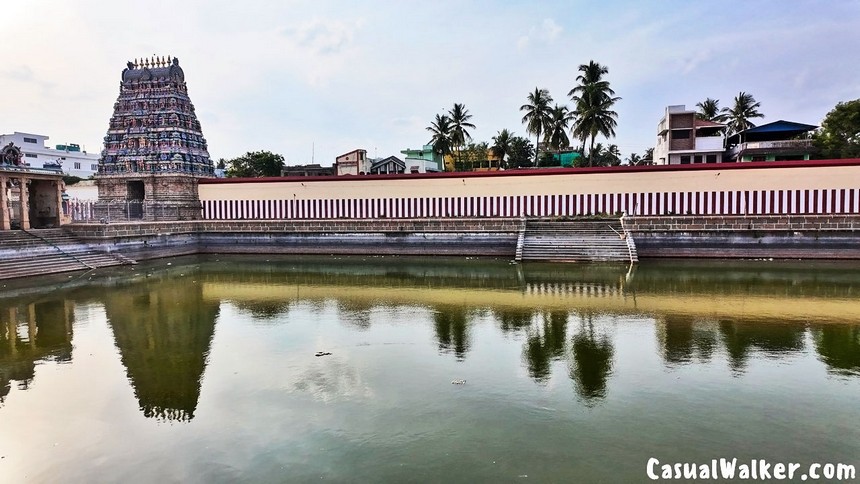
The temple stands within massive granite walls with vast prakarams (courtyards) and four gopurams (towering gateways). These include a colourful seven tiered eastern Rajagopuram about 130 feet tall and a second set of seven tiered gopurams on the outer walls. The porch between the second and first prakaram dates to the 10th or 11th century. The original shrines included Lord Brahmapureeswarar on the southern bund of the tank, Lord Thoniappar on a mound to its west, and Lord Sattainathar on a higher level reached by steps from the southern prakaram.
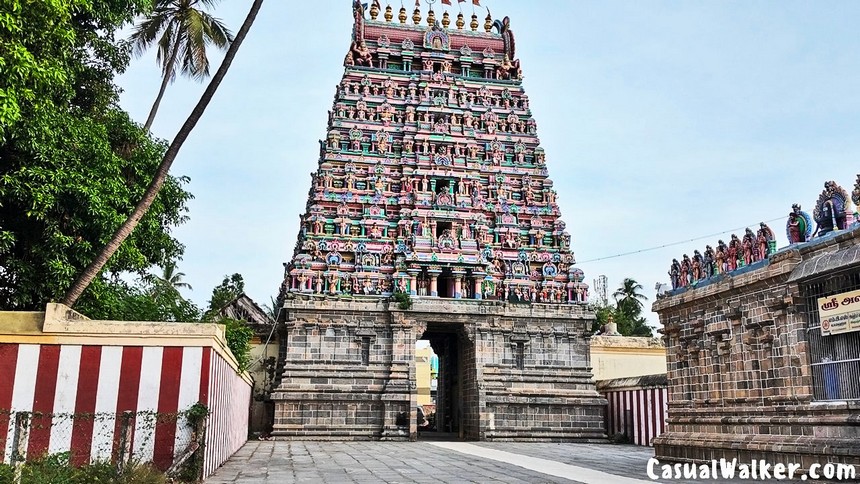
The temple was greatly expanded by the Cholas, including Kulothunga Chola I, Vikrama Chola, Kulothunga Chola II and Kulothunga Chola III, between the 11th and 13th centuries. Later rulers, including the Vijayanagara kings, Madurai Nayaks and Pallavas, are believed to have helped with its upkeep. The walls and halls carry rare inscriptions and divine sculptures.
Strangely, the sacred tank is seen after the Rajagopuram. Inside are the Dwajasthambam (flagstaff), the Bali Peedam and Nandi facing west toward the sanctum. Lord Somaskandar greets you as you approach the Moolasthanam (the main sanctum), and two huge Dwara Balakas (guardian figures) stand on either side. Around the sanctum walls are Lord Vinayagar, Lord Dakshinamurthy, Lord Pichadanar, Lord Brahma, Lord Lingodbhavar and Lord Chandikeshwarar.
Sub Shrines & Ashta Bhairavas
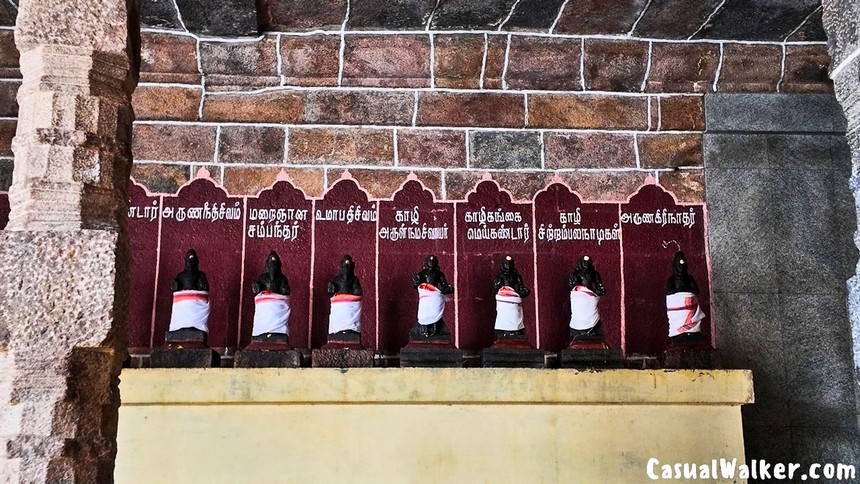
The temple holds many sub shrines. These include Lord Vinayagar, Lord Subramaniyar with Goddess Valli and Goddess Devasena, Lord Karthikeya, the sixty three Nayanmars, the Naalvar (the four great saints), Lord Gangavisarjanar (Alinganamurthy), Lord Santhanakuravar, the Sapthamatas (the seven divine mothers, also called Saptha Kannigai), the Navagrahas, and Lord Natarajar, known here as Koothadum Thevar, with Goddess Sivagami. Sattaimuni Siddhar rests on a raised podium.
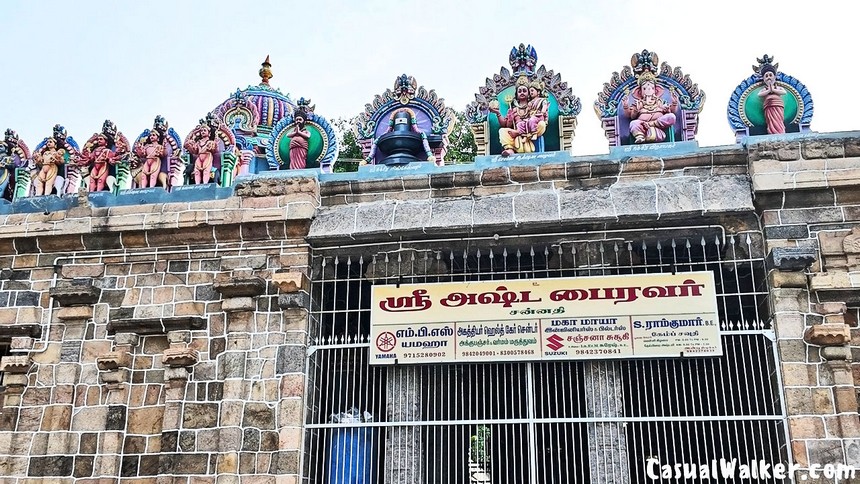
The Ashta Bhairavas, the eight forms of Lord Bhairava are worshipped in the Valampuri mandapa (pillared hall): Asitanga, Ruru, Chanda, Krodha, Unmatta, Kapala, Bhishana and Samhara. They carry the trident, hand drum, noose and sword, and inscriptions suggest Bhairava worship here from the late 16th century.
Sacred Theerthams & Rivers
Twenty two Theerthams – the holy waters are linked to the temple, including Brahma Theertham, Kali Theertham, Parasara Theertham and Vinayaka Theertham, along with the sacred waters of Purava Nadhi and Kazhumala Nadhi. The large temple tank is a lovely sight, though access to the water is restricted.
Festivals & Special Poojas
The grand ten day Brahmotsavam begins on Chithirai Thiruvadhirai day in April and May, and it is also known as the Thirumulaippal festival. On the second day, the milk feeding of Sambandar is celebrated, and the sacred milk is offered as prasad (blessed offering). Devotees believe that partaking of it brings wisdom and liberation.
Oil abhishekam (ritual bathing) is offered to Lord Uma Maheswarar on the first day of Chithirai, Aadi, Aipasi and Thai, and on Karthigai Deepam, Margazhi Thiruvadhirai and Maha Shivaratri. Special pujas are held on Aadi Pooram, Navaratri, Thai Amavasya, Vaikasi Moolam, Aani Rohini and Aipasi Sadayam. Regular worship is held on Somavaram (Monday), Sukravaram (Friday), Pradosham (the auspicious twilight sacred to Lord Shiva), Amavasya and Pournami. The most recent Kumbhabhishekam (sacred consecration ceremony) took place in May 2023.

Travel Tips for Visiting SSirkazhi Sattainathar Temple | Sri Brahmapureeswarar Arulmigu Sattainathar Temple & Thoniappar Temple in Sirkazhi
Sirkazhi Sattainathar Temple | Sri Brahmapureeswarar Arulmigu Sattainathar Temple & Thoniappar Temple Address:
Sri Sattainathaswami Temple, Sirkazhi 609 110, Mayiladuthurai district (earlier Nagapattinam district), Tamil Nadu.
Phone Number: +91 4364 270235 / +91 94430 53195
Temple Timings:
Morning: 6:00 AM to 12:30 PM
Evening: 4:00 PM to 9:00 PM
How To Reach Sirkazhi Sattainathar Temple | Sri Brahmapureeswarar Arulmigu Sattainathar Temple & Thoniappar Temple in Sirkazhi
By Road: Sirkazhi lies on the busy road network of the Chola country and is well connected to Chennai, Chidambaram, Mayiladuthurai, Kumbakonam and Tiruchirappalli. Whether you travel by your own car or a hired taxi, you can reach the heart of town easily, and the temple stands right in the centre of Sirkazhi. Parking is usually available in the streets near the temple, though it can get crowded on Fridays and festival days, so it is wise to arrive a little early.
By Bus: The new bus stand of Sirkazhi is only about half a kilometre from the Sattainathar Temple, so devotees can walk to the temple in a few minutes or take a short auto ride. Government and private buses run regularly to Sirkazhi from Chennai, Chidambaram, Mayiladuthurai, Kumbakonam, Pondicherry and Tiruchirappalli. Many pilgrims on a Tamil Nadu temple tour combine Sirkazhi with nearby Shiva temples, and buses make this simple and affordable.
By Train: Sirkazhi Railway Station is well connected to major cities in Tamil Nadu and lies about two kilometres from the temple. Autos are always waiting outside the station, and the ride to the temple costs around one hundred rupees, though it is best to confirm the fare before you board. Check the latest train schedules before you plan your journey, as services can change.
By Air: The nearest airport is Tiruchirappalli International Airport, about 150 kilometres from Sirkazhi. From the airport, you can take a taxi directly to the temple, or travel by bus or train to Sirkazhi and then continue by auto. Allow around three to four hours for the full journey from the airport, depending on traffic and connections.

Thanks for exploring this Casual Walker photo guide — India’s most visual cultural travel guide and a curious discovery journal finding authentic photo stories, guides, and tips across travel, culture, arts, temples, heritage, and food.
- Keep exploring: Browse 650+ Travel & Culture Photo Guides
- We’d love to hear your feedback, stories, corrections, and updates — Email us.
- Follow our photo walks on Instagram: @hicasualwalker