





Villupattu, The Bow Song: One of the Oldest and Most Cherished Folk Art Forms of Tamil Nadu | The Legend, Folk Tradition, Oral Storytelling, Performance Style and Social and Spiritual Dimensions of Tamil Nadu’s Ancient Bow Song Art Form from Tirunelveli and Kanyakumari & Life and Legacy of Subbu Arumugam and His Daughter Bharathi Thirumagan – Villu Paatu History, Origin, Name Meaning, Significance and Instrument Complete Guide (Updated)
– a soulful walk through the living oral tradition of tamil nadu’s temple festivals
| CasualWalker’s Rating for Villu Paatu, The Bow Song – Oldest Folk Art Forms : | |

9.9 – Soulful, Moving, Timeless |
|


Villu Paatu is one of the oldest and most cherished folk art forms of Tamil Nadu, a living tradition that blends music, poetry, and storytelling into a single mesmerising performance. Rooted in the southern districts of the state, this bow song tradition has entertained, educated, and moved audiences for generations, carrying within it the history, mythology, and social conscience of the Tamil land. It continues to thrive today through the dedication of artists who have kept its rhythm alive across changing times.
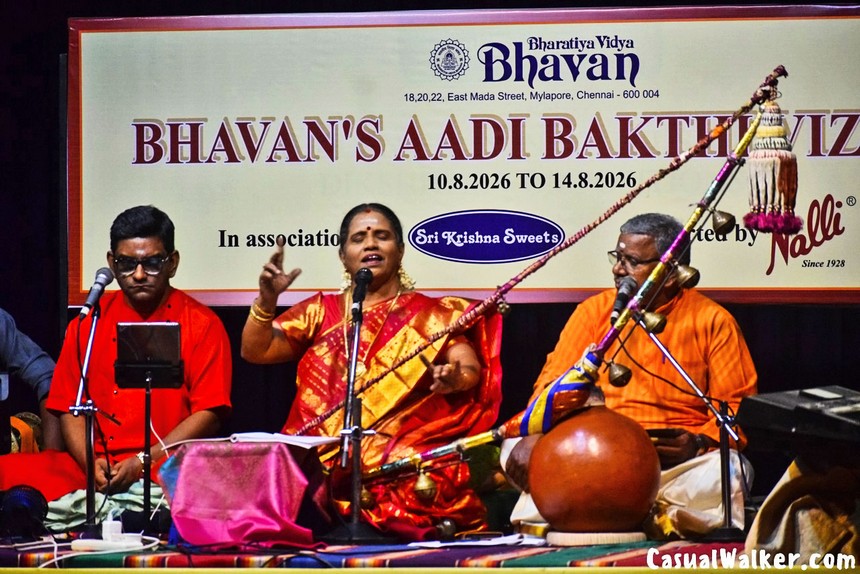
There is something magical about stumbling upon an art form that has survived centuries purely on the strength of voice, rhythm, and storytelling. Villu Paatu, also spelled Villu Pattu or Villuadichanpattu, is exactly that kind of treasure. As someone who has spent years chasing folk traditions across India, documenting temple festivals, village fairs, and the quiet corners where old art still breathes, I can say without hesitation that Villu Paatu holds a special place in the heart of Tamil culture.
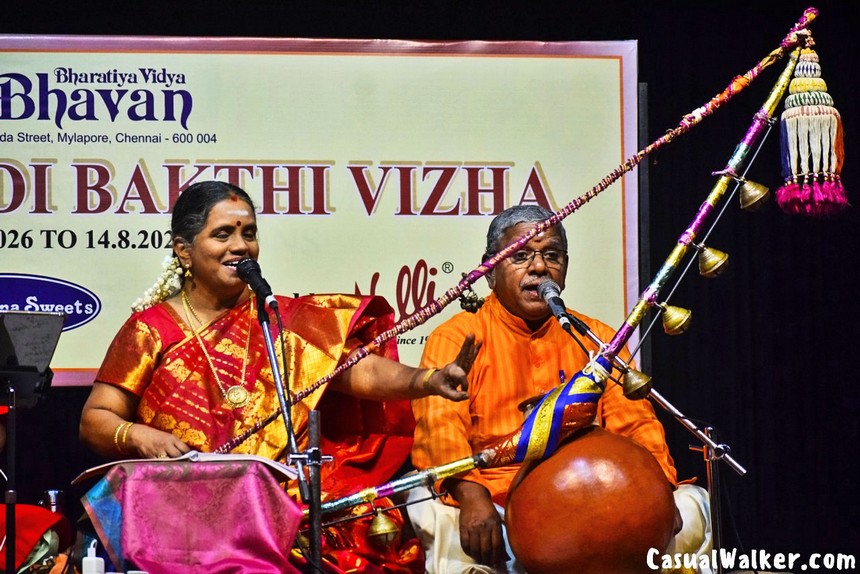
Villu Paatu – The Bow Song
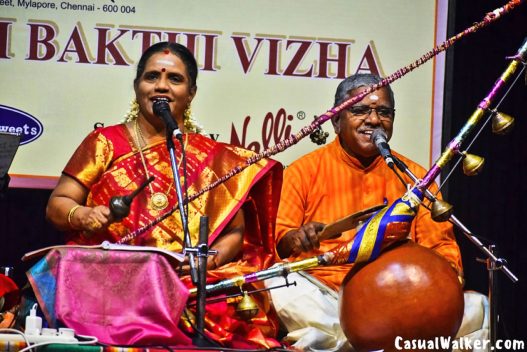
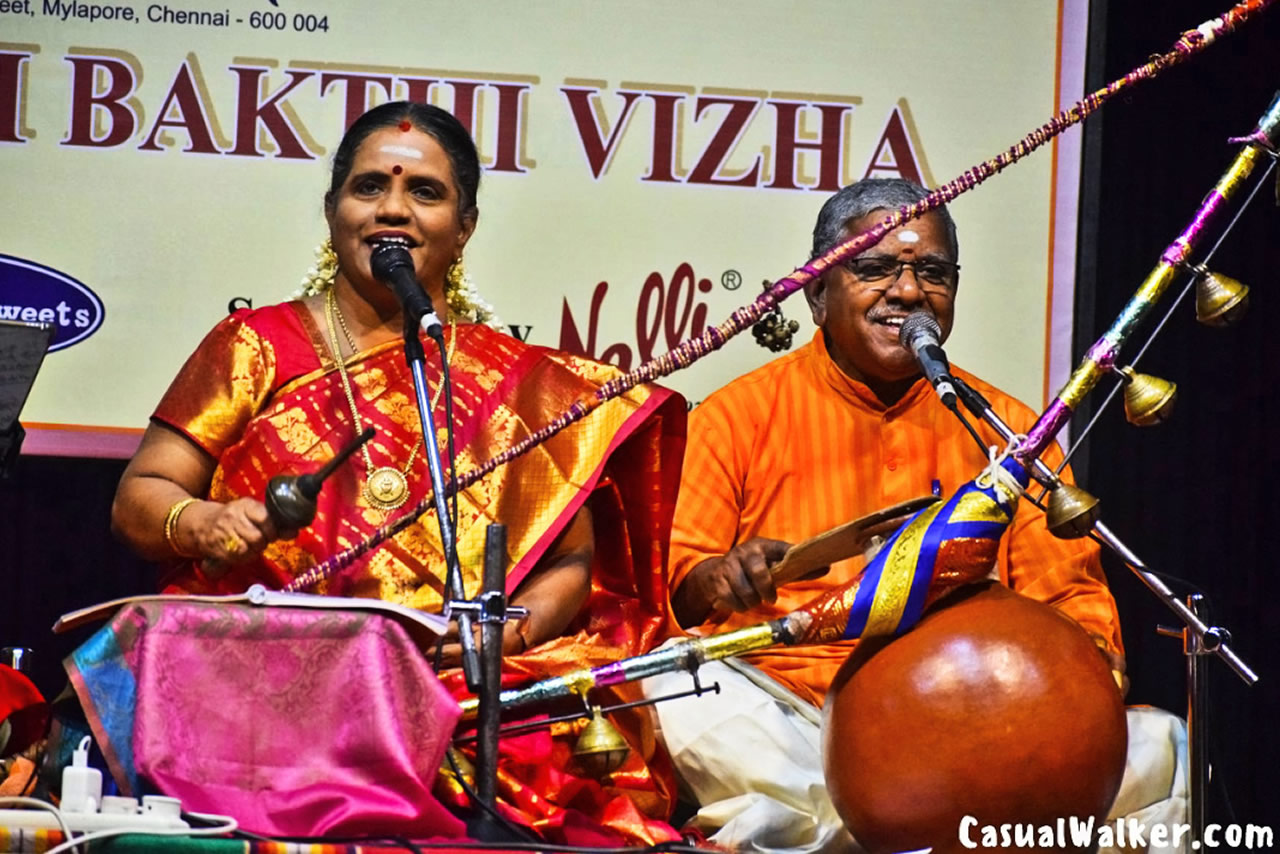
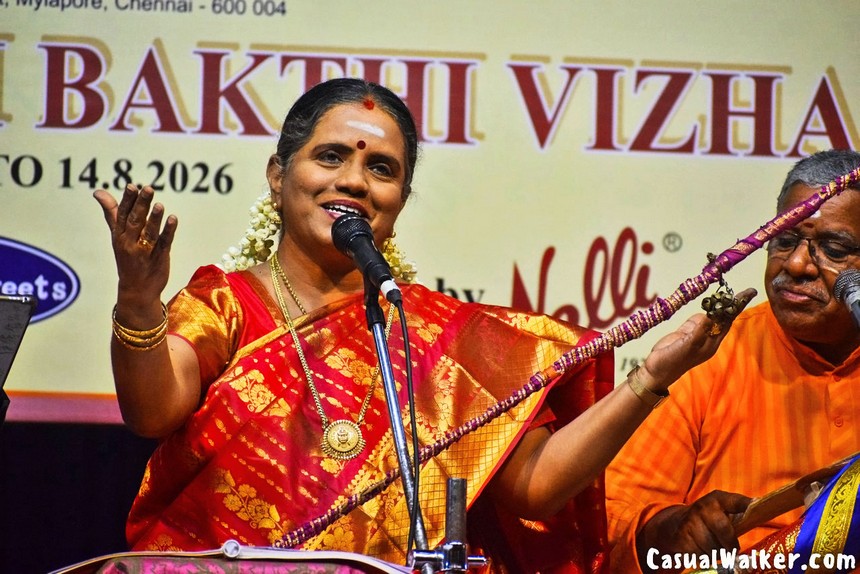
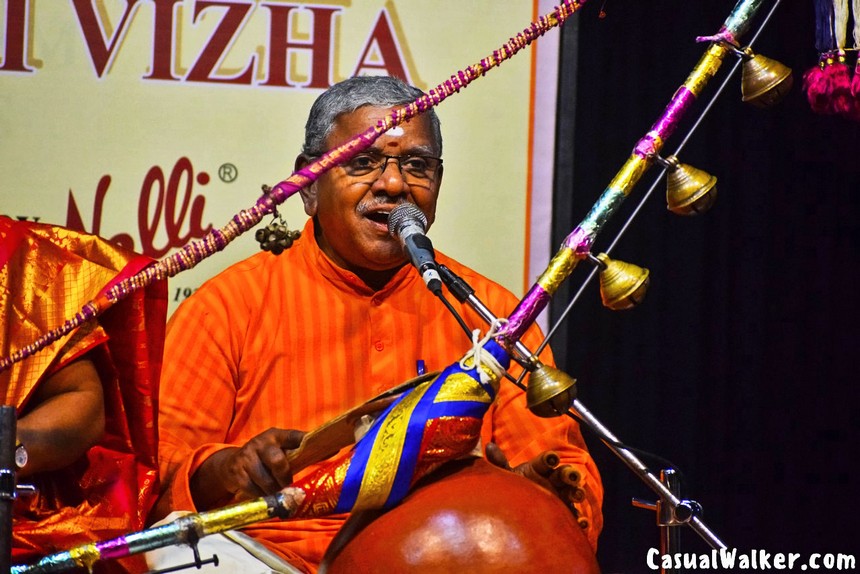
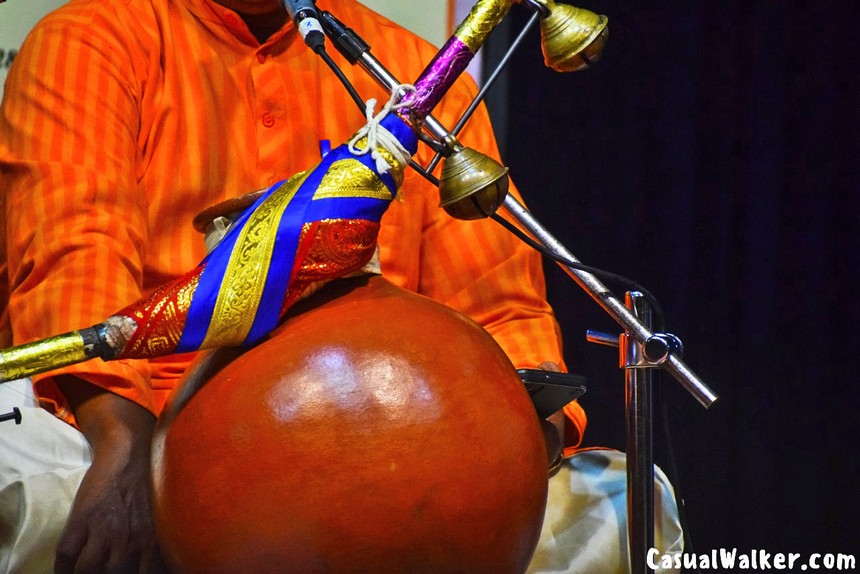
Villu Paatu literally translates to Bow Song in Tamil language, and that name comes from its most striking feature, the large bow shaped instrument that anchors the entire performance. Unlike a conventional bow used for archery, the Villu used in this art form is an oversized wooden bow, traditionally carved from palmyra wood, strung with bells and rested atop an upturned mud pot that acts as a natural resonator. When the lead performer strikes the string with a small stick, it produces a deep rhythmic pulse that becomes the heartbeat of the entire narration.
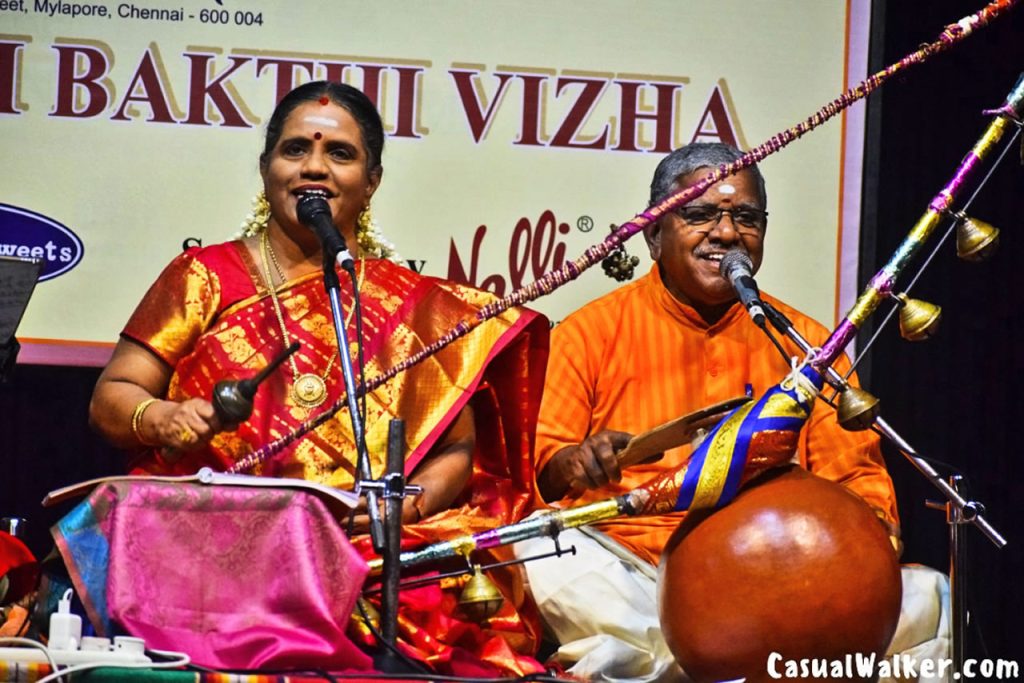
This folk tradition beautifully brings together the three pillars of classical Tamil expression, known as Muthamizh, which are Iyal or poetry, Isai or music, and Nadagam or drama. It is this fusion that makes Villu Paatu far more than mere singing. It becomes theatre, sermon, comedy, and community gathering, all rolled into one unforgettable evening.
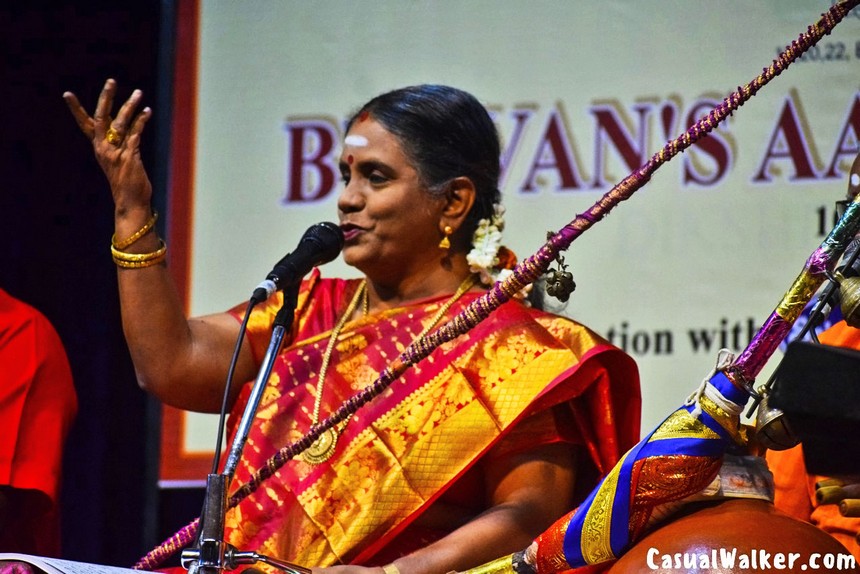
Villu Paatu: The Bow, the Story and the Song
Villu Paatu, also referred to as Villadichampaatu, is an age old tradition of musical storytelling practised in India, where the narration is woven together with music in a way that keeps listeners engaged throughout. This art form is found in the southern Indian state of Kerala as well as in Thovalai, located in the Kanyakumari district of Tamil Nadu, and it holds particular popularity among the Nadar and Chettiar communities who once belonged to the erstwhile Travancore kingdom. The tunes and verses used are kept simple and accessible, which allows even a first time listener to follow the unfolding story with ease.
At the heart of this tradition lies the villu, or bow, an object historically associated with warfare, yet here it takes on an entirely different purpose as the primary musical instrument of the performance. Across Tamil villages, performers use this instrument to narrate stories that range from ancient mythology to present day social issues. The chief storyteller strikes the bow while narrating, and the bow itself rests upon an upturned mud pot, which acts as a resonating base.
A supporting performer keeps rhythm by beating this pot while singing along, and often another co singer joins in purely as an active listener, offering timely vocal responses that keep the narration lively and interactive. Local authorities have, at times, made use of this format as a means of spreading social messages and public awareness campaigns.
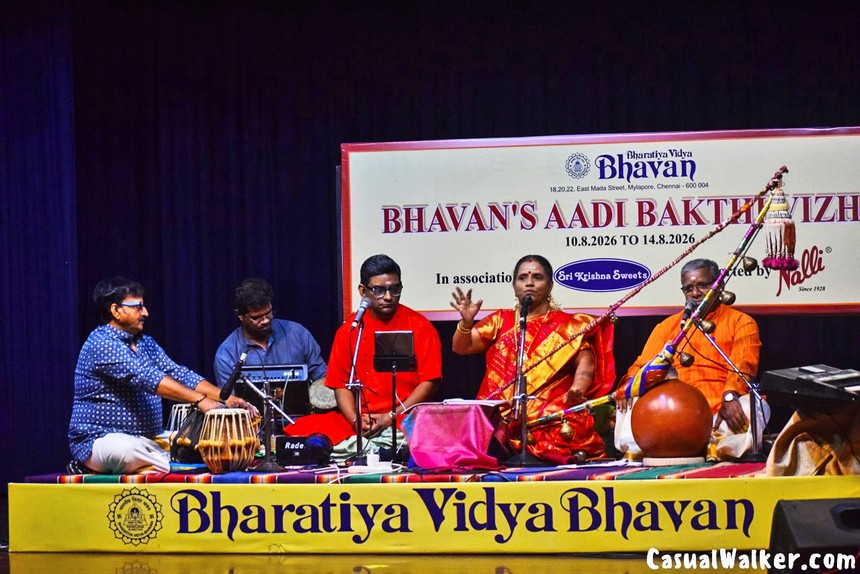
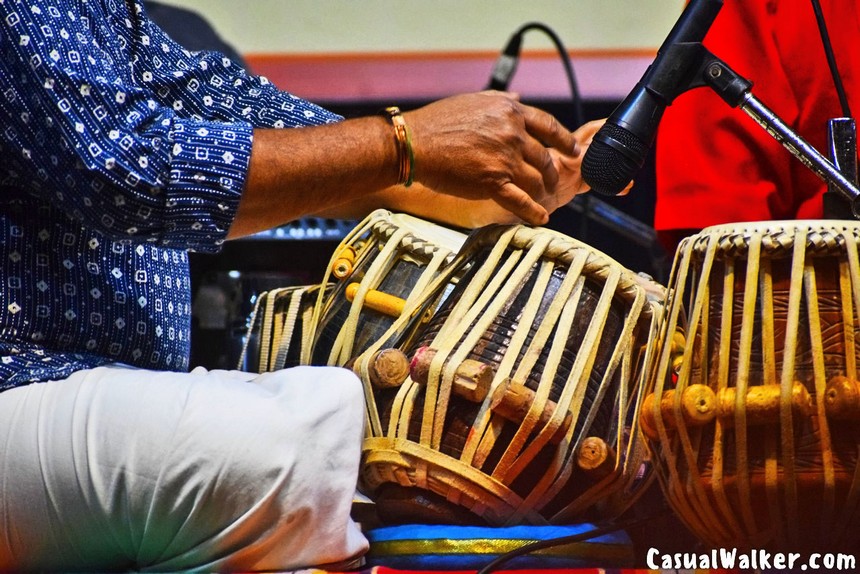
Several supplementary instruments accompany the main performance, including the Udukku, Kudam, Thala, and Kattai. The Udukku in particular is a small hourglass shaped drum, narrow at its middle, which the performer holds in the left hand while playing it with the fingers of the right. On certain occasions, a Villu Pattu troupe splits into two opposing groups, each presenting a contrasting viewpoint on a chosen subject, a variation known as Lavani Pattu.
Villu Paatu – Legend Behind Its Origin
Every folk art carries a story about its own birth, and Villu Paatu is no exception. One popular legend speaks of a weary king who, after a long and tiring day of hunting in the forest, longed for some form of entertainment. His soldiers, having nothing but their bows and arrows at hand, began plucking the bowstrings to create rhythmic sounds, and slowly wove in tales of valor and conquest. What began as an impromptu act of relaxation eventually blossomed into a structured art form, one that used the bow not for war but for wonder.
Another version traces the origins back to the fifteenth century, crediting a court minister with shaping the tradition into what we now recognise as Villu Paatu. Regardless of which legend one chooses to believe, the essence remains the same. This is an art born out of resourcefulness, community, and the timeless human need to turn everyday objects into instruments of storytelling.
How a Villu Paatu Performance Unfolds
A typical Villu Paatu troupe consists of around eight artists. At the centre sits the chief vocalist, holding the bow in one hand and small rhythmic rods called Veesukol in the other. Around this central figure, the supporting artists sing in chorus, echoing every line the lead performer offers. Instruments such as the udukku, mridangam, and the humble earthen pitcher join in, layering the narration with texture and depth.
The performance itself can range from a single session to several days, depending on the story being told. A tale drawn from current events or a short fable might conclude within an hour or two, while an epic narration of the Ramayana or the Mahabharata can stretch across three or four evenings, with the audience returning night after night, eager for the next chapter. The chief vocalist opens with a line, the troupe responds in chorus, and together they build a rhythm that pulls listeners into a world of gods, spirits, kings, and ordinary people caught between fate and courage.
Themes explored in Villu Paatu are wonderfully wide ranging. Mythology, regional history, social messages, and even supernatural elements such as restless spirits and divine interventions all find their place within this oral tradition. It is performed extensively in the southern districts of Tamil Nadu, particularly Tirunelveli and Kanyakumari, and remains an essential part of temple festivals, village carnivals, and travelling theatre troupes even today.
Social and Spiritual Dimensions of Villu Paatu
What makes Villu Paatu truly remarkable is how effortlessly it moves between the sacred and the social. On one evening, the troupe might narrate the life of a temple deity or a devotional legend, invoking a deeply spiritual atmosphere among the listeners. On another, the very same troupe might use the platform to spread awareness about voter rights, health issues, patriotism, or self reliance, proving that folk art has always been a powerful tool for public communication, long before modern media took over that role.
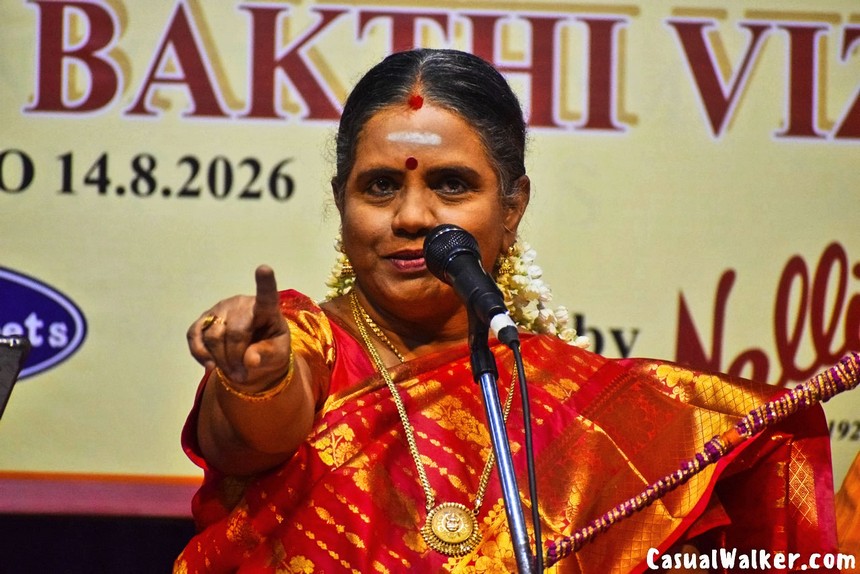
Subbu Arumugam, The Man Who Carried the Bow Forward
No conversation about Villu Paatu feels complete without honouring Subbu Arumugam, the artist whose name has become almost synonymous with this tradition. Born in 1928 in Tirunelveli, Subbu Arumugam grew up in a devout household, learning Tamil from his schoolteachers and music from his father. His early years already hinted at his artistic calling, as he began writing devotional poems in praise of Lord Muruga, a deity his family held close to their hearts, and saw his verses published in Tamil magazines while still young.
He trained formally in the art of Villu Paatu under respected gurus including A. Subbaiah Pillai, N. Krishna Pillai, and the legendary N. S. Krishnan, absorbing influences from Tamil theatre, cinema, and political oratory along the way. His Villu Paatu programmes on subjects like patriotism, civic responsibility, and social awareness reached thousands of listeners, and his television appearances on Doordarshan became appointment viewing for entire families, with households pausing their evening routines just to watch him perform.
Bharathi Thirumagan, Carrying Her Father’s Legacy Forward
The story of Villu Paatu today cannot be told without mentioning Bharathi Thirumagan, Subbu Arumugam’s daughter, who has emerged as one of the most respected contemporary voices in this tradition. Trained by her father from the tender age of seven, Bharathi has spent nearly five decades performing across national and international stages, carrying the bow song to audiences in Singapore, Malaysia, Sri Lanka, Dubai, and Muscat, among other places.
What sets her apart is her rare blend of performance and scholarship. She holds a Master of Philosophy degree focused specifically on Villu Paatu and has pursued doctoral research in the same field, treating her inherited art form with the intellectual seriousness it truly deserves. In 2015, the Government of Tamil Nadu honoured her with the Kalaimamani award, and she continues to be recognised as a graded artiste with All India Radio. Remarkably, she remains the only Villu Paatu performer impaneled with the Indian Council for Cultural Relations, a testament to how far she has carried this once regionally rooted art form onto the global stage.
Her son, T. Kalaimagan, has now joined the family tradition as well, making this a striking three generation lineage devoted to keeping Villu Paatu alive. Watching a family pass down not just an art form but an entire philosophy of storytelling is genuinely moving, and it reflects the quiet strength of India’s oral traditions.
In an age dominated by digital entertainment, Villu Paatu reminds us of a simpler yet deeply effective form of storytelling, one built entirely on human voice, rhythm, and shared presence. It is folk art, oral history, spiritual expression, and social commentary, all carried on the string of a single wooden bow. Thanks to families like that of Subbu Arumugam and Bharathi Thirumagan, this tradition continues to echo, not as a relic of the past, but as a living, evolving art form that still has stories left to tell.

Thanks for exploring this Casual Walker photo guide — India’s most visual cultural travel guide and a curious discovery journal finding authentic photo stories, guides, and tips across travel, culture, arts, temples, heritage, and food.
- Keep exploring: Browse 650+ Travel & Culture Photo Guides
- We’d love to hear your feedback, stories, corrections, and updates — Email us.
- Follow our photo walks on Instagram: @hicasualwalker