




18 Siddhars Of South India – Padinettu Siddhargal : A Complete Devotee’s Guide To India’s Mystic Saints & The History Of The Eighteen Siddhars | Their Jeeva Samadhi Locations, Creators Of Siddha Medicine & Pioneers Of Advanced Yoga & Breathwork | Achievers Of The Eight Supreme Siddhis Supernatural Powers & Practices | Creators Of The Physical Body As Temple Philosophy & Varma Energy Point Therapy | Authors Of Secret Palm Leaf Manuscript Sciences & Perfecters Of Divine Oneness And Immortality – A Complete Travel Guide
– siddhars who are honoured as saivite saints, healers, alchemists, & realized yoga masters

South India carries within its temple towns, hills, and river deltas a spiritual lineage unlike any other, the Padinettu Siddhargal, the eighteen Siddhars who are honoured across Tamil Nadu as saints, healers, alchemists, and realized masters of yoga. These were not distant mythological figures but living seekers who walked this very soil, practised intense sadhana, and are believed to remain spiritually present even today at the sacred sites where they attained Jeeva Samadhi. 
Siddhas & their Traditions
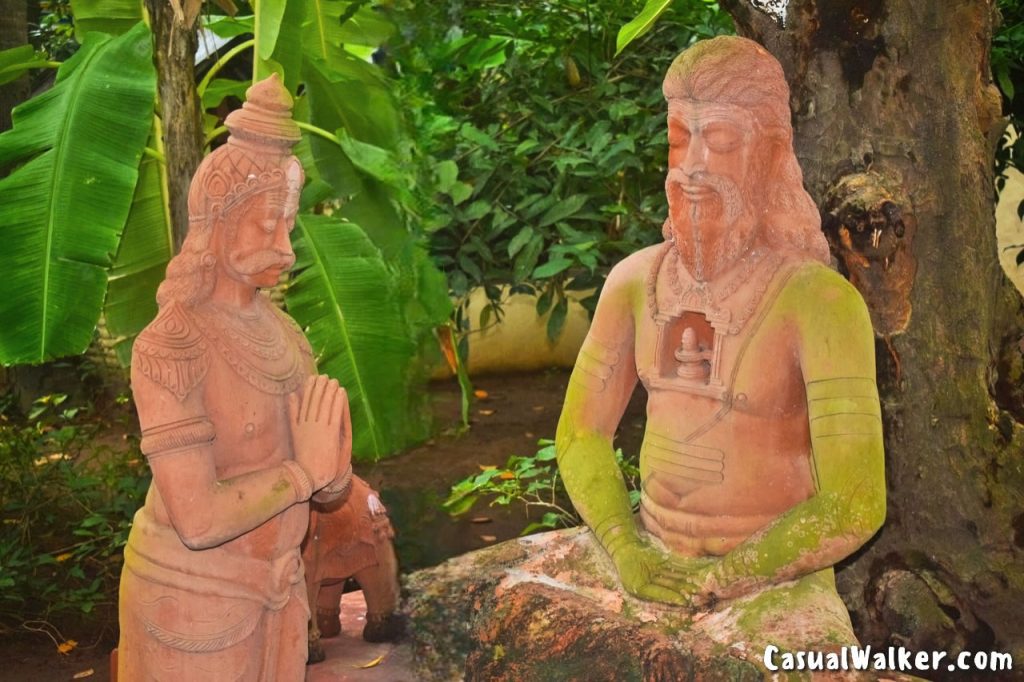
The word Siddha comes from the Sanskrit root sidh, meaning to accomplish, to succeed, or to become perfected. A Siddhar, or siddha purusha, is one who has walked the path of sadhana, rigorous spiritual discipline, and arrived at siddhi, supernatural accomplishment and inner mastery. In Tamil Nadu, the Siddhars belong largely to the Saivite stream of Hinduism, though their wisdom draws freely from the Vedas, the Upanishads, Agamas, and the native Tamil spiritual genius that gave the world the Tirumurai and the Tamil Siddha literature.
Through yoga, tapas, and a special science of pranayama, breath control, they sought to still the mind and awaken the dormant energy known as kundalini. They also practiced Kaya Kalpa, a Siddha alchemical science of rejuvenation using herbal and mineral preparations called rasayanas, believed to purify and transform the physical body so that it could support the soul long enough to reach moksha, final liberation. Their aim was not escape from the world but transcendence within it, a mastery of both prakriti, nature, and atman, the inner self.
Historically, the Siddha tradition is believed to have flourished from around the early centuries of the common era, though its roots are said to stretch back to the sage Agastya, who is honoured as the very first of the eighteen. The Siddhars authored a vast body of Tamil verse on medicine, yoga, alchemy, astrology, and philosophy, much of which forms the foundation of Siddha medicine, one of Indias oldest systems of healing alongside Ayurveda. Many Siddhars are said to have attained Jeeva Samadhi, a state in which a realized soul consciously leaves the physical body while remaining spiritually present at the site, which is why their samadhi shrines are still worshipped today as living centres of shakti, spiritual energy.
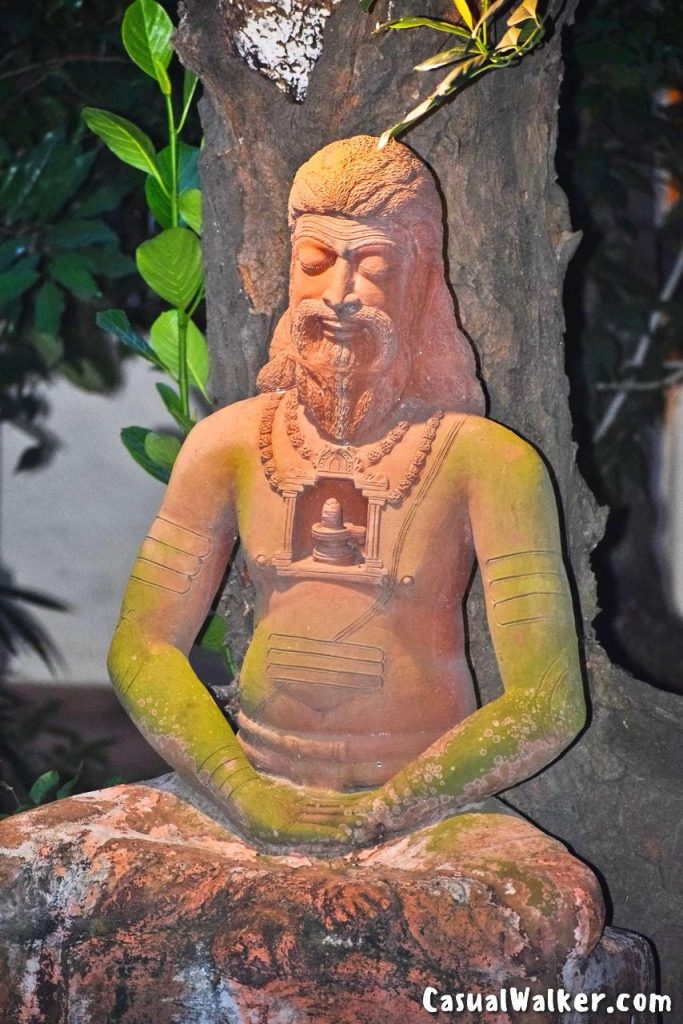
These eighteen masters can rightly be compared to the mystics of the western world, yet their path is entirely rooted in Tamil soil, in its rivers, hills, and temple towns, and in a devotion that blends bhakti, loving surrender, with jnana, realized knowledge.
The list followed in this guide is one widely accepted, and it includes Valmiki and Pathanjali among the eighteen. Certain other lineages replace one or two of these names with figures such as Vanmigar or Kagapujandar. This is not a contradiction so much as a reflection of how oral and regional traditions preserved this parampara, lineage of knowledge, across centuries and across different mutts and temple schools.
Agathiyar The First And Foremost Siddhar
Agastya, revered in Tamil tradition as Agathiyar, is considered the very first Siddhar, the master among masters. His name has parallels across Indian mysticism, echoing in the Tibetan mahasiddha lineages, the Sri Lankan Buddhist traditions, and the Nath yogi orders of North India. Agathiyar is credited with codifying Tamil grammar itself, alongside deep contributions to medicine, Kaya Kalpa, and yoga. He is said to have been initiated directly by Lord Siva, and his disciples include Bhogar, Babaji, the poet saint Thiruvalluvar, and Machamuni.
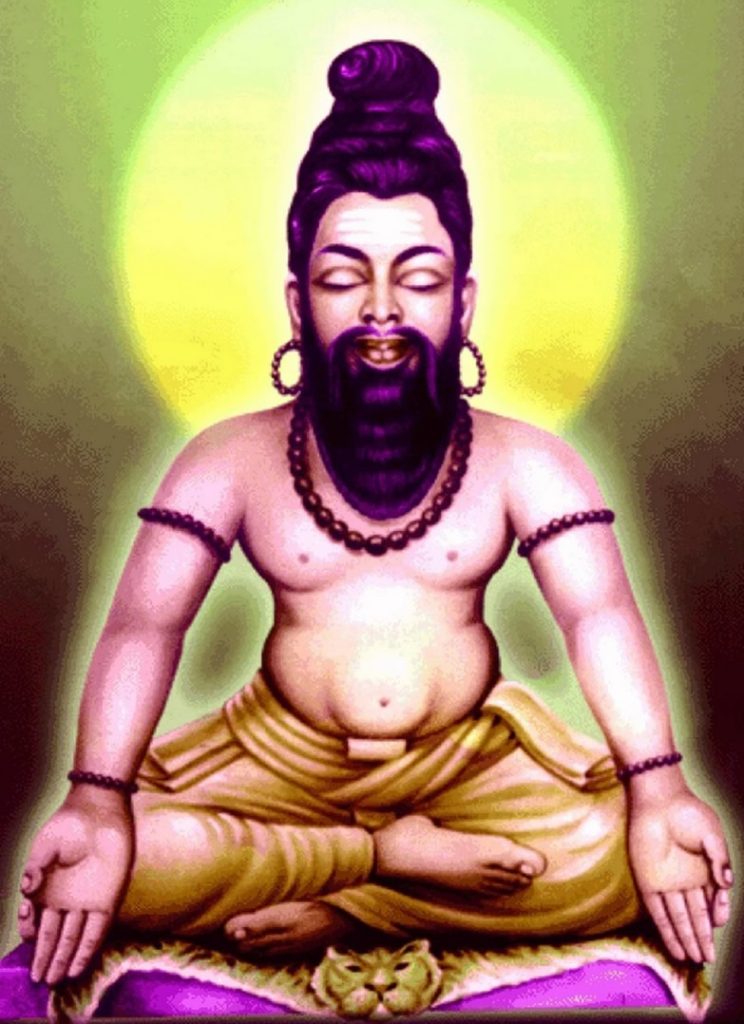
Duration of life is recorded in the old palm leaf traditions as four Yugas and forty eight days, an extraordinary span that reflects his legendary, almost timeless status among the Siddhars.
Samadhi location and address, Agasthiyar Jeeva Samadhi is traditionally associated with the Agasthiyar Temple at Kalyana Theertham Waterfalls, Papanasam, Tirunelveli district, Tamil Nadu, near the Agasthiyar Malai hills of the Podhigai range. A connected shrine is also honoured at the Adi Kumbeswarar Temple, Kumbakonam, Thanjavur district, Tamil Nadu.
Agathiyar is honoured as the guru of all Siddhars, and tradition credits him with ninety six works that touch nearly every branch of vidya, knowledge, alchemy, medicine, astrology, and spirituality among them. He is also remembered as the father of Tamil grammar, having composed the Agathiyam, the earliest known treatise on the language, and he is said to have carried Vedic learning from the North and woven it together with the wisdom of the Tamil land, becoming a bridge between the two great streams of sanatana dharma. In the Ramayana, he is honoured as the sage who blessed Sri Rama with divine weapons before the battle with Ravana, and in South Indian martial tradition he is regarded as the founding patron of Silambam, the art of the staff. His disciples carried his teachings across the Siddha world, which is why nearly every later Siddhar traces some part of their parampara, lineage, back to him.
Nandidevar The Guru Of Guru
Nandi Devar stands among the foremost of the eighteen yoga Siddhars, directly initiated by Lord Siva. It is a mark of his greatness that his own disciples include some of the towering figures of the Siddha world, Thirumoolar, Pathanjali, Dakshinamoorthy, Romarishi, and Sattaimuni. His teachings span medicine, Kaya Kalpa, alchemy, and the deeper philosophy of yoga sastra.
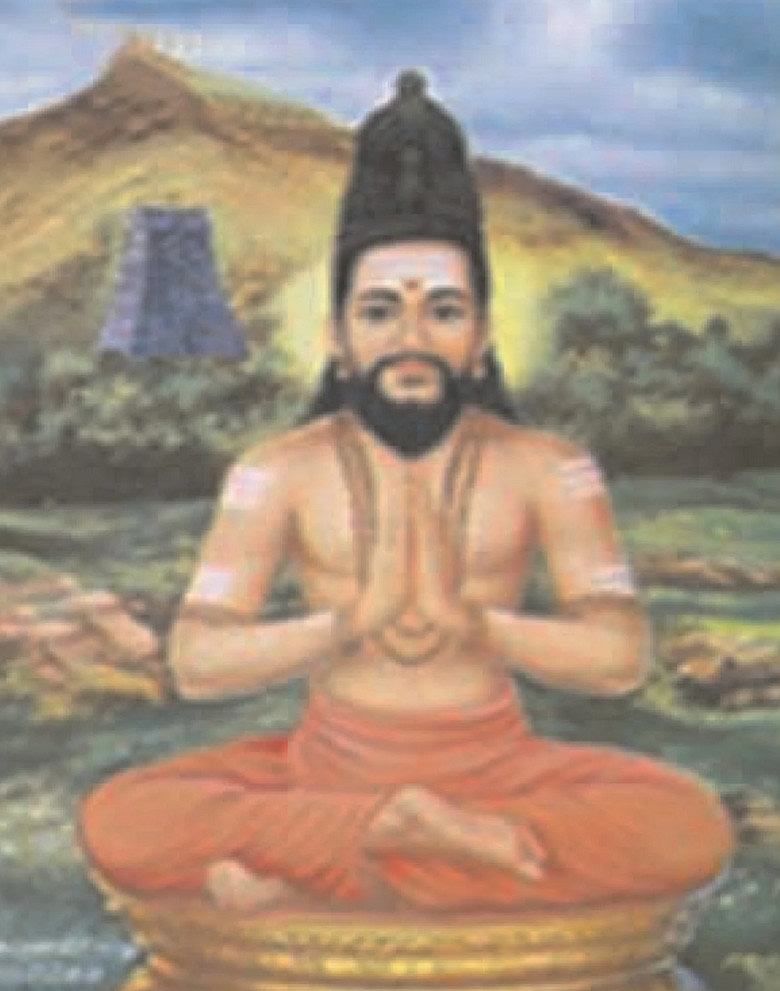
Duration of life is given as seven hundred years and thirty two days.
Samadhi location and address, tradition places his Jeeva Samadhi at Kasi, that is Varanasi, Uttar Pradesh, though several Tamil sources also connect his presence to the Thiruvaduthurai Adheenam complex in Mayiladuthurai district, Tamil Nadu, where his blessings are still sought by pilgrims before they proceed to Thirumoolars shrine.
Within the Thirumandiram, Thirumoolar himself honours Nandidevar as the three eyed Nandi, the primal teacher who received the whole of Saiva jnana directly at the feet of Lord Siva before passing it onward to nine chosen disciples, of whom Thirumoolar was one. Tradition holds that Nandidevar performed tapas for an almost unimaginable span, ten million years by some tellings, standing as the ever watchful guardian at the gateway of Mount Kailash. Because nearly every Siddha lineage in the Tamil tradition ultimately flows from him, Nandidevar is worshipped not merely as one among the eighteen but as the guru of them all, the silent link between the formless Siva and the long chain of enlightened Siddhars who followed.
Thirumoolar The Sage Of The Thirumandiram
Few Siddhars have shaped Tamil Saivism as profoundly as Thirumoolar. His masterwork, the Thirumandiram, is revered as Siddhantha, the very culmination of philosophy, and remains one of the twelve sacred Tirumurai texts of Tamil Saiva literature. Thirumoolar sat in unbroken samadhi for three thousand years, emerging once each year to inscribe a single verse on palm leaf with his stylus, a practice that eventually gave the world three thousand verses of extraordinary jnana. Some accounts place his long meditation beneath an Arasa Maram, the sacred Peepal tree, others within a quiet cave.
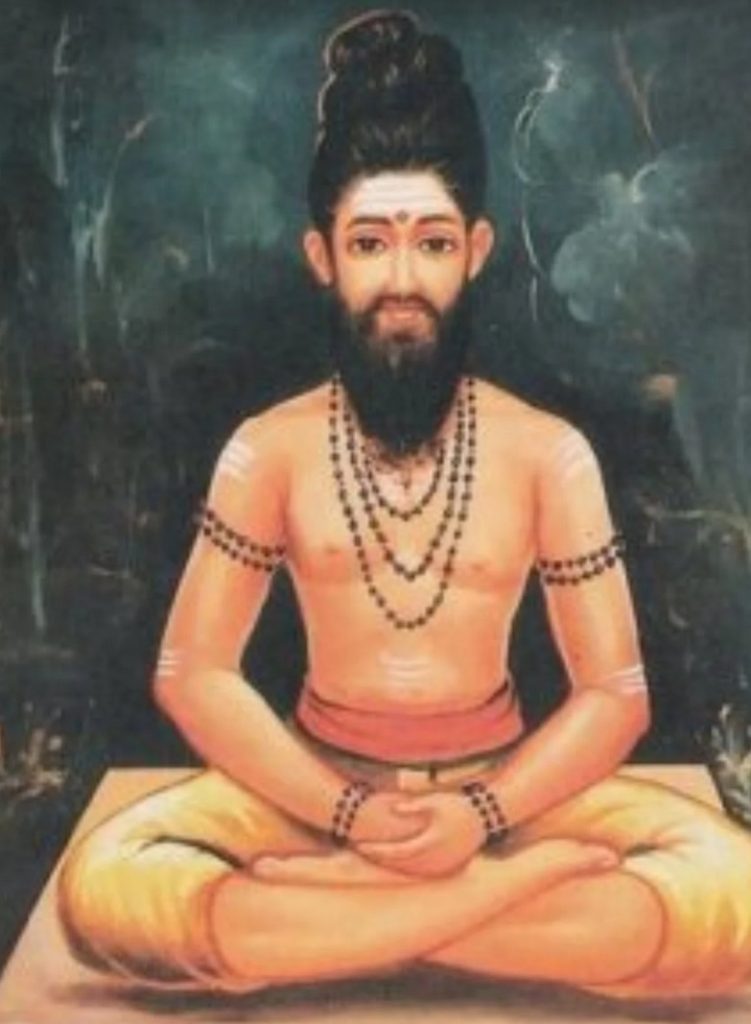
Duration of life is recorded as three thousand years and thirteen days, guided by his guru Nandi.
Samadhi location and address, the Jeeva Samadhi of Thirumoolar is enshrined at the Gomuktheeswarar Temple, also called Masilamaniswarar Temple, within the Thiruvavaduthurai Adheenam, near Kuthalam, Mayiladuthurai district, Tamil Nadu. A separate sannidhi in his honour also exists within the Thillai Nataraja Temple, Chidambaram, Cuddalore district, Tamil Nadu, where devotees believe he once beheld the cosmic dance of Siva.
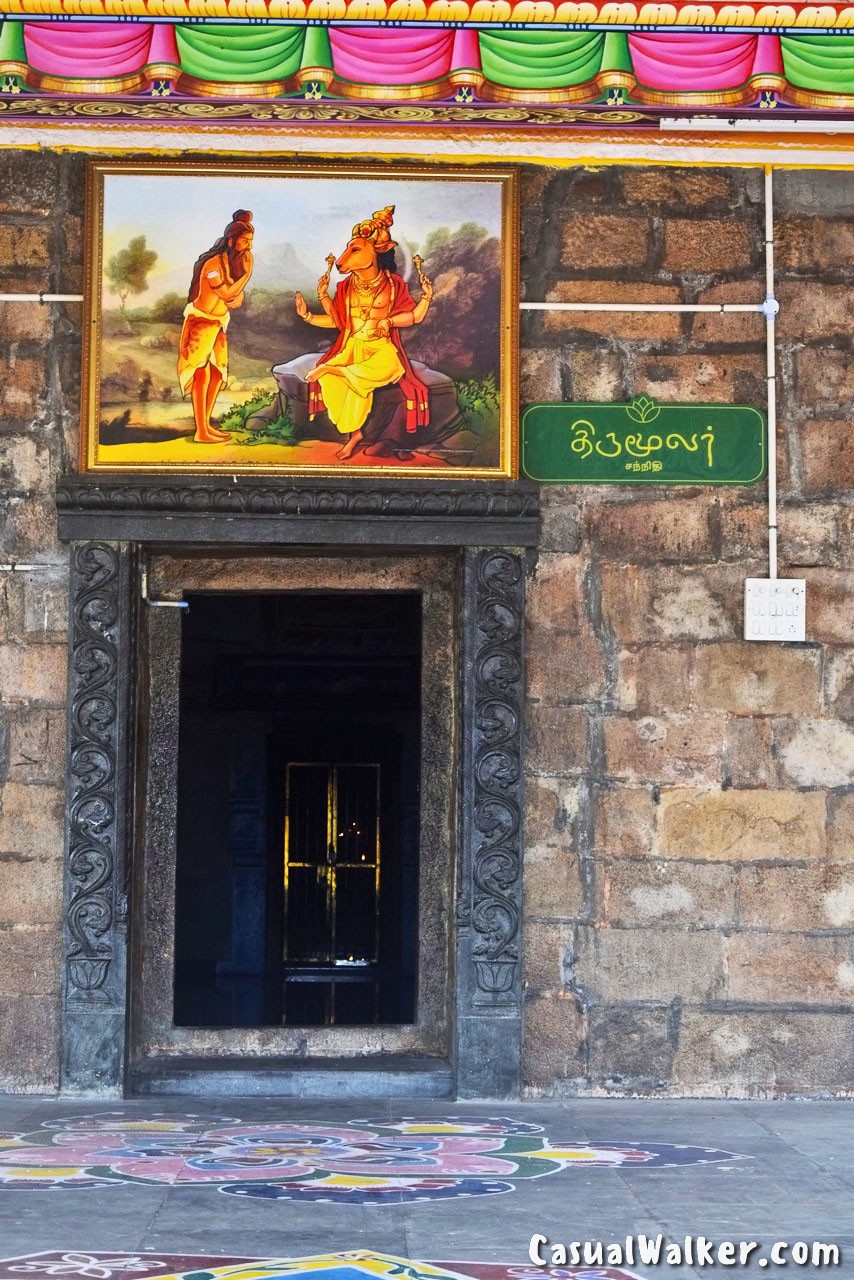
At the very heart of Thirumoolars teaching lies one deceptively simple line from the Thirumandiram, that Sivam itself is love, and that love which knows no bargain and expects no result is the truest form of worship. His verses move fluidly between Hatha Yoga, Raja Yoga, Mantra Yoga, and Bhakti Yoga, describing asana, pranayama, pratyahara, dharana, dhyana, and samadhi as one continuous ladder toward union of atman with Brahman, a state he called Sivayoga. He also taught the discipline of Kayasiddhi, the deliberate nourishing of the physical body so that the soul could dwell within it long enough to complete its inner work, a philosophy he summed up in the memorable line that as he nurtured his body, so too he nurtured his soul. Devotees still chant the simple Panchakshara refrain attributed to his lineage, Va Va Va Va En Gurunatha, as an invocation of his grace.
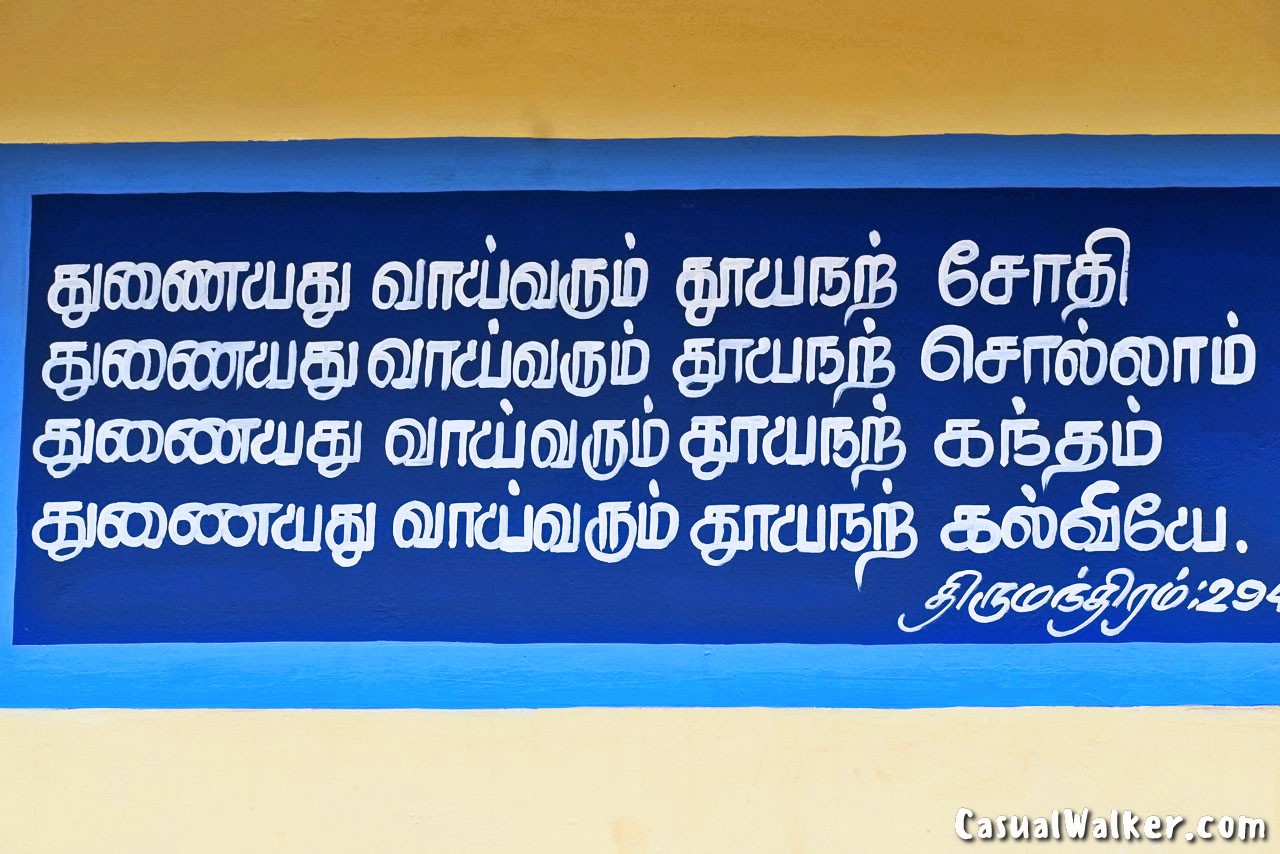
When I visited Thiruvavaduthurai on a quiet weekday morning, the mutt was calm, almost sleepy, and the small shrine dedicated to Thirumoolar felt like stepping into a pocket of stillness that the centuries had simply forgotten to disturb.
Bhogar The Alchemist Of Palani
Bhogar Siddhar, born into a family of goldsmiths in South India, rose to become one of the most celebrated alchemists among the eighteen. Guided by his guru Kalanginathar, Bhogar is credited with fashioning the sacred image of Lord Muruga at Palani using a rare navapashanam, a fusion of nine mystical herbal and mineral substances believed to carry immense healing power. In his text known as the Bhogar Saptakandam, he transmitted deep medicinal knowledge to his disciple Pulippani.
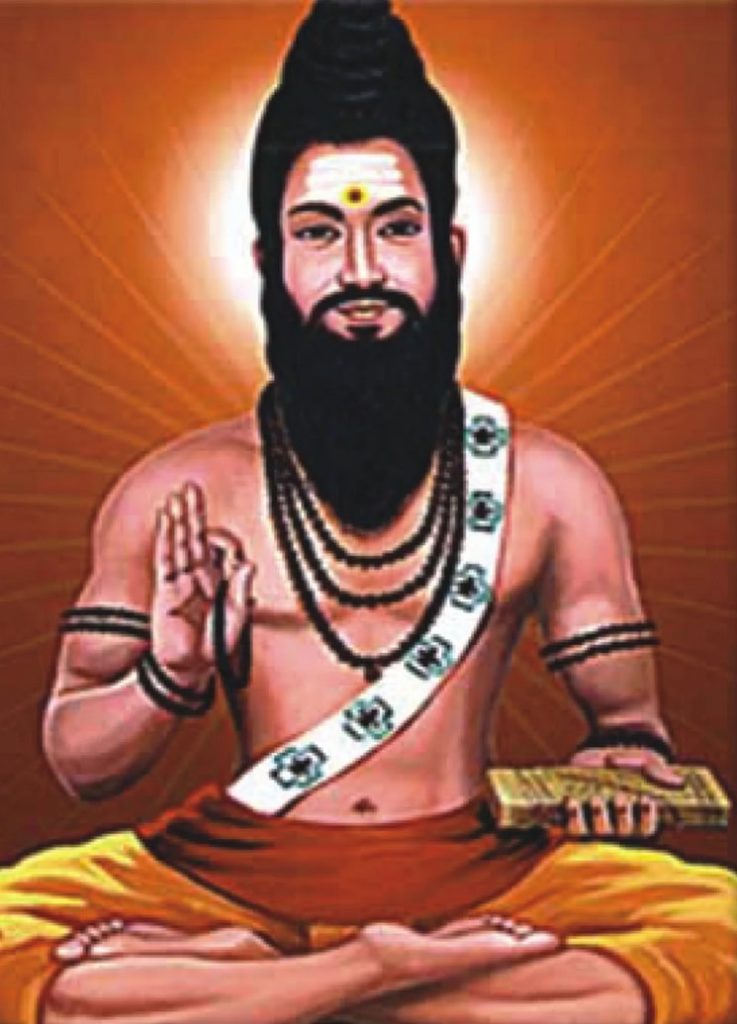
Duration of life is given as three hundred years and eighteen days.
Samadhi location and address, Bhogar attained Jeeva Samadhi beneath the sanctum of the Arulmigu Dhandayuthapani Swamy Temple, Palani, Dindigul district, Tamil Nadu, a shrine visited daily by thousands of Murugan devotees who may not even realize a great Siddha rests beneath their feet.
Bhogars greatest legacy rests in the very idol worshipped at Palani today. Working with the blessing of Agathiyar and other Siddhars, he is said to have combined navapashanam, nine powerful and even poisonous substances, through advanced alchemical processes into a single indestructible medicine, then shaped that medicine into the form of Lord Muruga as a seated ascetic bearing his staff. Devotees believe the daily abhishekam, sacred bathing of the idol with milk and panchamirtham, still carries healing properties drawn from this ancient alchemy. His guru Kalanginathar is remembered as a Siddha of Chinese origin who himself attained siddhi on Tamil soil, and Bhogars own travels to China are said to have deepened his mastery of alchemy before he returned to spend his final years in a hidden cave beneath the Palani hill, where tradition holds he continues his tapas in unbroken silence even now.
Konkanavar The Compassionate Teacher
Sri Konganavar, also spelled Konganar or Gonganavar, was initiated by Bhogar and is remembered for twenty five known works spanning medicine, yoga, philosophy, and religion. His compassion is legendary, tradition recalls that he guided over five hundred and fifty seven disciples, tending not only to their spiritual growth but to their everyday needs as well.
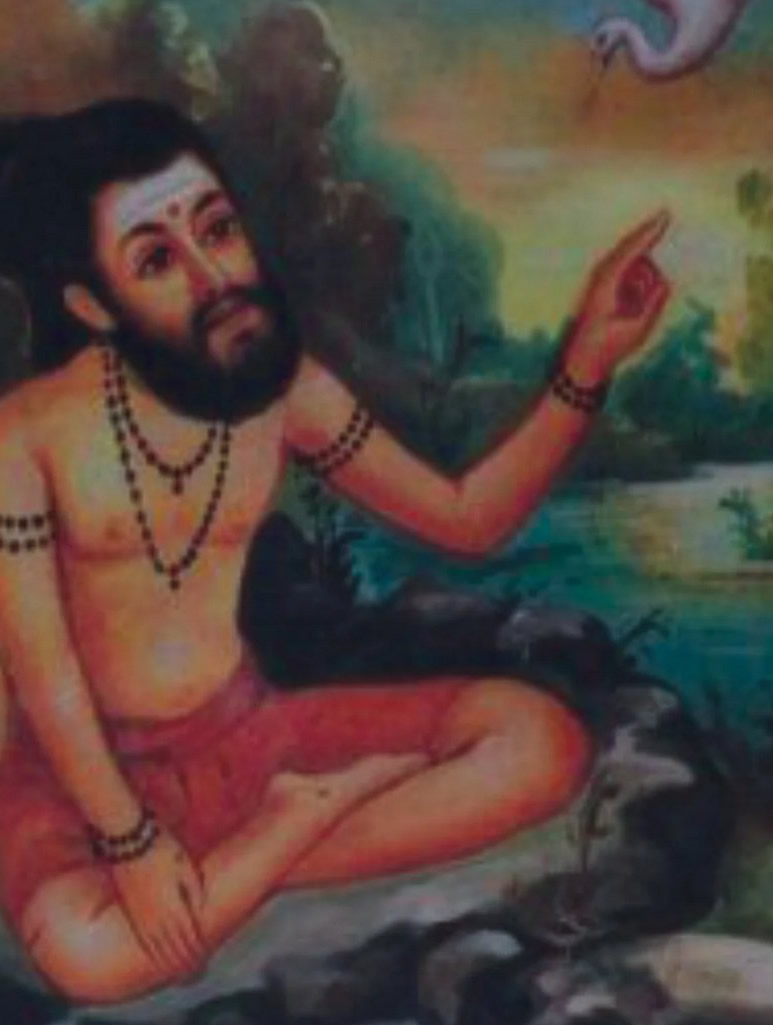
Duration of life is recorded as eight hundred years and sixteen days.
Samadhi location and address, Konganavar Jeeva Samadhi is located close to the Gomuteeswarar Temple complex at Thiruvaduthurai, Mayiladuthurai district, Tamil Nadu, roughly two kilometres from the main shrine, though some regional traditions also connect his memory to Tirupathi.
What sets Konkanavar apart even among the eighteen is the sheer scale of his teaching circle. Where many Siddhars guided a handful of chosen disciples, Konkanavar is remembered for embracing hundreds, tradition speaks of over five hundred and fifty seven souls who gathered around him, drawn as much by his warmth as by his wisdom. His twenty five surviving works move easily between the practical and the philosophical, offering guidance on herbal medicine and yoga in one verse and deep reflections on dharma and religious duty in the next, a balance that reflects his own life as a teacher who never separated compassion for the body from concern for the soul.
Machamuni The Fish Born Siddha
Among the most poetic origin stories in the Siddha tradition belongs to Machamuni. It is said that Lord Siva was once instructing Devi Uma in sacred wisdom, and while she drifted into sleep, a fish nearby listened with rapt attention. Pleased by this devotion, Siva transformed the fish into the Siddhar Machamuni. Raised and initiated by Punnakeesar, Machamuni went on to author ten known works on Hatha yoga and tantric practice.
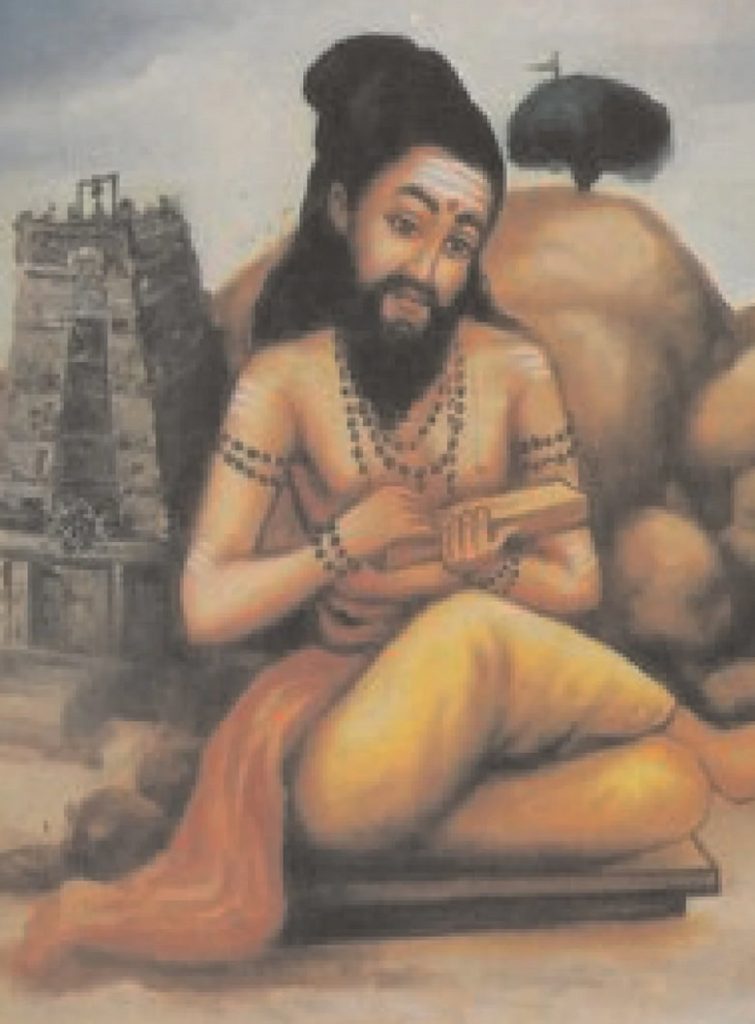
Duration of life is given as three hundred years and sixty two days.
Samadhi location and address, his Jeeva Samadhi is situated atop the Thirupparankundram hill, near Madurai, Tamil Nadu, a site sacred also to Lord Muruga and one of the six abodes of the deity.
The legend of Machamuni is often told as a gentle parable on the power of pure attention. While Uma Devi drifted into sleep during Lord Sivas discourse, it was a small fish nearby whose focus never wavered, and it was this unwavering ekagrata, one pointed concentration, that earned it transformation into a fully realized Siddha. Raised and initiated by Punnakeesar, Machamuni went on to compose ten known texts centred on Hatha Yoga and tantric practice, and he later became guru to Goraknath, carrying the lineage of body centred yogic discipline forward into the wider Nath tradition of North India.
Goraknath The Master Of Hatha Yoga
Known in Tamil as Korakkar, Goraknath belongs to the celebrated Nath lineage of yogis and is remembered for the classic text Hatha Yoga Pradipika along with the Avadhuta Gita and a dozen other works. Initiated by Dattatreya and by Machamuni, he shaped the ascetic orders and contributed richly to alchemy and medicine.
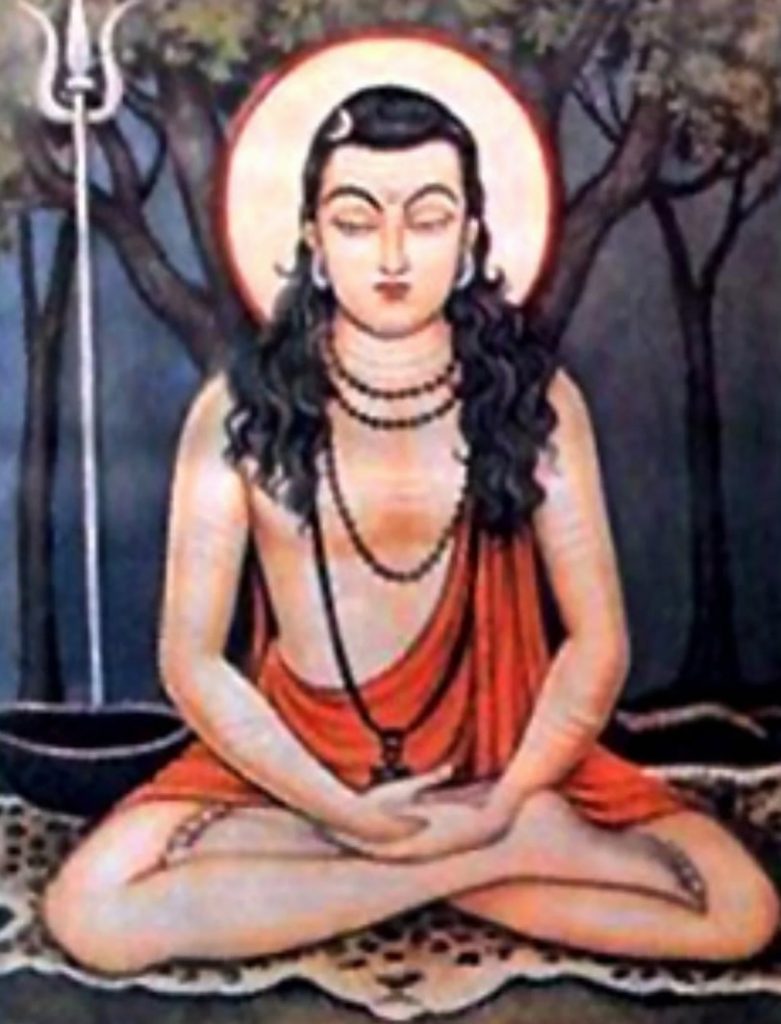
Duration of life is recorded as eight hundred and eighty years and thirty two days.
Samadhi location and address, Goraknath attained his final samadhi at Poyur, near Girnar, Gujarat, a hill long associated with Nath yogi practice, showing how the Tamil Siddha tradition reached far beyond the borders of the South.
Goraknath occupies a unique position as the bridge between the Tamil Siddha world and the broader Nath yogi order revered across North India. His disciple lineage established an entire order of ascetics devoted to Hatha Yoga, and the text long attributed to this tradition, the Hatha Yoga Pradipika, remains a foundational manual for asana and pranayama practice even today. His own composition, the Avadhuta Gita, speaks in the language of the avadhuta, the liberated one who has shed all worldly identification, a teaching that continues to be studied by seekers of advaita, non dual realization, across both Tamil and North Indian schools of thought.
Sattaimuni The Rejuvenation Master
Born in Sri Lanka, Sattaimuni Siddhar lived for a time as a wandering mendicant outside a temple before receiving deep initiation from both Agathiyar and Bhogar. He is especially revered within Siddha medicine for his science of rejuvenation, his text known as Sattaimuni Karpam continues to be studied and practiced by traditional healers today.
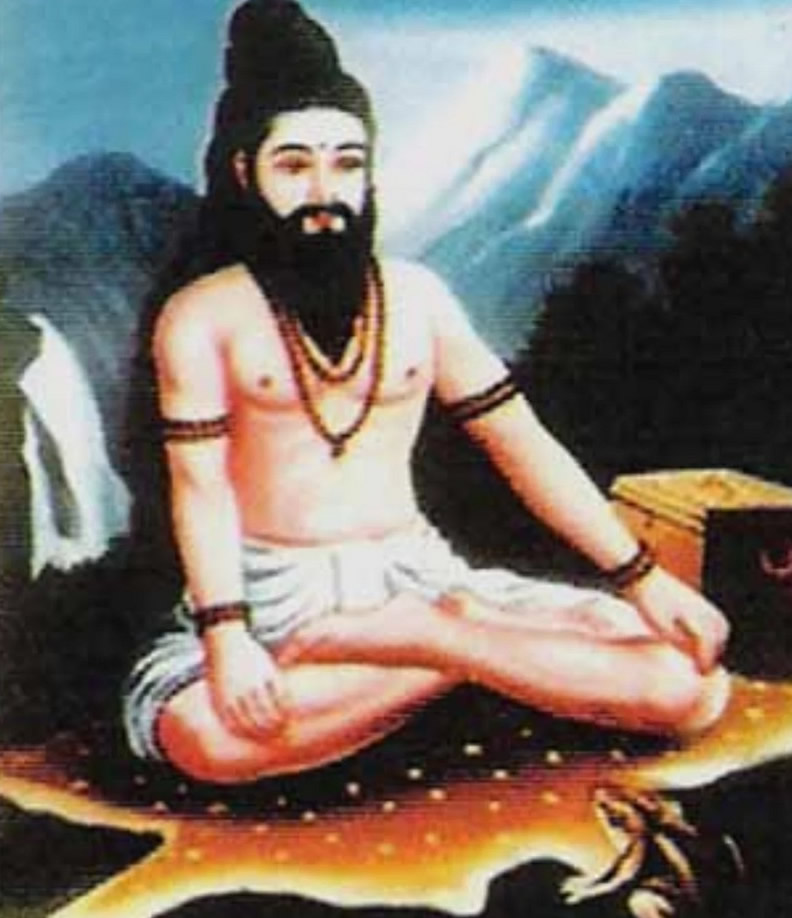
Duration of life is given as eight hundred and eighty years and fourteen days.
Samadhi location and address, Sattaimuni Jeeva Samadhi is located within the Sri Ranganathaswamy Temple complex, Srirangam, Tiruchirappalli, Tamil Nadu, inside the precincts associated with the Ranganayaki shrine.
The name Sattaimuni is said to draw from the Tamil word chatai, meaning garment, reflecting his teaching that the physical body itself is only a covering the soul must eventually set aside. Having crossed over from Sri Lanka and abandoned his family life after a chance encounter with Bhogar, he devoted himself entirely to sadhana under the guidance of both Bhogar and Agathiyar. His surviving works, including the Sattaimuni Nigandu and the Sattaimuni Muni Vakkiyam, blend Siddha medicine with sharp philosophical insight, and his science of rejuvenation continues to guide traditional healers who still prepare formulations following his karpam, rejuvenation therapy, methods.
Sundaranandar The Keeper Of Saduragiri
A devoted disciple of Sattaimuni, Sundaranandar is closely linked to the sacred hill of Saduragiri, where he is said to have installed and worshipped a Siva Lingam obtained from Agathiyar, naming it Sundara Mahalingam, the handsome and supreme form of Siva. Saduragiri lies within the Thaniparai forest range near Watrap, Virudhunagar district, close to the temple town of Srivilliputtur, and remains a favoured retreat for seekers of Siddha wisdom even now.
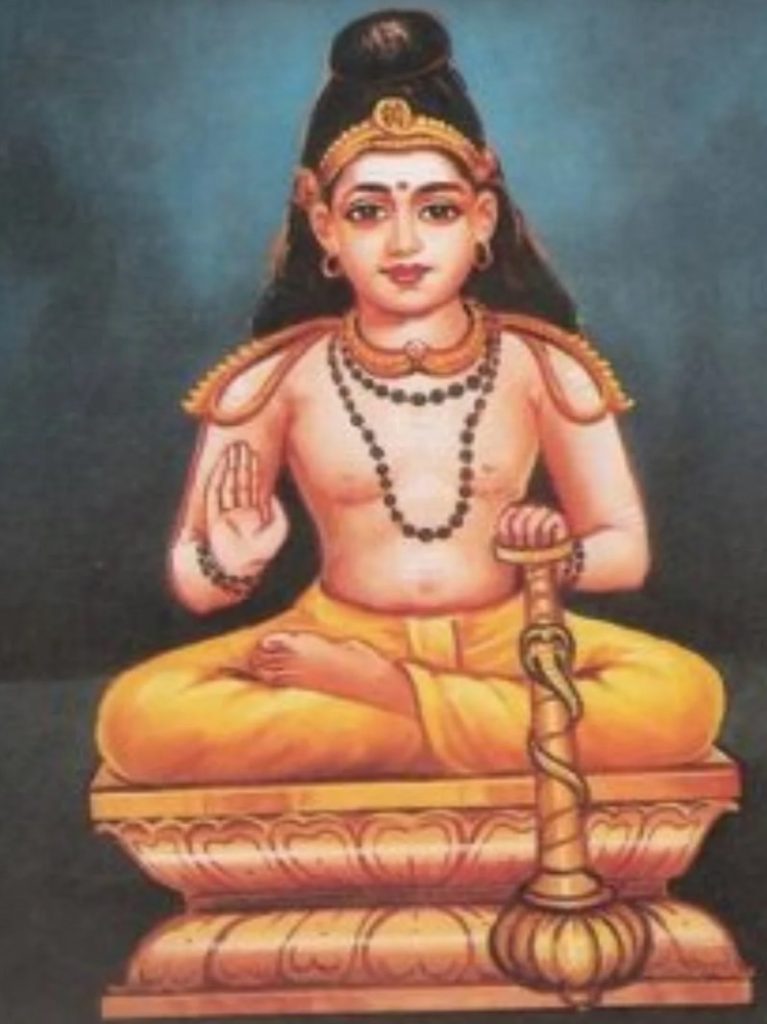
Duration of life is recorded as eight hundred and eighty years and fourteen days.
Samadhi location and address, tradition places his Jeeva Samadhi within the Sri Meenakshi Amman Temple, Madurai, Tamil Nadu, near the Durga shrine, while his spiritual presence continues to be felt strongly at Saduragiri hill, Virudhunagar district, Tamil Nadu.
Sundaranandar learned Siddha medicine, yoga, jnana, and astrology directly under his guru Sattaimuni, and the two are said to have lived together for a period among the forests of Saduragiri, compiling their combined wisdom into texts still referenced by traditional practitioners. His installation of the Sundara Mahalingam remains the spiritual heart of Saduragiri to this day, and countless seekers still trek up the hill each season, following in his footsteps, drawn by the belief that the mountain continues to shelter unseen Siddhars in deep tapas among its caves and medicinal groves.
Ramadevar Or Yacob Siddhar The Wandering Healer
Few figures in the Siddha world are as intriguing as Ramadevar, also known as Uromarishi or Yacob Siddhar. Born into a Brahmin family and guided by his guru Pulasthiyar, Ramadevar became a master of kundalini awakening, drawing the subtle energies through the chakras to unite with the Divine. He was celebrated for his simple, direct Tamil style of teaching and for the miraculous feats known in Tamil as jaalam, achieved through his mastery of the eight great siddhis.
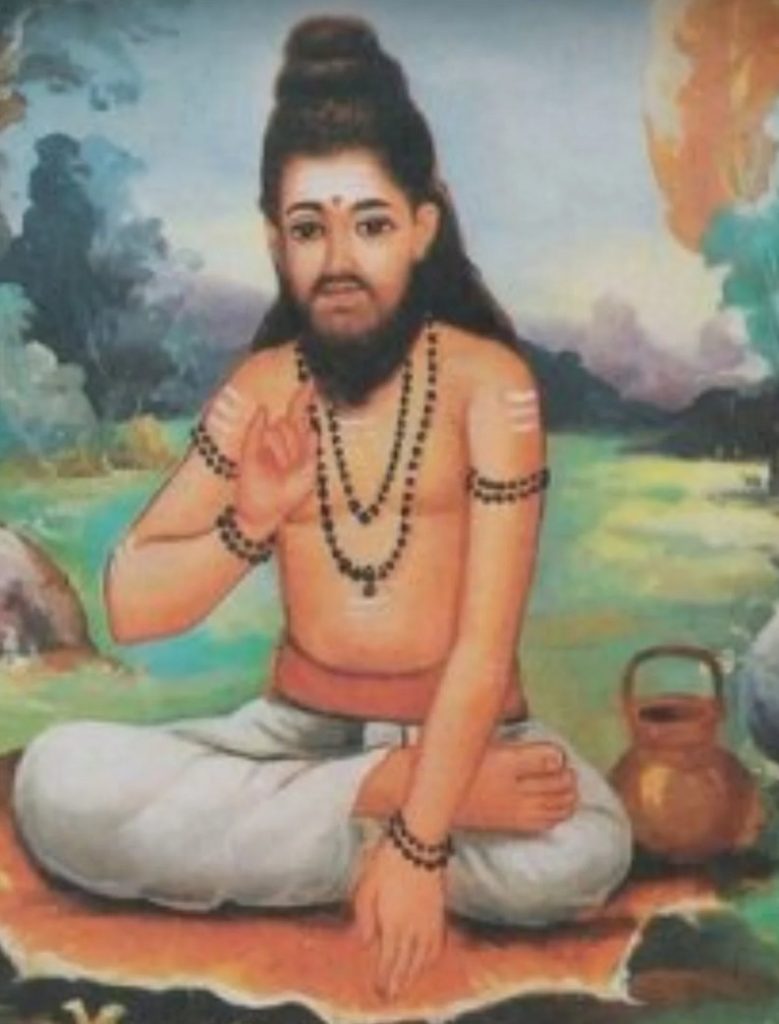
Samadhi location and address, his spiritual seat is honoured at Alagar Malai, near Madurai, Tamil Nadu, where devotees still climb the hill in his memory, though a few Siddha lineages also connect his final resting place to distant lands, a reminder of how far these mystics wandered.
Among the most remarkable legends of the eighteen Siddhars is Ramadevars journey far beyond Tamil soil. Tradition holds that while deep in samadhi he was carried, whether by ship or by kagana markkam, mystic aerial travel, all the way to Mecca in Arabia, where he is said to have debated Islamic scholars on matters of scripture and won their respect so completely that his teacher there gave him the name Yacob. Whatever the literal truth behind the tale, the story is cherished in the Siddha tradition as a symbol of how realized wisdom transcends any single religion or region, and Ramadevar remains honoured equally for his mastery of kundalini yoga and for this extraordinary bridge he is remembered to have built between Tamil Siddha thought and the wider world.
Kudambai The Female Siddha Of Immortality
Kudambai holds a special place as one of the female Siddhas among the eighteen. Guided by Alukkani Siddha, a disciple of Idaikadar, she attained Soruba Samadhi, a state of deathless immortality, at Mayavaram, a name that literally means the place of the deathless boon. The town is also known as Mayil Aadu Thurai, the place where the peacock dances in ecstasy, a symbol closely tied to Lord Muruga, by whose grace Kudambai is said to have achieved her liberation.
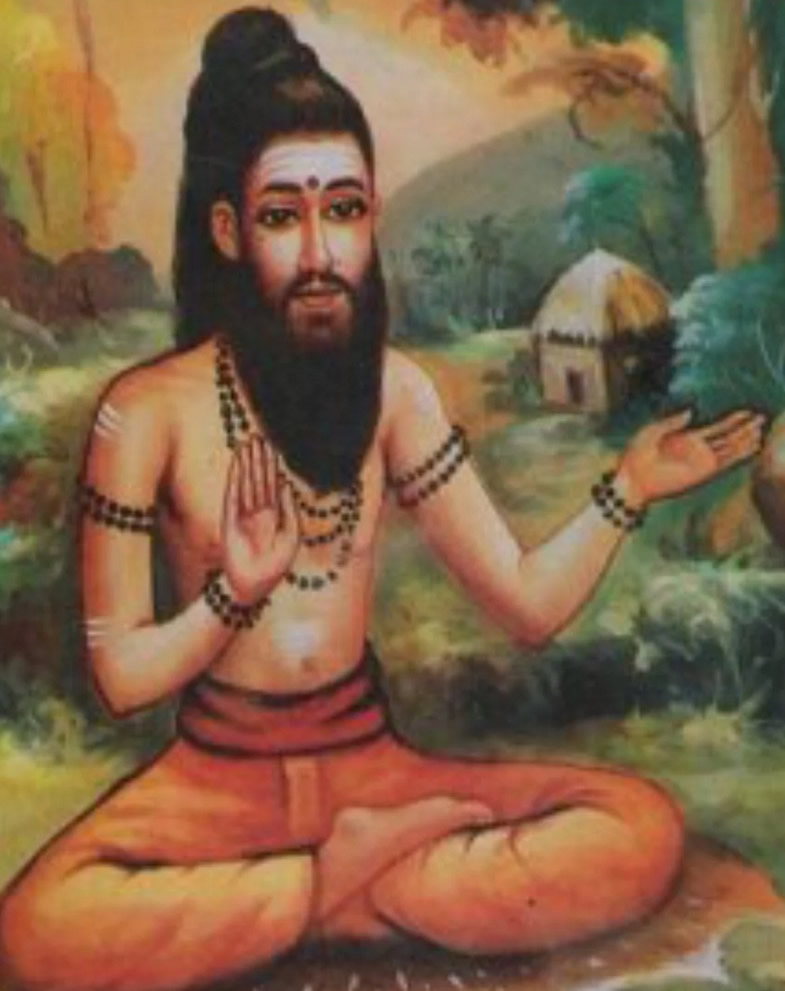
Samadhi location and address, Kudambai Jeeva Samadhi is located at Mayavaram, present day Mayiladuthurai, Tamil Nadu.
Kudambai takes the name of a small ear ornament, a detail that connects to the tender story of a childhood in which this Siddha was raised in the manner of a daughter within a Yadava family, and the name became woven into every verse of the compositions that followed. Kudambais poetry is distinctive for its compact three line form, each stanza closing with the word Kuthambai, much as Paambatti closes his verses with Aadu Paambe, a shared stylistic thread that runs through several of the eighteen Siddhars and reflects a wider Tamil devotional habit of anchoring philosophy within musical repetition. As one of the female voices among the eighteen, Kudambai stands as a quiet but powerful reminder that the path of siddhi in this tradition was never closed to gender.
Karuvoorar The Architect Siddha
Karuvoorar Siddhar, born in the Chola town of Karuvoor, todays Karur, is remembered as the guiding hand and sculptor Siddha behind the magnificent Brihadeeswarar Temple of Thanjavur, built under the great Chola king Raja Raja Chola. Trained by Bhogar, Karuvoorar combined deep engineering knowledge with Siddha medicine and left behind writings still referenced by later Siddhars such as Agathiyar in his own compositions.
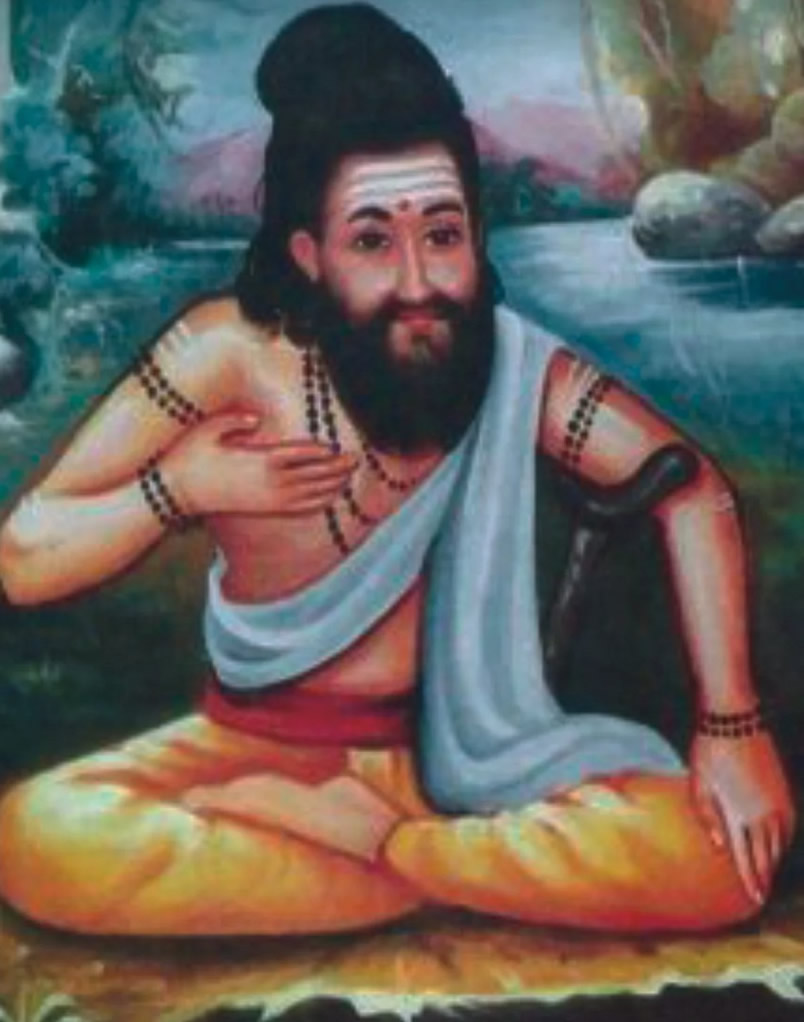
Duration of life is given as three hundred years and forty two days.
Samadhi location and address, Karuvoorar attained his samadhi at Karuvai, present day Karur, Tamil Nadu, while his spiritual presence is also deeply felt within the Brihadeeswarar Temple, Thanjavur, Tamil Nadu, the very monument he helped bring to life.
Karuvoorar is remembered less as a wandering ascetic and more as a Siddha whose siddhi expressed itself through architecture and engineering, guiding the Chola king Raja Raja Chola in raising the towering Brihadeeswarar Temple, a structure whose massive granite vimana still astonishes engineers a thousand years later. Alongside this architectural legacy, he compiled the Karuvoorar Vaidya Kaviyam and other medicinal verses that continue to be studied by Siddha practitioners. He is also honoured as the presiding Siddhar for the planet Saturn, Sani, with Saturday regarded as especially auspicious for his worship, and his guidance is said to have shaped his own disciple Idaikadar into the realized master he became.
Idaikadar The Fire Element Siddha
Regarded by many as an incarnation of Lord Vishnu, Idaikadar hailed from Thiruvannamalai, one of the sacred Pancha Bhoota Sthalams where Siva is worshipped in the form of Agni, fire. Believed to have lived around the second or third century before the common era for roughly six hundred years, Idaikadar is thought to have belonged to the Yadava community, a lineage also associated with Lord Krishna, a connection reflected in the pastoral imagery of his verses.
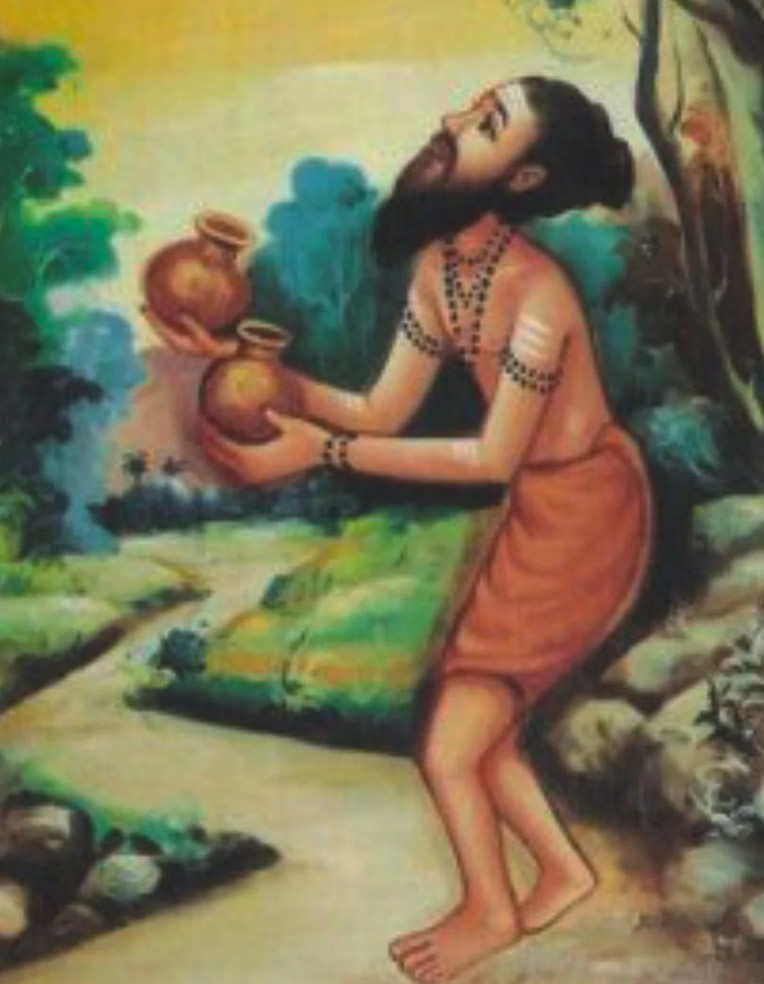
Duration of life is recorded as six hundred years and eighteen days.
Samadhi location and address, Idaikadar Jeeva Samadhi is located near the rear entrance of the Arulmigu Arunachaleswarar Temple, Thiruvannamalai, Tamil Nadu.
Idaikadar carried the humble title of a shepherd within his Yadava lineage before he rose to become one of the eighteen realized Siddhars, guided into deeper sadhana under both Karuvoorar and Bhogar. His verses often draw on the simple, pastoral imagery of his early life, herds, hills, and open grazing land, to describe far more subtle truths about the wandering and eventual homecoming of the soul. Fittingly, his samadhi rests at Thiruvannamalai, the very hill where Siva is said to have appeared as an infinite column of fire, a place long associated with the element of Agni and with the kind of inner burning away of ahamkara, ego, that Idaikadars own teachings so often describe.
Kamalamuni The Disciple Of Thirumoolar
Kamalamuni, also remembered as Kalangi Nathar, was guru to Bhogar and one of the seven fortunate disciples to whom Thirumoolar transmitted his deepest realization, alongside Indran, Soman, Rudhran, Kanduru, Brahman, and Kanjamalaiyan. His known contributions rest chiefly in medicine and philosophy.
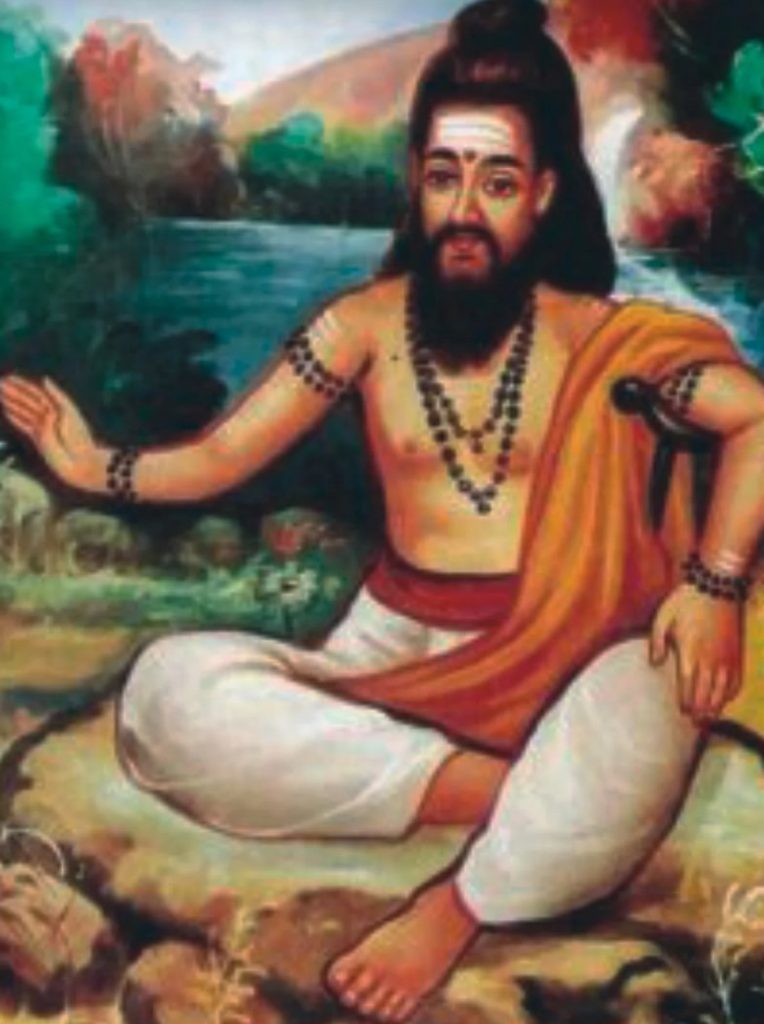
Duration of life is given as four thousand years and forty eight days.
Samadhi location and address, Kamalamuni Jeeva Samadhi is enshrined within the Thyagarajaswamy Temple, Thiruvarur, Tamil Nadu.
Kamalamuni is remembered in older palm leaf accounts as belonging to the Kuravar community, and legend describes a life so long that it is said to have spanned several generations of ordinary human reckoning. His small but treasured collection of verse, sometimes referred to as Kamalamuni Pathu, blends medicinal knowledge with philosophical reflection, and his peetam, seat of worship, still stands quietly near the Amman shrine within the great Thyagarajaswamy Temple complex, a temple already celebrated across Tamil Nadu for its association with the Nayanmar saints and the Panchabhuta tradition of Siva as akasha, space.
Valmiki The Sage Poet Of The Ramayana
Valmiki, honoured among the eighteen yoga Siddhas, was initiated by the celestial sage Narada and is universally remembered as the composer of the Ramayana, one of the great itihasas of Sanatana Dharma. His contribution to the Siddha corpus includes teachings connected to the Ashtanga Yoga Sutra tradition.
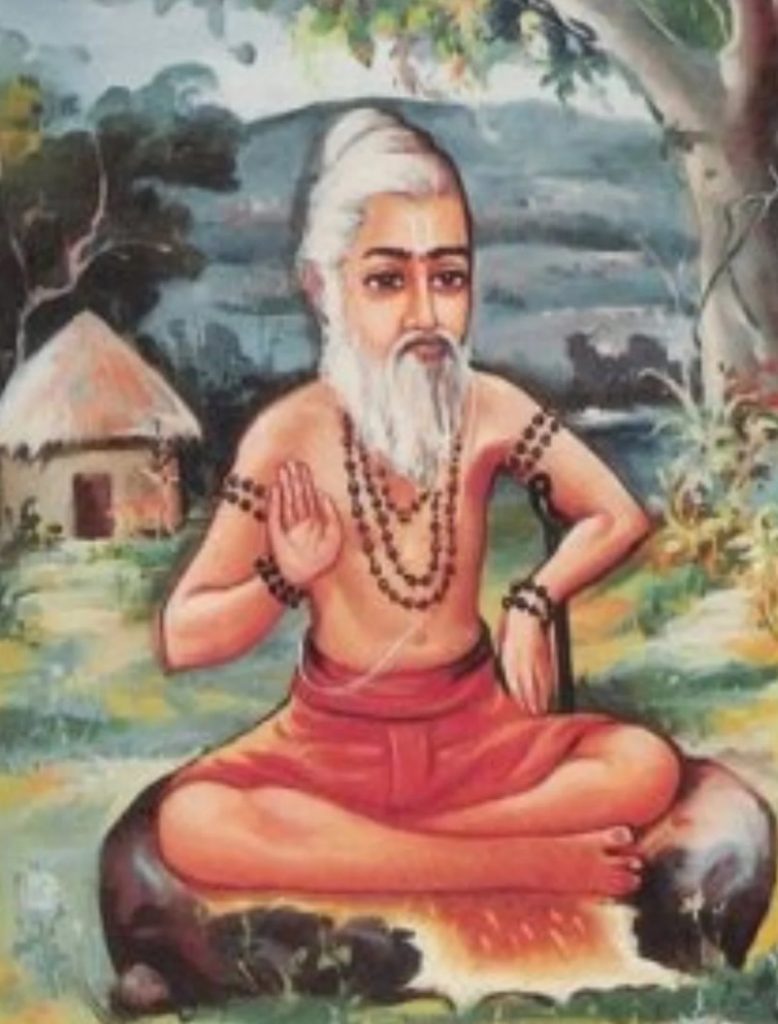
Duration of life is recorded across five Yugas and seven days, a span that places him in the deep mythic past.
Samadhi location and address, tradition associates his Jeeva Samadhi with Rameshwaram, Tamil Nadu, though other regional accounts place his memory at Ettikudi and Thiruvanmiyur, Tamil Nadu, showing how devotion to this sage poet spread across the land.
The Tamil Siddha tradition tells its own tender version of Valmikis transformation, describing him before his awakening as a forest robber who preyed upon travellers, until an encounter with the sage Narada turned his heart entirely toward bhakti and dhyana. Bhogar, in his own text known as Bogar 7000, identifies this Tamil Siddha Vanmikar with the very author of the Sanskrit Ramayana, weaving together the Northern epic tradition and the Southern Siddha lineage into a single figure. In Thiruvanmiyur near present day Chennai, tradition holds that Valmiki established a shrine to Marundhisvarar, literally the Lord of Medicines, where he is said to have treated the sick who came to him, a quiet reminder that even the composer of one of Indias greatest epics walked the practical path of healing alongside the path of poetry.
Pathanjali The Father Of Yoga
Pathanjali, initiated by Nandi Devar himself, is remembered across India as the father of Ashtanga Yoga, the eight limbed path codified in the Yoga Sutras. Within the Tamil Siddha fold, he is honoured as one of the eighteen, his wisdom bridging the Sanskrit yogic tradition with the Tamil Siddha science of the body and breath.
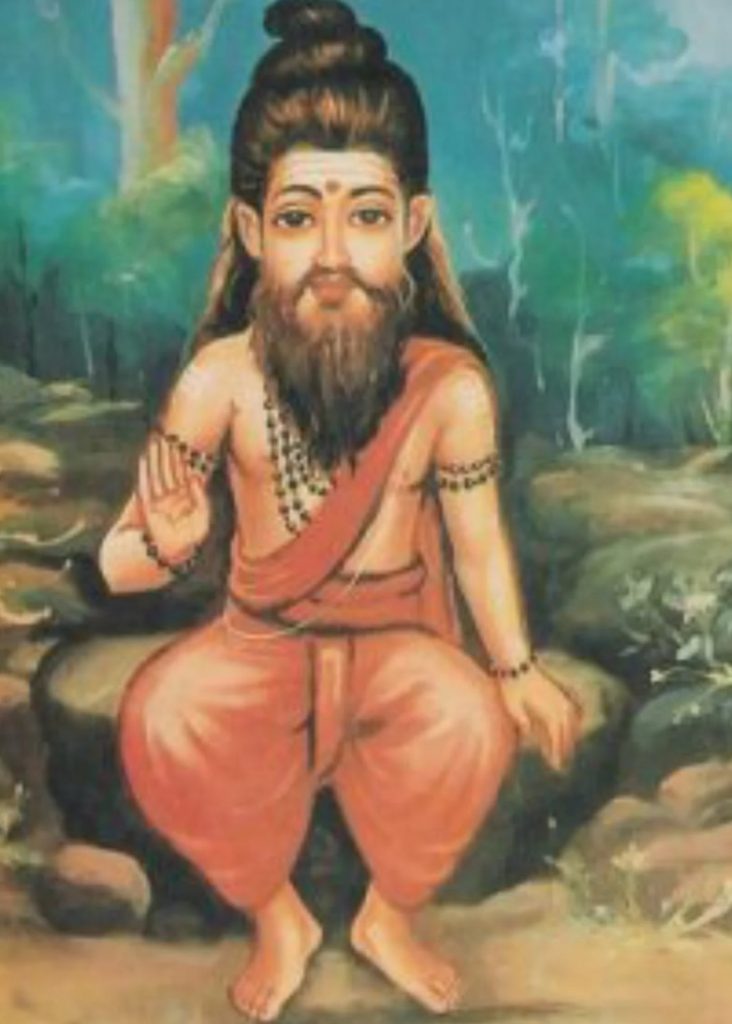
Duration of life is recorded across five Yugas and seven days.
Samadhi location and address, Pathanjali Jeeva Samadhi is associated with the Brahmapureeswarar Temple, Thirupattur, near Tiruchirapalli, Tamil Nadu, while devotional tradition also places his presence at Rameshwaram, Tamil Nadu, and, in wider Saiva legend, at Chidambaram, where he is said to have witnessed the cosmic dance of Nataraja.
Puranic legend tells that Pathanjali is an incarnation of Adishesha, the great serpent upon whom Lord Vishnu reclines, and that his very descent to earth began when Adishesha, overwhelmed with joy at witnessing Sivas Ananda Tandava, the cosmic dance, could no longer bear Vishnus weight and begged to see the dance for himself. Lord Siva granted this wish, and Pathanjali descended to fulfil it, later composing the Yoga Sutras that continue to define classical Ashtanga Yoga for the entire world. Fluent, tradition says, in both Sanskrit and Tamil, Pathanjali stands as one of the clearest bridges between the pan Indian Vedic yoga tradition and the more body centred, alchemical yoga of the Tamil Siddhas.
Dhanvanthiri The Divine Physician
Dhanvanthiri, revered as an avatara of Lord Vishnu who emerged during the churning of the cosmic ocean bearing the pot of amrita, is honoured among the eighteen Siddhars as the divine source of Ayurveda and Siddha healing alike. His twenty two known works cover medicine, alchemy, and Kaya Kalpa, and he remains the presiding deity of healing for countless devotees across South India.
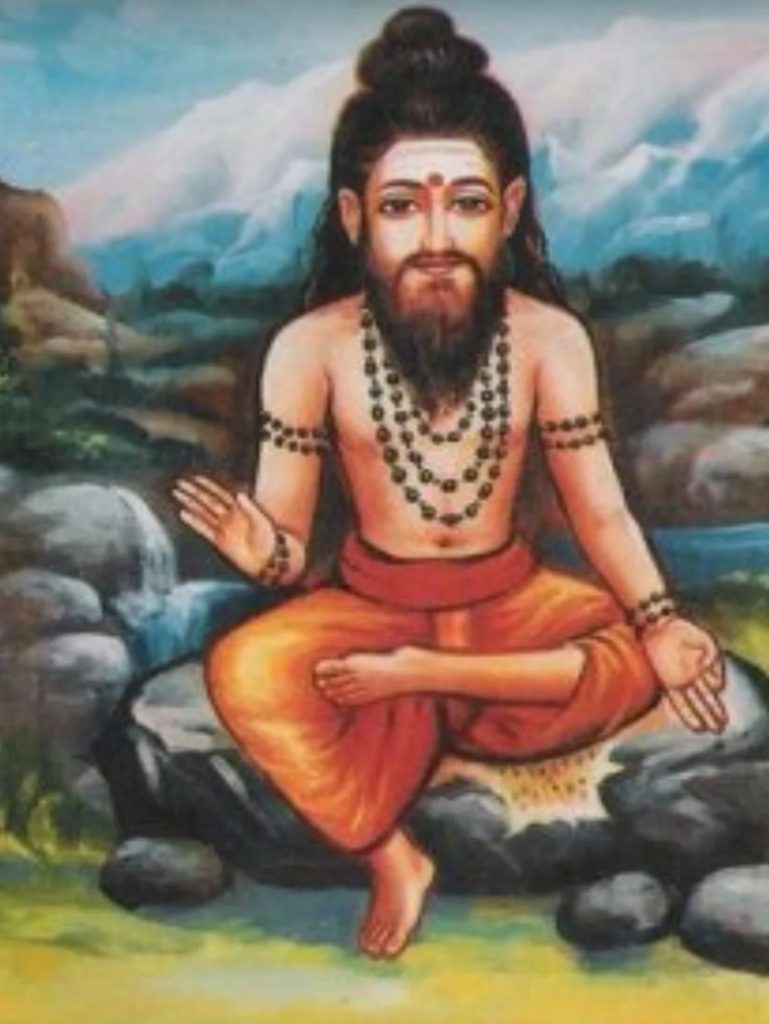
Duration of life is given as eight hundred years and thirty two days.
Samadhi location and address, Dhanvanthiri Jeeva Samadhi rests within the inner precincts of Sri Vaidyanatha Swamy Temple, Vaitheeswaran Koil, Sirkazhi taluk, Mayiladuthurai district, Tamil Nadu, six hundred nine one one seven, a temple globally known as a centre for healing and astrological remedies, especially for the planet Mars.
In Puranic tradition, Dhanvanthiri rose from the Ksheera Sagara, the Ocean of Milk, during the great churning by the Devas and Asuras, holding aloft the pot of amrita, the nectar of immortality, and from that moment onward he became eternally associated with healing and life itself. His teachings are said to have shaped Susruta, still honoured as the father of Ayurvedic surgery, along with a further circle of disciples who carried his medical science onward. Born, tradition holds, under the Punarpoosam star, his divine remembrance day falls on Dhanteras, two days before Deepavali, when households across India light lamps and invoke his blessing for health and longevity, a devotion that connects this Siddhar shrine in rural Tamil Nadu to one of the most widely observed festival days in the whole of India.
Paambatti Siddhar The Snake Charmer Turned Saint
Before his awakening, Paambatti was known simply as a skilled snake charmer. Everything changed when he encountered his guru Sattaimuni, after which his intense sadhana transformed him into one of the eighteen realized Siddhars. His verses, rich with the refrain Aadu Paambe, weave together the five elements and the mysteries of kundalini through the playful imagery of a dancing serpent, a teaching style that remains beloved in Tamil devotional literature.
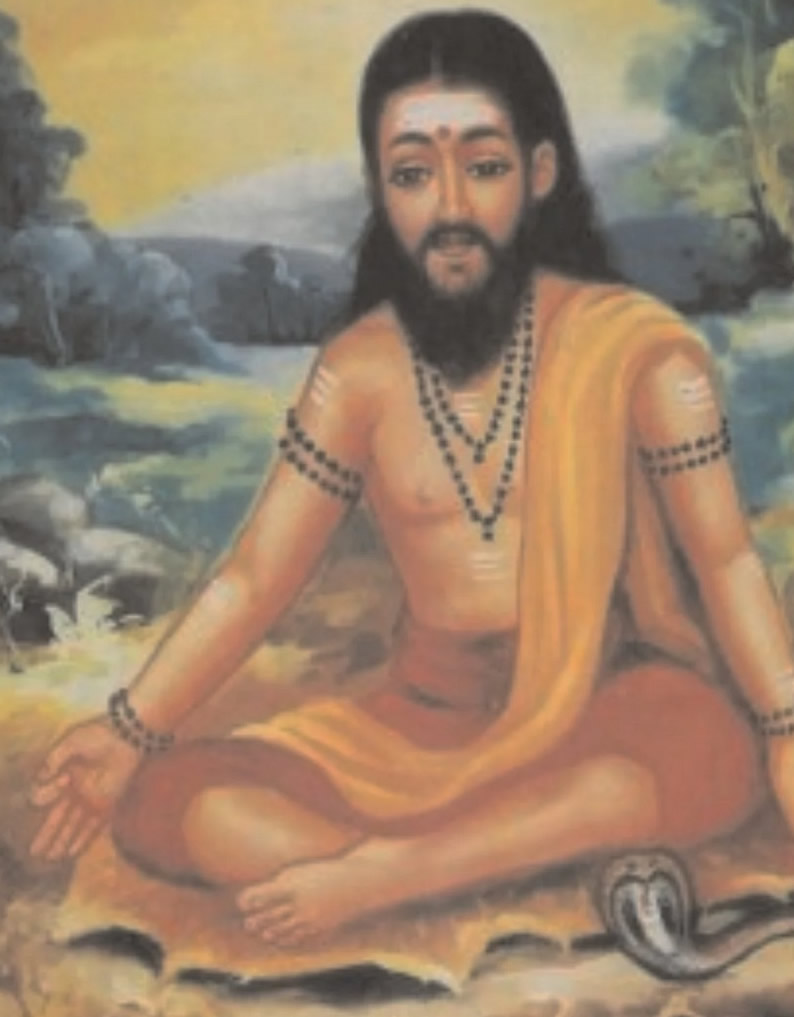
Duration of life is recorded as one hundred and twenty three years and thirty two days.
Samadhi location and address, Paambatti Siddhar Jeeva Samadhi is located near the Arulmigu Shankaranarayana Temple, Sankarankovil, Tenkasi district, Tamil Nadu, roughly five hundred metres east of the main temple, with another meditation cave associated with him at Marudhamalai, Coimbatore, Tamil Nadu.
The turning point in Paambattis life came one night while he was hunting for a rare and mythical serpent, when he unknowingly interrupted the deep meditation of Sattaimuni Siddhar. Rather than anger, he received compassion, his guru gently telling him to stop chasing the snake outside and instead learn to master the far greater serpent coiled within his own body, the dormant kundalini shakti. From that moment, Paambatti turned his considerable skill as a snake charmer entirely inward, describing the awakening and rise of energy through the chakras, mooladhara to sahasrara, using the vivid image of a five headed cobra dancing to the rhythm of vasi yogam, breath discipline. His closing refrain, Aadu Paambe, remains one of the most beloved and easily recognised lines in all of Tamil Siddha literature, still sung by folk performers and devotees who may not even know its deeper meaning until they visit a shrine such as this one.
Visiting the Jeeva Samadhi shrines of the eighteen Siddhars is unlike any ordinary temple tour of South India. Each site carries the quiet imprint of a soul who mastered yoga, tapas, and jnana, and who chose to remain, in subtle form, exactly where devotees can still reach them. Whether your path takes you through the temple towns of Thanjavur, Mayiladuthurai, Madurai, Trichy, or Thiruvannamalai, pausing at even one or two of these Siddhar shrines can turn an ordinary Tamil Nadu temple trip into a genuine pilgrimage of the spirit.

Thanks for exploring this Casual Walker photo guide — India’s most visual cultural travel guide and a curious discovery journal finding authentic photo stories, guides, and tips across travel, culture, arts, temples, heritage, and food.
- Keep exploring: Browse 650+ Travel & Culture Photo Guides
- We’d love to hear your feedback, stories, corrections, and updates — Email us.
- Follow our photo walks on Instagram: @hicasualwalker