






Sri Kamakshi Sametha Moolasthaneswara Swamy Alayam | Moolasthaneswara Swami Temple Gajulamandyam, Renigunta & Tirupati District, Andhra Pradesh : A 1000 Years Old Chola Period Swayambhu Lord Shiva Temple Near Tirupati | Moolasthaneswarudu, Kamakshi Ammavaru, Mandya Puram, Swarnamukhi River & Chittoor | Temple History & Significance, Architecture, Timings, Festivals, Maha Shivaratri & Karthika Masam, Address & Contact Details, How to Reach & Complete Travel Guide (Updated)
– ancient chola lord shiva temple on the swarnamukhi river

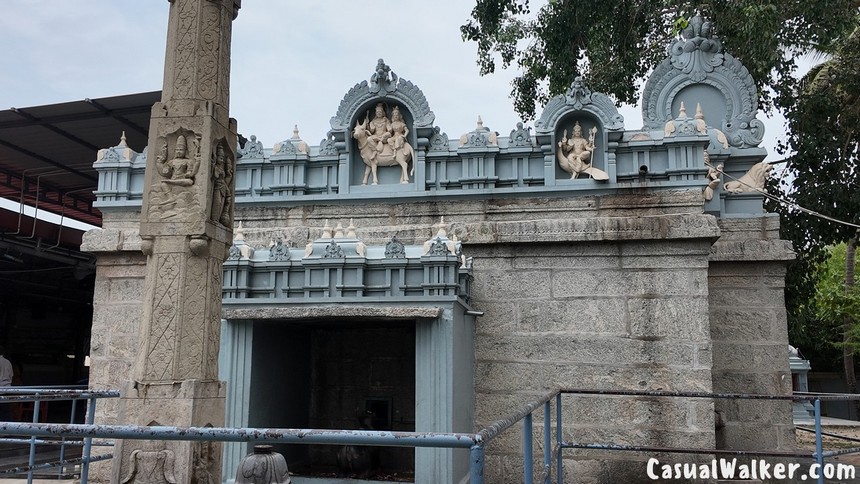
Gajulamandyam is a quiet, green village in Renigunta Mandal of Tirupati district, Andhra Pradesh, resting on the banks of the sacred Swarnamukhi River just a short drive from the holy town of Tirupati. In olden days this place was known as Mandya Puram, and today it is home to the ancient Moolasthaneswara Swami Temple, a thousand year old Lord Shiva temple from the Chola period.
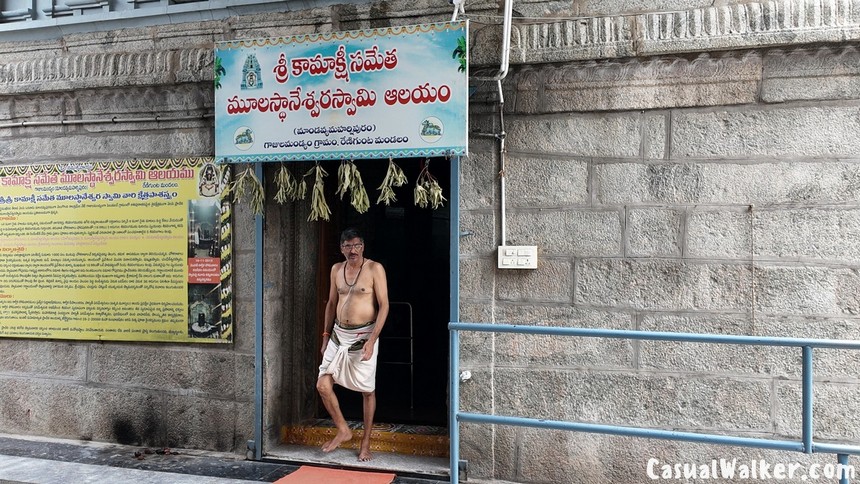
While countless pilgrims travel to Tirupati for the darshan (sacred sight of the deity) of Lord Venkateswara, many remain unaware of this peaceful village shrine where Lord Shiva is worshipped as Lord Moolasthaneswarudu along with Goddess Kamakshi Ammavaru. Surrounded by fields, village lanes, and the calm flow of the river, Gajulamandyam offers a rare spiritual pause for devotees searching for sacred temples near Tirupati and historic Shiva temples in the region. 
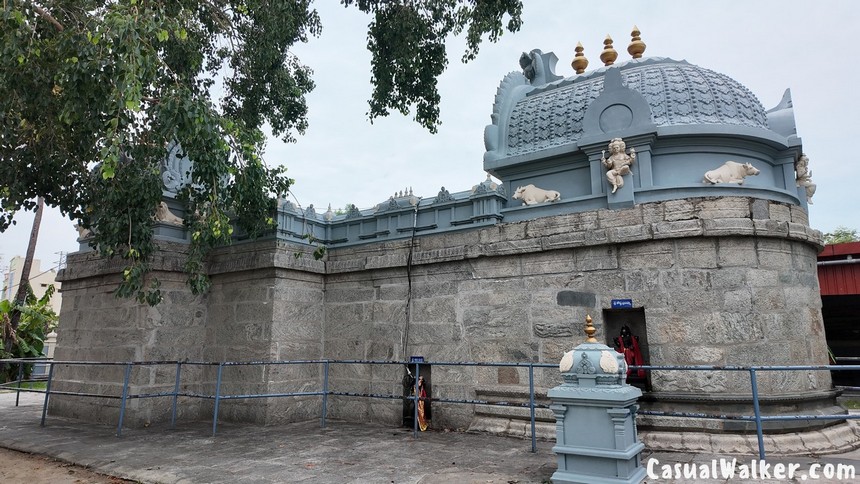
Sri Kamakshi Sametha Moolasthaneswara Swamy Alayam: Presiding Deities of the Temple
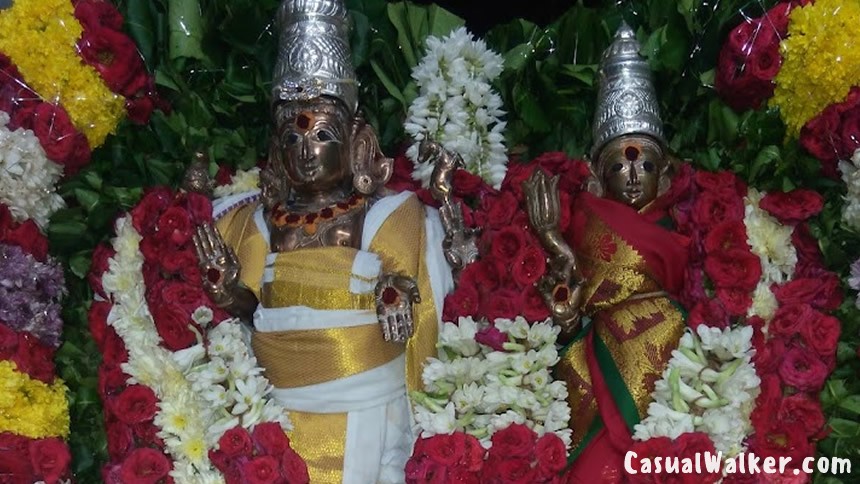
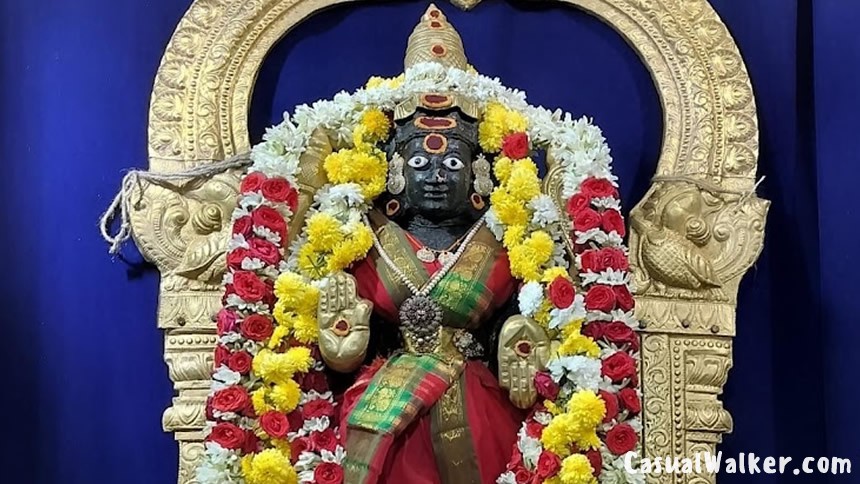
The temple is also known as Sri Kamakshi Sametha Moolasthaneswara Swamy Alayam. Lord Shiva is worshipped here as Lord Moolasthaneswarudu, the ancient Lord of the original place. Beside Him in the sanctum is Goddess Parvati, known to the local devotees as Goddess Kamakshi Ammavaru. Together they bless the village and every pilgrim who arrives with devotion.
The Shiva Lingam here is Swayambhu (self manifested, not carved by human hands). Next to it, another lingam installed in later times is also worshipped. Both rest together on the same Peetha (the sacred base of the lingam). Devotees often say that this rare arrangement doubles the anugraha (divine grace) that flows to those who stand before the Lord.
Historical Significance
Every old temple in India carries its Sthala Purana (the sacred legend of a place), and this temple has a beautiful one. As the story is told, a farmer was ploughing his field when his plough struck something buried in the earth. Blood began to ooze from the stone. Shaken, the farmer cried out, and he is said to have seen a divine light shining from the spot. The villagers rushed to the field and unearthed the Swayambhu Shiva Lingam, and a sanctum was raised around it.
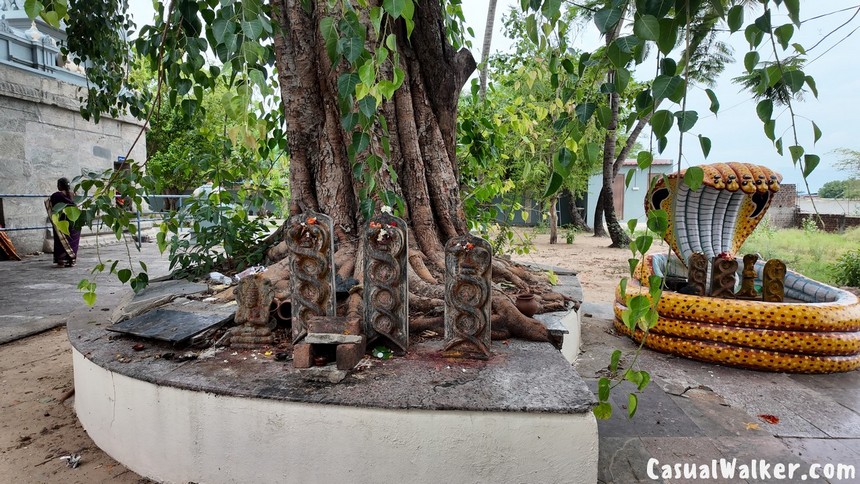
The temple as we see it today dates back to the Chola period, nearly one thousand years ago. Inscriptions in Tamil and Telugu found here confirm that the Chola kings built the temple and gave it generous support. They also installed a three feet tall Moolasthaneswara lingam within the same complex. The inner structure closely resembles that of the nearby Gudimallam temple, which tells us that the same devotion and architectural tradition shaped both.
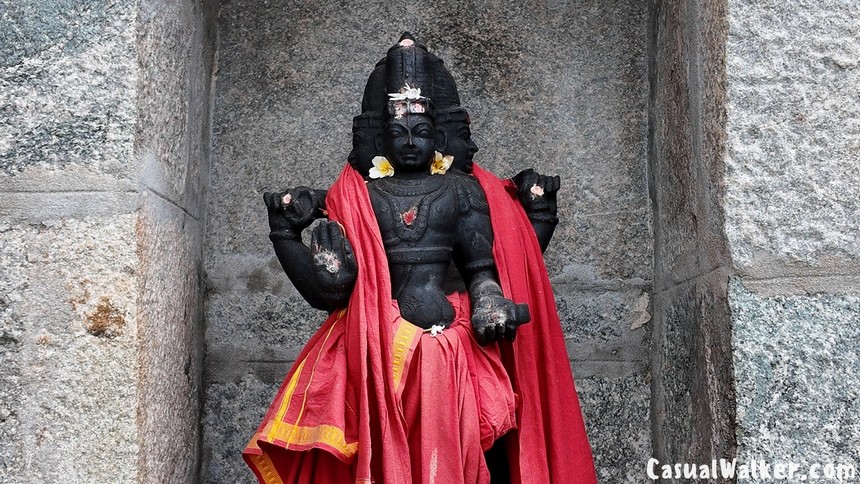
The temple was renovated in recent times, and the Maha Kumbhabhishekam (grand consecration ceremony) was held on 28 February 2008. Since then, daily poojas have been offered without a break.
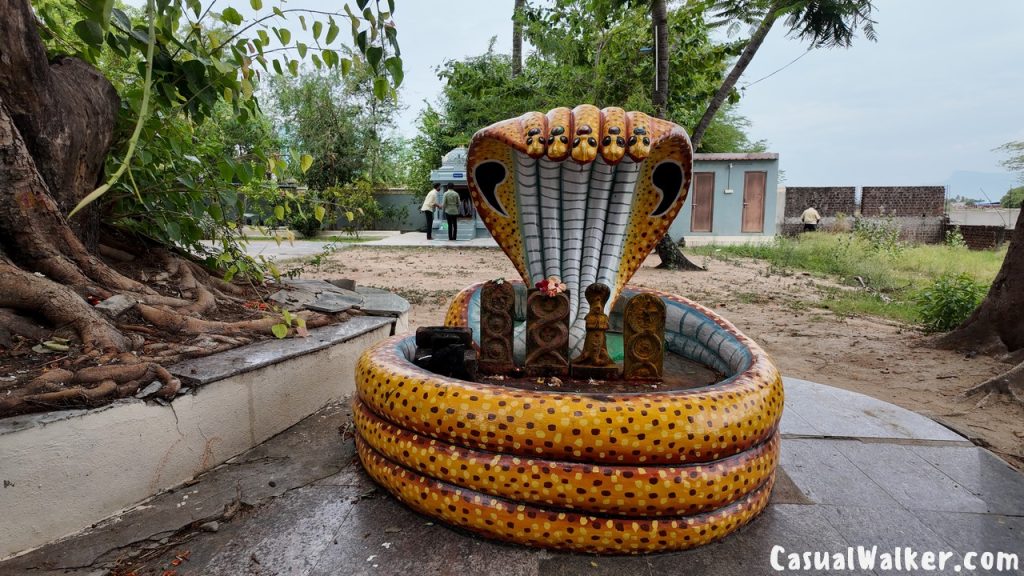
One of the Five Ancient Shiva Temples on the Swarnamukhi River
This Kshetram holds a special place among the five ancient Shiva temples on the banks of the Swarnamukhi River, which begins at Chandragiri and flows onward to Sri Kalahasti. A pilgrim who wishes to complete this sacred circuit can visit the following temples:
- Lord Kalahasteeswara Swamy Temple, Sri Kalahasti
- Lord Agastheeswara Swamy Temple, Mukkoti (Thondavada)
- Lord Parasareswara Swamy Temple, Yogimallavaram
- Lord Moolasthaneswara Swamy Temple, Gajulamandyam
- Lord Parasurameswara Swamy Temple, Gudimallam
Visiting these five temples along the river is considered a deeply meaningful journey for devotees of Lord Shiva.
Festivals and Special Poojas
The temple celebrates Maha Shivaratri (the great night of Lord Shiva) with full devotion. Throughout the year, the most important period is Karthika Masam (the holy month of Karthika), when special poojas are performed on all five Mondays. On these days, devotees witness Rudrabhishekam (ritual bathing of the lingam with the chanting of the Rudram, the powerful Vedic hymn to Lord Rudra from the Yajurveda), Annabhishekam (ritual offering of cooked rice to the lingam), and the procession of the Utsava deities (festival idols of the Lord and Goddess).
If you are planning a Tirupati temple trip, add this ancient Shiva temple to your list. It offers a Swayambhu Lingam, Chola heritage, and a living tradition of worship beside the calm Swarnamukhi River. Here the pilgrim experiences tapas (spiritual discipline) in its simplest and sweetest form, in the company of Lord Shiva and Goddess Kamakshi Ammavaru.

Travel Tips for Visiting Sri Kamakshi Sametha Moolasthaneswara Swamy Alayam | Moolasthaneswara Swami Temple Gajulamandyam, Renigunta & Tirupati District, Andhra Pradesh
Sri Kamakshi Sametha Moolasthaneswara Swamy Alayam | Moolasthaneswara Swami Temple Gajulamandyam Address:
7 24, NH 205 (Tirupati Chennai Highway), Gajulamandyam, Andhra Pradesh 517520
Temple Timings: Temple is open daily from 5:00 AM to 9:00 PM.
How To Reach Sri Kamakshi Sametha Moolasthaneswara Swamy Alayam | Moolasthaneswara Swami Temple Gajulamandyam, Renigunta & Tirupati District, Andhra Pradesh
By Road: Navigating by private car, taxi, or bike is completely straightforward because the temple sits directly on the Tirupati-Chennai Highway (NH 205 / NH 716). If you are driving from Tirupati, it is a smooth 13 km journey heading east that takes about 15 to 20 minutes, while travelers coming from Chennai will follow the highway for roughly 130 km. The temple structure is highly visible from the road, positioned right near the prominent Gajulamandyam Police Station and the main village entry arch.
By Bus: Taking a bus is highly convenient as the temple is located just 100 feet away from the main highway drop-off point. You can board any local APSRTC city or sub-urban bus running between Tirupati Central Bus Station and Renigunta, Srikalahasti, or Puttur. Simply ask the conductor for a ticket to the Gajulamandyam Bus Stop (located near the Gajulamandyam Police Station), and you will find the temple within a one-minute walk right along the roadside.
By Train: The nearest major railway hub is Renigunta Junction (RU), situated just 6 km away from the temple. Renigunta is exceptionally well-connected to major cities across India like Chennai, Bengaluru, and Hyderabad, while Tirupati Main Station (TPTY) serves as a secondary option about 13 km away. Once you disembark at Renigunta, you can easily catch a local auto-rickshaw, an e-rickshaw, or an APSRTC bus outside the station for a quick 15-minute ride straight to the temple premises.
By Airport: The nearest airport is at Tirupati which is 10.5 km away from the temple. It is easily reachable by cab from Airport.

Thanks for exploring this Casual Walker photo guide — India’s most visual cultural travel guide and a curious discovery journal finding authentic photo stories, guides, and tips across travel, culture, arts, temples, heritage, and food.
- Keep exploring: Browse 650+ Travel & Culture Photo Guides
- We’d love to hear your feedback, stories, corrections, and updates — Email us.
- Follow our photo walks on Instagram: @hicasualwalker