





Jagadguru Adi Shankaracharya : The Great Philosopher Saint Of India | A Kartik Fine Arts Devotional Stage Play By Kalaimamani C V Chandramohan : Jagadguru, The Extraordinary Life & Teachings Of Adi Shankara Who Revived The Philosophy Of Non Dualism, Advaita Vedanta — His History, Life & Teachings | Kanakadhara Stotram, Six Fold Path Of Worship, His Hymns Commentaries & Treatises, Uniting Bharat Through Sacred Mutts | Key Incidents In His Life : Divine Birth, Golden Amla Miracle, Crocodile & Path to Sannyasa, Disciple Who Walked On The River, Encounter With Chandala, Historic Debate With Mandana Mishra, & His Rescue By Lord Narasimha (Updated)
– a journey through divine birth, sacred wisdom, & birth of advaita vedanta across bharat
| CasualWalker’s Rating for Jagadguru Adi Shankaracharya – Kartik Fine Arts Stage Play On The Great Spritual Philosopher Saint Of India : | |

9.9 – Truly Divine Performance |
|


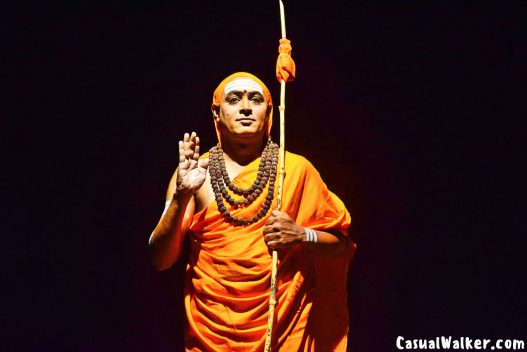
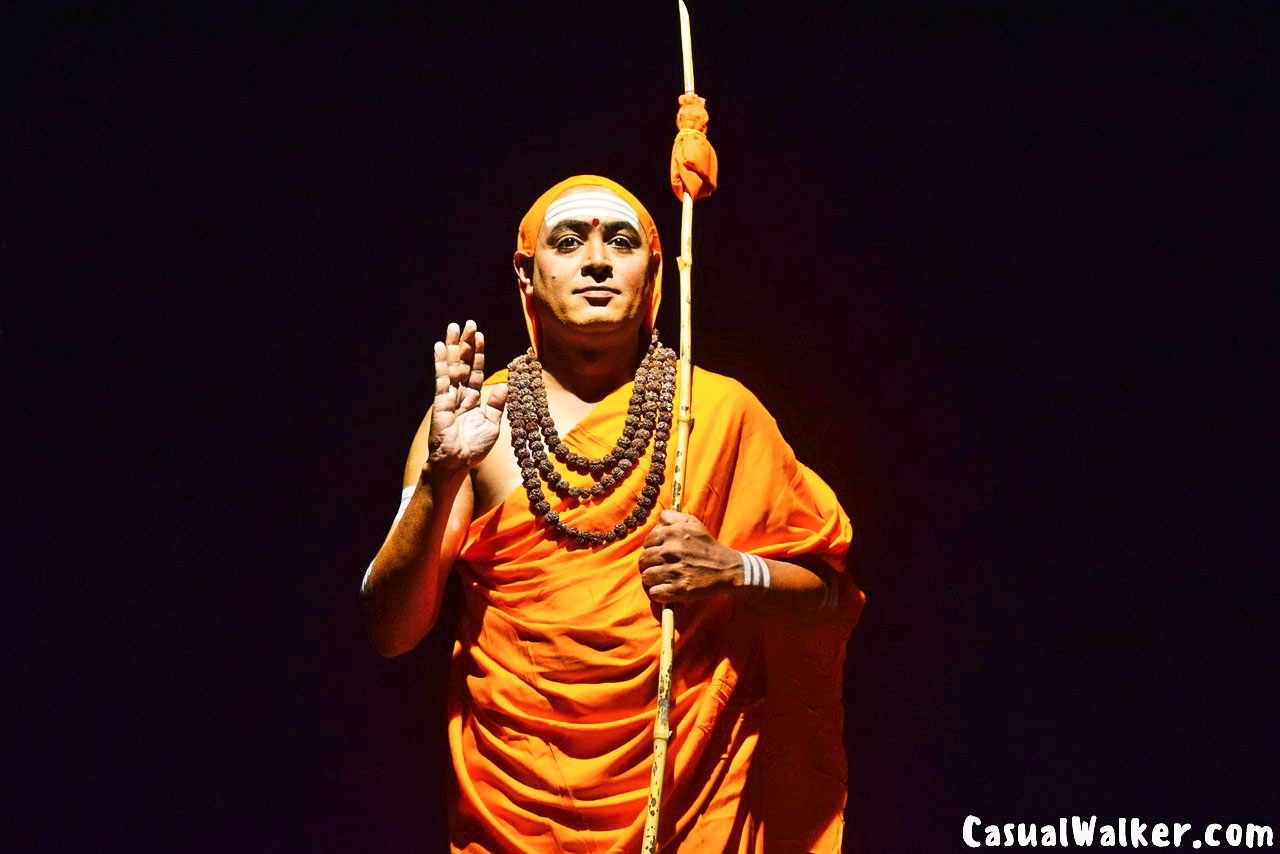
Jagadguru is the very title of Adi Shankaracharya, the great philosopher-saint who realised the ultimate truth and guided all of humanity towards liberation. Kartik Fine Arts staged the play Jagadguru at the Narada Gana Sabha, on Adi Shankaracharya’s inspiring life and teachings. Written and directed by Kalaimamani C V Chandramohan, it traces the extraordinary life of the Adi Shankaracharya who revived and systematised the philosophy of non-dualism (Advaita Vedanta) across the length and breadth of Bharat, weaving spirituality and history.
About Adi Shankaracharya – The Jagadguru
On the sacred soil of Bharat once walked Acharya Adi Shankara, considered by devotees to be a living embodiment of Lord Shiva, and traditionally regarded as the tenth in the line of Guru parampara traceable back to Lord Sriman Narayana himself. In a life of merely thirty two years, he dispelled the dark forces that were striking at the very foundation of Sanatana Dharma and re established its invulnerability through nothing but his rare spiritual wisdom and inner strength (tapas), a feat that still feels almost impossible to imagine, given how short his time on earth was.
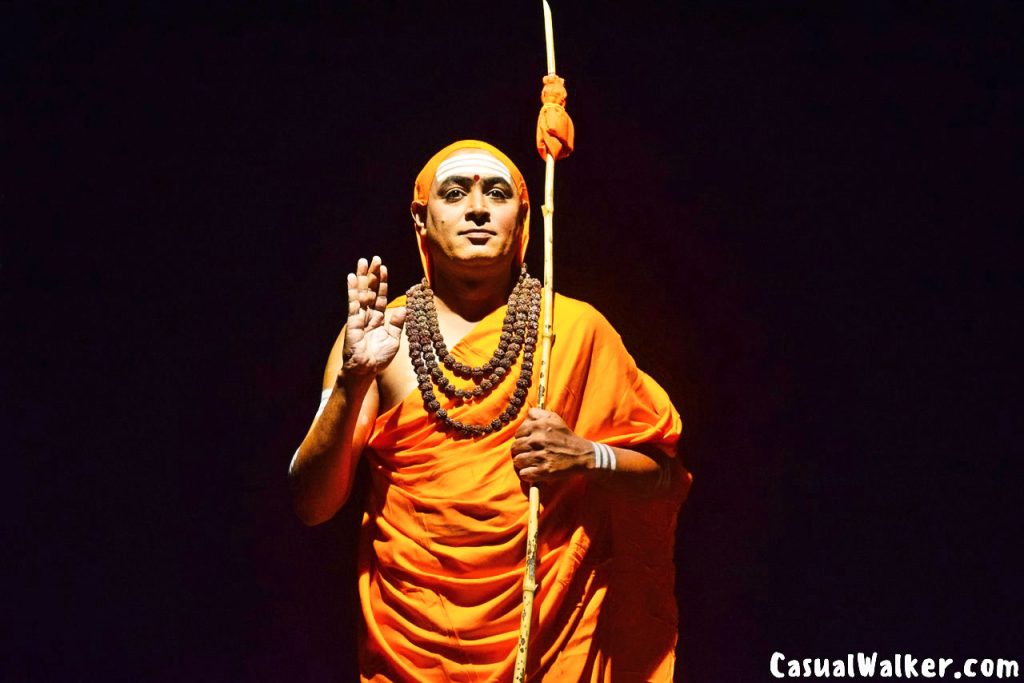
The word Jagadguru itself carries the weight of this achievement, translating to universal teacher (jagat guru), a title reserved only for a soul who has realised the ultimate truth (paramartha) and guides all of humanity towards liberation (moksha). It is this very life, astonishing in its brevity yet boundless in its impact, that the play sets out to honour on stage.
About the Play on Jagadguru – Adi Shankaracharya
The actors of the Jagadguru play deserve special mention here. Every artist on that stage seemed to have internalised not just the dialogues but the very bhava, the inner emotion, of the characters they portrayed. The portrayal of the young Shankara’s brilliance, the humility of his devotion, and the quiet strength of his renunciation (sannyasa) was performed with a sincerity that moved many in the audience to tears, while the music, the stage design, and the restrained yet powerful use of lighting all came together to recreate ancient Bharat with remarkable authenticity.
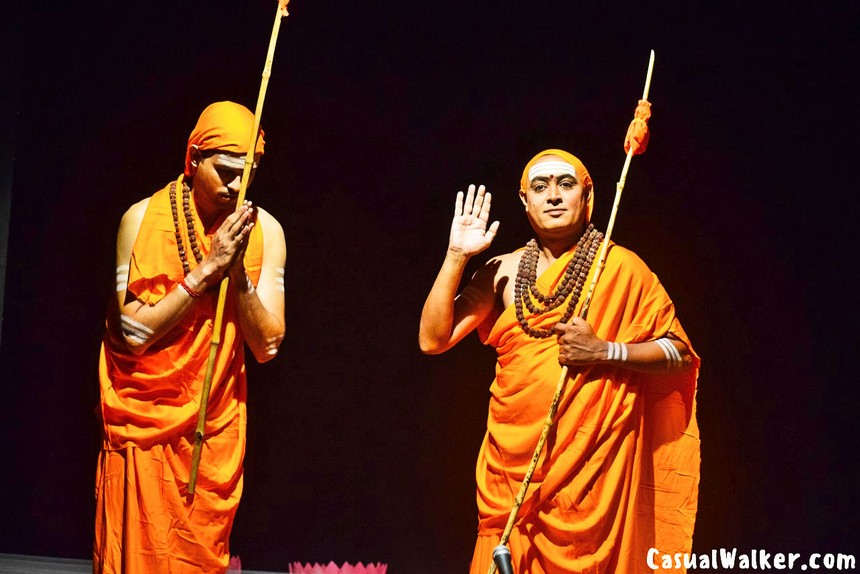
At the Jagadguru play on Adi Shankaracharya, some of the most memorable incidents from this timeless journey of wisdom, devotion, and culture were brought vividly to life on stage.
Divine Birth As A Boon From Lord Shiva
Long before his birth, Shivaguru and Sati Aryamba, a devout Nambudiripad Brahmin couple from the village of Kaladi in Kerala, on the banks of the river Purna, longed for a child.
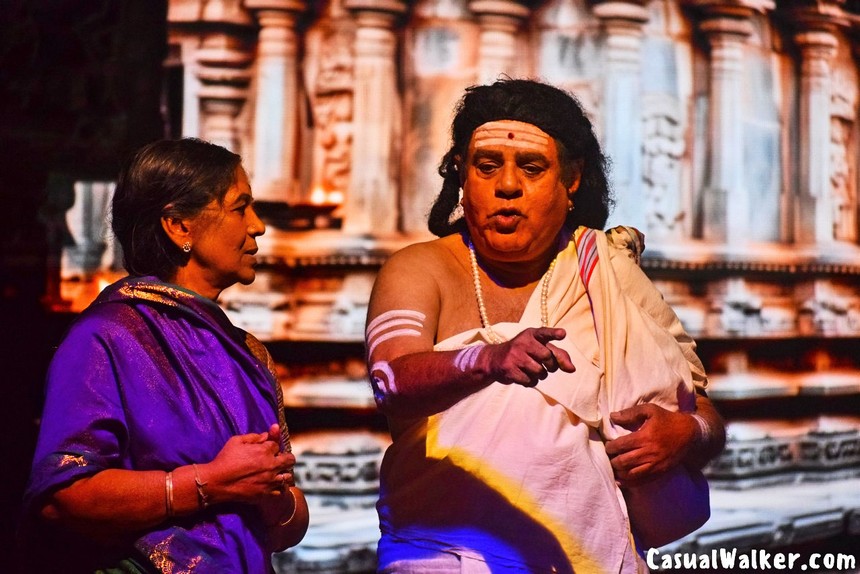
They prayed fervently to Lord Shiva at Vadakkunnathan Temple, performing penance and seeking the divine grace needed for progeny. Pleased with their devotion, Lord Shiva appeared and offered them a choice, an ordinary son who would live long, or an extraordinary son of supreme wisdom (jnana) who would have a short life.
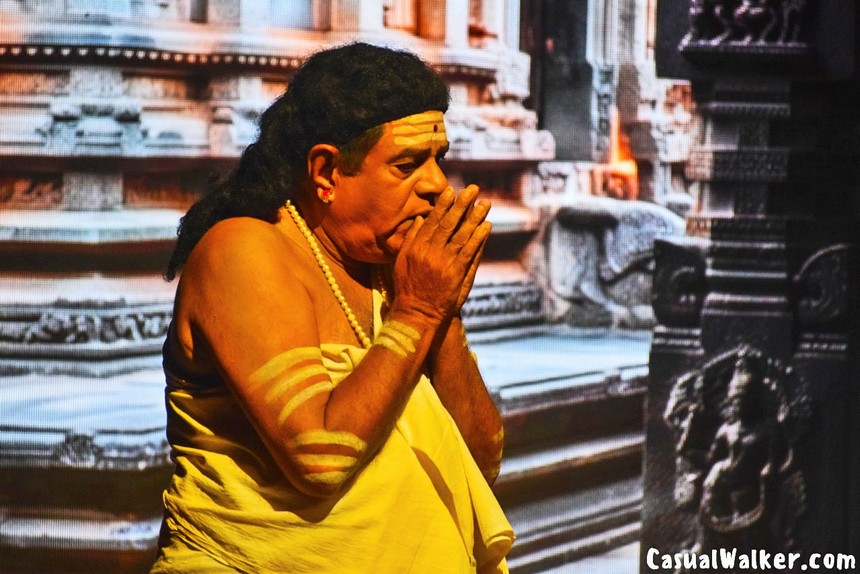
The couple chose wisdom over longevity, and thus Adi Shankaracharya was born as a boon from Lord Shiva himself, on a Sunday, on the auspicious day of Vaishakha Sukla Panchami.
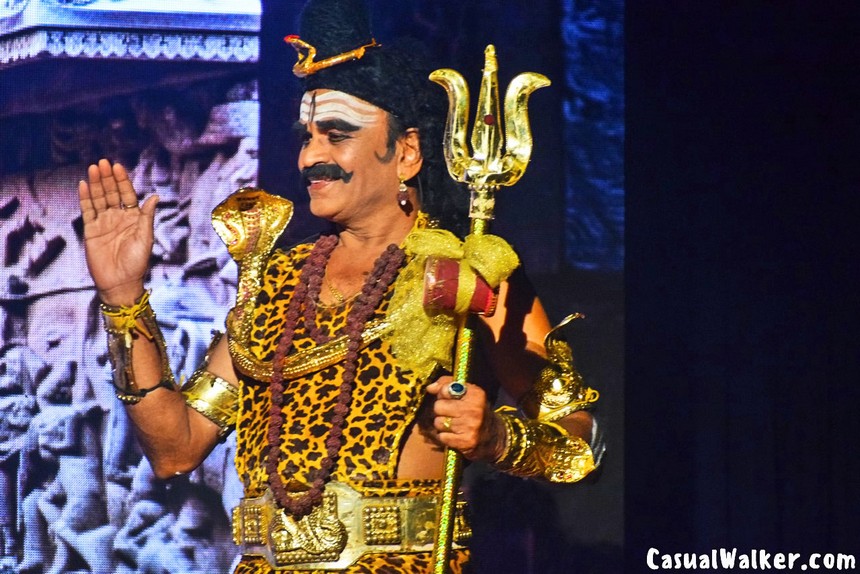
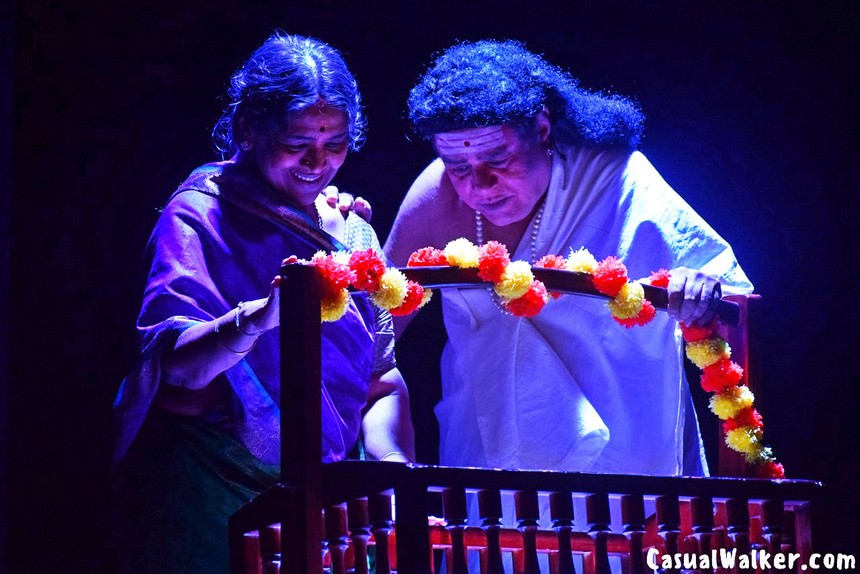
This incident is often seen by devotees as the very foundation of the saint’s mission. It reflects the Vedic understanding that true fulfilment in life comes not from a long worldly existence but from the pursuit of the eternal self (atman) and liberation. Even before his first breath, his life carried the seed of renunciation and the promise of illuminating the path of Vedanta for generations to come.
Flowering Of Early Wisdom
At his early age, Shankarar devoted himself with astonishing focus to mastering the four Vedas, the Vedangas, Dharma Shastra, the Puranas, the Itihasas, and even the doctrines of Buddhist thought (Budhagama), an age when most children are only beginning their formal education.
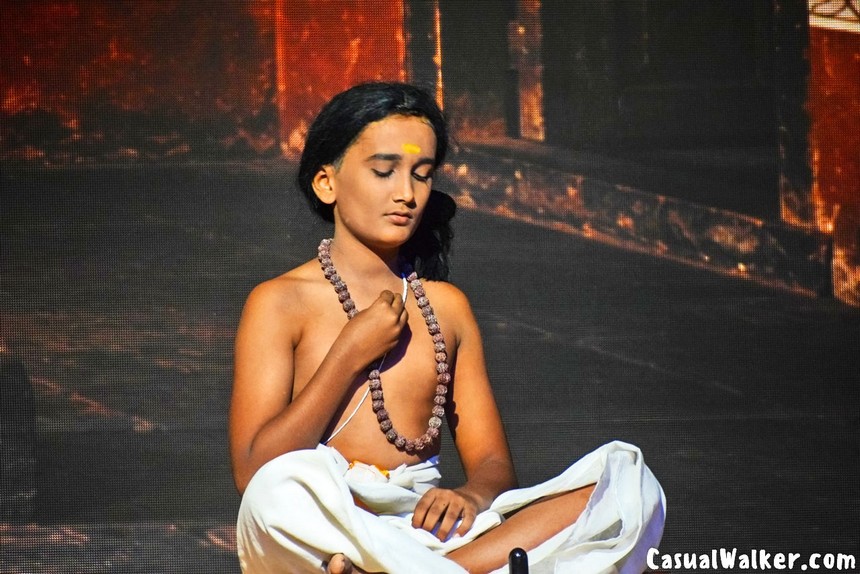
His parents watched with pride and wonder as their son recited complex verses and grasped philosophical concepts with an ease that seemed almost otherworldly.
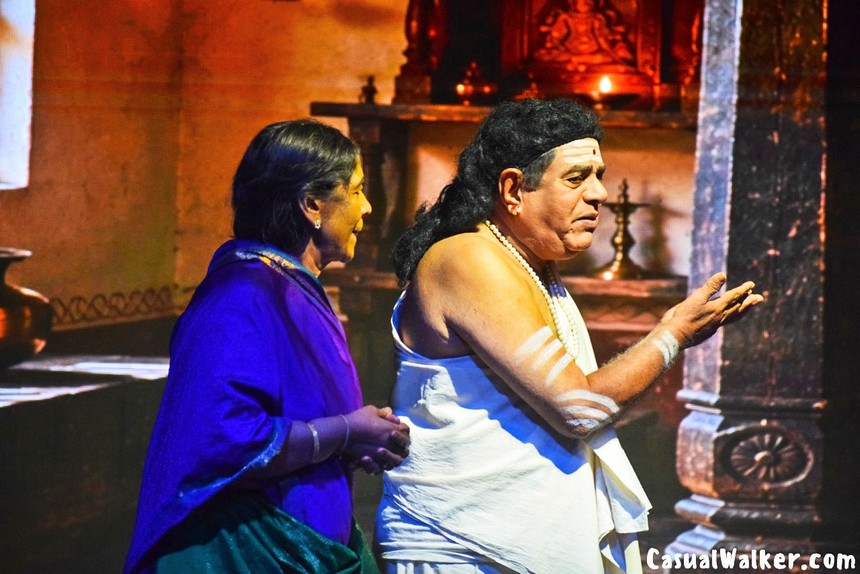
This early flowering of knowledge is a reminder, in the Vedic tradition, that true learning (vidya) is not confined by age but is often the fruit of merit carried over from past lives (purva janma sukriti), and it beautifully illustrates how a spiritually inclined household and unwavering parental faith can nurture even the most extraordinary of souls.
Miracle Of The Golden Amla At The Almsgiving House
As a young boy Shankara following the discipline of his teacher’s hermitage (gurukula), Shankara once went out to seek alms (bhiksha) as was customary for students of the Vedas.
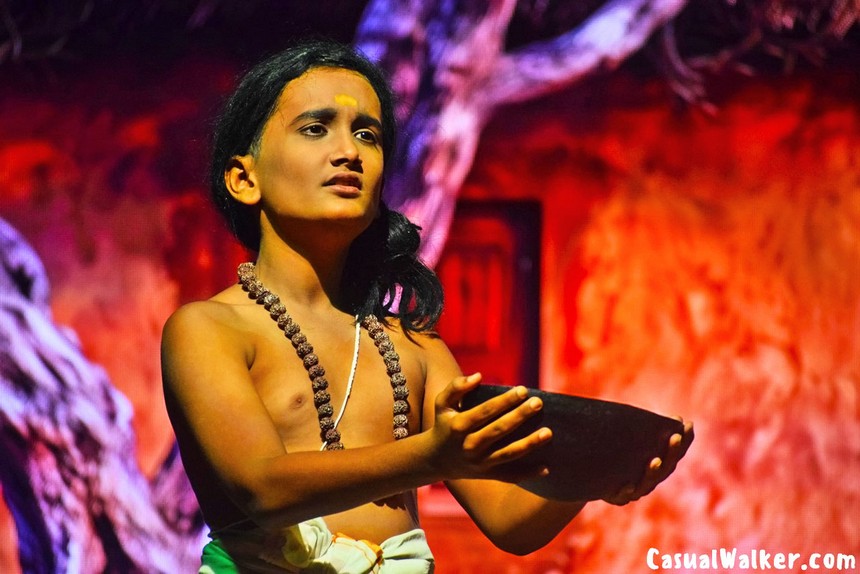
He arrived at the hut of an extremely poor old woman who had nothing to offer him except a single dried gooseberry (amalaki, also called nelli fruit).

Moved deeply by her helplessness and her desire to give despite having so little, the young Shankara composed and sang, right there, a hymn (stotram) in praise of Goddess Lakshmi, now famously known as the Kanakadhara Stotram.
अङ्गं हरेः पुलकभूषणमाश्रयन्ती
भृङ्गाङ्गनेव मुकुलाभरणं तमालम् ।
अङ्गीकृताखिलविभूतिरपाङ्गलीला
माङ्गल्यदास्तु मम मङ्गलदेवतायाः ॥१॥Angam Hareh Pulaka Bhushanam Ashrayanti
Bhrunganganeva Mukulabharanam Tamalam
Angikrutakhila Vibhutir Apanga Leela
Mangalyadastu Mama Mangala DevatayahShe, Goddess Lakshmi, delights in resting upon the body of Lord Hari, adorned with the thrill of divine ecstasy, just as a female bee delights in resting upon the dark, unopened bud of a Tamala tree. Her graceful sidelong glance carries within it all the abundance and prosperity of creation. May that Goddess of Auspiciousness bestow her blessings of good fortune upon me.
Listen to the Full Sri Kanakadhara Stotram by Smt. M.S. Subbulakshmi
So powerful was his devotion that Goddess Lakshmi herself have appeared and showered golden amalaki fruits into the woman’s humble courtyard.
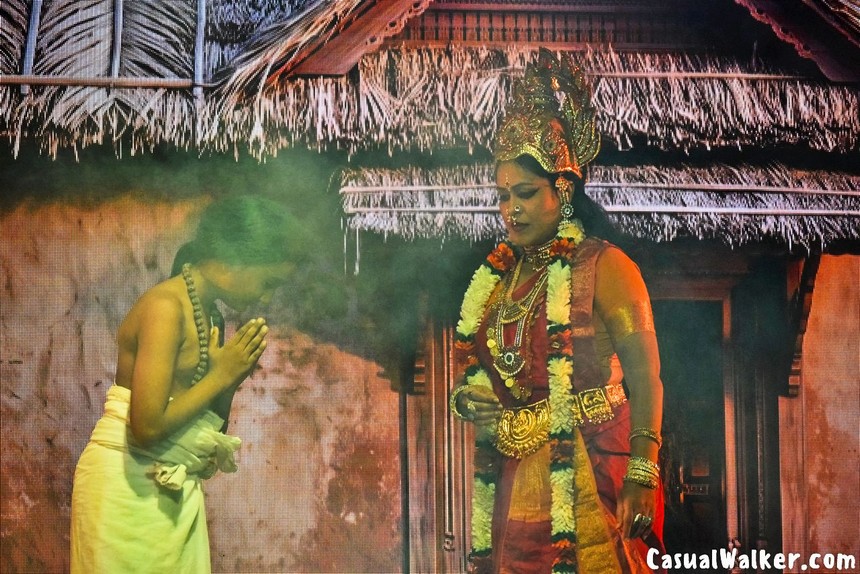
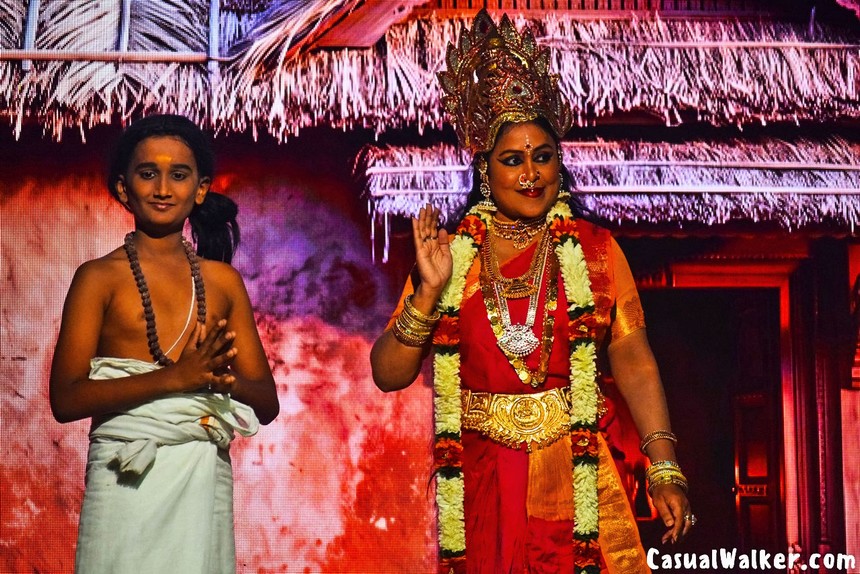
This incident teaches devotees a profound truth of Sanatana Dharma, that true compassion and sincere prayer can move even the divine to respond, and that wealth (Lakshmi) follows those who live with humility and gratitude rather than those who merely chase it.
Seeking His Mother’s Blessing For Sannyasa
After the passing of his father, young Shankara, burning with the desire for liberation, felt an ever growing pull towards the path of complete renunciation. He wished to take up sannyasa, the fourth stage of life dedicated entirely to the pursuit of the ultimate truth (Brahman), leaving behind worldly attachments. However, as a dutiful son, he first approached his widowed mother Aryamba to seek her blessing, knowing well that a mother’s permission carried immense weight in the Vedic tradition.
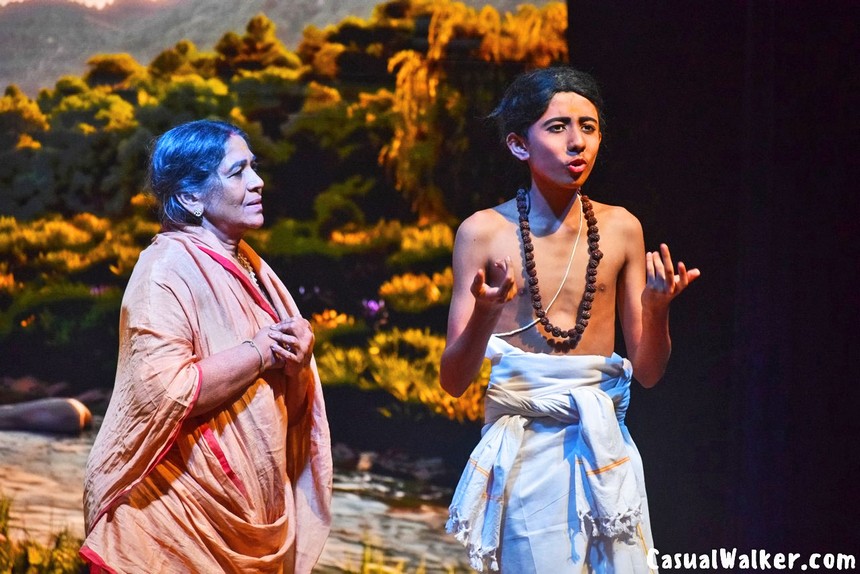
Aryamba, naturally, was heartbroken at the thought of losing her only son to the ascetic life. This moment in the play captures beautifully the tension between worldly duty (dharma as a son) and the higher calling of spiritual duty (dharma as a seeker of moksha), a conflict that lies at the very heart of the Bhagavad Gita’s teachings.
Crocodile That Sealed His Sacred Vow
Unable to convince his mother through words alone, young Shankara went to bathe in the river near their home. As he stepped into the water, a crocodile suddenly caught hold of his leg. Sensing his end was near, Shankara called out to his mother, telling her that only if she granted him permission to become a sannyasi would he be freed from this mortal danger. Overcome with fear for her son’s life, Aryamba relented and gave her blessing, and at that very instant the crocodile released his leg and disappeared into the waters.

Before he left, young Shankara, only eight years of age, promised his mother that he would return to her side at the time of her passing to perform her last rites himself. This incident, though miraculous, holds deep symbolic significance for devotees. It signifies that the call of the divine (Ishwara) often arrives at moments when we least expect it, and that true surrender (sharanagati) requires letting go of even our deepest worldly attachments, including the bond between a mother and her child. With his mother’s blessing secured, Shankara was now free to walk the path of the renunciate.
Long Walk To The Narmada And Years Of Devoted Service
With his mother’s permission granted, young Shankara set out on an extraordinary journey, walking nearly two thousand kilometres from the southern shores of Kerala to the banks of the river Narmada in the central plains of Bharat, in search of a guru who could initiate him into the highest knowledge. There, in a cave, he found the sage Govinda Bhagavatpada, a disciple of the great Gaudapadacharya, deep in meditation. Sensing the arrival of an extraordinary disciple, the guru asked the young boy who he was, and Shankara is said to have responded with a series of profound verses explaining that he was neither the body nor the mind, but the eternal, changeless self, an early glimpse of the Advaita philosophy he would later teach the world.
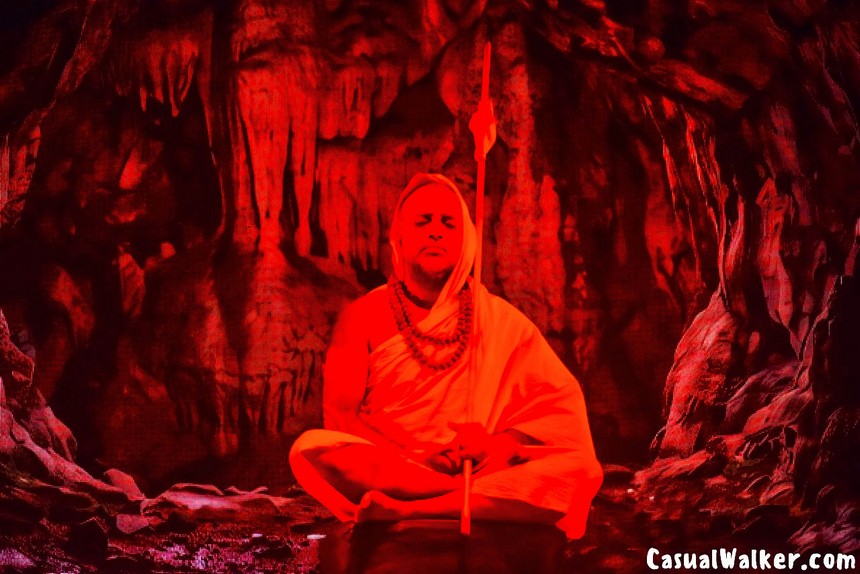
Impressed by the boy’s clarity even before any formal teaching, Govinda Bhagavatpada accepted him as his disciple (shishya) without hesitation, and for four years young Shankara served his guru with unwavering devotion, mastering under his compassionate guidance every branch of the Vedic scriptures.
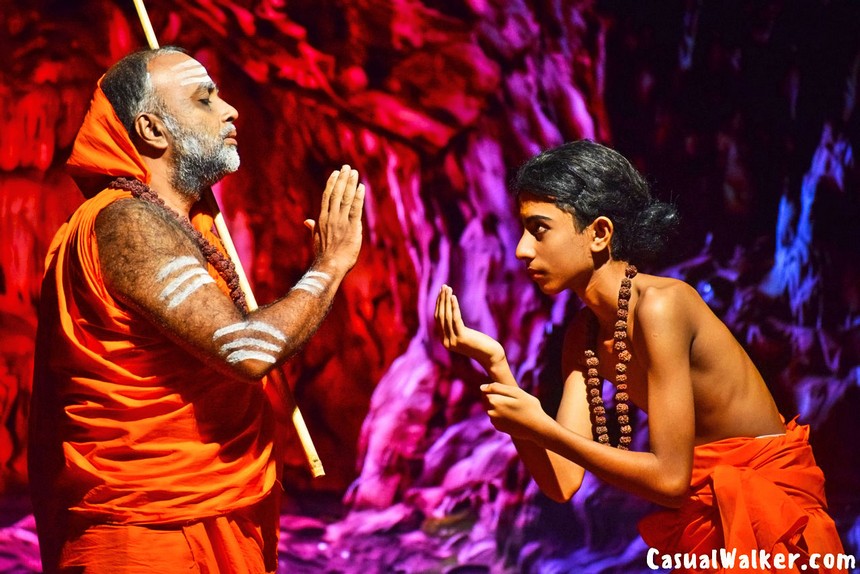
This meeting and this period of service are considered pivotal in the play, establishing the sacred teacher disciple relationship (guru shishya parampara) that lies at the core of Vedic learning, where true knowledge is transmitted not merely through books but through the living presence and grace of an enlightened guru.
Receiving Diksha And Writing Commentaries At A Young Age
Once accepted as a disciple, Shankara underwent the formal rites of initiation (deeksha) at the hands of Govinda Bhagavatpada. Through this sacred ritual, he was inducted into the ancient monastic order and given deeper access to the esoteric teachings of Vedanta, including the mahavakyas, the great sayings of the Upanishads that point directly to the non dual nature of reality. By the age of twelve, his guru felt that Shankara was ready to compose commentaries (bhashyas) on the major scriptural texts, and at his guru’s command, the young acharya began writing, elucidating the subtle meanings hidden within the scriptures. By the age of sixteen, he had completed all his major treatises.
For the audience watching the play, this scene serves as a beautiful reminder of the importance of proper initiation in the Sanatana Dharma tradition. Diksha is seen not simply as a ceremony but as a transformative transfer of spiritual energy and authority from guru to disciple, and the speed with which the young Shankara turned that grace into towering scholarly work remains, even today, a marvel that modern conveniences and long years of study can hardly match.
Disciple Who Walked On The River By Guru’s Grace
One of the most touching episodes portrayed in the play involves a disciple of Adi Shankaracharya named Sanandana. One day, while Sanandana was on the opposite bank of the Narmada engaged in his duties, Adi Shankaracharya called out to him urgently. Without a moment’s hesitation, and with complete faith in his guru, Sanandana stepped into the river to cross over, and miraculously, lotus flowers rose up from beneath his feet with every step, keeping him afloat and safe.
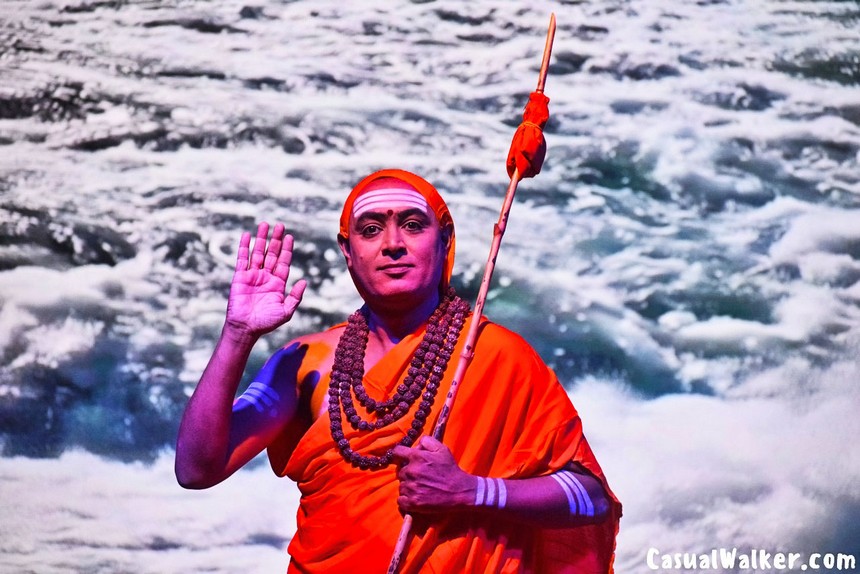
From that day, Sanandana came to be affectionately known as Padmapada, meaning one with lotus feet. This incident illustrates a central teaching found in the Upanishads, that unwavering faith (shraddha) in one’s guru and in the divine can overcome even the laws of nature, and that true devotion never goes unanswered by grace (kripa).
Encounter With The Chandala And The Question Of Body And Soul
While walking through the lanes of Kashi one day, Adi Shankaracharya’s path was blocked by an chandala accompanied by four dogs. Shankara’s disciples, still bound by notions of ritual purity, asked the man to step aside. In response, the chandala posed a piercing philosophical question, asking whether he should move his physical body aside or his eternal soul, since the same non dual consciousness resides equally within everyone.
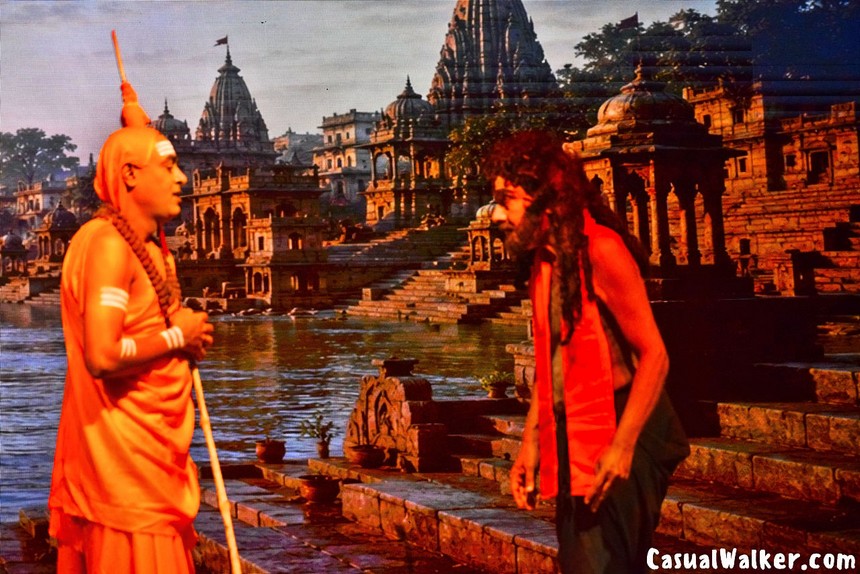
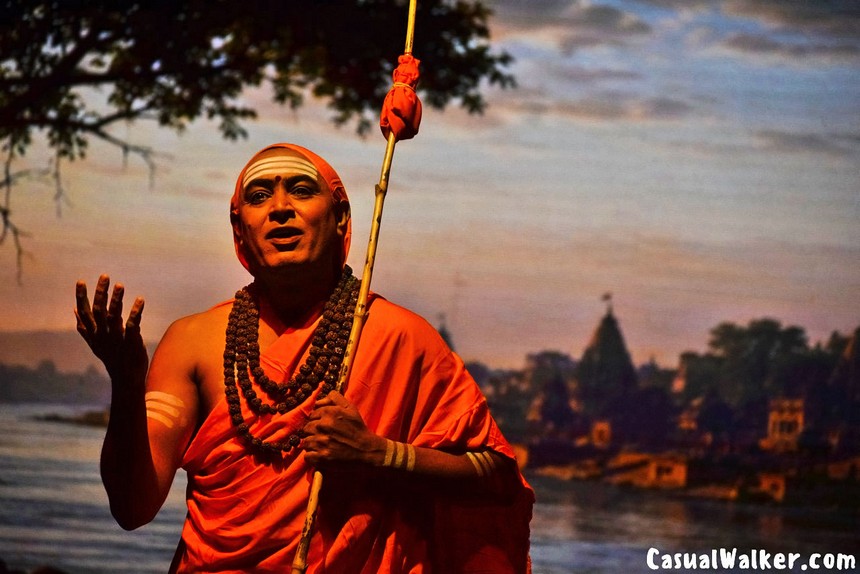
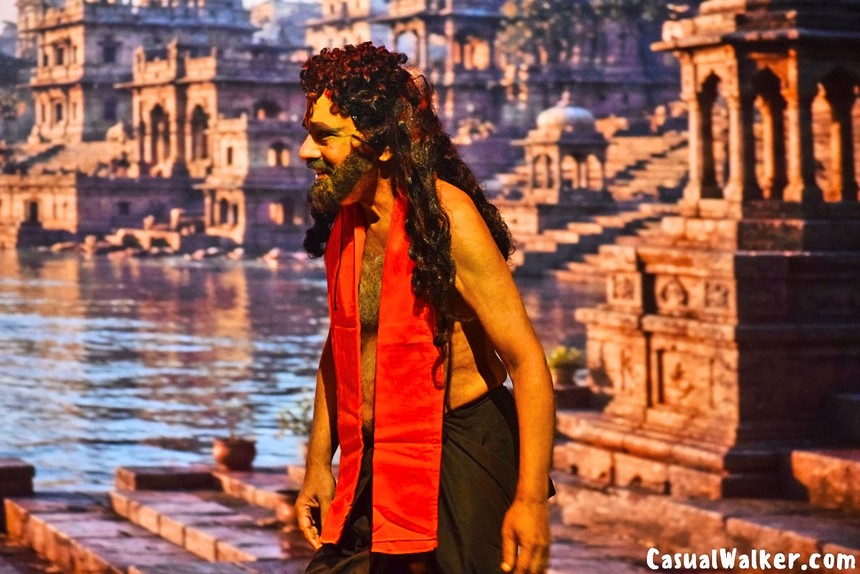
Struck by the profundity of the question, Shankara realised that the chandala before him was none other than Lord Shiva himself, testing his understanding of non dualism. Humbled, Shankara composed the Manisha Panchakam on the spot, declaring that true wisdom recognises the same divine self (atman) in every being, regardless of birth or social station.
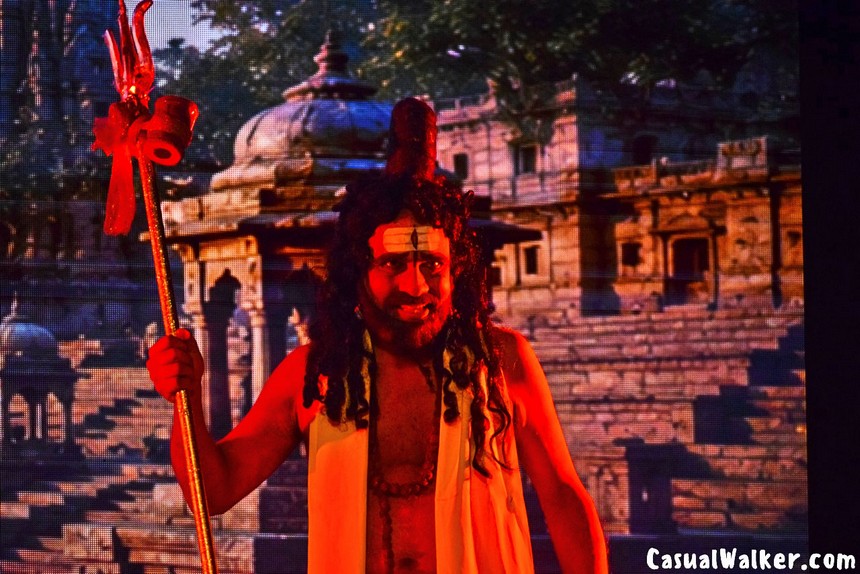
This episode remains one of the most powerful teachings in the entire play, reminding audiences that Advaita Vedanta transcends all boundaries of caste and creed.
Meeting Sage Vyasa & Receiving His Grace
As Adi Shankaracharya continued his mission of composing commentaries on the Brahma Sutras, the Upanishads, and the Bhagavad Gita, he was once visited by an old Brahmin who challenged his interpretations with remarkably deep questions. Engaging in a long philosophical exchange, Shankara eventually realised that the elderly visitor was none other than sage Veda Vyasa himself, the compiler of the Vedas and author of the Mahabharata, who had come to test the young acharya’s understanding.
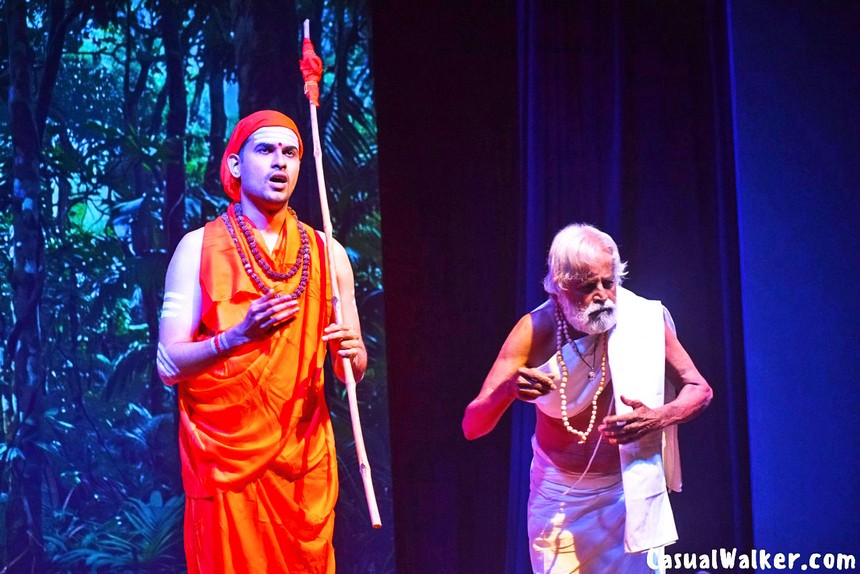
Pleased with Shankara’s mastery and clarity, Vyasa blessed him with an extended lifespan, since Shankara had originally been destined for a short life as per the boon of Lord Shiva at his birth.
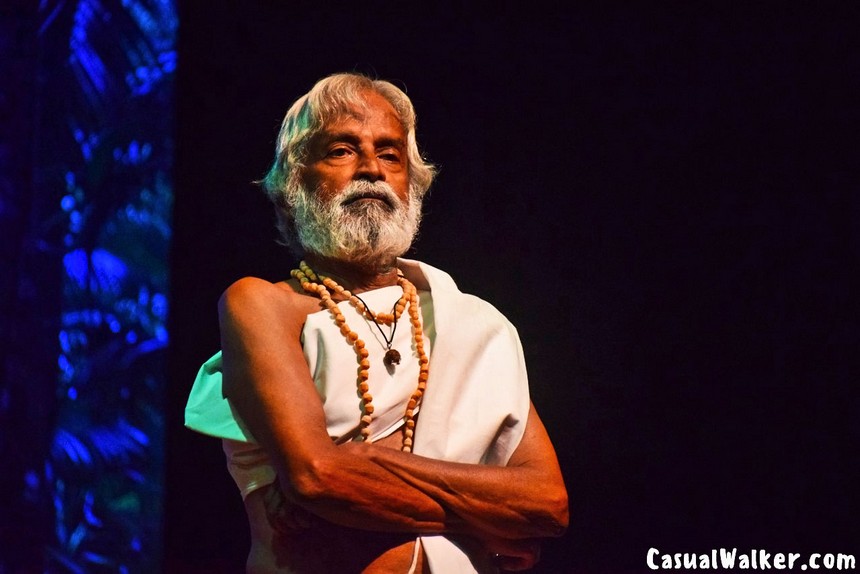
This meeting is portrayed with great reverence in the play, symbolising the continuity of Vedic wisdom across ages and the validation of Shankara’s teachings by one of the greatest sages of Bharat.
Historic Debate With Mandana Mishra
Perhaps the most dramatic episode in Adi Shankaracharya’s life, and one that the play stages with tremendous energy, is his philosophical debate with the householder scholar Mandana Mishra, a staunch follower of ritualistic action (karma kanda).
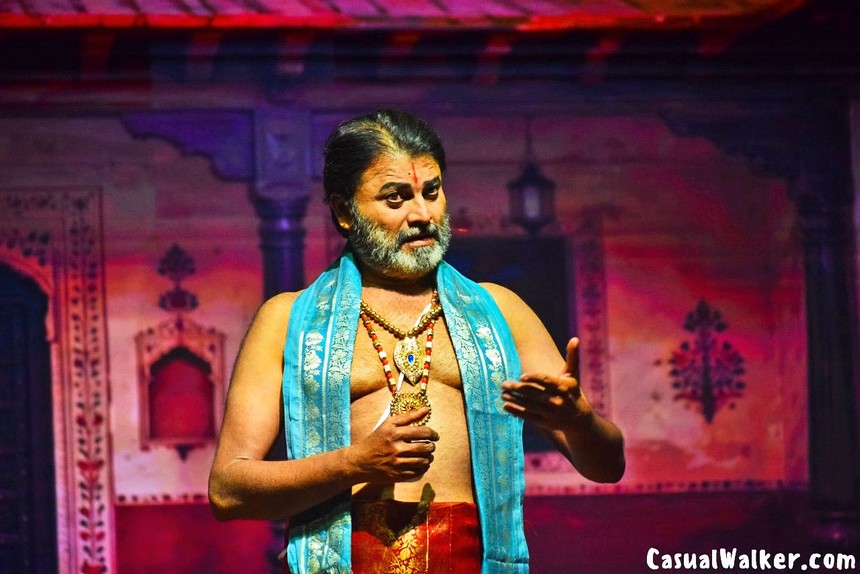
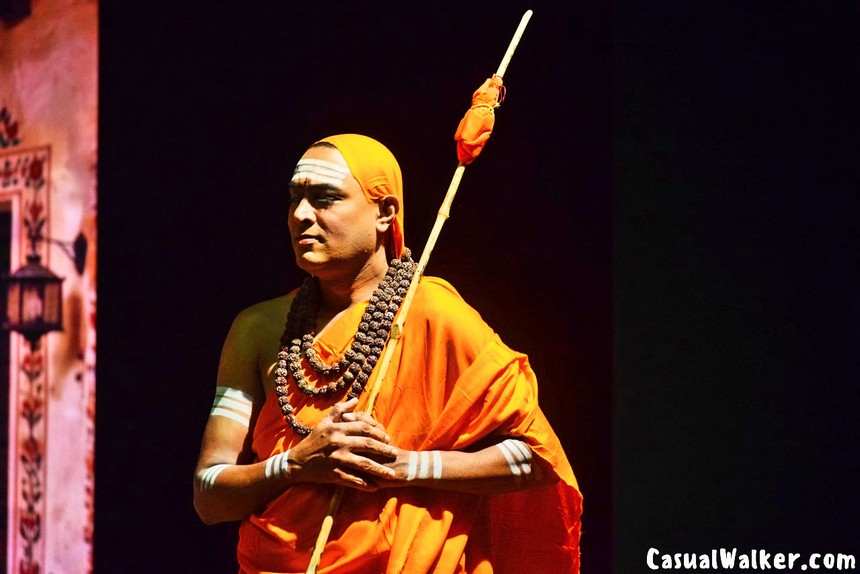
The two agreed to a debate on the merits of knowledge (jnana) versus ritual action, with Mandana Mishra’s own wife, the highly learned Ubhaya Bharati, appointed as the impartial judge.
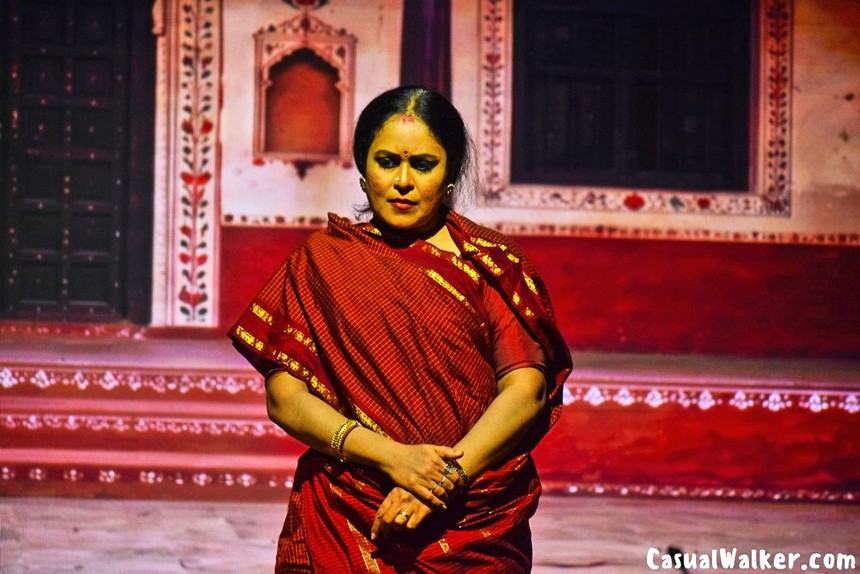
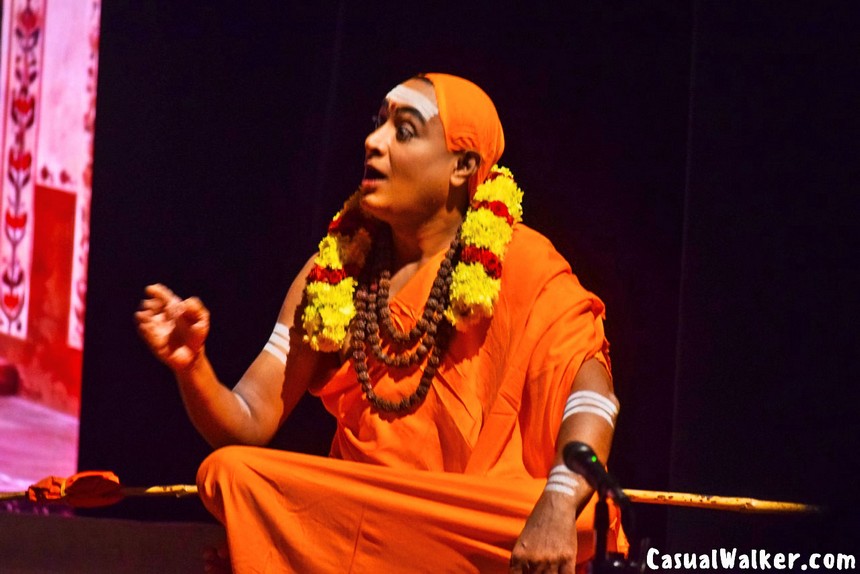
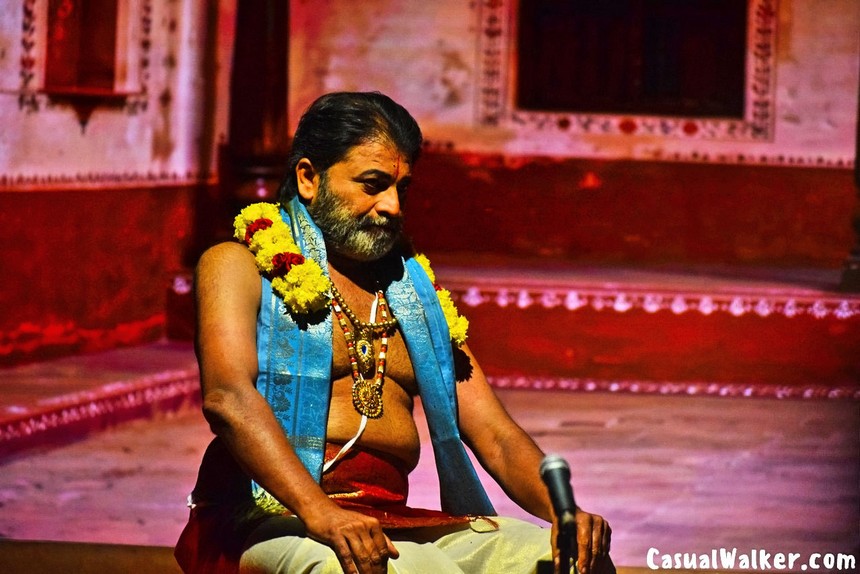
As a mark of fairness, garlands were placed around both their necks, with the condition that whoever’s garland wilted first would be declared the loser. After days of intense philosophical exchange, it was Mandana Mishra’s garland that wilted, signalling Shankara’s victory.
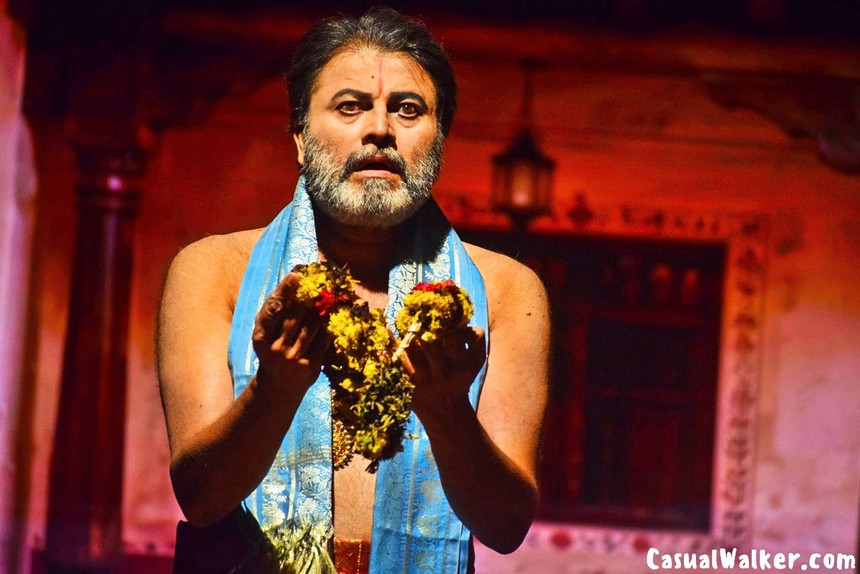
True to his word, Mandana Mishra renounced worldly life and became Shankara’s disciple, later known as Sureshwaracharya, one of the foremost proponents of Advaita Vedanta. This episode beautifully demonstrates the Vedic tradition of scholarly debate (shastrartha) as a means of arriving at truth, rather than through force or dogma.
Adi Shankaracharya Rescued By Lord Narasimha
During his extensive travels across Bharat, Adi Shankaracharya once encountered a tribal community whose head, intending to perform a human sacrifice (nara bali) as part of a local ritual, seized upon Shankara himself and attempted to behead him as the offering.
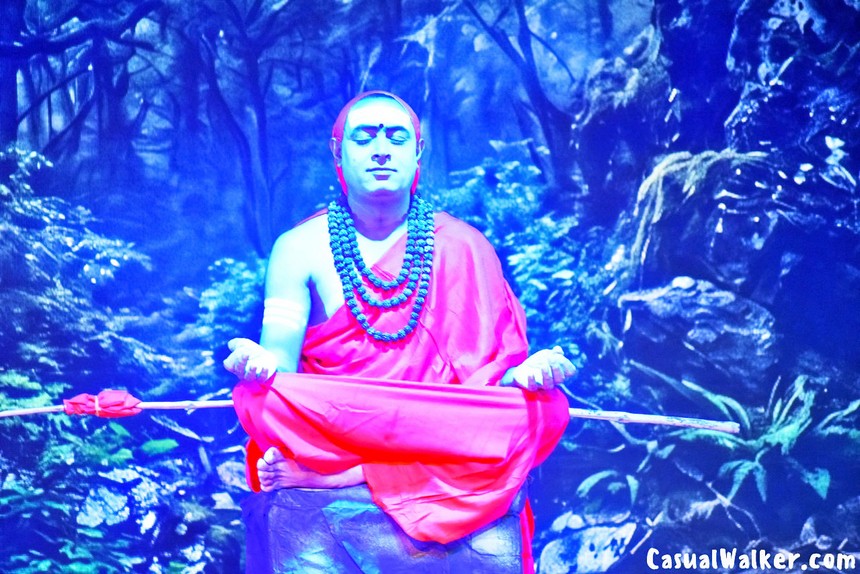

Facing this imminent danger, Shankara composed the powerful Lakshmi Narasimha Karavalamba Stotram on the spot, invoking the fierce protective form of Lord Vishnu as Lord Narasimha.
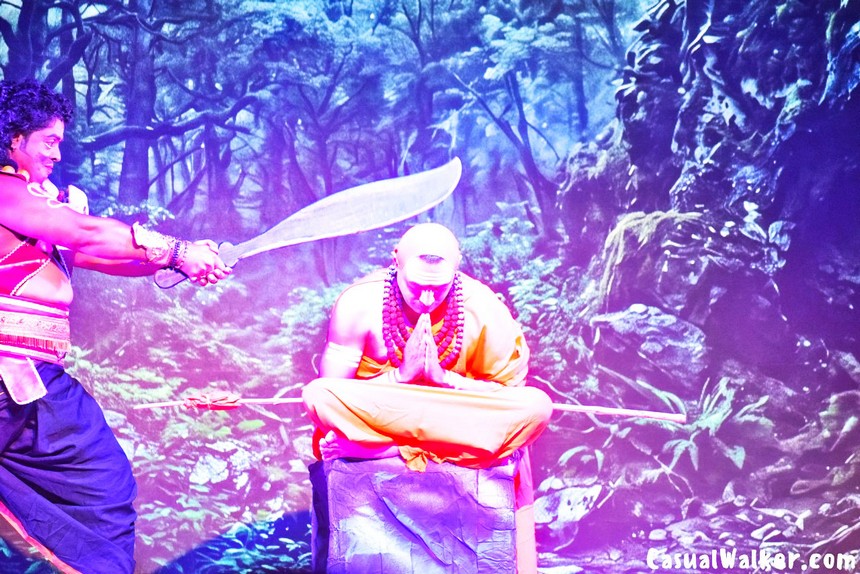
Moved by the intensity of his prayer, Lord Narasimha’s grace descended at once and Shankara was saved from the blade, while the tribal head, humbled by the miracle, abandoned the practice of such sacrifice altogether.

This episode highlights Shankara’s role not merely as a philosopher but as a reformer who actively worked to end harmful practices and protect dharma wherever his travels took him, embodying the truest sense of a Jagadguru.
Establishing the Six Fold Path Of Worship
In Shankara’s time, ancient India was sunk in a quagmire of superstitions, degraded ritualism, and countless narrow sects, each following its own limited form of worship, blind to the underlying oneness of God. To bring harmony among these diverse traditions, Adi Shankaracharya formulated the six sect system of worship (Shanmata), which honoured six principal godheads together, namely Lord Vishnu, Lord Shiva, Goddess Shakti, Lord Muruga, Lord Ganesha, and Lord Surya. He also laid down many of the rituals and rites that continue to be followed in major temples across India to this day.
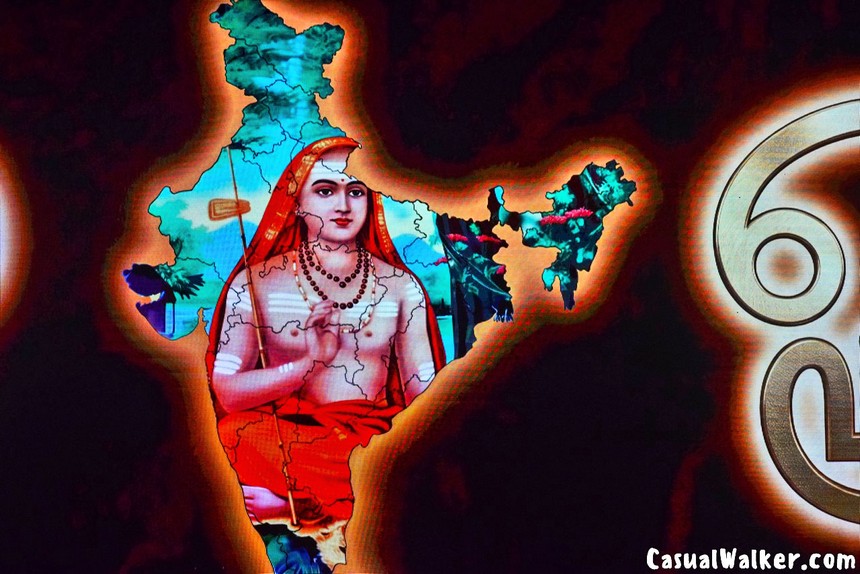
This reform is remembered by devotees as one of Shankara’s most far reaching contributions, for it allowed worshippers of different personal deities (ishta devata) to coexist within one unified spiritual framework, all ultimately pointing towards the same formless, non dual Brahman described in the Upanishads.
His Literary Legacy Of Hymns Commentaries And Treatises
Beyond his travels and debates, Adi Shankaracharya was also an exquisite poet with a heart brimming with love for the divine. Tradition credits him with seventy two devotional and meditative hymns (stotras), including the Soundarya Lahari, Sivananda Lahari, Nirvana Shatakam, and the Manisha Panchakam mentioned earlier. He also wrote eighteen commentaries (bhashyas) on major scriptural texts, including the Brahma Sutras, the Bhagavad Gita, and twelve of the principal Upanishads, along with twenty three independent works expounding the fundamentals of Advaita Vedanta, such as the Viveka Chudamani, Atma Bodha, Vakya Vritti, and Upadesa Sahasri.
In one of his most quoted verses, he condensed the entire essence of the scriptures into a single line, brahma satyam jagat mithya jeevo brahmaiva na aparah, meaning Brahman alone is real, the world is illusory (mithya), and the individual soul (jeeva) is nothing but Brahman itself. This body of literary work, composed within a few short decades of his life, continues to serve as the bedrock of Advaita Vedanta study across mutts, ashrams, and universities to this day.
Adi Shankaracharya Mother’s Final Moments
Even as his mission across Bharat expanded, Adi Shankaracharya never forgot his promise to his mother. Sensing that her final days were near, he used his yogic powers to travel swiftly and reach her side, granting her divine visions (darshan) at her own request before she passed.
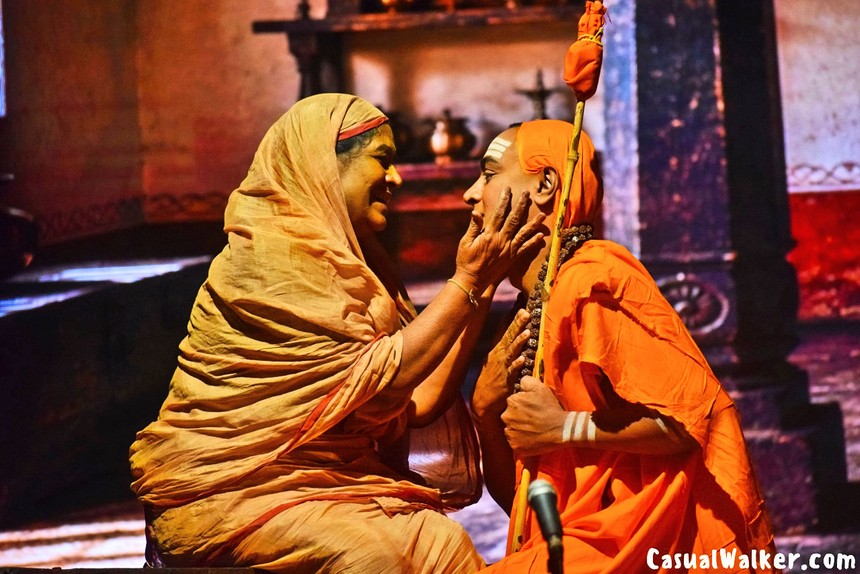
This poignant episode is portrayed with great emotional depth in the play, reminding devotees that true spirituality never severs the bonds of love and gratitude, and that dharma, when understood at its deepest level, always finds a way to honour both the eternal and the personal.
Uniting Bharat Through Sacred Mutts
Following his mother’s final rites, Adi Shankaracharya resumed his travels across the length and breadth of India, engaging in debates, reviving temples, and consolidating the philosophy of Advaita Vedanta wherever he went. Around 700 AD, he established four principal monastic centres (mathas) in the four corners of Bharat to unify the scattered and diverse groups of ascetics, beginning with the Sringeri Sharada Peetham in the south, followed by the Dwaraka Peetham in the west, the Jagannath Puri Peetham in the east, and the Jyotirmath Peetham near Badrinath in the north. A fifth and equally revered seat, the Kanchi Kamakoti Peetham at Kancheepuram in Tamil Nadu, is also closely associated with his legacy.
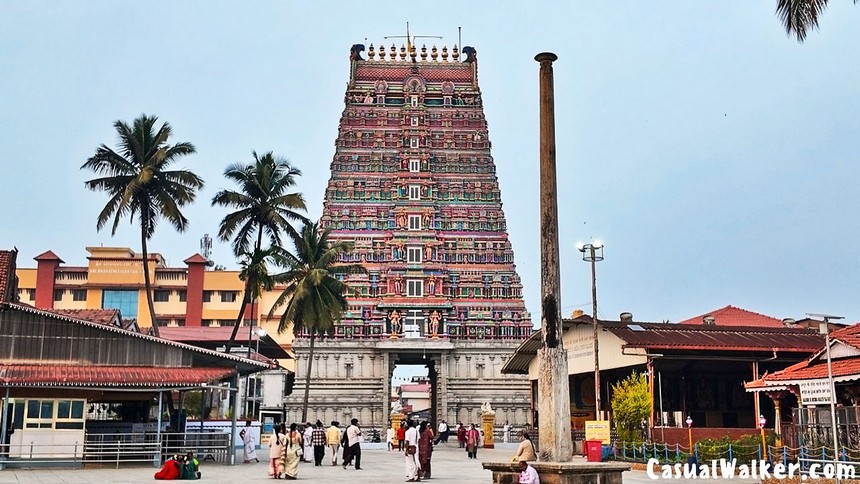
Each of these four mathas was entrusted to one of his senior most disciples and assigned the sacred duty of preserving one of the four Vedas along with a great saying (Maha Vakya) drawn from the Upanishads. He further reorganised the ascetic communities of India into ten principal monastic orders, known even today as the Dasanami Sannyasa Tradition, ensuring that the study of the Vedas, the practice of dharma, and the philosophy of non dualism would continue uninterrupted for centuries to come, long after his own physical presence had ended. This final act of his life, portrayed with grandeur in the play’s closing scenes, stands as a testament to his vision of a spiritually unified Bharat.
Eternal Teaching Of Advaita Vedanta
At the heart of everything Adi Shankaracharya taught lies the philosophy of non dualism (Advaita Vedanta), the understanding that the individual self (atman) and the ultimate reality (Brahman) are not two separate entities but one and the same eternal consciousness. According to this teaching, the world of multiplicity that we perceive through our senses is a form of illusion (maya), while the true, unchanging reality beneath it all is pure, undivided consciousness. Adi Shankaracharya’s short life of thirty two years, said to have ended on the sacred day of Kartika Poornima, was itself an offering to this one single truth, that Brahman alone is real, and the individual soul is never separate from it.
The play closes with this very teaching resonating through the hall, a fitting reminder that Adi Shankaracharya’s mission was about awakening humanity to a truth that has always existed within, as declared by the ancient Upanishads themselves. This Kartik Fine Arts production’s play on the Jagadguru’s life is an experience that goes far beyond ordinary theatre. It is a devotional offering in itself, brought to life through the sincere efforts of its writer and director Kalaimamani C V Chandramohan, renowned for curating rich, immersive biographical stage productions that bring the lives of classical Indian saints and philosophers vividly to the stage and the casts who clearly performed with both deeply moving skill and reverence.

Thanks for exploring this Casual Walker photo guide — India’s most visual cultural travel guide and a curious discovery journal finding authentic photo stories, guides, and tips across travel, culture, arts, temples, heritage, and food.
- Keep exploring: Browse 650+ Travel & Culture Photo Guides
- We’d love to hear your feedback, stories, corrections, and updates — Email us.
- Follow our photo walks on Instagram: @hicasualwalker