







Grooves N Grain: Chennai’s First-Ever Vinyl Records Exhibition at Alliance Française — A Tribute to the Golden Era of Analog Music & Physical Media by Deejayphani | Showcasing Vinyl Records of Carnatic, Hindustani Classical, Western Classical, Jazz, Pop Soundtracks — History of Vinyl Records in the World & India, Hip-Hop & DJ Culture, and Art & Science of Preserving Vinyl records (Updated)
– journey through sound, memory, & the timeless craft of vinyl records history
| CasualWalker’s Rating for Grooves N Grain -Vinyl Records Exhibition : | |

9.9 – Musical Landmark |
|


Grooves N Grain, Chennai’s first vinyl records exhibition, featuring DJ Phani Kumar’s rare 60s-80s collection at Alliance Française, Chennai. Long before playlists and streaming apps took over our ears, music lived on grooves cut into black discs, wrapped in cover art that told its own story.
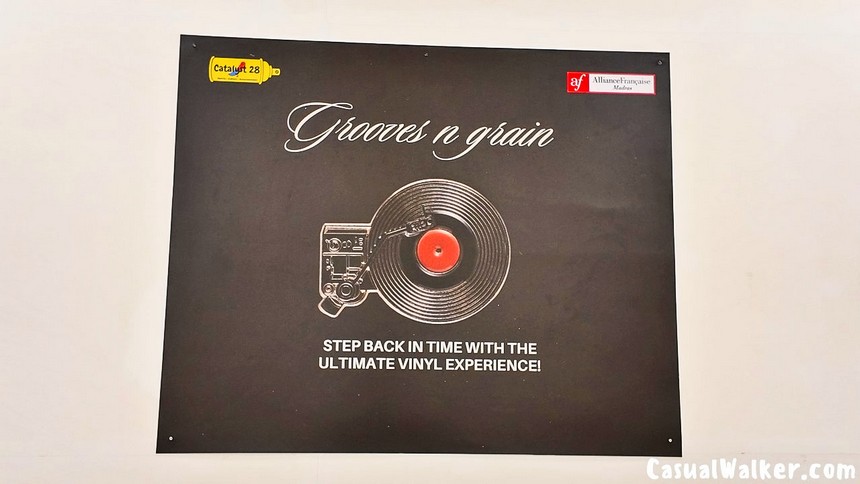
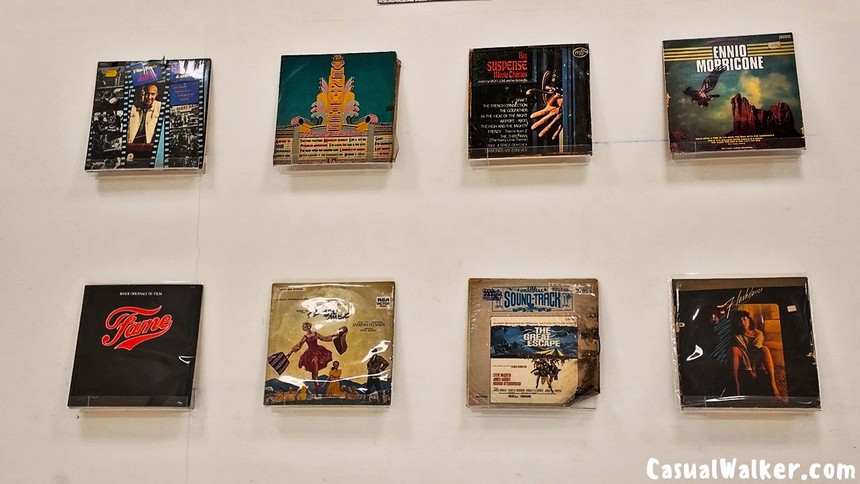
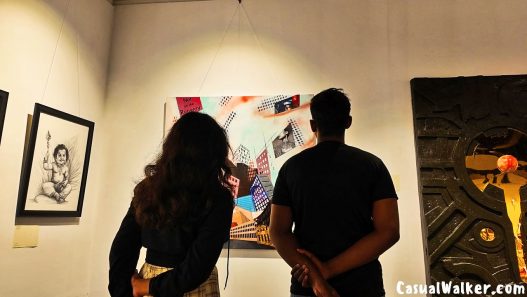
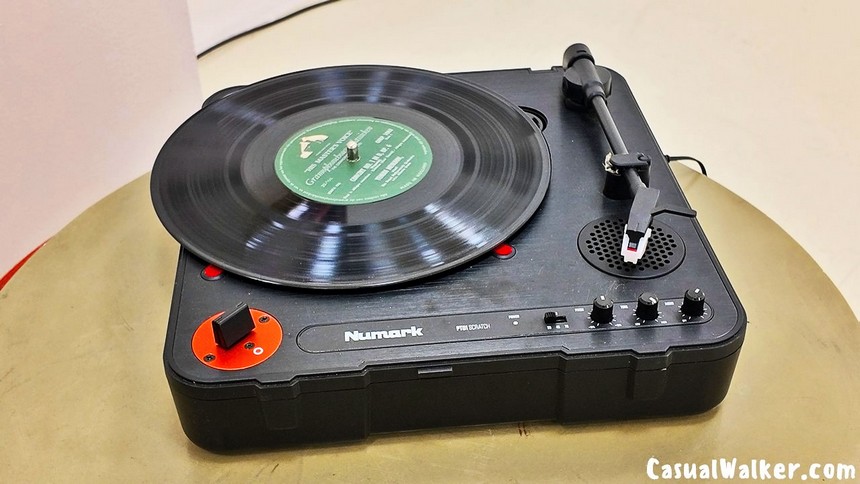
At the Chennai’s first-ever vinyl records exhibition, running at the Alliance Française of Madras. Curated by musician and DJ Phani Kumar along with the Catalyst 28, the show pulls back the curtain on a obsession with vinyl, offering visitors a rare chance to see, touch, and even play records that span jazz, Carnatic, Hindustani, Western classical, and decades of Tamil and Hindi film music.
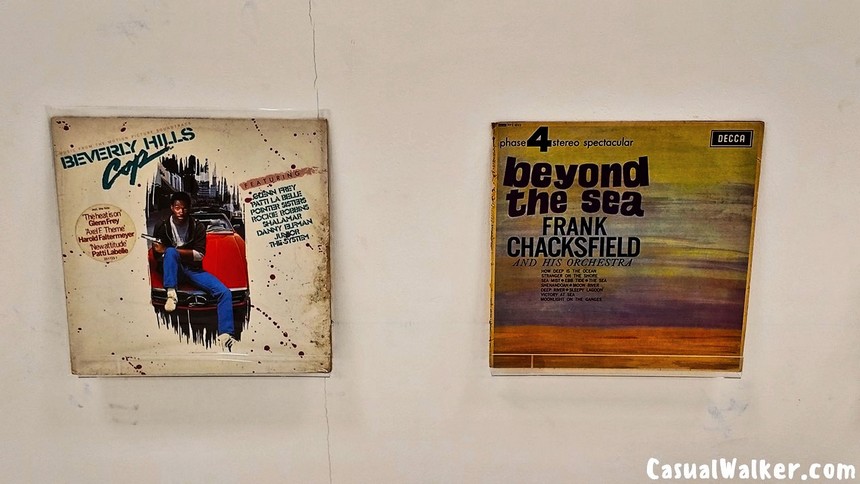
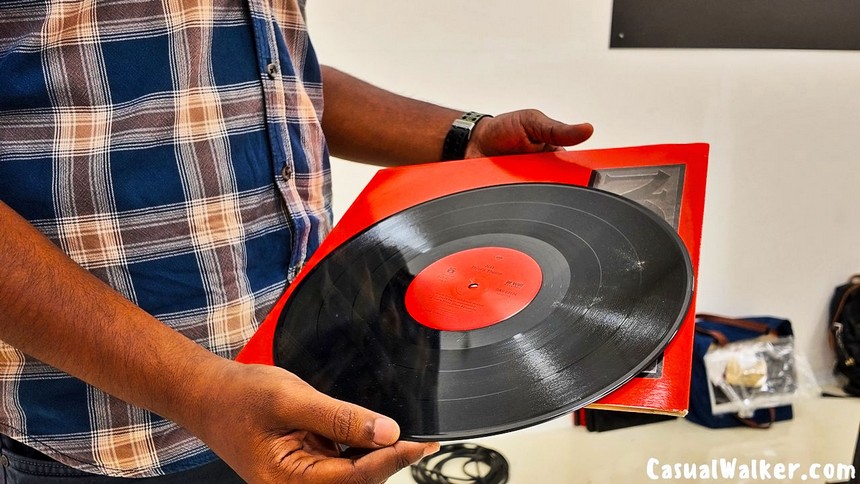
History Of Vinyl Records: The World And India
Vinyl’s story begins in 1948, when Columbia Records introduced the 33⅓ RPM long-playing record, followed swiftly by RCA Victor’s 45 RPM single. Together, these formats replaced the fragile, shellac-based 78s that had dominated the early twentieth century, and ushered in a golden era that would last well into the 1980s.
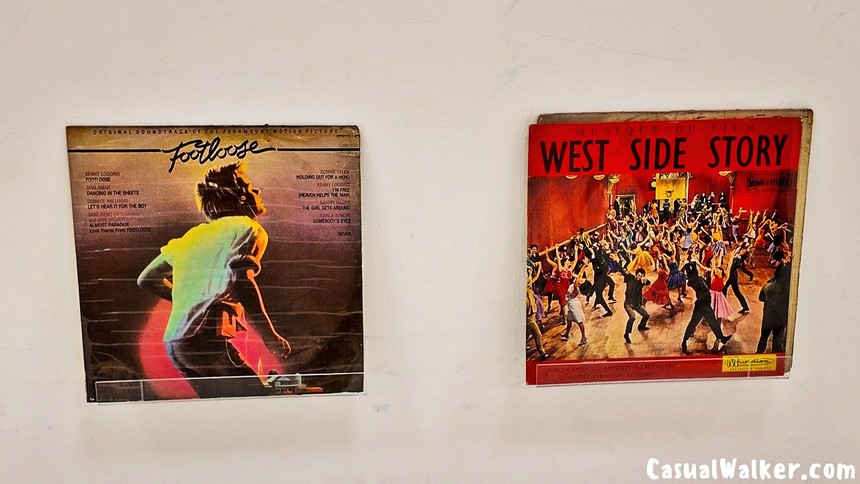
From the swinging jazz clubs of New York to the psychedelic rock scenes of London, vinyl wasn’t just a format, it was the primary way the world discovered new music. Album covers became billboards for artistic expression, turning musicians like The Beatles, Pink Floyd, and Miles Davis into visual icons as much as sonic ones. Even as cassettes and CDs later challenged its dominance, vinyl never fully disappeared, and its warm, analog sound has driven a global resurgence over the past decade, with pressing plants worldwide struggling to keep up with renewed demand.
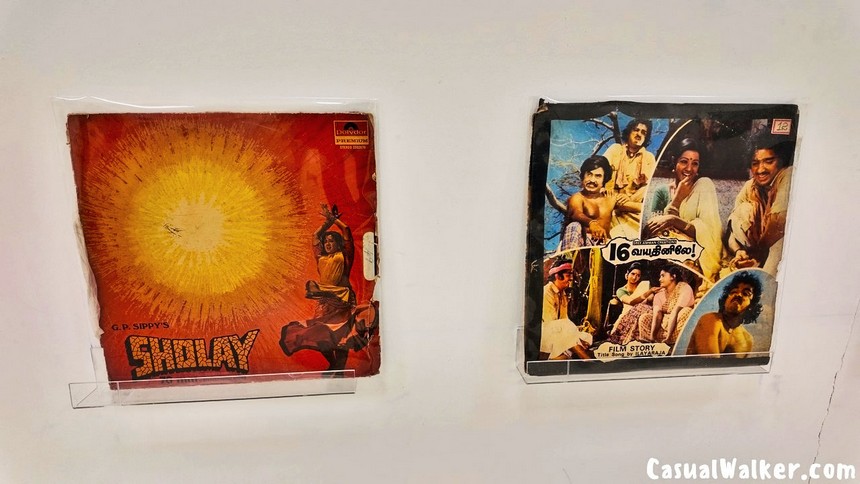
In India, the vinyl story runs parallel but with its own distinct rhythm. The Gramophone Company of India, later known as HMV, began pressing records in Calcutta as early as 1908, making India one of the earliest countries in Asia to embrace the format.
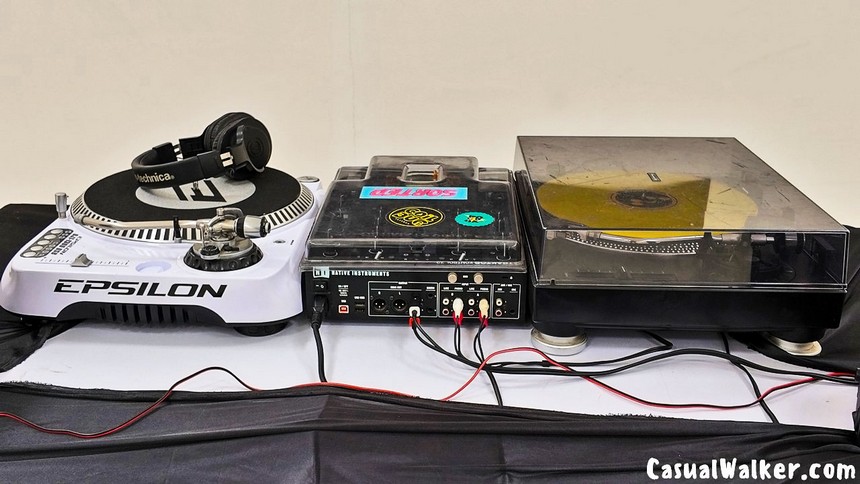
For much of the twentieth century, vinyl was the primary medium for everything from Carnatic and Hindustani classical recordings to the booming film music industries of Bombay, Madras, and Calcutta.
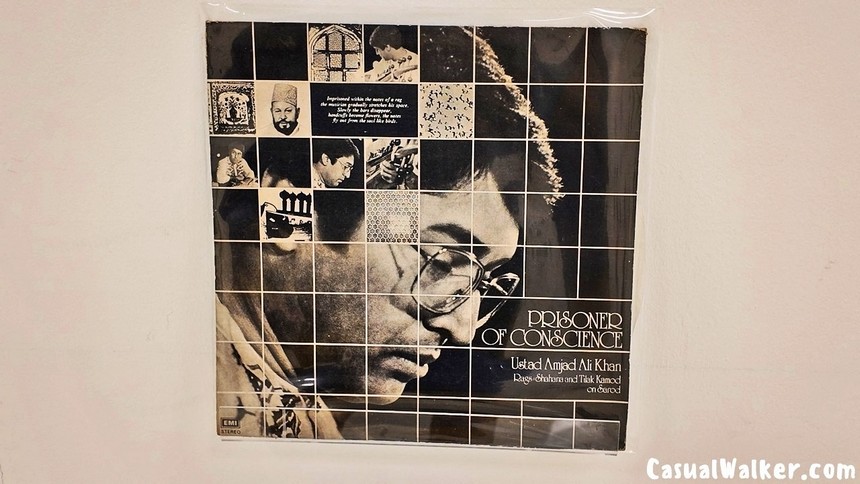
Playback singers, composers, and studios released soundtracks on vinyl as a matter of course, turning film records into cultural artifacts that captured the sound of an entire era. By the late 1980s, cassettes took over thanks to their affordability and portability, and Indian vinyl production largely ground to a halt, leaving behind a treasure trove of records now scattered across attics, flea markets, and the personal collections of enthusiasts like Phani Kumar.
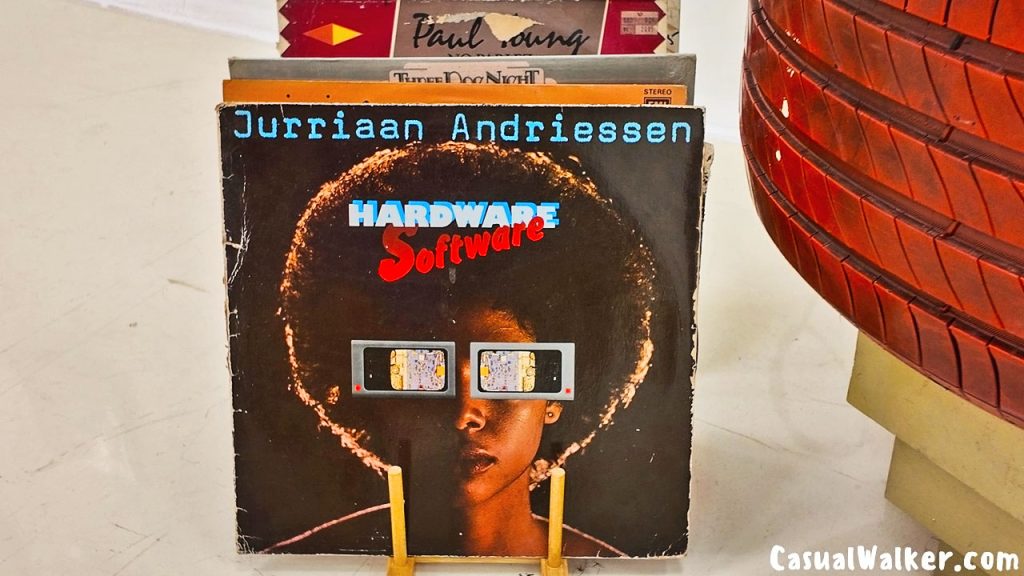
Phani Kumar’s journey into vinyl didn’t start as a collector’s pursuit. It began with hip-hop.
As a DJ immersed in hip-hop culture, he originally collected records for sampling, a practical search for beats that slowly turned into something deeper. He found himself drawn to the record sleeves before the music itself, captivated by the cover art, film posters, and song credits printed on cardboard decades ago.
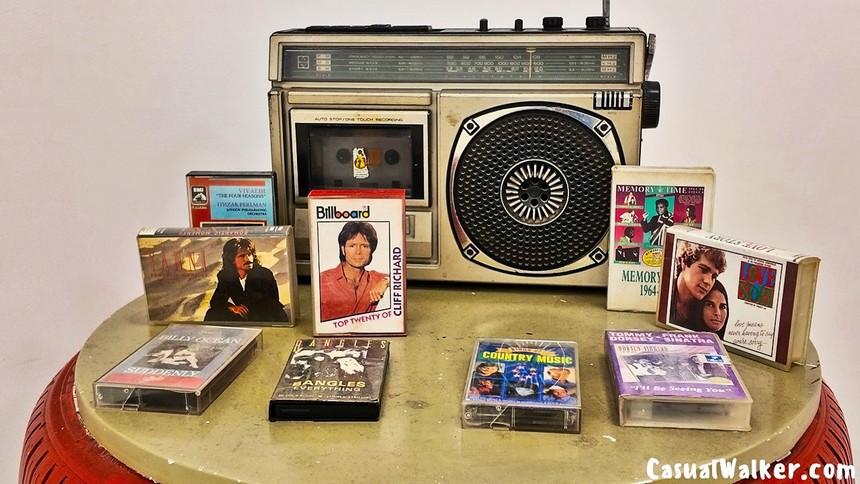
Over the next fifteen years, this fascination grew into a full-blown passion. Phani scoured Chennai’s Moore Market, along with smaller towns across Tamil Nadu and Kerala, hunting for forgotten hits. He also began travelling abroad specifically to visit flea markets, vintage stores, and private collectors, building relationships with sellers across cities who would set aside rare finds for him.
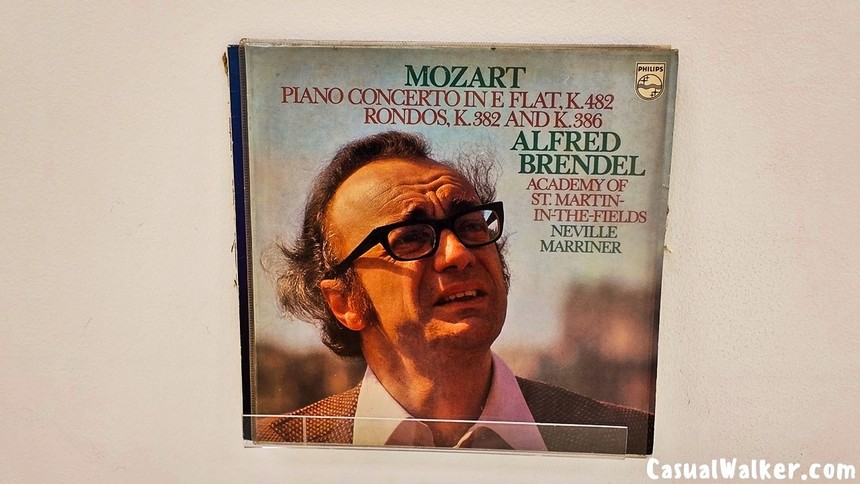
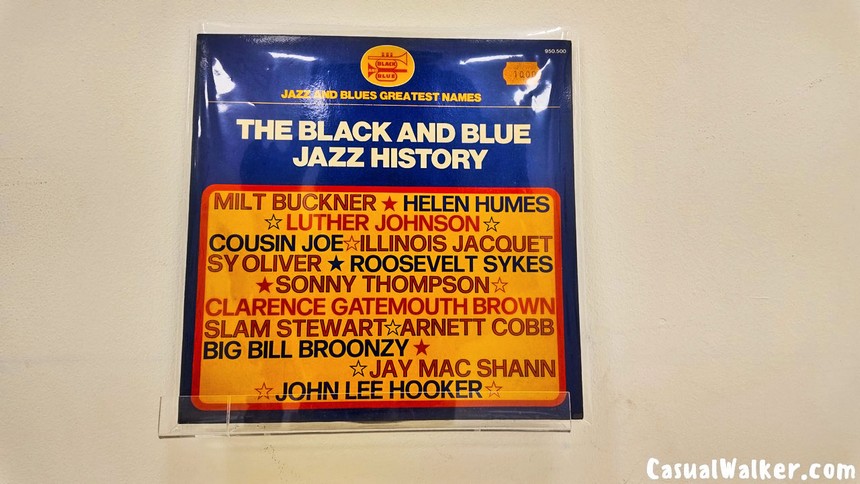
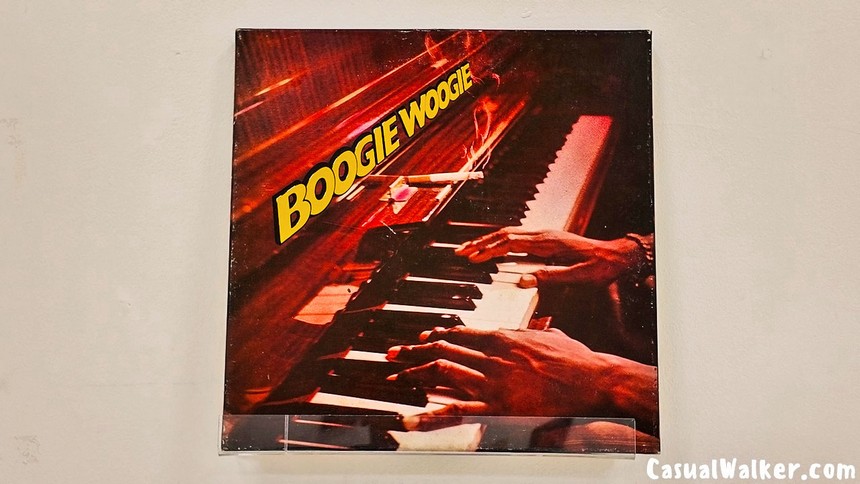
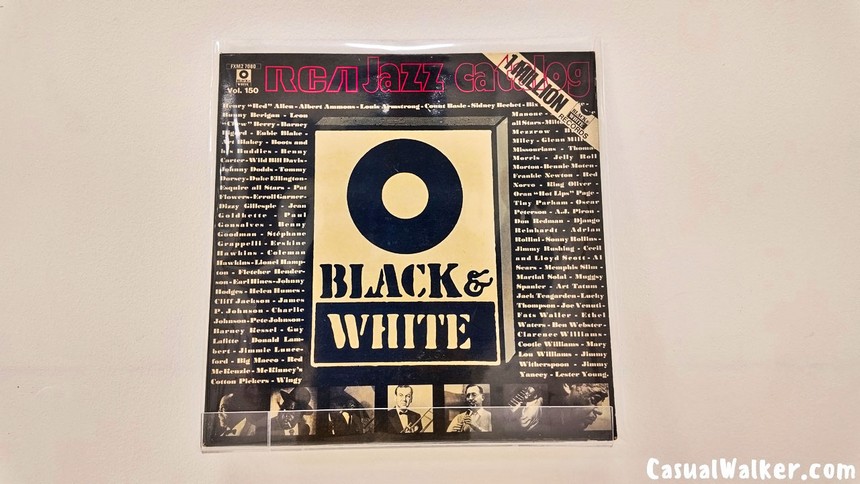
But the vinyl market has changed dramatically since he started. According to Phani, the scene has shifted noticeably in recent years, with records becoming increasingly hard to find in the open market. Collectors now hold onto their stock, waiting to resell at premium prices, and even families who have inherited old records have come to recognise their growing value.
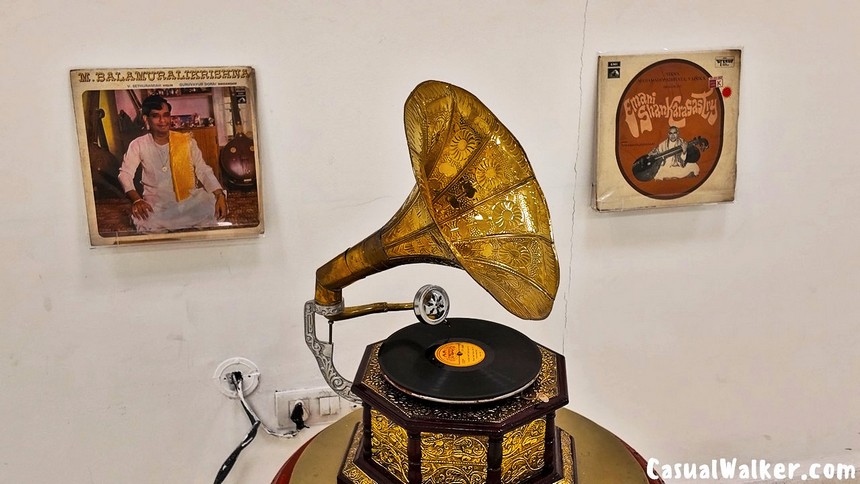
Grooves N Grain : Purpose And Meaning
Grooves N Grain is more than a display case of old records. It’s an invitation to experience music history the way earlier generations did, through touch, sound, and design.
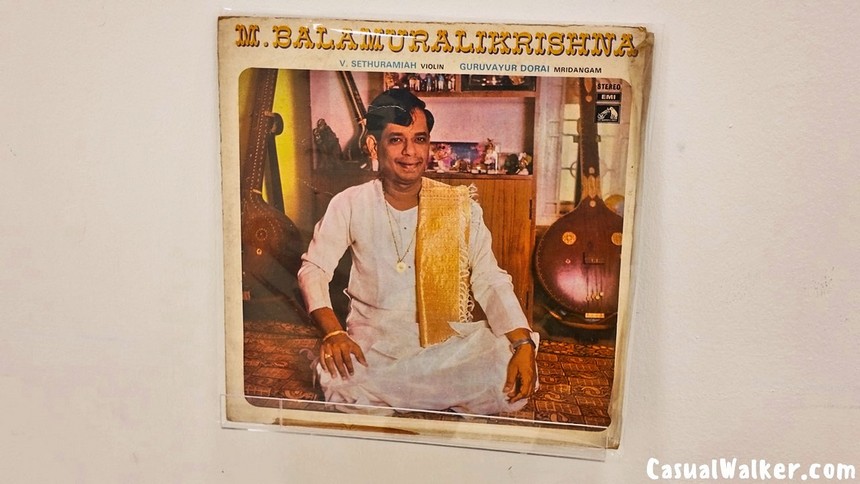
The exhibition brings together an eclectic mix of genres: Carnatic and Hindustani classical, Western classical, jazz, pop, and a rich trove of Tamil and Hindi film soundtracks. Visitors aren’t just looking at records behind glass. They can learn how vinyl records and turntables actually work, and even try playing a few themselves.
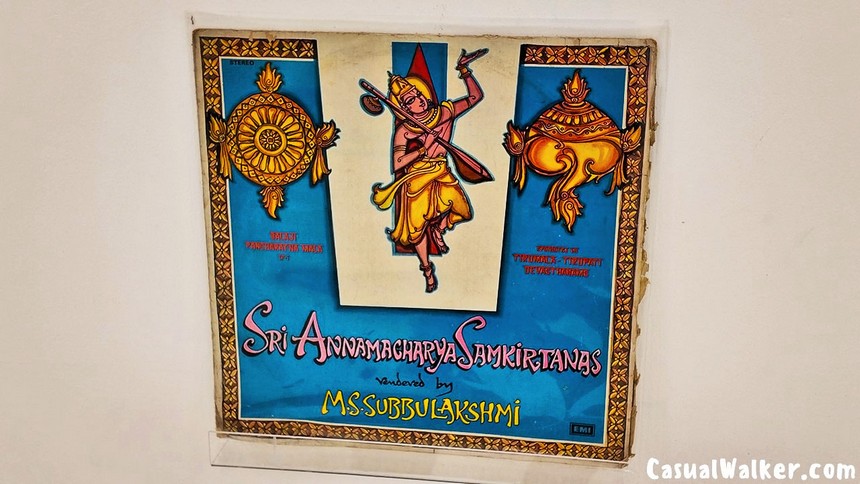
For Phani, this hands-on element is the whole point. “Just collecting records and not playing them doesn’t work,” he says. His advice for anyone curious about starting their own vinyl collection is refreshingly simple: begin with a basic record player, pick up one or two records, and listen to them often. That repetition, he believes, is what teaches you to understand both the turntable and the music.
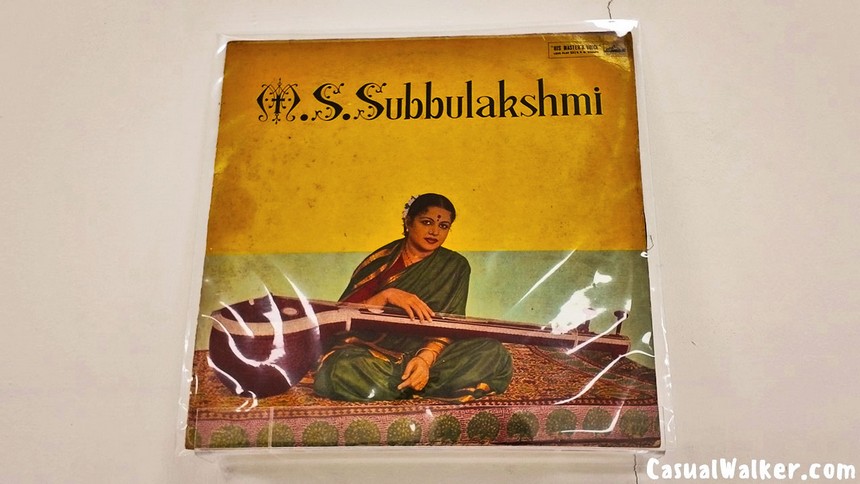
Vinyl Collection
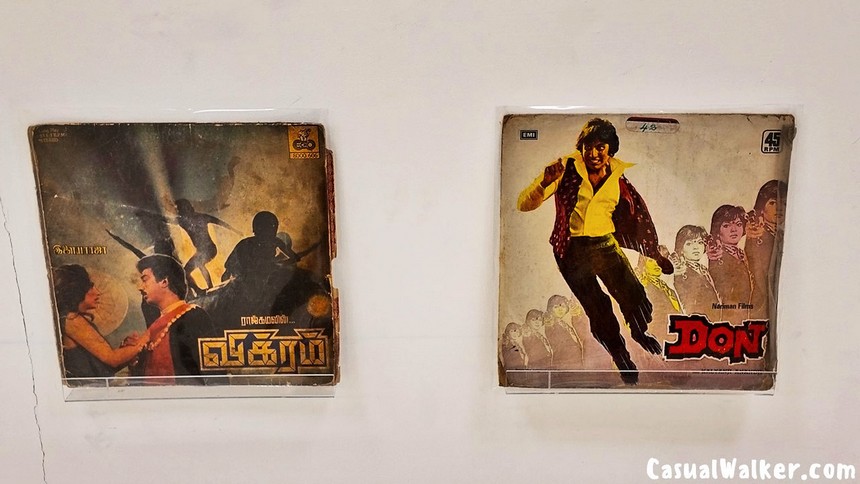
Phani’s collection, now numbering around 350 records, includes some genuinely historic pieces. Among them are the soundtrack of Parasakthi (1952), Anbe Vaa (1966), 16 Vayathinile (1977), and Kamal Haasan’s Vikram (1986), alongside Hindi classics like Sholay and Don.
One of his most prized possessions is an almost mint-condition collector’s edition box set of Beatles hits, sourced all the way from Japan. Japanese vinyl pressings are considered among the finest in the world because they are cut directly from master copies, resulting in superior sound quality and greater durability. “They sound better and last longer,” Phani notes.
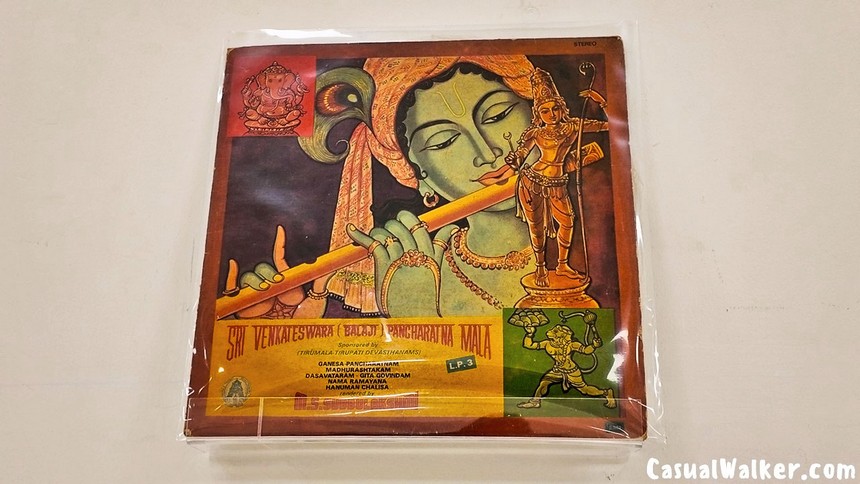
Interestingly, not every era of music translates well to vinyl. Records from after the 2000s rarely made it onto this format, largely because contemporary production leans heavily on bass, and vinyl simply doesn’t hold bass frequencies well. Even within Tamil film music, Phani points out a curious contrast: A. R. Rahman’s bass-driven compositions don’t sound as rich on vinyl as they do on CD, whereas Ilaiyaraaja’s earlier, less bass-heavy arrangements shine on turntables.
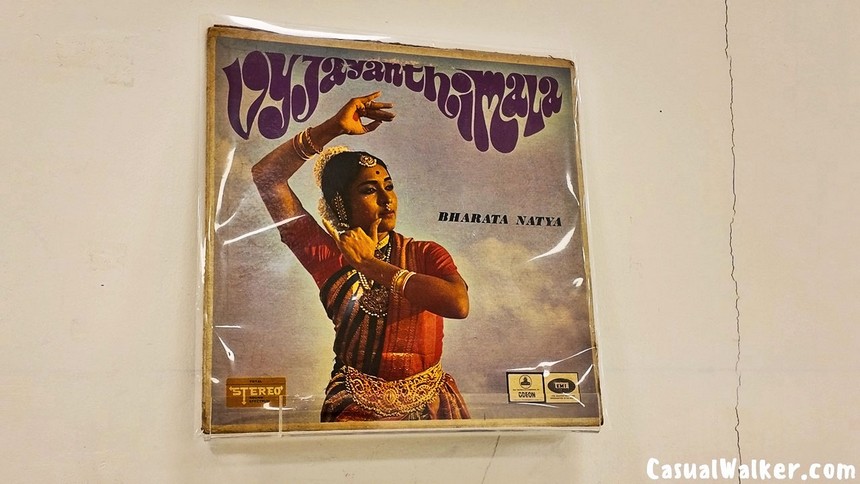
And then there’s the art of the cover itself. “Some of the record covers are amazing. The artwork, designs, and photographs from the ’60s, ’70s and ’80s are really interesting,” Phani says. Designers of that era worked with minimal technology yet produced covers that remain visually striking and collectible even today, turning record sleeves into a genuine art form worth studying.
Vinyl represents a different relationship with music, one built on patience, ritual, and physical presence. Choosing a record, placing it carefully on a turntable, and listening without the option to skip ahead is a far cry from today’s instant, algorithm-driven listening habits. By opening his collection to the public, Phani hopes visitors will understand how earlier generations experienced music and perhaps develop a similar appreciation.
There’s also a preservation angle at play. Globally, vinyl has always appealed to a niche but devoted audience. In India, that interest is only beginning to grow. Every new collector or curious first-timer who picks up an interest in vinyl helps keep the format, and the craftsmanship behind it, alive for future generations.
Art And Science Of Preserving Vinyl
Owning vinyl records, some of them over seventy years old, comes with real responsibility. Phani has learned through experience that caring for these discs is as much a discipline as collecting them.
Storage is the first rule. Records must always be stored vertically, never stacked on top of one another. Stacking puts pressure on the discs, causing them to warp or crack, and can even damage the turntable’s needle during playback.
Protective sleeves matter just as much. Both inner and outer sleeves are essential to shield records from moisture and dust. Phani also recommends periodically checking the inner sleeve to make sure it hasn’t stuck to the record surface, which can permanently damage the grooves.
Cleaning is another ongoing task. Records need regular, gentle cleaning and should be kept in protective covers at all times. While maintaining a vintage collection can get expensive, Phani notes that the process becomes second nature over time. “You learn as you go,” he says.
Even with all this care, cataloguing hundreds of records is no small feat. “Keeping them organised is pretty hard. Initially, you tend to buy too many records. It takes time to listen to all of them,” Phani admits, a challenge many serious collectors will recognise.
What makes Grooves N Grain special isn’t just the rare records or the vintage turntables. It’s the chance to slow down and experience music the way it was meant to be heard decades ago, crackle, warmth, and all. Phani Kumar’s journey from a hip-hop DJ hunting for samples to a devoted vinyl custodian is a reminder that passion projects, given enough time, can become something worth sharing with an entire city.

Thanks for exploring this Casual Walker photo guide — India’s most visual cultural travel guide and a curious discovery journal finding authentic photo stories, guides, and tips across travel, culture, arts, temples, heritage, and food.
- Keep exploring: Browse 650+ Travel & Culture Photo Guides
- We’d love to hear your feedback, stories, corrections, and updates — Email us.
- Follow our photo walks on Instagram: @hicasualwalker