




Sapta Karai Kanda Sthalams : Complete Guide to 7 Karaikandeswarar Temples – Kanji, Kadaladi, Mambakkam, Thenmathimangalam, Elathur, Poondi, Kuruvimalai on Cheyyar River, Tiruvannamalai — Lord Murugan Installed a Lingam and Worshipped Lord Shiva to Be Relieved of Brahmahatti Dosham | Temple History & Significance, Timings, Address & Contact Details, How to Reach & Complete Travel Guide (Updated)
– sacred trail of seven lord shiva temples — where lord murugan installed shiva lingam on the northern banks of cheyyar river

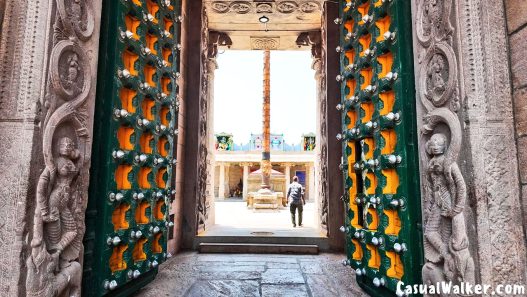
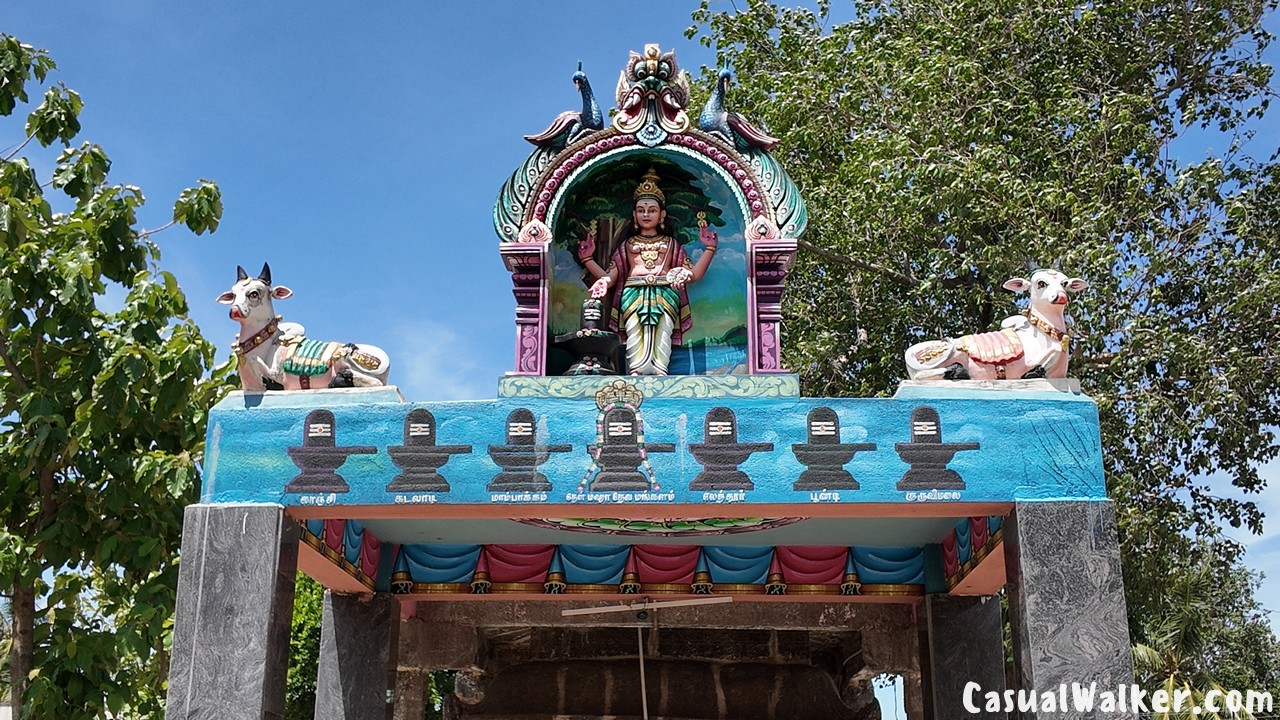
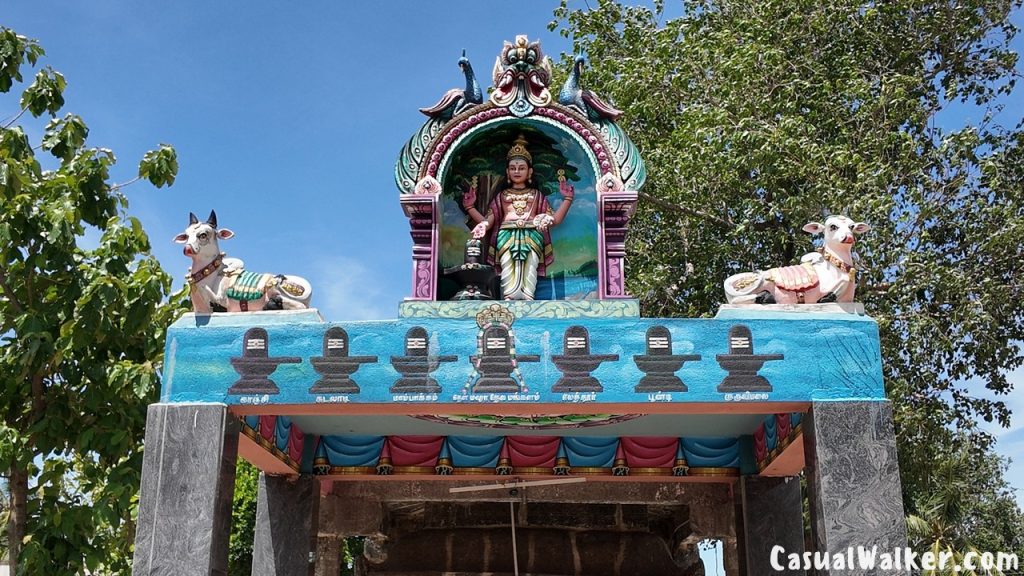
Saptha Karai Kanda Sthalams located along the banks of the Cheyyar River near Polur and Thiruvannamalai, these seven sacred Lord Shiva temples form part of a larger group of fourteen shrines linked by a single powerful legend involving Lord Muruga, Lord Shiva, and Goddess Parvathi. It’s a tale of penance, redemption, and divine grace that has been preserved for centuries through temple inscriptions and local tradition, making this circuit a must-visit for anyone interested in Tamil Nadu’s rich spiritual and architectural heritage.
History of Saptha Karai Kanda Sthalams
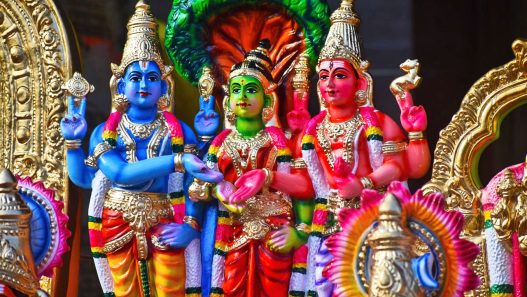
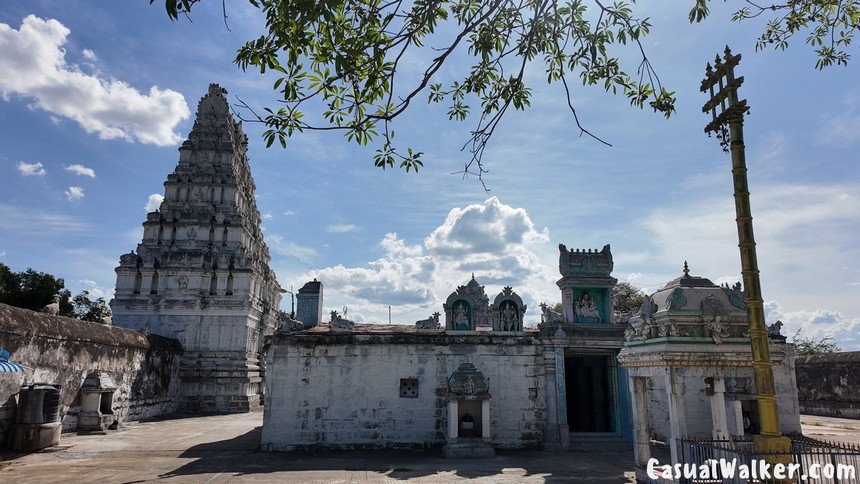
According to temple history, Goddess Parvathi was traveling from Kanchipuram to Thiruvannamalai with a deep wish, to unite with Lord Shiva in his Ardhanareeswara form, where the divine couple exist as one. On her journey, she stopped at a place called Vazhai Pandhal and shaped a Shiva lingam out of sand to offer her prayers. But there was a problem, no water nearby for the Abhishekam, the ritual bathing of the deity. 
She turned to her son, Lord Muruga, and asked him to arrange for water. Without hesitation, Lord Muruga threw his divine spear (Vel) towards the west, hoping to strike water from the hills. The spear pierced through the hills and water gushed out, but to everyone’s shock, it flowed red, mixed with blood.
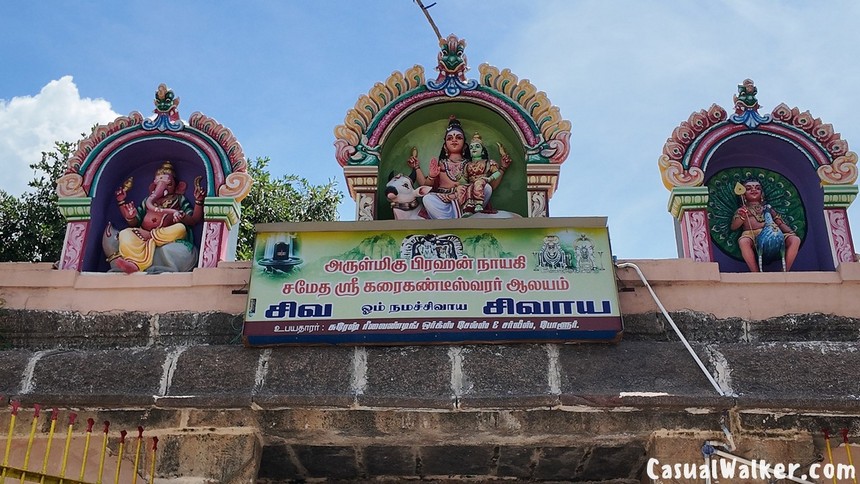
The reason was that seven great sages — Puthirandan, Puruhudan, Pandurangan, Bodhavan, Bodhan, Koman, and Vaman, were performing intense penance at those very spots. The force of Lord Muruga’s Vel accidentally killed them. While the sages attained moksha (liberation) through this divine contact, Lord Muruga was burdened with the grave sin of Brahmahatti Dosham, the sin of causing the death of learned Brahmins.
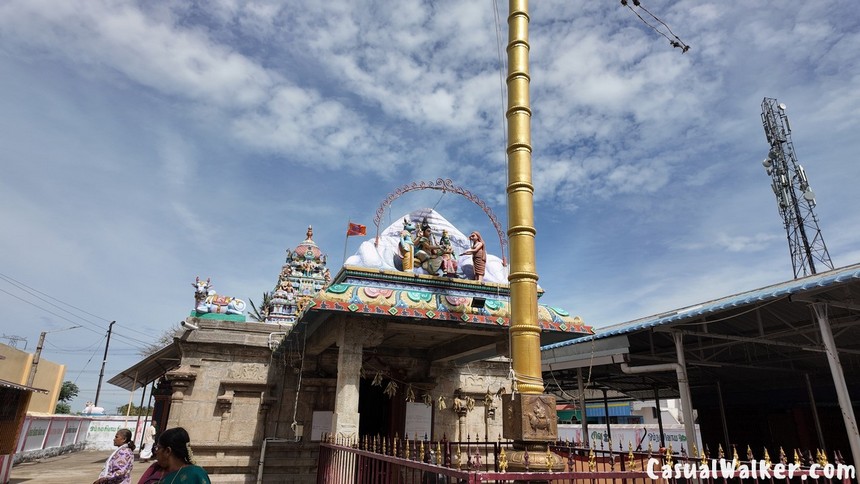
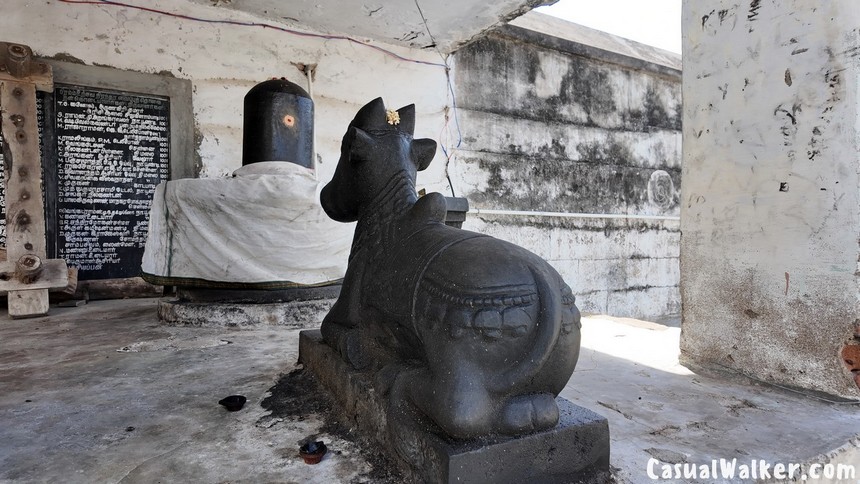
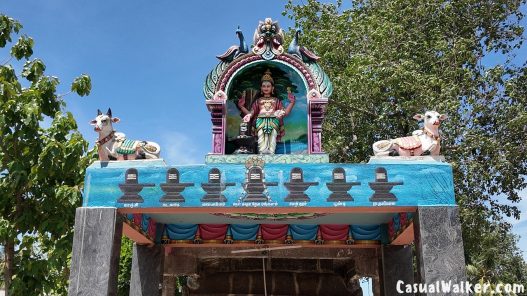
To absolve himself of this sin, Lord Muruga, under the guidance of his mother, installed and worshipped Shiva lingams at fourteen locations along the Cheyyar River, seven on the northern bank (the Saptha Karai Kanda Sthalams) and seven on the southern bank (the Saptha Kailaya Sthalams). The river itself, formed from this divine event, came to be known as Seyaru, today called Cheyyar.
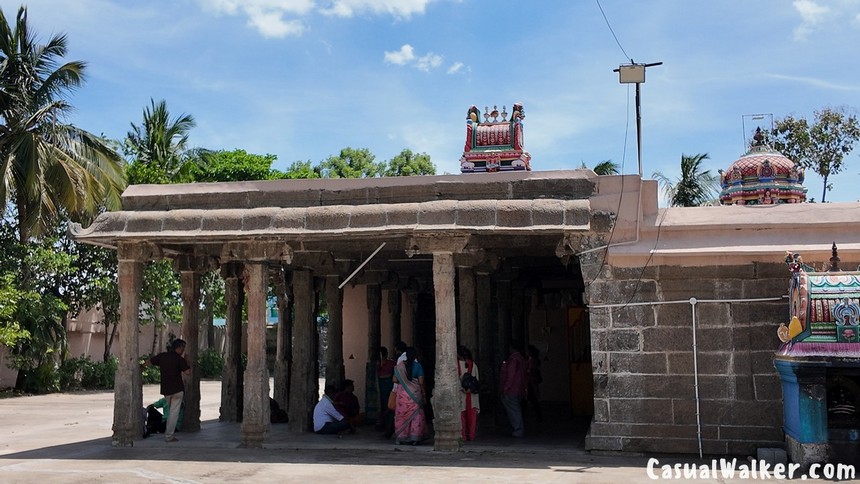
Seven Saptha Karai Kanda Sthalams – History and Significance
Sri Karaikandeswarar Temple, Kanji – 1st Sapta Karaikandeswarar Sthalam
Address: Karaikandeswarar Temple Street, Kanji Village,
Chengam Taluk, Thiruvannamalai District – 606 702
Google Maps: https://maps.app.goo.gl/PMGNY9Bz6XFpTeXw5
Located about 25 km from Polur in Thiruvannamalai district, just northwest of Sengam town, Kanji holds the honour of being the first among the Saptha Karai Kanda Sthalams. The presiding deity here is Lord Karaikandeswarar, worshipped in this ancient and historically significant temple. This site is considered one of the original spots where Lord Muruga began his penance journey along the river.
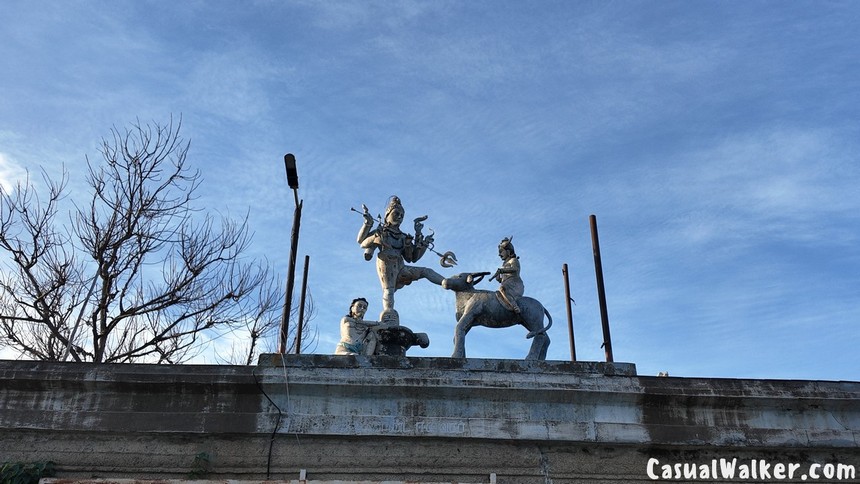
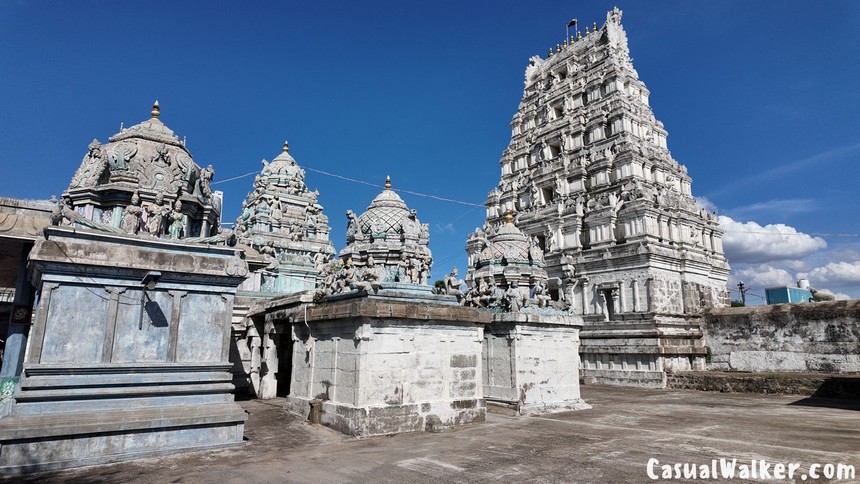
The temple’s location near the origin point of the Cheyyar River adds a special spiritual weight to this sthalam, as devotees believe that visiting Kanji first sets the right tone for the entire pilgrimage. The ambiance here is quiet and untouched by commercial tourism, allowing visitors to truly soak in the sanctity of the place.
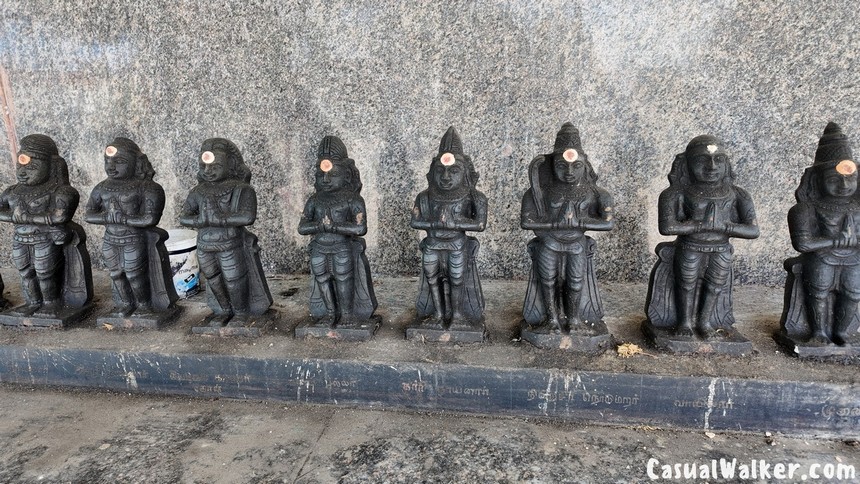
Early morning visits are particularly recommended, as the temple comes alive with the soft glow of oil lamps and the rhythmic chants of priests performing the daily rituals. Many pilgrims also take a moment to walk around the temple premises, observing the weathered stone carvings that hint at the temple’s long, layered history.
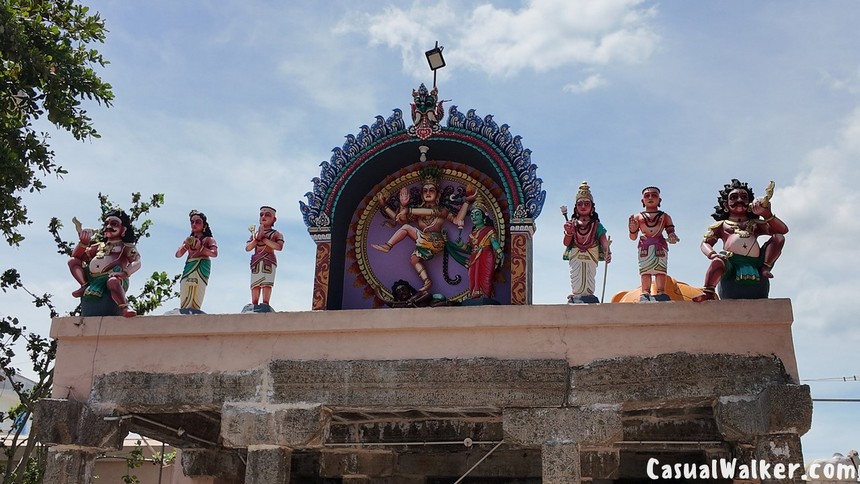
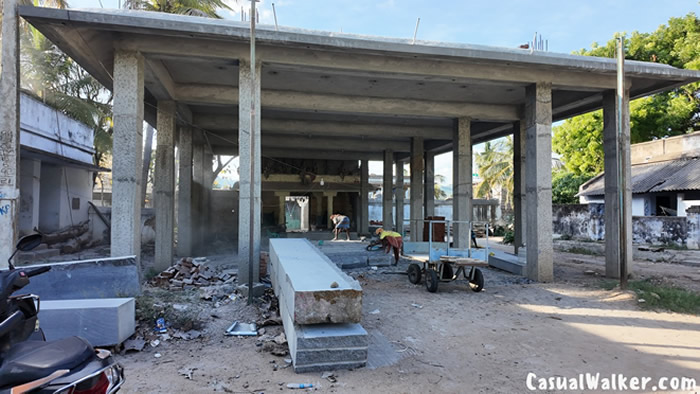
Donation Request, Sri Karaikandeswarar Temple, Kanji
This ancient and spiritually significant Sri Karaikandeswarar Temple is currently undergoing renovation and construction work, with the Maha Kumbabhishekam scheduled to take place soon. To complete the ongoing construction in full swing and ensure the Kumbabhishekam is conducted in a fitting and auspicious manner, generous contributions from devotees are requested from devotees and well-wishers. For donations or further details, please contact the temple head:
Contact Details: Shri. Devan, directly at +91 97876 90824
Sri Vanneeswarar Karaikandeswarar Temple, Kadaladi – 2nd Sapta Karaikandeswarar Sthalam
Address: Kadaladi Village, Kalasapakkam Taluk,
Thiruvannamalai District – 606 601
Phone: +91 94446 88734
Google Maps: https://maps.app.goo.gl/m9VK7JxHDzXSZjjn6
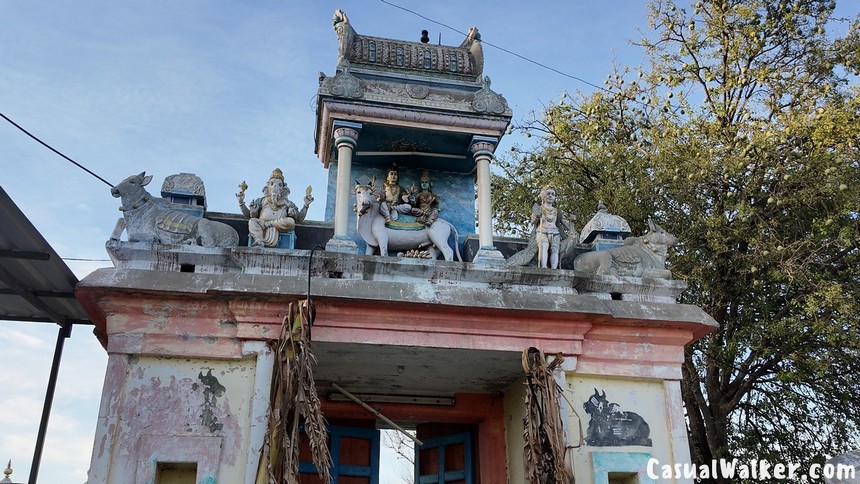
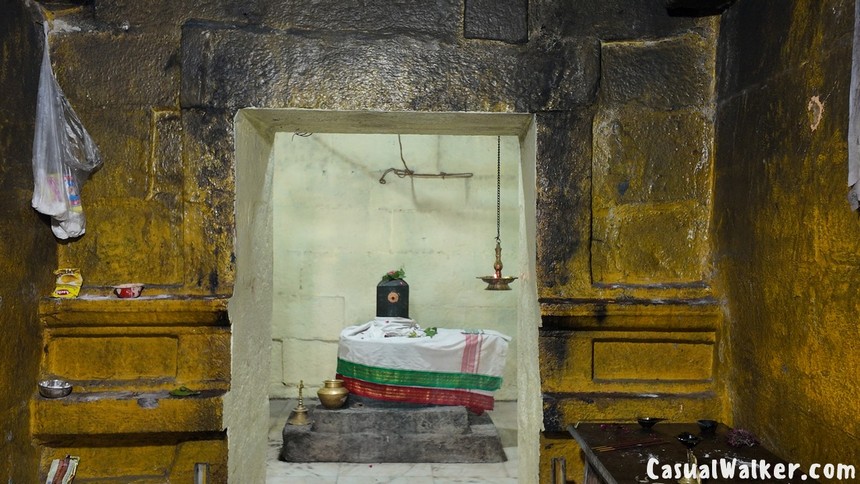
Kadaladi is situated about 10 km from Kalasapakkam and roughly 26 km from Thiruvannamalai. This is the second sthalam in the series, with Lord Vanneeswarar as the presiding deity. Local belief holds that this is the spot at the foothills of Parvatha Malai where Lord Annamalaiyar’s sacred feet touched the ground. Originally called “Kadavuladi” (meaning the foot of the hill touched by God), the name gradually evolved over time into Kadaladi. This ancient temple remains an important stop for devotees following the Karai Kanda Sthalam pilgrimage trail.
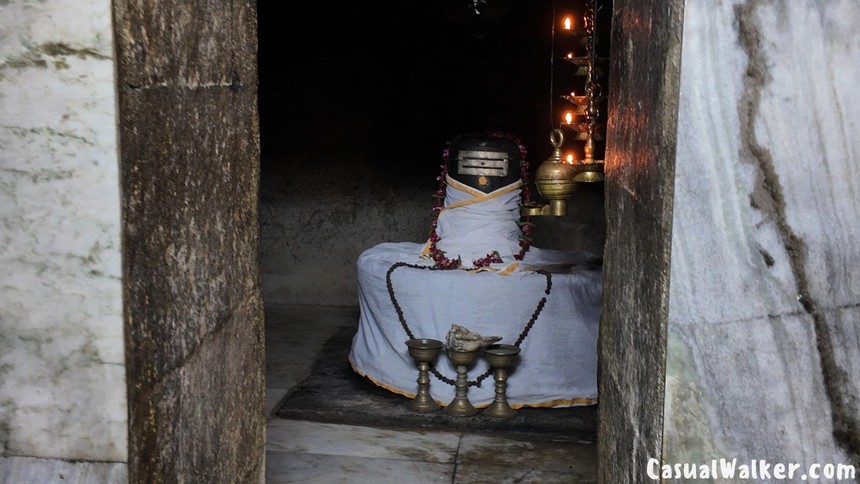
What makes Kadaladi especially memorable is its scenic setting at the base of Parvatha Malai, with the hills forming a dramatic natural backdrop to the temple structure. The connection to Lord Annamalaiyar — a form of Lord Shiva closely associated with Thiruvannamalai — gives this sthalam an added layer of significance for devotees who are also planning to visit the famous Arunachaleswarar Temple nearby.
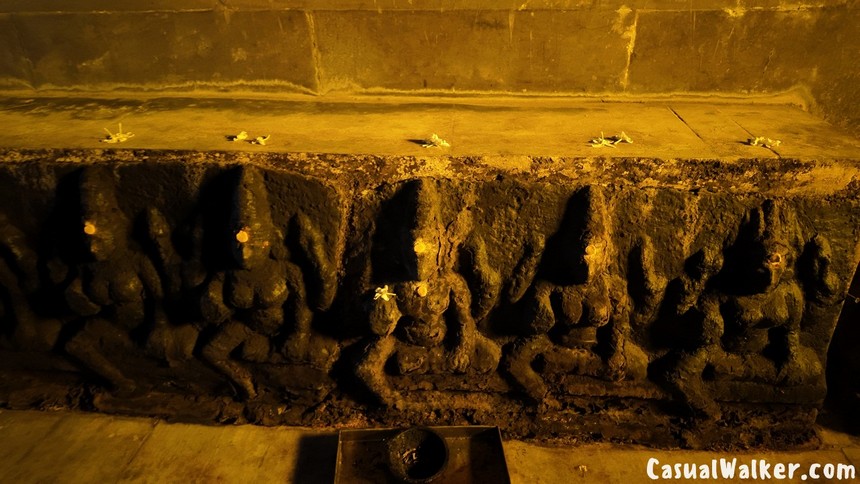
The slow evolution of the village name from “Kadavuladi” to “Kadaladi” is often cited by local elders as a perfect example of how oral tradition shapes language over generations. Visitors interested in rural Tamil Nadu life will also enjoy the peaceful agricultural surroundings of this village.
Sri Karaikandeswarar Temple, Mambakkam – 3rd Sapta Karaikandeswarar Sthalam
Address: Mambakkam Village, Kalasapakkam Taluk,
Thiruvannamalai District – 606 601
Google Maps: https://maps.app.goo.gl/4f43XecCs7ao2wez7
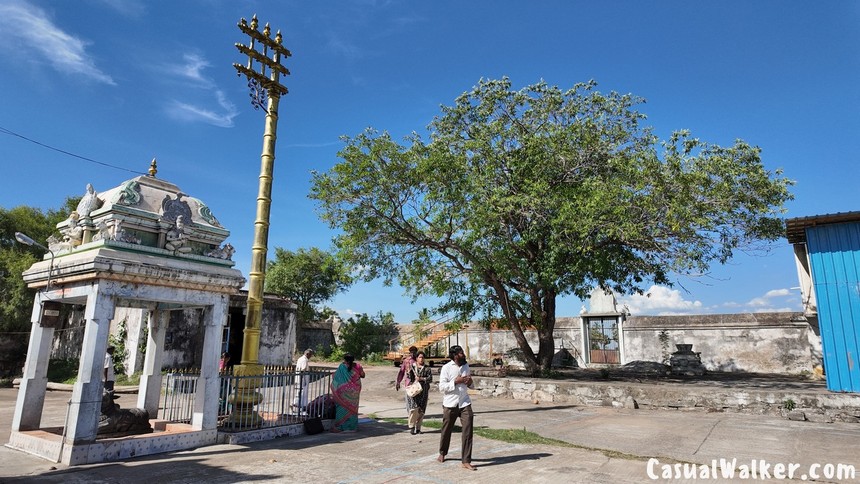
Just 10 km from Kalasapakkam in Thiruvannamalai district lies Mambakkam, the third sthalam, also home to Lord Karaikandeswarar. Inscriptions found here confirm that the temple was built during the Chola period, adding to its historical importance.
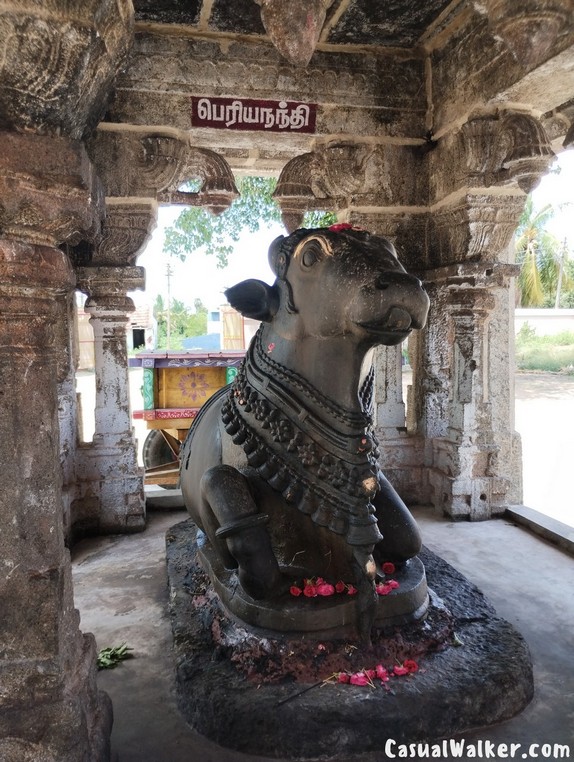
A beautiful legend connects this place to Lord Maha Vishnu. It is said that Lord Vishnu once brought a sacred kalasam (pot) filled with amrutham (divine nectar) down to earth and began worshipping it as Shiva himself. During a great flood, this kalasam was swept away by the rushing waters. The place where it eventually came to rest and settled became known as Kalasapakkam, a name that still echoes this divine story today.
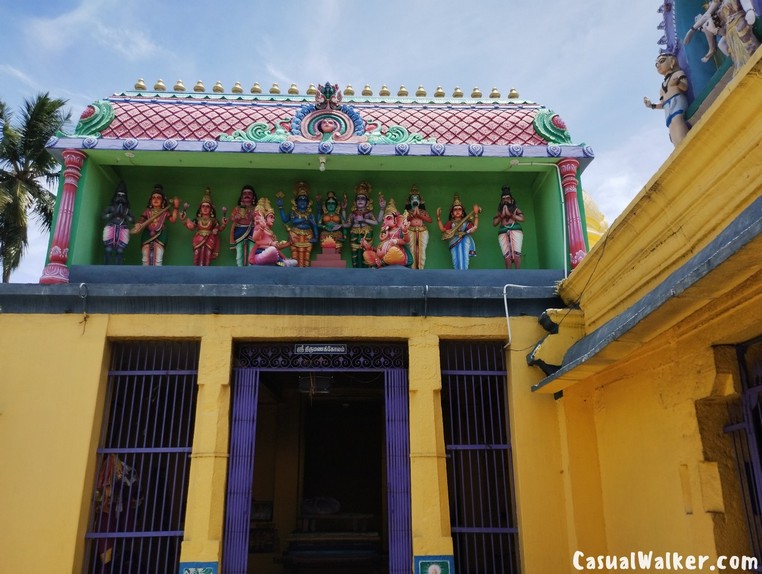
This legend is a great example of how a single mythological event can give rise to multiple place names across a region, linking Mambakkam and Kalasapakkam together in devotees’ minds even though they are separate villages. The Chola-era inscriptions found at this temple are of particular interest to history enthusiasts, as they offer glimpses into the administrative and religious practices of that period.
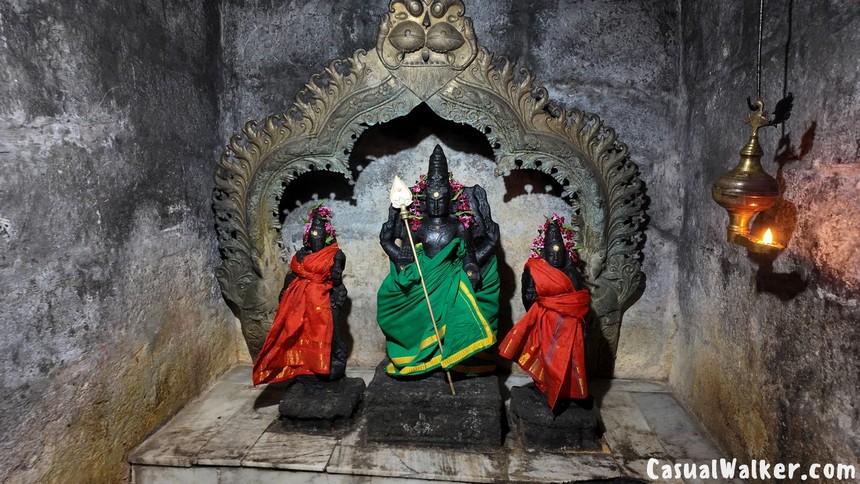
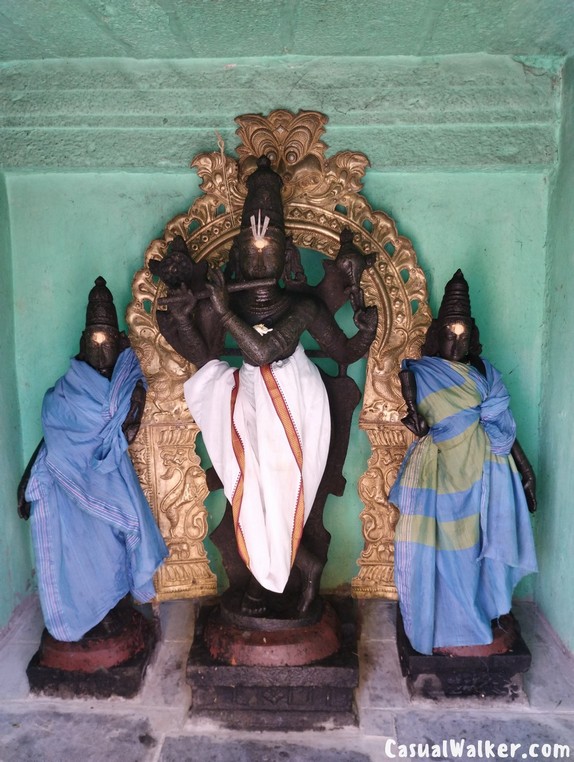
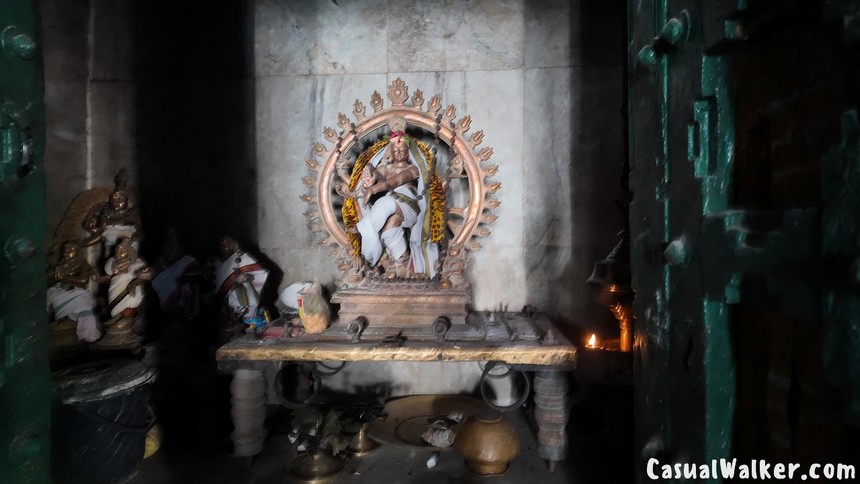
The temple structure itself, though modest in size compared to larger Chola monuments, carries an understated charm, with weathered pillars and a sanctum that exudes centuries of continuous worship. For those interested in epigraphy or temple architecture, Mambakkam offers a rewarding stop on this trail.
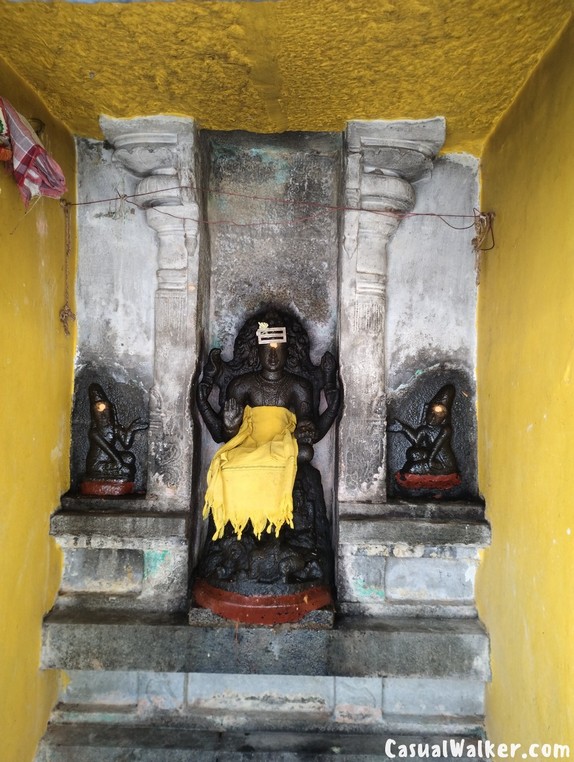
Sri Madhya Karaikandeswarar Temple, Thenmathimangalam – 4th Sapta Karaikandeswarar Sthalam
Address: Thenmathimangalam Village (also known as Then Mahadevamangalam / Then Madhimangalam),
Kalasapakkam Taluk, Thiruvannamalai District – 606 601
Note: Mandapam stay facility available — a convenient base for visiting all 14 temples in the circuit.
Google Maps: https://maps.app.goo.gl/C9qhYH3YUH6JMu3UA
The fourth sthalam, Then Mahadevamangalam, is located about 16 km from Polur. Over time, the name was locally shortened to “Then Madhimangalam.” Here, the presiding deity is worshipped as Lord Madhya Karaikandeswarar — the Karaikandeswarar of the middle region. While the temple does not have a Rajagopuram (main entrance tower), it features a large temple complex with two prakarams (enclosures), reflecting its historical grandeur as one of the more elaborately built sthalams in this group.
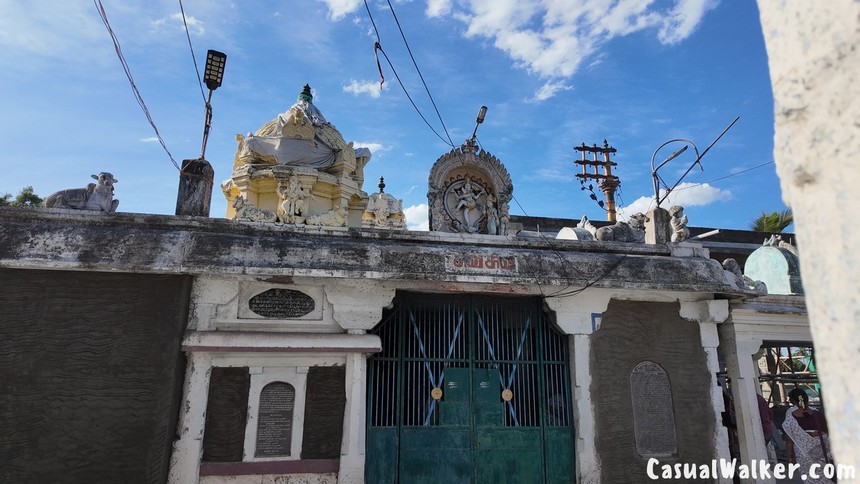
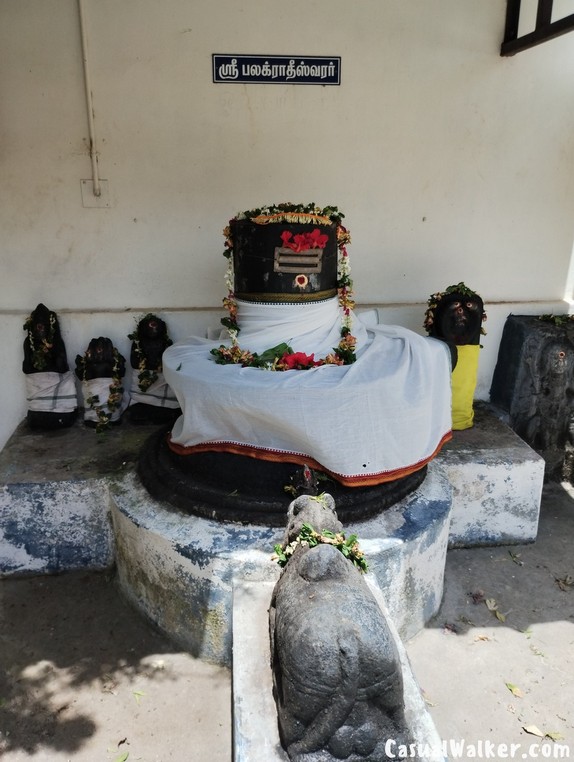
The title “Madhya” (meaning middle) is significant, as it positions this temple as the central point of the seven sthalams along the northern bank, both geographically and symbolically. The absence of a Rajagopuram is notable, as it suggests the temple may have either lost its original tower over time or was constructed in a simpler architectural style focused more on the inner sanctum and surrounding structures.
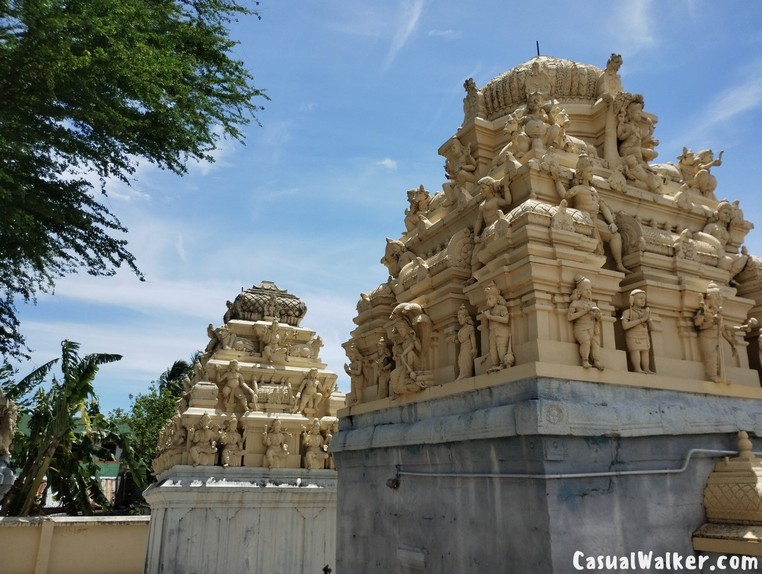
The two prakarams indicate that this temple was likely an important religious centre in its time, possibly serving a larger community of devotees than some of the smaller sthalams in the group. Walking through the spacious courtyards here gives visitors a sense of the temple’s former scale and importance.
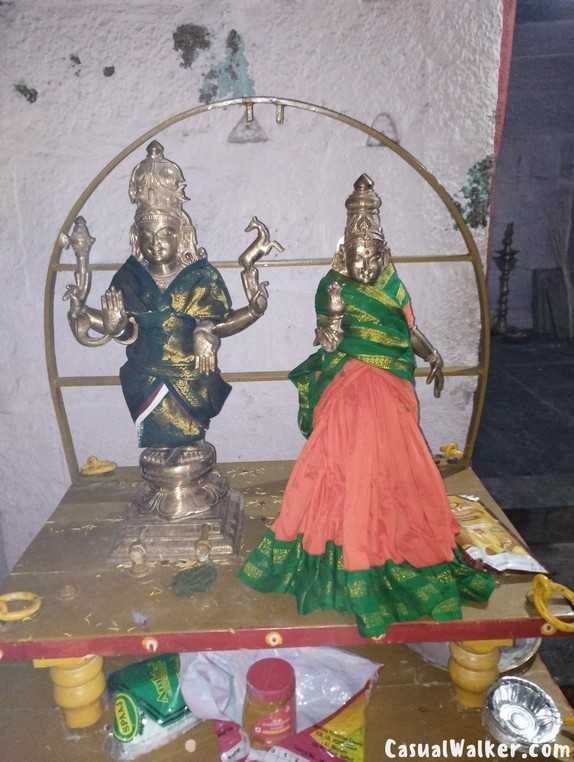
Sri Karaikandeswarar Temple, Elathur – 5th Sapta Karaikandeswarar Sthalam
Address: Elathur Village, Kalasapakkam Taluk,
Thiruvannamalai District – 606 601
Google Maps: https://maps.app.goo.gl/HsaksLg1tDNf74eB6
Elathur is located about 13 km from Polur in Thiruvannamalai district and is the fifth sthalam in the Saptha Karai Kanda series. The presiding deity is once again Lord Karaikandeswarar. Originally constructed during the Chola period, the temple was later expanded significantly by the Vijayanagara kings. A unique feature here is that the main deity appears in lingam form along with a small Banam (arrow-shaped symbol), making this shrine visually distinct among the seven sthalams.
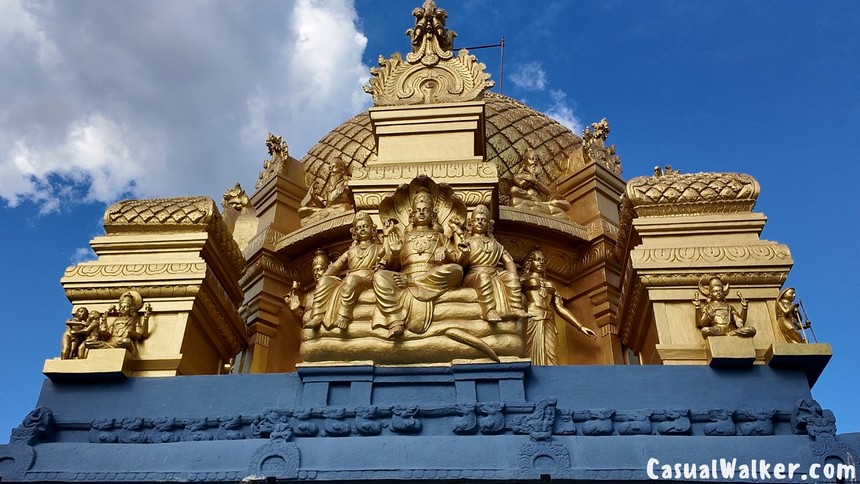
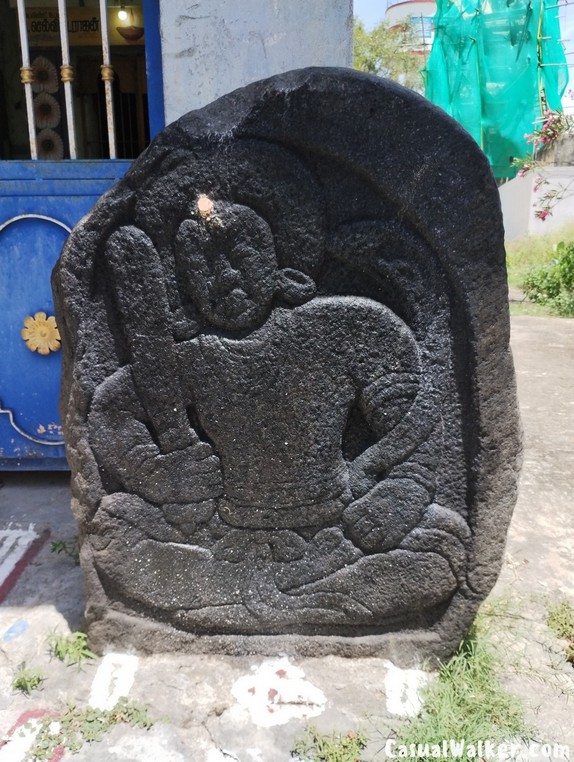
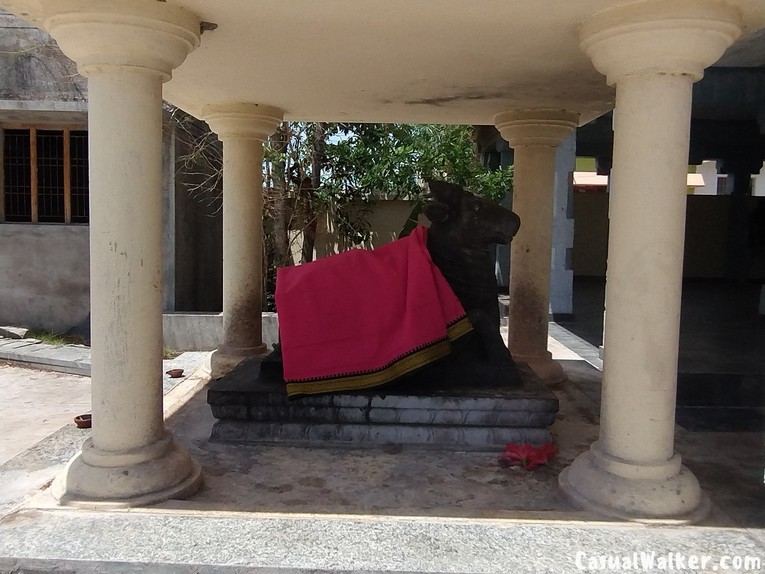
The layering of Chola and Vijayanagara architectural styles at Elathur makes it a fascinating site for those interested in the evolution of South Indian temple design, as visitors can often spot subtle differences in pillar carvings, sculptural details, and structural additions from the two periods. The presence of the Banam alongside the lingam is a rare iconographic detail, and many believe it serves as a direct visual link to the legend of Lord Muruga’s Vel (spear), tying this sthalam closely to the central mythology of the Saptha Karai Kanda Sthalams. The temple’s expansion under Vijayanagara patronage also points to its continued religious importance even centuries after its original construction.
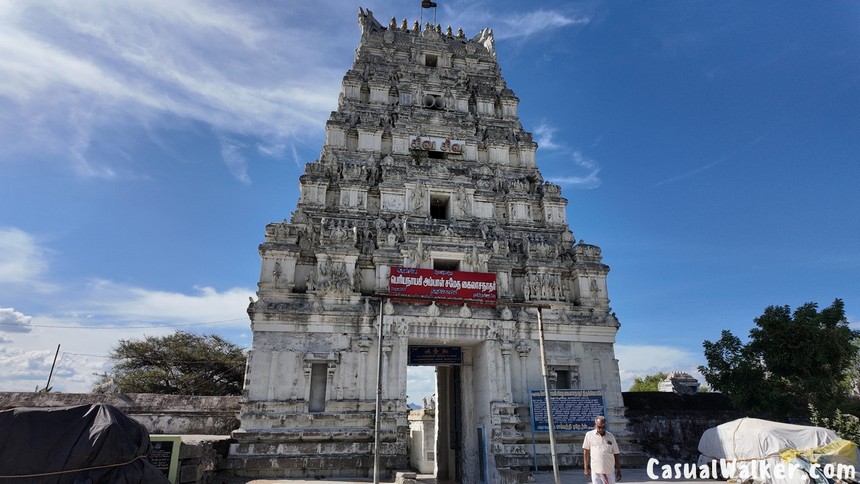
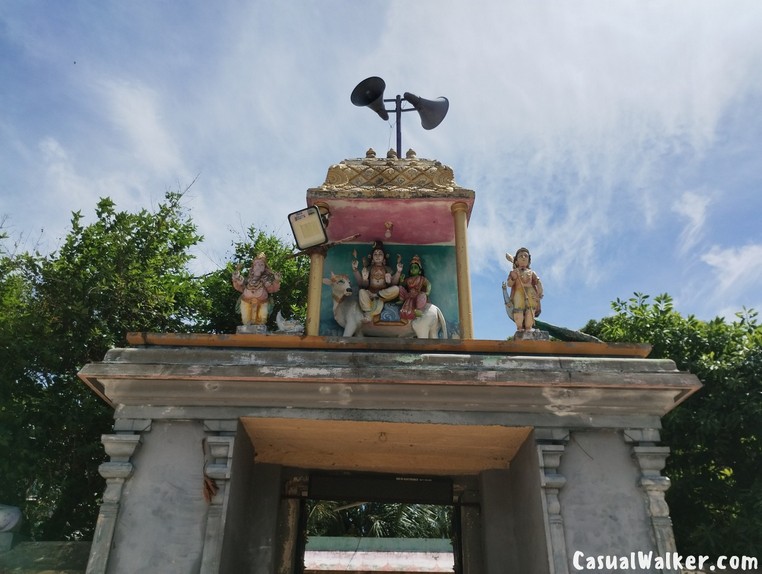
Sri Karaikandeswarar Temple, Poondi – 6th Sapta Karaikandeswarar Sthalam
Address: Poondi Village, Kalasapakkam Taluk,
Thiruvannamalai District – 606 301
Google Maps: https://maps.app.goo.gl/R2mWKeEp7bDjQ1fDA
Located about 9 km from Polur, Poondi is the sixth Saptha Karai Kanda Sthalam. The presiding deity, Lord Karaikandeswarar, is depicted in a rare and beautiful form — a Sodasa Lingam with sixteen distinct petal-like bands carved around it. This Chola-era temple does not have a Rajagopuram either.
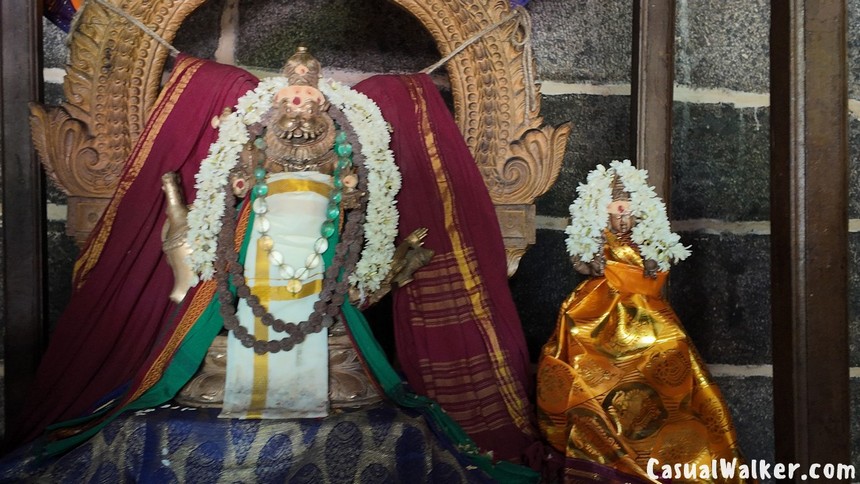
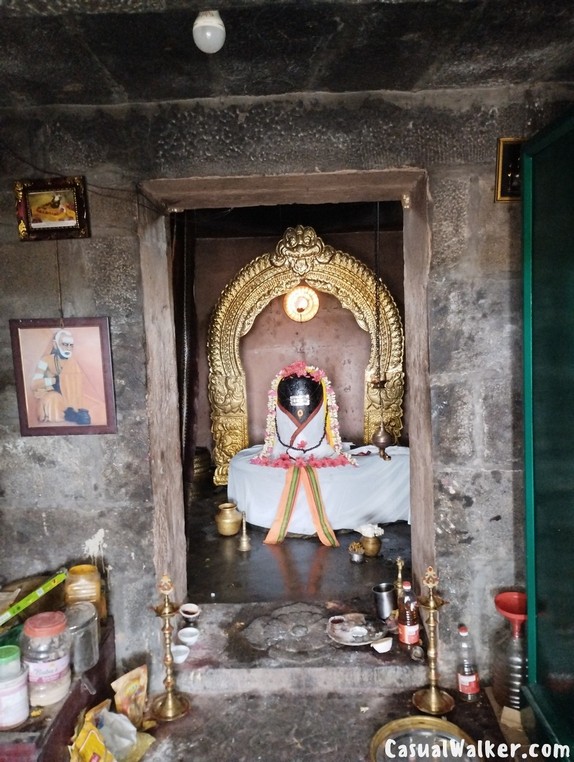
An interesting legend is associated with this place — two devotees, cursed by Sage Agastya in a fit of anger, were transformed into jackals. After coming to this temple and worshipping Lord Eesan here with devotion, their curse was lifted and they were freed from their suffering. As if to validate this story, two stone sculptures of jackals can still be seen along the path leading to the temple, a charming detail that pilgrims often pause to admire.
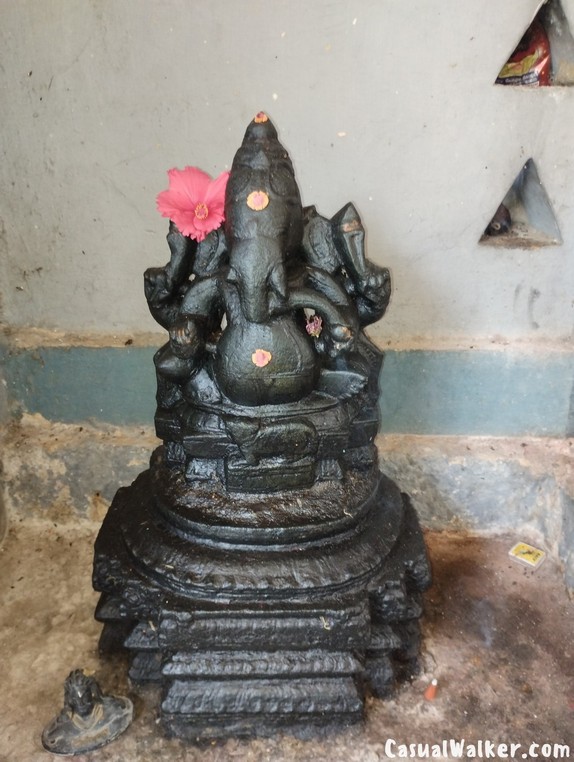
The Sodasa Lingam at Poondi is considered one of the rarer iconographic forms of Lord Shiva found in this region, and its sixteen-petalled design is often pointed out by temple historians as a fine example of intricate Chola stone-carving work.
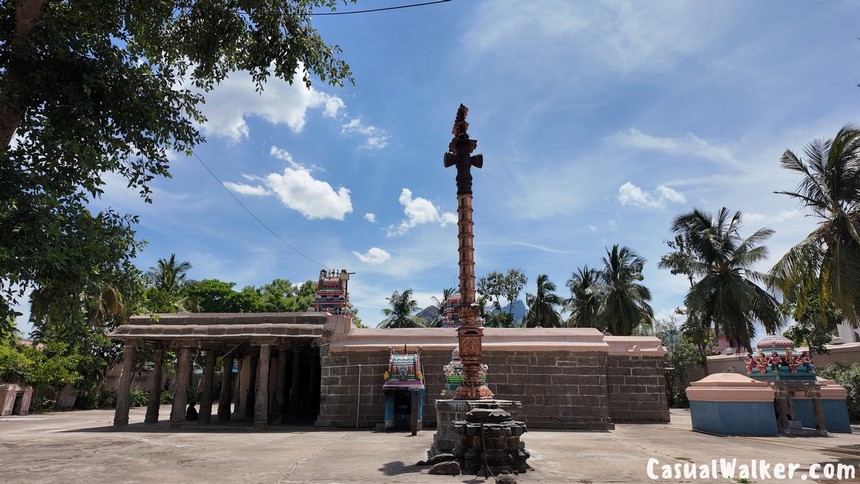
The legend of the cursed devotees turned jackals adds a folk-tale quality to this sthalam, blending mythology with everyday rural imagery in a way that feels distinctly Tamil. The jackal sculptures along the temple path have, over generations, become something of a local landmark, with many visitors stopping to take photographs or simply admire the craftsmanship before entering the main shrine.
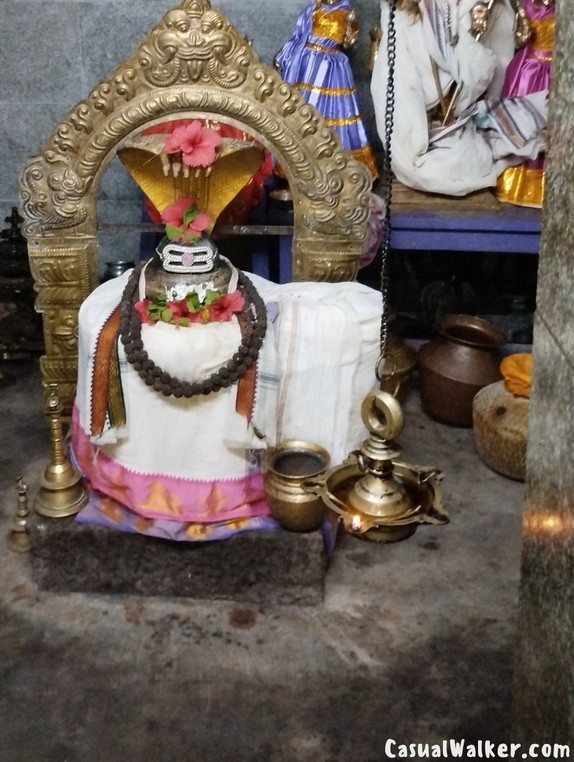
Sri Aadhi Karaikandeswarar Temple, Kuruvimalai – 7th Sapta Karaikandeswarar Sthalam
Address: Kuruvimalai Village, Polur Taluk,
Thiruvannamalai District – 606 751
Note: Two temples within 300 metres of each other — Sri Aadhi Karaikandeswarar Temple and Sri Karaikandeswarar Temple, both in Kuruvimalai.
Google Maps: https://maps.app.goo.gl/vqkFcDpXFYiEjGsJ7
The seventh and final sthalam in this sacred chain is Kuruvimalai, located just 3 km from Polur. Built during the Chola period, this temple’s presiding deity is Lord Karaikandeswarar. For many years, the temple had fallen into severe disrepair, almost unrecognizable due to neglect. However, thanks to dedicated restoration efforts in recent times, this ancient shrine has been beautifully revived and now stands proudly as part of the Saptha Karai Kanda pilgrimage circuit.
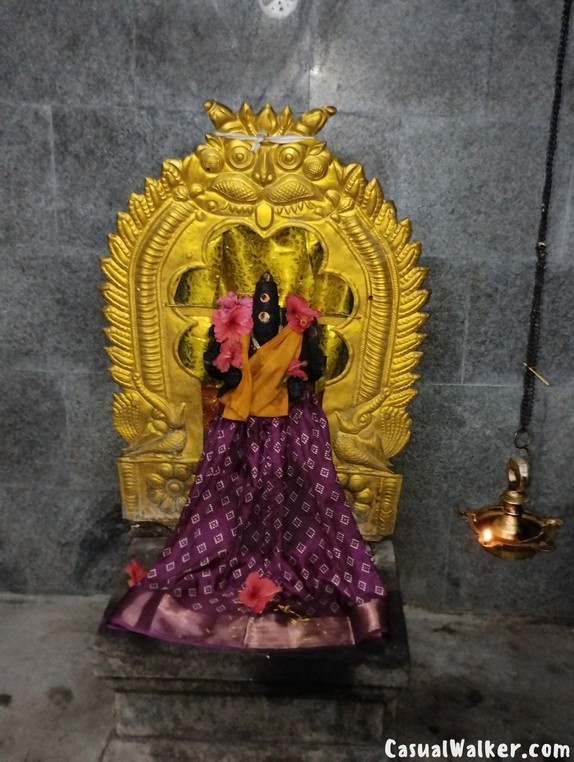
Being the closest sthalam to Polur, Kuruvimalai often serves as either the starting or concluding point for many pilgrims undertaking this circuit, making it a fitting bookend to the spiritual journey. The story of its restoration is itself inspiring — local devotees and heritage enthusiasts worked together to bring this once-crumbling structure back to life, and the renewed temple now stands as a symbol of how community effort can preserve centuries-old heritage for future generations.
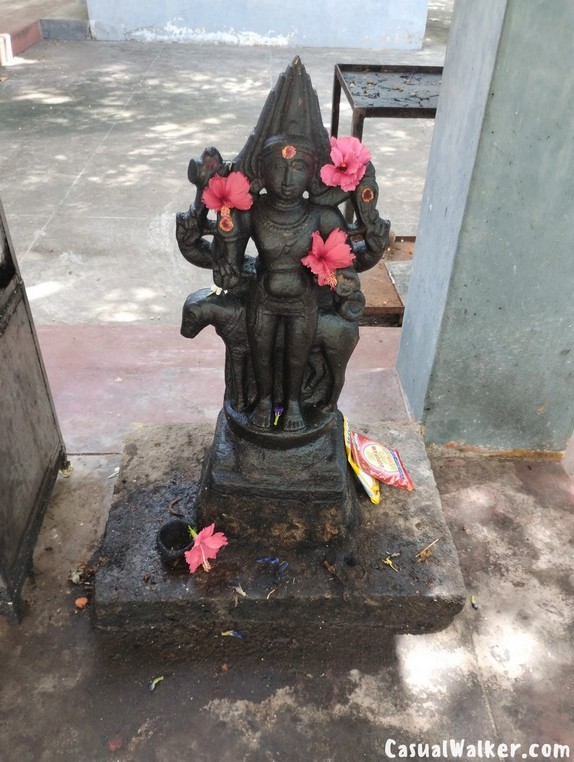
Visitors who arrive here after completing the other six sthalams often describe a sense of completion, as Kuruvimalai marks the final chapter in Lord Muruga’s penance journey along the northern bank of the Cheyyar River.
How the Temples Were Established
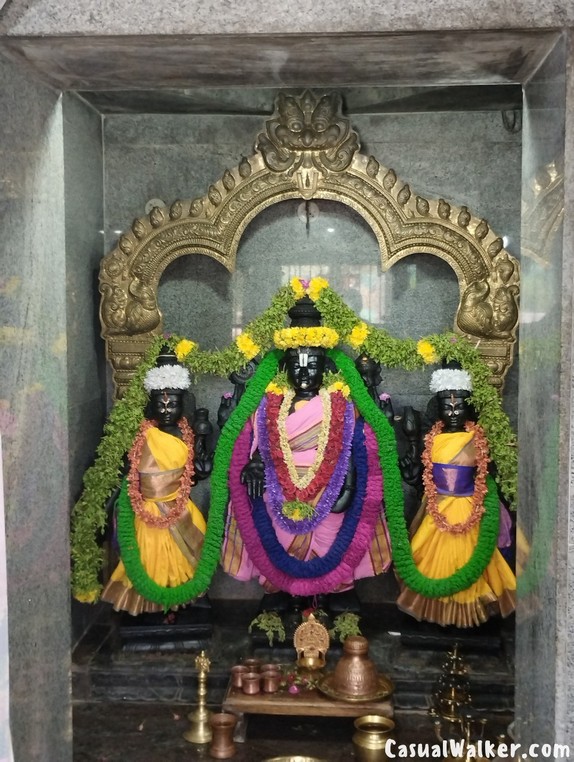
As guided by Mother Uma (Goddess Parvathi), Lord Muruga established seven temples along the northern bank of the Cheyyar River and seven more along the southern bank, worshipping Lord Shiva at each to free himself from the sin of killing the rishis. Most of these temples lie along the Polur–Thiruvannamalai and Polur–Sengam routes, while two of the Saptha Kailaya temples, Karaipoondi and Mandakolathur, are located along the Polur–Vandavasi route.
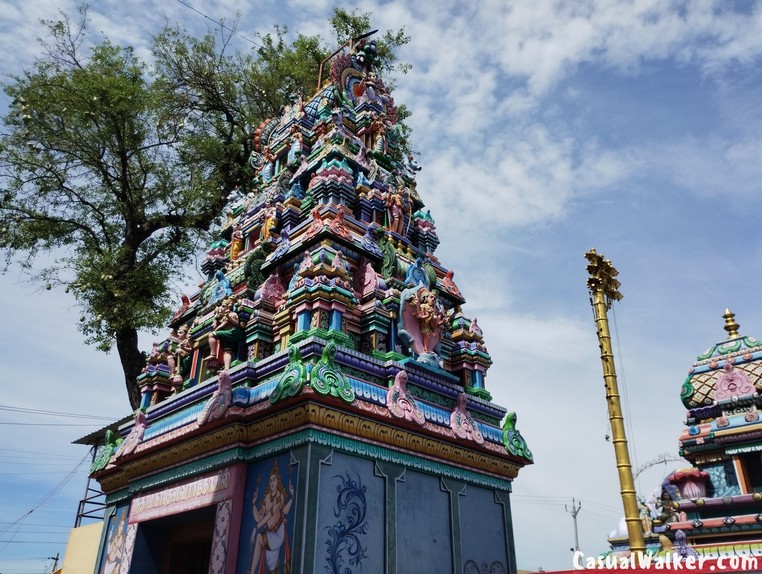
Interestingly, while all the Karaikandeswarar temples in the Saptha Karai Kanda group consistently honour the presiding deity as Lord Karaikandeswarar and the goddess as Ambal Brahannayagi (also called Periya Nayagi), only a few temples in the Saptha Kailaya group retain the name Kailasanathar for their main deity.
Twin Temples
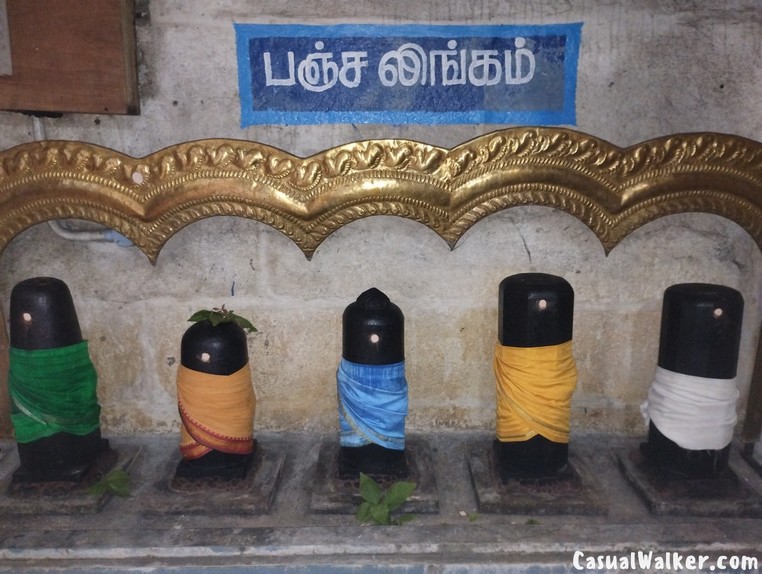
One fascinating detail for pilgrims to know: in one particular village along this circuit, there are actually two separate temples, both commonly referred to together as the Karaikandeswarar Temple. The first is known as Aadhi Karaikandeswarar Temple, and the second as Karaikandeswarar Temple, located just about 300 meters apart from each other.
- At Aadhi Karaikandeswarar Temple, the presiding deity is Lord Aadhi Karaikandeswarar, with the goddess worshipped as Periyanayagi Amman, also called Brahannayaki.
- At Karaikandeswarar Temple, the presiding deity is Lord Karaikandeswarar, with the goddess also worshipped as Periyanayagi Amman / Brahannayaki.
Whether you’re drawn here for the divine legends of Lord Muruga’s penance, the architectural heritage left behind by the Chola dynasty, or simply the peaceful atmosphere along the Cheyyar River, the Saptha Karai Kanda Sthalams promise a deeply enriching spiritual experience, one that connects you to centuries of devotion, faith, and divine grace.

Travel Tips for Visiting Saptha Karai Kanda Sthalams Cheyyar Thiruvannamalai
For devotees and history enthusiasts planning a temple tour around Thiruvannamalai district, the Saptha Karai Kanda Sthalams offer a wonderful blend of mythology, Chola and Vijayanagara architecture, and serene river-side settings. Most of these temples are within a short driving distance from
Polur, making it easy to cover several sthalams in a single day trip.
How To Reach Saptha Karai Kanda Sthalams Cheyyar Thiruvannamalai
By Road: The Saptha Karai Kanda Sthalams are most conveniently reached by road from Chennai. Take the Chennai–Bengaluru National Highway (NH 48) and exit towards Vellore, then continue towards Polur via Arcot and Vandavasi, a total distance of approximately 160 to 170 km, which takes around 3 to 4 hours depending on traffic. Alternatively, you can take the Chennai–Thiruvannamalai route via Tindivanam on NH 66, which is equally well connected. From Polur town, which serves as the central base for this pilgrimage circuit, most of the seven temples are accessible within 3 to 25 km by local road. Hiring a private car or travelling by two-wheeler from Polur is the most practical way to cover all seven sthalams comfortably in a single day.
By Car from Chennai: Travelling by private car from Chennai is the most flexible and recommended option for covering the Saptha Karai Kanda Sthalams, especially if you plan to visit all seven temples in one trip. The drive from Chennai to Polur takes approximately 3 to 4 hours via NH 48, passing through Kanchipuram, Vellore, and Arcot before reaching Polur. Once in Polur, you can plan a clockwise or anticlockwise loop covering all seven sthalams, Kuruvimalai (3 km), Poondi (9 km), Elathur (13 km), Thenmathimangalam (16 km), Mambakkam and Kadaladi (around 26 km), and Kanji (25 km from Polur near Sengam), all within a single well-planned day. Starting early from Chennai by 5 or 6 AM ensures you reach the temples by morning prayer time and complete the circuit well before evening.
By Train: The nearest railway station to the Saptha Karai Kanda Sthalams is Polur Railway Station, which is well connected to Chennai via the Villupuram–Jolarpettai rail line. Trains from Chennai Central or Chennai Egmore heading towards Jolarpettai, Dharmapuri, or Bengaluru stop at Polur, with a journey time of approximately 3 to 4 hours. From Polur station, the seven sthalams are easily reachable by auto-rickshaw, taxi, or two-wheeler rental. Alternatively, Thiruvannamalai is another nearby railway hub with more frequent train services from Chennai, and from there you can hire a vehicle to cover the temples along the Polur–Thiruvannamalai route.
By Flight: The nearest airport to the Saptha Karai Kanda Sthalams is Chennai International Airport, located approximately 165 km away. From the airport, you can hire a taxi or self-drive rental car directly to Polur, which takes around 3 to 4 hours via NH 48 or the Tindivanam route. There is no commercial airport closer to Polur or Thiruvannamalai, making Chennai the only viable flight option for this pilgrimage. Visitors flying in from other Indian cities or abroad can land at Chennai and proceed directly to Polur the same day, making it a practical gateway for this temple circuit.
Thanks for exploring this photo guide! We’d love to hear your feedback, stories, corrections, or any updates. Email us.
Follow our photo walks on Instagram: @hicasualwalker
Keep exploring: Browse 650+ Travel & Culture Photo Guides