




Lives Among The Palms: Lived Memories From The Lens Of The Communities In The Palmyrah Belt, Ramanathapuram | A Documentary Photo Exhibition On Landscapes, Labour, And Challenges Of Ramanathapuram’s Palm Sap Harvesting, Jaggery And Karupatti Making, Severe Water Shortage, Salt Pan Work, Charcoal Production, And Coastal Fishing By PARI Network, People’s Photographers Collective, And RWDS
– showcasing the hard lives of palm workers, salt pan labourers & coastal fishing communities
| CasualWalker’s Rating for Lives Among The Palms : Discover Lives Among The Palms : | |

9.9 – Moving, Powerful Storytelling |
|

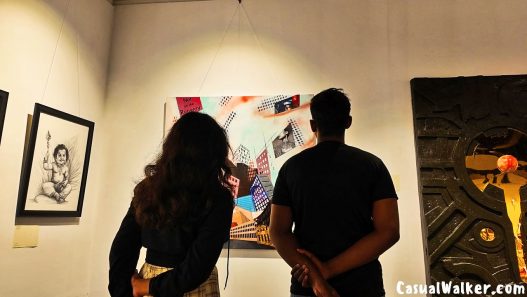
Lives Among The Palms is a photography exhibition in the Lalit Kala Akademi in Chennai, showcased close to three hundred photographs taken by seven school students from Ramanathapuram district. Curated by photographer Palani Kumar, the exhibition is the result of an eighteen month initiative by the People’s Photographers Collective, in collaboration with the Rural Workers Development Society and with support from The People’s Archive of Rural India. 
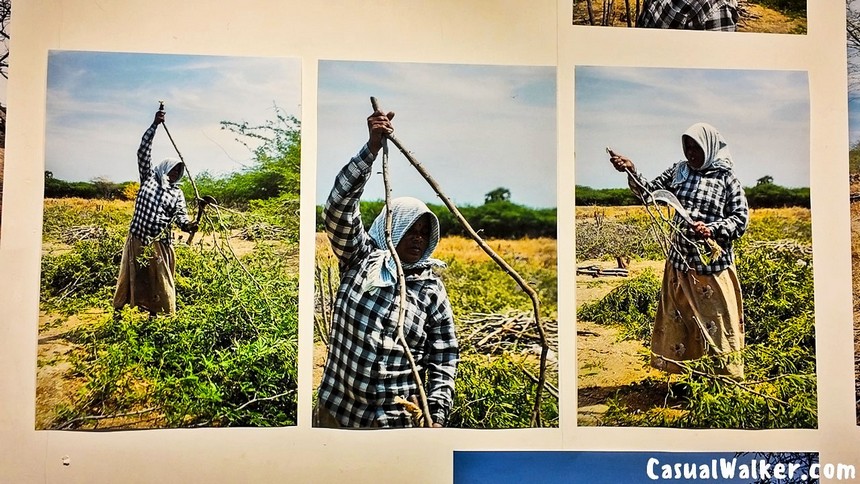
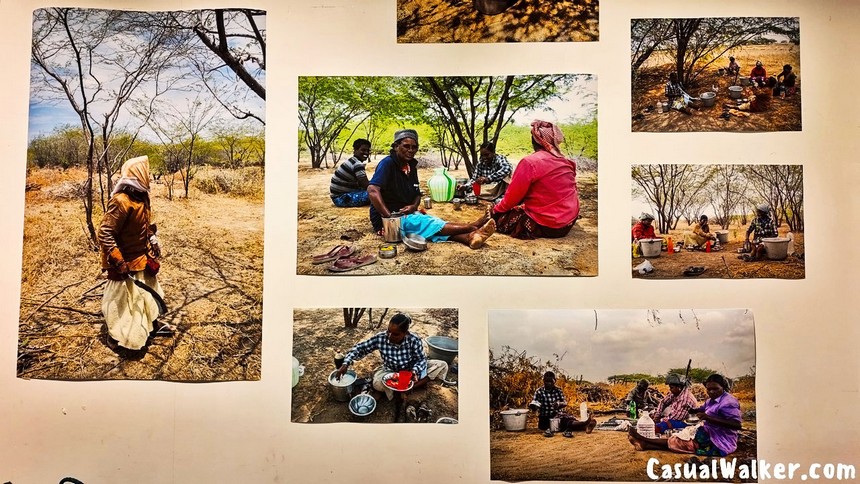
What makes this show significant is its approach, the photographs on display were taken by seven teenagers from the palmyrah belt, documenting their own families, their own villages, and the labour that sustains their communities. The exhibition sheds light on lives and occupations that rarely receive public attention, palm sap harvesting, salt pan work, charcoal production, and coastal fishing, while also marking a broader shift in who gets to narrate rural South India’s stories.
Origins Of Lives Among The Palms
The idea behind Lives Among The Palms did not start in a boardroom or a curator’s studio. It began in the field, quite literally, with photographer Palani Kumar and his organisation, the People’s Photographers Collective (PPC). Palani has long believed that photography should not be something done to a community from the outside, but something practiced by the community itself.
Working in partnership with the Rural Workers Development Society and with support from The People’s Archive of Rural India, Palani and his team spent over one and a half years mentoring seven students from villages in and around Sayalkudi in Ramanathapuram district. These were ordinary Class Eleven and Twelve students, many of them balancing schoolwork with household chores, water collection, and helping their families with farm or salt pan labour.
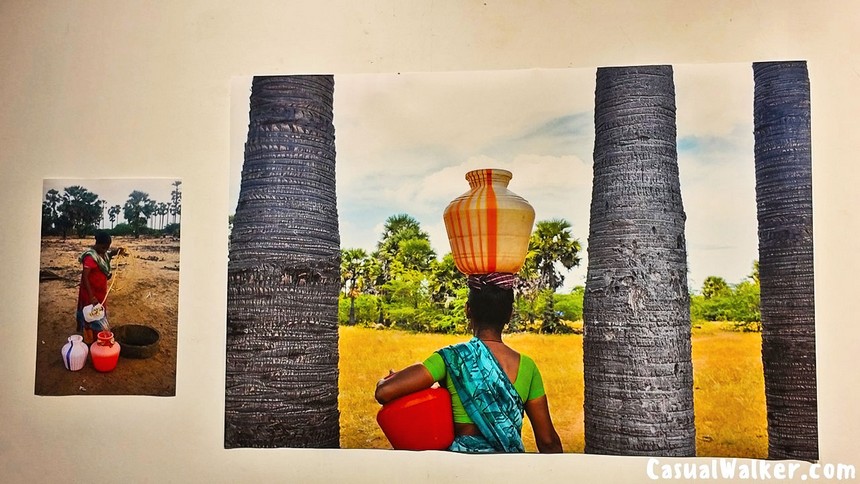
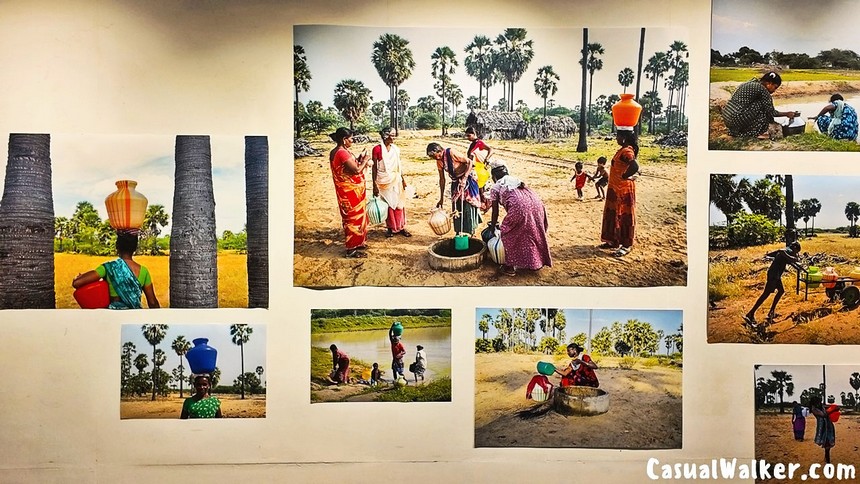
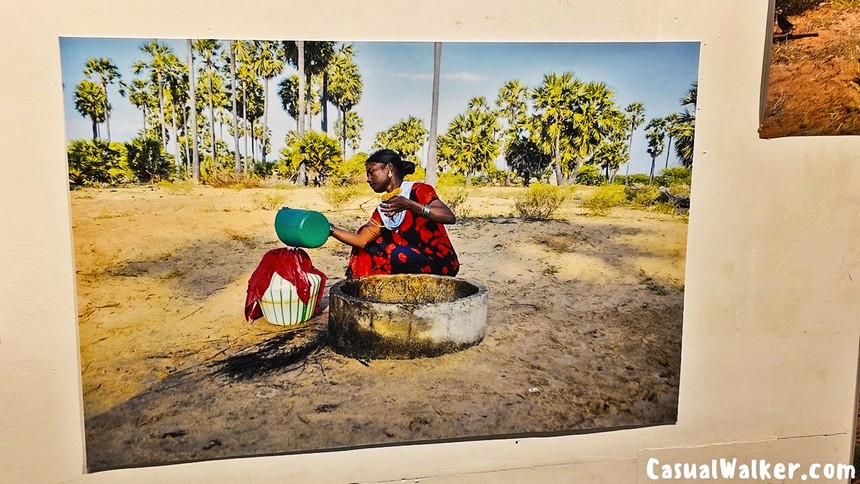
They were handed simple cameras and taught to shoot in manual mode. No shortcuts, no filters, just the basics of light, framing, and patience. Over eighteen months, this training grew into something much larger than a photography workshop.
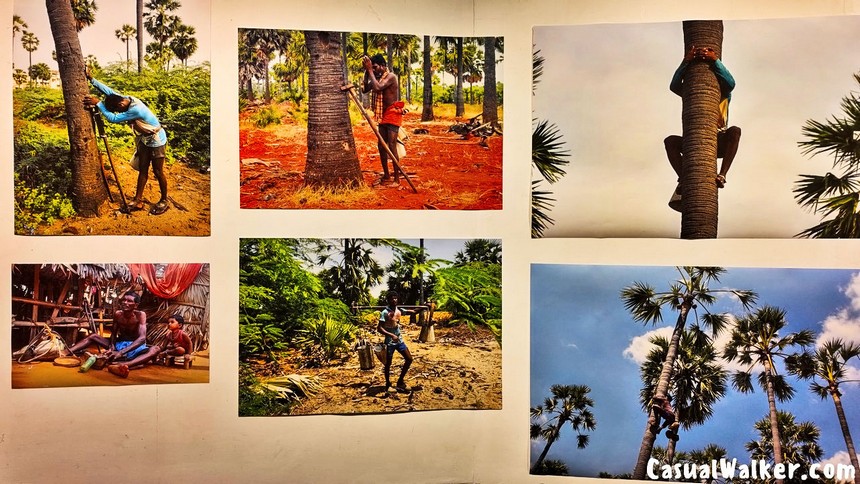
It became an act of reclaiming narrative, with young people documenting the palmyrah belt, its coastal communities, and the daily grind that keeps their local economy alive.
Lives Among The Palms Exhibition: Purpose And Meaning
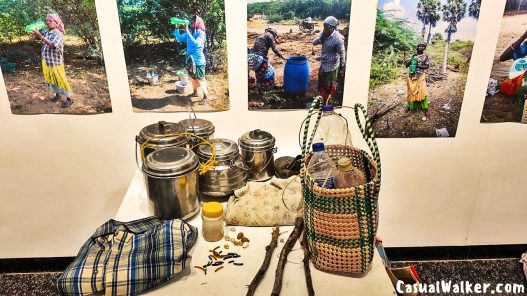
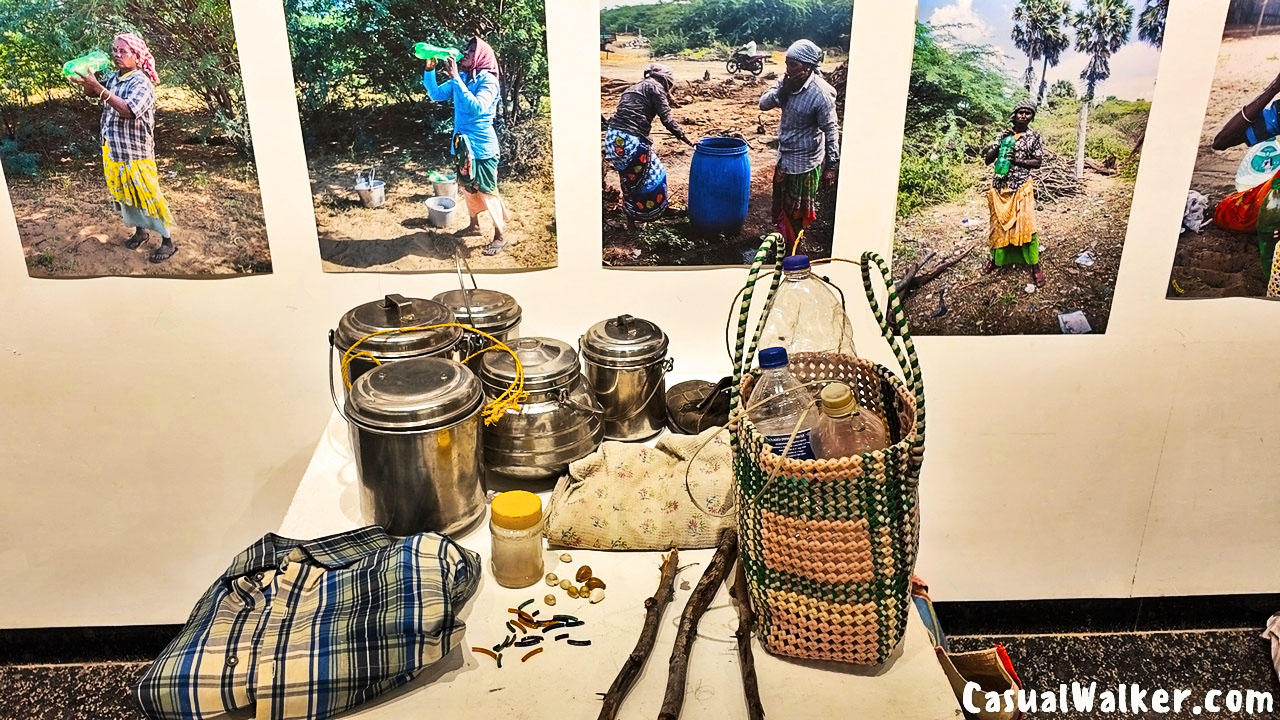
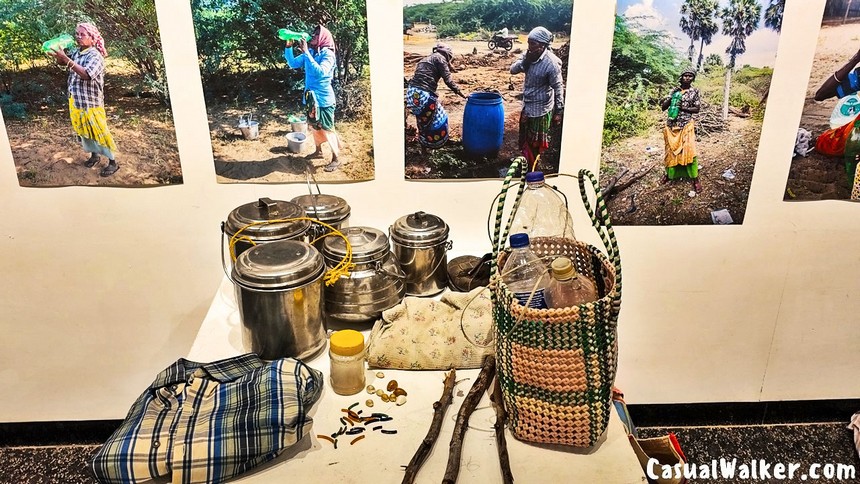
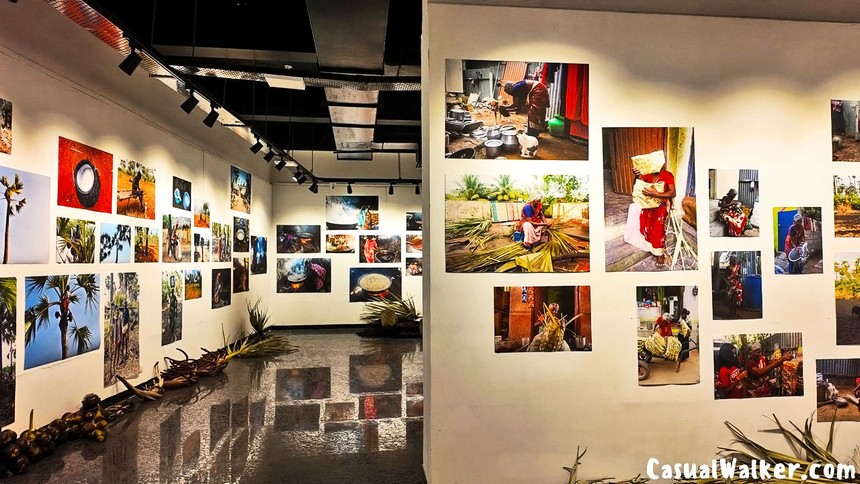
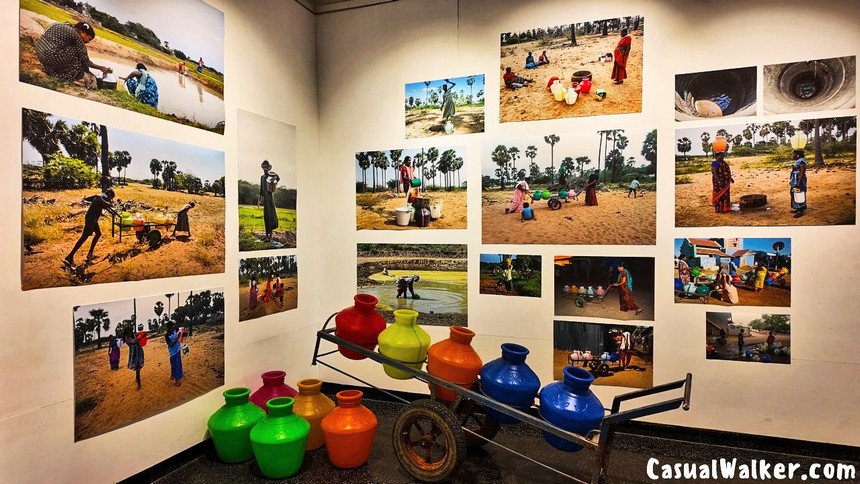
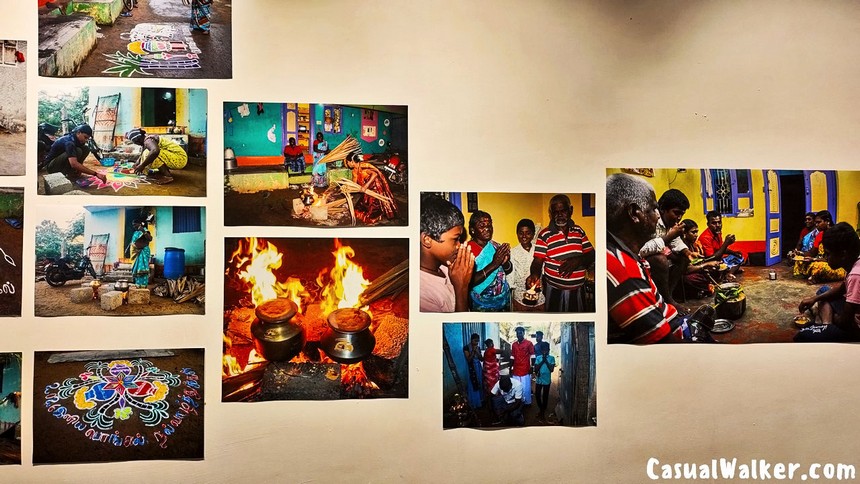
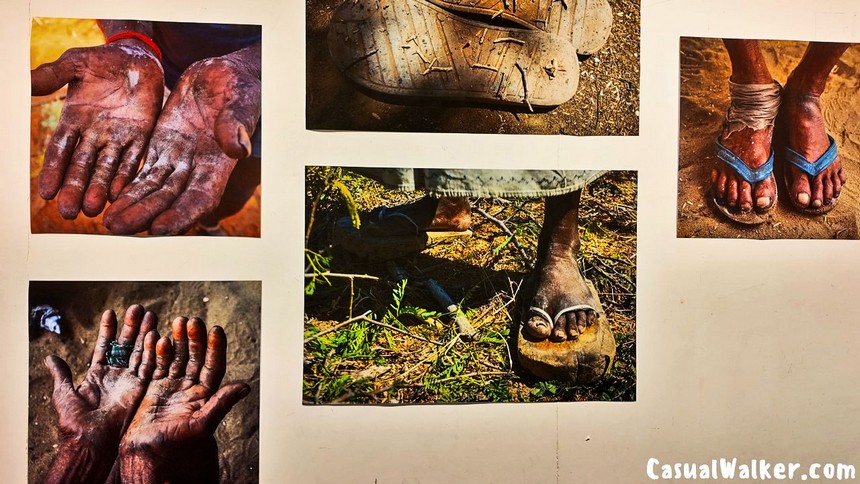
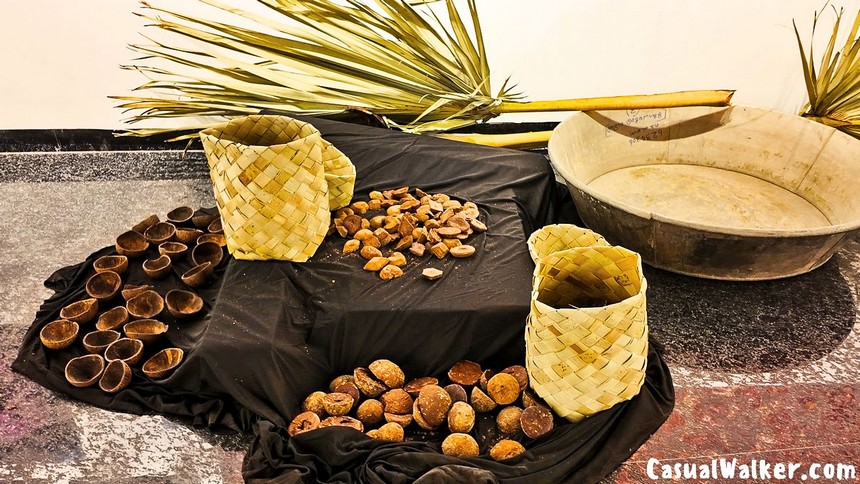
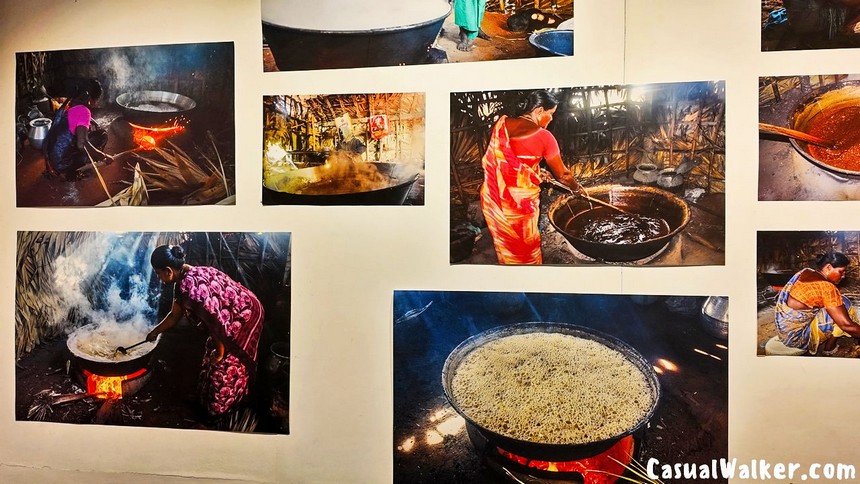
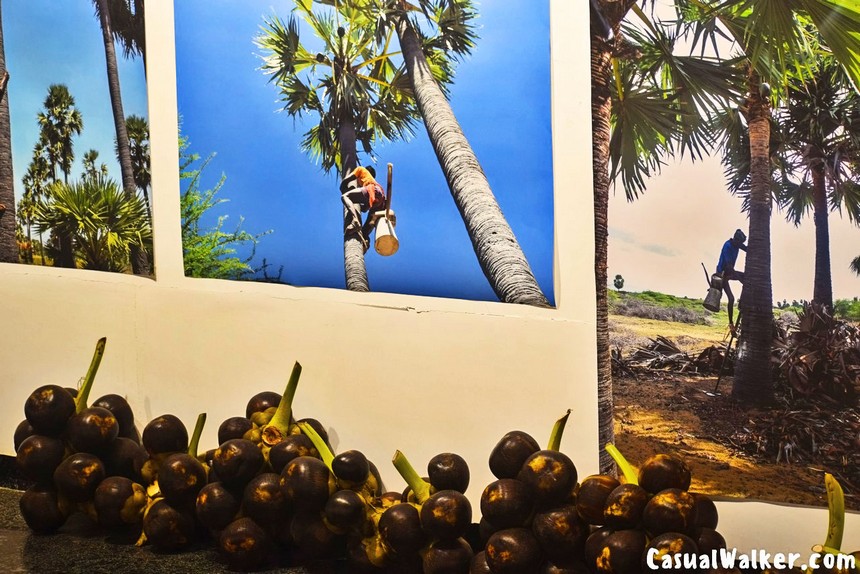
Lives Among The Palms features close to three hundred photographs spread across the gallery walls, alongside physical installations that pull visitors deeper into the world being documented. Long handled wooden shovels used in salt pans, palm leaf baskets and hats, bunches of palmyra fruit, a water can trolley, and heaps of charcoal are placed throughout the space, turning the gallery into something closer to a recreated village than a traditional exhibition hall.
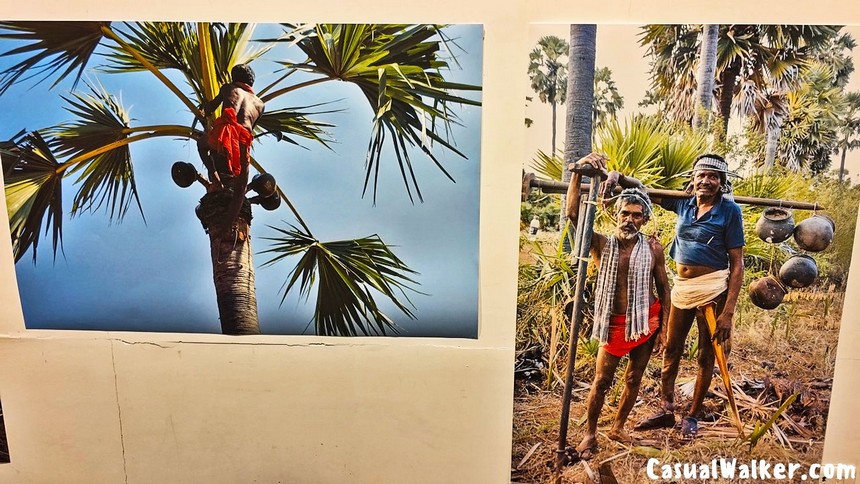
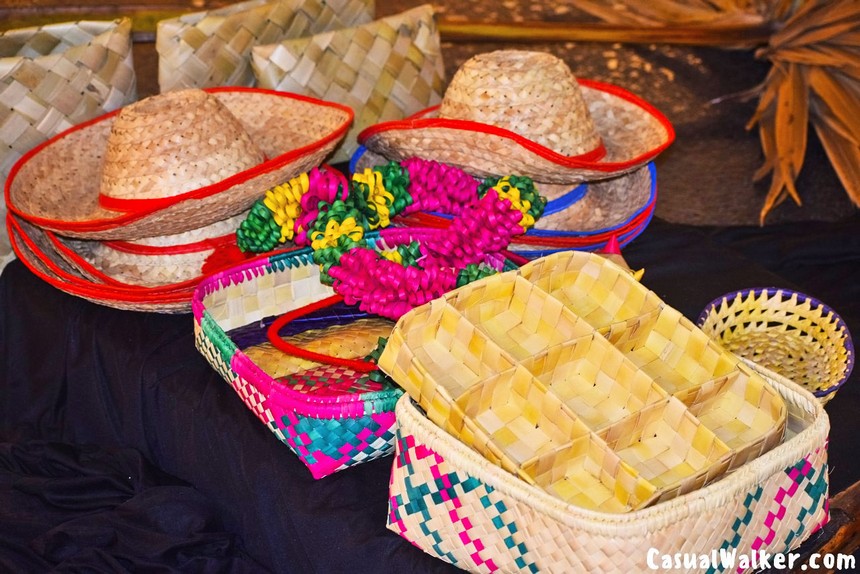
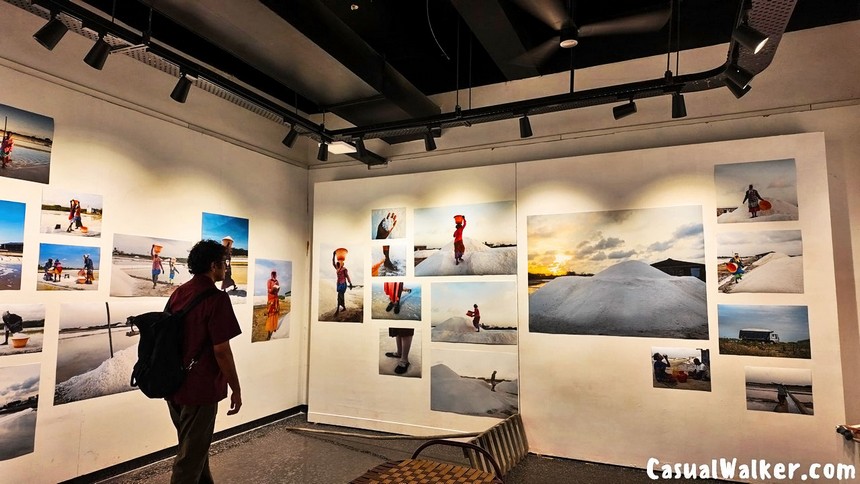
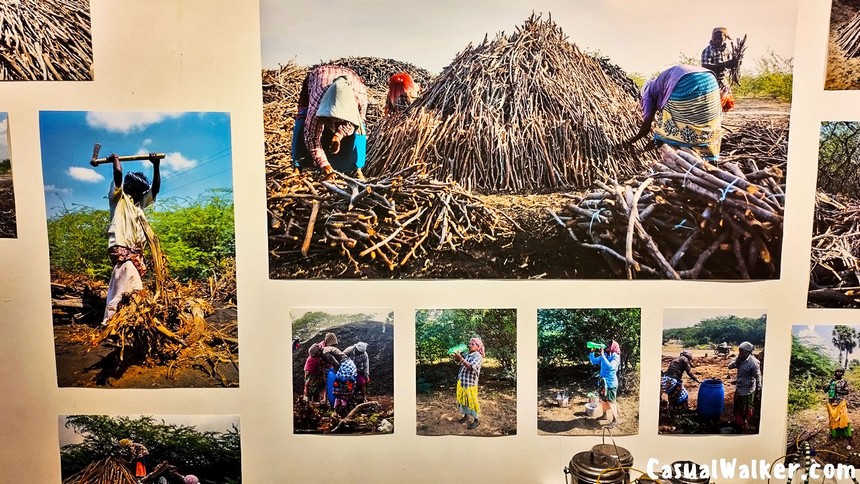
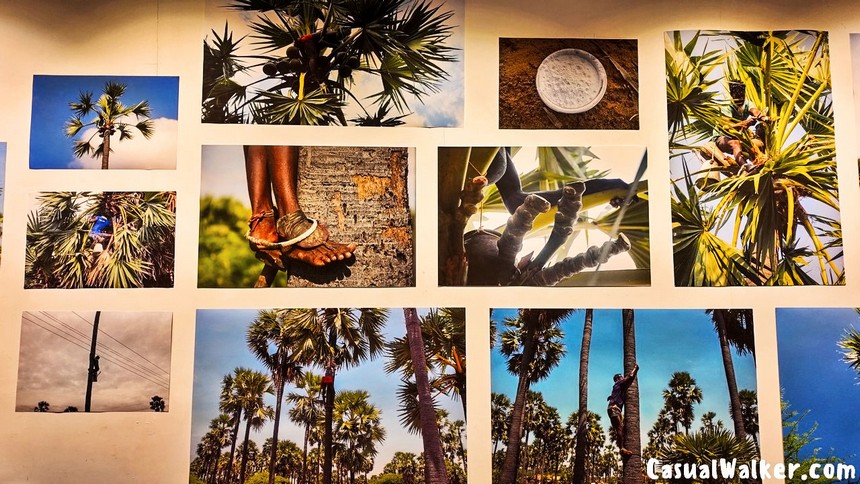
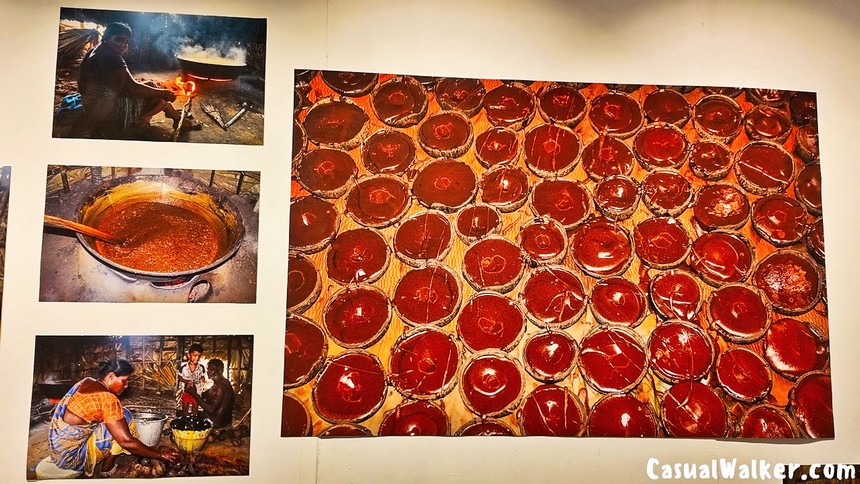
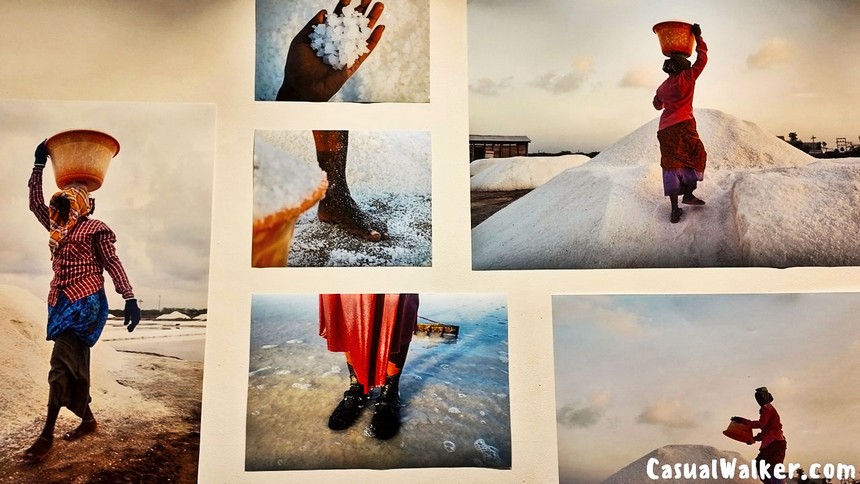
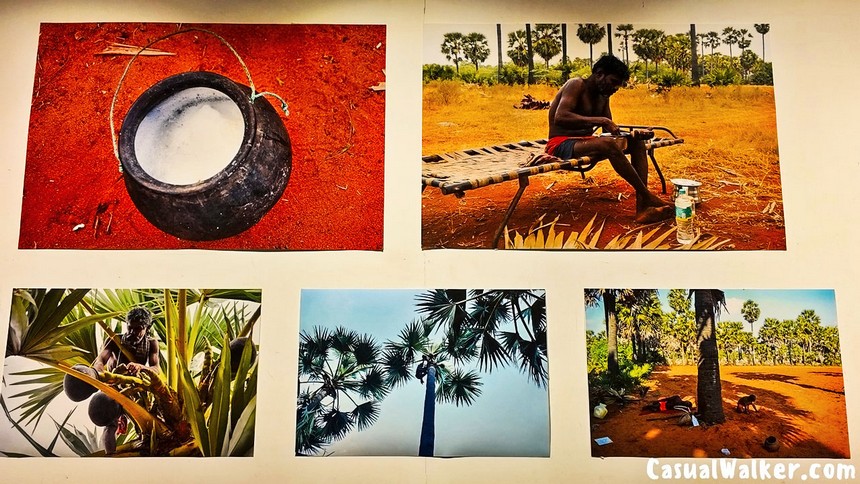
The purpose is layered. On one level, it is a record of livelihoods that rarely make it into public conversation, palm jaggery and karupatti production, palmyra handicrafts, charcoal making from seemai karuvelam wood, salt pan labour, and the seasonal migration of families into palm groves. On another level, it is a statement about representation. These are not images taken by visiting photojournalists parachuting in for a story. They are images taken by children of the very households being photographed, which changes the emotional register entirely.
Lives Among The Palms : Insider Insights From The Students
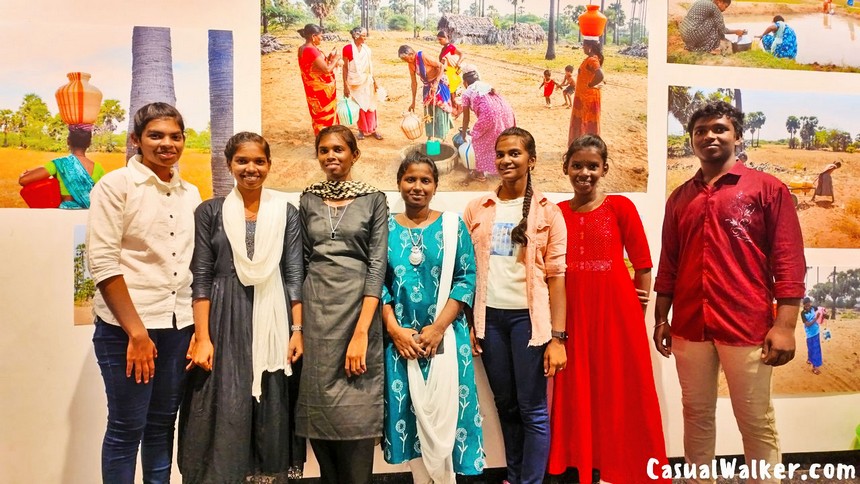
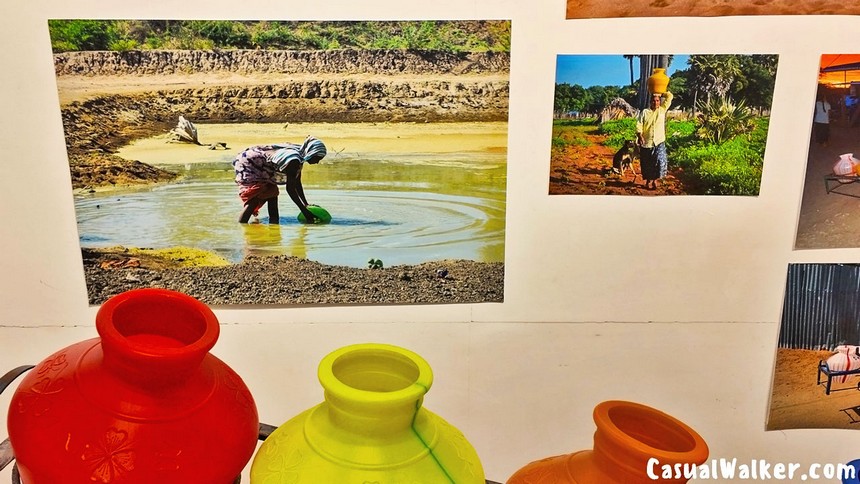
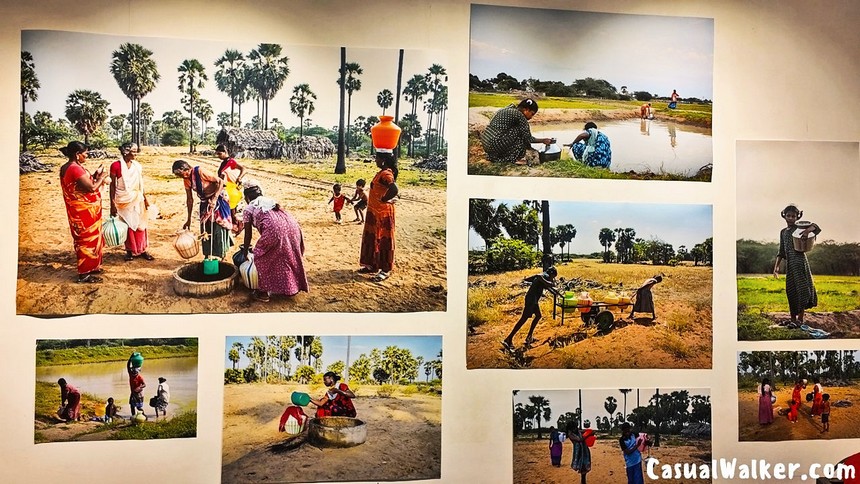
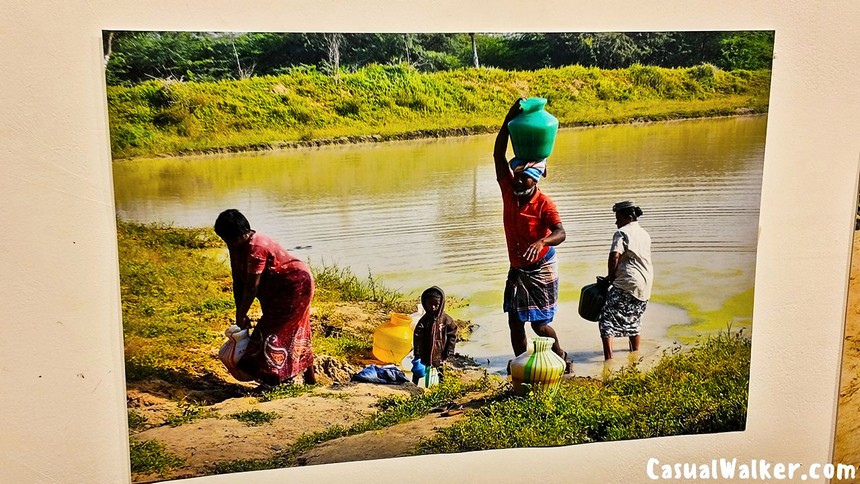
G Sakthi Muneeswari, from Keezhaallikulam, trained her lens on palm tree workers in her village, along with the severe water shortage that shapes daily life there.
V Aathi Selvan, from Narippaiyur, documented the lives of coastal and fishing workers, including his own grandfather at work by the sea.
P Janani, also from Keezhaallikulam, captured the labour of palm tree workers and the process of charcoal making.
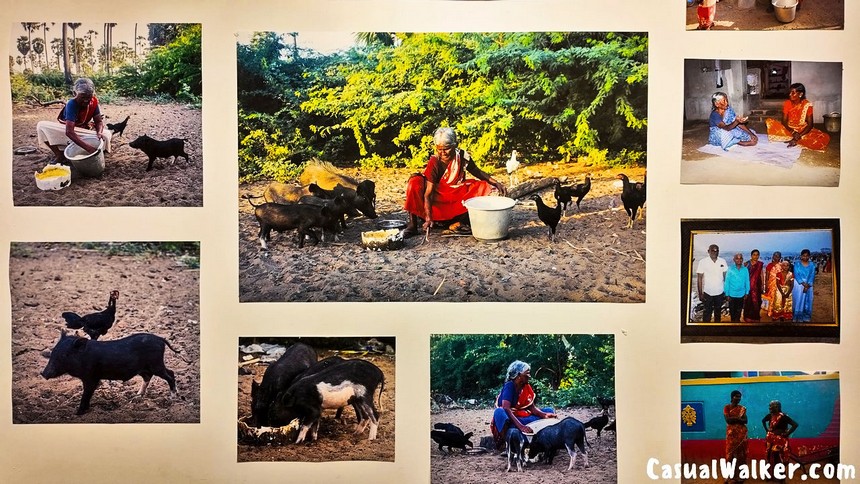
S Moniga, from Kannigapuri, focused her work on her grandmother’s pig rearing routine and the daily labour behind it.
S Munees Prabha, also from Kannigapuri, covered the palmyra industry, salt pan work, and charcoal production in the area.
T Jebamalai Thangam, from Kannigapuri, documented palm tree workers alongside small scale paddy farming labour.
T Pon Lakshmi, from Kannigapuri, showcased the traditional craft of palm leaf work and the ongoing struggle for drinking water in her village.
Key Highlights And Interesting Facts
There are several details about this exhibition that make it genuinely stand apart from a typical photography show..
The interactive darkroom is one of the most striking elements. Visitors are given headlamps and asked to physically search the dark for images of Palmyra workers labouring after sunset, recreating the exact experience of spotting a worker high in a tree only by the sound they make, since they are so well hidden by the foliage. Sakthi Muneeswari, one of the seven student photographers, explains that her own uncle and aunt often work well into the night in exactly this way, wearing headlamps just like the ones handed out at the gallery entrance.
Many of the photographers turned their lenses on their own relatives. Munees Prabha photographed her mother making baskets for storing palm sugar, describing it as long hours of back breaking work that only happens during the harsh summer months. Aathi Selvan documented his grandfather untangling fishing nets and collecting crabs by the shore. Moniga S followed her grandmother Rasathi for over a year, capturing her making palm leaf baskets and rearing pigs, alongside quiet moments with the family dog and cat who sit beside her as she works.
Significance And Cultural Impact
P Sainath, journalist and founder of PARI, frames the project within his organisation’s long standing mission of building journalism from within excluded communities, rather than about them.
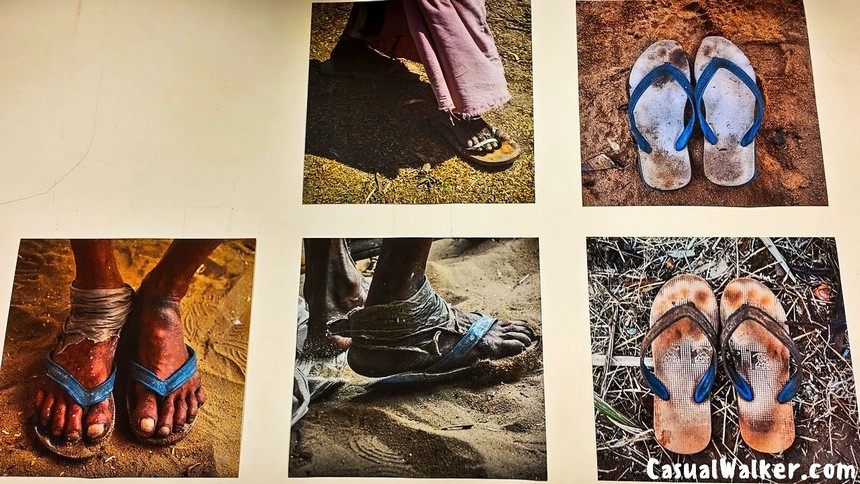
For folks unfamiliar with the Ramanathapuram palmyrah belt of Tamil Nadu, this exhibition offers a rare window into an economy most urban Indians never see up close, one built on tapping palm sap, producing jaggery and karupatti, harvesting salt, and making charcoal, all carried out against a backdrop of water scarcity and limited infrastructure. The show does not shy away from these hardships, not good bus connectivity, children occasionally dropping out to work, and the physical toll visible in calloused hands and worn out rubber slippers.
Long after the exhibition closes, the palm groves and salt pans of Ramanathapuram will still be there, and so will the families working in them. What this show leaves behind is proof that dignity does not need to be granted from outside, it was always present in these communities, waiting for someone willing to look closely enough to see it. Seven students did exactly that, and in the process, turned their villages from a footnote in someone else’s story into the centre of their own.

Thanks for exploring this Casual Walker photo guide — India’s most visual cultural travel guide and a curious discovery journal finding authentic photo stories, guides, and tips across travel, culture, arts, temples, heritage, and food.
- Keep exploring: Browse 650+ Travel & Culture Photo Guides
- We’d love to hear your feedback, stories, corrections, and updates — Email us.
- Follow our photo walks on Instagram: @hicasualwalker
Also, check our Similar Interesting Art related Photo Stories: