




Sri Shivagurunatha Gurupeedam Vethanthamadam & Srimath Mahadeva Swamikal Ashram, Jaffna (Yalpanam), Sri Lanka : A Journey Into Jaffna’s Living Guru Lineage — Exploring the Sacred Ashram Founded by Kanagaratnam Swami in the Guru-Disciple Saivite Tradition of Moola Guru Swami Kadaitswami | History, Vedantic Philosophy, Samadhi Shrines, Global Ties to Hawaii Adheenam & Kauai Hindu Monastery — Complete Visitor Guide, Timings & Contact Details
– preserving saivite spiritual tradition, devotional singing, & religious heritage

Sri Shivagurunatha Gurupeedam Vethanthamadam, is a Saivite Hindu mutt located on Kumaraswamy Lane in Kantharmadam, Jaffna / Yalpanam, is one of Sri Lanka‘s one of spiritually significant Hindu institutions. Vethanthamadam was founded by Kanagaratnam Swami within the guru lineage of Kadaitswami, a nineteenth-century mystic regarded as a Moola Guru in Sri Lanka. This Ashram or ashram stands as a living centre of Saivism, Tamil spiritual tradition, and Vedantic philosophy, carrying forward a guru lineage that stretches back nearly two centuries.
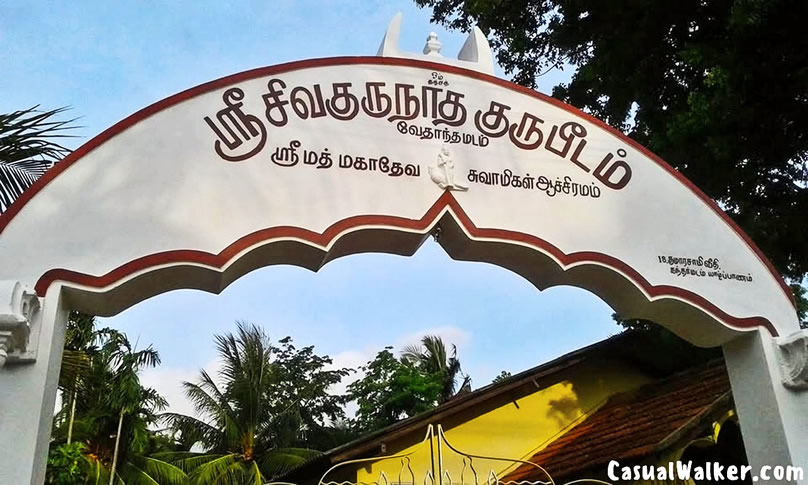
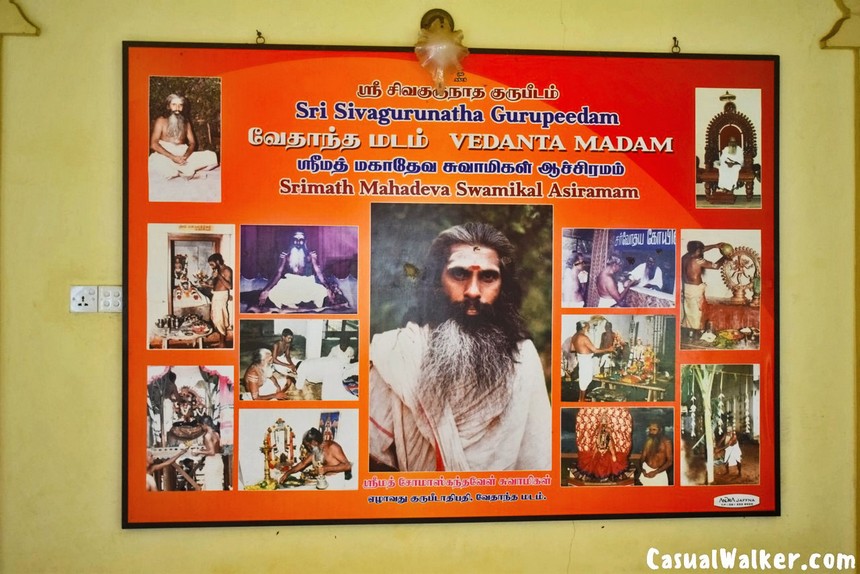
Sri Shivagurunatha Gurupeedam Vethanthamadam offers a rare window into the guru-disciple tradition that shaped Saivite spirituality across the Jaffna region. Devotees regard Lord Shiva as the supreme presence underlying this Vedantic path, and the Ashram itself was born from the teachings of one of the Sri Lanka’s most revered mystics, Swami Kadaitswami, a nineteenth-century mystic regarded as a Moola Guru in Sri Lanka. The Ashram was founded by his disciple’s disciple, Kanagaratnam Swami, within this same guru lineage.
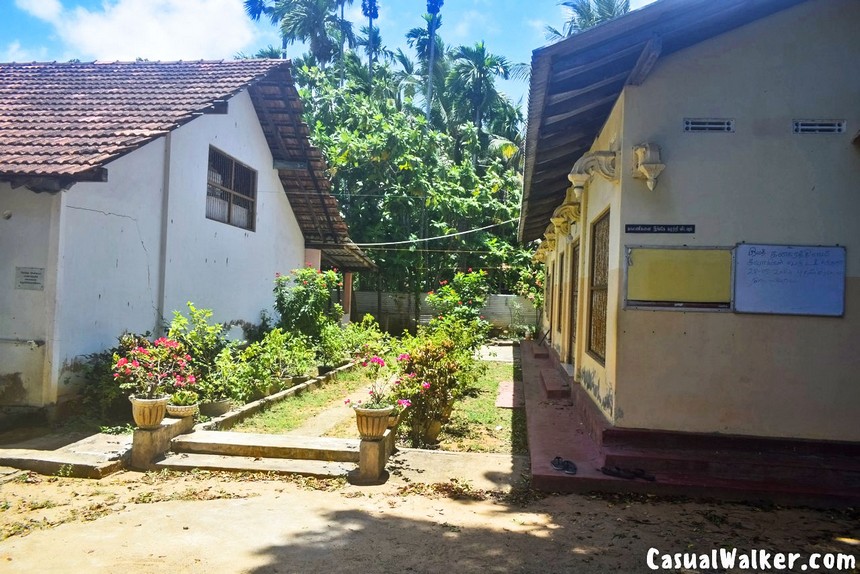
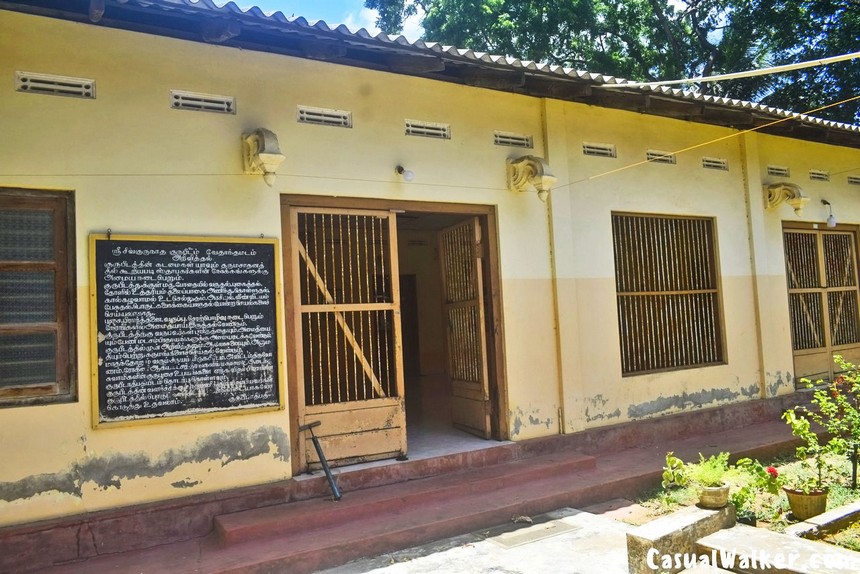
Sacred Space for Shaiva Siddhanta
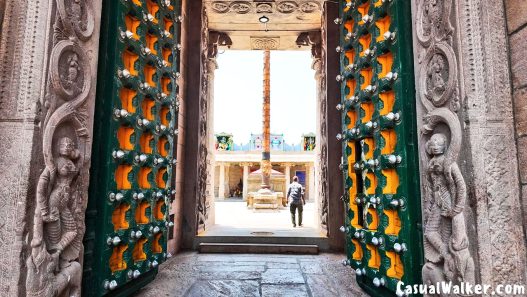
Vethanthamadam carries a profound and deeply traditional spiritual atmosphere, functioning seamlessly as a sanctuary for meditation and the study of Shaiva Siddhanta. This Ashram, a monastic ashram-temple, is wrapped in the kind of serene quietude typical of Northern Sri Lanka’s sacred spaces, where the air feels heavy with burning camphor, fresh jasmine garland offerings, and sacred ash, or vibhuti.
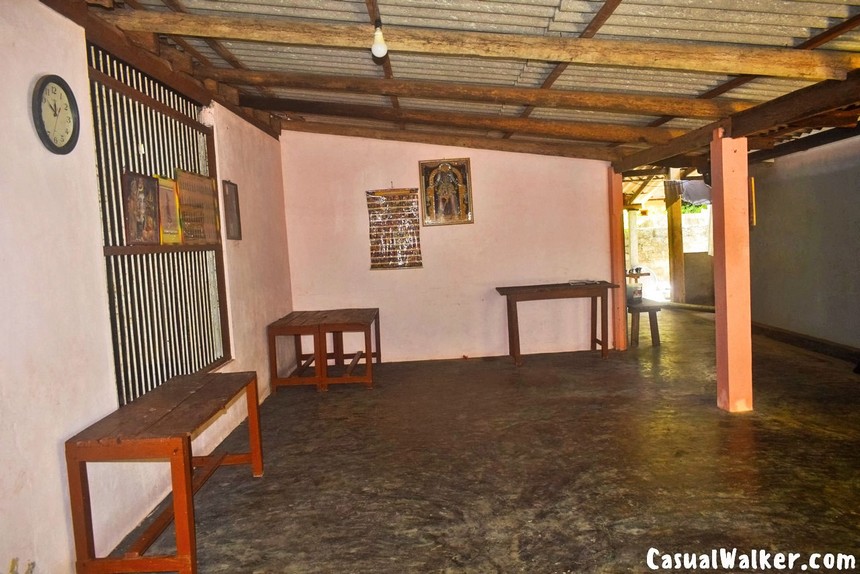
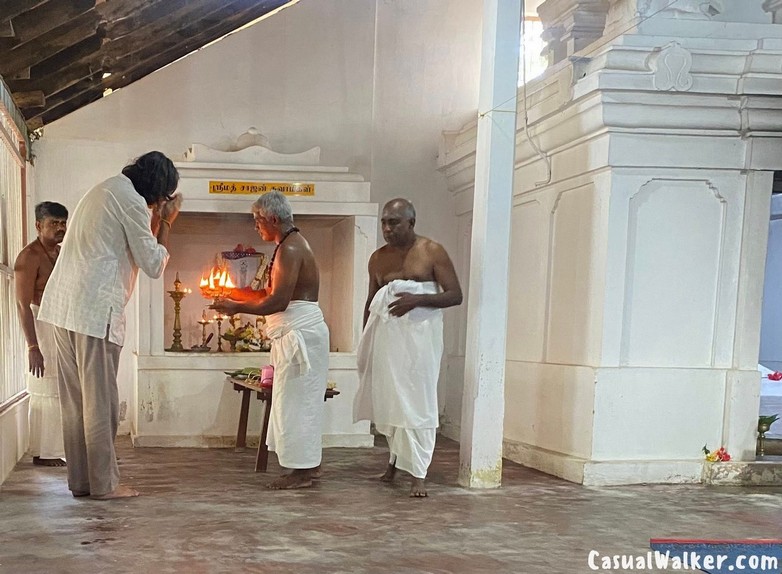
Bathed in the soft glow of traditional oil lamps and echoing with the subtle, meditative chanting of ancient Tamil hymns such as the Sivapuranam, the atmosphere offers an immediate sense of mental peace, devotion, and alignment with centuries-old monastic tradition. It is an authentic space stripped of commercial distraction, ancient and grounded, intensely focused on solitary devotion, silent prayer, and the preservation of a sacred monastic lineage.
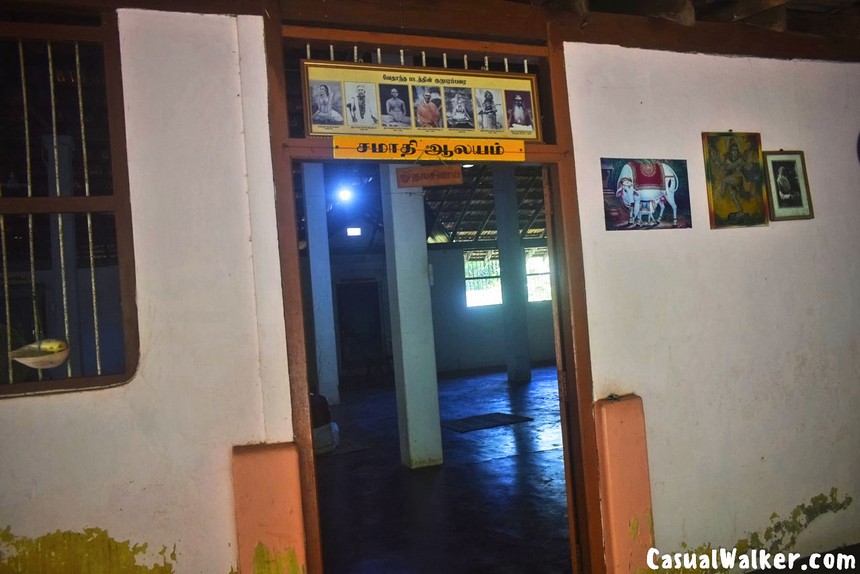
History & Origins of Vethanthamadam
This Vethanthamadam traditional Ashram of this kind operates as a monastic matha or ashram-temple, tightly focused on preserving Shaiva Siddhanta philosophy and ancient Tamil monastic codes rather than on the busier, more commercial rhythms of a standard temple.
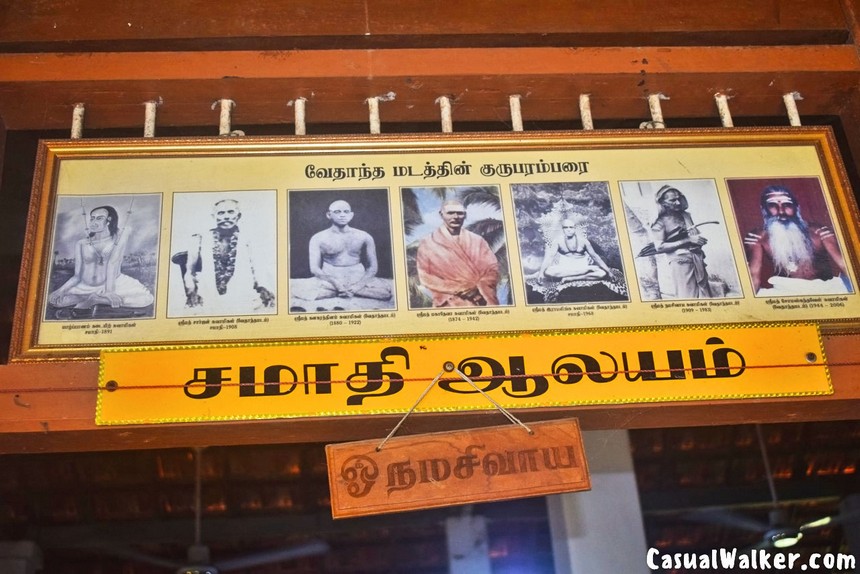
The term Gurupeedam refers to the physical and spiritual throne of a lineage master, and seekers have historically turned to this space for the study of the Upanishads, Vedanta, and foundational Tamil spiritual texts. Like many heritage institutions across the Jaffna, this ashram stands as a testament to the survival and quiet endurance of traditional Saivite religious practice through colonial shifts and the more recent upheavals faced by the region.
Jaffna’s spiritual heritage stretches back long before any Ashram was built on Kumaraswamy Lane, though centuries of foreign rule left much of that early history obscured. It was in the nineteenth century that Jaffna again produced a generation of powerful spiritual masters who reversed this decline, and among them Kadaitswami is regarded as the foremost, the source guru from whose grace an entire chain of teaching lineages later grew.
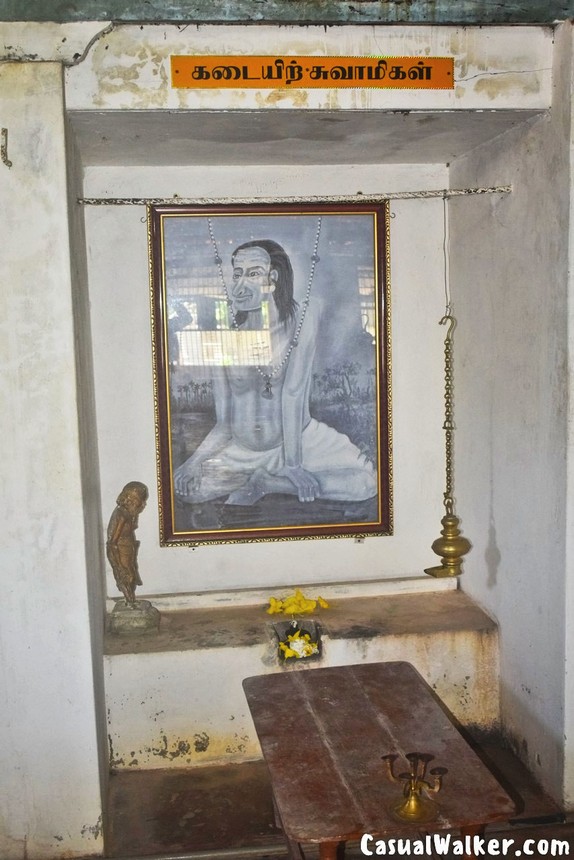
The story of Vethanthamadam begins with a man once known as Swami Mukthianantha, a former judge in India who renounced his worldly position sometime in the mid-1800s and travelled to Jaffna to live as a wandering ascetic. He took to roaming the bazaars of the city in a manner that appeared, to most onlookers, like madness, and this habit earned him the name Kadaitswami, since “Kadai” literally means shop in Tamil. He is honoured today as the Moola Guru of several Saivite lineages across Sri Lanka.
At the time, Sri Lanka was under British colonial administration. One British officer, unimpressed by a man behaving erratically in public, ordered his arrest, and Kadaitswami was jailed at the Jaffna fort. A Tamil sergeant named Sinnathamby was on duty that night. He heard a loud noise coming from the cell, went to investigate, and found it empty. The next morning, searching the marketplace for the missing prisoner, he found Kadaitswami seated calmly beneath a banyan tree. The swami greeted him first: “Hey Sinnathamby, are you looking for me?” Struck by the encounter, Sinnathamby renounced his post that same day and became a disciple, later known among Jaffna’s Saivites as Sergeant Swami.
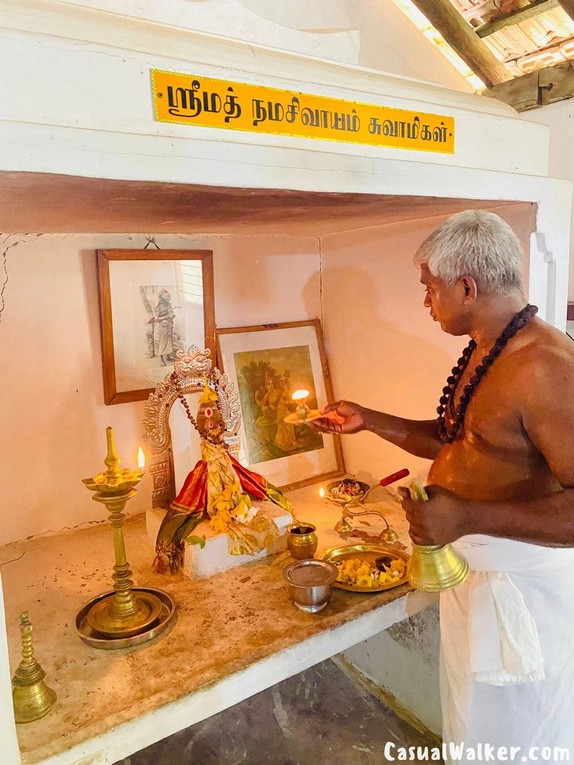
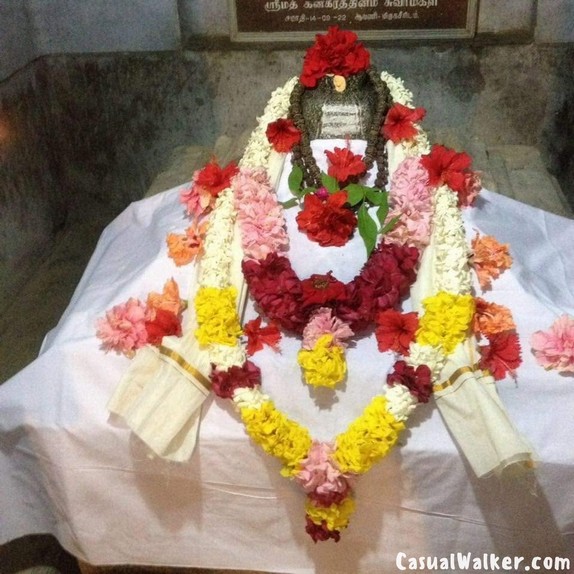
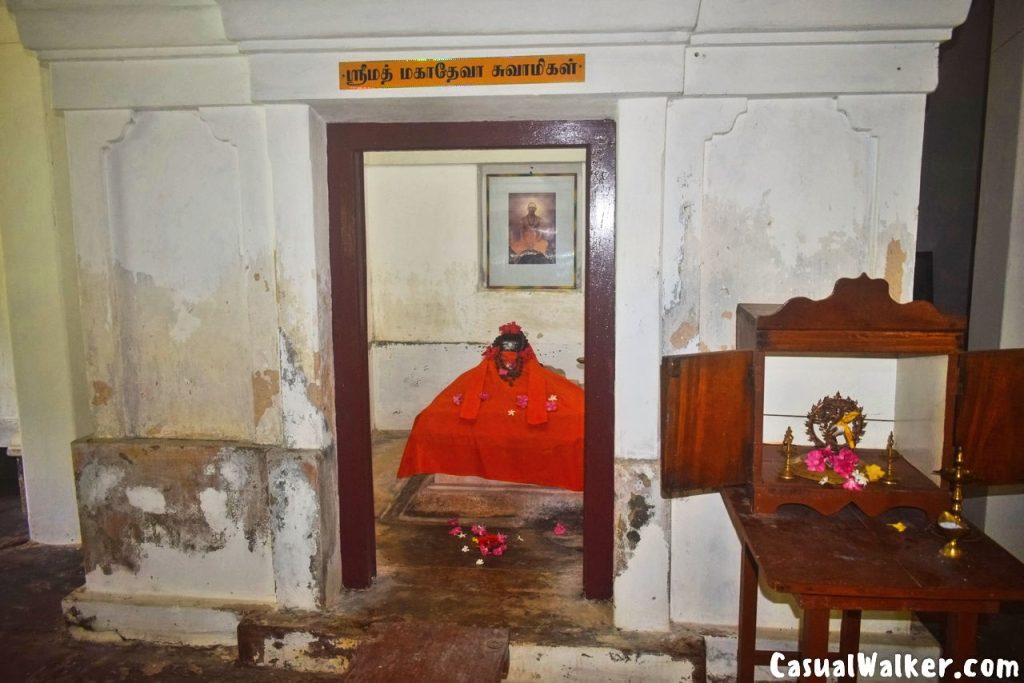
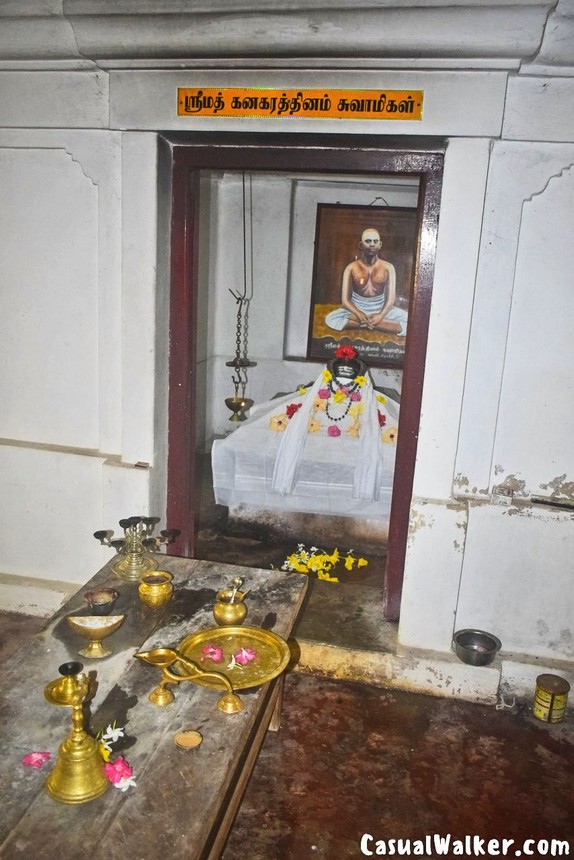
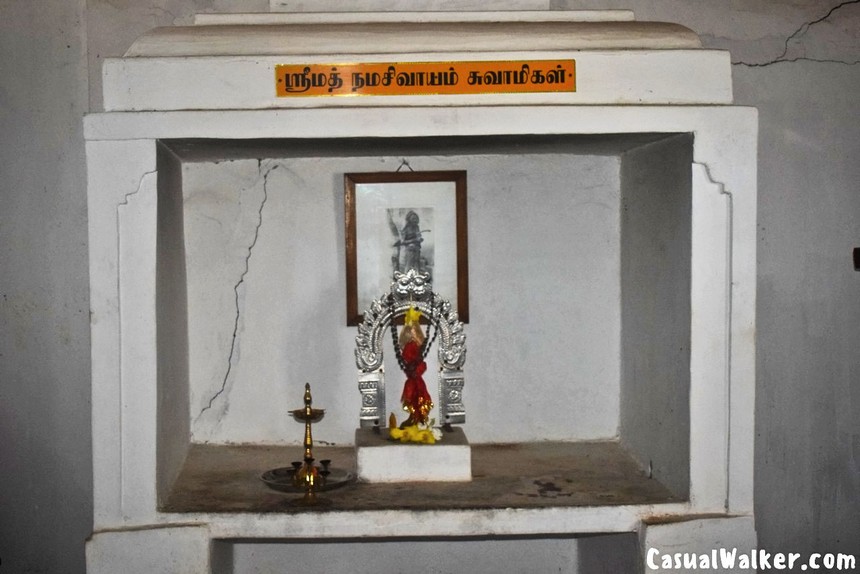
Sergeant Swami’s own disciple, Kanagaratnam Swami, went on to found what would become Vethanthamadam. The Ashram’s internal Tamil records preserve this succession with precise dates: Sergeant Swami’s period beginning 29 March 1908, Kanagaratnam Swami’s from 14 September 1922, and the formal establishment of Sri Shivagurunatha Gurupeedam Vethanthamadam as a dharma institution dated to 15 November 1942 under Mahadeva Swami. Ramalinga Swami led the Ashram from 1942 to 1968, a period that also saw a portion of land allotted to a nearby Sai Baba centre in 1972, a decision that stirred some disagreement within the Ashram’s administration under Thiru K. Piramananda. Namasivayam Swami conducted the daily pooja from 1968 to 1976.
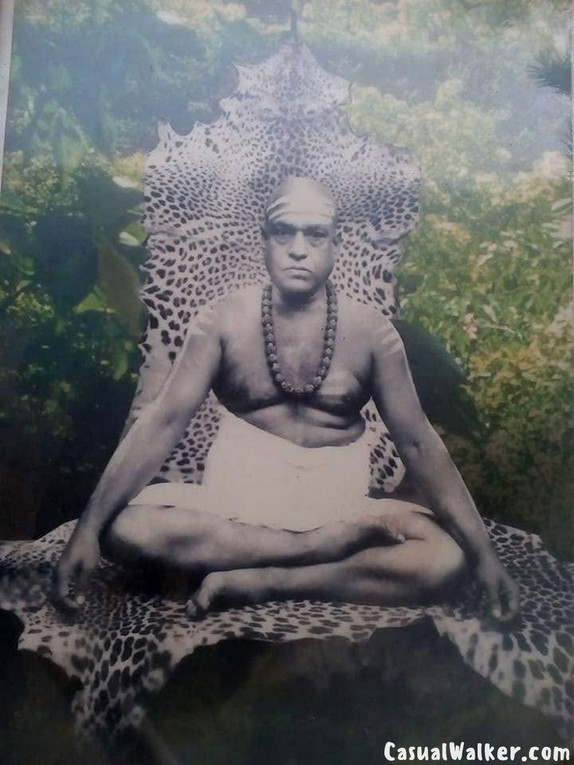
Long before that formal dharma institution status was recorded, the ground beneath Vethanthamadam had already been consecrated to this purpose. A notarised deed dated 21 April 1915 shows one Vai. C. C. Kumaraswamy donating a parcel of land at Semmani Kidangadi, Vannarpannai East, to the Sivagurunatha Gurupeedam, appointing trustees to maintain the property and specifying that the guru pooja be observed every year without fail on the Sathayam star day in the Tamil month of Panguni. The same deed bound the trustees to run an accompanying Samarasa study hall for spiritual seekers, a detail that shows the Ashram was envisioned from its earliest days as both a shrine and a teaching institution, not one or the other.
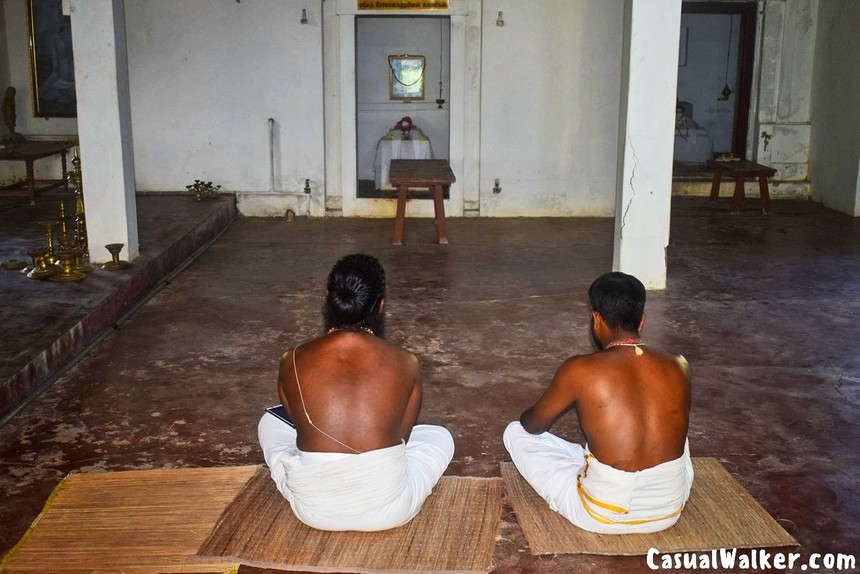
Once established, Sri Shivagurunatha Gurupeedam grew into far more than a place of quiet retreat. It became a centre for Sanathana Dharma, Vedic learning, and Saivite scriptural study, a place meant to steady people on the path of gnana and shape a community of disciplined, virtuous conduct. Under Mahadeva Swami’s guidance, Jaffna and its Tamil Saivite population are said to have grown into one of the most refined centres of Saivism and Tamil culture on the island, a legacy carried forward by every swami who has since occupied the seat. Today, the Ashram’s reputation reaches well beyond Jaffna, and Saivites from across India and around the world make the journey to this auspicious place to receive its blessings and sit in the presence of its samadhi shrines.
Guru Lineage of Kadaitswami
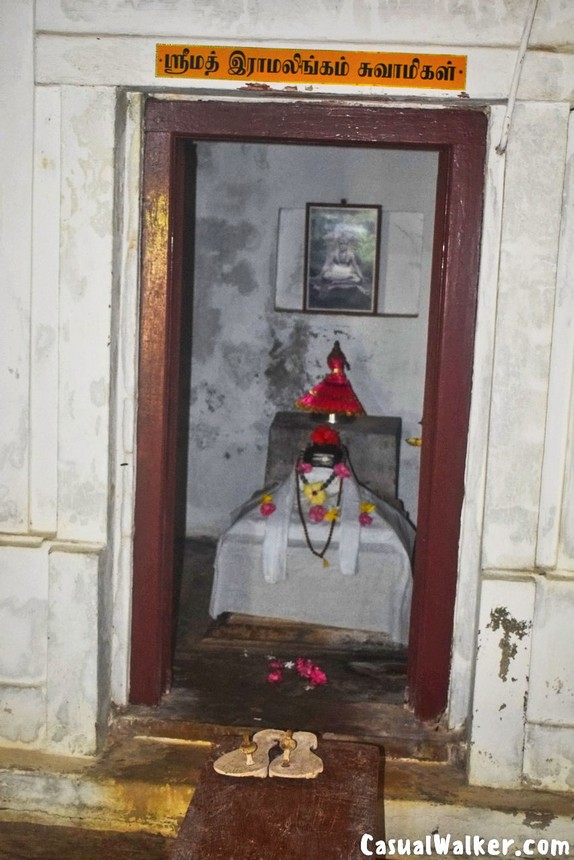
Vethanthamadam is one of the principal institutions carrying that inheritance forward, and its succession of gurus reads as follows: Kadaitswami, Sergeant Swami, also known as Chinnathamby Swami, Kanagaratnam Swami, founder of Vethanthamadam, Mahadeva Swami, whose disciple Vadivel Swami founded the Mahadeva Ashram in Kilinochi, Ramalinga Swami, Namasivayam Swami, Somaskanda Swami, who attained samadhi in 2006, and the present head of the Ashram, Sri Vedha Vidhyasagara Swamigal.
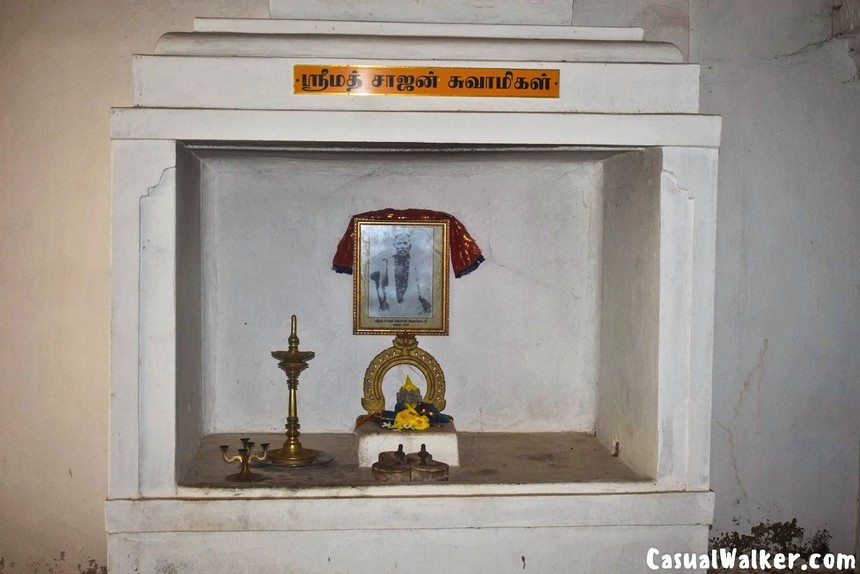
This unbroken chain of teachers, spanning close to two hundred years, is what gives Vethanthamadam its standing among Saivite institutions in northern Sri Lanka. It is rarely presented in full elsewhere, and understanding it is essential to understanding why this Ashram matters as much as it does to the Tamil Hindu community of Jaffna.
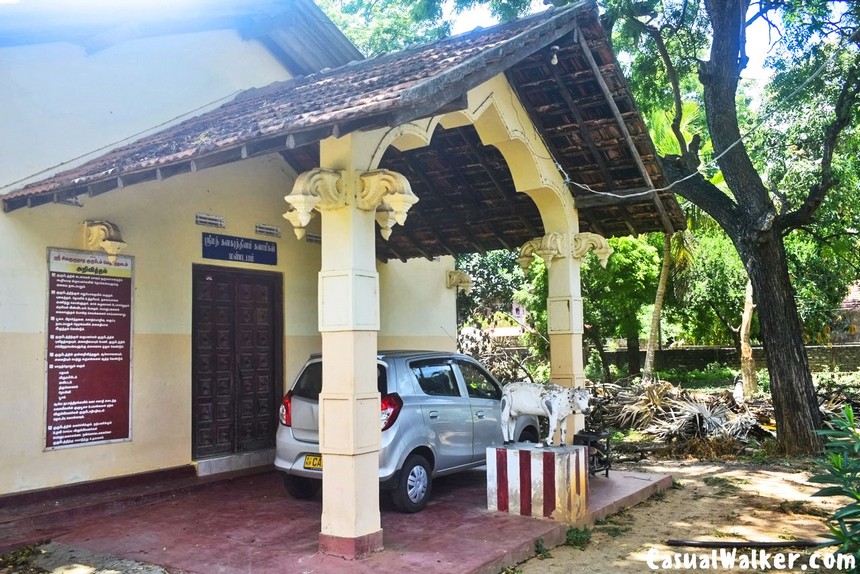
Beyond this central line, a wider circle of disciples helped carry Mahadeva Swami’s teaching outward. Annungai Kondavil Kandaiah Swami and Trincomalee Sivaratnam Swami both trained directly under the lineage, while Thiru Po. Kailasapathy, vice principal of the Saiva Teacher Training College, is remembered by contemporaries as a quietly realised soul who pursued atma vichara, or self-inquiry, under Mahadeva Swami’s guidance.
One of the more striking figures in this circle was Arunachalam Swami, a Western-trained physician who renounced his medical career at the age of twenty-seven out of spiritual longing, went on to spend many years as a resident of the ashram practising Vedantic inquiry under Mahadeva Swami, and was recognised by fellow devotees as having attained non-dual realisation before his own samadhi in 1993. Sivagnani Chinnakutty Ammal, a woman noted in the Ashram’s own records for her spiritual attainment, is remembered as having supported Mahadeva Swami’s own inner journey.
Spiritual Significance & Saivite Philosophy
Vethanthamadam is devoted to the Vedantic understanding of Lord Shiva as the ultimate reality, a philosophy that emphasises inner realisation over ritual display. This is why the Ashram does not resemble a conventional temple with towering gopurams or daily crowds of worshippers. Its purpose has always been guidance, contemplation, and the transmission of spiritual knowledge from guru to disciple, a tradition that Hindu pilgrims and scholars of Tamil Saivism will recognise as distinct from deity-centred temple worship.
Srimath Somaskandavel Swamigal
Srimath Somaskandavel Swamigal, the seventh Peedadhipathi (Pontiff) of the revered Kandarmadam Vedanta Mutt in Jaffna, Sri Lanka, was a distinguished Saivite monk, spiritual teacher, and custodian of the Mutt’s rich religious heritage. Born in 1944, he was the second son of Mr. Sellathurai, of the esteemed Puthur Mazhavarayar lineage, and Mrs. Sivapakkiyam, from the Thirunelveli Thalaiyazhi Thirumadanatha Mudaliyar family. He received his early education at Kokuvil Hindu College and Chavakachcheri Hindu College. From a young age, he displayed a deep spiritual inclination, frequently accompanying his father to the Kandarmadam Vedanta Mutt. During one such visit, the then Pontiff, Srimath Ramalingam Swamigal, affectionately invited him to remain at the Mutt, an invitation that marked the beginning of his lifelong journey of spiritual service and monastic dedication.
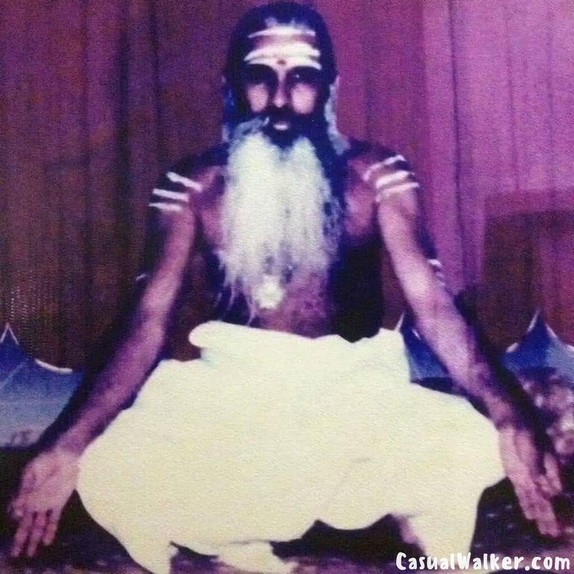
Under the guidance of Srimath Ramalingam Swamigal and later Srimath Namasivayam Swamigal, he devoted himself entirely to Guru Seva, assuming responsibility for the daily administration of the Mutt while serving his Guru with unwavering humility and dedication. Following the Maha Samadhi of Srimath Namasivayam Swamigal, he ascended the Peedam in 1983 as the seventh Peedadhipathi and led the Kandarmadam Vedanta Mutt for nearly twenty-three years. His tenure coincided with one of the most difficult periods in Sri Lanka’s history, marked by civil conflict, economic hardship, and widespread social disruption.
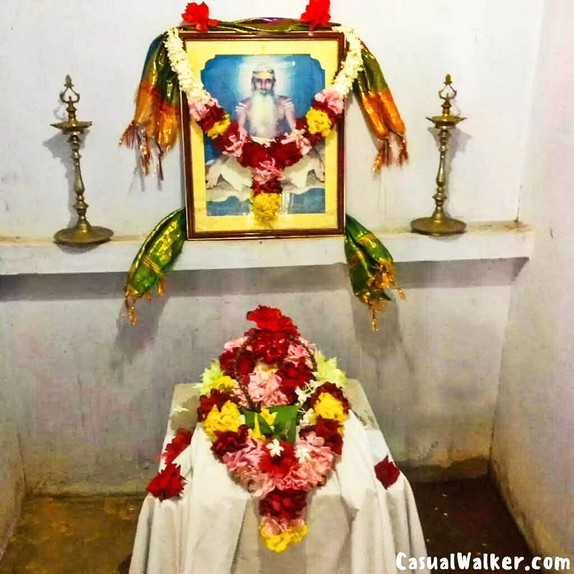
Despite these formidable challenges, he safeguarded the Mutt’s spiritual traditions, upheld its monastic discipline, and ensured that its sacred teachings and religious practices continued uninterrupted, providing solace and guidance to countless devotees.
A scholar of Saiva Siddhanta and Vedantic philosophy, Srimath Somaskandavel Swamigal strengthened the Mutt as a vibrant centre of spiritual learning and religious practice. He promoted regular Thirumandiram classes, Thirumurai recitations, scriptural discourses, Neelakanta Padiyam commentaries, Guru traditions, and various Saiva–Vedanta programmes that enriched the spiritual lives of devotees and preserved Tamil Saivite heritage. His compassionate leadership, profound wisdom, simplicity, and unwavering commitment to Dharma earned him the deep respect of disciples and the wider community. He attained Maha Samadhi on the sacred occasion of Aadi Amavasya in 2006, leaving behind an enduring spiritual legacy that continues to inspire devotees and guide the Kandarmadam Vedanta Mutt in its mission of preserving the timeless values of Saivism for future generations.
Samadhi Shrines
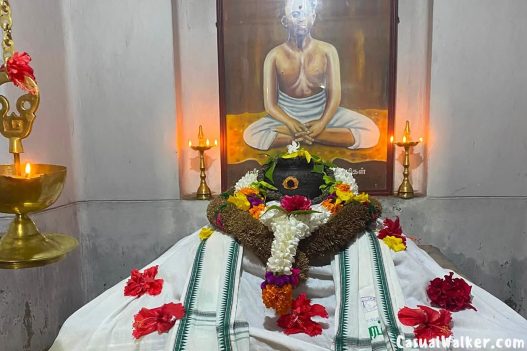
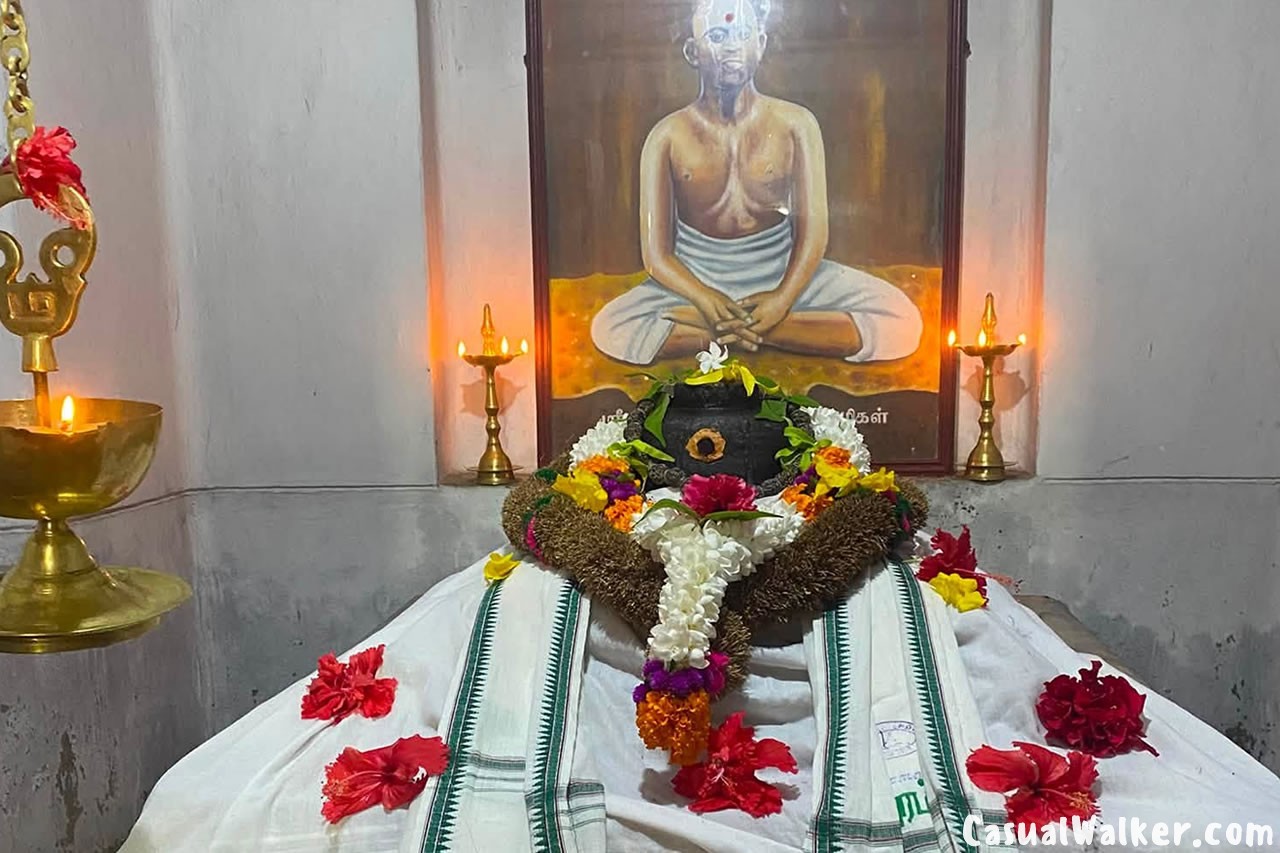
The samadhi shrines within the Ashram complex, where past gurus are interred, form the spiritual heart of the institution. These modest stone platforms, adorned with simple flower offerings, are believed to hold the living presence and blessings of the gurus who once walked the same courtyard. For devotees seeking the darshan of enlightened masters in the lineage of Kadaitswami, these shrines are considered among the most powerful points of connection in Jaffna’s Hindu heritage landscape, and it is this concentration of grace that continues to draw Saivite pilgrims from India and other parts of the world to such an unassuming lane in Kantharmadam.
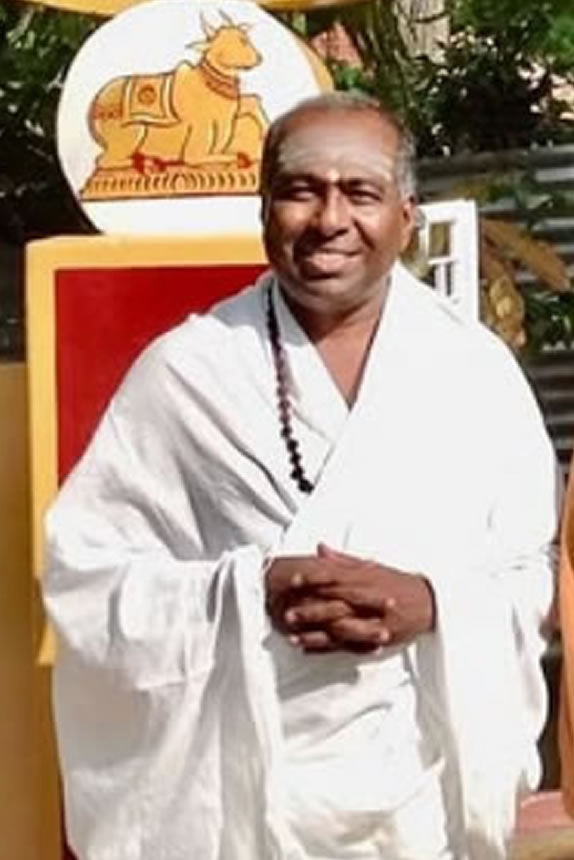
Sri Vedha Vidhyasagara Swamigal
Sri Vedha Vidhyasagara Swamigal, the current head of the ashram, welcomed us and described the Ashram’s history, and the story of Kadaitswami felt less like folklore and more like a family account being passed down at the table. What struck me most was his genuine warmth and humility.
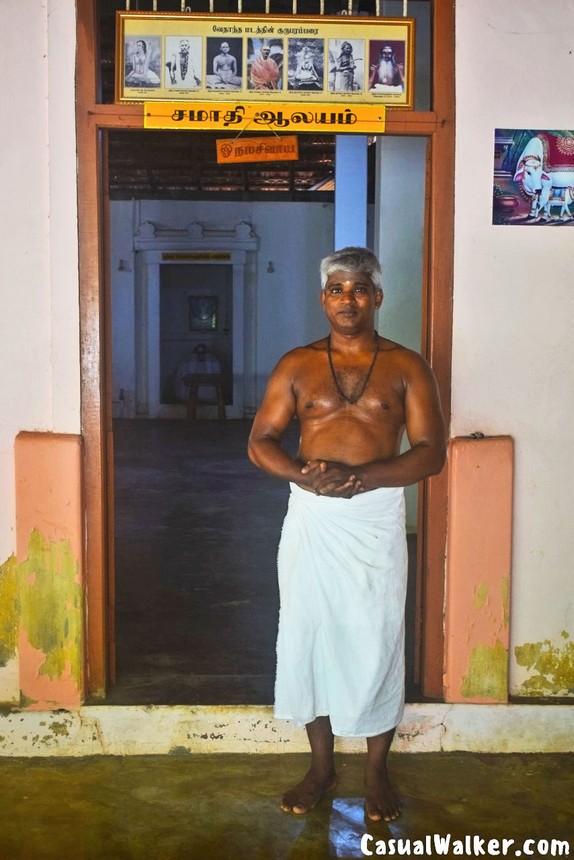
There was no formality, no distance, only the kind of quiet kindness that puts a visitor completely at ease. Since taking on the responsibility of the Ashram, he has continued the lineage’s work of spreading Saiva culture, Vedantic teaching, and Tamil spiritual values across the wider Jaffna region, carrying forward, in his own generation, the same mission that Kadaitswami, Kanagaratnam Swami, and Mahadeva Swami began nearly two centuries ago, and it is this living continuity that draws Saivites from India and across the globe to seek his blessings.
Mahadeva Swami’s Legacy in Education and Social Reform
What sets Mahadeva Swami apart from many spiritual teachers of his time is how directly his guidance shaped Jaffna’s modern institutions. He is remembered as the spiritual driving force behind Thiru S. Rajaratnam, who carried forward Arumuga Navalar’s educational movement after Navalar’s death and went on to establish close to two hundred and forty Saiva schools across Jaffna, along with a Saiva teacher training college and a home for orphaned children.
Mahadeva Swami himself is said to have laid the foundation stone for roughly a hundred of those schools, and admirers of the period describe this era as something of a golden age in the development of Jaffna’s modern Saivite society, with his influence on Tamil education standing as significant as his influence on Saivite spirituality itself. Sir Ponnambalam Ramanathan and Sir Ponnambalam Arunachalam, two of the most prominent Tamil leaders of colonial-era Sri Lanka, are also remembered as having sought counsel and spiritual guidance at the Gurupeedam, connecting this modest Ashram in Kantharmadam to the wider story of Jaffna’s educational and social revival in the nineteenth and twentieth centuries.
Global Connections: Hawaii Adheenam and Beyond
Few visitors to Jaffna would expect a modest lane-side ashram to carry international significance, yet Vethanthamadam has hosted Satguru Bodhinatha Veylanswami, head of the Kauai Hindu Monastery in Hawaii, along with monks of the Hawaii Adheenam, on three occasions in recent years. Kauai Aadheenam, also known as Kauai’s Hindu Monastery, is a 382-acre monastery-temple complex founded in 1970 by Satguru Sivaya Subramuniyaswami, who was himself initiated by Siva Yogaswami of Jaffna, tying the entire Hawaii lineage back to the same Tamil Saivite soil as Vethanthamadam.
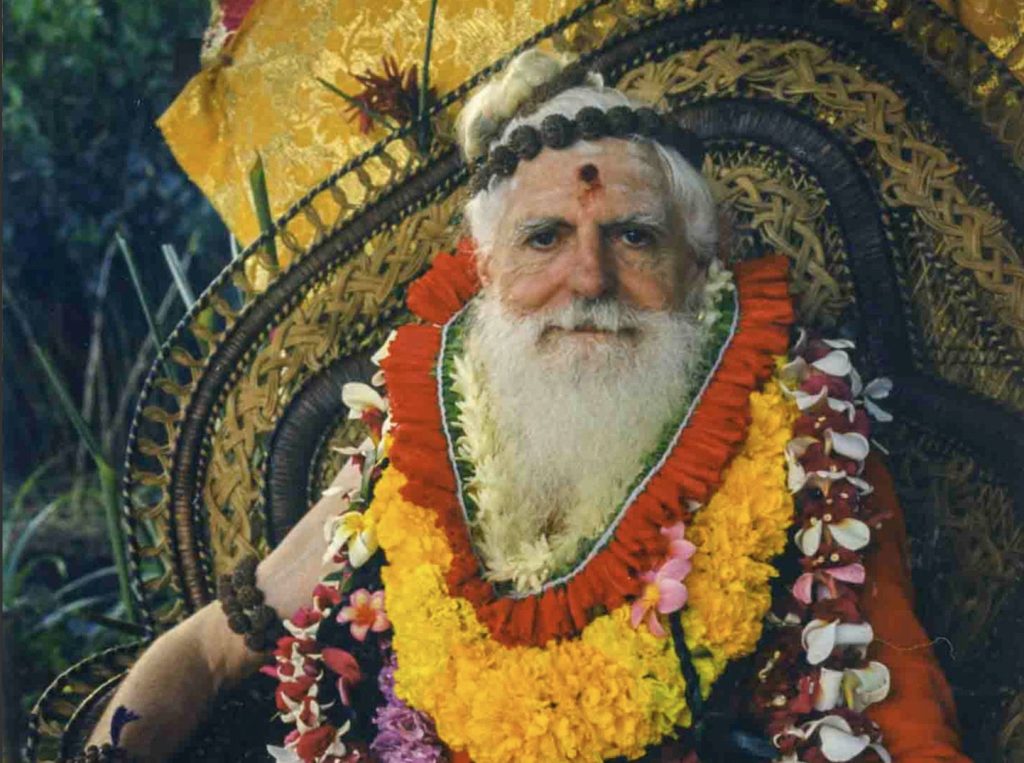
His successor, Satguru Bodhinatha Veylanswami, was initiated at Alaveddy, Sri Lanka, in 1972. Today the monastery is home to the Saiva Siddhanta Church, Hinduism Today magazine, and the granite Iraivan Temple, making it one of the most recognised centres of Saivite life outside India. Seen this way, the monastery’s visits to Vethanthamadam feel less like a courtesy between distant institutions and more like a homecoming.
Swami Rishi Thondunathan
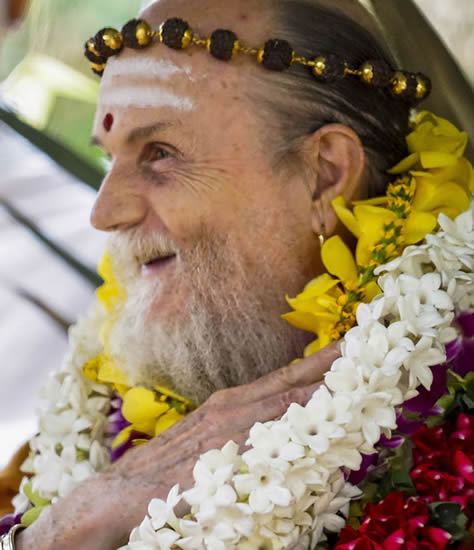
I was brought to Vethanthamadam by Swami Rishi Thondunathan, who heads the Jaffna branch of the Hawaii Adheenam and the Sri Subramunya Ashram Temple, in Alaveddy. The Hawaii Adheenam, more widely known as the Kauai Aadheenam, is a Saiva Siddhanta monastery founded on the island of Kauai in Hawaii and now guided by Satguru Swami Bodhinatha Veylanswami, and it has grown over the decades into one of the most top respected centres of Saivite monastic life and learnings anywhere in the world, with affiliated teachers and institutions carrying its work to Saivite communities well beyond Hawaii itself. Swami Rishi Thondunathan is a beacon of spiritual and social service in this same spirit, actively uplifting the Jaffna community through religious education, cultural programs, and a range of social initiatives, and it was through his guidance and his standing within Jaffna’s wider Saivite network that I was able to visit Vethanthamadam and meet its current swami at all.
Daily Rituals and Festivals
Daily life at the Ashram revolves around solitary contemplation, silent inner prayer, and the chanting of classical Tamil hymns such as the Thevaram and Thiruvasagam. Monastic institutions of this standing typically follow a strict schedule built around dawn and dusk, aligned with Sandhyavandanam, the traditional practice tied to the sun’s transitions.
Its major observances follow the same rhythm, centred on Pradosham, the auspicious period sacred to Lord Shiva, and the annual Guru Pujas that honour the lineage’s past masters.
Lunch at Sri Shivagurunatha Gurupeedam Vethanthamadam
During my visit to Sri Shivagurunatha Gurupeedam Vethanthamadam, one of the things I remember most is the lunch that followed, Sri Vedha Vidhyasagara Swamigal himself made sure we were served a meal on a banana leaf.
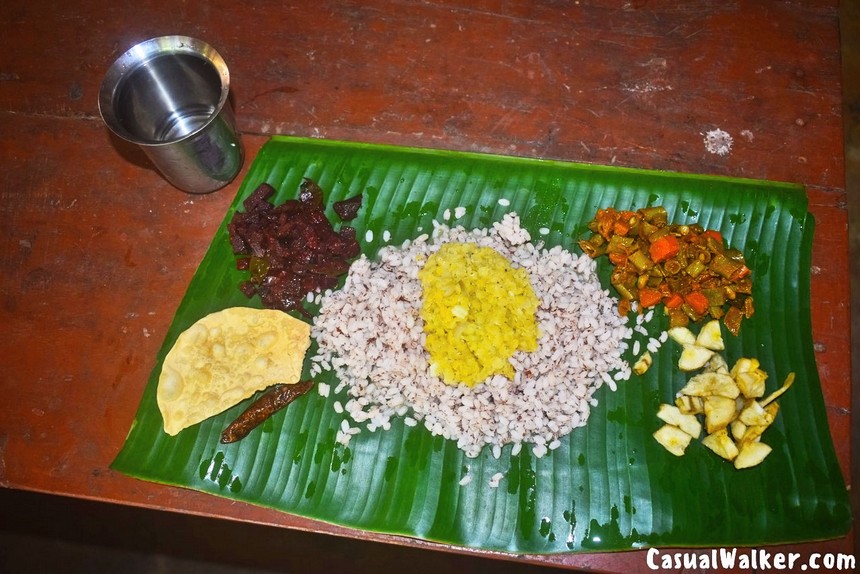
It was matta rice served with the classic yellow lentil dish made from cooked moong dal and poured directly over the centre of the rice, alongside a beetroot, carrot, and beans avial, a mixed vegetable stir-fry brought together with coconut, and a small portion of raw banana – plantain cooked with dhal to mix through the rice, finished with a crisp pappadam on the side. It was, without exaggeration, one of the simplest, tastiest, and most deeply one of the most satisfying meals I have ever had in my life, offered so naturally by a man who leads an entire spiritual institution and still chose to make sure a visitor was fed. It is this combination, a life devoted to reviving Saiva culture across the region and a personal touch of hospitality extended without hesitation, that captures why Vethanthamadam and its present swami are held in such regard.
Sister Institution in Kilinochi
The lineage founded at Vethanthamadam did not remain confined to Jaffna. Vadivel Swami, a disciple of Mahadeva Swami within this same guru succession, went on to establish the Mahadeva Ashram in Kilinochi, extending the spiritual reach of Kadaitswami’s teachings across the northern peninsula of Sri Lanka. This connection is one of the least documented aspects of the Ashram’s history and offers pilgrims a further destination for those tracing the full arc of this Saivite lineage.
Tributes From Jaffna’s Leaders
When Mahadeva Swami’s followers marked his birth centenary in 1975, tributes poured in from some of Jaffna’s most respected public figures. Justice C. V. Vishvalingam credited him with carrying forward Navalar’s mission for Saivism, Tamil language, and education, keeping Saiva practice alive village by village and opening schooling to the poor. Justice Subbaiah Sarvananda recalled his founding of the Shanmuganatha Vidyasalai in Karainagar, the first school built there for the Hindu community.
Panditamani Thiru C. Ganapathipillai remembered a humble figure in a simple ochre dhoti whose plain appearance concealed a quiet inner radiance, a warmth I recognised immediately in the present swami of the same lineage, Sri Vedha Vidhyasagara Swamigal, who carries that same role forward today as a living centre of Saiva culture for the whole Jaffna region, through the daily rhythm of pooja, his informal guidance to visitors, and his quiet efforts to keep Vedantic study and Tamil Saivite tradition alive for a new generation, drawing Saivites from India and around the world along the way.

Travel Tips for Visiting Sri Shivagurunatha Gurupeedam Vethantha Madam, Jaffna :
Address of Sri Shivagurunatha Gurupeedam Vethanthamadam:
Sri Sivagurunatha Gurupeedam Vedanta Madam,
Srimath Mahadeva Swamikal Asiramam,
No. 18, Kumarasamy Road, Kantharmadam, Jaffna.
Phone: +94 21 300 2634
Sri Shivagurunatha Gurupeedam Vethanthamadam is located at Kumaraswamy Lane, Kantharmadam, Jaffna, a short distance from Jaffna University and easily reached by three-wheeler or private vehicle from Jaffna town in around ten to fifteen minutes.
Morning hours are generally open from 6:00 a.m. to 11:30 a.m., with the ashram reopening in the late afternoon from 4:30 p.m. to 7:30 p.m.
There is no fixed visiting hours in the manner of a temple, though mornings tend to be quieter and better suited for those wishing to spend time at the samadhi shrines before the daily pooja begins, and are generally the best time to find Sri Vedha Vidhyasagara Swamigal available to speak with visitors.
Donations toward the Ashram’s upkeep are always welcome but never solicited directly. Visitors can also follow the Ashram’s updates and events through its official Facebook page:
Facebook : https://www.facebook.com/shivagurunathagurupeedam.vethanthamadam/
How to Reach Sri Shivagurunatha Gurupeedam Vethantha Madam, Jaffna
By Bus: The most affordable way to reach Sri Shivagurunatha Gurupeedam Vethanthamadam is by intercity bus from Colombo’s Pettah bus station, where both government-run SLTB coaches and private operators run direct services to Jaffna throughout the day, roughly every few hours. The journey covers close to 400 kilometres and takes anywhere from seven to ten hours depending on the bus type and road conditions, with air-conditioned private coaches offering a more comfortable ride than the standard SLTB buses. Once you arrive at Jaffna’s central bus stand, Kantharmadam and Kumaraswamy Lane are just a short three-wheeler or local bus ride away, putting the mutt within about ten to fifteen minutes of the town centre.
By Train: For a more scenic and comfortable journey, the train is generally the preferred option, running on the Northern Line from Colombo Fort Railway Station straight to Jaffna Railway Station. Services such as the historic Yal Devi Express and the newer Intercity trains cover the roughly 400 kilometre route in about six to eight hours, passing through the causeway at Elephant Pass where the tracks appear to glide over open lagoon water. First and second class air-conditioned seats are available and worth reserving online up to thirty days in advance, since they sell out quickly, especially in peak travel season. From Jaffna Railway Station, it is a short and inexpensive three-wheeler ride to Kumaraswamy Lane in Kantharmadam.
By Flight: The fastest way to reach Jaffna is by air, with domestic flights connecting Colombo to Jaffna in around an hour rather than the many hours required by road or rail. SriLankan Airlines and Cinnamon Air both operate scheduled domestic services between Colombo and Jaffna International Airport, making this a practical option for visitors short on time or travelling with elderly family members. It is worth booking directly through the airlines’ own websites, since domestic Jaffna flights are sometimes misrepresented as long international connections on third-party comparison sites. From Jaffna airport, it is roughly a twenty to thirty minute taxi or three-wheeler ride into Kantharmadam and on to the mutt itself.

Thanks for exploring this Casual Walker photo guide — India’s most visual cultural travel guide and a curious discovery journal finding authentic photo stories, guides, and tips across travel, culture, arts, temples, heritage, and food.
- Keep exploring: Browse 650+ Travel & Culture Photo Guides
- We’d love to hear your feedback, stories, corrections, and updates — Email us.
- Follow our photo walks on Instagram: @hicasualwalker

Also check our Similar Interesting Photo Stories & Guides