




Lavani Dance of Maharashtra: A Vibrant Folk Dance & Music Tradition | Lavanyavati, a Lavani Dance Performance by Kali Billi Productions Organized by Prakriti Foundation – Complete Guide to Lavani History & Origin, Types of Lavani | Nauvari Saree & Traditional Costume | Dholki Music, Ghungroo & Instruments | Lavani Bhava, Abhinaya & Expression | Famous Lavani Artists | Where Lavani Is Performed | Cultural, Marathi & Social Significance of India’s Performing Art (Updated)
– the bold, graceful & joyful dance of maharashtra, told through rhythm and expression
| CasualWalker’s Rating for Lavanyavati by Kali Billi Productions & Prakriti Foundation : | |

9.9 – Rhythmic, Radiant, Remarkable |
|

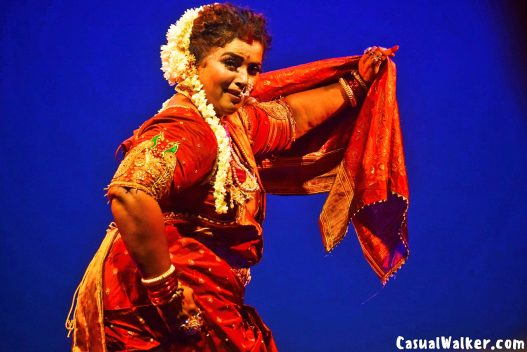
Lavani, a vibrant Maharashtra folk dance and music tradition, is known for its powerful rhythm, quick tempo and expressive storytelling. Women in colourful Nauvari (a unique nine yard saree) move to the thunder of the dholki (a two headed hand drum), and the whole stage comes alive. For anyone who loves Indian folk dance, traditional music and cultural heritage, Lavani is a joy to watch and a tradition worth celebrating.
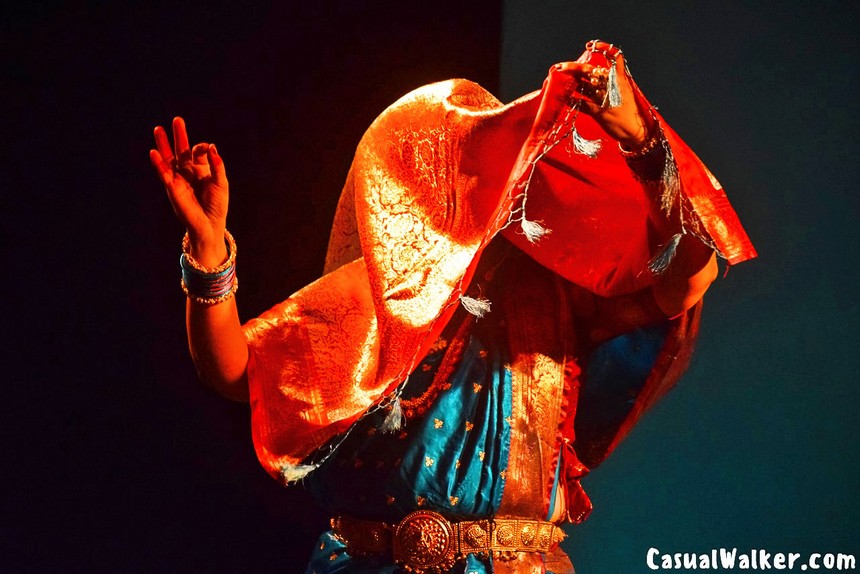
The Sanskrit word ‘Lavanya’, means beauty, some people also link it to the Marathi word Lavane. Either way, the name suits an art form built on grace, charm and feeling.
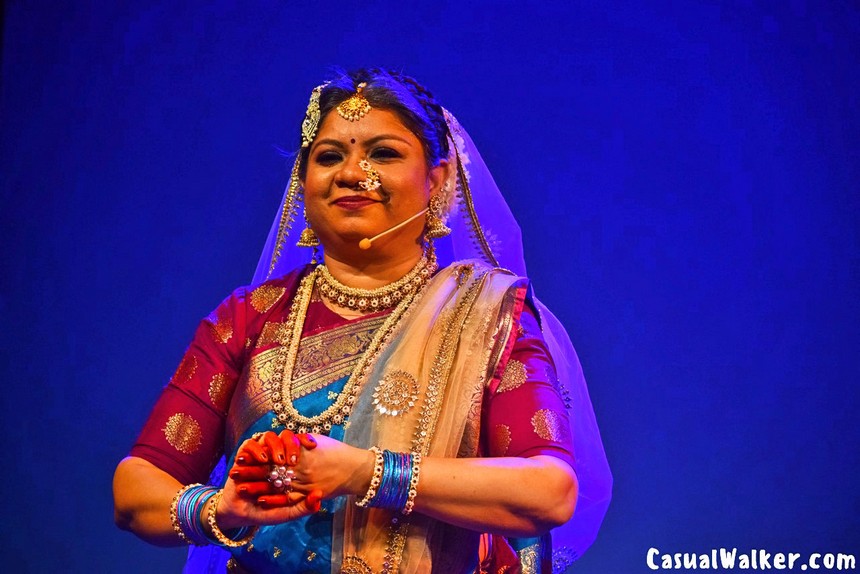
History of Lavani
Lavani has deep roots in Maharashtra and carries a legacy of about 200 years, deeply tied to the region’s social, political and cultural history. Its beginnings are traced to around the sixteenth century, and some scholars connect its spirit to the ancient Prakrit Gathas (old poetic verses). Traditionally, the Dhangar shepherd communities of Solapur sang songs inspired by nature and by their deity Biruba, adding a devotional layer to the story of Lavani.
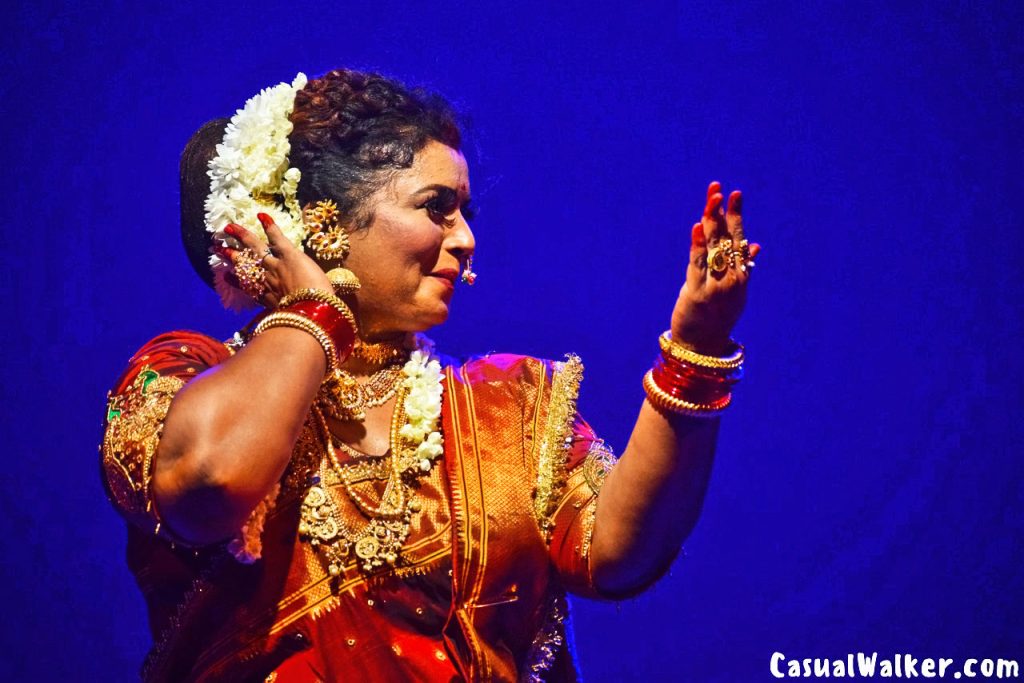
Lavani grew within the Tamasha and Sangeet Bari traditions, performed mainly in rural areas and small towns. Shahiri poetry (the folk poetry of Maharashtra, composed by poets called Shahirs) gave it its lyrical strength. Royal families such as the Holkars of Indore and the Bhosles of Tanjore supported the art, which helped it grow well beyond Maharashtra.
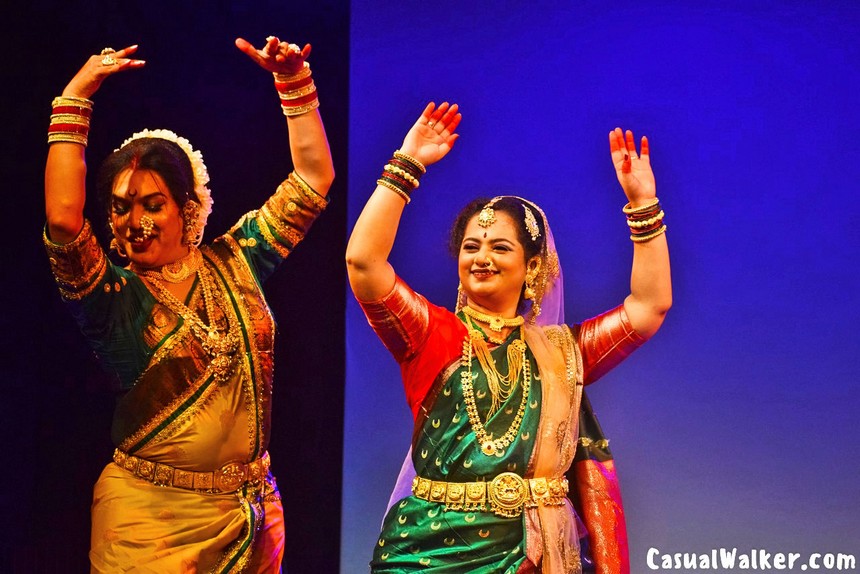
It became hugely popular during the Maratha and Peshwa eras of the eighteenth and nineteenth centuries, when it lifted the spirits of tired soldiers returning from battle and entertained kings and courtiers in royal halls. Over time it has adapted and travelled, and today it reaches contemporary urban audiences in metro cities too.
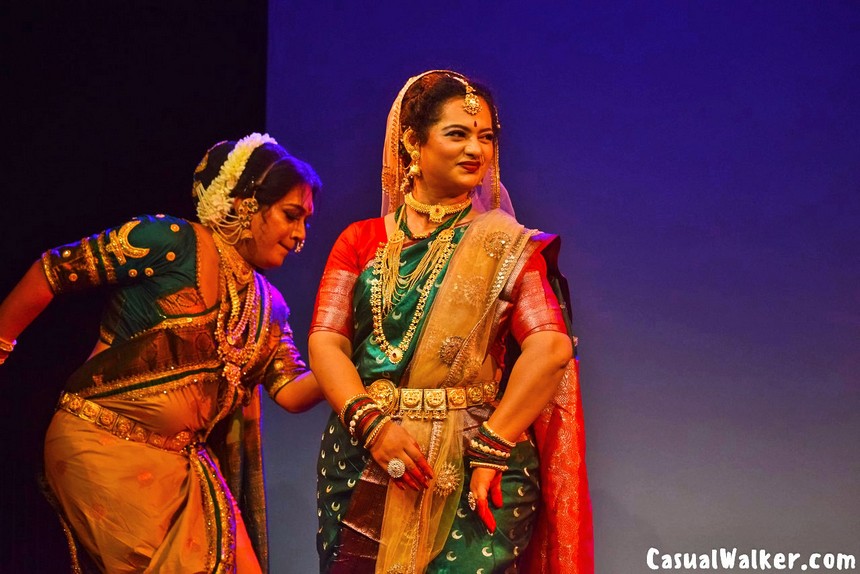
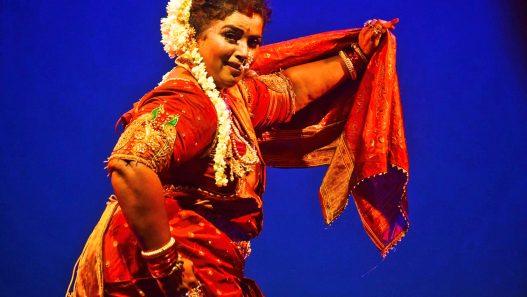
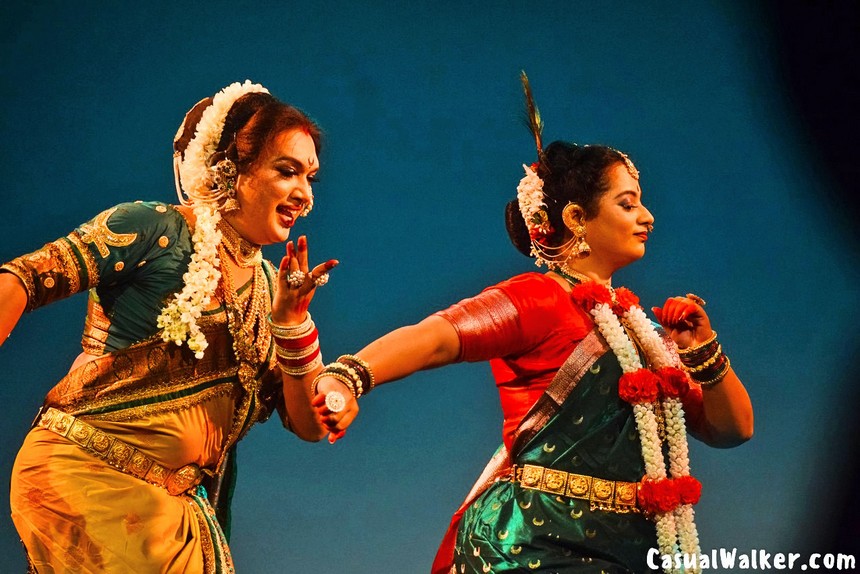
A Lavani performance is full of energy. The dancers keep pace with the fast dholki beats, and their footwork is lively and precise. The ghungroo (heavy musical ankle bells) add a shimmer of sound to every step and bring out the rhythm beautifully. A Tamasha show with Lavani can run for many hours at village fairs, weekly markets and festivals, and the audience is often completely swept up in the music.
Prakriti Foundation
Prakriti Foundation enriches cultural life through dance, music, theatre presentations, seminars, film screenings, poetry, literary events and contemporary performance festivals.
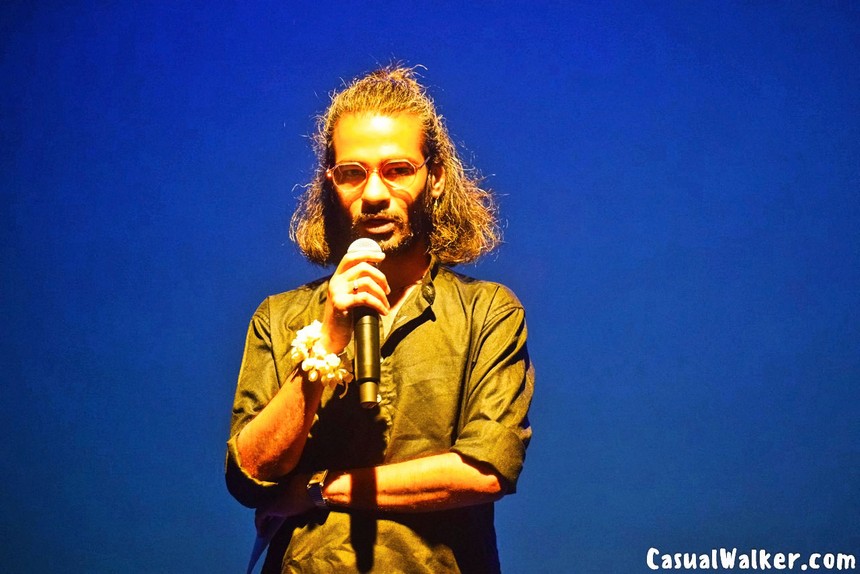
Prakriti Foundation now in its twenty eighth year, it continues to explore identity through history, art and cultural expression, offering a warm platform for artists and scholars alike. Prakriti Foundation organized Lavanyavati, a documentary theatre production by Kali Billi Productions that traces the journey of Lavani.
Kali Billi Productions
Kali Billi Productions is a Mumbai based theatre company founded by Savitri Medhatul. The company works closely with Lavani and Tamasha artists and specialises in documentary filmmaking and theatre making.
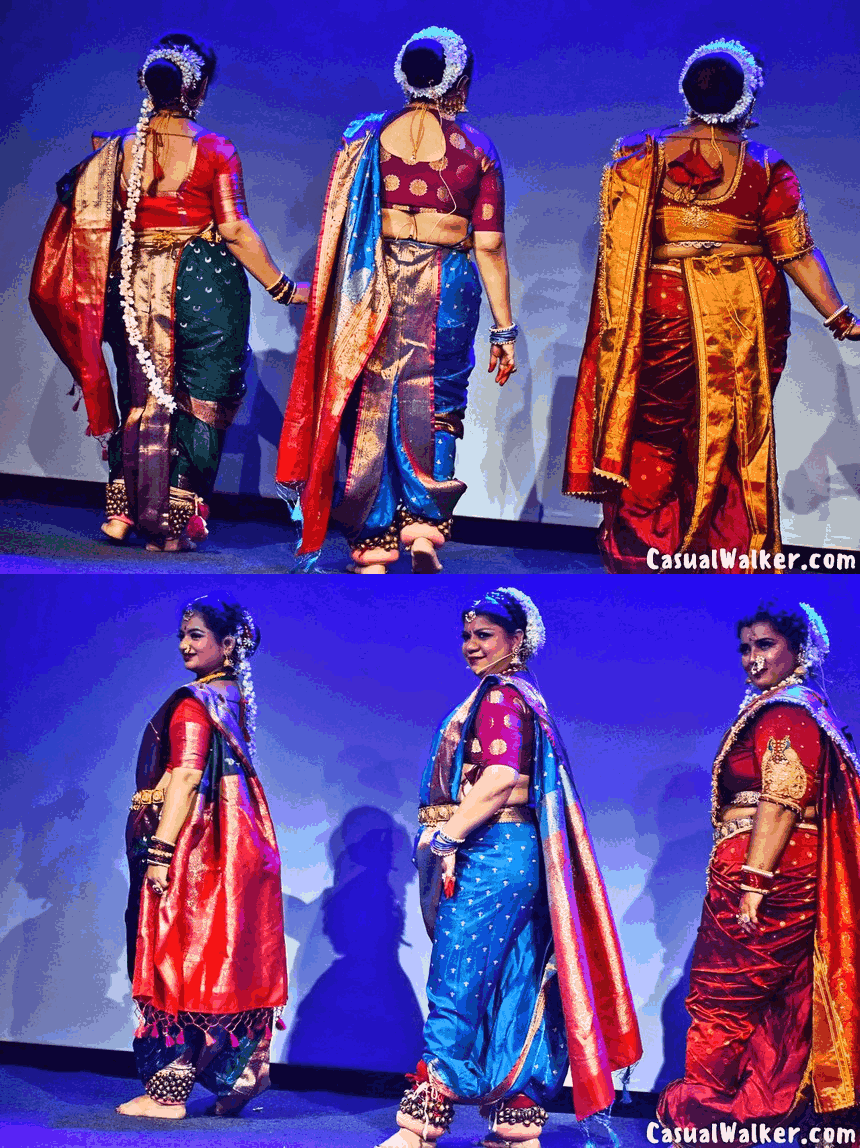
Lavanyavati – Lavani Performers and Performances
Lavanyavati is a documentary theatre production that follows Lavani’s journey from the early 1800s to the present day. It explores the meaning of Lavanyavati, a Lavani performer, through the lenses of gender, legacy and modern feminism.
Savitri Medhatul
Savitri Medhatul is the key performer and the founder of Kali Billi Productions, her presence held the whole piece together. She performed with the calm authority of someone who has spent years listening to the women behind the art.
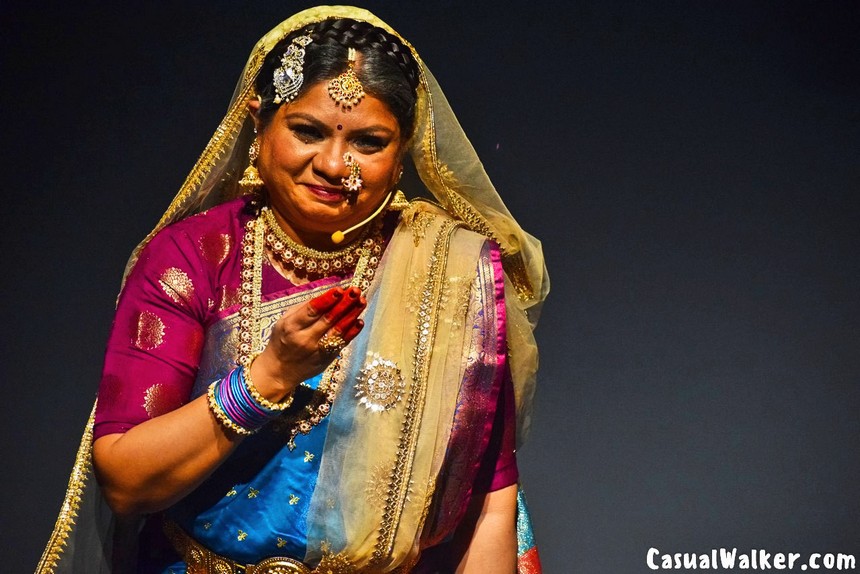
She moved easily between narrator, guide and performer, and her gentle way of introducing each era gave the audience a clear thread to follow. Her direction was just as visible as her performance, because the pacing, the shifts of mood and the balance between history and entertainment all felt carefully shaped.
Akansha Kadam
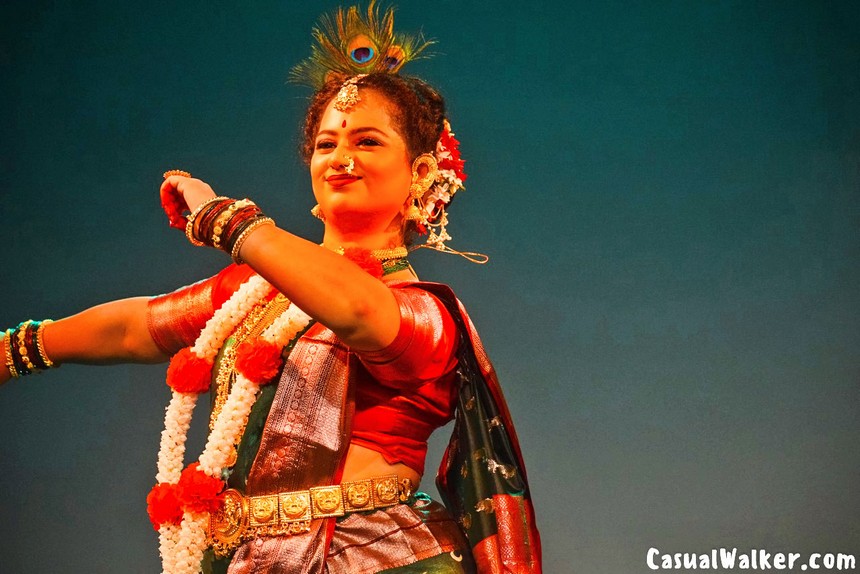
Akansha Kadam brought lively energy to the stage. Her performance had a spirited, expressive quality, with bright glances, playful timing and graceful footwork that kept pace with the dholki. In the Lavani numbers she carried the charm and confident teasing that audiences love, using her eyebrows, her smile and quick turns of the shoulder to draw the room into each song.
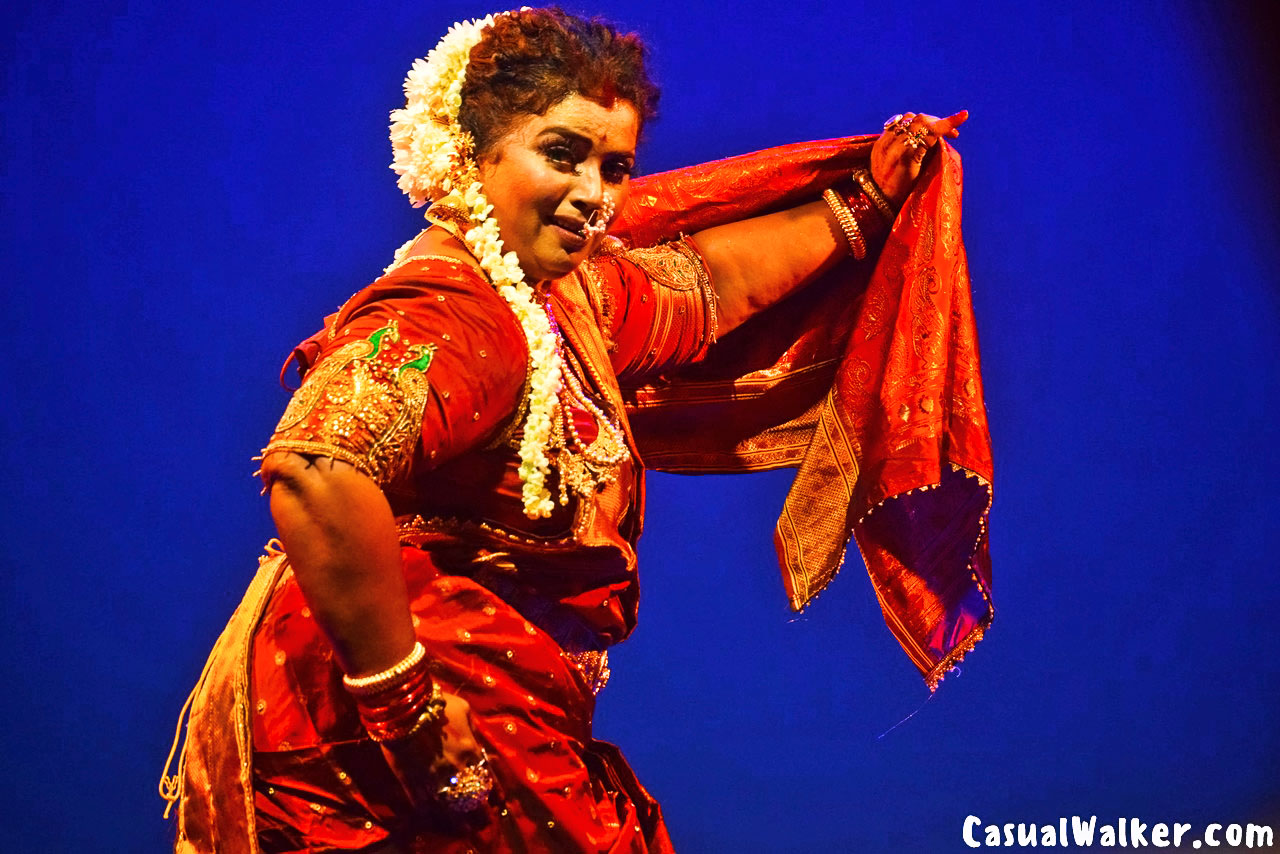
Her ghungroo rang out crisply on the faster beats, and her stamina and rhythm were a joy to watch. She made each shift of mood feel natural and warm, moving from mischief to pride to tenderness without losing the flow of the story.
Amrita Gupte
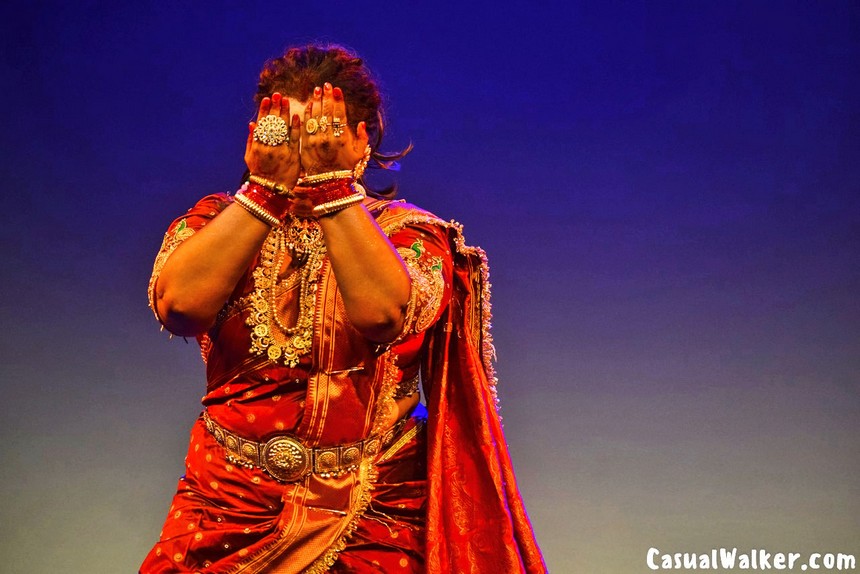
Amrita Gupte added depth and emotional range. Her style leaned towards quiet, expressive acting, where a single look or a slow turn of the hand told a whole story. In the more reflective moments she gave the evening a tender, human quality, and her connection with the audience felt honest and personal.
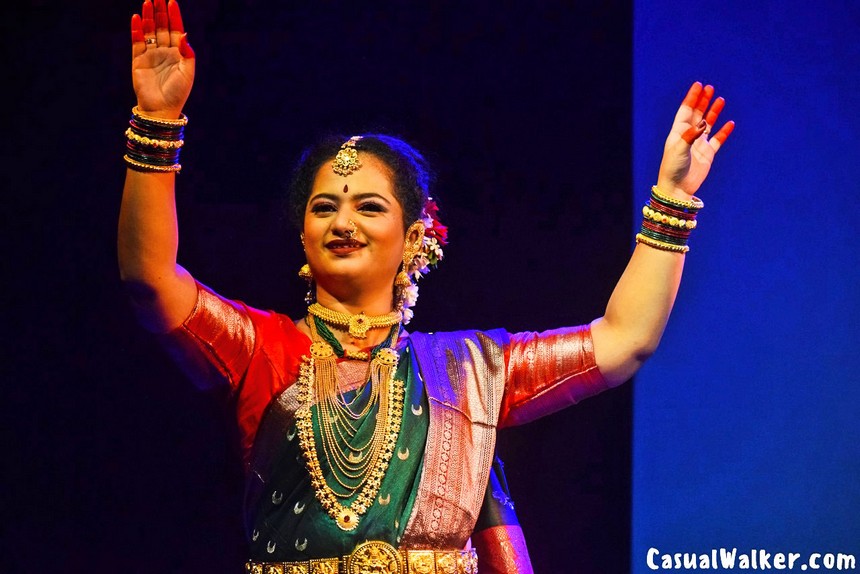
Her movements and soft gaze carried the ache of separation. Her performance reminded us that Lavani is not only about speed and energy, but also about stillness, feeling and the courage to be vulnerable on stage.
Akash Tayde
Akash Tayde completed the ensemble with a strong, supportive stage presence. His performance brought balance and variety to the group, adding rhythm, character and energy to the scenes.
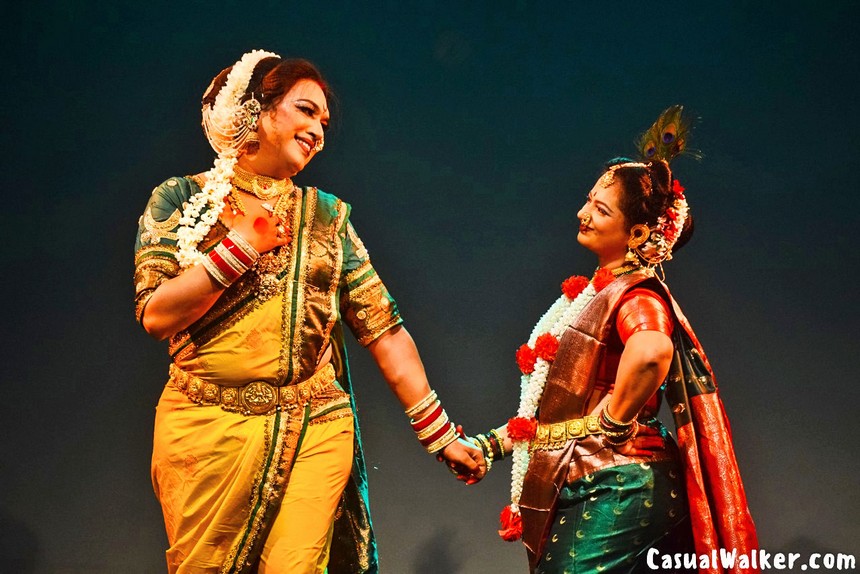
He stepped confidently into different roles as the story moved through time, helping to bring the voices of the past to life and giving the female performers a lively partner to play against. His timing and expressions added humour and warmth.
Together the four performers moved between documentary narration and Lavani performance with ease. The Lavani sequences, with their fast beats, bright gestures and lively expressions, were the true highlights.
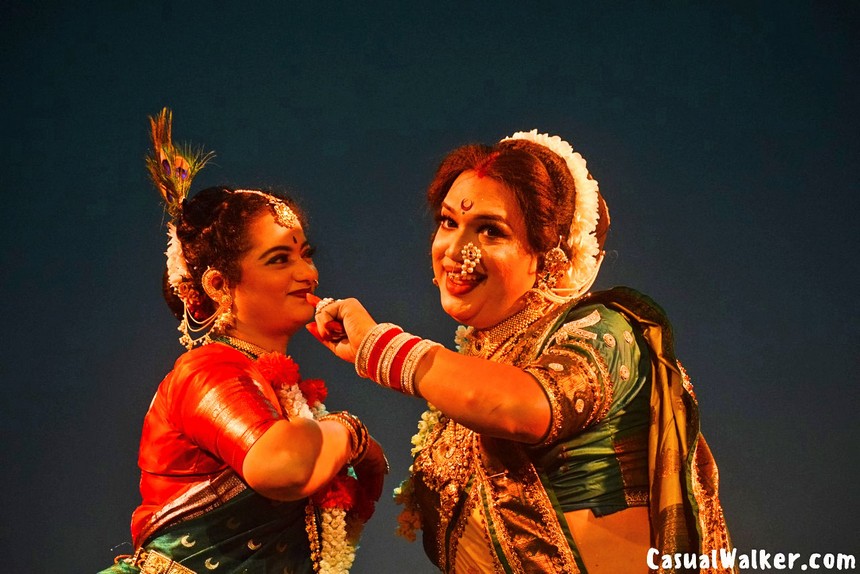
They showed how the art form speaks of love, longing, humour, courage and the strength of women across two centuries, and they left the audience smiling, thoughtful and full of appreciation for the artists who keep this tradition alive.
Types of Lavani
Lavani has two main styles based on theme. Nirguni Lavani (the philosophical and devotional style) is especially loved in the Malwa region. Shringari Lavani (the style that celebrates love, longing and romance) is the more popular one on stage.
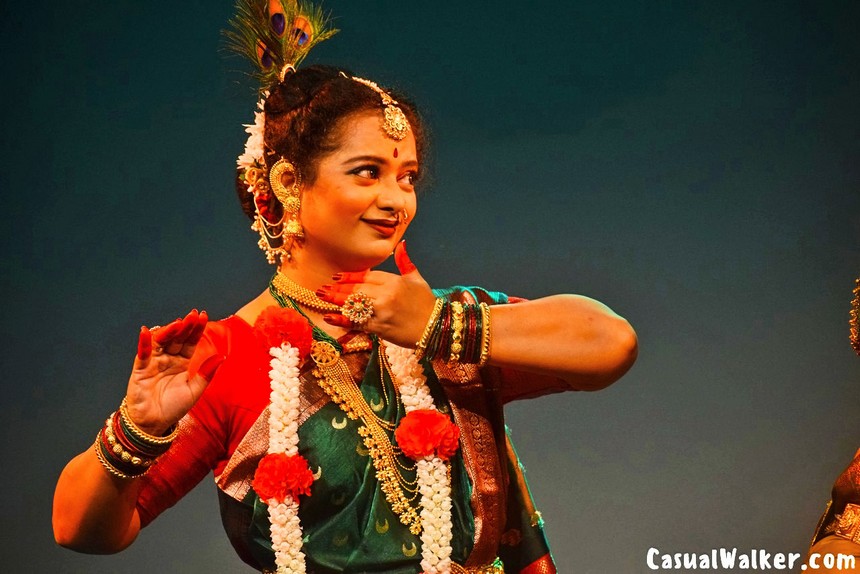
There are also styles based on the place and manner of performance. Phadachi Lavani is performed before a large audience in a theatre setting, usually by a Phad (a travelling folk theatre troupe or company) as a main attraction of Tamasha, the folk theatre of Maharashtra. Within the Tamasha tradition, Dholki Bari is a performance style led by the fast and powerful beats of the dholki, and it fills the open stage with pure energy.
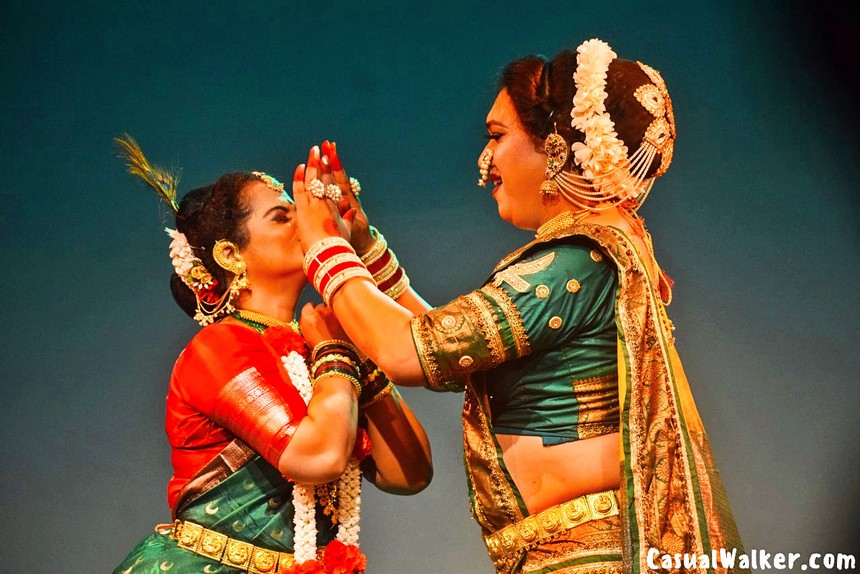
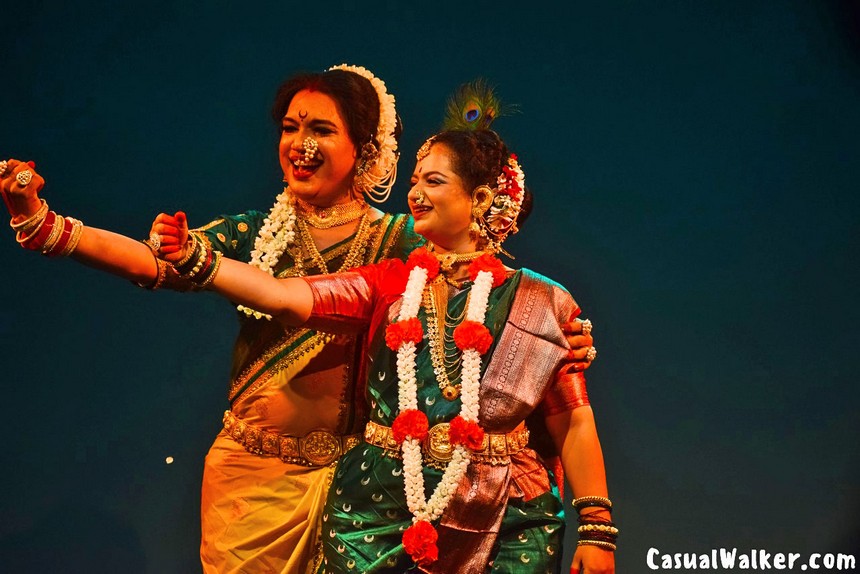
Sangeet Bari is a gentler format that focuses on live singing and the richness of classical music theatre. The artists sing with great depth and feeling, and the music takes the centre of the stage. Baithakichi Lavani is a seated and intimate style performed before a small audience. Here the dancer relies on abhinaya (the art of expression through the face and gestures) to tell the story, with a softer pace and a classical flavour.
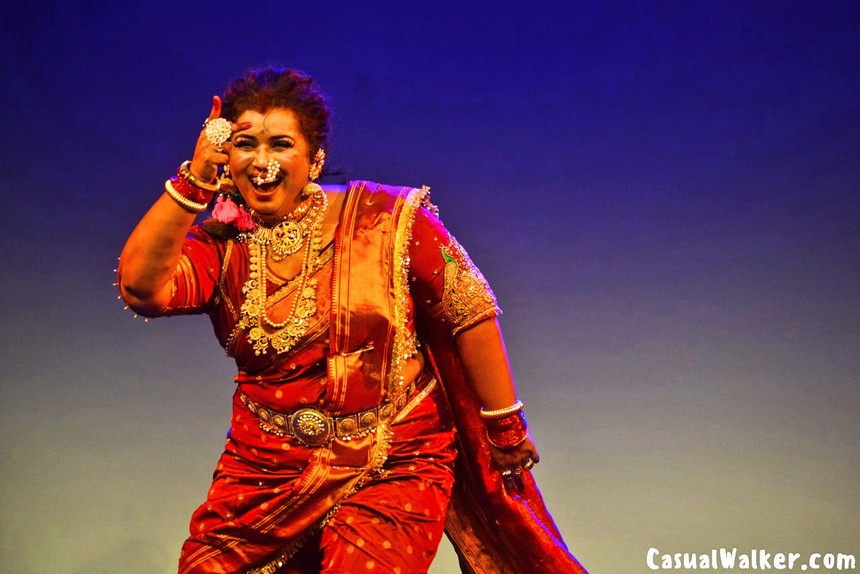
Ghungroo – Heavy Metallic Musical Ankle Bells
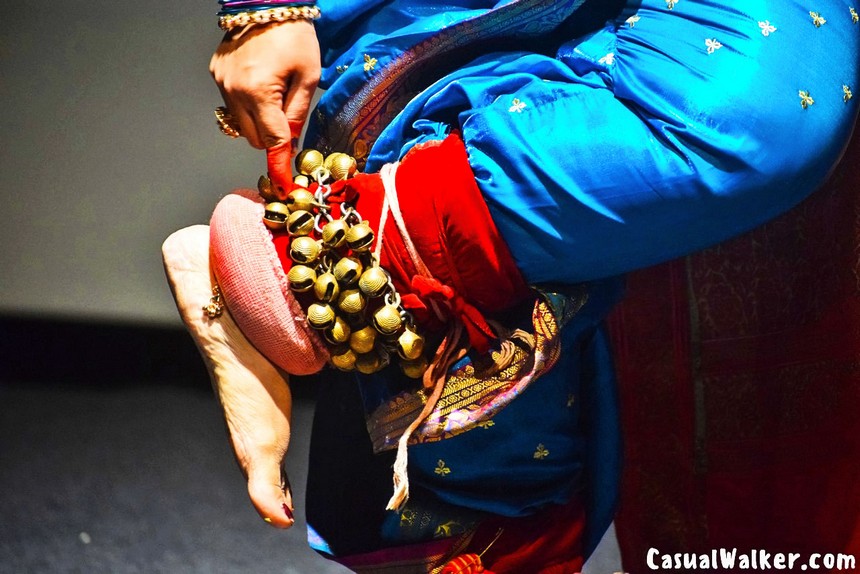
The ghungroo (heavy musical ankle bells) are the shimmering voice of a Lavani dancer’s feet. Strung together in generous bunches and tied snugly around the ankles, they turn every step, stamp and spin into music, so that the dancer becomes a percussionist as well as a storyteller.
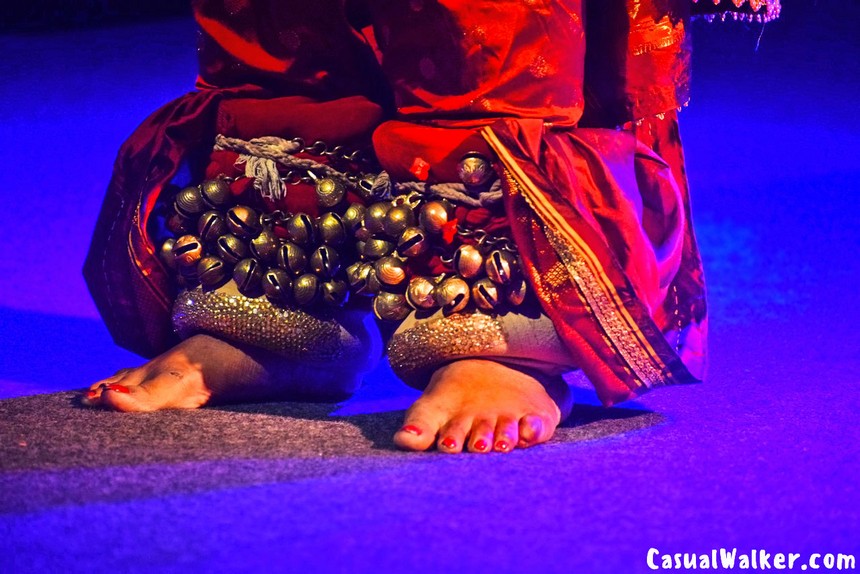
Their bright jingle rides on top of the thunder of the dholki, underlining each beat and bringing out the precision of the footwork. When the tempo races, the ghungroo ring out in a rush of sparkling sound, and when the music softens, their gentle chime follows the dancer’s slower, tender movements.
Lavani Dance Bhava and Expression
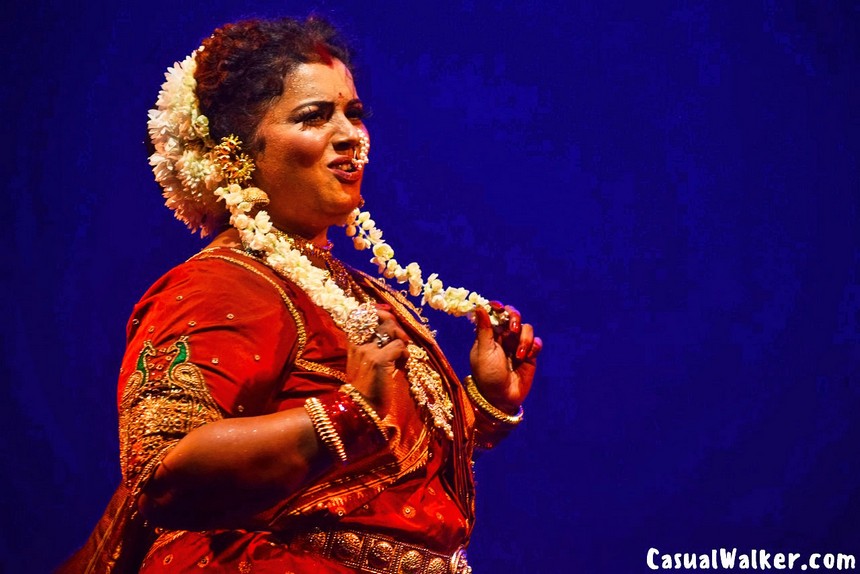
Lavani is as much about abhinaya as it is about movement. A Lavani dancer does not simply follow the beat of the dholki. She speaks through her whole being, and every glance, gesture and step carries meaning. Watching a skilled artist, you realise that the dance is a conversation between the performer and the audience, and that the story lives as much in her face as in her feet.
Language of the Eyes
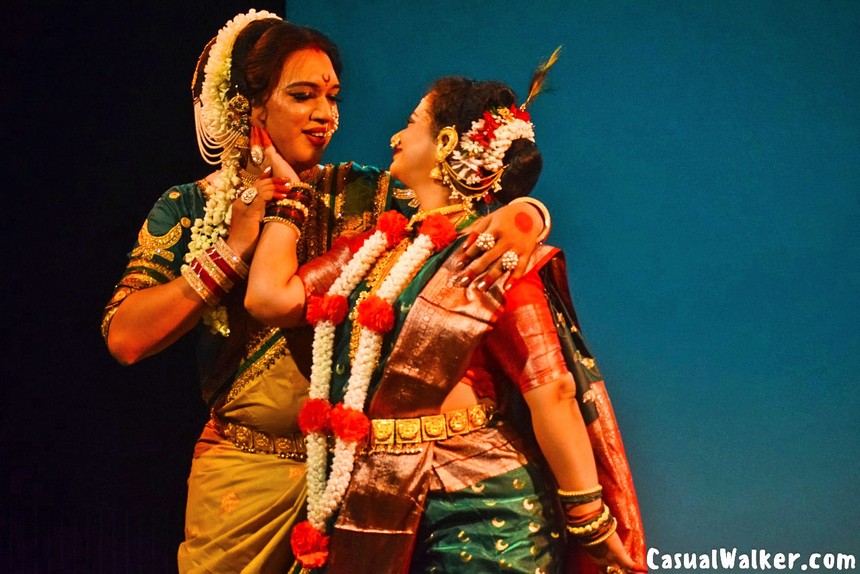
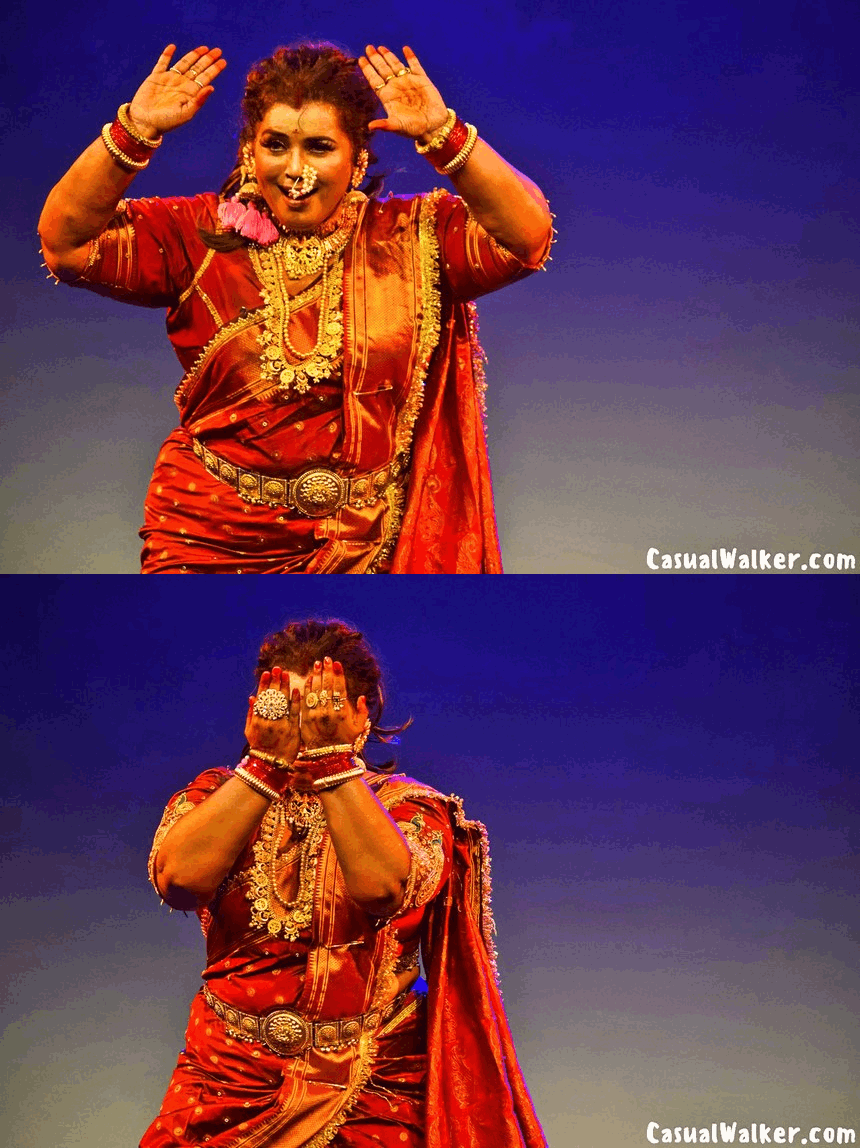
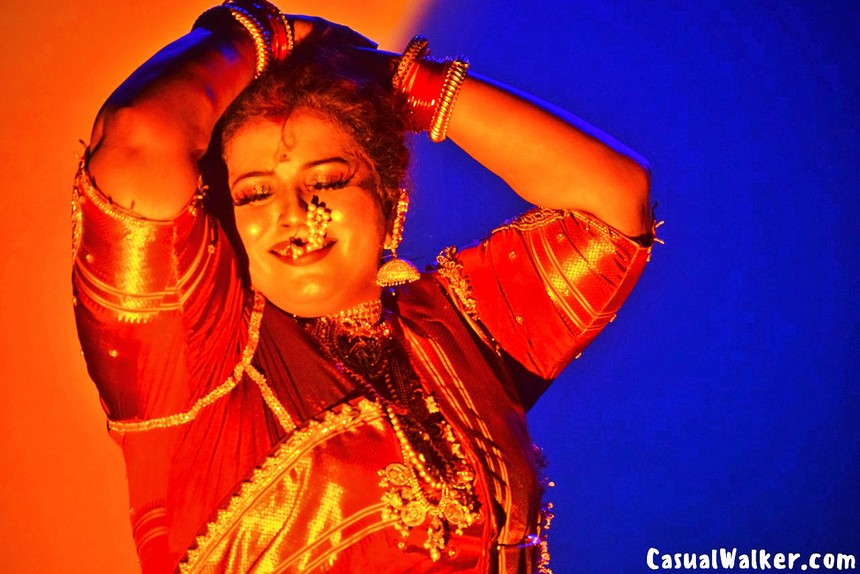
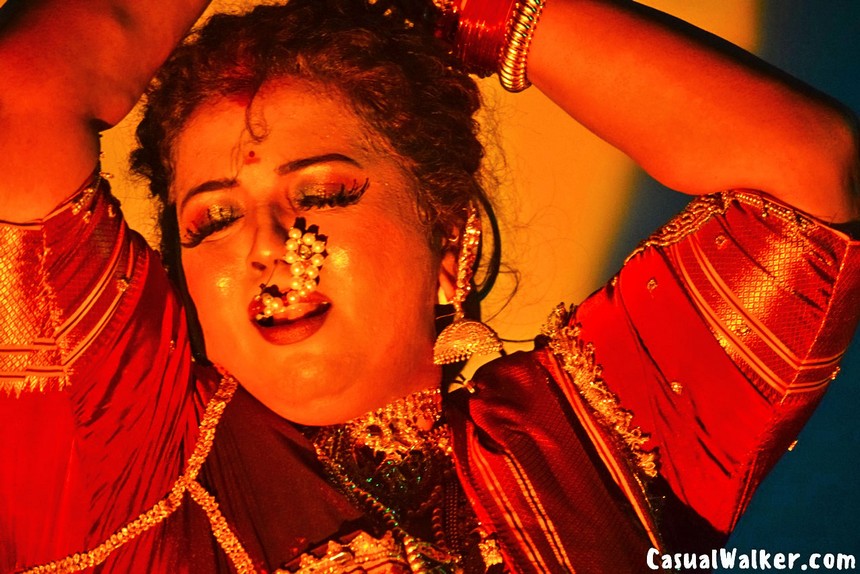
The eyes are the most powerful storytellers in Lavani. A dancer can show love, longing, mischief, pride or anger with a single glance. A sideways look can be teasing, a soft downward gaze can show shyness, and a sudden bright stare can bring a whole song alive. In Baithakichi Lavani, where the dancer is seated and the audience is close, the eyes carry almost the entire performance, and the connection with the viewer becomes deeply personal.
Play of Eyebrows and Face
Lavani is famous for its lively eyebrow movements. A raised brow can show playful challenge, a quick flutter can add humour, and a gentle arch can express curiosity or affection. The smile is equally important. It can be warm, shy, knowing or flirtatious, and it changes with the mood of the song. The dancer’s face stays animated from the first beat to the last, and this is what gives Lavani its famous charm and confidence.
Hand Gestures and Body Language
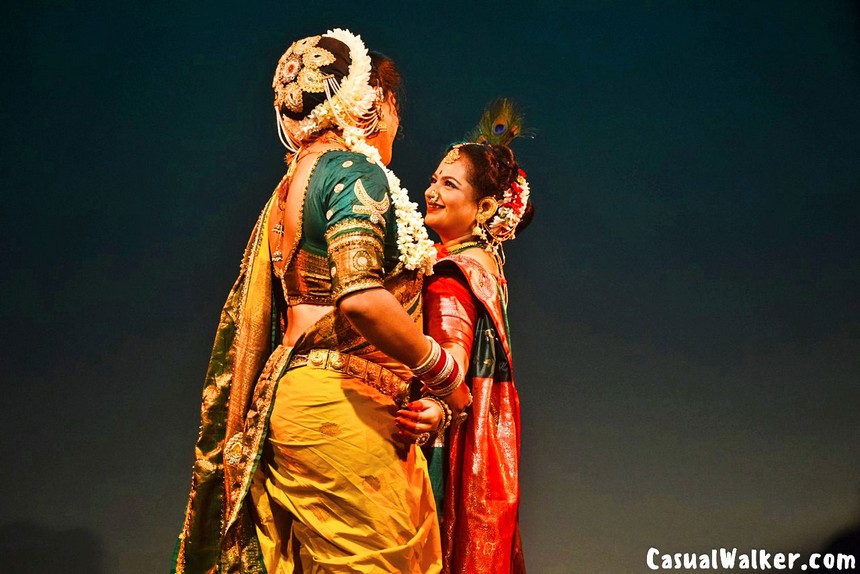
The hands add poetry to the performance. With simple and graceful gestures, the dancer can show a lover being called, a message being sent, a veil being adjusted, or a heart being offered. The shoulders, neck and waist move with the rhythm, and the sway of the body adds warmth and flow. Even in the fast and powerful Dholki Bari style, these gestures are never random. Each one is placed carefully so that the story stays clear, even at high speed.
Najakat, Nafasat and Nakhare
Three qualities define the beauty of Lavani expression.
Najakat is delicateness: It is the gentle and refined touch in a gesture, such as the soft turn of a wrist or the graceful tilt of the head.
Nafasat is exquisiteness: It is the polish and elegance that make a performance feel rich and beautiful, from the draping of the Nauvari to the finish of each movement.
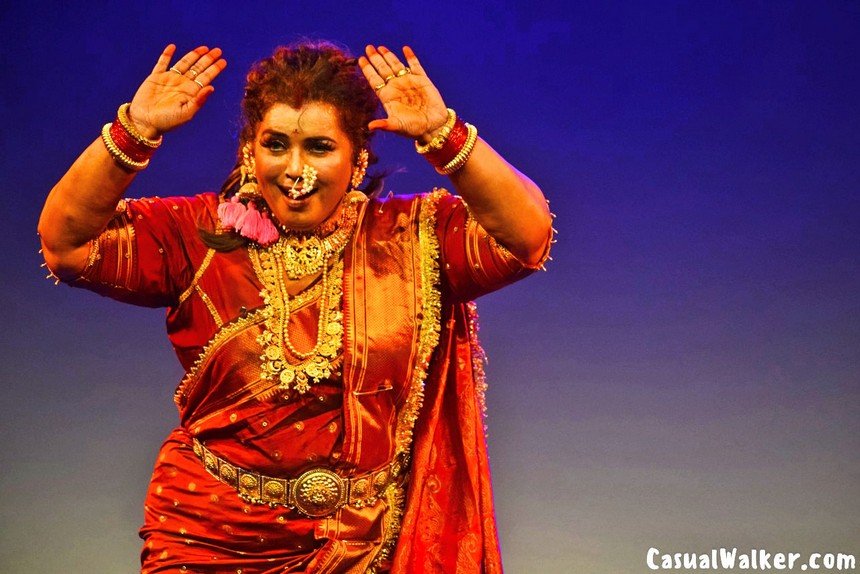
Nakhare is playful teasing: It is the lively, flirtatious attitude that makes the audience smile, and it is one of the most loved features of Lavani.
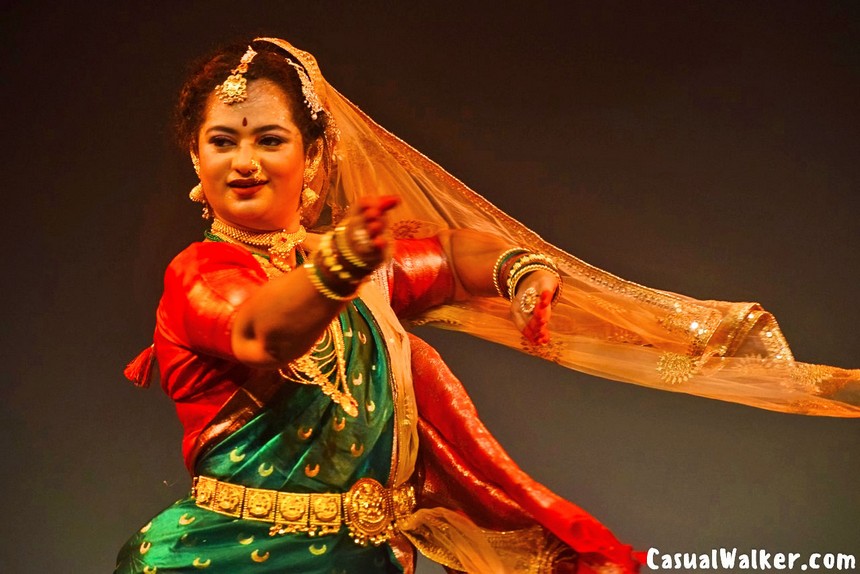
When these three qualities come together, the dancer appears graceful, elegant and full of spirit all at once.
Shringar Rasa: Heart of Lavani
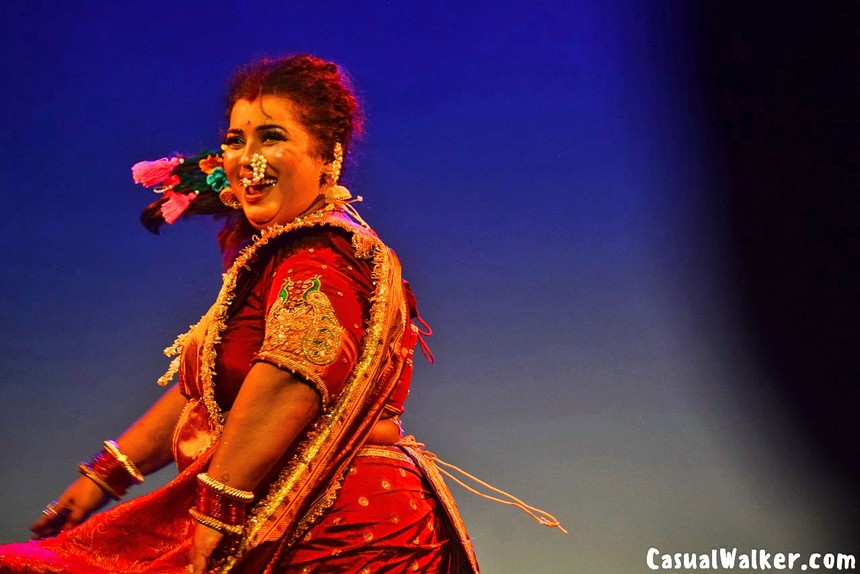
Shringar Rasa (the aesthetic flavour of love and romance) is the soul of most Lavani songs. It covers the whole journey of love: the first spark of attraction, the joy of meeting, the sweet quarrel, the pain of waiting and the happiness of reunion. The dancer shows each stage with sensitivity. The mood can be shy and tender in one moment, and bold and playful in the next. This emotional range is why Shringar Rasa gives Lavani such warmth and depth.
Beyond Love: Bhavas of Lavani
Lavani is a full theatre of emotions, and its bhava (emotion) goes far beyond romance.
Viraha (longing) is shown in songs of a wife waiting for her husband to return from battle. The dancer’s gaze turns distant, her movements slow, and the audience feels the ache of separation.
Hasya (humour) appears in witty songs and playful exchanges. Quick expressions and clever timing bring laughter and warmth to the stage.
Veera (courage) comes alive in songs that remember the bravery of Maratha warriors and the strength of the women who stood behind them.
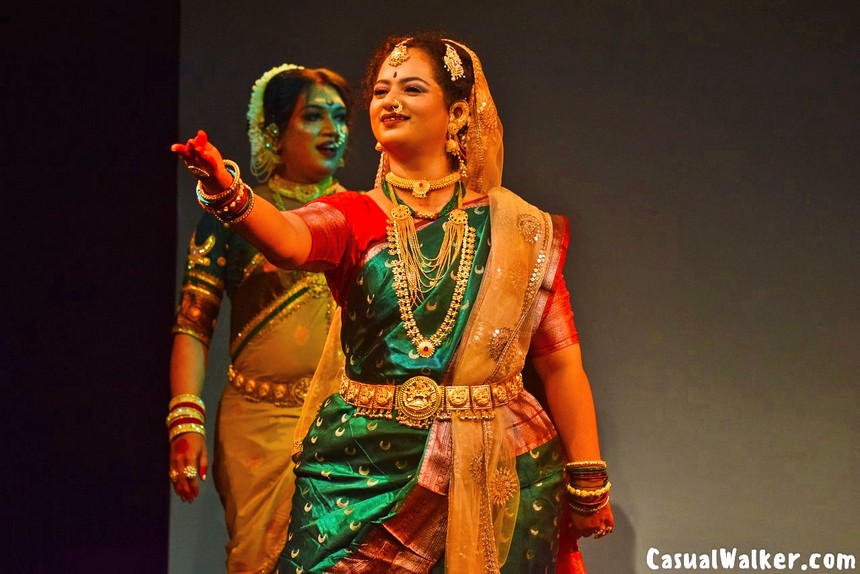
Bhakti (devotion) shines in Nirguni Lavani, where the mood turns spiritual and thoughtful, and the dancer expresses surrender and faith with calm grace.
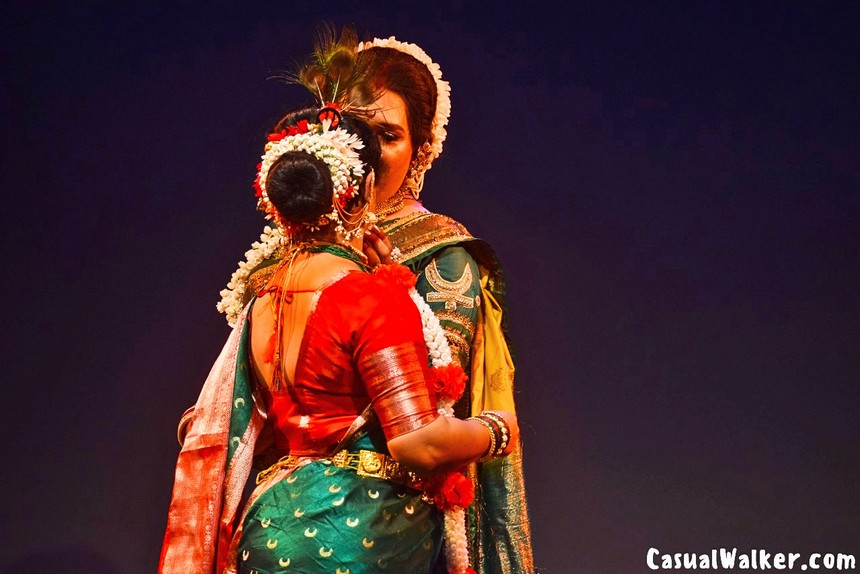
Social comment is another proud strand of Lavani. Many songs use humour and wit to speak gently about society, daily life and changing times, and the dancer’s expressions make the message land with charm.
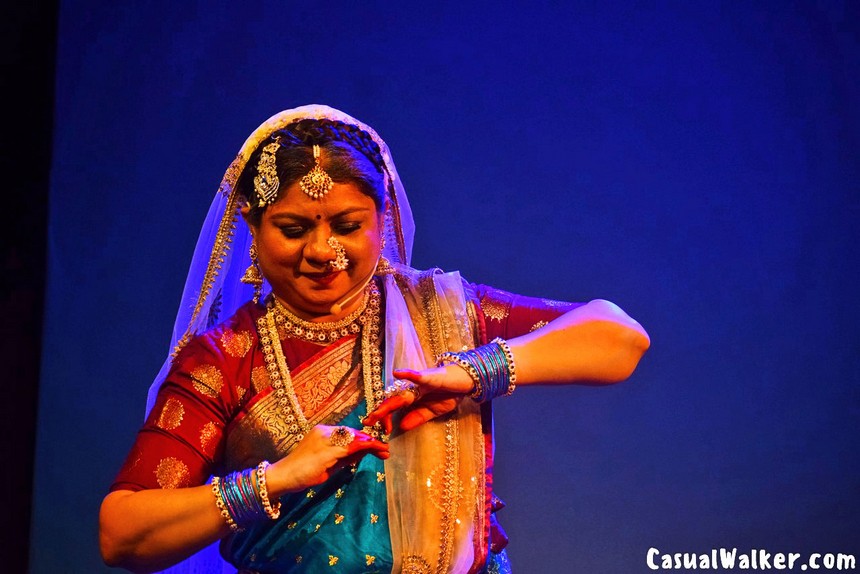
Stories Told Through Expression
A single Lavani song can be a small drama. A dancer might portray a wife waiting anxiously for her soldier husband, a young woman getting ready for a festival, a playful quarrel between lovers, or a woman confidently inviting her beloved to join the celebration. In each story, the artist becomes the character fully, changing her expression, posture and tempo with every line of the song.
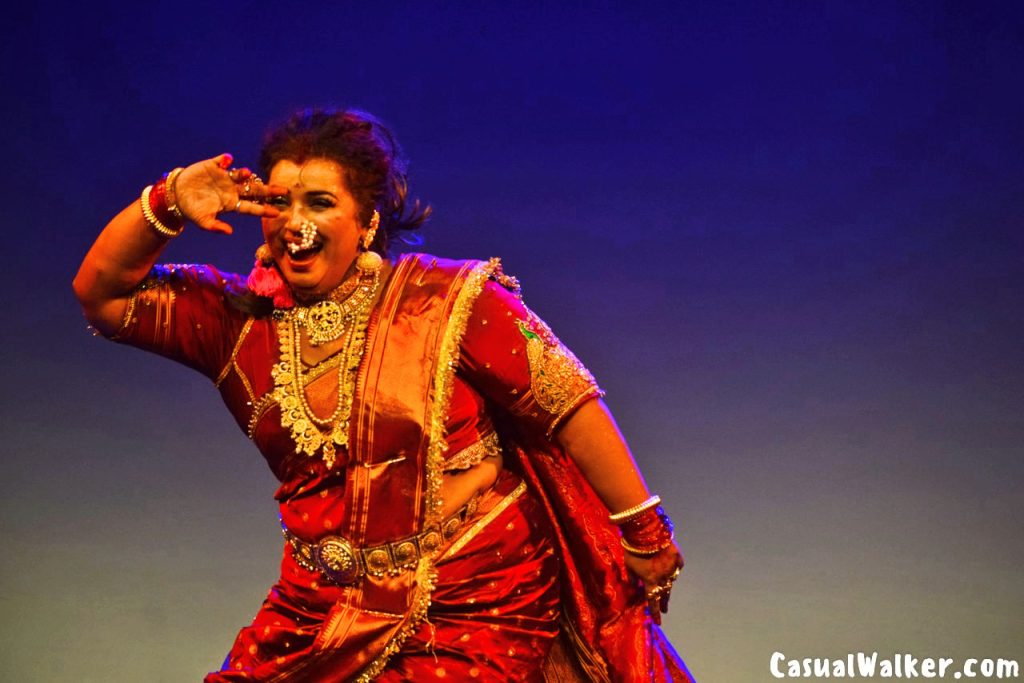
Connection with Music and Rhythm
Expression in Lavani is closely tied to the rhythm of the dholki. When the beat rises, the movements become sharper and the expressions bolder. When the music softens, the dancer slows down, and her expressions become tender and thoughtful. The sound of the ghungroo adds to this effect, because every jingle underlines a glance or a step. The result is a performance where music, movement and emotion move together as one.
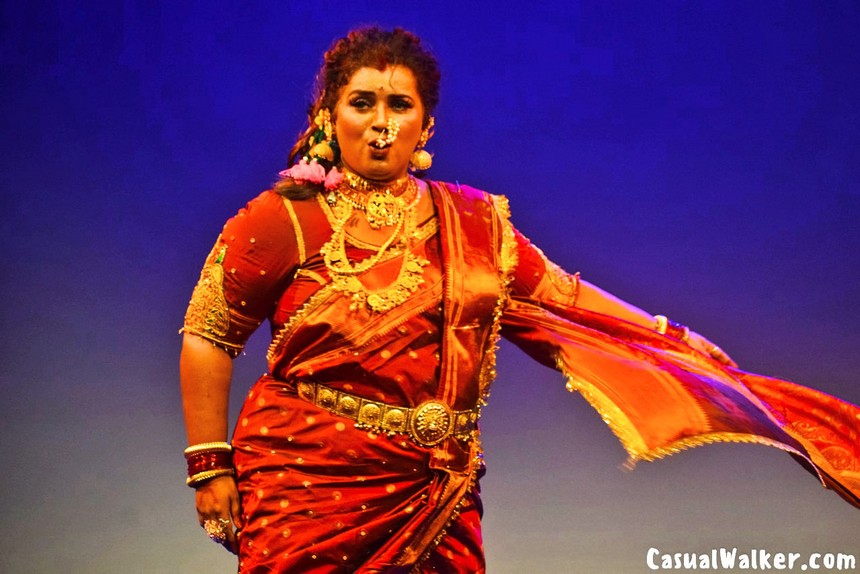
What makes Lavani truly special is its honesty and confidence. The dancer shares her feelings openly and with pride, and the audience feels part of the story. This blend of grace, wit, strength and emotion has kept Lavani loved for generations. Every performance is a reminder that dance is not only about steps, but about the heart that gives them meaning.
Lavani Dance Dress and Costume
The Lavani costume is a feast for the eyes. The central piece is the Nauvari saree, which is draped in the Kashta style (a trouser like drape traditionally worn by Maratha women). This drape gives the dancer freedom to move, jump and spin comfortably. The saree is often made of cotton, which stays cool and holds its shape, while silk and art silk add shine for the stage.
The look is completed with a fitted choli (blouse), a hair bun called juda or ambada decorated with fresh gajra (flower garlands), and a large dark red bindi. The jewellery is traditional Maharashtrian: the Nath (nose ring), Jhumkas (earrings), long necklaces, bangles, the Kamarpatta (waist belt) and the Mundavalya (a string of pearls on the forehead). Bold eye makeup and bright lips bring out the expressions, and Kolhapuri chappals or simple flat footwear keep the dancer comfortable. Lavani is also a favourite for school fancy dress competitions and cultural days, with simpler pre stitched Nauvari sarees for children.
Music and Instruments Used in Lavani
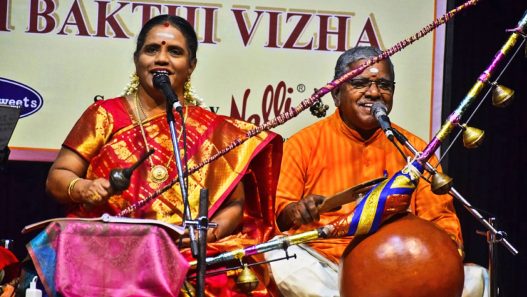
The dholki is the soul of Lavani, and its beat sets the pace for everything. Other instruments often join in, such as the manjeera (small cymbals), the daf (a frame drum), the tuntuni (a single string instrument) and the harmonium. The poet Honaji Bala introduced the tabla and developed the Baithakichi style. Today, live orchestras and recorded music are also used. The songs are sung at a fast tempo, and they sometimes include playful, rhythmic chants that fill the gaps between lines.
Famous Lavani Artists and Poets
Lavani has been shaped by many gifted poets and performers. Celebrated Shahirs such as Parasharam, Ram Joshi, Anant Fandi, Honaji Bala, Prabhakar, Saganbhau and Lokshahir Annabhau Sathe enriched its poetry. Lokshahir Bashir Momin Kavathekar wrote many Lavani songs for Tamasha troupes in the late twentieth century, and his work is still performed today.
Among the great performers are Vithabai Narayangaonkar, Kantabai Satarkar, Surekha Punekar, Sandhya Mane, Roshan Satarkar, Mangala Bansode, and the popular exponents Satyabhamabai Pandharpurkar and Yamunabai Waikar. Their dedication has carried Lavani to audiences across generations. Marathi films like Natarang and Pinjara also introduced Lavani to a wider audience, and they showed the art with dignity.
Where Lavani Is Popular: States and Regions
Lavani is most at home in Maharashtra, which is the heart of the tradition. It is also popular in southern Madhya Pradesh, especially around Malwa, and in the Konkan coast, including Goa. Gujarat and the Maratha influenced parts of north Karnataka have also embraced it. Thanjavur in Tamil Nadu has a historical connection through the Bhosle rulers. Marathi communities in cities like Delhi, Bengaluru, Hyderabad and Ahmedabad also keep Lavani alive through cultural programmes and festivals.
Where Lavani Is Performed
Lavani is performed at Tamasha shows, village fairs, weekly markets, Ganesh Chaturthi and Navratri celebrations, weddings, cultural festivals, school and college annual days, television dance shows and stage competitions. Traditional Sangeet Bari and Baithakichi Lavani are also presented in smaller cultural gatherings, while the Dholki Bari style lights up the large open stages. Lavani is also seen on the big screen, where Lavani numbers in Marathi and Hindi films have won wide applause.
Maharashtra and Marathi Cultural Significance
Maharashtra is a land where art and life have always walked together. From the Sahyadri hills to the Konkan coast, its villages and cities carry a living memory of poetry, devotion and valour. The Marathi language itself is rich in song, from the abhangas of the Warkari saints such as Sant Tukaram and Sant Dnyaneshwar to the powerful ovis and powadas sung by wandering bards. This love of the spoken and sung word created the perfect soil for Lavani to grow.
The great Maratha ruler Chhatrapati Shivaji Maharaj and the proud Maratha spirit gave the land a strong sense of identity, and that confidence is felt in the bold and joyful character of Lavani. Festivals like Ganesh Chaturthi, Gudi Padwa and Pola show how deeply music, dance and community are woven into Maharashtrian life, and Lavani fits into this world with ease.
Marathi culture also values the stage as a space for stories and shared joy. Marathi theatre, known as Natak, is among the most respected in India, and its traditions of music drama, or Sangeet Natak, have shaped how Maharashtra enjoys performance. Folk forms such as Tamasha, Powada, Gondhal and Bharud sit beside Lavani as treasures of the same cultural family.
Even the way Maharashtrians dress, with the graceful Paithani saree, speaks of an aesthetic that celebrates beauty with dignity. For a Marathi heart, Lavani is more than entertainment. It is a mirror of the language, the humour, the courage and the warm hospitality of Maharashtra, and every beat of the dholki is a reminder of home.
General and Social Significance of Lavani
Lavani has contributed greatly to Marathi folk theatre, and it has long been a way to share stories, humour and social comment through song and dance. Its songs have touched on society, religion and politics, and many are sharp, witty and thoughtful. The art also gives voice to women’s feelings, hopes and strength. Many Lavani artists have supported their families and kept a cultural treasure alive through their talent.
Lavani has faced its share of misunderstanding and changes over the years. Today, a growing number of art lovers, researchers and young dancers are celebrating it with fresh respect. Fair pay, safe stages and dignity for performers are being spoken about more openly, and that is a hopeful sign for the future of this art. Lavani reminds us how rich India’s folk traditions are, and how much they deserve our love and care.

Thanks for exploring this Casual Walker photo guide — India’s most visual cultural travel guide and a curious discovery journal finding authentic photo stories, guides, and tips across travel, culture, arts, temples, heritage, and food.
- Keep exploring: Browse 650+ Travel & Culture Photo Guides
- We’d love to hear your feedback, stories, corrections, and updates — Email us.
- Follow our photo walks on Instagram: @hicasualwalker