




Krishnamacharya Yoga Mandiram (KYM) – Maitrī Balam International Conference on Yoga for Belonging & Empowering: A Yoga Instructor’s Reflection on Yoga Therapy & Inclusion at Krishnamacharya Yoga Mandiram (KYM) Chennai | Discover how Yoga Practice & Yoga Therapy enhances the Lives & Experiences of Underprivileged Communities & Differently Abled Individuals
– from care to participation, from dependence to independence, from inclusion to true belonging through yoga
| CasualWalker’s Rating for KYM Maitrī Balam International Conference on Yoga for Belonging and Empowering : | |

9.9 – Uplifting, Inclusive, Inspiring |
|

The Krishnamacharya Yoga Mandiram (KYM) Maitrī Balam International Conference on Yoga for Belonging and Empowering is a two day gathering organised by KYM Mitra of the Krishnamacharya Yoga Mandiram in Chennai. It focuses on the lives and experiences of underprivileged communities and differently abled individuals, and explores how yoga practice and yoga therapy, together with the loving support of families and communities, can open pathways to participation, independence and true belonging. 
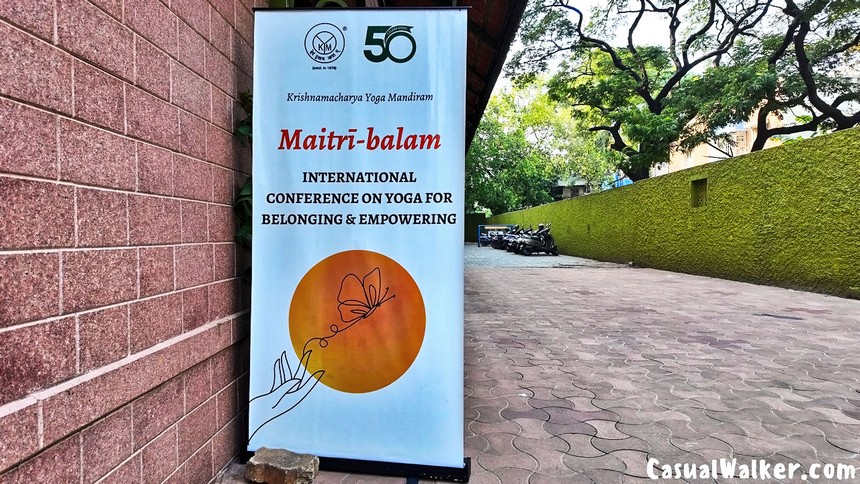
The name carries deep meaning. Maitrī means friendship, a warm and unconditional goodwill towards all, and Balam means strength. Together, Maitrī Balam means the strength that arises from friendship. In the Yoga Sūtras of Patañjali, maitrī is the first of four attitudes of a peaceful mind, along with compassion (karuṇā), joy (muditā) and equanimity (upekṣā). When we live these four attitudes, the mind becomes clear like still water, and the heart opens to every being. That spirit of goodwill and service (sevā) runs through every session.
As a yoga instructor, I see this conference as a warm invitation to everyone: come as you are, learn together and leave with a deeper sense of belonging.
Vision Behind the Conference
The belief at the centre of this journey is simple and beautiful. Every individual carries unique strengths and capacities. The Upanishads remind us that the Self (ātman) within each being is whole and luminous. When the right environment and support are offered, that inner light shines in its own way.
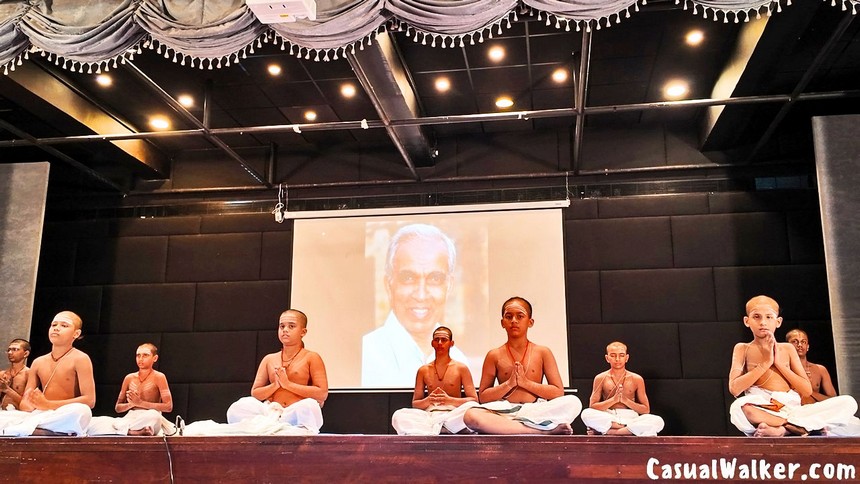
Organisations, educators, therapists, care seekers, families and caregivers all come together, because empowerment is never a solo effort. It is a shared offering (yajña), where each person contributes something and receives something in return. Over two days, the programme unfolds like a well sequenced yoga class, moving gently from foundation to expression.
History of Krishnamacharya Yoga Mandiram (KYM)
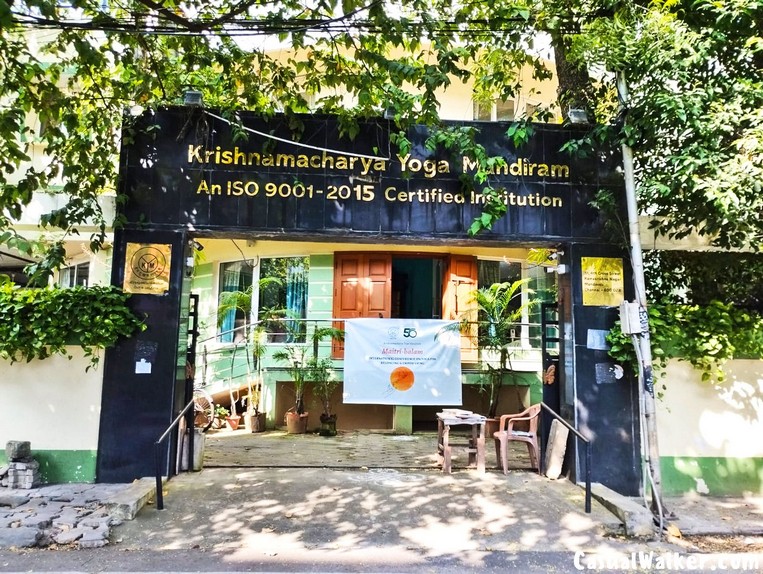
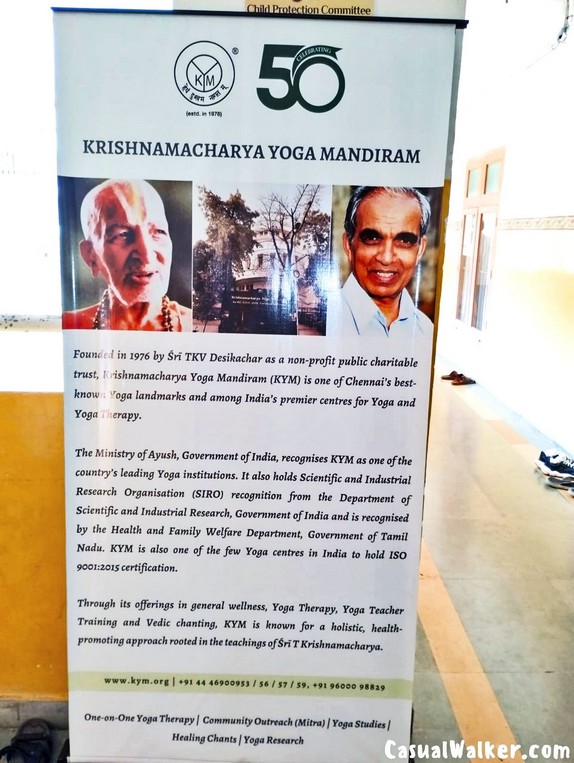
The Krishnamacharya Yoga Mandiram was established in 1976 by TKV Desikachar, son and longtime student of T Krishnamacharya, to carry forward the invaluable teachings of his father and teacher. Over the years, the Mandiram has grown into a respected home for yoga education, yoga therapy and research, with a strong focus on adapting yoga to the needs of each individual. KYM Mitra, with its caring outreach to underprivileged communities and differently abled individuals, is a living expression of that founding spirit.
T Krishnamacharya, A True Master and a Complete Teacher
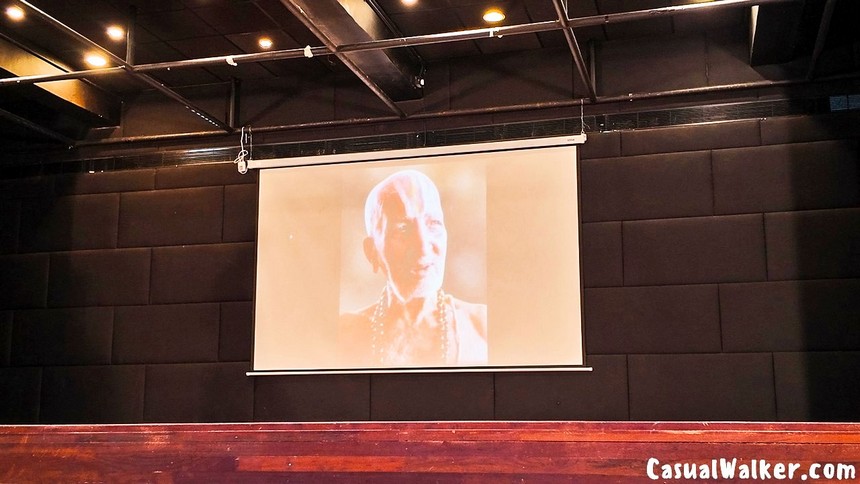
T Krishnamacharya is known across the world as the teacher of legendary masters such as Indra Devi, BKS Iyengar, Pattabhi Jois and TKV Desikachar. Many of today’s yoga styles trace their roots back to him, and his teachings continue to inspire thousands of practitioners worldwide.
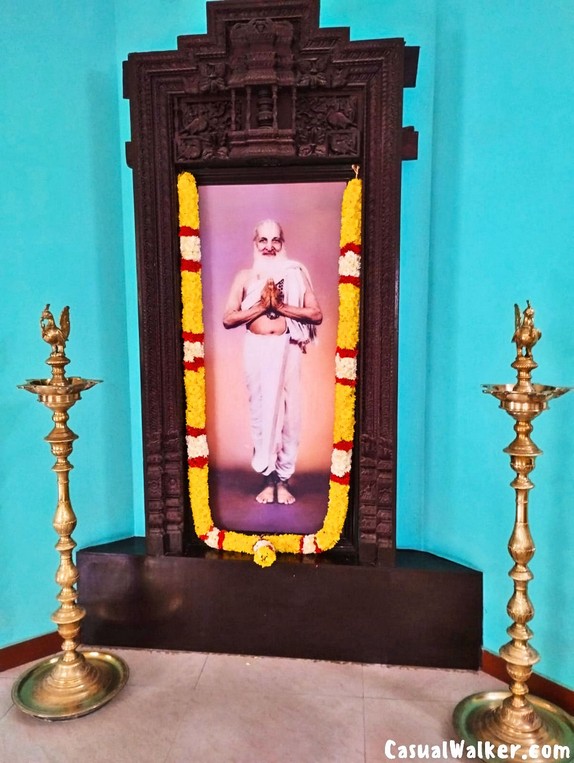
Whether a seeker came for fitness, healing or a spiritual quest, T Krishnamacharya gave them exactly what they needed. He was said to have the rare ability to stop his heartbeat. He taught the King of Mysore. He kept a perfectly straight posture even as he neared a hundred years of age. He was a devoted devotee (bhakta) who stood firmly by his own faith, yet he encouraged every student to find their own anchor.
He was an acclaimed master of posture (āsana), breath regulation (prāṇāyāma) and meditation (dhyāna), a seeker of knowledge, a prolific writer and speaker, and an adept in Vedic chanting. He was also among the first to adapt yoga techniques for therapy. His central teaching is that yoga must be fitted to the person, and never the person forced into yoga. This is exactly the spirit that guides every session at this conference.
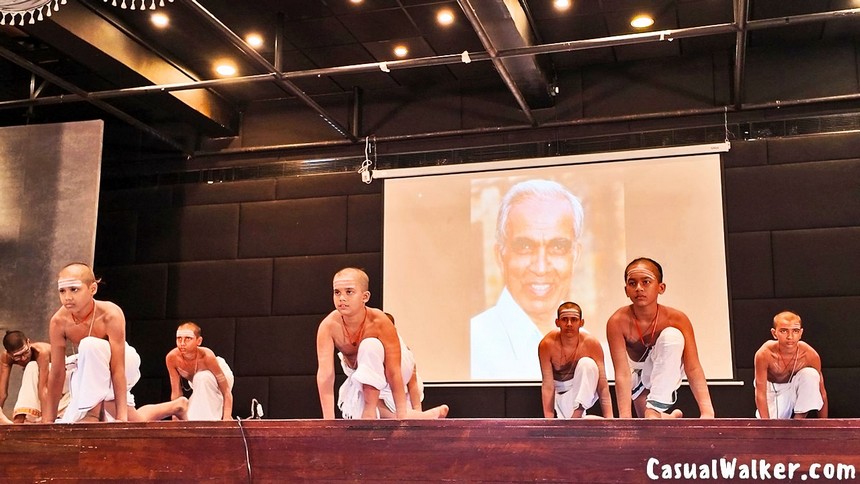
TKV Desikachar, Heart of the Lineage
TKV Desikachar, son and student of T Krishnamacharya, was known for his gift of making yoga philosophy simple and approachable. His pioneering work in wellness and yoga therapy is remembered with great respect. As a diagnostician and therapist, his skill was legendary, and his students speak of him as both a healer and a spiritual guide (guru).
His direct and clear teaching style still rings in the minds of his students. He also created the representational stick figures that yoga teachers and students use all over the world. His landmark book, The Heart of Yoga, remains a bestseller and a trusted reference for every sincere practitioner.
Day One Begins: Lamps, Blessings and Open Hearts
Invocation, Lighting of the Lamp and Words of Blessing
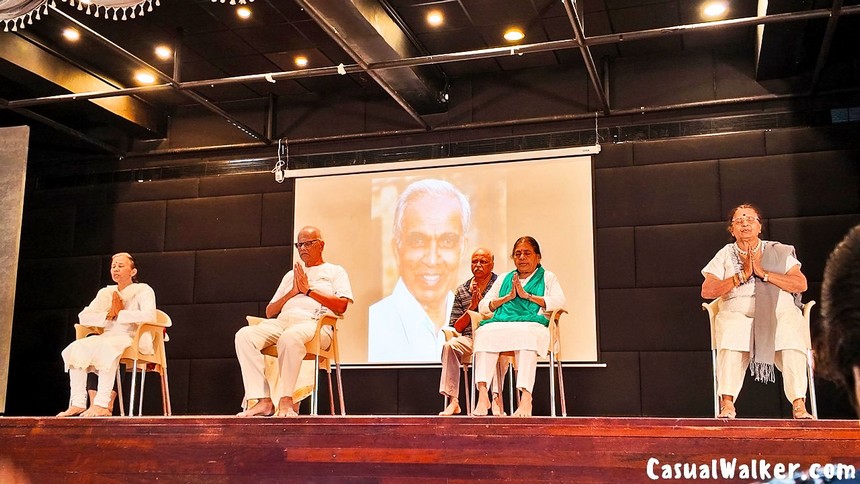
The day opened with the lighting of the lamp (dīpa prajvalana) and words of blessing (āśīrvāda) from Śrī S Sridharan and Dr Latha Satish, Senior Mentors of the Krishnamacharya Yoga Mandiram.
Keynote Address: Padma Śrī S Ramakrishnan, Founder and President of Amar Seva Sangam, Ayikudi
Padma Śrī S Ramakrishnan from Amar Seva Sangam delivered the keynote. His life’s work in the service of differently abled people is a shining example of selfless action (karma yoga). Listening to him, I felt that service is the highest form of worship.
KYM Mitra: Founder’s Mission, History and Journey
Śrīmatī Andal Kandaswamy, Head of Department of KYM Mitra, shared how the mission began and how it has grown. As a yoga instructor, I was struck by how clearly it echoes the teaching of T Krishnamacharya, that yoga must be adapted to the individual and never the other way round.
Early Intervention to Rehabilitation: Evolving Partnership between MNC and KYM
Śrīmatī Thenmozhi, Coordinator of Quality Assurance at Madhuram Narayanan Centre for Exceptional Children, described the partnership between her centre and KYM. It was heartening to see how two institutions walking side by side can support a child from the earliest years through rehabilitation. Partnership (saṅgha) was the word that stayed with me.
From Early Beginnings to Lifelong Dignity: A Continuum of Care, Dignity and Independence
Śrīmatī Ramani Sankara Raman, Business Development Associate at Amar Foundation, spoke about care that never stops. Her message was that dignity (gaurava) belongs to a person at every stage of life, and that independence is built patiently, year by year.
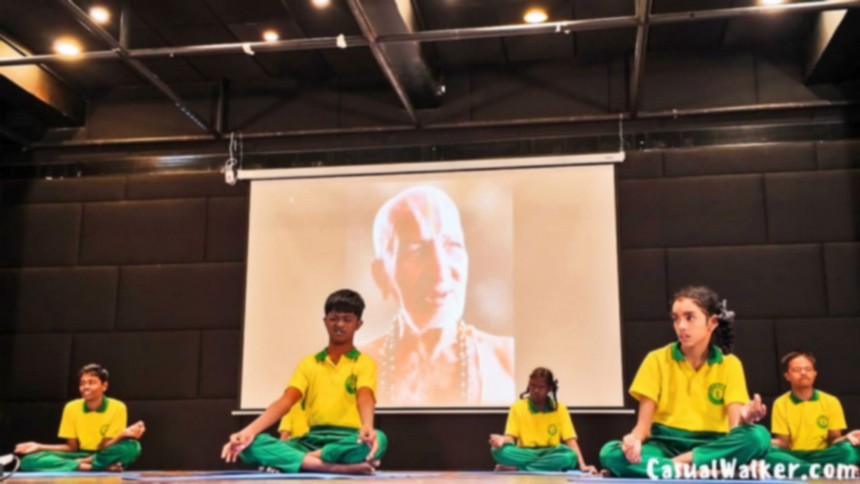
From Obstacles to Belonging: Mapping the Symptoms of Persons with Disabilities Through Guṇa and Antarāyas
This session was a treat for any yoga teacher. Śrī Prasad Kommaraju, Yoga Teacher at KYM, showed how the three qualities of nature (guṇa) and the obstacles (antarāya) described by Patañjali can help us understand the needs of persons with disabilities. Ancient wisdom met present day care in a fresh and deeply rooted way.
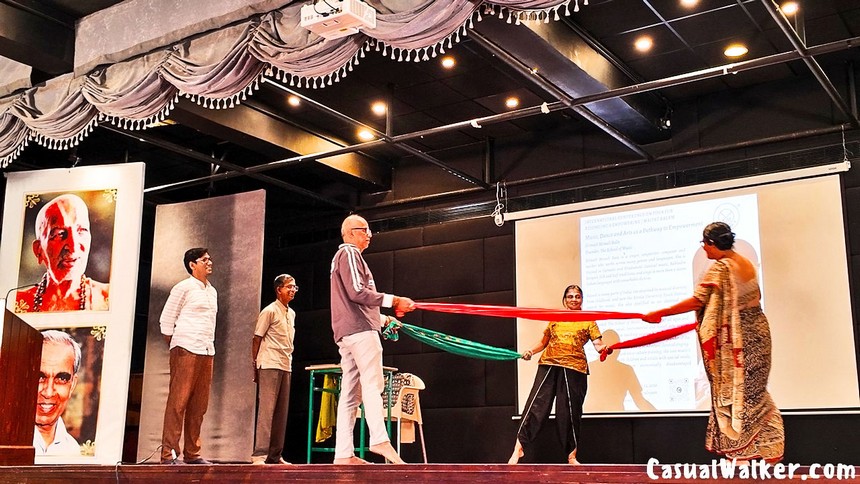
Inclusive Storytelling: Making Learning a Multisensory Experience
Śrīmatī Devika VR, Founder of Aseema Trust, took us into the world of storytelling through sound, touch, sight and movement. Stories (kathā) have carried our traditions for thousands of years, and here they became bridges to learning for every child.
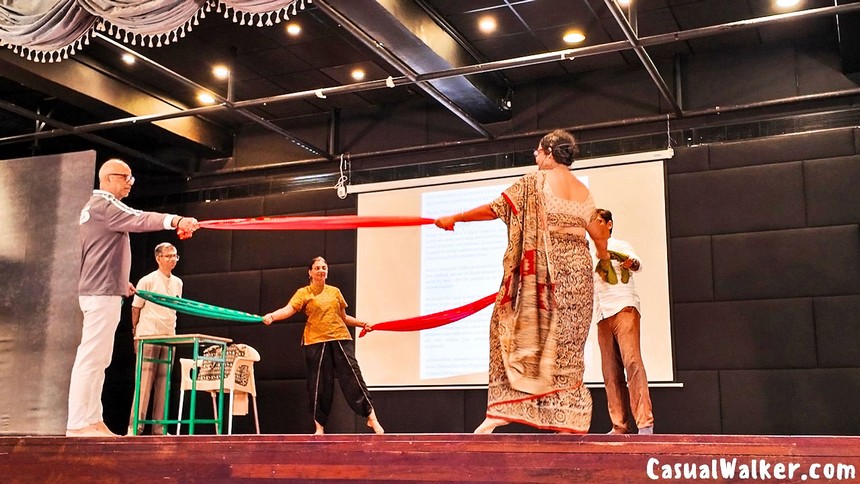
Education for All: Enabling Every Individual to Flourish
Śrīmatī Akshaya Sivaraman, Director, and Śrī Rajan, Principal, of Kalaivani Kalvi Maiyam shared their journey of making education reachable for everyone. Their approach was simple and joyful: begin with what the learner can do and build from there, much like the teacher and student tradition (guru śiṣya paramparā) at its best.
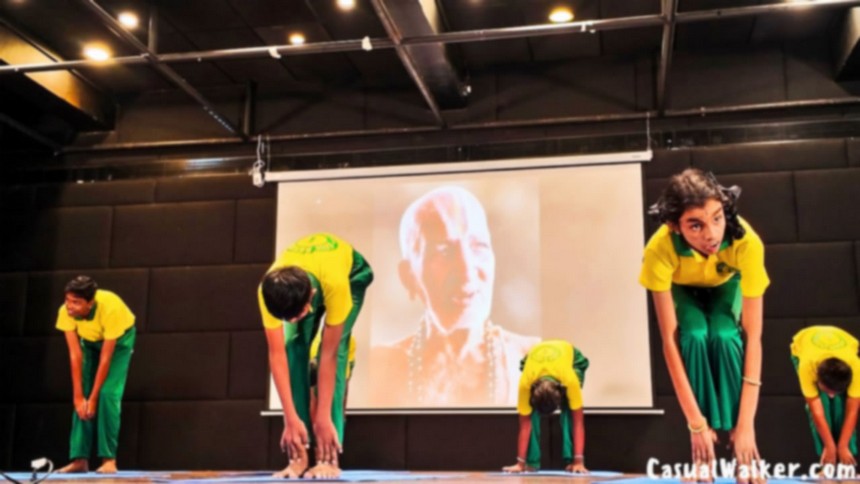
Giving a Head Start: Importance of Early Identification and Intervention
Dr Karthiyayini Mahadevan, Yoga Therapist and Teacher at KYM, spoke on why early identification matters so much. Her talk showed how timely, loving support opens doors for a child and made the whole room feel that hope is always practical.
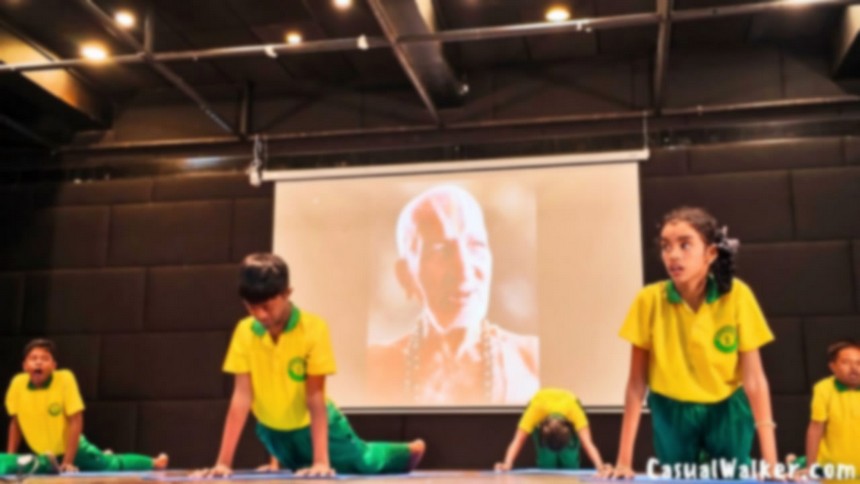
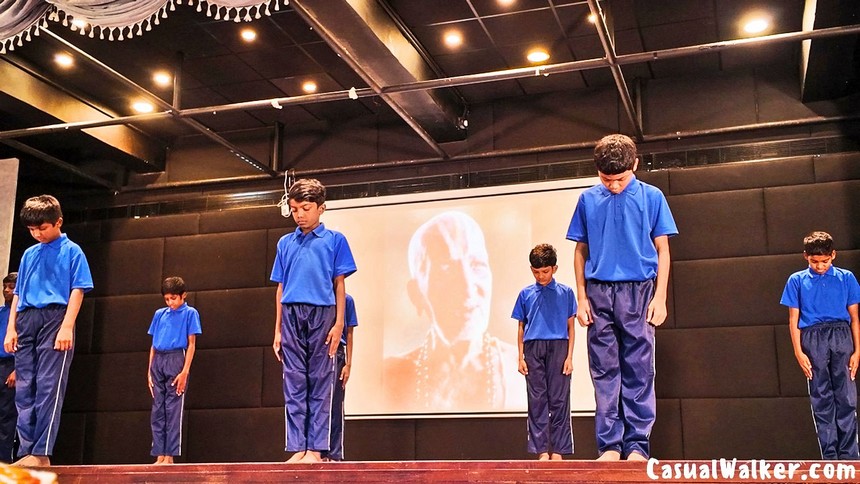
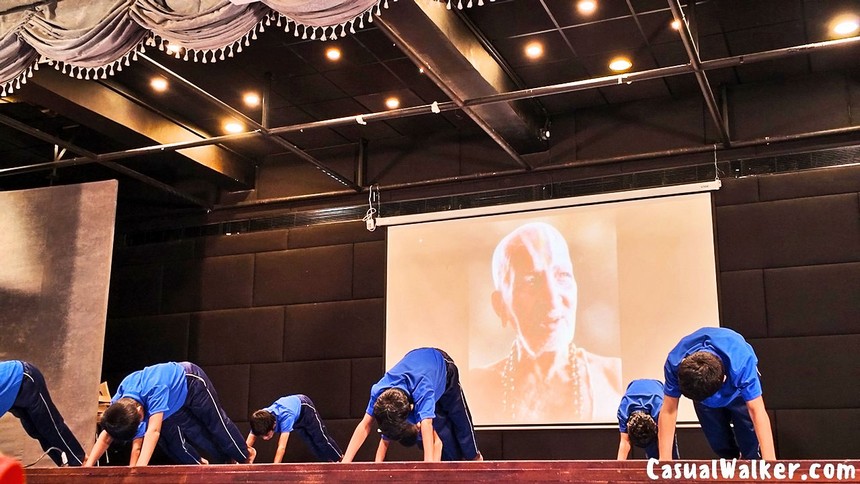
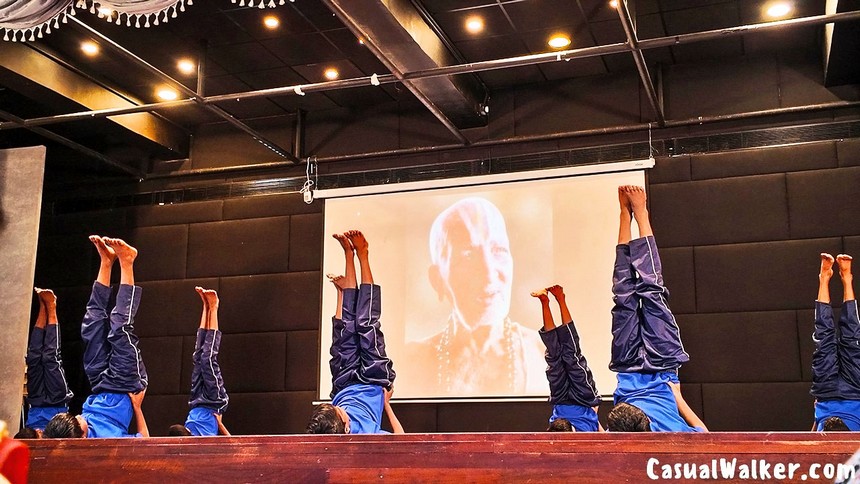
Yoga in Action: Demonstrations
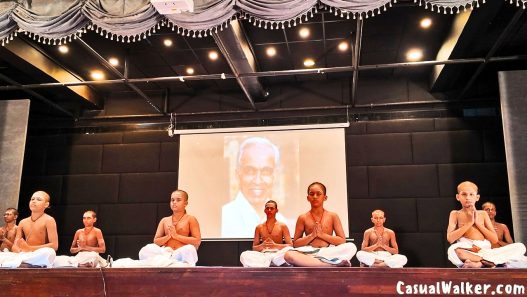
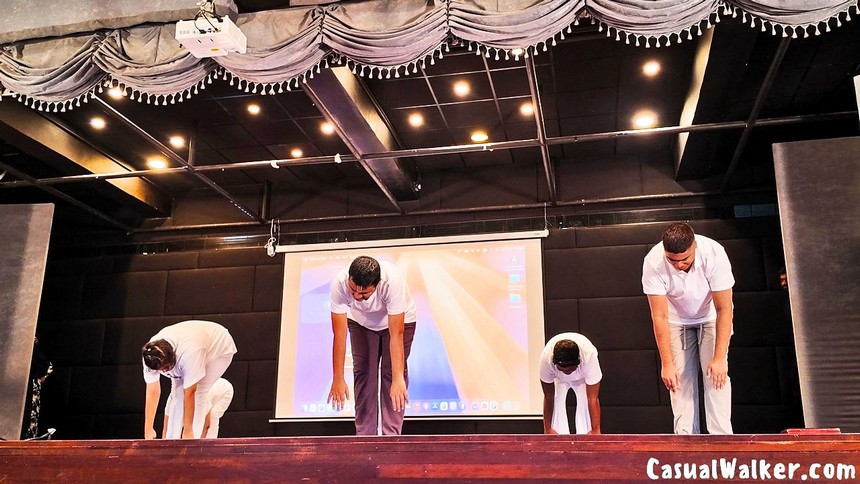
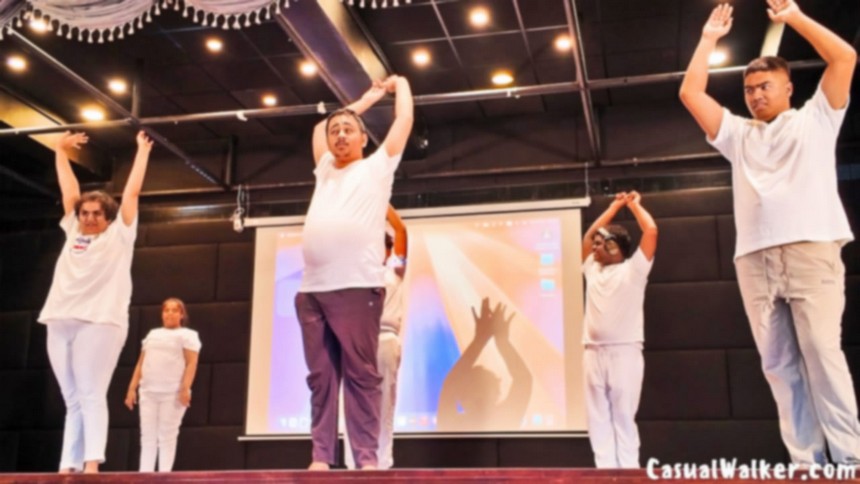
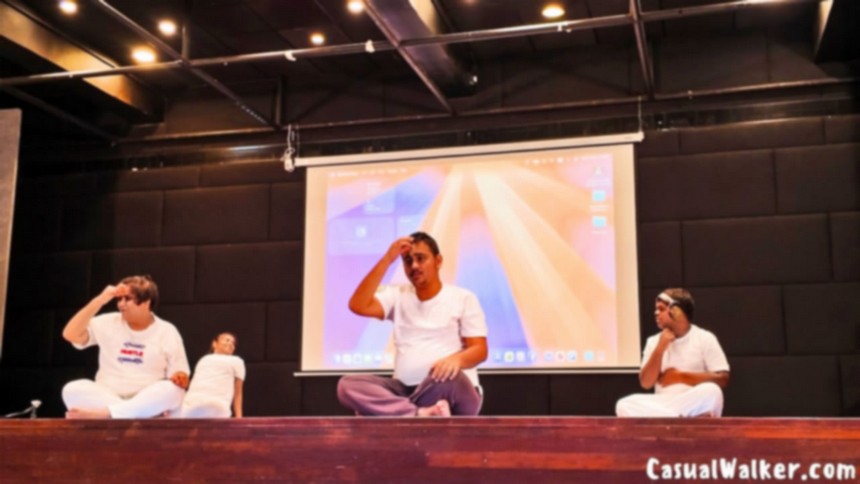
This was the moment that moved me most. Members of The Banyan, the Down Syndrome Federation of India and the Dr MGR School for the Speech and Hearing Impaired took the stage to demonstrate their practice. Postures (āsana) were held with focus, breath (prāṇa) flowed with ease, and smiles lit up the hall brighter than the lamp we had kindled that morning. As an instructor, I saw what I try to teach every day: yoga is not about how a posture looks, but about the presence behind it. When a person who was once told what they could not do performs a posture with a radiant smile, no speech is needed. That moment teaches more than any textbook.
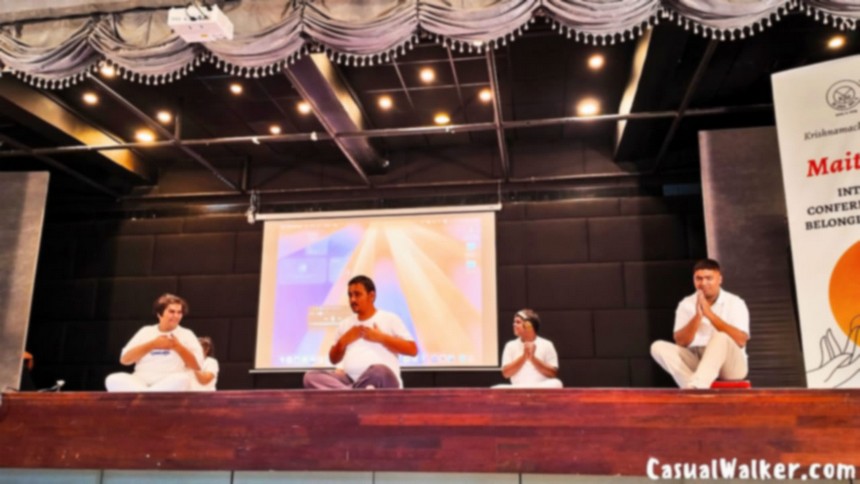
Guided Meditative Practice Session
Śrī S Sridharan, Senior Mentor and Yoga Therapist at KYM, closed the day with a guided meditation (dhyāna). His calm voice gathered the whole hall into silence, and I walked out feeling the peace (śānti) I usually find only in a temple sanctum at dusk.
Day Two Begins: Friendship in Action
Relationship Between Amar Seva Sangam and KYM
Śrī S Sankara Raman, Indian Disability Activist and Honorary Secretary of Amar Seva Sangam, opened the second day by describing the bond between his organisation and KYM. His decades of advocacy showed us that real friendship (maitrī) between institutions can change lives on a large scale.
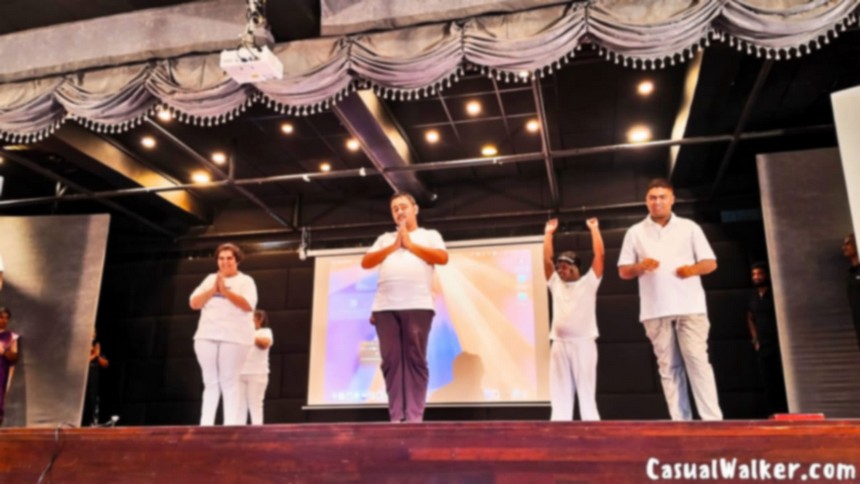
Empowerment Through Yoga: The KYM Approach
Śrīmatī Sudha Subramaniyam, Yoga Teacher and Therapist at KYM, explained how the KYM approach tailors practice to each person through posture, breath, chanting and meditation. Her clarity and kindness reminded me why I chose to teach.
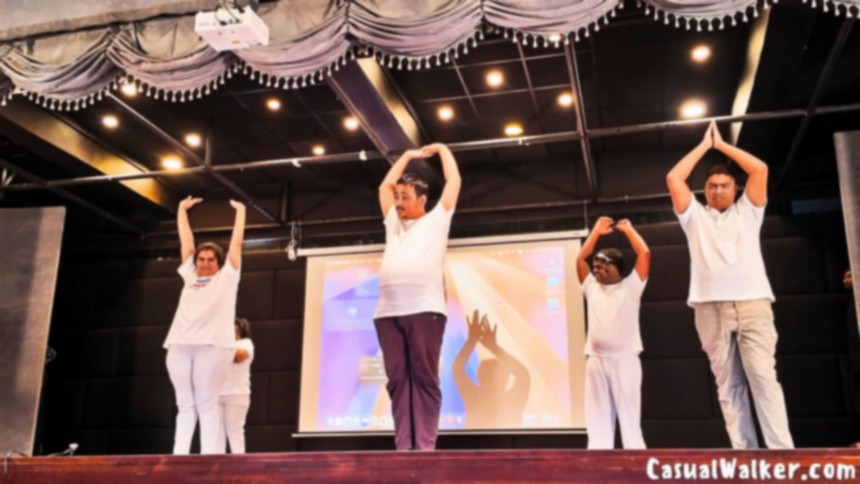
Bringing Progress and Opportunity to Every Community
Śrī Mariswamy E, Founder of Muthal Thalaimurai Trust, spoke about reaching communities that are often left out. His work brought to life the ancient idea that the whole world is one family (vasudhaiva kuṭumbakam).
Yoga Therapy as a Space for Belonging
Dr Arvind Iyer, Assistant Director of Research at KYM, presented a qualitative exploration of the experiences of differently abled students, caregivers and the therapy process. The findings showed that yoga therapy offers more than physical benefit. It gives people a place where they are seen, heard and welcomed.
Music, Dance and Arts as a Pathway to Empowerment
Śrīmatī Monali Bala of The School of Music showed how the arts open the heart. Sound (nāda) and rhythm (tāla) have always been doors to the Divine in our temples, and it was lovely to see them become doors to confidence and joy for differently abled learners.
Panel Discussion: What Next? Shaping a More Inclusive Future
The panel brought a rich mix of voices: Śrīmatī Sumathy of Anandam Trust Learning Centre and Senior Home, Śrīmatī M Karthikayani, a parent, Śrīmatī Shobana Hariharan, Educational Consultant, Śrī TG Shanmugam of TGS Ashram, and Śrī John Rajkumar of Maithree, moderated by Śrī Madhavan, Yoga Therapist at KYM. The parent’s perspective was especially powerful, reminding us that families are the first teachers. The conversation ended on a hopeful note: inclusion is something we can all begin today.
Exploring Opportunities for Care, Growth and Empowerment
Śrī Ramesh Kanna, Yoga Therapist at KYM, spoke on the work of Rainbow Homes and the many possibilities for care and growth. He encouraged us to see each person’s potential first, and I went home with fresh ideas for my own classes.
Yoga in Action: Demonstrations
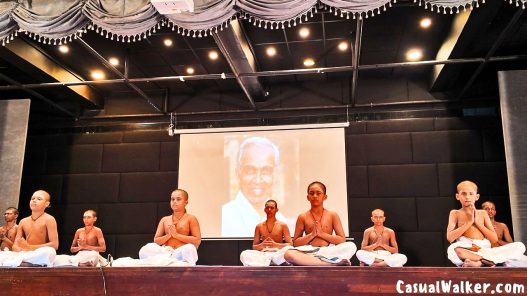
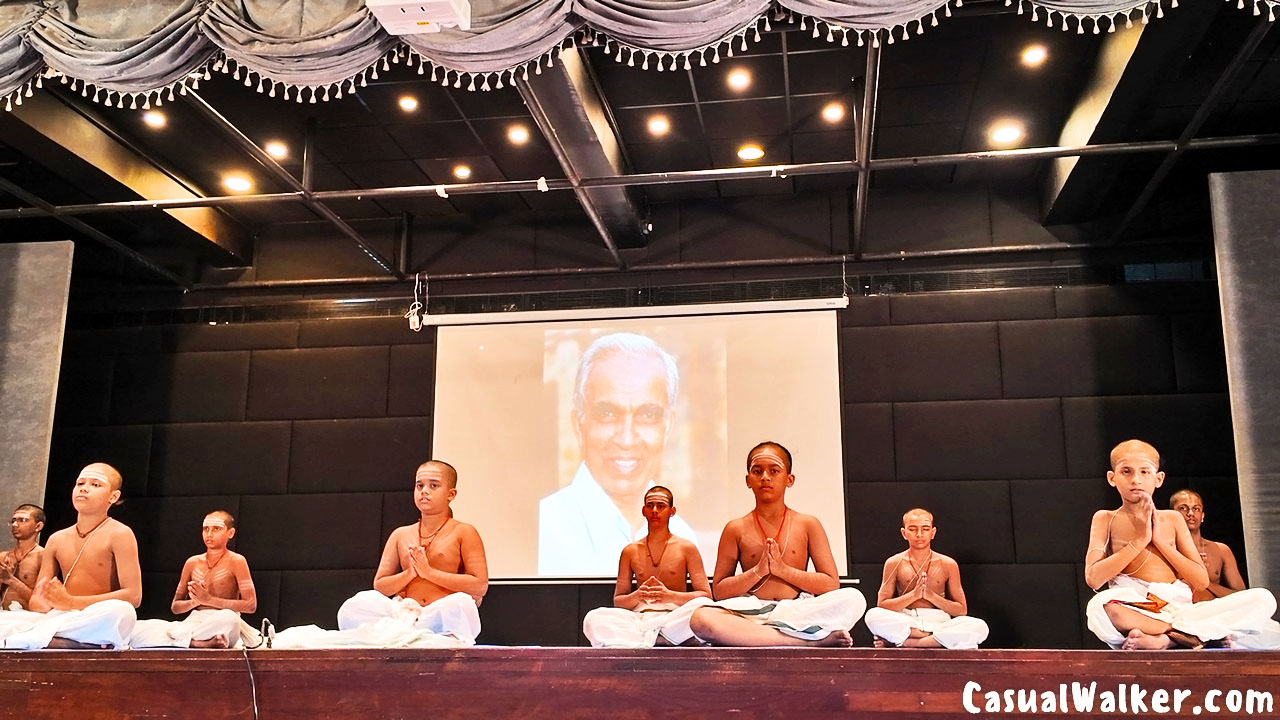
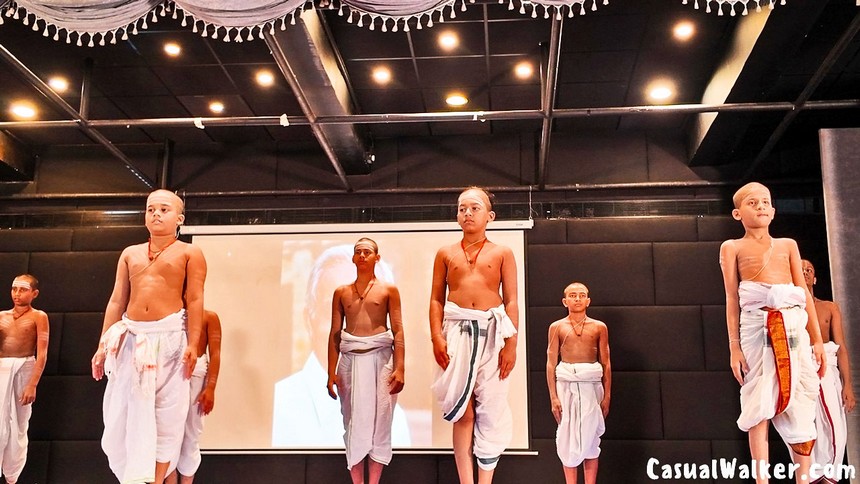
When the members of Lotus Blind Trust, Veda Pāṭhaśālā and Srinivasa Gandhi Nilayam walked onto the stage, the whole hall seemed to draw a collective breath. Then the first notes of chanting (mantra) rose into the air, and the hall was filled with devotion and delight. The voices were steady, clear and full of feeling, and they carried a sweetness that is truly hard to describe.
Each syllable was shaped with care, each pause held with confidence, and the sound seemed to travel from the heart straight to the heart of every listener. For the members of Lotus Blind Trust, the practice of yoga has opened a world where sound (nāda), breath (prāṇa) and inner awareness lead the way, and it was a joy to see how fully they live in that world. Their presence showed us that vision of the eyes is only one kind of sight, and that the inner light (jyotis) described in our Upanishads shines in every one of us, whatever the eyes may see.
The students of Veda Pāṭhaśālā added another layer of beauty with the ancient tradition of Vedic recitation (veda pārāyaṇa), passed down from teacher to student over countless generations. Hearing young voices carry such an old and sacred lineage with such ease and joy filled me with gratitude. The residents of Srinivasa Gandhi Nilayam joined in with equal warmth, and the stage became a picture of unity, where every voice blended into one living offering (arpaṇa). As a yoga instructor, I watched the breath of each performer and saw what we teachers hope to nurture in every class: a steady exhale, a calm mind and a heart that is fully present.
Nobody in that hall was thinking about ability or limitation. We were simply listening, and in listening we were transformed. When the chanting came to a close, there was a brief, beautiful silence, followed by a wave of applause that said everything words could not. Many of us left that session with softened hearts and renewed faith, reminded that yoga is the union (yoga) of body, breath and spirit, and that its power belongs to everyone, without exception.
Yoga Therapy in Action: Demonstrations
This was the segment that stayed with me long after the conference ended. One by one, young people with their own unique challenges walked onto the stage, and each of them taught us something that no lecture ever could.
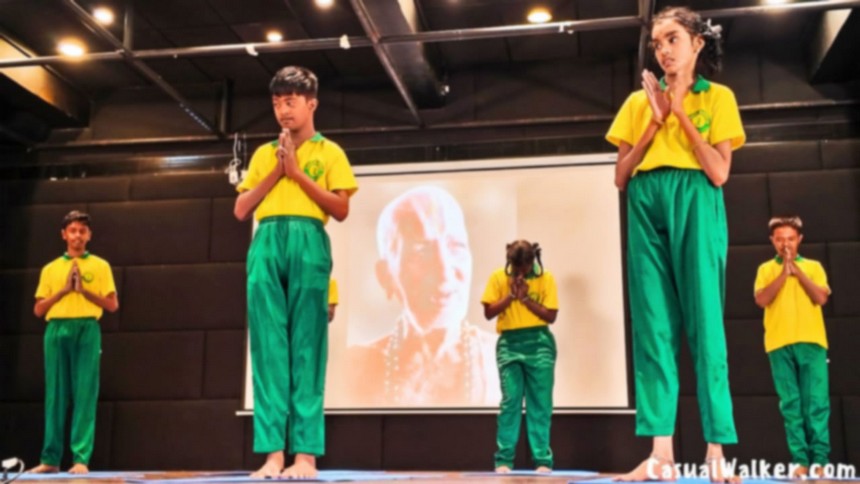
Śrī Rahul offered Candra Namaskāra (moon salutation) with a calm, flowing grace, each movement unhurried and full of awareness. The moon salutation is a practice of cooling, softening and quieting the mind, and he embodied those qualities beautifully. He then chanted the Lakṣmī Kavacam, a hymn of protection and blessing, with a steady voice that filled the hall with auspiciousness (maṅgala). Watching him, I felt that he was not performing for us. He was offering his practice to the Divine, and we were simply fortunate to witness it.
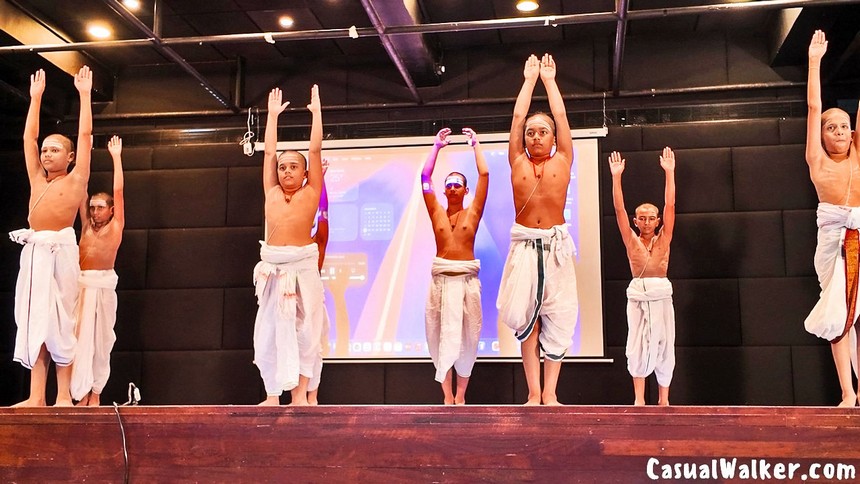
Kumārī Shrilekha performed a modified Sūrya Namaskāra (sun salutation) in a graceful long vinyāsa. A long vinyāsa asks for patience, focus and trust in the breath, and she moved through every step with quiet confidence. The modifications that made the practice her own were not a limitation at all. They showed the heart of what T Krishnamacharya taught, that yoga must be fitted to the person. Her smile as she finished was as bright as the sun she had just saluted.
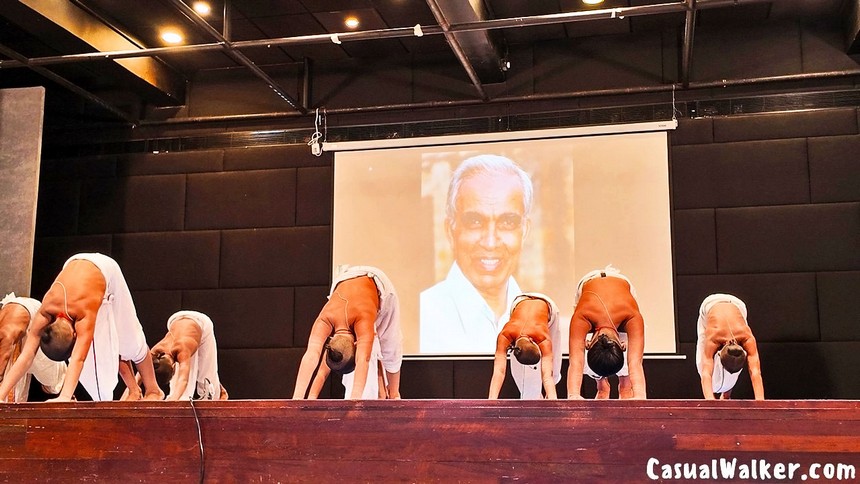
Śrī Gautam chanted with a clear and confident voice, every syllable carrying strength and sincerity. In chanting, the sound becomes a bridge between the outer and inner worlds, and he crossed that bridge with ease. The hall listened in complete stillness, and many of us felt our own breath slow down in response.
Śrī Shiva also offered his chanting, and his courage was a lesson in itself. To stand before a large gathering and lift one’s voice takes great inner strength (śakti). He did it with such steadiness that the room could not help but respond with warm and heartfelt applause.
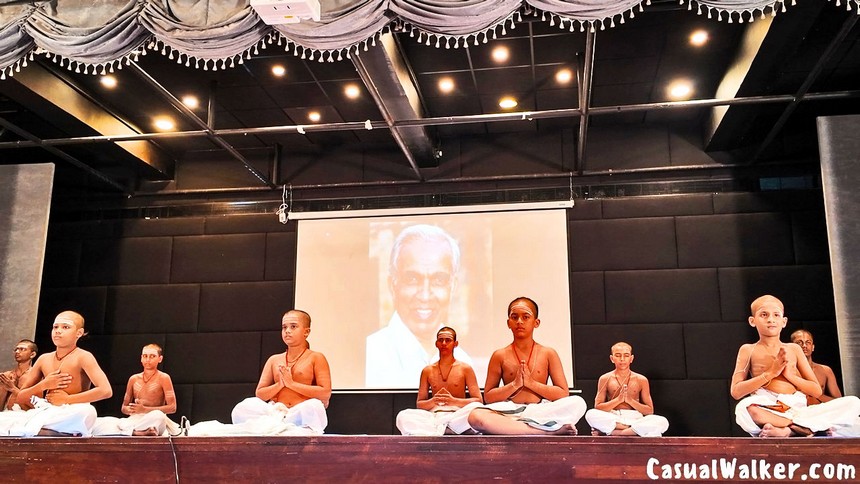
Śrī Dhanvanth recited the Laghunyāsam, a Vedic text that demands precision of sound, rhythm and memory. To hold such an ancient and exacting recitation with remarkable clarity is a feat that many of us would find challenging. His dedication reminded me of the discipline (tapas) that the Upanishads describe as the fire of transformation. Here was a young person showing us what focused effort and a loving teacher can achieve together.
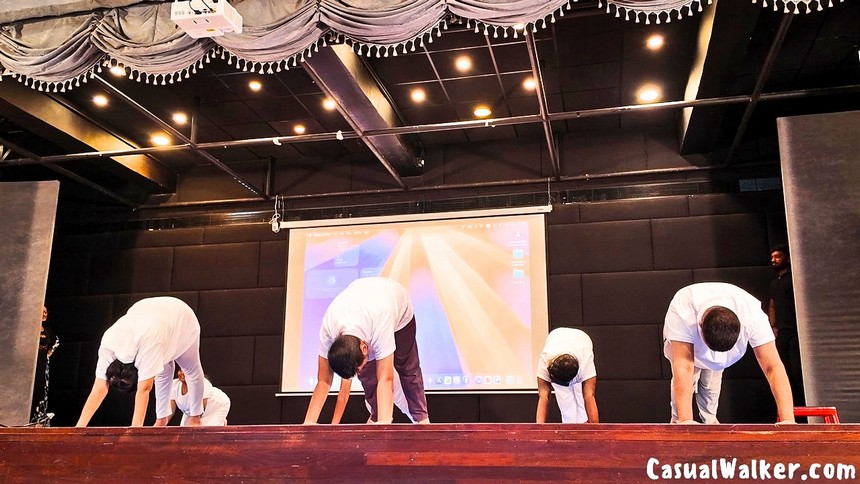
Kumārī Sahana recited the Tirukkuṟaḷ, the timeless Tamil text of wisdom by Thiruvalluvar. Each couplet carried values of kindness, truth and right living, and hearing them from her lips felt like hearing the voice of our own culture speaking through a new generation. The audience responded with warm applause, and there was not a dry eye in the hall.
Together, these young people showed us that ability has many faces. Each one practised with sincerity, courage and joy, and each one reminded us that the light of the Self shines in everyone, regardless of the challenges they carry. They did not need our sympathy. They invited us to walk beside them as friends (mitra), and that invitation is the very spirit of Maitrī Balam.
Vote of Thanks
Śrī T Swaminathan, Chief Executive Officer of KYM, offered the vote of thanks (kṛtajñatā, gratitude) to the speakers, volunteers, partner organisations, families and everyone present.
A Yoga Instructor’s Perspective
As an Yoga instructor, I have always believed that yoga (union) is the art of meeting each person exactly where they are. Breath (prāṇa), posture (āsana), breath regulation (prāṇāyāma) and meditation (dhyāna) can all be adapted with patience and love. A wheelchair, a hearing aid or a different way of learning does not stand between a person and their practice. This conference celebrates that truth beautifully and positively, showing yoga as a source of strength, dignity and joy for everyone.
My Closing Reflection as a Yoga Instructor
I came to Maitrī Balam as a yoga instructor, and I left as a student once again. Over two beautiful days, I watched children and young people with their own unique challenges fill a hall with chanting, movement and light, and I realised how much more there is to learn from them. Belonging is not handed down from above. It grows quietly and steadily when we offer friendship (maitrī), patience (kṣānti) and respect to one another, and when we make room for every person to shine in their own way.
T Krishnamacharya taught that yoga must suit the person, and never the person forced into yoga. This conference proved that teaching in a hundred beautiful ways, through the devotion of the speakers, the dedication of the therapists and teachers, the love of the families, and the radiant courage of every young performer on the stage.

Thanks for exploring this Casual Walker photo guide — India’s most visual cultural travel guide and a curious discovery journal finding authentic photo stories, guides, and tips across travel, culture, arts, temples, heritage, and food.
- Keep exploring: Browse 650+ Travel & Culture Photo Guides
- We’d love to hear your feedback, stories, corrections, and updates — Email us.
- Follow our photo walks on Instagram: @hicasualwalker