






Sri Vedagiri Lakshmi Narasimha Swamy Temple Narasimhakonda, Jonnawada, Nellore, Andhra Pradesh : Lord Lakshmi Narasimha Swamy Temple | Vedagiri, Hill Of The Vedas | Lord Narasimha & Goddess Chenchu Lakshmi On The Banks Of Pinakini Penna River | Ramayana & Mahabharata References | Vikrama Simhapuri Nellore Ancient Vaishnavite Shrine : Complete History, Temple Architecture, Sthala Purana, Festival, Temple Timings, Contact Details, How To Reach & Complete Travel Guide (Updated)
– sacred abode of lord narasimha on the banks of the penna

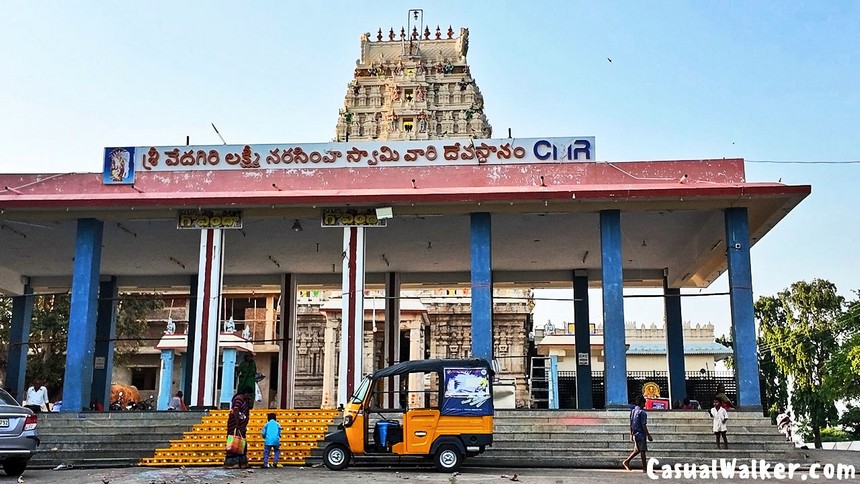
Sri Vedagiri Lakshmi Narasimha Swamy Temple, also known as the Narasimhakonda, stands on a forested hillock nearly three hundred and 50 feet high on the southern bank of the Penna river, about fifteen kilometres west of Nellore. It is regarded as one of the most cherished and revered Vaishnavite shrines of coastal Andhra, having drawn pilgrims, sages and simple devotees for well over a thousand years. 
The name Vedagiri comes from the Sanskrit roots Veda, meaning sacred ancient knowledge, and Giri, meaning hill or mountain, which means Hill of the Vedas. The word Konda simply means hill in Telugu, giving the popular local name Narasimhakonda, the Hill of Lord Narasimha.
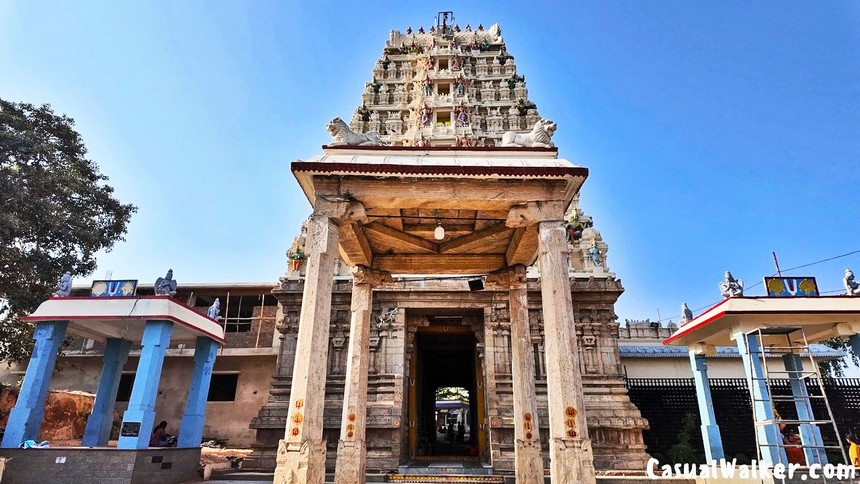
Narasimhakonda – Hill of Lord Narasimha
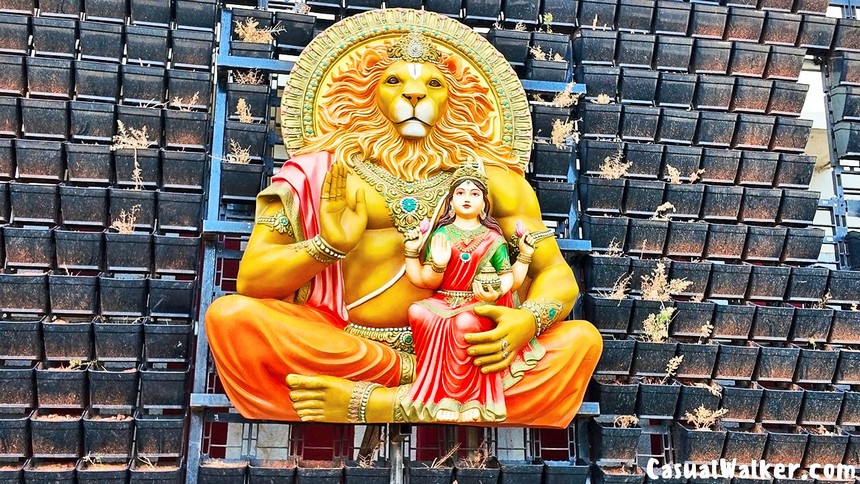
The Sri Vedagiri Lakshmi Narasimha Swamy Temple is dedicated to Lord Narasimha, the fierce yet compassionate fourth avatar of Lord Vishnu, worshipped here in his Swayambhu form. Alongside him is enshrined Goddess Lakshmi, affectionately known in this region as Chenchu Lakshmi. For centuries, pilgrims have climbed the slopes of this quiet hill near the villages of Komarapudi and Devarapalem, seeking the blessings of the divine couple for protection, prosperity, family wellbeing and inner peace.
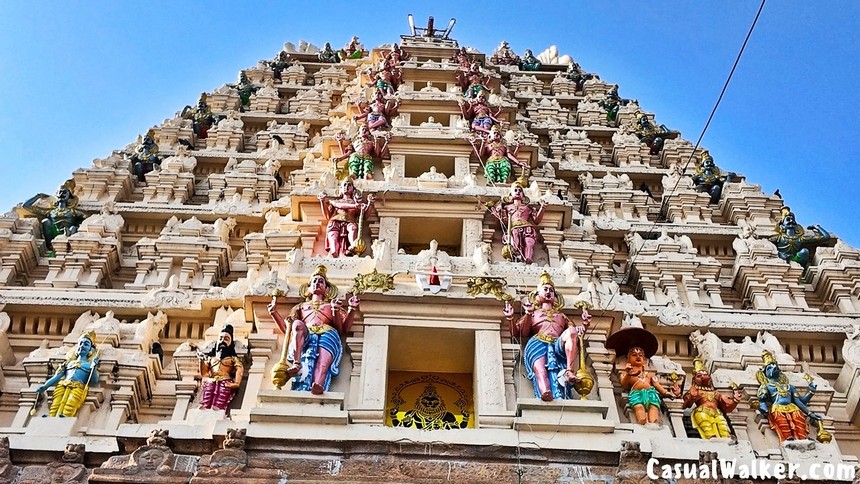
Sacred Location on the Banks Of River Penna
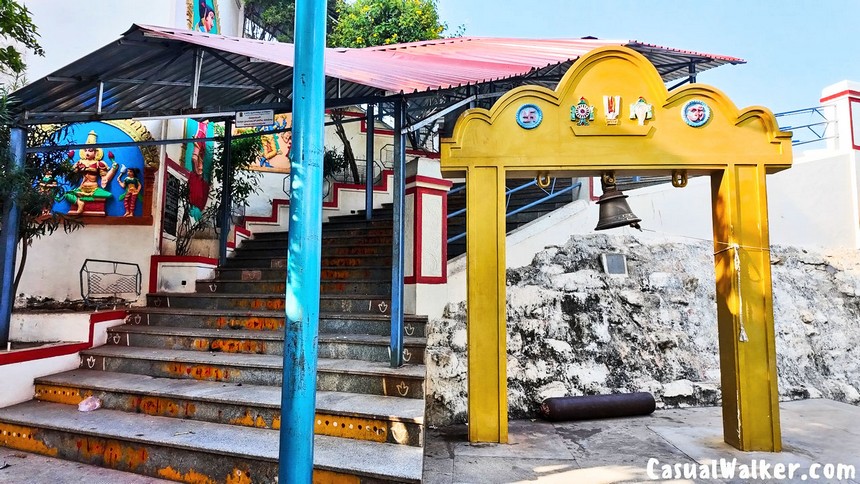
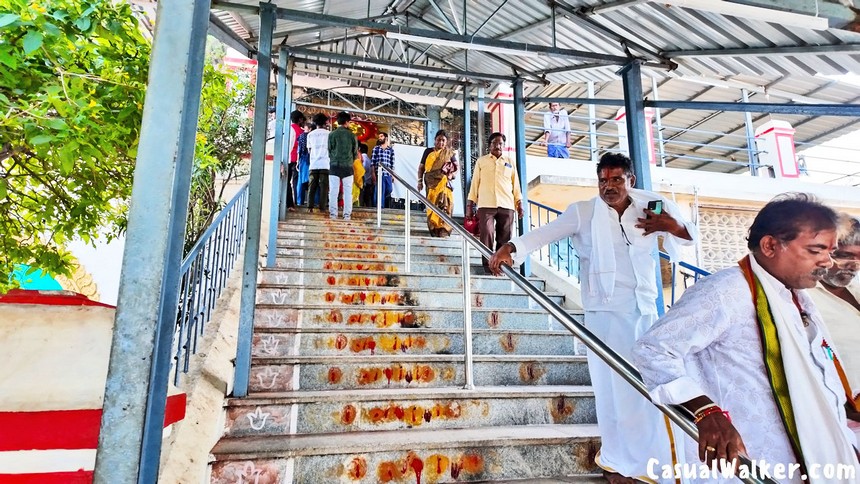
The temple sits on a hill that rises nearly three hundred and fifty feet above the plains, with the Penna river, also known by its older name Pinakini, flowing along its southern edge. Ancient sages regarded this entire stretch as a Tirtha Kshetra, a sacred crossing point between the earthly and the divine. Just a short distance away lies the town of Jonnawada, home to the equally revered Sri Mallikarjuna Swamy and Kamakshi Devi temple, and pilgrims often visit both shrines in a single day since they are barely a few kilometres apart. A well laid footpath of about four kilometres, along with a ghat road, now allows both walking pilgrims and vehicles to reach the temple atop Narasimhakonda comfortably.
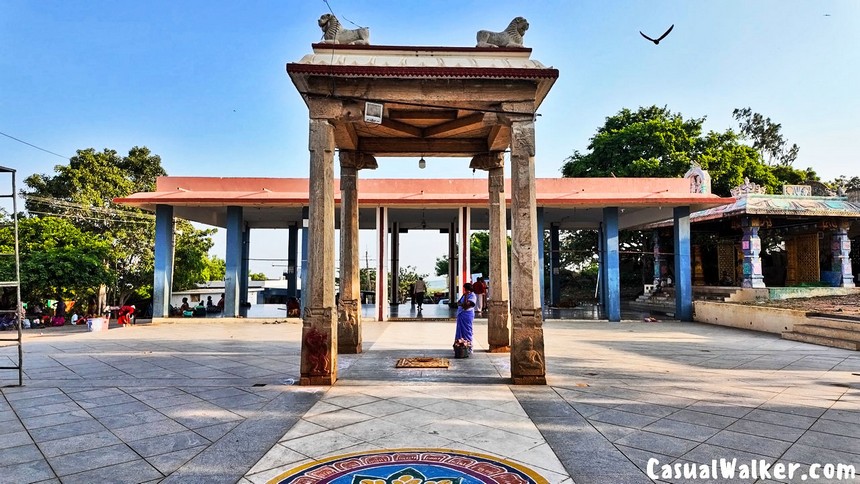
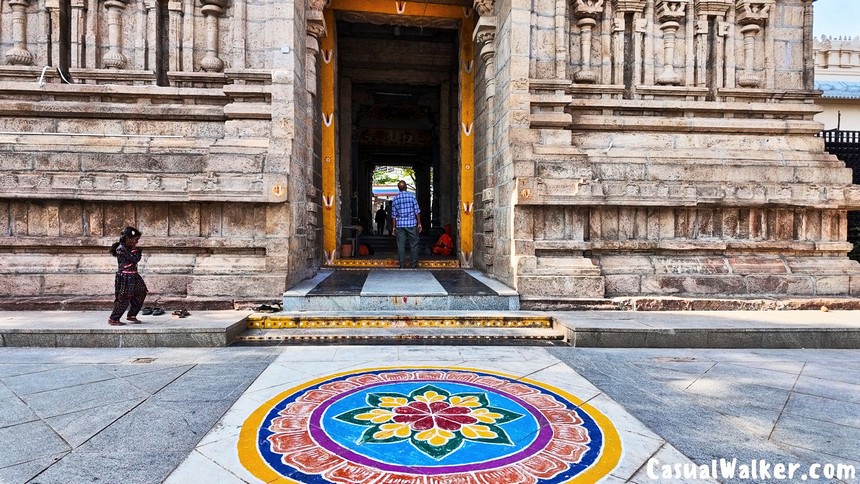
History & Significance Of Narasimhakonda
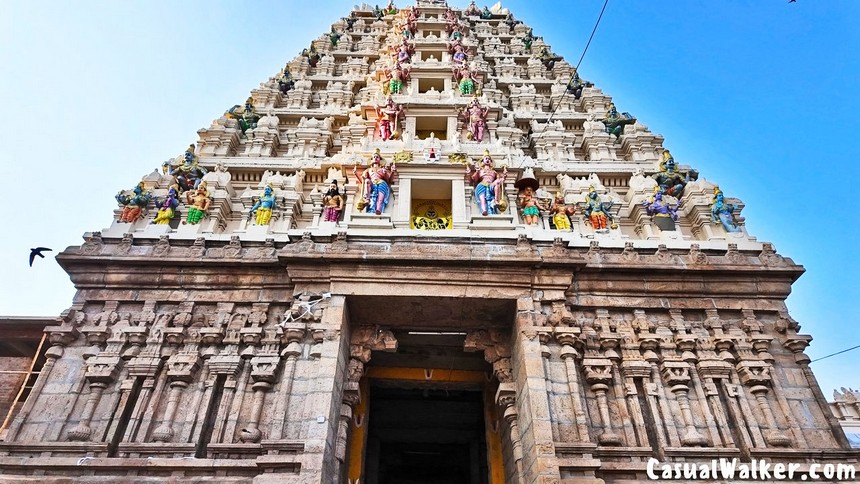
According to inscriptions found on the temple walls, the shrine was constructed under the patronage of the Pallava king Narasimha Varma in the ninth century, though local tradition holds that the sanctity of this hill goes back much further into the Puranic age. Brahmanda Purana narrates that Sage Kashyapa, along with the Sapta Rishis, the seven great sages, performed a grand Yajna atop this hill. It is believed that after the sacred fire rituals were completed, Lord Narasimha manifested here as a radiant Jyoti, a divine light, on the evening of Chaturdashi during the Swati Nakshatra, just before Vaisakha Shuddha Pournami. Later, the Reddy kings are said to have added the temple tower, further enriching this ancient Kshetra.
Legend Of the Sapta Rishis & the Seven Sacred Tanks
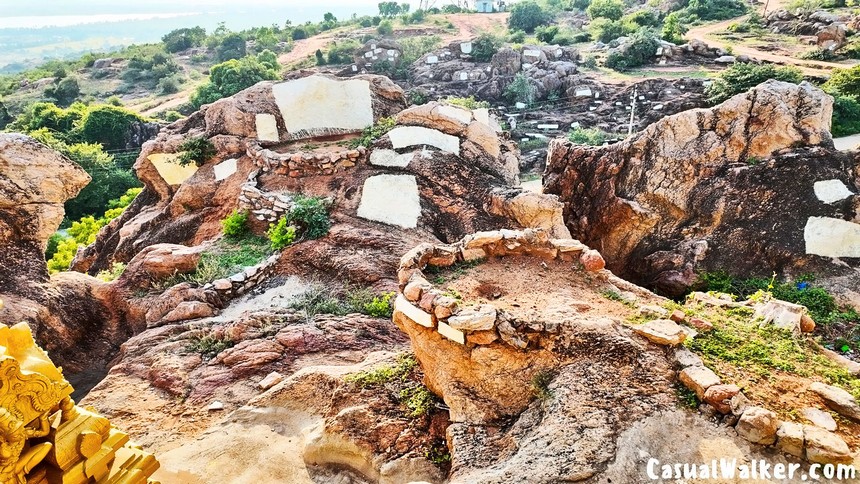
The seven fire pits used by the sages for their Yajna are believed to have transformed over time into seven sacred tanks, known locally as Koneru. These tanks, found about five hundred metres from the main sanctum in the surrounding forest, are still referred to as the Seven Corners and are considered deeply Punya Sthalas, places of great merit. Sri Prasanna Lakshmi Sametha Sri Govindaraja Swamy, who is believed to have protected the Yajna performed by the sages, resides near these tanks even today. Devotees traditionally offer prayers to Lord Govindaraja Swamy at the Koneru Tirthas before proceeding uphill for the Darshan of Lord Lakshmi Narasimha Swamy, following an order of worship passed down through generations.
Narasimhakonda in Ramayana & Mahabharata
This hill finds mention in two of the great itihasas of Sanatana Dharma. The Aranya Kanda of the Ramayana states that Lord Rama passed through this region during his years of exile in the forest. The Mahabharata connects this place to Ashwatthama, the son of Guru Dronacharya, who is said to have been cursed by Lord Krishna for the killing of the sons of Draupadi. Local belief holds that Ashwatthama continues to live in penance in a set of caves on this very hill, seeking release from his sin even now, making Narasimhakonda a place associated with both Tyaga, sacrifice, and Prayaschitta, atonement.
Divine Form Of Lord Narasimha & Goddess Chenchu Lakshmi
The presiding deity here is worshipped in his Swayambhu form, meaning he is believed to have appeared on his own rather than being installed by human hands, standing upright and facing east inside the sanctum. The idol is about six feet tall with four arms, two held in gestures of protection and blessing, and the other two holding the divine Shankha and Chakra. Goddess Lakshmi is enshrined separately as the Garbhagriha’s presiding mother goddess, and in this region she is fondly called Chenchu Lakshmi, in keeping with the Prahlada Upakhyana tradition, which describes Lord Narasimha’s marriage to a tribal maiden after his fierce form was pacified.
A little above the main sanctum stands a smaller shrine to Goddess Adi Lakshmi, adding another layer of Bhakti to the hilltop. Local legend also connects this hill to a beautiful cosmic tale, where the Malayagiri mountain, journeying from Kanyakumari to the Himalayas, dropped four of its winged peaks at Vedagiri, Yadagiri, Mangalagiri and Nandagiri, each of which later became a revered place of worship after Lord Vishnu blessed the mountain.
Architecture & Sacred Sites Within the Temple
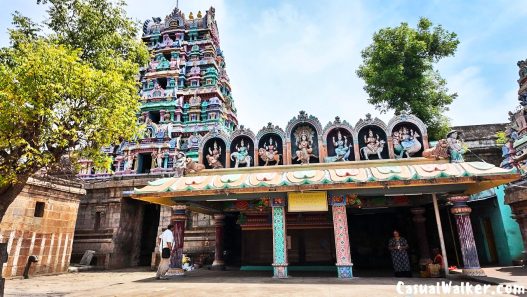
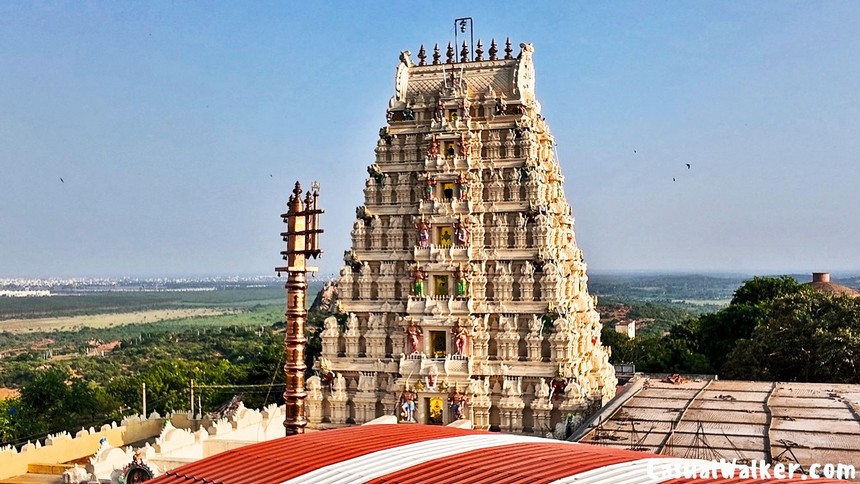
As pilgrims enter the lush green forest path leading up to the shrine, the tall Gali Gopuram, the airy entrance tower, comes into view and remains one of the most memorable sights of the visit. Near the Adi Lakshmi shrine stands a Santhana Vriksha, a sacred tree believed to bless childless couples, where women devotees tie small pieces of cloth as an offering in hope of a child. Close to this tree is an old underground passage, once said to have been used by sages to reach the temple safely.
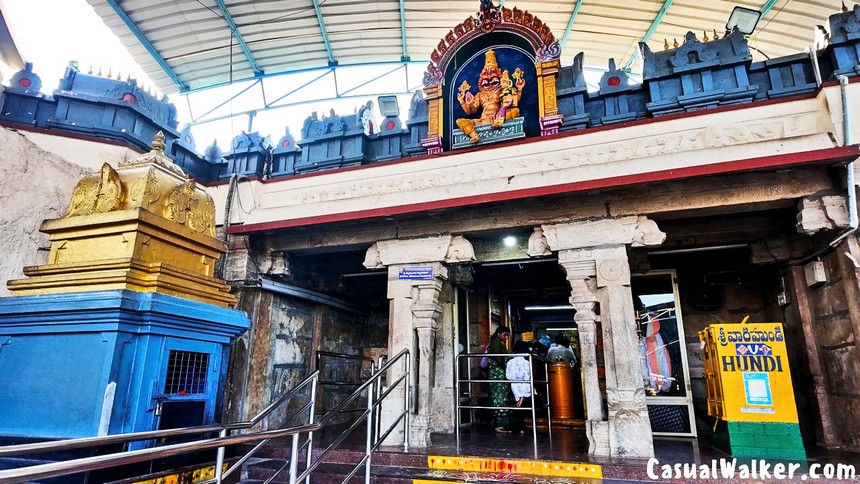
Another distinctive feature is the Kondi Kasula Hundi, where devotees pray for protection from snake and scorpion bites, a tradition that has continued for generations. The overall setting, with seven Koneru tanks, forest trails, ancient Mandapas and sweeping views of the Penna river and Nellore city below, gives the temple a rare combination of natural Prakriti and spiritual energy.
Festivals Celebrated at the Temple
The grandest occasion at Narasimhakonda is the annual Brahmotsavam, celebrated with great devotion every year in the month of May. During this period the hill comes alive with processions, Vedic chanting, special Pujas and a steady stream of devotees climbing the hill to witness the utsava moorthy in all its glory. Many pilgrims consider this the most auspicious time to seek the blessing of Lord Narasimha and Goddess Lakshmi together.

Travel Tips for Visiting Sri Vedagiri Lakshmi Narasimha Swamy Temple Narasimhakonda, Jonnawada, Nellore
Sri Vedagiri Lakshmi Narasimha Swamy Temple Address:
Sri Vedagiri Lakshmi Narasimha Swamy Temple, Narasimhakonda, Komarapudi, near Jonnawada, Nellore District,
Andhra Pradesh, 524004
Phone Number: 09533458335 / 09908306558
Temple Timings: 6:00 AM to 1:00 PM / 4:00 PM to 8:00 PM
How To Reach Sri Vedagiri Lakshmi Narasimha Swamy Temple Narasimhakonda, Jonnawada, Nellore
By Road: Nellore is well connected to Chennai by National Highway 16, with the distance being approximately 175 to 200 kilometres, and the drive taking around three and a half to four hours by car or bus. Regular APSRTC buses and private taxis operate between Chennai and Nellore, and from Nellore local buses, autos or cabs can be taken to the base of Narasimhakonda hill, followed by a ghat road or a four kilometre forest footpath leading up to the temple.
By Train: Nellore Railway Station is the nearest major railway junction, well connected to both Chennai Central and Chennai Egmore through several daily express trains along the Chennai to Kolkata main line, with the journey taking approximately three hours. From Nellore station, local transport is easily available to reach the temple at Narasimhakonda.
By Flight: The nearest airport to the temple is Chennai International Airport, located about 200 kilometres away. From Chennai, devotees can continue their journey to Nellore and onward to Narasimhakonda by road or rail, making it a convenient day trip or short pilgrimage from Chennai.

Thanks for exploring this Casual Walker photo guide — India’s most visual cultural travel guide and a curious discovery journal finding authentic photo stories, guides, and tips across travel, culture, arts, temples, heritage, and food.
- Keep exploring: Browse 650+ Travel & Culture Photo Guides
- We’d love to hear your feedback, stories, corrections, and updates — Email us.
- Follow our photo walks on Instagram: @hicasualwalker