




Oppana Dance of Malabar, Northern Kerala: Mappila Wedding Folk Dance Performed in Malappuram, Kozhikode (Calicut), and Kannur (Cannanore) – History, Cultural Significance, Mappilapattu (Mappila Songs), Traditional Costumes & Attire, Oppana Styles & Dance Steps, Bridal Dance Traditions | Where to Watch This Unique Mappila Folk Tradition in Kerala – Complete Guide (Updated)
– graceful mappila wedding dance, steeped in tradition & rhythm

Oppana is a traditional folk dance and performing art that originated in the Malabar region of Kerala, particularly thriving in the districts of Malappuram, Kozhikode (Calicut), and Kannur (Cannanore). It is performed during wedding celebrations and other festive occasions, and has grown far beyond its ceremonial roots to become a celebrated art form across Kerala and even on international stages.
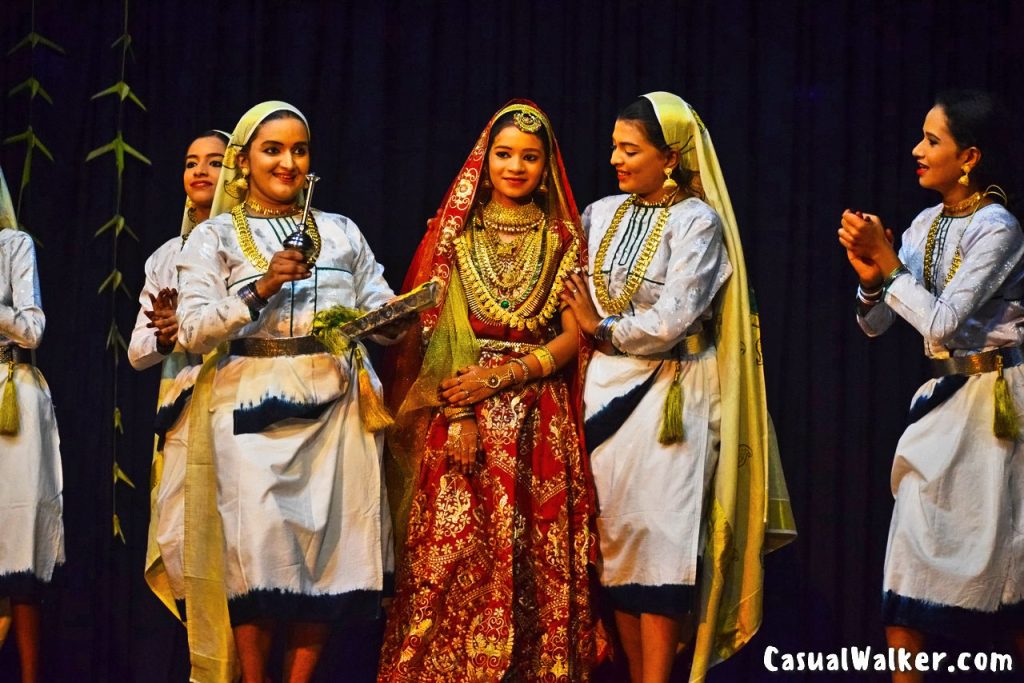
The word Oppana is believed to derive from the Arabic word “Afna” or “Hafna,” meaning to cup the palms together. Some scholars also trace it to the Tamil word “Oppanai,” meaning make-up or sitting together, both of which beautifully describe the essence of this dance. 
Origin and History of Oppana
Oppana’s roots go back several centuries, shaped by the unique cultural geography of Kerala’s Malabar coast. The region has historically been a thriving hub of Arab-Indian trade, and this deep interaction between Arabian and local Malayali traditions gave birth to a distinct cultural identity, one that blended language, music, and art in a way seen nowhere else in India.
Over generations, this cultural fusion produced Mappilapattu (Mappila songs), a rich body of folk music composed in a unique Arabi-Malayalam dialect, drawing from native Kerala musical traditions. Oppana grew directly out of this musical heritage, becoming the dance form that brought Mappilapattu to life during celebrations.
In modern times, much of Oppana’s revival and standardization is credited to Shri. U.V. Muhammad Ali from Kozhikode, who spent decades collecting authentic Oppana songs and traditional steps from elderly practitioners. His contributions to Oppana are often compared to what Shri. Rukmini Devi did for Bharatanatyam, preserving and presenting a traditional art form for a new generation. His troupe has performed across India and internationally, including in Russia.
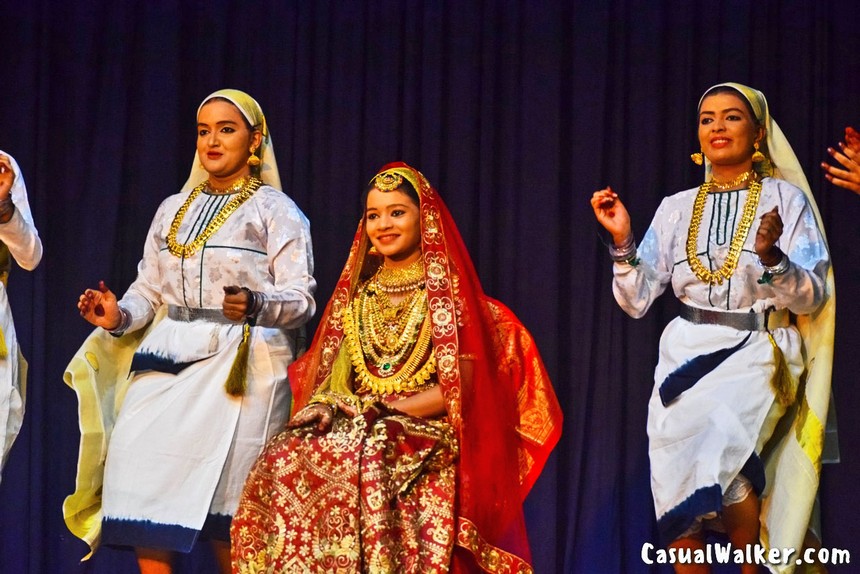
Oppana Dance Performance
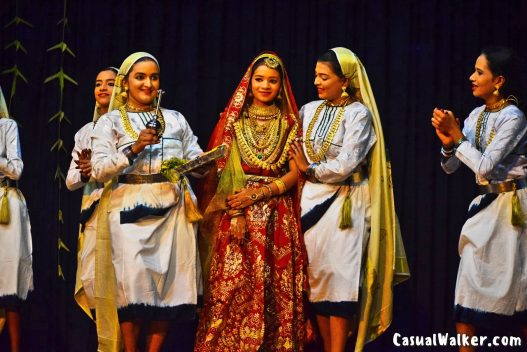
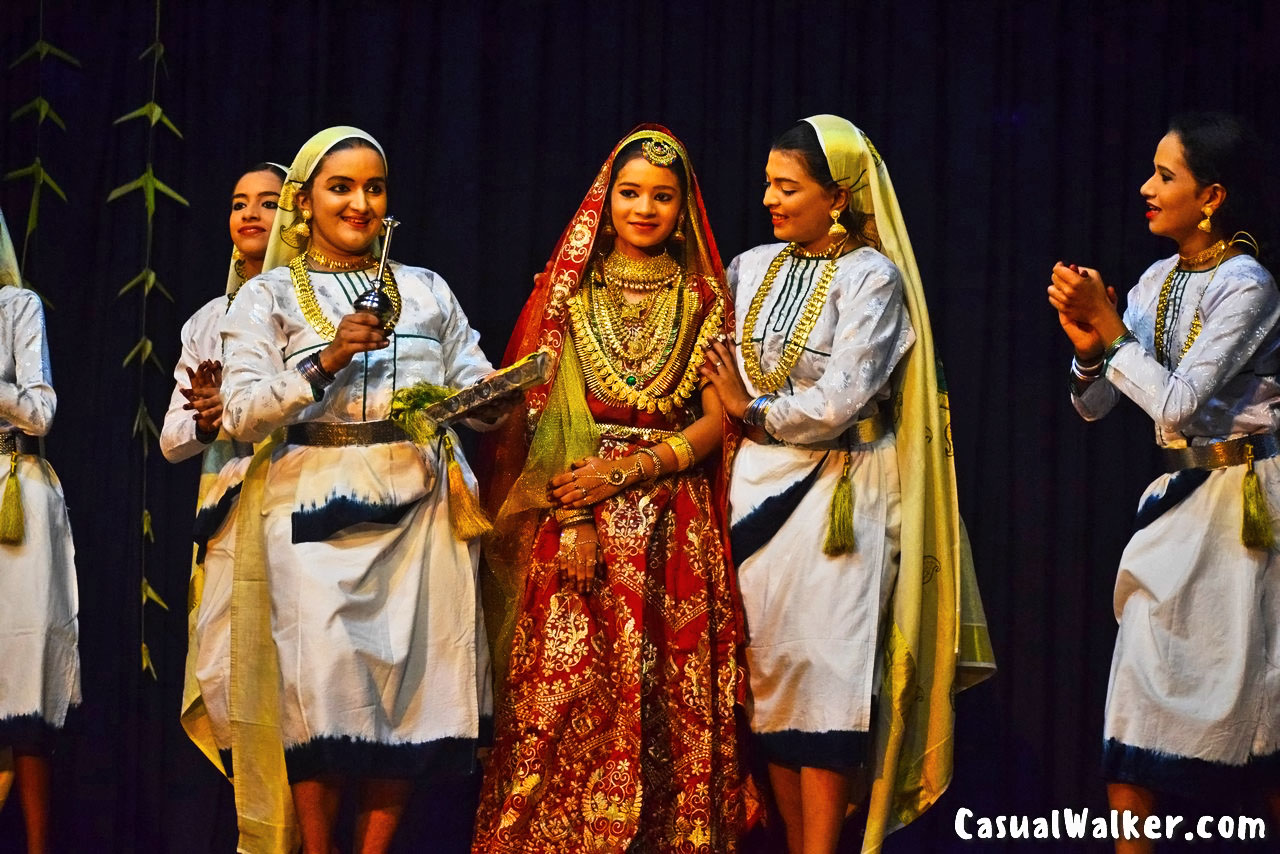
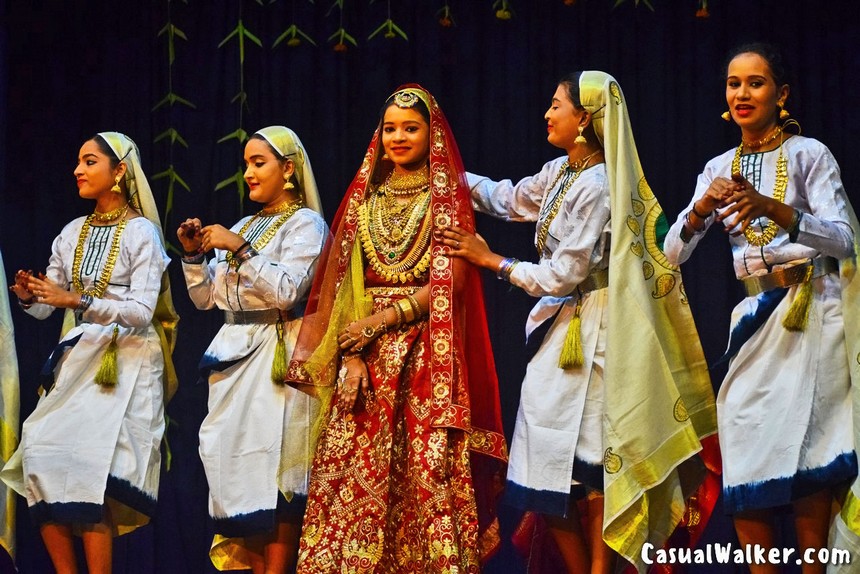
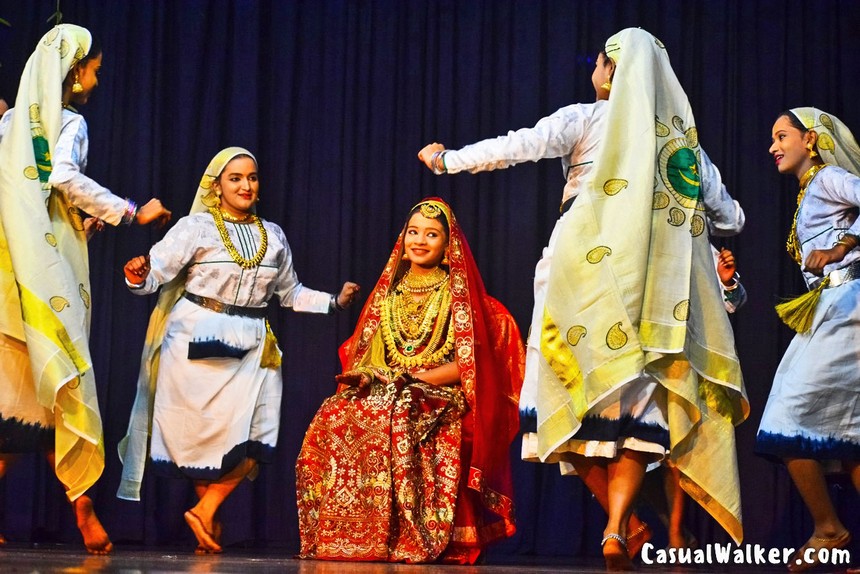
A traditional Oppana performance is centered entirely around the bride. Dressed in rich ceremonial attire, draped in gold jewelry, and with her hands and feet adorned with intricate henna (Mylanchi) designs, the bride is seated on a peetam, a ceremonial chair, at the heart of the performance space.
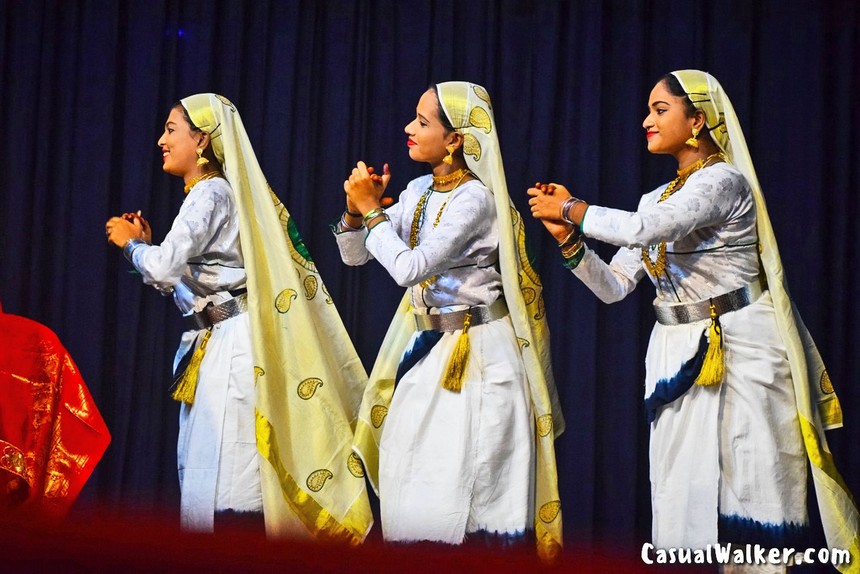
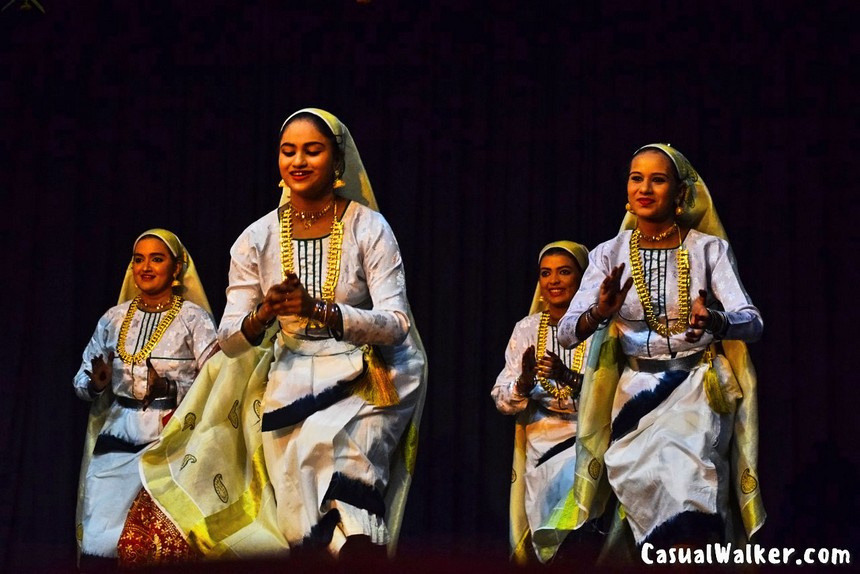
Around her, a group of fifteen women, relatives, friends, and musicians, form a circle. They sing, clap their hands in rhythm, and move around the bride with graceful, unhurried steps. The lead singer begins each verse, and the rest of the group joins in as a chorus. As the performance builds to its climax, the maidens invite the bride to rise and join them, a deeply symbolic and joyful moment.
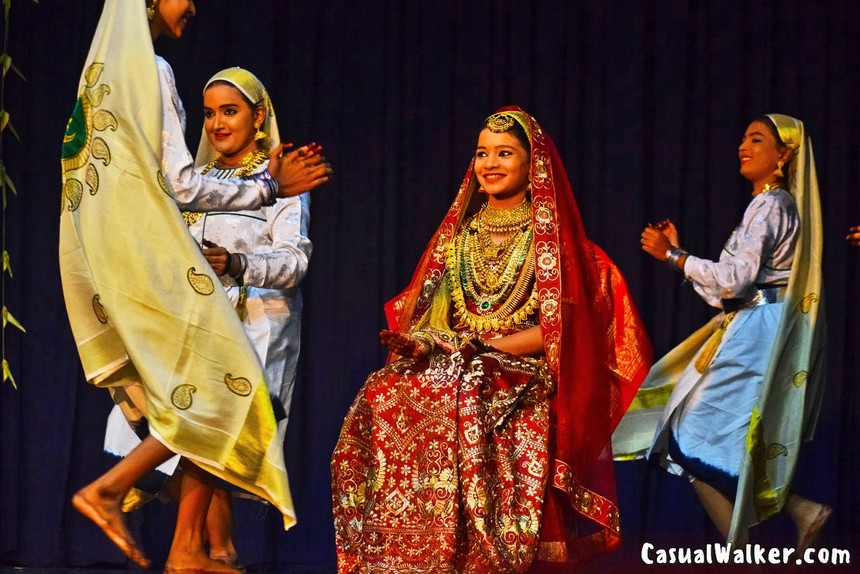
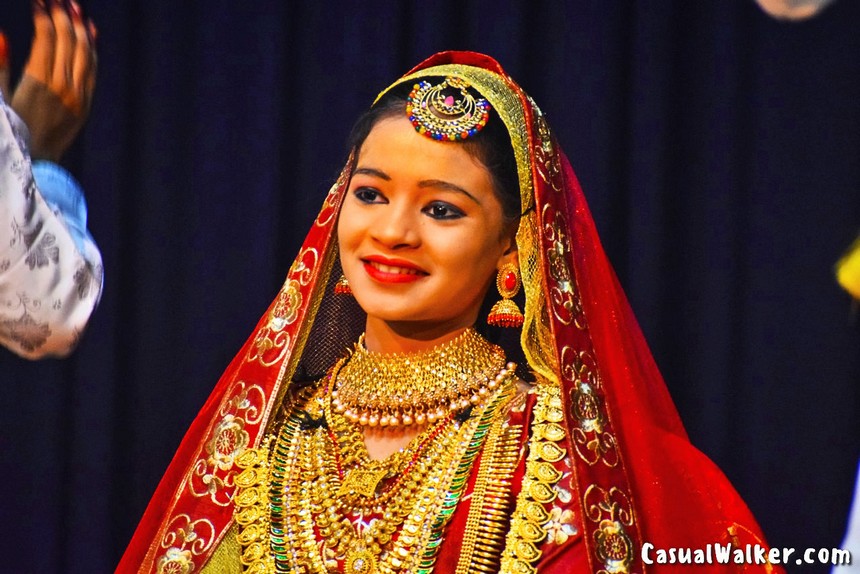
Oppana movements are gentle and graceful, focused more on expression, song, and community than on complex choreography. What makes it powerful is the collective energy, the synchronized voices, the rhythmic clapping, and the emotional weight of the occasion it celebrates.
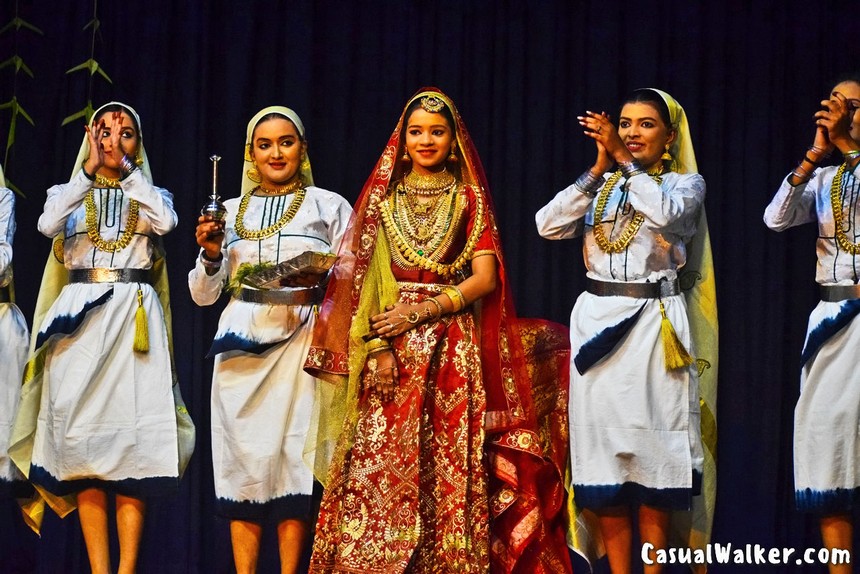
Beyond weddings, Oppana is also performed during other important life events such as Maarkkakalyanam, Vayassariyikkal (coming-of-age ceremonies), and Naalppathukali (the ceremonial bath after childbirth). On some occasions, men also perform Oppana, called Oppana Pattu, with the groom seated at the center instead of the bride.
Two Styles of Oppana
Oppana has two distinct performance styles, each with its own character
Oppana Murukkam
This is the more energetic of the two. Performers clap their hands rhythmically to the beat of the song, creating a lively, celebratory atmosphere. The pace is faster and the energy more electric.
Oppana Chaayal
A slower, more meditative style where clapping is absent. The focus shifts entirely to the grace of the movements and the beauty of the vocals, making it a more intimate, emotionally resonant experience.
Music of Oppana, Mappilapattu
The soul of Oppana is its music, Mappilapattu, the traditional folk songs of the Malabar region. These songs are composed in Arabi-Malayalam, a lyrical blend of Malayalam and Arabic that gives the music its unmistakable character.
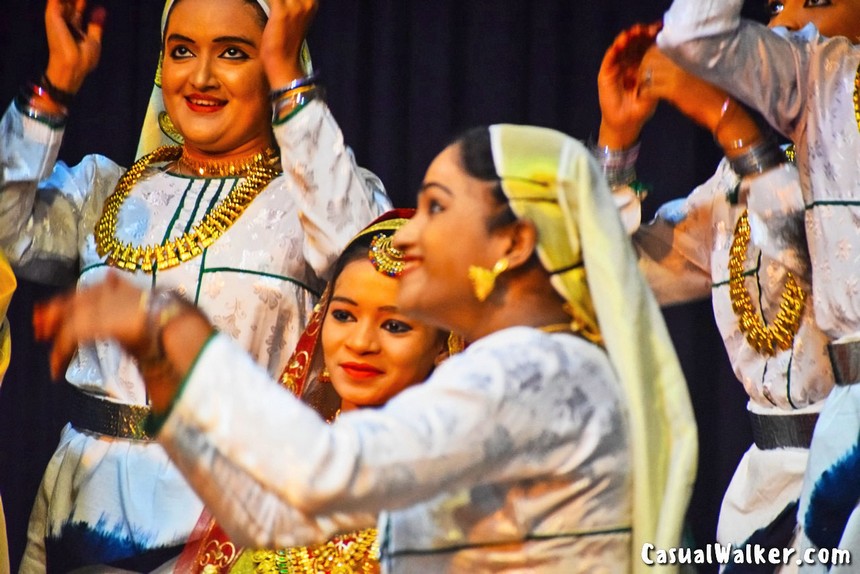
The themes of the songs revolve around the joy of the wedding, praising the bride’s beauty, teasing her about married life, and celebrating the union with romantic metaphors and poetic verses. The lead singer sets the tone, and the group echoes each line in chorus, building a layered, communal musical experience.
The instruments used in a traditional Oppana performance include:
- Harmonium
- Tabla
- Ganjira
- Elathaalam (cymbals)
- Tambourine
The Mappilapattu chosen for Oppana are typically light, rhythmic compositions that match the pace and mood of the dance, celebratory without being overwhelming.
Oppana Costumes and Attire
The visual splendor of Oppana lies as much in its costumes as in its movements.
The bride is the centerpiece, dressed in vivid silk garments, layered gold necklaces, bangles, and ornate accessories. Her henna-decorated hands and feet add another layer of artistry to her appearance.
The performers maintain a graceful uniformity. They traditionally wear a white mundu (kachi mundu) with a colored border, a full-sleeved blouse (kuppayam), and a silk-bordered head scarf (thattam). Variations include green shirts and dotted scarves on certain occasions. Gold jewelry and matching accessories complete the look, the performers are meant to form a radiant circle that frames and elevates the bride at the center.
Oppana troupes can now be found in every district of Kerala, and Keralites settled abroad regularly hire troupes for their events, taking this art form to stages across the world. It has also found its way into Malayalam films, cultural festivals, and stage performances, earning appreciation from audiences who may not have grown up with the tradition.
What makes Oppana remarkable is not just its artistic beauty, but what it represents, centuries of cultural exchange, coexistence, and creativity. It emerged from a region where trade routes brought people and ideas together, where languages blended, and where celebration became a shared language.
Oppana is a reminder that India’s folk arts are extraordinarily diverse, rooted in the specific soil, history, and people of each region. Like Bharatanatyam, Kuchipudi, Mohiniyattam, or Margamkali, Oppana holds its own proud place in India’s vast performing arts tradition, not as a footnote, but as a living, evolving art form that continues to move people.

Where to Watch Oppana Dance of Malabar, Northern Kerala
If you want to experience Oppana live in Kerala, especially during wedding season (winter months are particularly busy). Here’s where to catch it:
Cultural festivals and tourism events: Kerala Tourism often features Oppana troupes at heritage festivals, Onam celebrations, and cultural showcases in cities like Kochi and Thiruvananthapuram.
Malappuram, Kozhikode, and Kannur districts: the heartland of Oppana, where you’re most likely to stumble upon an authentic wedding performance if you’re lucky and respectful.
Kerala State School Kalolsavam: held annually, this is one of the best places to see polished, competitive Oppana performances by talented young artists.
Thanks for exploring this photo guide! We’d love to hear your feedback, stories, corrections, or any updates. Email us.
Follow our photo walks on Instagram: @hicasualwalker
Keep exploring: Browse 650+ Travel & Culture Photo Guides